

Fast Delivery
Quick, reliable shipping to any location.

Free & easy returns
Return this item by mail or in store within 90 days for a full refund.
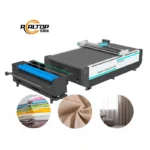
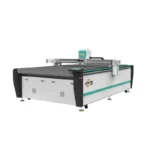
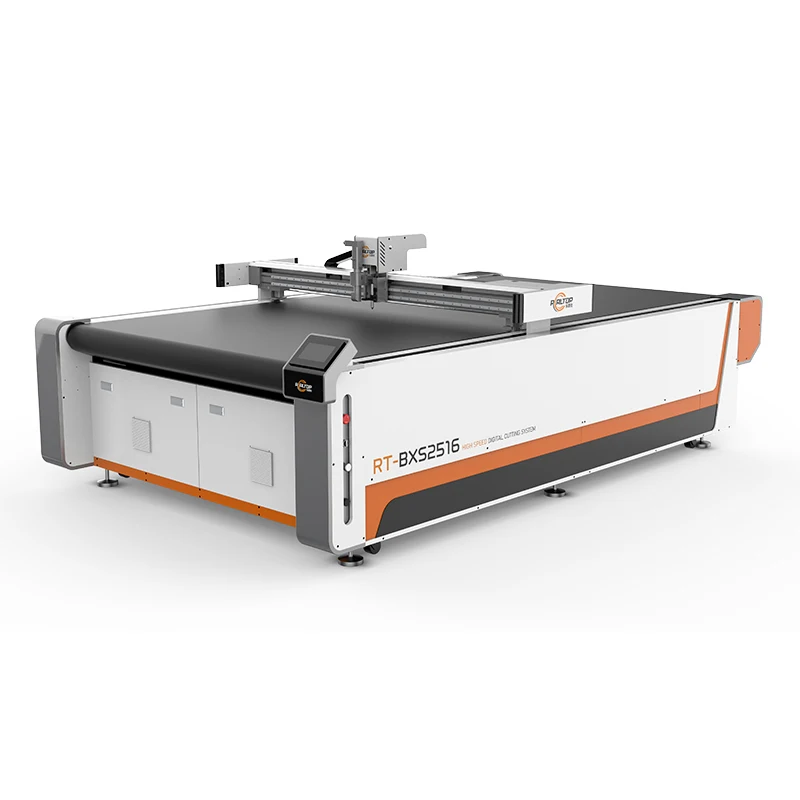
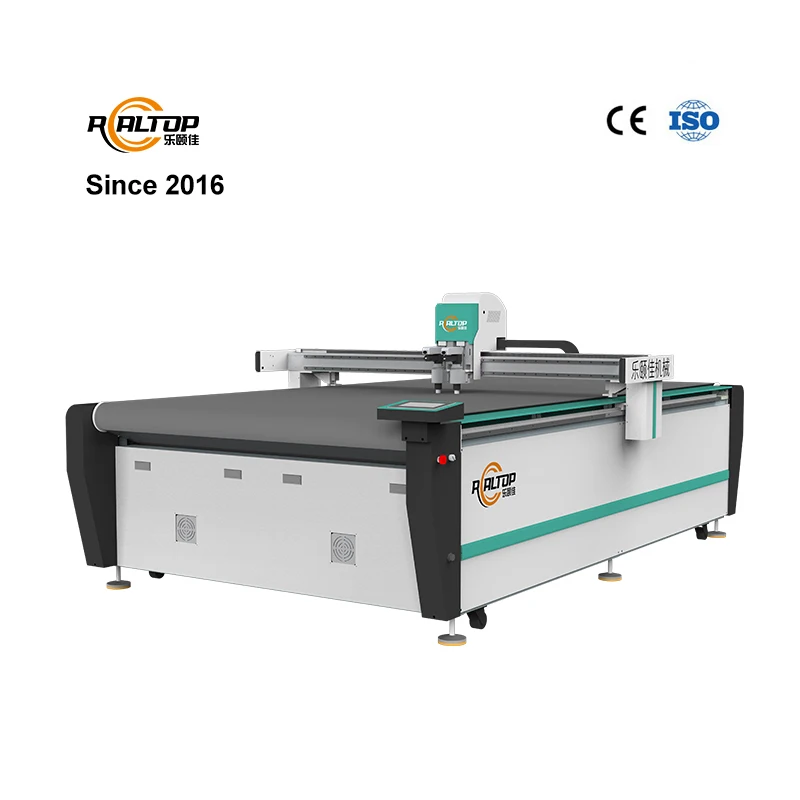
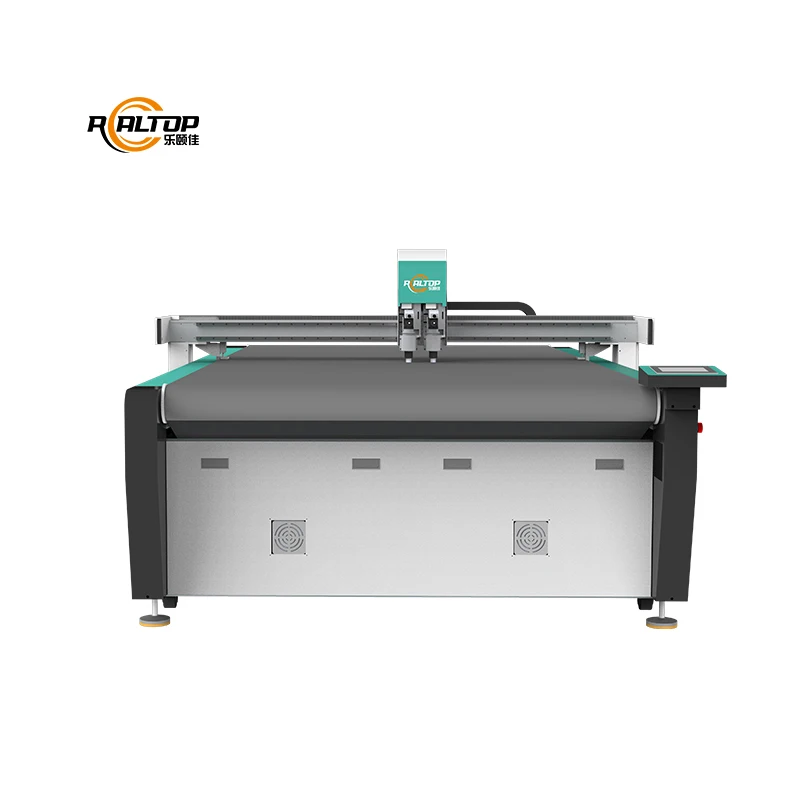
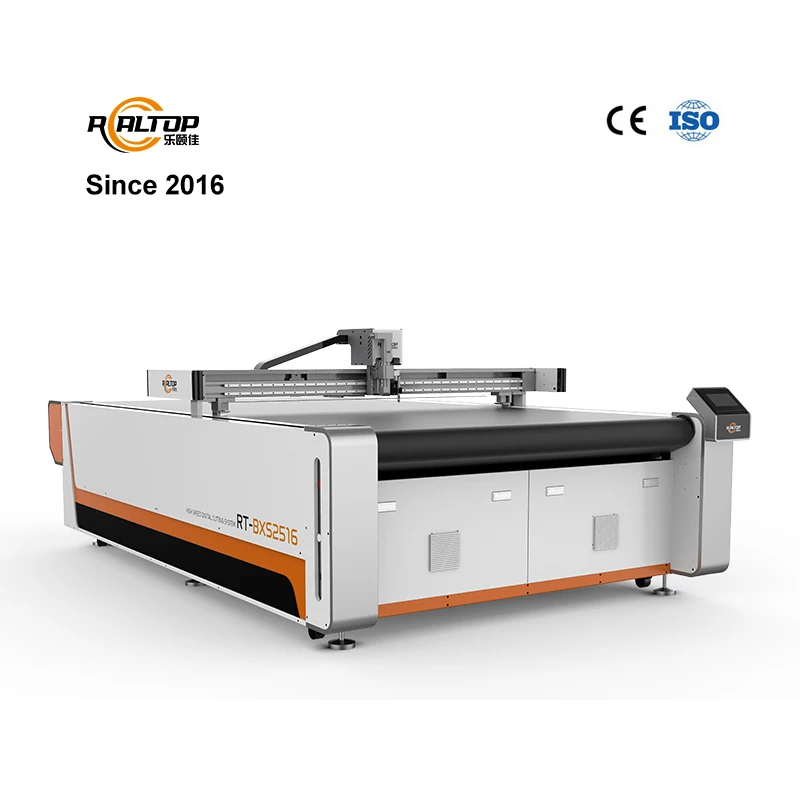
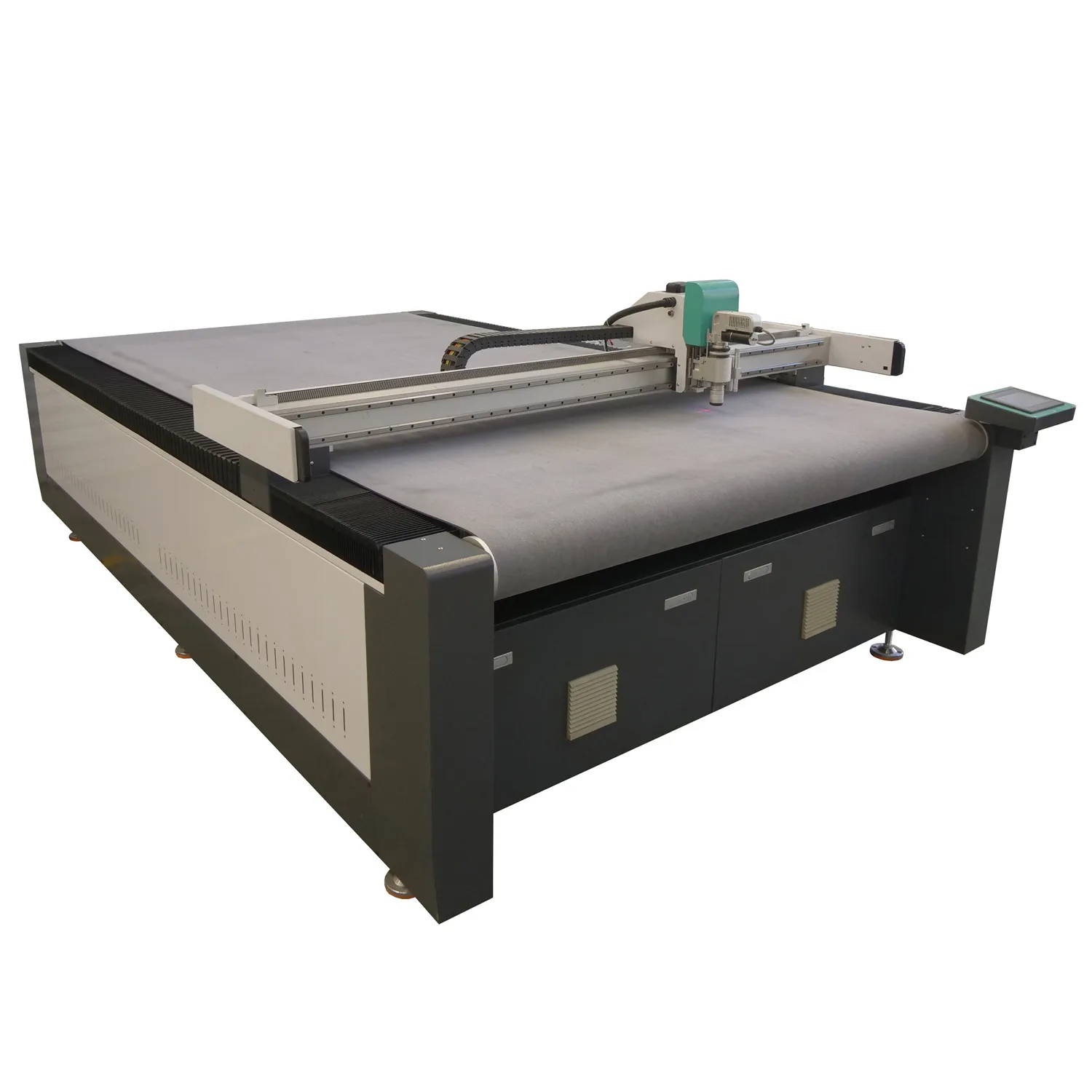
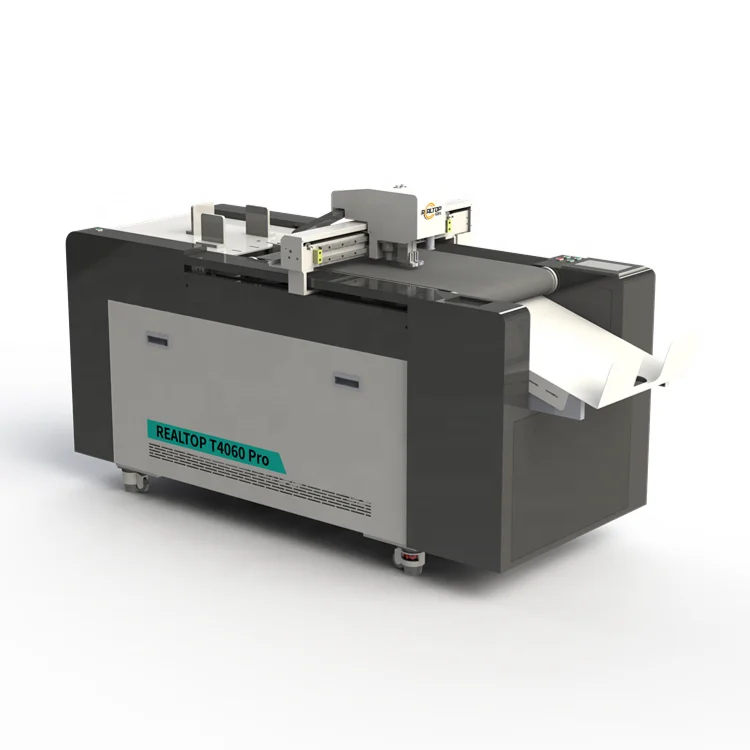
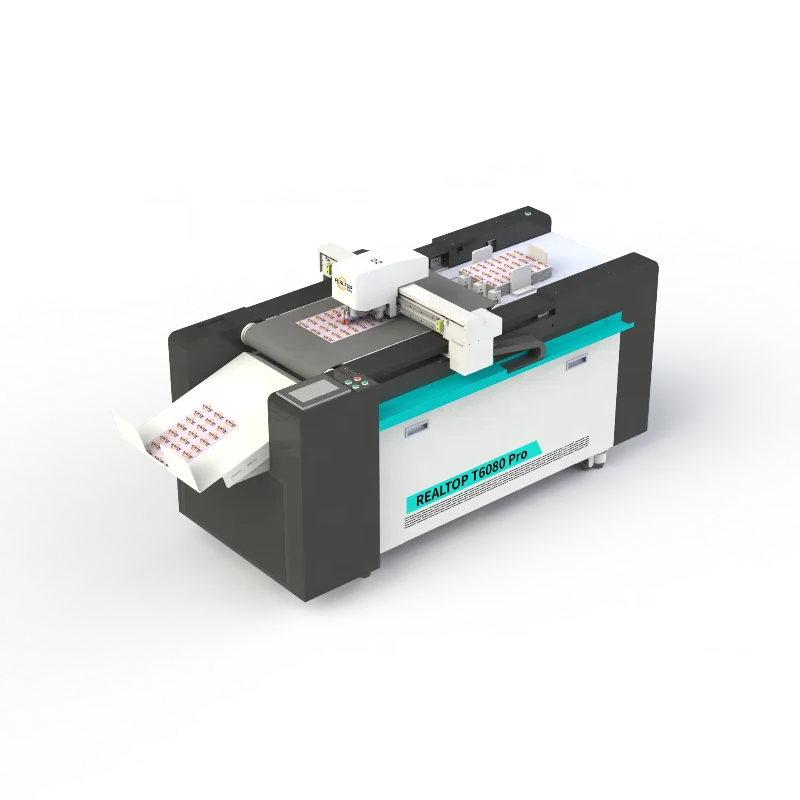
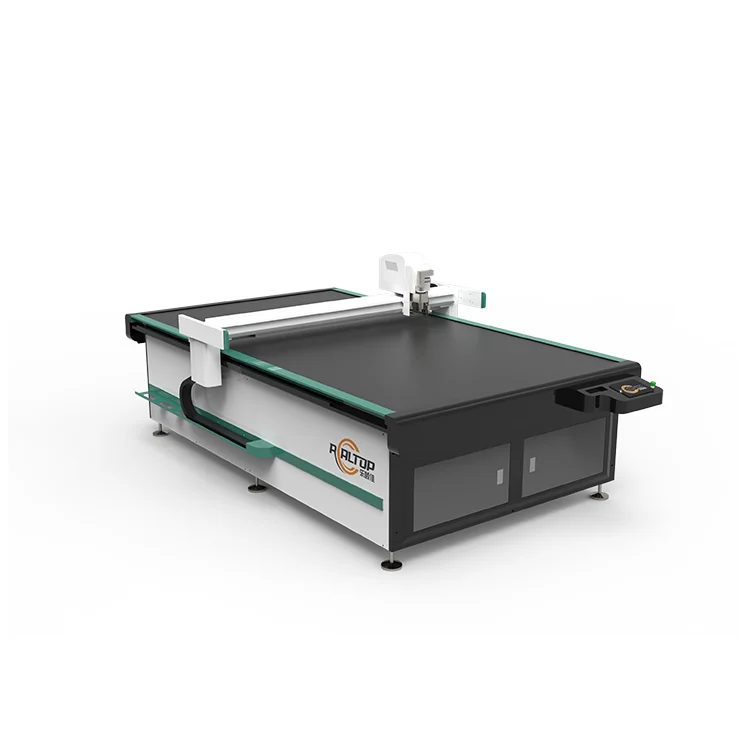
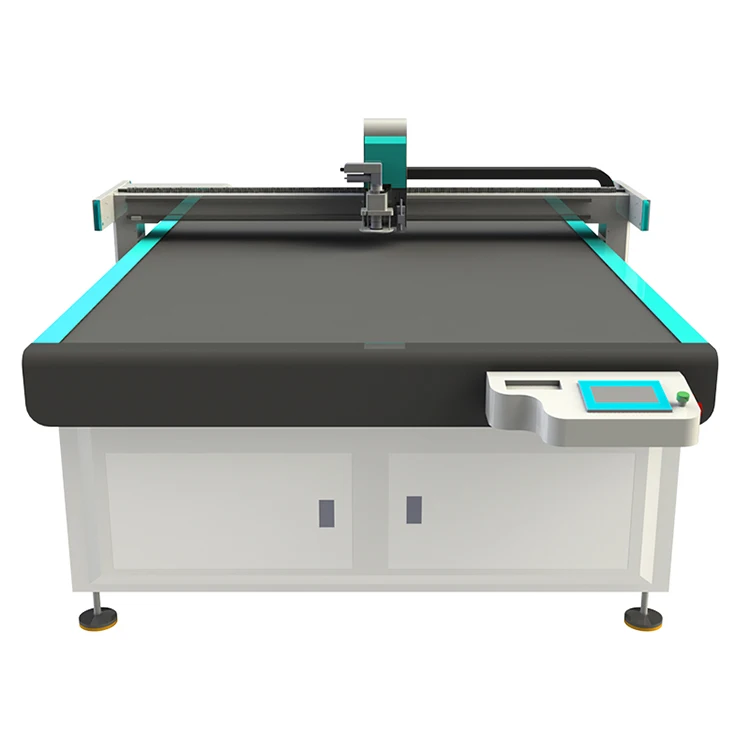
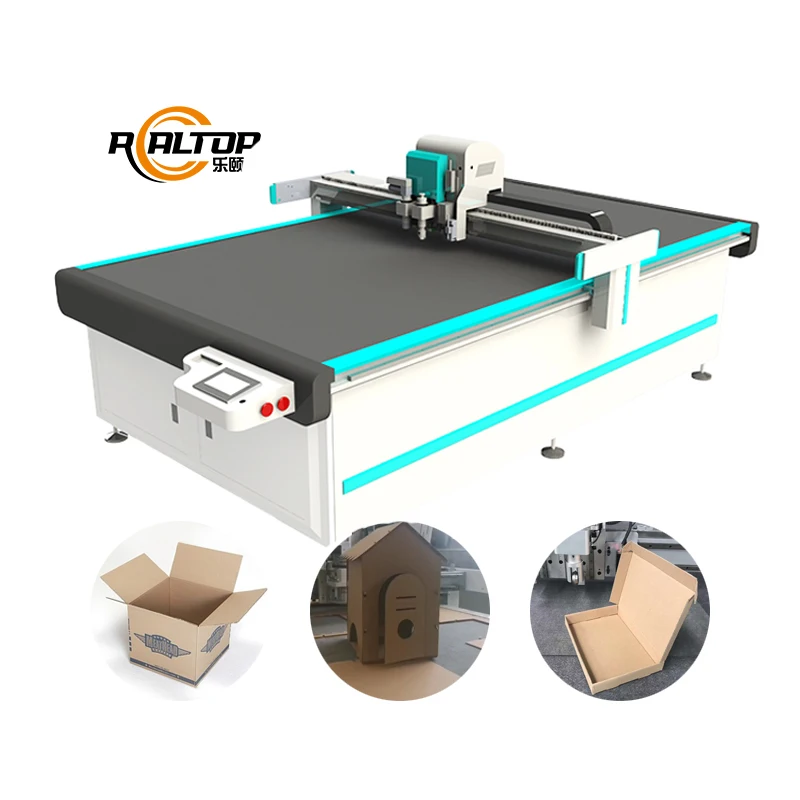
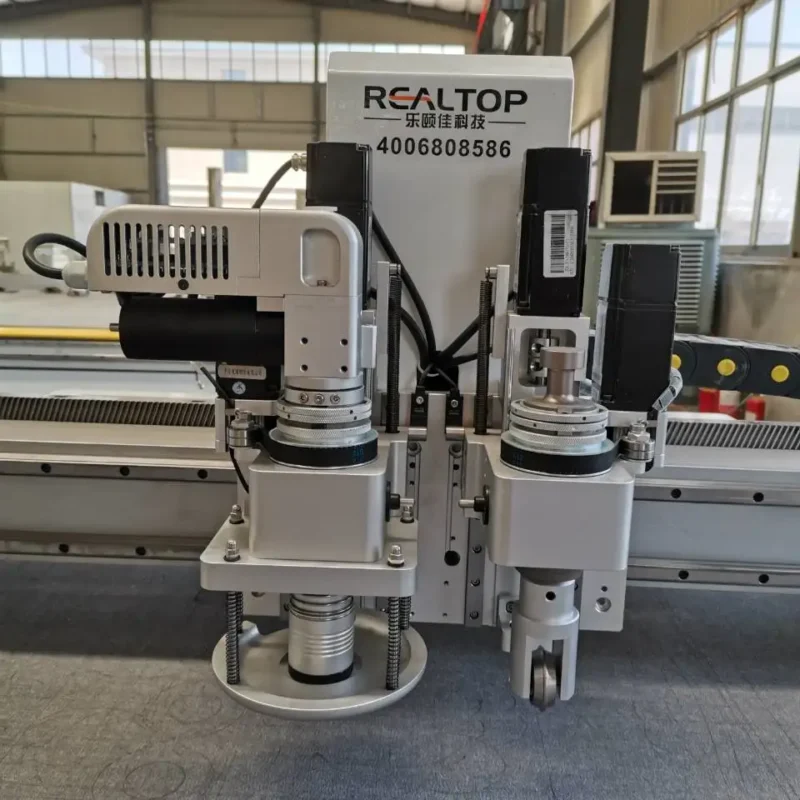
Configurable Tooling — A single flatbed platform configured with oscillating, drag, or pneumatic knife heads to match the specific fabric, leather, or composite being processed rather than forcing one blade across every material.
Technical Specifications
| Parameter | Value |
|---|---|
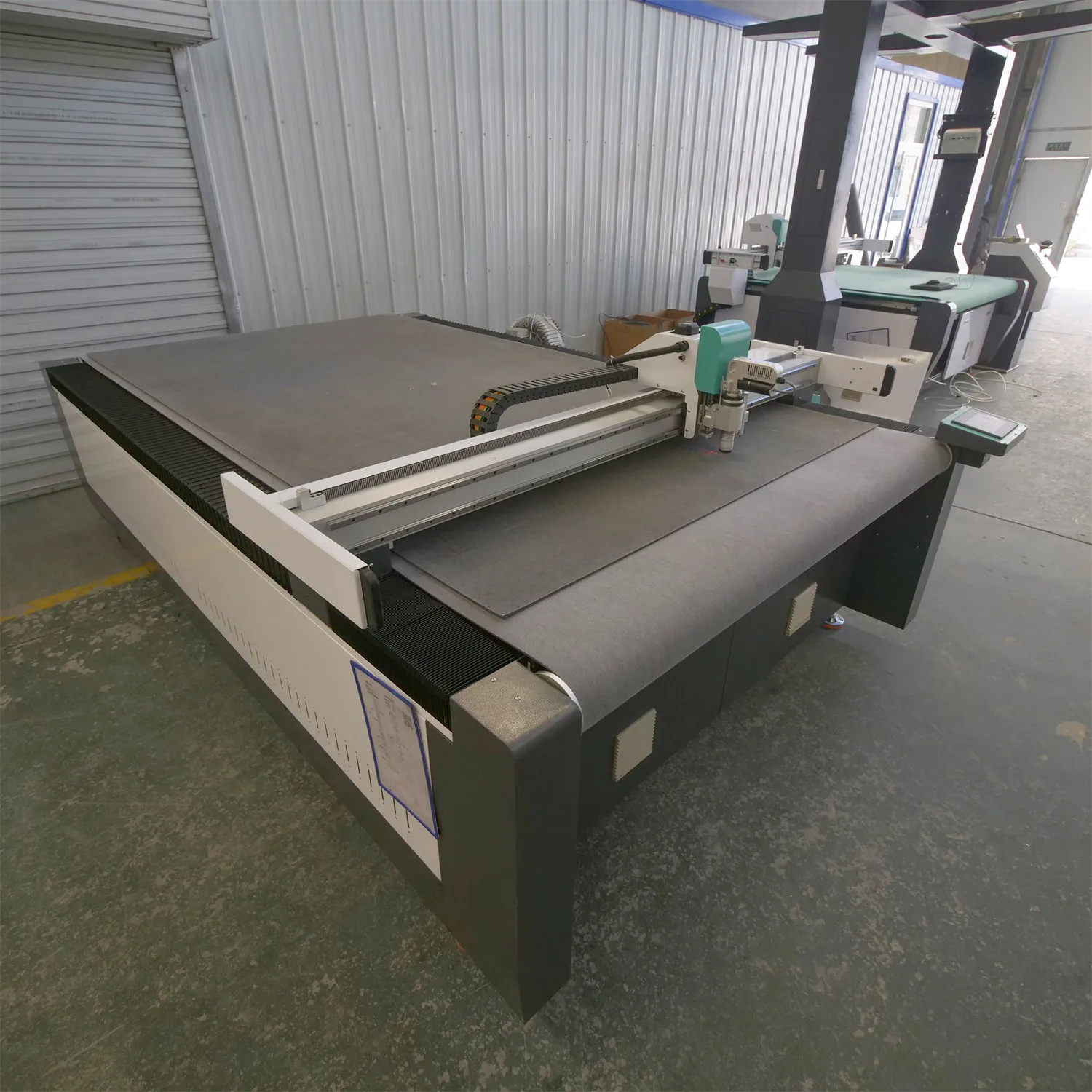
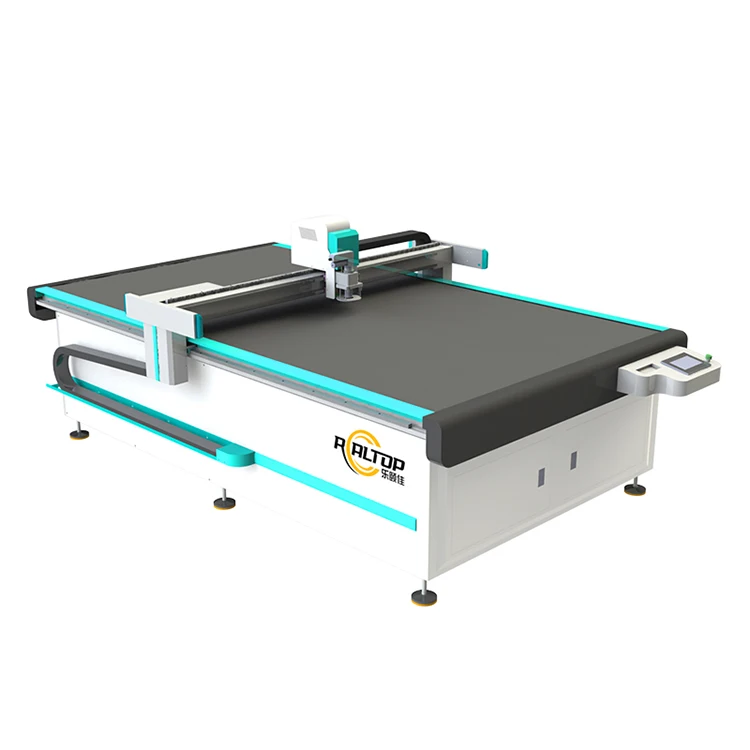
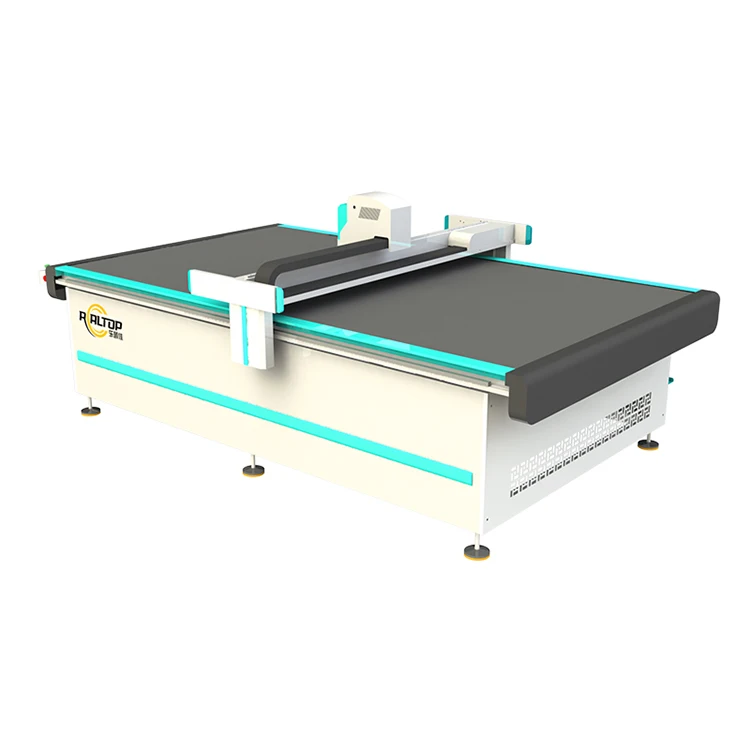
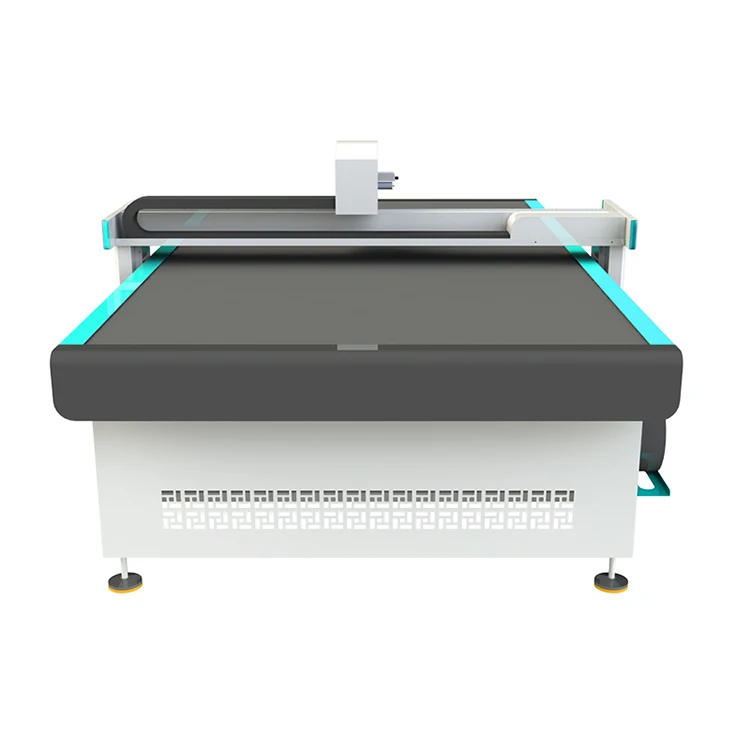
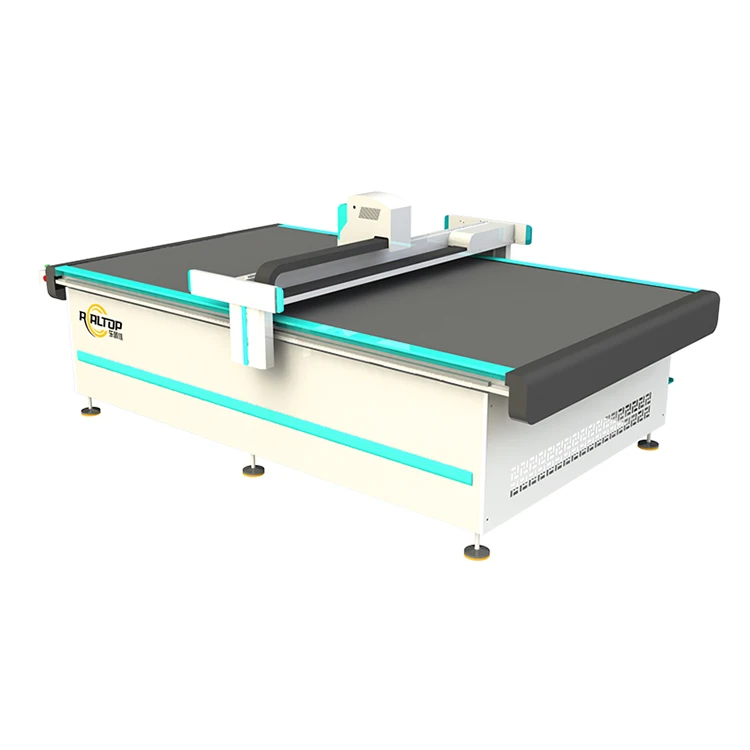
| Product Type | CNC Oscillating Knife Cutting Machine with Automatic Feeding |
| Working Area | 1600×2500 mm |
| Machine Size | 3450×2300×1250 mm |
| Rated Power | 9 kW |
| Voltage | 380V ±10% |
| Cutting Thickness | Up to 100 mm (varies with material) |
| Translational Velocity | 800–2000 mm/s |
| Cutting Speed | 200–800 mm/s (according to different cutting materials) |
| Repeated Accuracy | ≤0.1 mm |
| Working Table | Flatbed with magnesium-aluminum alloy vacuum adsorption |
| Transmission System | Digital servo motor, linear guide, synchronous belt, ball screw |
| Multifunctional Head | Swiss imported knife with vibration full cutting, half cutting and cursor location |
| Instruction System | HP-GL compatible format |
| Vacuum Pump | 7.5 kW |
| Conveyor Belt | Germany imported |
| Safety Device | Infrared sensors |
Application Suitability
| Application | Material or Output |
|---|---|
| Garment and footwear production | Clothing cloth, shoe material, leather, non-woven fabric |
| Automotive interior trimming | Sponge, PU, EVA, XPE, composite panels |
| Packaging and carton sample making | Cardboard, corrugated cardboard, plastic box |
| Advertising and signage | Sticker, film, PVC, graphic printing media |
| Soft furnishings and floor coverings | Carpet, sponge, soft home furnishing textiles |
| Gasket and sealing fabrication | Rubber, PTFE, ETFE, fiberglass, gasket material |
Why Fabric Thickness Decides More Than Working Area Alone
Matching the cutting method and blade geometry to the actual material stack is the difference between clean edges and a scrapped roll.
A buyer selects a flatbed based on sheet dimensions, signs off on the working area, and then discovers that a 5 mm layered textile compresses under the vacuum while the oscillating blade pulls the top ply out of register. The cutting speed drops, the edge frays, and the first batch of fabric becomes waste. This mismatch happens when the specification conversation stops at table size and never reaches the material itself [NEED_CITE: industrial textile cutting tolerances by ply count]. A CNC Oscillating Knife Cutting Machine for sale should always be evaluated against the specific cloth weight, weave density, and coating type it will encounter on the shop floor, not against a generic fabric category.
Knife Versus Laser: Picking the Right Method for the Material
When the material is natural fiber, coated textile, or layered synthetic, an oscillating knife produces a mechanical shear that leaves the edge intact without thermal sealing or discoloration. A laser, by contrast, melts or vaporizes the cut path, which works well for sealing synthetic edges but can scorch natural fibers and leave hardened beads on coated fabrics. The decision is not about which technology is superior in general; it is about which one preserves the hand, drape, and finish of the specific cloth being processed. Buyers comparing a CNC Oscillating Knife Cutting Machine for sale against a CO2 laser should start with a physical sample cut on both methods before committing to a purchase order.
Automatic Feeding and Conveyor Integration for Continuous Rolls
The automatic feeding system pairs a motorized conveyor belt with the flatbed vacuum table so that roll-fed fabric advances through the cutting zone without manual repositioning. After each cutting cycle, the conveyor indexes the material forward, the vacuum re-engages, and the next nest of patterns is processed. This arrangement suits high-volume garment and automotive interior producers who run continuous rolls of cloth, PU, or EVA and need consistent registration across multiple nests. The 7.5 kW vacuum pump maintains adsorption across the magnesium-aluminum alloy table surface, and zoning capability should be confirmed for the smallest part in the nesting layout [NEED_CITE: vacuum zoning requirements for small fabric parts].
Reading the Spec Sheet for Real Production Impact
The 1600×2500 mm working area accommodates standard textile roll widths and allows multiple garment panels to be nested in a single pass. Repeated accuracy of ≤0.1 mm, delivered through the imported linear guide and ball screw transmission, keeps pattern pieces within tolerance so that downstream sewing operations do not have to compensate for drift. The Swiss imported oscillating knife head performs both full cutting and half cutting, which means kiss-cutting through a top layer while leaving the backing intact — a requirement for sticker, applique, and multi-layer composite work. Translational velocity up to 2000 mm/s governs non-cutting travel between paths, while actual cutting speed of 200–800 mm/s depends on fabric density and thickness; a heavy woven carpet will sit at the lower end, and a lightweight non-woven at the upper end. The HP-GL compatible instruction system accepts nesting files from common CAD software, but buyers should verify that their specific file export format imports cleanly before the machine ships.
What Happens When the Wrong Head Meets the Wrong Material
A drag knife dragged through a 30 mm foam sheet will crush the top cells before it finishes the cut, leaving a ragged groove instead of a clean edge. An oscillating head set to the wrong stroke frequency on a coated textile can delaminate the coating from the substrate, producing a visible lift at every inside corner. These failures do not show up in the specification sheet; they appear only when the blade geometry, oscillation frequency, and vacuum hold-down are tested against the real material [NEED_CITE: oscillating knife blade selection by material density]. Buyers who skip sample cutting and rely solely on published cutting thickness figures often discover the mismatch during commissioning, when replacing the tool head and re-validating the nesting program adds weeks to the project timeline.
Why Buyers Source This Platform Here
In-house design covers both knife and laser cutting technologies on a shared flatbed architecture, so a buyer processing both coated textiles and acrylic signage can specify one machine family and swap the cutting method rather than managing two unrelated platforms. Tool head and table configuration are set per material and production volume, not chosen from a fixed catalogue page. CCD camera positioning is available for printed contour work where the cutting path must follow a registered print rather than a digital nest. Software compatibility and file format confirmation happen before the order is released to production, not after the machine arrives. Sample cutting on the buyer’s own fabric, leather, or composite is standard procedure, producing a physical report that documents edge quality, cycle time, and recommended blade configuration before any commercial commitment.
Documentation & Verification
- Machine specification sheet listing the configured tool head, vacuum zone map, and conveyor length for your working area
- Electrical schematic with voltage confirmation matching your facility supply and frequency
- Sample cutting report on your actual fabric or composite, documenting edge quality and blade selection
- CE declaration where applicable, with machinery directive compliance noted per destination market
- Software licence and HP-GL file format compatibility note confirming your CAD workflow imports correctly
- Spare parts list with recommended blade stock and wear items for the first production period
Installation, Commissioning & Support
- Floor space planning for the 3450×2300×1250 mm machine footprint plus roll-feed and offcut clearance
- Dedicated 380V ±10% circuit rated for 9 kW continuous load with appropriate breaker and isolation
- Conveyor belt tensioning and vacuum zone calibration during first startup on your production material
- Oscillation frequency and blade depth parameter setup for each fabric type in your product range
- Operator training on HP-GL file import, nesting adjustment, and tool head changeover procedures
- Scheduled blade and belt inspection intervals matched to your daily cutting volume and material abrasiveness
What to Include in Your Inquiry
Send the actual fabric or composite material you plan to cut, including roll width, ply count, and any coating or lamination details. Specify your local voltage and frequency, the control language your operators need, and whether your nesting workflow relies on a particular CAD export format. If you run multiple material families, list each one so that tool head options can be matched before quotation.
Frequently Asked Questions
Q: Knife versus laser — how do I choose the right cutting method for my fabric?
A: Mechanical knife cutting shears the fiber without heat, preserving the natural hand of textiles and avoiding melted edges on coated materials. Laser cutting seals synthetic edges but can scorch natural fibers. The correct choice depends on the specific cloth composition and the finish your downstream process requires, which is why sample cutting on both methods is recommended before ordering.
Q: How do I match working area and cutting thickness to my production?
A: The 1600×2500 mm table handles standard roll widths, but published cutting thickness figures assume a specific material density. A 100 mm foam block and a 100 mm stack of woven cloth behave differently under the blade. Provide your material type, thickness, and ply count so that the configuration can be validated on your actual product.
Q: Which tool head should I use for fabric, leather, and foam?
A: The oscillating knife suits most textiles and foams by vibrating through the material at a set frequency. A drag knife works for thinner, single-ply materials like vinyl and sticker. A pneumatic knife handles denser, thicker stacks. The multifunctional head platform allows switching between these options, but the correct choice must be confirmed by cutting a sample of your specific material.
Q: Why does vacuum table zoning matter for small fabric parts?
A: A vacuum table with a single large zone can lose hold-down pressure on small parts surrounded by cut paths, allowing fabric to lift during the final passes. Zoning isolates vacuum to the active cutting region, keeping small garment panels and gasket shapes flat. The zone configuration should be matched to the smallest part in your nesting layout.
Q: Can the machine be configured for my country’s voltage and language?
A: The platform supports 380V ±10% as standard and can be configured for other voltage and frequency requirements. Control interface language is set before shipment based on your operator preference. Both parameters are confirmed during the specification review stage, before the machine enters production, to avoid field rewiring or software reloading.
Configurable Tooling — A single flatbed platform configured with oscillating, drag, or pneumatic knife heads to match the specific fabric, leather, or composite being processed rather than forcing one blade across every material.
Technical Specifications
| Parameter | Value |
|---|---|
| Product Type | CNC Oscillating Knife Cutting Machine with Automatic Feeding |
| Working Area | 1600×2500 mm |
| Machine Size | 3450×2300×1250 mm |
| Rated Power | 9 kW |
| Voltage | 380V ±10% |
| Cutting Thickness | Up to 100 mm (varies with material) |
| Translational Velocity | 800–2000 mm/s |
| Cutting Speed | 200–800 mm/s (according to different cutting materials) |
| Repeated Accuracy | ≤0.1 mm |
| Working Table | Flatbed with magnesium-aluminum alloy vacuum adsorption |
| Transmission System | Digital servo motor, linear guide, synchronous belt, ball screw |
| Multifunctional Head | Swiss imported knife with vibration full cutting, half cutting and cursor location |
| Instruction System | HP-GL compatible format |
| Vacuum Pump | 7.5 kW |
| Conveyor Belt | Germany imported |
| Safety Device | Infrared sensors |
Application Suitability
| Application | Material or Output |
|---|---|
| Garment and footwear production | Clothing cloth, shoe material, leather, non-woven fabric |
| Automotive interior trimming | Sponge, PU, EVA, XPE, composite panels |
| Packaging and carton sample making | Cardboard, corrugated cardboard, plastic box |
| Advertising and signage | Sticker, film, PVC, graphic printing media |
| Soft furnishings and floor coverings | Carpet, sponge, soft home furnishing textiles |
| Gasket and sealing fabrication | Rubber, PTFE, ETFE, fiberglass, gasket material |
Why Fabric Thickness Decides More Than Working Area Alone
Matching the cutting method and blade geometry to the actual material stack is the difference between clean edges and a scrapped roll.
A buyer selects a flatbed based on sheet dimensions, signs off on the working area, and then discovers that a 5 mm layered textile compresses under the vacuum while the oscillating blade pulls the top ply out of register. The cutting speed drops, the edge frays, and the first batch of fabric becomes waste. This mismatch happens when the specification conversation stops at table size and never reaches the material itself [NEED_CITE: industrial textile cutting tolerances by ply count]. A CNC Oscillating Knife Cutting Machine for sale should always be evaluated against the specific cloth weight, weave density, and coating type it will encounter on the shop floor, not against a generic fabric category.
Knife Versus Laser: Picking the Right Method for the Material
When the material is natural fiber, coated textile, or layered synthetic, an oscillating knife produces a mechanical shear that leaves the edge intact without thermal sealing or discoloration. A laser, by contrast, melts or vaporizes the cut path, which works well for sealing synthetic edges but can scorch natural fibers and leave hardened beads on coated fabrics. The decision is not about which technology is superior in general; it is about which one preserves the hand, drape, and finish of the specific cloth being processed. Buyers comparing a CNC Oscillating Knife Cutting Machine for sale against a CO2 laser should start with a physical sample cut on both methods before committing to a purchase order.
Automatic Feeding and Conveyor Integration for Continuous Rolls
The automatic feeding system pairs a motorized conveyor belt with the flatbed vacuum table so that roll-fed fabric advances through the cutting zone without manual repositioning. After each cutting cycle, the conveyor indexes the material forward, the vacuum re-engages, and the next nest of patterns is processed. This arrangement suits high-volume garment and automotive interior producers who run continuous rolls of cloth, PU, or EVA and need consistent registration across multiple nests. The 7.5 kW vacuum pump maintains adsorption across the magnesium-aluminum alloy table surface, and zoning capability should be confirmed for the smallest part in the nesting layout [NEED_CITE: vacuum zoning requirements for small fabric parts].
Reading the Spec Sheet for Real Production Impact
The 1600×2500 mm working area accommodates standard textile roll widths and allows multiple garment panels to be nested in a single pass. Repeated accuracy of ≤0.1 mm, delivered through the imported linear guide and ball screw transmission, keeps pattern pieces within tolerance so that downstream sewing operations do not have to compensate for drift. The Swiss imported oscillating knife head performs both full cutting and half cutting, which means kiss-cutting through a top layer while leaving the backing intact — a requirement for sticker, applique, and multi-layer composite work. Translational velocity up to 2000 mm/s governs non-cutting travel between paths, while actual cutting speed of 200–800 mm/s depends on fabric density and thickness; a heavy woven carpet will sit at the lower end, and a lightweight non-woven at the upper end. The HP-GL compatible instruction system accepts nesting files from common CAD software, but buyers should verify that their specific file export format imports cleanly before the machine ships.
What Happens When the Wrong Head Meets the Wrong Material
A drag knife dragged through a 30 mm foam sheet will crush the top cells before it finishes the cut, leaving a ragged groove instead of a clean edge. An oscillating head set to the wrong stroke frequency on a coated textile can delaminate the coating from the substrate, producing a visible lift at every inside corner. These failures do not show up in the specification sheet; they appear only when the blade geometry, oscillation frequency, and vacuum hold-down are tested against the real material [NEED_CITE: oscillating knife blade selection by material density]. Buyers who skip sample cutting and rely solely on published cutting thickness figures often discover the mismatch during commissioning, when replacing the tool head and re-validating the nesting program adds weeks to the project timeline.
Why Buyers Source This Platform Here
In-house design covers both knife and laser cutting technologies on a shared flatbed architecture, so a buyer processing both coated textiles and acrylic signage can specify one machine family and swap the cutting method rather than managing two unrelated platforms. Tool head and table configuration are set per material and production volume, not chosen from a fixed catalogue page. CCD camera positioning is available for printed contour work where the cutting path must follow a registered print rather than a digital nest. Software compatibility and file format confirmation happen before the order is released to production, not after the machine arrives. Sample cutting on the buyer’s own fabric, leather, or composite is standard procedure, producing a physical report that documents edge quality, cycle time, and recommended blade configuration before any commercial commitment.
Documentation & Verification
- Machine specification sheet listing the configured tool head, vacuum zone map, and conveyor length for your working area
- Electrical schematic with voltage confirmation matching your facility supply and frequency
- Sample cutting report on your actual fabric or composite, documenting edge quality and blade selection
- CE declaration where applicable, with machinery directive compliance noted per destination market
- Software licence and HP-GL file format compatibility note confirming your CAD workflow imports correctly
- Spare parts list with recommended blade stock and wear items for the first production period
Installation, Commissioning & Support
- Floor space planning for the 3450×2300×1250 mm machine footprint plus roll-feed and offcut clearance
- Dedicated 380V ±10% circuit rated for 9 kW continuous load with appropriate breaker and isolation
- Conveyor belt tensioning and vacuum zone calibration during first startup on your production material
- Oscillation frequency and blade depth parameter setup for each fabric type in your product range
- Operator training on HP-GL file import, nesting adjustment, and tool head changeover procedures
- Scheduled blade and belt inspection intervals matched to your daily cutting volume and material abrasiveness
What to Include in Your Inquiry
Send the actual fabric or composite material you plan to cut, including roll width, ply count, and any coating or lamination details. Specify your local voltage and frequency, the control language your operators need, and whether your nesting workflow relies on a particular CAD export format. If you run multiple material families, list each one so that tool head options can be matched before quotation.
Frequently Asked Questions
Q: Knife versus laser — how do I choose the right cutting method for my fabric?
A: Mechanical knife cutting shears the fiber without heat, preserving the natural hand of textiles and avoiding melted edges on coated materials. Laser cutting seals synthetic edges but can scorch natural fibers. The correct choice depends on the specific cloth composition and the finish your downstream process requires, which is why sample cutting on both methods is recommended before ordering.
Q: How do I match working area and cutting thickness to my production?
A: The 1600×2500 mm table handles standard roll widths, but published cutting thickness figures assume a specific material density. A 100 mm foam block and a 100 mm stack of woven cloth behave differently under the blade. Provide your material type, thickness, and ply count so that the configuration can be validated on your actual product.
Q: Which tool head should I use for fabric, leather, and foam?
A: The oscillating knife suits most textiles and foams by vibrating through the material at a set frequency. A drag knife works for thinner, single-ply materials like vinyl and sticker. A pneumatic knife handles denser, thicker stacks. The multifunctional head platform allows switching between these options, but the correct choice must be confirmed by cutting a sample of your specific material.
Q: Why does vacuum table zoning matter for small fabric parts?
A: A vacuum table with a single large zone can lose hold-down pressure on small parts surrounded by cut paths, allowing fabric to lift during the final passes. Zoning isolates vacuum to the active cutting region, keeping small garment panels and gasket shapes flat. The zone configuration should be matched to the smallest part in your nesting layout.
Q: Can the machine be configured for my country’s voltage and language?
A: The platform supports 380V ±10% as standard and can be configured for other voltage and frequency requirements. Control interface language is set before shipment based on your operator preference. Both parameters are confirmed during the specification review stage, before the machine enters production, to avoid field rewiring or software reloading.
商品评价
There are no reviews yet.