

Fast Delivery
Quick, reliable shipping to any location.

Free & easy returns
Return this item by mail or in store within 90 days for a full refund.
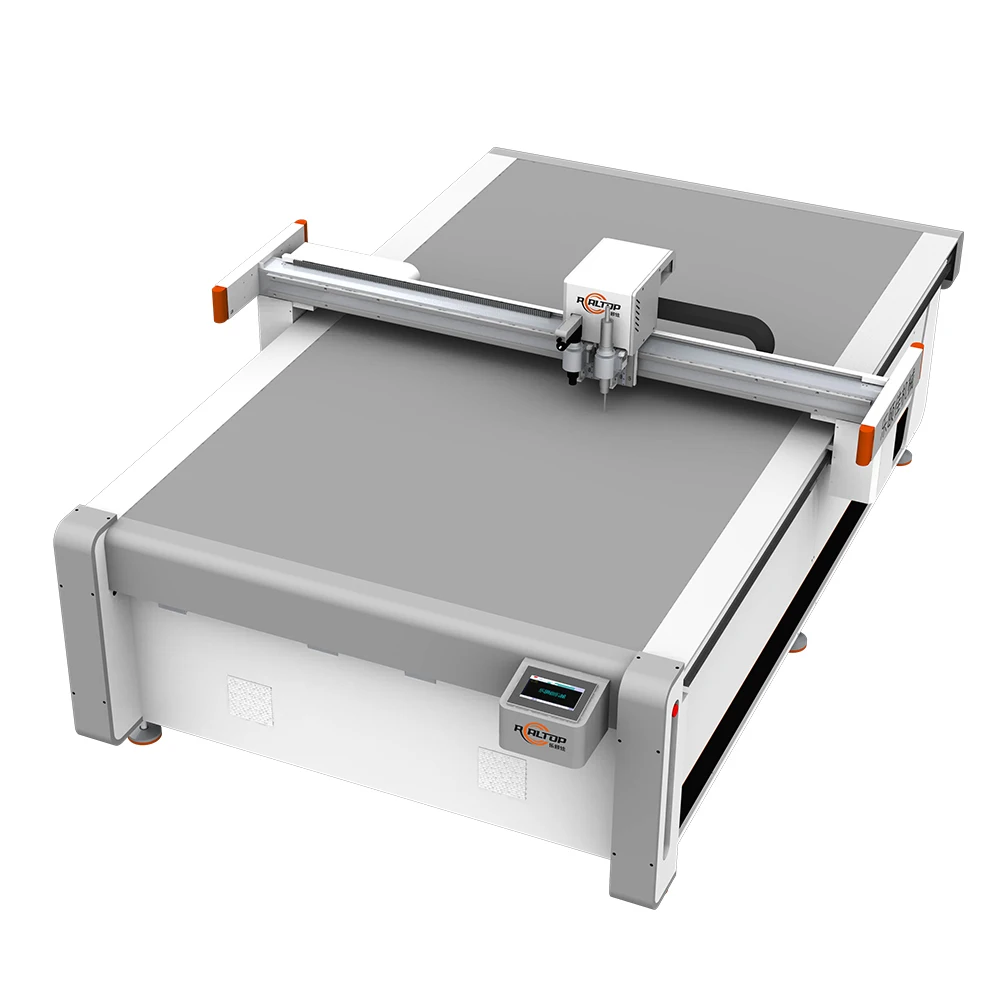
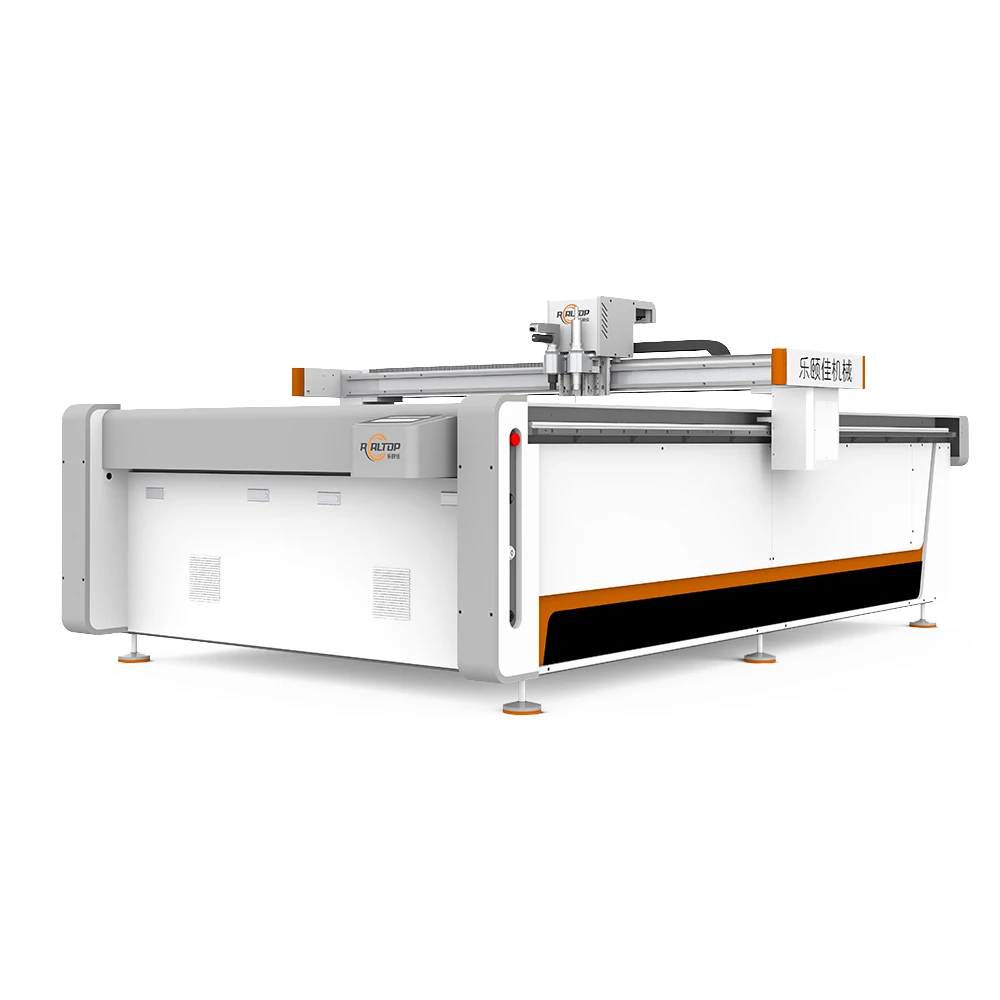
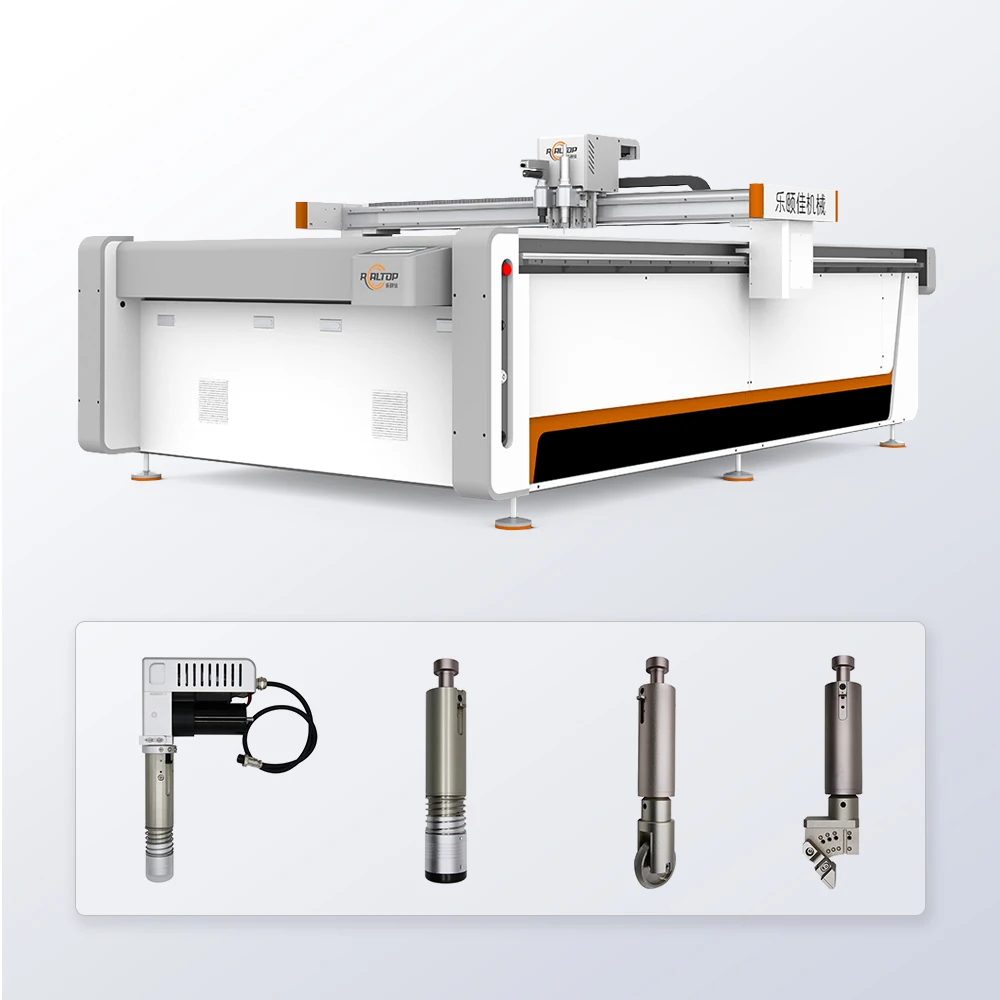
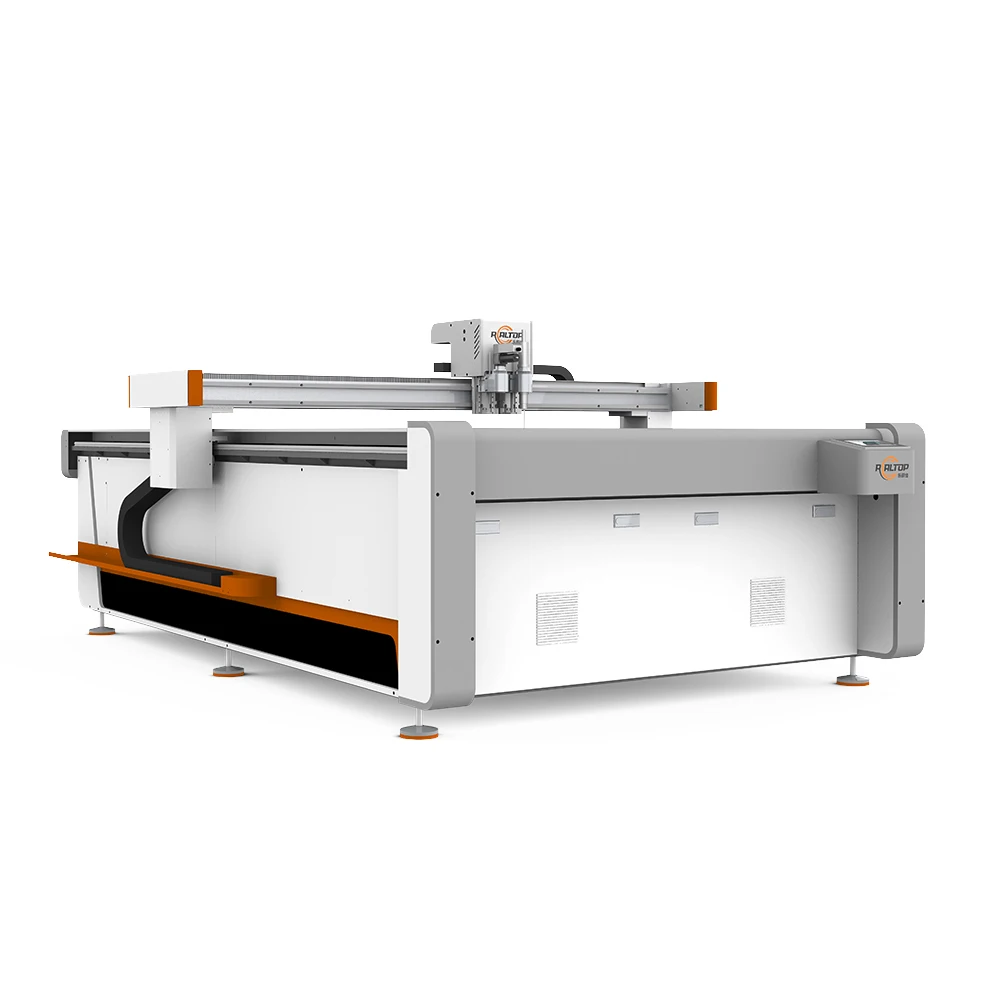
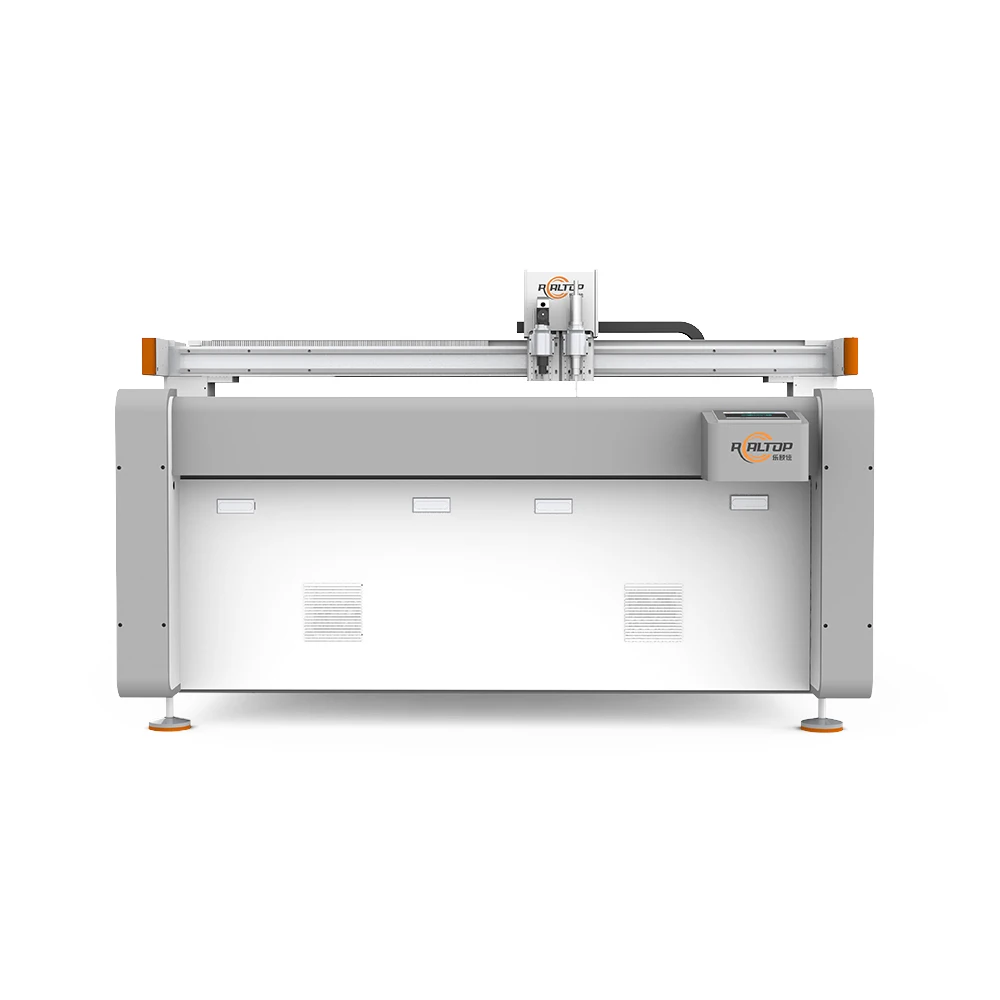
Tool head and table configuration specified per material — the 1625 platform pairs oscillating knife, creasing wheel and V-groove tooling with a full-surface aluminium bellows vacuum table so corrugated flute type and board grade dictate the setup, not the other way around.
Technical Specifications
| Parameter | Value |
|---|---|
| Product Type | CNC Oscillating Knife Packaging Cutting Machine |
| Working Area | 1600 × 2500 mm |
| Cutting Speed | 0–1500 mm/s |
| Cutting Thickness | ≤ 40 mm |
| Cutting Accuracy | ±0.1 mm |
| Tool Head Options | Oscillating knife, Driven rotary knife, Creasing wheel, Kiss cutting tool, Pneumatic knife, Milling tool, V-groove knife |
| Vacuum Pump | 9 kW |
| Vacuum Table | Aluminium bellows vacuum table, full-surface adsorption |
| Voltage Options | 110V, 220V, 380V (source value — verify against manufacturer catalog) |
| Control System | PLC control panel with dedicated packaging box structure design software |
| Servo Motor Options | Panasonic, Delta, Dorna |
| File Format Compatibility | PLT, DXF, AI, PDF |
| Safety Devices | Infrared sensor, emergency stop |
| Machine Dimensions (L×W×H) | 3300 × 2100 × 1350 mm |
| Language Options | English, Russian, Italian, Chinese; custom languages available |
| Certification | CE |
Application Suitability
| Application | Material or Output |
|---|---|
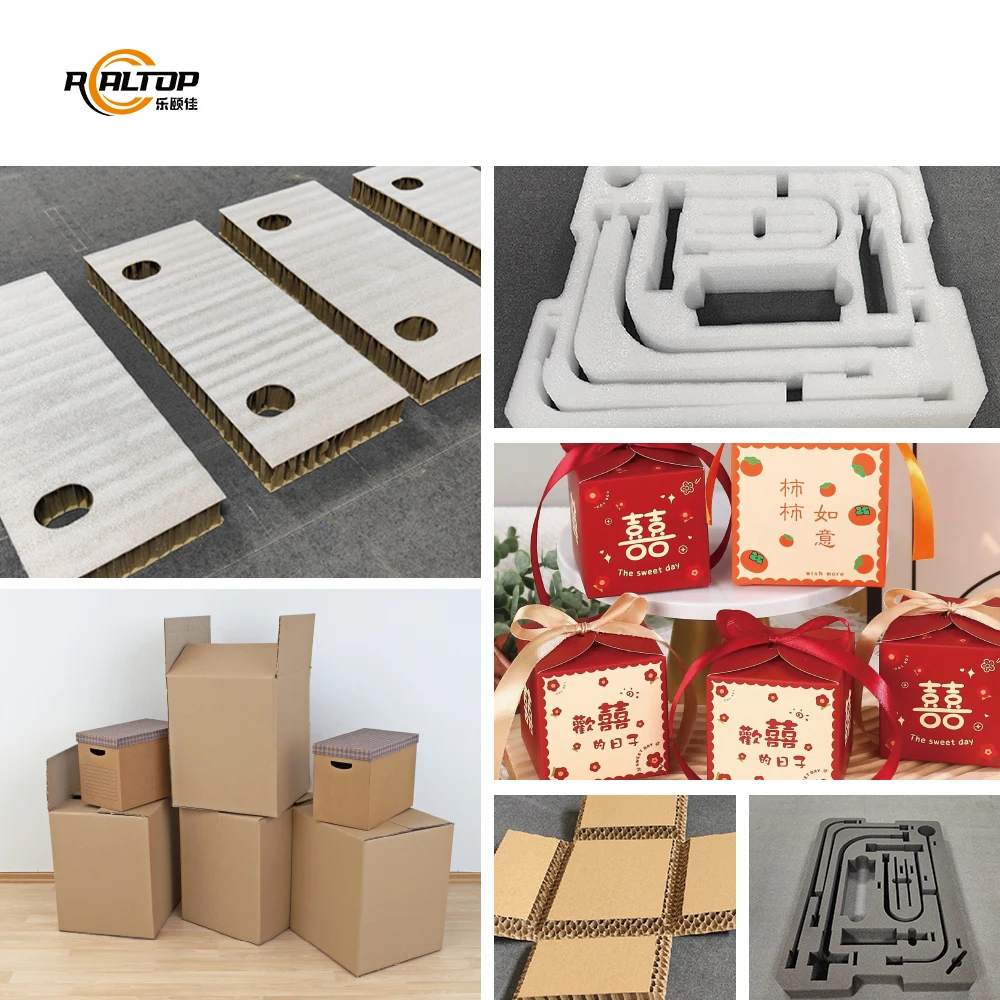
| Corrugated box prototyping and short runs | E-flute, B-flute, BC-flute corrugated cardboard |
| Folding carton sample making | Greyboard, cardstock, art paper, specialty paper |
| Protective insert cutting | EVA foam, EPE foam, PU foam |
| Interior lining and pad production | Rubber mats, velvet, fleece, non-woven fabric |
| Blister and window patch cutting | Thin PVC, PET, plastic sheets |
| Premium box wrap and covering | Leather, synthetic leather, composite materials |
Why Corrugated Thickness Decisions Beat Working Area Alone
A 1600 × 2500 mm bed means nothing if the oscillating knife cannot push through your BC-flute at production speed.
Many buyers lock in a CNC oscillating knife cutting machine manufacturer based on table size and price, then discover the tool head stalls on double-wall board or leaves crushed edges on micro-flute. The cutting thickness matters far more than footprint when your daily mix includes everything from 2 mm cardstock to 40 mm honeycomb [NEED_CITE: cutting force requirements by corrugated flute profile]. I have watched packaging lines sit idle while a replacement machine with the right stroke length ships across two oceans.
Knife Versus Laser for Packaging Substrates
This full-range catalogue exists because no single cutting method handles every packaging material. Corrugated board, greyboard and foam respond well to oscillating and drag knife tooling, which cuts without melting edges or releasing burnt-fibre fumes into the shop floor. CO2 laser, by contrast, seals edges on synthetic films and fabrics but chars corrugated flutes. Buyers evaluating a carton box cutting machine for sale should start from their substrate list, then match the method to the material before narrowing to a table size.
Tool Head Selection by Flute and Finish
An oscillating knife handles most single- and double-wall corrugated cuts, but the creasing wheel is what actually makes a folding carton fold flat without cracking. The V-groove knife produces clean mitre joints on rigid box board, while kiss cutting tools score adhesive-backed liners without cutting through to the backing. Specifying the wrong combination forces operators into multiple passes or manual creasing, which defeats the point of digital cutting [NEED_CITE: tool head selection guidelines for corrugated and carton substrates].
Reading the Specs That Matter on the Floor
The 9 kW vacuum pump paired with the aluminium bellows table delivers full-surface hold-down, which matters when small carton blanks sit between larger nested parts. Zoned vacuum would leave peripheral pieces lifting during high-speed traverses. The ±0.1 mm cutting accuracy at up to 1500 mm/s lets sample makers iterate prototypes without sacrificing registration on printed contour work. File format support across PLT, DXF, AI and PDF means the packaging structure software imports directly from most CAD packages without an intermediate conversion step that introduces tolerance drift. Servo motor selection across Panasonic, Delta and Dorna allows buyers to match the motion system to their local service network and spare parts availability.
What Happens When the Electrical Drawing Gets Skipped
Voltage mismatch is the single most expensive mistake in packaging equipment import. A 380V machine arriving at a 220V facility does not just underperform — it burns the vacuum pump motor and trips breakers on startup. Sourcing a transformer locally adds weeks and cost, while the corrugated line upstream has no boxes to fill [NEED_CITE: voltage and frequency standards by export market]. I always insist the electrical schematic and voltage confirmation sheet are signed off before the crate closes, because the factory test record at 380V proves nothing about what happens at the buyer’s panel.
Why Procurement Teams Route Packaging Orders Here
In-house design covers both knife and laser platforms, so a buyer can evaluate which cutting method fits their substrate mix rather than being funnelled into one technology. Tool head and table configurations are specified against the buyer’s actual flute profile and board grade, not quoted from a standard list. CCD camera positioning is available for printed contour work on pre-printed corrugated. Software compatibility is confirmed against the buyer’s existing file format and nesting workflow before order placement. Sample cutting on the buyer’s own corrugated or foam material is completed and documented before commitment.
Documentation & Verification
- Machine specification sheet with tool head and vacuum table configuration matched to your flute type
- Electrical schematic confirming voltage, frequency and plug type for the target facility
- Sample cutting report on your own corrugated board grade with edge and crease inspection
- Factory test record covering full-bed travel accuracy and vacuum hold-down under load
- Software licence and file format compatibility note against your CAD and nesting workflow
- Spare parts list covering oscillating knife blades, creasing wheels and vacuum seals
Installation, Commissioning & Support
- Floor space clearance around the 3300 × 2100 mm footprint for material loading on all sides
- Dedicated circuit matching the confirmed voltage option with the 9 kW vacuum pump inrush considered
- Machine arrives partially assembled; gantry and tool head carriage require on-site alignment
- First-run calibration of cutting depth against your thickest corrugated board at the PLC panel
- Operator training on packaging structure software, file import and tool change routines
- Consumable blade and creasing wheel inventory sized to your monthly cutting volume
Before You Request a Quotation
Share your corrugated flute profiles, board grades and typical sheet sizes so the tool head list can be matched to your actual mix rather than a generic set. Confirm your facility voltage, phase and frequency early — the electrical drawing needs to reflect the destination panel, not the factory test bench. If your design team works in a specific CAD package, send a sample export file so software compatibility is verified before the order is placed.
Frequently Asked Questions
Q: Oscillating knife or CO2 laser — which fits corrugated board and packaging foams?
A: Oscillating knife cuts corrugated, greyboard and foam cleanly without melting or charring edges. CO2 laser seals synthetic film and fabric edges but burns corrugated fibres. For a mixed substrate packaging operation, knife cutting covers the majority of board and foam work, while laser is reserved for thin synthetic window patches and textile wraps.
Q: How should I size the vacuum table zoning for small carton blanks?
A: Small blanks need strong peripheral hold-down because the cutting head generates lateral drag on exit. The aluminium bellows full-surface table on this platform maintains suction across the entire bed rather than relying on zoned segments. If your layout nests small and large pieces together, full-surface adsorption prevents the smaller blanks from lifting during high-speed passes.
Q: Which tool heads do I need for a standard folding carton?
A: A typical folding carton requires an oscillating knife for outline cutting and a creasing wheel for fold lines. If the design includes internal windows or scored tear strips, a kiss cutting tool handles those without penetrating the backing. V-groove knives are added when rigid box board needs mitred corners for premium packaging.
Q: What file formats does the packaging design software accept?
A: The PLC-based packaging structure software imports PLT, DXF, AI and PDF files directly. This covers exports from most packaging CAD systems without intermediate conversion. Before placing an order, send a sample file from your existing workflow so import fidelity and nesting behaviour can be confirmed in advance.
Q: How are voltage and control language confirmed before shipment?
A: The electrical schematic, voltage rating and plug type are documented and signed off during the specification stage, not assumed from a standard build. Control language — available in English, Russian, Italian, Chinese or custom options — is set in the PLC panel before the factory test so operators see the correct interface from day one.
Tool head and table configuration specified per material — the 1625 platform pairs oscillating knife, creasing wheel and V-groove tooling with a full-surface aluminium bellows vacuum table so corrugated flute type and board grade dictate the setup, not the other way around.
Technical Specifications
| Parameter | Value |
|---|---|
| Product Type | CNC Oscillating Knife Packaging Cutting Machine |
| Working Area | 1600 × 2500 mm |
| Cutting Speed | 0–1500 mm/s |
| Cutting Thickness | ≤ 40 mm |
| Cutting Accuracy | ±0.1 mm |
| Tool Head Options | Oscillating knife, Driven rotary knife, Creasing wheel, Kiss cutting tool, Pneumatic knife, Milling tool, V-groove knife |
| Vacuum Pump | 9 kW |
| Vacuum Table | Aluminium bellows vacuum table, full-surface adsorption |
| Voltage Options | 110V, 220V, 380V (source value — verify against manufacturer catalog) |
| Control System | PLC control panel with dedicated packaging box structure design software |
| Servo Motor Options | Panasonic, Delta, Dorna |
| File Format Compatibility | PLT, DXF, AI, PDF |
| Safety Devices | Infrared sensor, emergency stop |
| Machine Dimensions (L×W×H) | 3300 × 2100 × 1350 mm |
| Language Options | English, Russian, Italian, Chinese; custom languages available |
| Certification | CE |
Application Suitability
| Application | Material or Output |
|---|---|
| Corrugated box prototyping and short runs | E-flute, B-flute, BC-flute corrugated cardboard |
| Folding carton sample making | Greyboard, cardstock, art paper, specialty paper |
| Protective insert cutting | EVA foam, EPE foam, PU foam |
| Interior lining and pad production | Rubber mats, velvet, fleece, non-woven fabric |
| Blister and window patch cutting | Thin PVC, PET, plastic sheets |
| Premium box wrap and covering | Leather, synthetic leather, composite materials |
Why Corrugated Thickness Decisions Beat Working Area Alone
A 1600 × 2500 mm bed means nothing if the oscillating knife cannot push through your BC-flute at production speed.
Many buyers lock in a CNC oscillating knife cutting machine manufacturer based on table size and price, then discover the tool head stalls on double-wall board or leaves crushed edges on micro-flute. The cutting thickness matters far more than footprint when your daily mix includes everything from 2 mm cardstock to 40 mm honeycomb [NEED_CITE: cutting force requirements by corrugated flute profile]. I have watched packaging lines sit idle while a replacement machine with the right stroke length ships across two oceans.
Knife Versus Laser for Packaging Substrates
This full-range catalogue exists because no single cutting method handles every packaging material. Corrugated board, greyboard and foam respond well to oscillating and drag knife tooling, which cuts without melting edges or releasing burnt-fibre fumes into the shop floor. CO2 laser, by contrast, seals edges on synthetic films and fabrics but chars corrugated flutes. Buyers evaluating a carton box cutting machine for sale should start from their substrate list, then match the method to the material before narrowing to a table size.
Tool Head Selection by Flute and Finish
An oscillating knife handles most single- and double-wall corrugated cuts, but the creasing wheel is what actually makes a folding carton fold flat without cracking. The V-groove knife produces clean mitre joints on rigid box board, while kiss cutting tools score adhesive-backed liners without cutting through to the backing. Specifying the wrong combination forces operators into multiple passes or manual creasing, which defeats the point of digital cutting [NEED_CITE: tool head selection guidelines for corrugated and carton substrates].
Reading the Specs That Matter on the Floor
The 9 kW vacuum pump paired with the aluminium bellows table delivers full-surface hold-down, which matters when small carton blanks sit between larger nested parts. Zoned vacuum would leave peripheral pieces lifting during high-speed traverses. The ±0.1 mm cutting accuracy at up to 1500 mm/s lets sample makers iterate prototypes without sacrificing registration on printed contour work. File format support across PLT, DXF, AI and PDF means the packaging structure software imports directly from most CAD packages without an intermediate conversion step that introduces tolerance drift. Servo motor selection across Panasonic, Delta and Dorna allows buyers to match the motion system to their local service network and spare parts availability.
What Happens When the Electrical Drawing Gets Skipped
Voltage mismatch is the single most expensive mistake in packaging equipment import. A 380V machine arriving at a 220V facility does not just underperform — it burns the vacuum pump motor and trips breakers on startup. Sourcing a transformer locally adds weeks and cost, while the corrugated line upstream has no boxes to fill [NEED_CITE: voltage and frequency standards by export market]. I always insist the electrical schematic and voltage confirmation sheet are signed off before the crate closes, because the factory test record at 380V proves nothing about what happens at the buyer’s panel.
Why Procurement Teams Route Packaging Orders Here
In-house design covers both knife and laser platforms, so a buyer can evaluate which cutting method fits their substrate mix rather than being funnelled into one technology. Tool head and table configurations are specified against the buyer’s actual flute profile and board grade, not quoted from a standard list. CCD camera positioning is available for printed contour work on pre-printed corrugated. Software compatibility is confirmed against the buyer’s existing file format and nesting workflow before order placement. Sample cutting on the buyer’s own corrugated or foam material is completed and documented before commitment.
Documentation & Verification
- Machine specification sheet with tool head and vacuum table configuration matched to your flute type
- Electrical schematic confirming voltage, frequency and plug type for the target facility
- Sample cutting report on your own corrugated board grade with edge and crease inspection
- Factory test record covering full-bed travel accuracy and vacuum hold-down under load
- Software licence and file format compatibility note against your CAD and nesting workflow
- Spare parts list covering oscillating knife blades, creasing wheels and vacuum seals
Installation, Commissioning & Support
- Floor space clearance around the 3300 × 2100 mm footprint for material loading on all sides
- Dedicated circuit matching the confirmed voltage option with the 9 kW vacuum pump inrush considered
- Machine arrives partially assembled; gantry and tool head carriage require on-site alignment
- First-run calibration of cutting depth against your thickest corrugated board at the PLC panel
- Operator training on packaging structure software, file import and tool change routines
- Consumable blade and creasing wheel inventory sized to your monthly cutting volume
Before You Request a Quotation
Share your corrugated flute profiles, board grades and typical sheet sizes so the tool head list can be matched to your actual mix rather than a generic set. Confirm your facility voltage, phase and frequency early — the electrical drawing needs to reflect the destination panel, not the factory test bench. If your design team works in a specific CAD package, send a sample export file so software compatibility is verified before the order is placed.
Frequently Asked Questions
Q: Oscillating knife or CO2 laser — which fits corrugated board and packaging foams?
A: Oscillating knife cuts corrugated, greyboard and foam cleanly without melting or charring edges. CO2 laser seals synthetic film and fabric edges but burns corrugated fibres. For a mixed substrate packaging operation, knife cutting covers the majority of board and foam work, while laser is reserved for thin synthetic window patches and textile wraps.
Q: How should I size the vacuum table zoning for small carton blanks?
A: Small blanks need strong peripheral hold-down because the cutting head generates lateral drag on exit. The aluminium bellows full-surface table on this platform maintains suction across the entire bed rather than relying on zoned segments. If your layout nests small and large pieces together, full-surface adsorption prevents the smaller blanks from lifting during high-speed passes.
Q: Which tool heads do I need for a standard folding carton?
A: A typical folding carton requires an oscillating knife for outline cutting and a creasing wheel for fold lines. If the design includes internal windows or scored tear strips, a kiss cutting tool handles those without penetrating the backing. V-groove knives are added when rigid box board needs mitred corners for premium packaging.
Q: What file formats does the packaging design software accept?
A: The PLC-based packaging structure software imports PLT, DXF, AI and PDF files directly. This covers exports from most packaging CAD systems without intermediate conversion. Before placing an order, send a sample file from your existing workflow so import fidelity and nesting behaviour can be confirmed in advance.
Q: How are voltage and control language confirmed before shipment?
A: The electrical schematic, voltage rating and plug type are documented and signed off during the specification stage, not assumed from a standard build. Control language — available in English, Russian, Italian, Chinese or custom options — is set in the PLC panel before the factory test so operators see the correct interface from day one.










商品评价
There are no reviews yet.