

Fast Delivery
Quick, reliable shipping to any location.

Free & easy returns
Return this item by mail or in store within 90 days for a full refund.
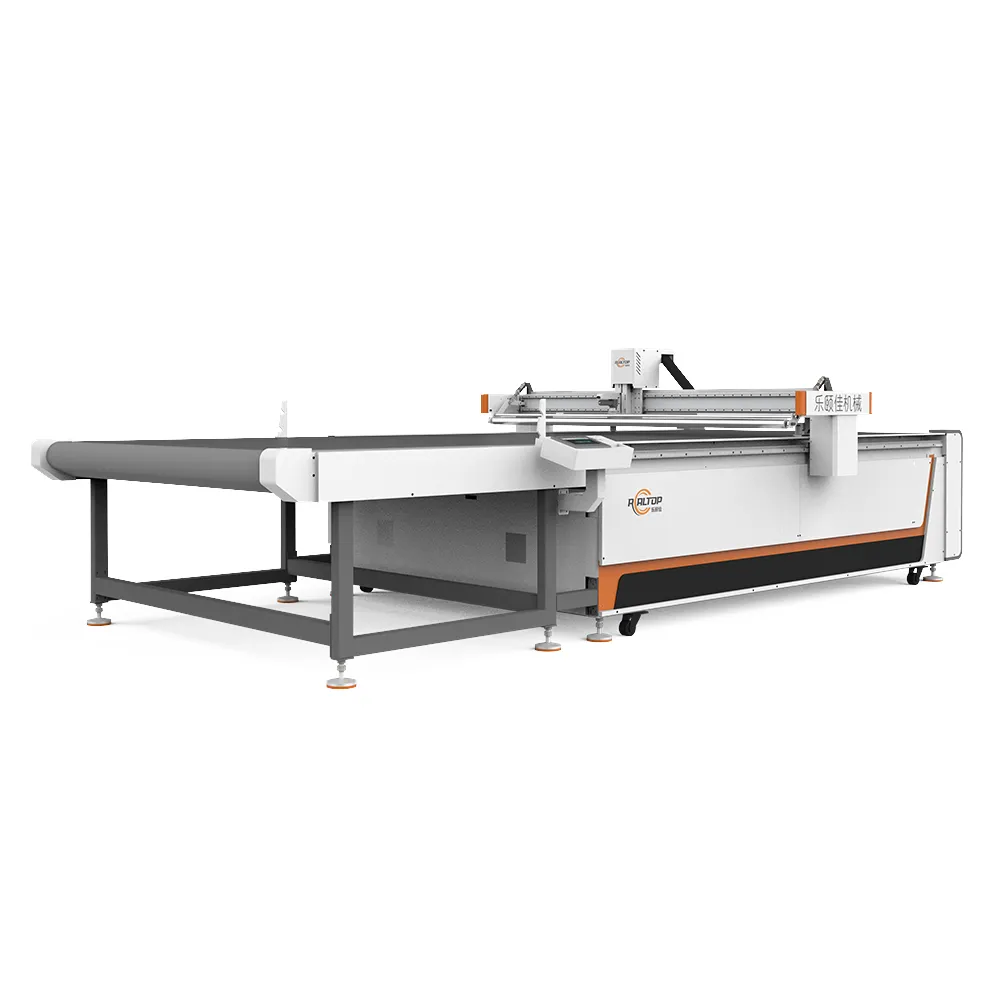
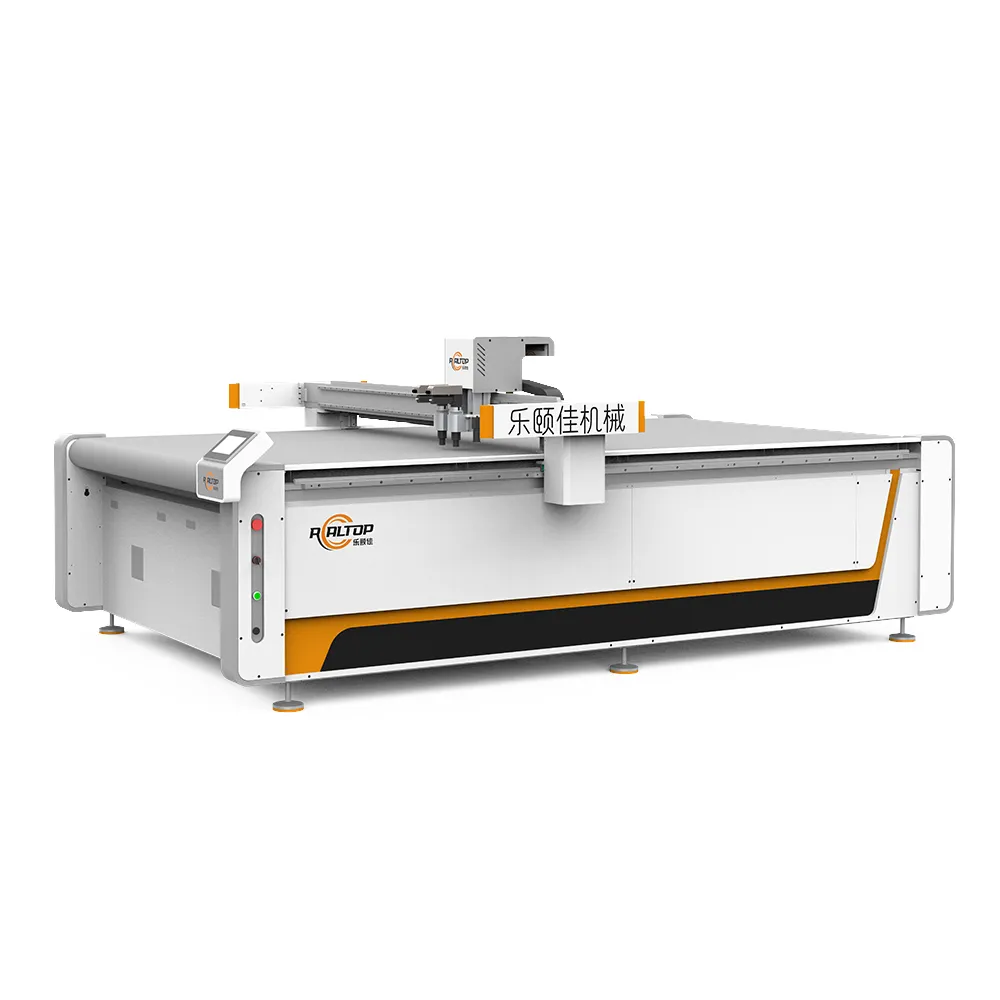
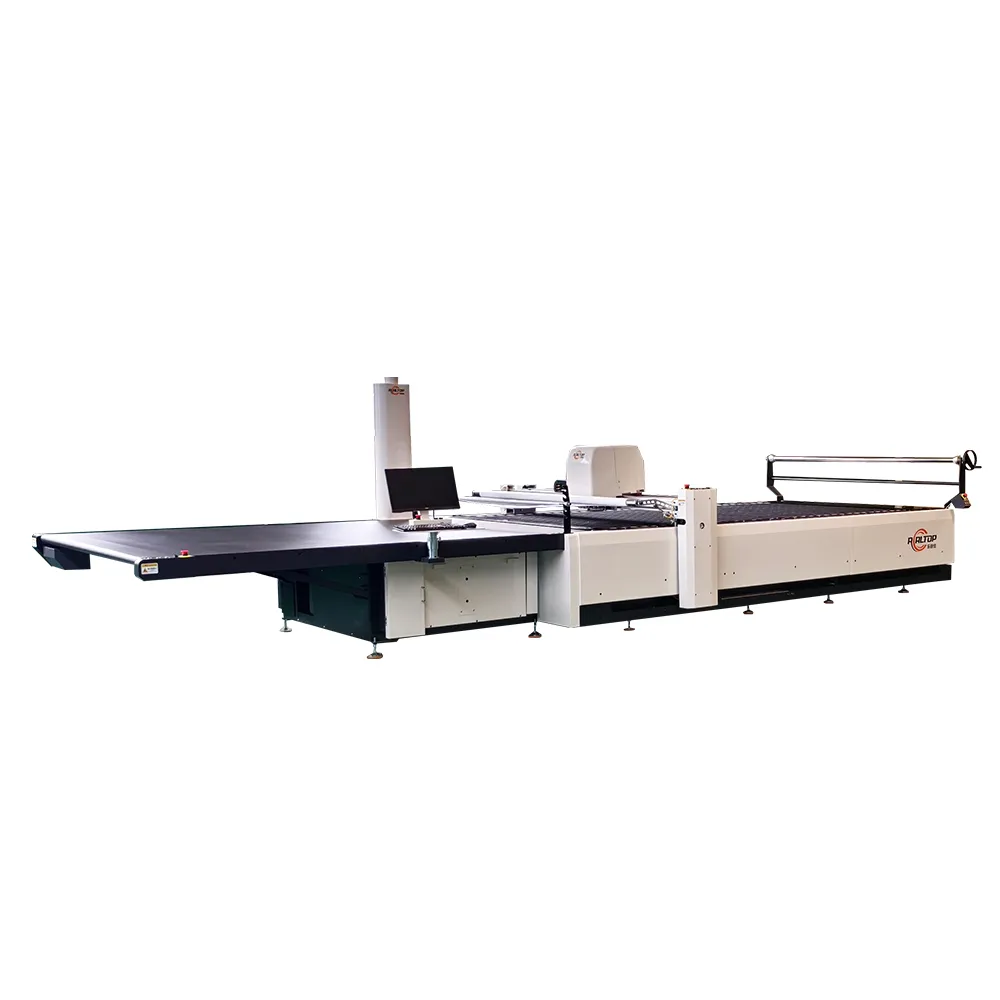
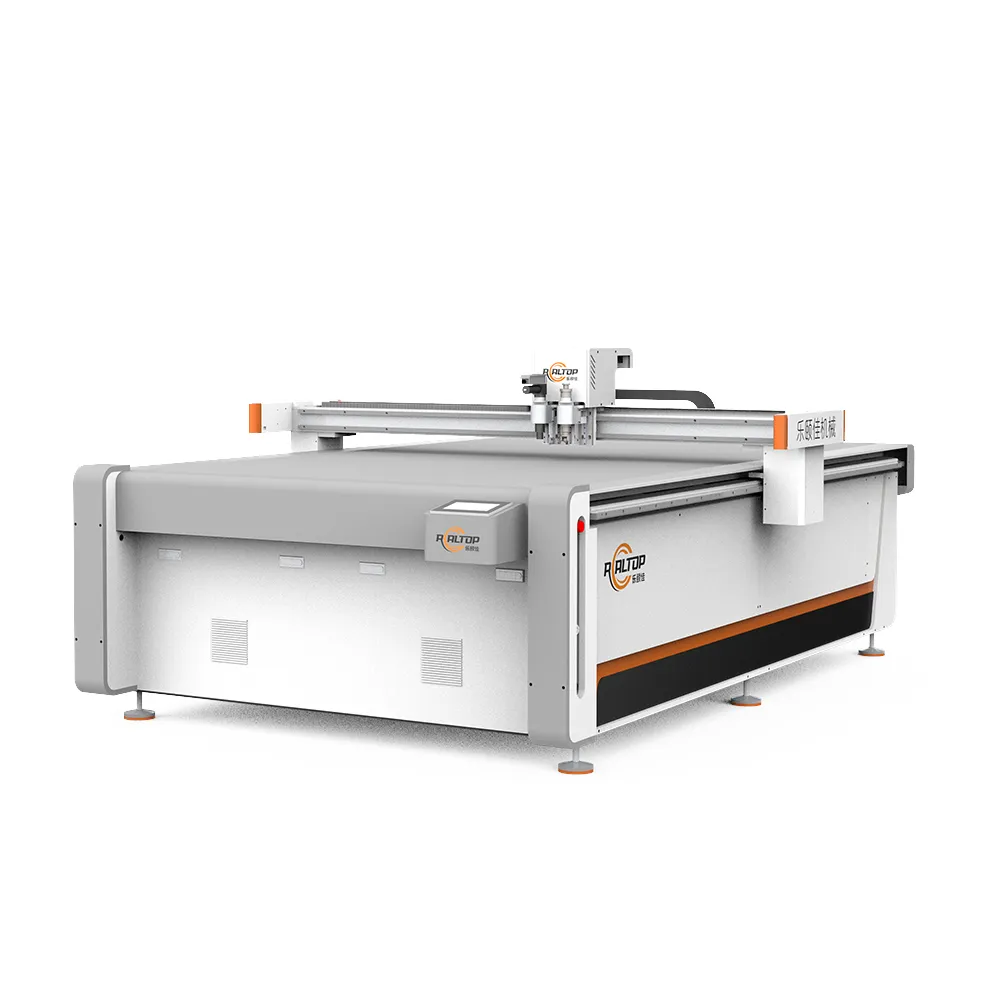
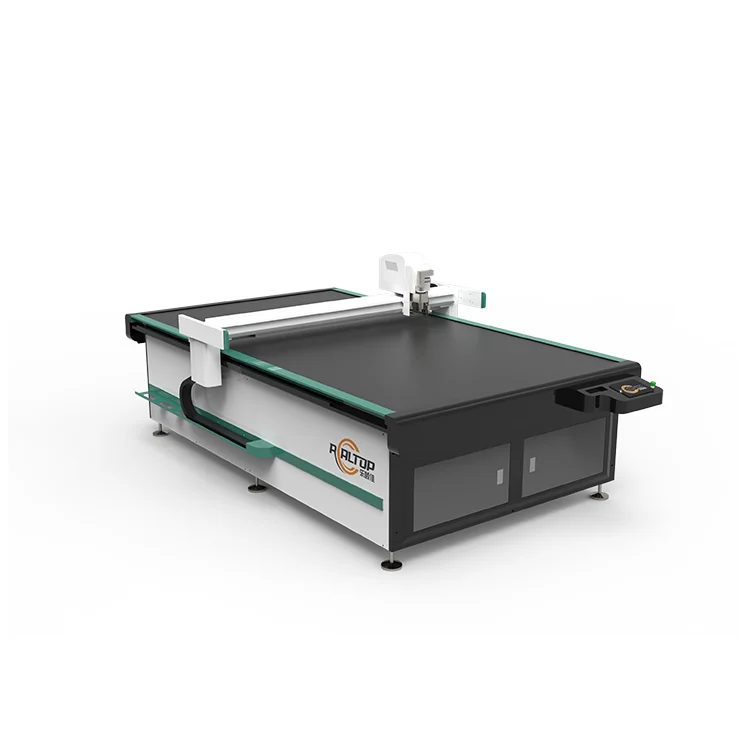
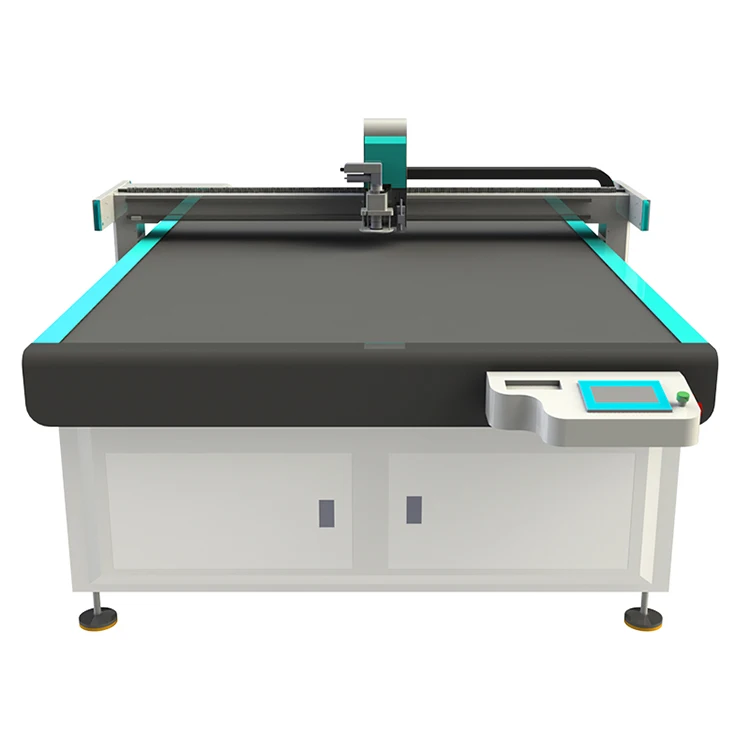
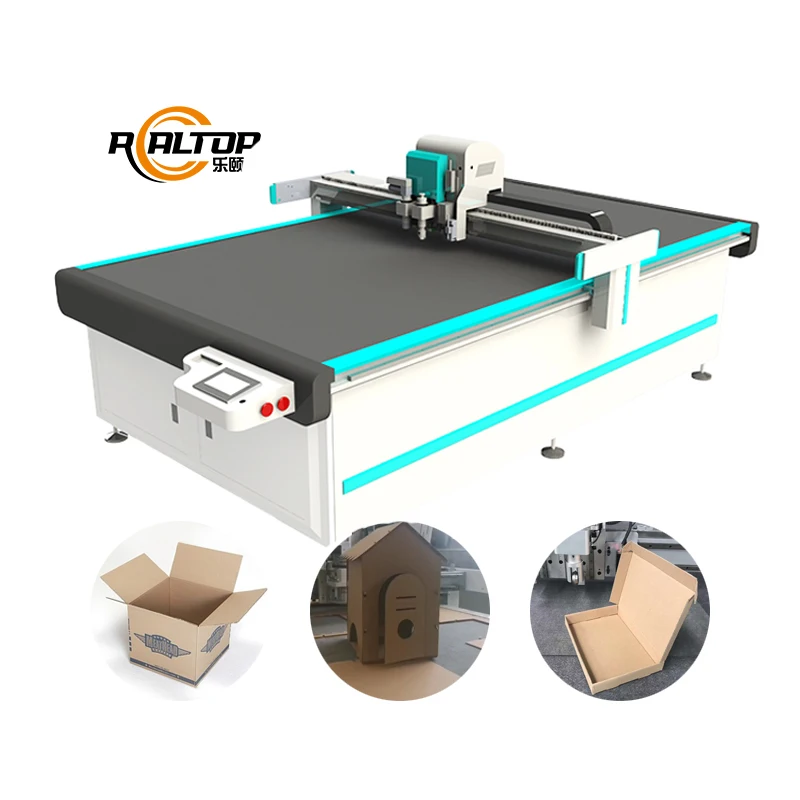
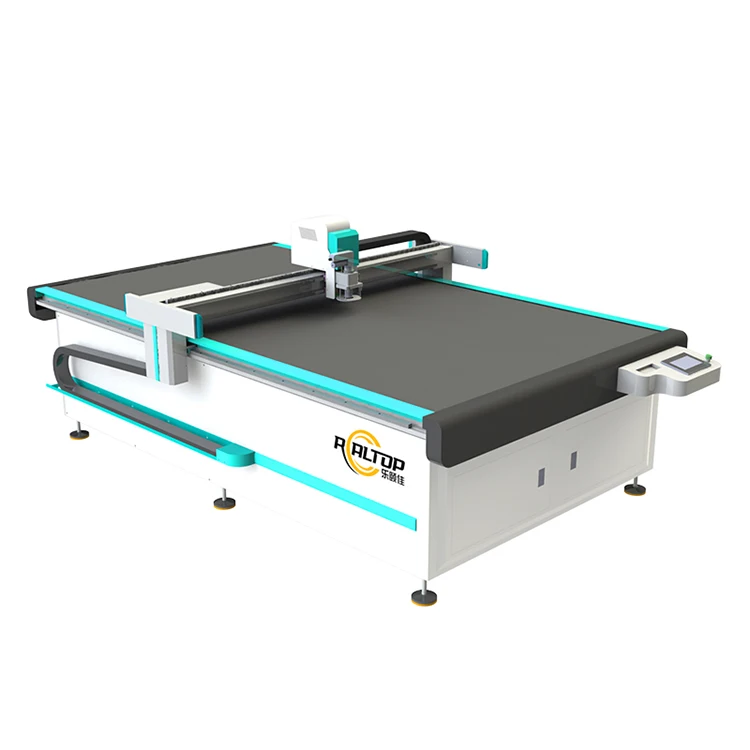
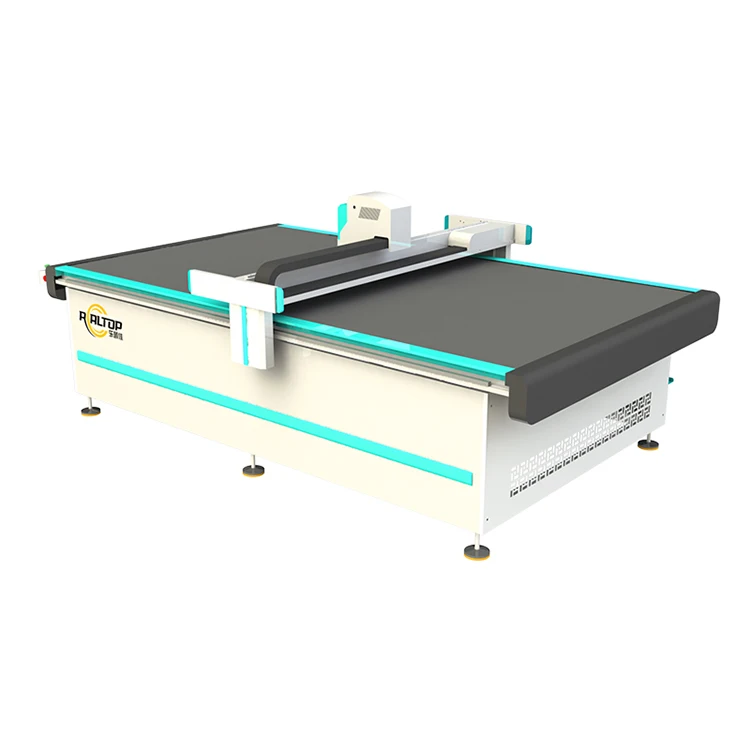
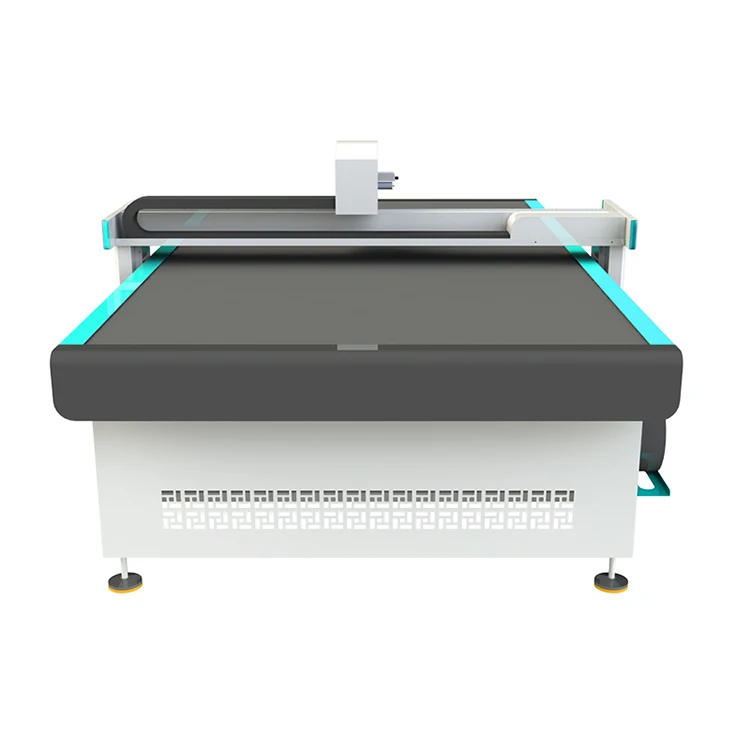
Tool head and table configuration specified per material — this panoramic visual positioning system lets buyers match oscillating knife, round knife, or marking pen to their actual printed textile or advertising substrate before the order is placed.
Technical Specifications
| Parameter | Value |
|---|---|
| Product Type | CNC Digital Cutting Machine with Visual Positioning |
| Effective Cutting Area | 2500×1600mm / 2500×2200mm / 3000×2200mm |
| Maximum Speed | 2000mm/s (basis not stated in source — confirm material / thickness) |
| Reset Accuracy | ±0.1mm |
| Cutting Thickness | ≤40mm (basis not stated in source — confirm material type) |
| Table Type | Automatic feeding with industrial belt |
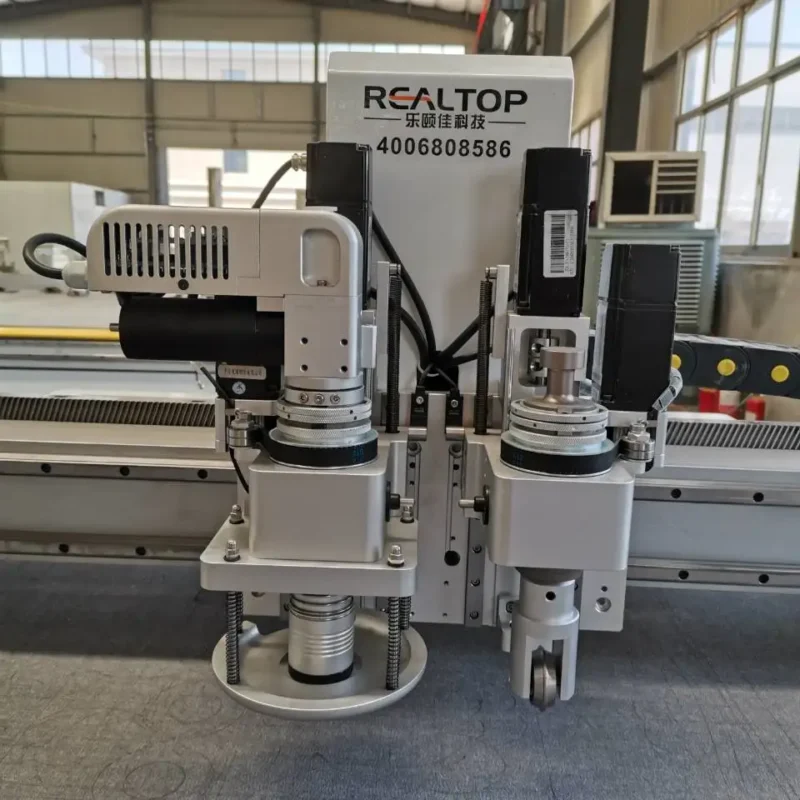
| Optional Tool Heads | Round knife, oscillating knife, marking pen |
| Positioning System | Panoramic visual positioning (edge cutting and template matching) |
| Data Format Compatibility | dxf, plt, ai, pdf |
| Belt Construction | Glass fiber tension cord (low noise, high temperature and corrosion resistant) |
| Wiring | Oxygen-free copper shielded wire (low resistance, high folding strength) |
| Bed Construction | Quenched to eliminate internal stress |
| Control System | REALTOP customized high-speed control system |
| Safety Devices | Infrared blocking stop and anti-collision protection |
| Voltage | 380V / 220V (frequency to be confirmed) |
Application Suitability
| Application | Material or Output |
|---|---|
| Advertising printing contour cutting | Printed PVC banner, vinyl, self-adhesive film on release liner |
| Textile fabric edge cutting | Polyester, cotton blends, coated sportswear fabric, sublimation-printed rolls |
| Template and pattern matching | Printed cardstock, corrugated sample boards, short-run packaging prototypes |
| Flexible material blanking | Foam sheets, non-woven interlining, gasket composites up to confirmed thickness |
Why "Maximum Speed" Means Nothing Without Your Material in Hand
The real cutting speed is whatever your fabric allows before the edge starts to fray or the printed contour drifts.
I learned this the hard way in Colombia. We ran a trial on standard polyester and the machine tracked beautifully. Then the customer’s actual production roll arrived — an elastic coated sportswear fabric — and the oscillating knife frequency and presser foot pressure were completely wrong for it. Edges frayed, the entire roll was scrapped. Since that day, I never let a buyer commit to a CNC digital cutting machine manufacturer without first sending their actual production material for a sample cut. Speed claims on a spec sheet assume a best-case substrate, and most production floors do not run best-case substrates [NEED_CITE: material-dependent cutting speed variation in digital knife systems].
Where Visual Positioning Fits in the Catalogue
This system occupies a specific slot within the broader CNC knife cutting family available across the catalogue. It is designed for jobs where the cut path must follow a printed graphic rather than a fixed CAD coordinate — sublimation banners, printed garment panels, die-cut advertising displays. Non-vision knife models handle plain substrates where the file alone defines the cut. Laser systems sit in a separate family entirely, chosen when edge sealing on synthetics or engraving on rigid non-metals is required. The CNC digital cutting machine manufacturer positions this visual-positioning variant for buyers whose workflow starts with a printed roll and ends with a contour-traced finished piece.
Matching Working Area to Roll Width and Daily Volume
The three available formats — 2500×1600mm, 2500×2200mm, and 3000×2200mm — cover most standard and wide-format textile rolls as well as large advertising sheets. Choosing among them depends less on the largest single piece you cut today and more on how your daily volume breaks down across nesting layouts. A wider bed lets the software arrange more pieces per pass, reducing the number of belt feeds per shift. Buyers running narrow garment panels may find the 2516 format sufficient, while those cutting 3.2-meter-wide banner material need the 3022. The automatic feeding table with its glass-fiber-reinforced industrial belt advances the material between passes without manual repositioning [NEED_CITE: nesting efficiency and working area selection in digital cutting].
What the Specs Actually Mean on the Shop Floor
The ±0.1mm reset accuracy ensures that the panoramic camera can re-register the printed fiducial marks after each belt advance — critical when cutting multi-panel garment sets where a 0.3mm drift across a 10-meter roll compounds into visible misalignment at the seam. The quenched bed construction matters for long production runs; an un-stress-relieved frame can warp under thermal cycling, pulling the gantry out of square and degrading contour accuracy over weeks of use. Oxygen-free copper shielded wiring reduces signal interference on the servo drives, which directly affects how cleanly the oscillating knife tracks tight corners on intricate lettering or lace patterns. Data format support for dxf, plt, ai, and pdf means the system can ingest files directly from Adobe Illustrator and most mainstream nesting software without an intermediate conversion step.
The Hidden Cost of Skipping Material Trials
When a buyer specifies a machine on working area and maximum speed alone, the first production run often reveals problems that no spec sheet could predict. A vacuum table zoned for large panels may leave small garment pieces lifting during high-speed oscillation. An oscillating knife set for standard polyester will crush foam-backed laminates instead of slicing them. A panoramic camera tuned for high-contrast prints may fail to locate fiducial marks on pastel or low-saturation dye-sub graphics. Every one of these failures costs a full shift of downtime plus scrapped material before the configuration is corrected. A sample cutting report on your own fabric eliminates this risk before the purchase order is signed [NEED_CITE: pre-shipment sample testing for industrial cutting equipment].
Why Source This Machine Through the Catalogue
In-house design covers both knife and laser technologies within the same manufacturer, so buyers can compare cutting methods against their material rather than being steered toward whichever machine is in stock. Tool head and table configuration is specified per material type and daily volume, not quoted as a one-size package. Panoramic camera calibration and software file-format compatibility are verified before the order enters production. Voltage, plug type, and control interface language are confirmed against the destination country’s standards so the machine arrives ready to connect. Sample cutting on the buyer’s actual textile or advertising substrate is a standard step in the sales process, not an optional extra.
Documentation & Verification
- Machine specification sheet with confirmed cutting thickness by your specific fabric type
- Sample cutting report generated on your own printed or plain material before commitment
- Electrical schematic and voltage confirmation matching your facility supply
- Software licence and file format compatibility note covering dxf, plt, ai, pdf workflows
- Factory test record documenting accuracy and contour registration on your material
- Operation and maintenance manual in your specified control language
Installation, Commissioning & Support
- Floor plan layout confirming clearance for the 3022 format plus automatic feeding infeed and outfeed zones
- Dedicated circuit specification for 380V or 220V supply with confirmed frequency and plug type
- Belt tensioning and vacuum zone calibration performed on site during commissioning
- Panoramic camera alignment and fiducial recognition tuning using your printed production rolls
- Oscillating knife frequency and presser foot pressure setting per your fabric weight and coating
- Spare parts list covering knife blades, belt sections, and vacuum seals for first-year maintenance
What to Include With Your Inquiry
Send a sample of your actual production material — printed or plain — along with the maximum roll width and typical sheet dimensions you run. Specify your daily cutting volume so the working area and feeding configuration can be matched to your throughput. Confirm your facility voltage, frequency, and preferred control interface language so the CNC digital cutting machine manufacturer can finalize electrical and software settings before build.
Frequently Asked Questions
Q: Where does this visual-positioning knife cutter sit in the catalogue compared to laser and non-vision knife models?
A: It is part of the CNC knife family, positioned for jobs requiring printed-contour tracking. Non-vision knife models handle plain substrates using file-driven paths only. Laser machines form a separate family for edge-sealed synthetic cutting and non-metal engraving. Your material and workflow determine which family fits.
Q: How do I choose between oscillating knife, round knife, and marking pen for my fabric?
A: Oscillating knife suits most woven and coated textiles at medium to heavy weight. Round knife handles lighter knits and single-ply fabrics where speed matters more than corner precision. Marking pen is used for pattern layout without cutting. A sample cut on your actual roll confirms the best option.
Q: Which working area should I choose for my roll format and daily output?
A: Match the bed width to your widest roll or the most efficient nesting layout for your typical piece mix. The 2516 format covers standard garment panels, the 2522 handles wider sportswear and banner rolls, and the 3022 suits full-width advertising and large-format textile printing.
Q: What file formats and nesting workflows does the control system accept?
A: The system reads dxf, plt, ai, and pdf files directly. Compatibility with your existing nesting software and workflow is confirmed during the pre-order stage so there are no surprises when your production files arrive at the machine.
Q: Can I get a sample cut on my own material before placing an order?
A: Yes. Sending your actual production material for a sample cut is a standard step. The resulting report documents cutting quality, edge condition, and contour accuracy on your specific fabric, giving you a verified baseline before commitment.
Tool head and table configuration specified per material — this panoramic visual positioning system lets buyers match oscillating knife, round knife, or marking pen to their actual printed textile or advertising substrate before the order is placed.
Technical Specifications
| Parameter | Value |
|---|---|
| Product Type | CNC Digital Cutting Machine with Visual Positioning |
| Effective Cutting Area | 2500×1600mm / 2500×2200mm / 3000×2200mm |
| Maximum Speed | 2000mm/s (basis not stated in source — confirm material / thickness) |
| Reset Accuracy | ±0.1mm |
| Cutting Thickness | ≤40mm (basis not stated in source — confirm material type) |
| Table Type | Automatic feeding with industrial belt |
| Optional Tool Heads | Round knife, oscillating knife, marking pen |
| Positioning System | Panoramic visual positioning (edge cutting and template matching) |
| Data Format Compatibility | dxf, plt, ai, pdf |
| Belt Construction | Glass fiber tension cord (low noise, high temperature and corrosion resistant) |
| Wiring | Oxygen-free copper shielded wire (low resistance, high folding strength) |
| Bed Construction | Quenched to eliminate internal stress |
| Control System | REALTOP customized high-speed control system |
| Safety Devices | Infrared blocking stop and anti-collision protection |
| Voltage | 380V / 220V (frequency to be confirmed) |
Application Suitability
| Application | Material or Output |
|---|---|
| Advertising printing contour cutting | Printed PVC banner, vinyl, self-adhesive film on release liner |
| Textile fabric edge cutting | Polyester, cotton blends, coated sportswear fabric, sublimation-printed rolls |
| Template and pattern matching | Printed cardstock, corrugated sample boards, short-run packaging prototypes |
| Flexible material blanking | Foam sheets, non-woven interlining, gasket composites up to confirmed thickness |
Why "Maximum Speed" Means Nothing Without Your Material in Hand
The real cutting speed is whatever your fabric allows before the edge starts to fray or the printed contour drifts.
I learned this the hard way in Colombia. We ran a trial on standard polyester and the machine tracked beautifully. Then the customer’s actual production roll arrived — an elastic coated sportswear fabric — and the oscillating knife frequency and presser foot pressure were completely wrong for it. Edges frayed, the entire roll was scrapped. Since that day, I never let a buyer commit to a CNC digital cutting machine manufacturer without first sending their actual production material for a sample cut. Speed claims on a spec sheet assume a best-case substrate, and most production floors do not run best-case substrates [NEED_CITE: material-dependent cutting speed variation in digital knife systems].
Where Visual Positioning Fits in the Catalogue
This system occupies a specific slot within the broader CNC knife cutting family available across the catalogue. It is designed for jobs where the cut path must follow a printed graphic rather than a fixed CAD coordinate — sublimation banners, printed garment panels, die-cut advertising displays. Non-vision knife models handle plain substrates where the file alone defines the cut. Laser systems sit in a separate family entirely, chosen when edge sealing on synthetics or engraving on rigid non-metals is required. The CNC digital cutting machine manufacturer positions this visual-positioning variant for buyers whose workflow starts with a printed roll and ends with a contour-traced finished piece.
Matching Working Area to Roll Width and Daily Volume
The three available formats — 2500×1600mm, 2500×2200mm, and 3000×2200mm — cover most standard and wide-format textile rolls as well as large advertising sheets. Choosing among them depends less on the largest single piece you cut today and more on how your daily volume breaks down across nesting layouts. A wider bed lets the software arrange more pieces per pass, reducing the number of belt feeds per shift. Buyers running narrow garment panels may find the 2516 format sufficient, while those cutting 3.2-meter-wide banner material need the 3022. The automatic feeding table with its glass-fiber-reinforced industrial belt advances the material between passes without manual repositioning [NEED_CITE: nesting efficiency and working area selection in digital cutting].
What the Specs Actually Mean on the Shop Floor
The ±0.1mm reset accuracy ensures that the panoramic camera can re-register the printed fiducial marks after each belt advance — critical when cutting multi-panel garment sets where a 0.3mm drift across a 10-meter roll compounds into visible misalignment at the seam. The quenched bed construction matters for long production runs; an un-stress-relieved frame can warp under thermal cycling, pulling the gantry out of square and degrading contour accuracy over weeks of use. Oxygen-free copper shielded wiring reduces signal interference on the servo drives, which directly affects how cleanly the oscillating knife tracks tight corners on intricate lettering or lace patterns. Data format support for dxf, plt, ai, and pdf means the system can ingest files directly from Adobe Illustrator and most mainstream nesting software without an intermediate conversion step.
The Hidden Cost of Skipping Material Trials
When a buyer specifies a machine on working area and maximum speed alone, the first production run often reveals problems that no spec sheet could predict. A vacuum table zoned for large panels may leave small garment pieces lifting during high-speed oscillation. An oscillating knife set for standard polyester will crush foam-backed laminates instead of slicing them. A panoramic camera tuned for high-contrast prints may fail to locate fiducial marks on pastel or low-saturation dye-sub graphics. Every one of these failures costs a full shift of downtime plus scrapped material before the configuration is corrected. A sample cutting report on your own fabric eliminates this risk before the purchase order is signed [NEED_CITE: pre-shipment sample testing for industrial cutting equipment].
Why Source This Machine Through the Catalogue
In-house design covers both knife and laser technologies within the same manufacturer, so buyers can compare cutting methods against their material rather than being steered toward whichever machine is in stock. Tool head and table configuration is specified per material type and daily volume, not quoted as a one-size package. Panoramic camera calibration and software file-format compatibility are verified before the order enters production. Voltage, plug type, and control interface language are confirmed against the destination country’s standards so the machine arrives ready to connect. Sample cutting on the buyer’s actual textile or advertising substrate is a standard step in the sales process, not an optional extra.
Documentation & Verification
- Machine specification sheet with confirmed cutting thickness by your specific fabric type
- Sample cutting report generated on your own printed or plain material before commitment
- Electrical schematic and voltage confirmation matching your facility supply
- Software licence and file format compatibility note covering dxf, plt, ai, pdf workflows
- Factory test record documenting accuracy and contour registration on your material
- Operation and maintenance manual in your specified control language
Installation, Commissioning & Support
- Floor plan layout confirming clearance for the 3022 format plus automatic feeding infeed and outfeed zones
- Dedicated circuit specification for 380V or 220V supply with confirmed frequency and plug type
- Belt tensioning and vacuum zone calibration performed on site during commissioning
- Panoramic camera alignment and fiducial recognition tuning using your printed production rolls
- Oscillating knife frequency and presser foot pressure setting per your fabric weight and coating
- Spare parts list covering knife blades, belt sections, and vacuum seals for first-year maintenance
What to Include With Your Inquiry
Send a sample of your actual production material — printed or plain — along with the maximum roll width and typical sheet dimensions you run. Specify your daily cutting volume so the working area and feeding configuration can be matched to your throughput. Confirm your facility voltage, frequency, and preferred control interface language so the CNC digital cutting machine manufacturer can finalize electrical and software settings before build.
Frequently Asked Questions
Q: Where does this visual-positioning knife cutter sit in the catalogue compared to laser and non-vision knife models?
A: It is part of the CNC knife family, positioned for jobs requiring printed-contour tracking. Non-vision knife models handle plain substrates using file-driven paths only. Laser machines form a separate family for edge-sealed synthetic cutting and non-metal engraving. Your material and workflow determine which family fits.
Q: How do I choose between oscillating knife, round knife, and marking pen for my fabric?
A: Oscillating knife suits most woven and coated textiles at medium to heavy weight. Round knife handles lighter knits and single-ply fabrics where speed matters more than corner precision. Marking pen is used for pattern layout without cutting. A sample cut on your actual roll confirms the best option.
Q: Which working area should I choose for my roll format and daily output?
A: Match the bed width to your widest roll or the most efficient nesting layout for your typical piece mix. The 2516 format covers standard garment panels, the 2522 handles wider sportswear and banner rolls, and the 3022 suits full-width advertising and large-format textile printing.
Q: What file formats and nesting workflows does the control system accept?
A: The system reads dxf, plt, ai, and pdf files directly. Compatibility with your existing nesting software and workflow is confirmed during the pre-order stage so there are no surprises when your production files arrive at the machine.
Q: Can I get a sample cut on my own material before placing an order?
A: Yes. Sending your actual production material for a sample cut is a standard step. The resulting report documents cutting quality, edge condition, and contour accuracy on your specific fabric, giving you a verified baseline before commitment.
商品评价
There are no reviews yet.