

Fast Delivery
Quick, reliable shipping to any location.

Free & easy returns
Return this item by mail or in store within 90 days for a full refund.
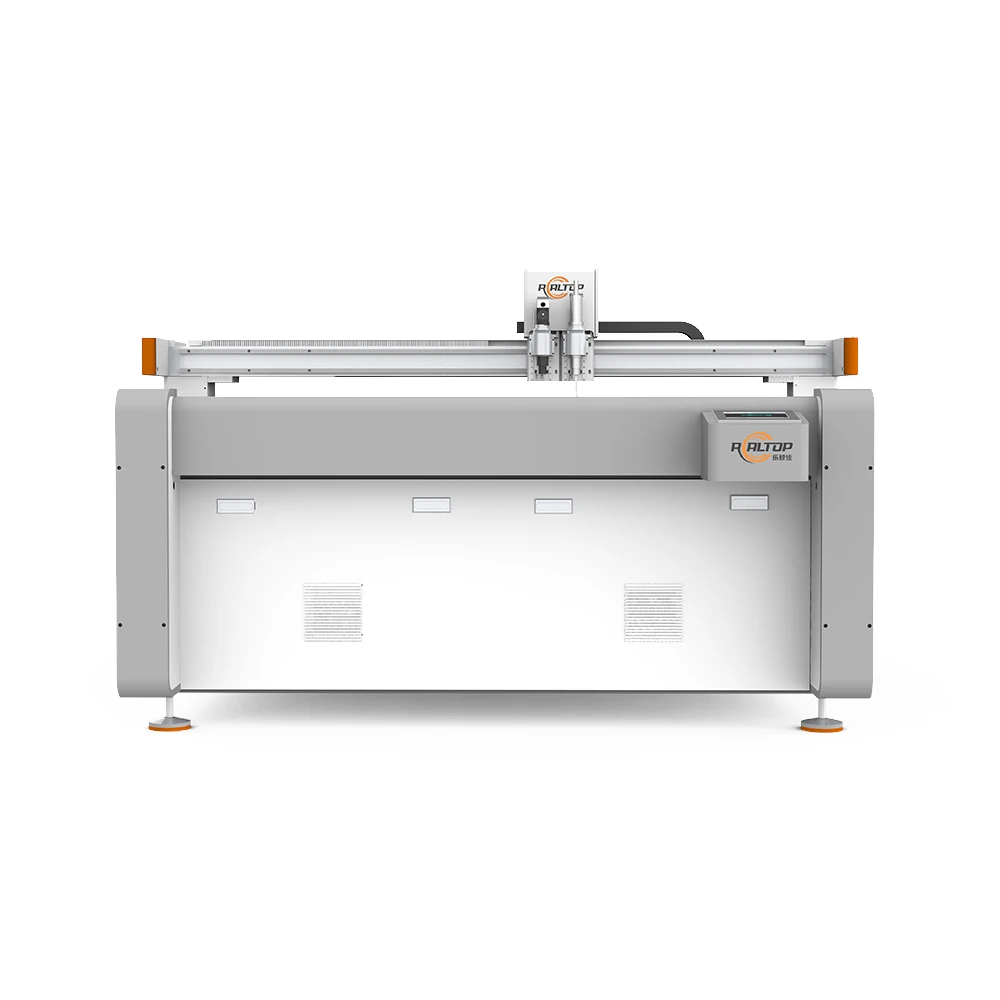
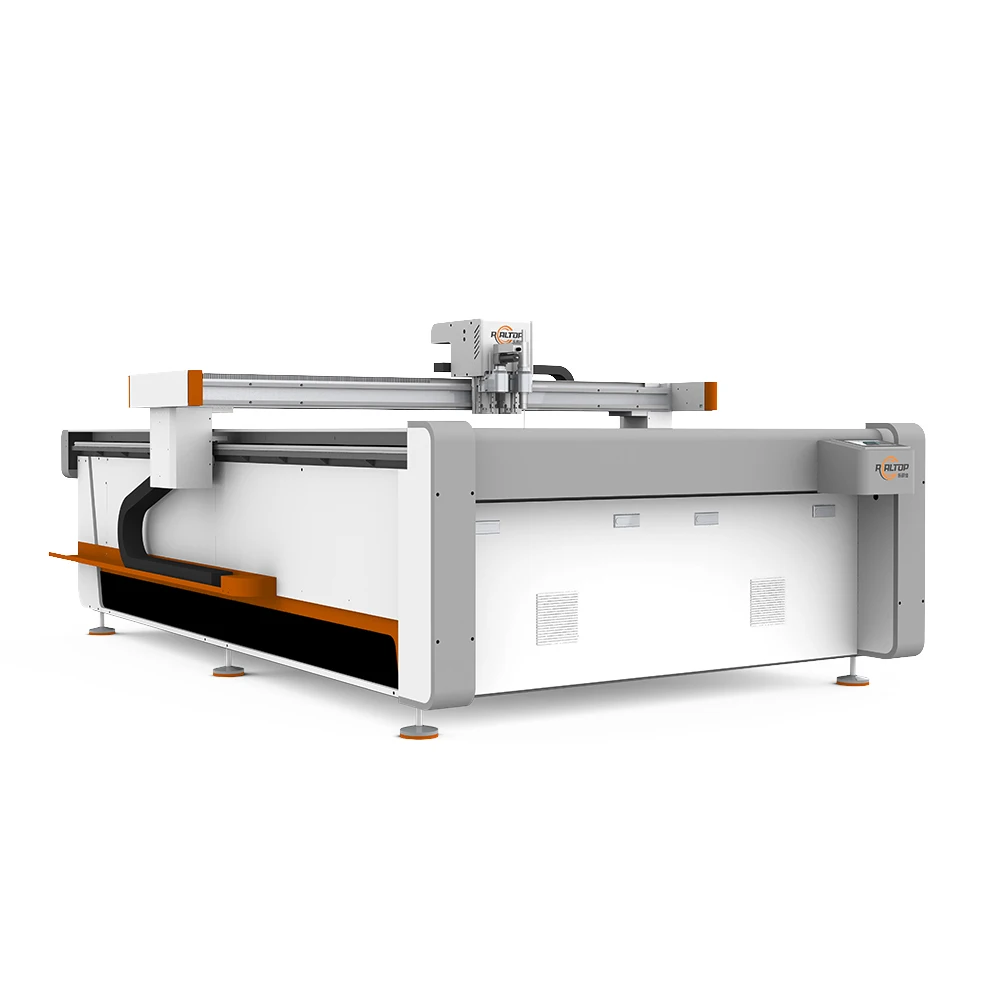
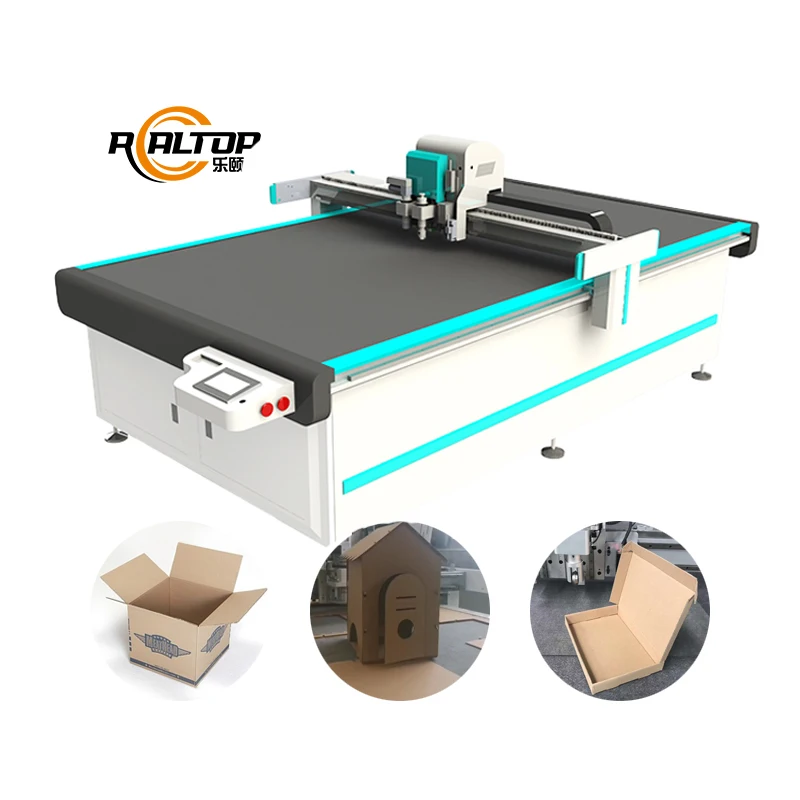
Sample cutting on your own corrugated or honeycomb board — before you commit to a configuration, we run your actual packaging material through the RT-D2516/RT-S2516 to confirm edge quality and tool head compatibility.
Technical Specifications
| Parameter | Value |
|---|---|
| Model | RT-D2516/RT-S2516 |
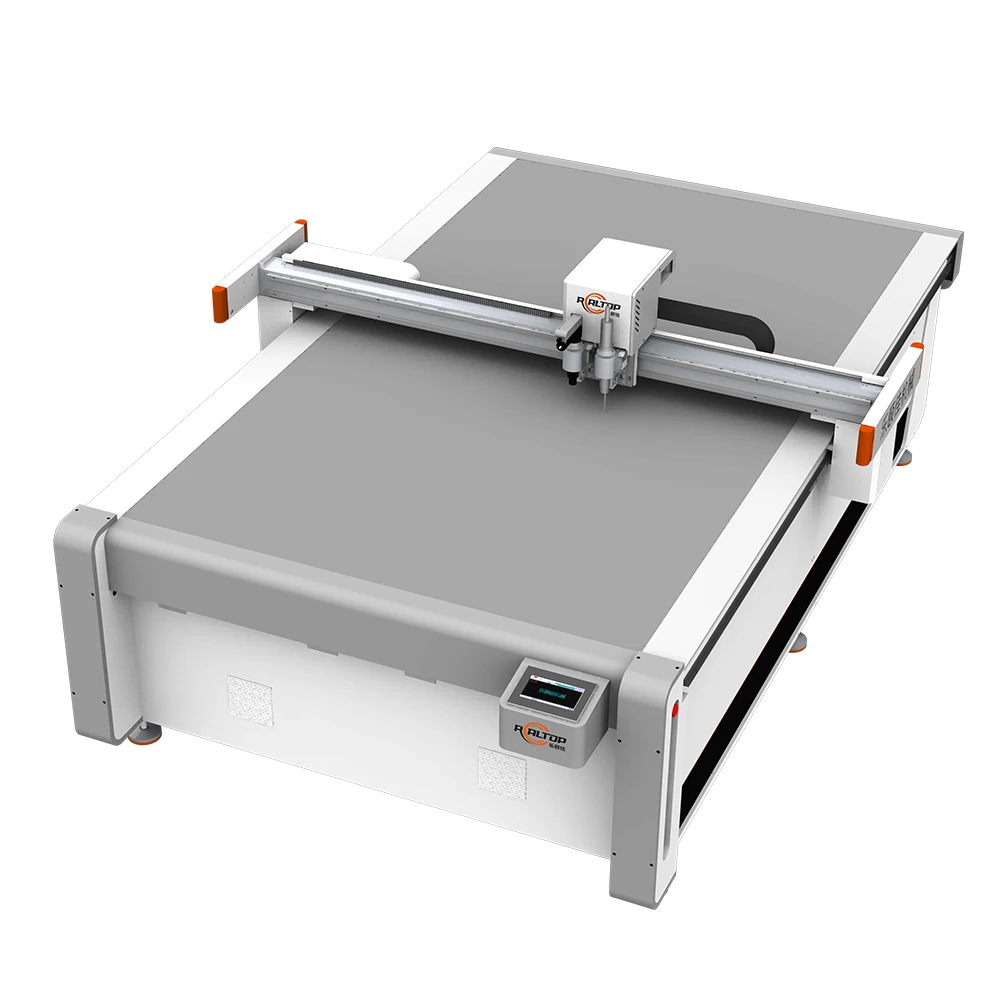
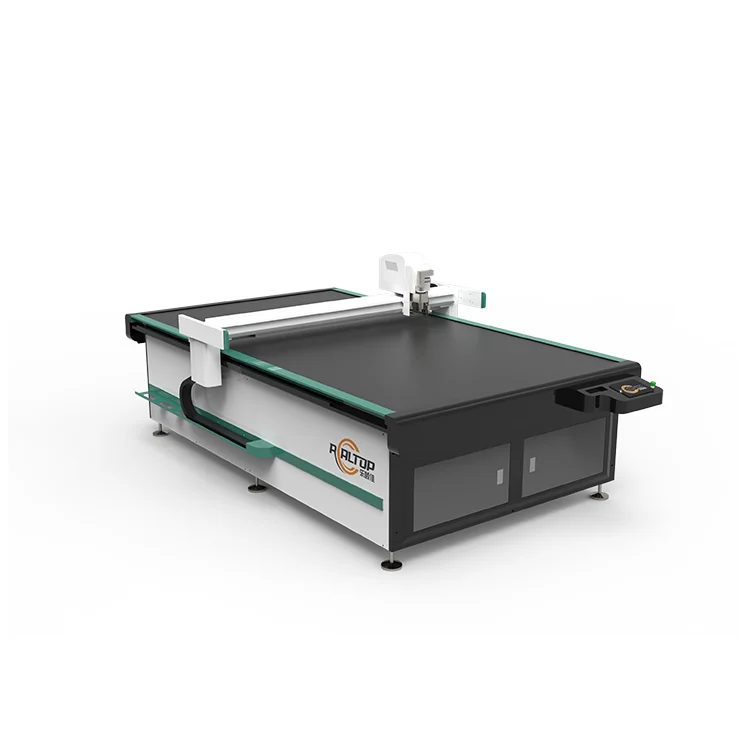
| Working Area | 1600×2500 mm |
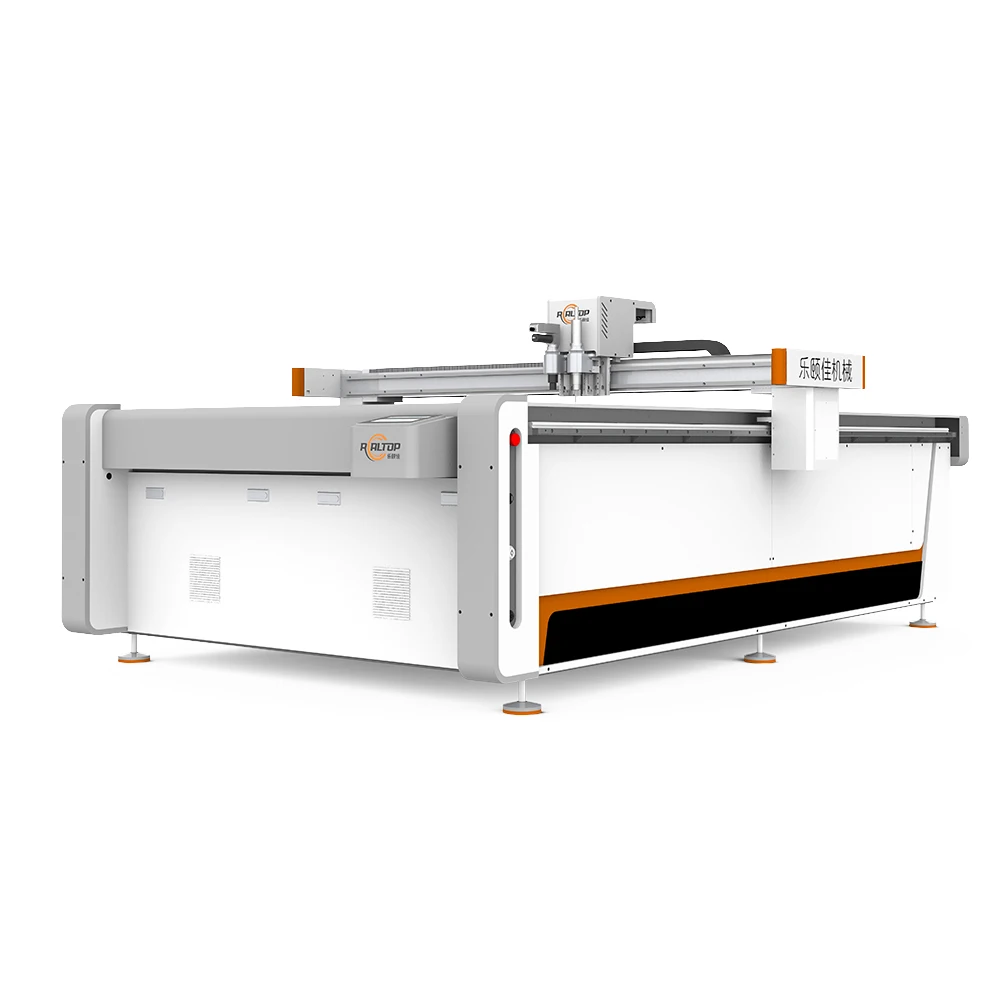
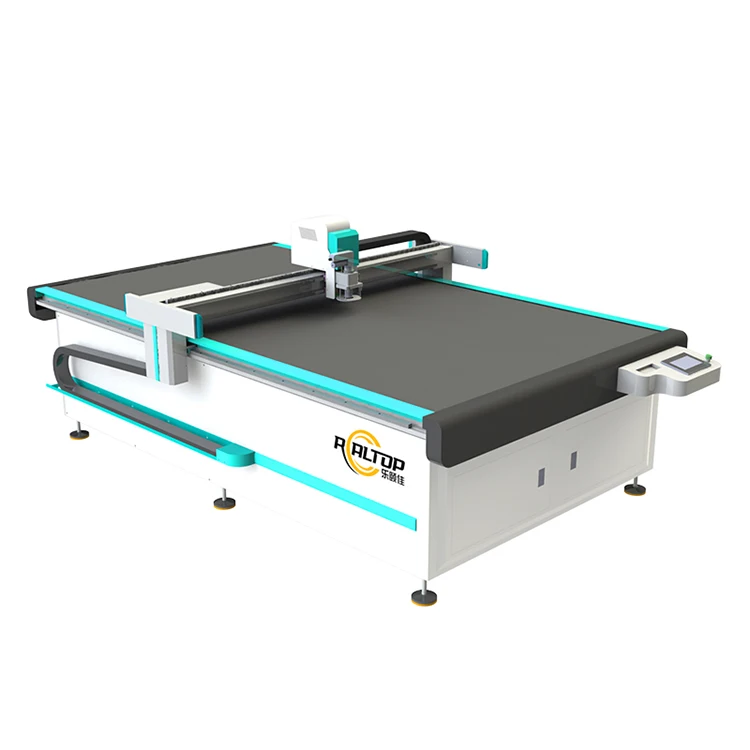
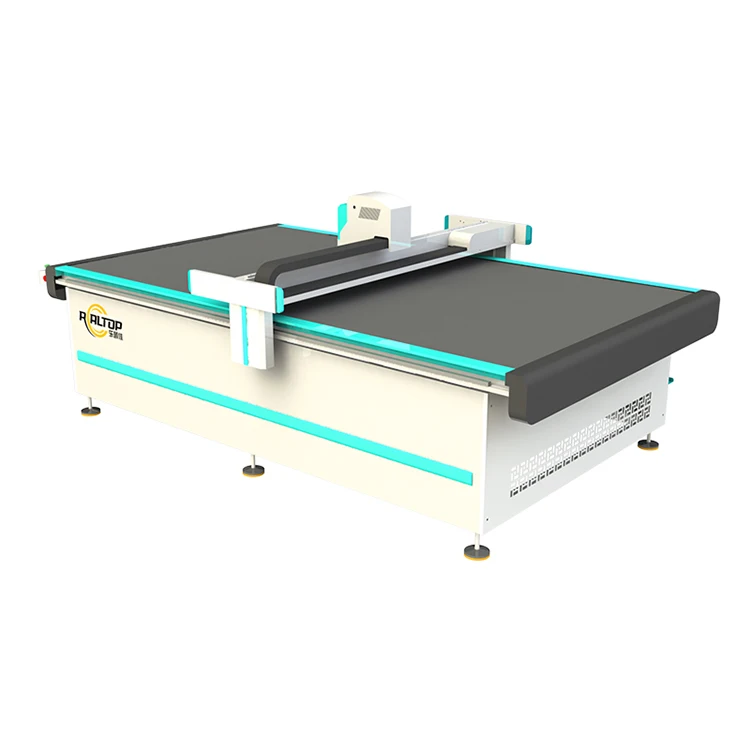
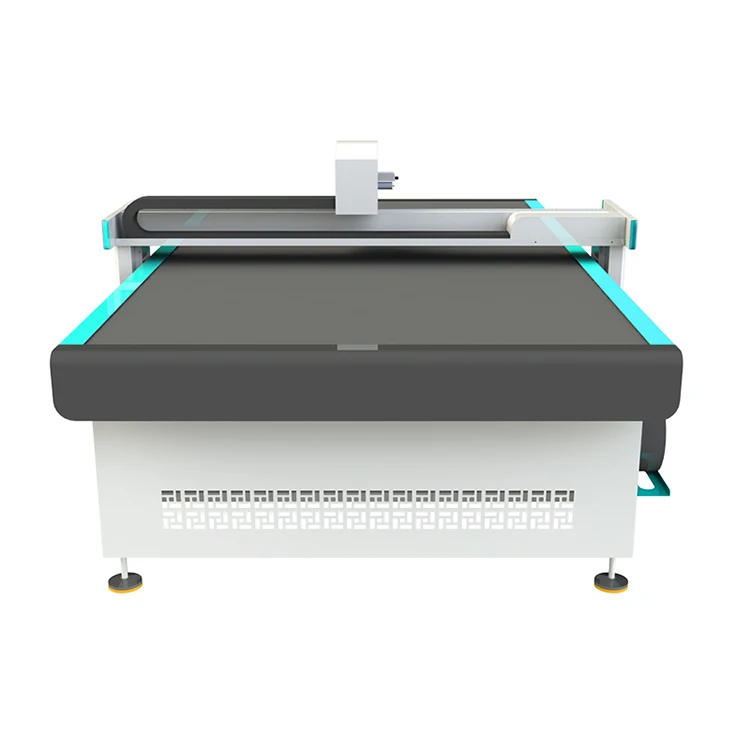
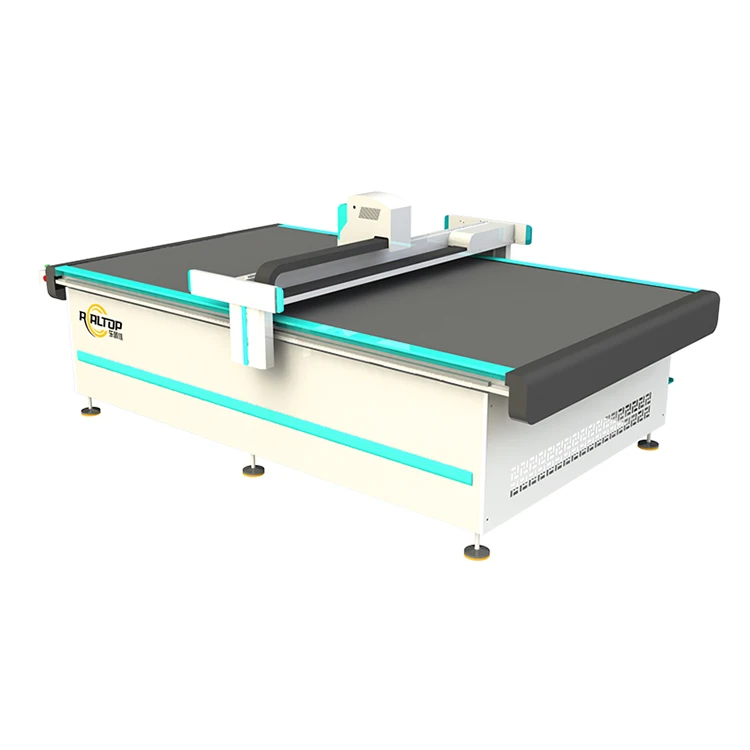
| Overall Dimensions | 3450×2300×1250 mm |
| Rated Power | 9 kW |
| Voltage | 380V ±10% |
| Servo Motor | Delta or Panasonic options |
| Translational Velocity | 800–2000 mm/s |
| Cutting Speed | 200–800 mm/s |
| Cutting Thickness | ≤100 mm (material dependent) |
| Repeatability | ≤0.1 mm |
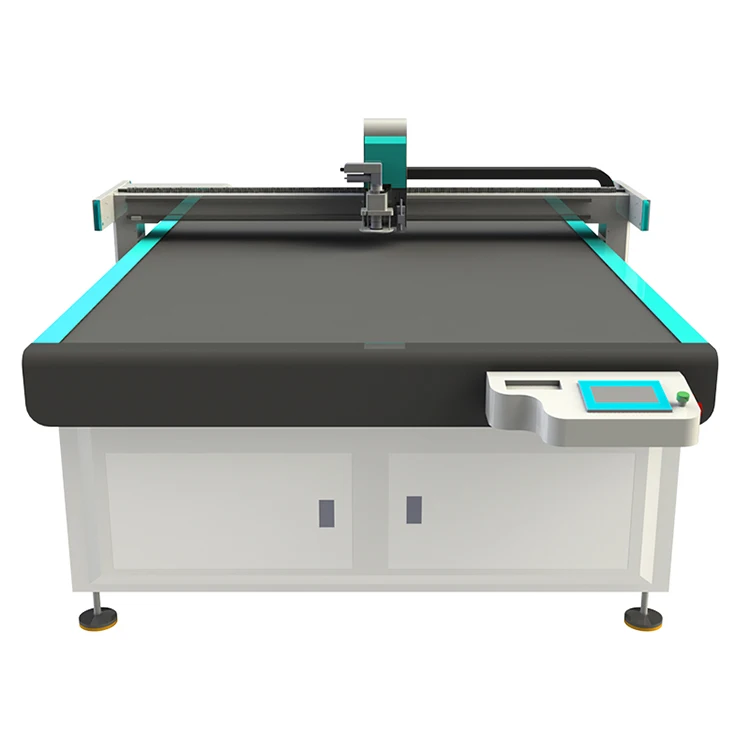
| Vacuum Table | Magnesium-aluminum alloy with PVDF powder coating |
| Vacuum Pump | 7.5 kW with built-in silencer |
Application Suitability
| Application | Material or Output |
|---|---|
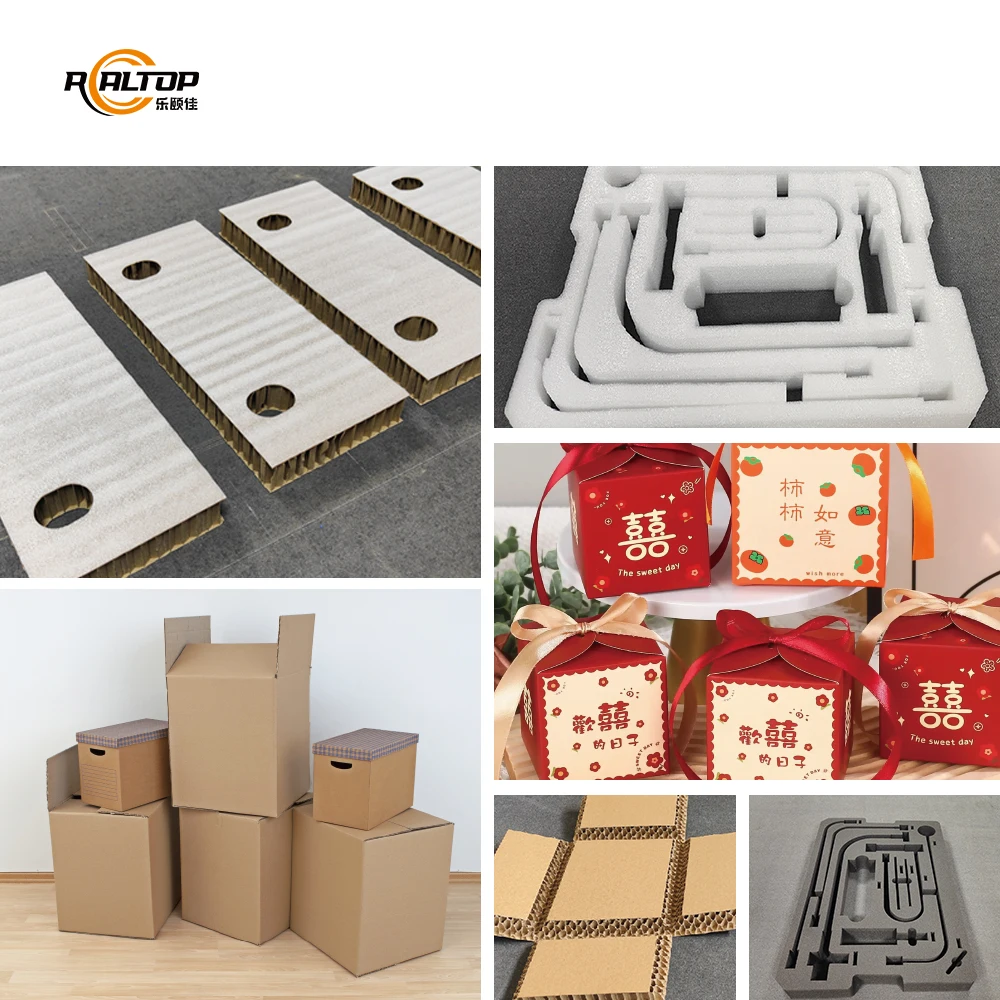
| Packaging Prototyping | Corrugated cardboard, honeycomb board, greyboard |
| Gasket Production | Rubber, silicone, PTFE, composite fiber |
| Signage Manufacturing | PVC foam board, acrylic, vinyl |
| Textile Cutting | Non-woven fabric, carpet, PU, EVA |
Why "Maximum Thickness 100mm" Misses the Point for Packaging Board
Cutting thick corrugated board requires matched tooling, not just rated capacity.
When I serviced oscillating knife systems across manufacturing zones, the common failure wasn’t about maximum cutting depth. The issue appeared when shops tried to cut 15mm honeycomb board with a standard drag knife, then wondered why the crushed edges required secondary trimming. A CNC oscillating knife cutting machine for sale listing will show thickness ratings, but the real question is which tool head configuration actually handles your specific flute profile and material density without ragged edges or incomplete cuts [NEED_CITE: tool head selection criteria for corrugated board types].
Matching Knife Type to Flute Structure
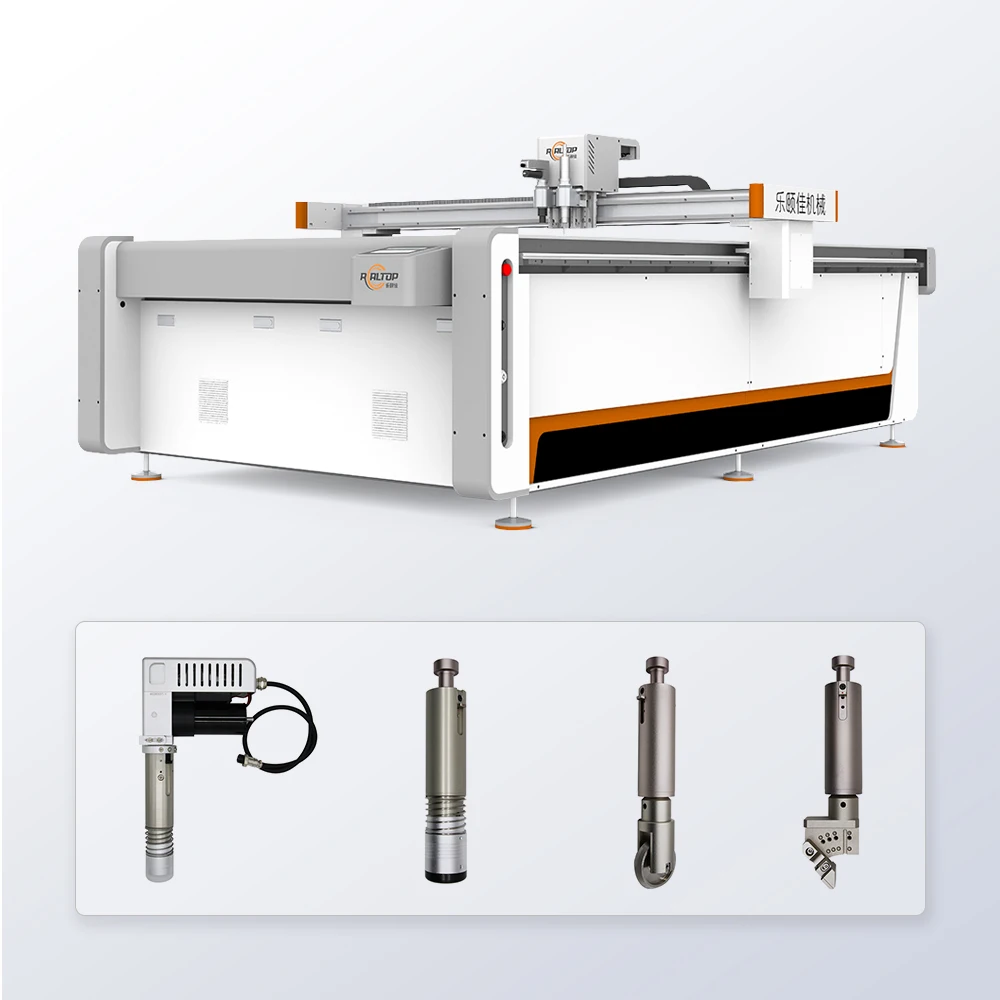
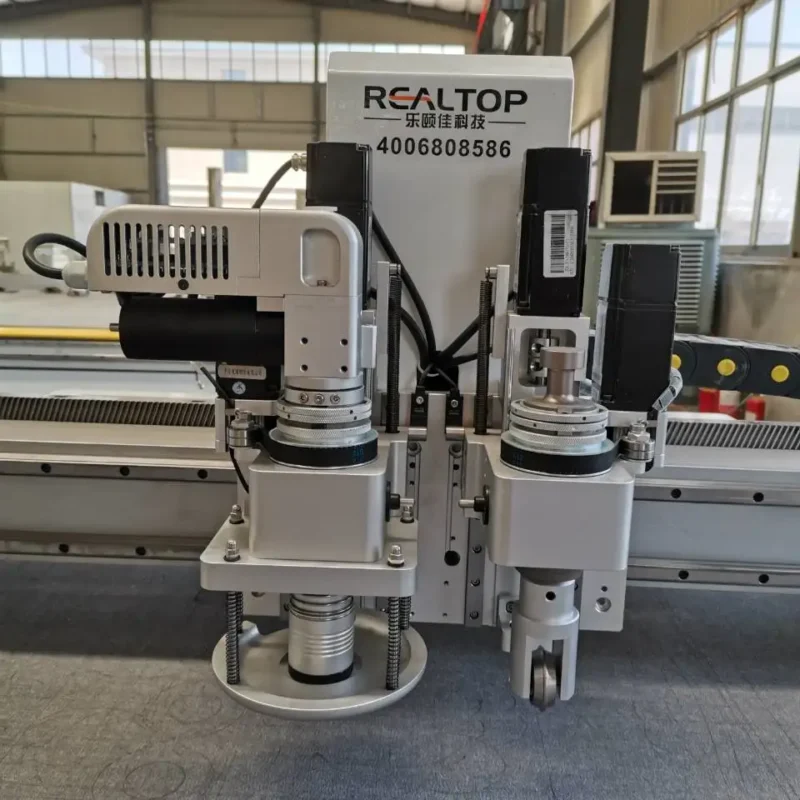
The oscillating knife option handles standard B-flute and C-flute corrugated cardboard, producing clean cuts through both liner and medium layers. For honeycomb board with its internal cell structure, the high-power vibrating knife delivers the amplitude needed to slice through without compressing the core. The creasing wheel attachment performs fold lines on carton stock without cutting through, enabling complete sample making on a single platform.
Visual Positioning for Printed Packaging
The CCD camera option locates registration marks on pre-printed sheets, allowing contour cutting to follow the actual print rather than assuming perfect sheet placement. Panoramic camera recognition extends this capability across the full 1600×2500 mm bed, useful when cutting multiple nested pieces from printed material where slight distortion occurs during printing or lamination [NEED_CITE: printed contour cutting accuracy standards].
Understanding the Servo and Transmission Specifications
The Delta or Panasonic servo motor choice affects positioning response during high-speed direction changes—Panasonic servos typically show tighter following error on complex contour paths. Taiwan Hiwin linear guides paired with ball screw transmission maintain the ≤0.1 mm repeatability specification across the full travel range. The 7.5 kW vacuum pump with aviation aluminum housing provides sufficient hold-down for thin vinyl and sticker materials, though heavy corrugated board relies more on material weight and flatness than vacuum force alone.
The Cost of Wrong Configuration Choices
Buyers who specify working area without confirming material thickness end up with machines that cannot physically penetrate their stock. Selecting a drag knife when an oscillating knife is required produces frayed edges on corrugated materials, generating waste and rework. Insufficient vacuum zoning on the magnesium-aluminum table causes small carton pieces to lift during cutting, ruining registration [NEED_CITE: vacuum table zoning requirements for small part cutting].
Why Source From This Catalogue
The RT-D2516/RT-S2516 sits within a broader equipment range that includes both knife and laser cutting systems, allowing you to compare methods side by side for your specific application. Tool head and table configurations are specified per material and production volume rather than offered as fixed packages. Software compatibility with HP-GL, PLT, DXF, and AI formats is confirmed before order placement. Voltage customization to match your facility’s electrical supply prevents commissioning delays. Sample cutting on your actual corrugated stock validates the configuration before you commit.
Documentation & Verification
- Machine specification sheet detailing selected tool heads and table type
- Electrical schematic confirming voltage and phase for your facility
- Sample cutting report on your specific board grade and thickness
- Factory test record showing dimensional accuracy on carton profiles
- Software license and file format compatibility documentation
Installation, Commissioning & Support
- Floor space allocation for 3450×2300 mm footprint plus operator access clearance
- Dedicated 380V circuit with appropriate breaker sizing for 9 kW rated load
- Assembly of vacuum table sections and beam installation at your facility
- Initial calibration of servo parameters and vacuum zoning for your material
- Touch screen interface setup in your preferred operating language
- Tool head changeover procedure and blade replacement training
What Information We Need From You
Provide the specific board types you cut—corrugated flute designation, honeycomb cell size, honeycomb core material, or composite layup. Share your typical sheet dimensions and daily cutting volume to determine whether flat table or auto-feeding configuration matches your workflow. Confirm your facility voltage and frequency to ensure the electrical system matches your supply [NEED_CITE: international voltage standards for industrial machinery].
Frequently Asked Questions
Q: How do I choose between oscillating knife and laser cutting for corrugated packaging board?
A: Oscillating knife cutting produces no heat-affected zone, preserving the structural integrity and appearance of corrugated edges. Laser cutting can seal synthetic material edges but generates burn marks on paper-based board. For packaging applications requiring clean, unburned edges on cardboard and honeycomb materials, oscillating knife is the standard choice.
Q: What tool head configuration handles combined creasing, slotting, and full cutting on honeycomb cardboard?
A: The RT-D2516/RT-S2516 can be configured with an oscillating knife for full cutting, a creasing wheel for fold lines, and a V-cutting knife for slotting operations. This combination allows complete carton sample production without switching machines. The specific tool combination depends on your board thickness and slot width requirements.
Q: Which working area and table type matches sample making versus high-volume carton production?
A: The 1600×2500 mm working area accommodates standard carton sheet sizes. Flat table configuration suits prototyping and short-run sample making. Auto-feeding table with conveyor belt enables continuous production workflows where sheets load sequentially. The choice depends on your typical batch size and whether you prioritize setup flexibility or throughput.
Q: How do I arrange sample cutting on my own material before committing to a configuration?
A: Send representative samples of your actual board stock—corrugated type, flute profile, thickness, and any printing or lamination. We run cutting tests with different tool head options and provide a sample cutting report showing edge quality, dimensional accuracy, and recommended configuration for your specific material.
Sample cutting on your own corrugated or honeycomb board — before you commit to a configuration, we run your actual packaging material through the RT-D2516/RT-S2516 to confirm edge quality and tool head compatibility.
Technical Specifications
| Parameter | Value |
|---|---|
| Model | RT-D2516/RT-S2516 |
| Working Area | 1600×2500 mm |
| Overall Dimensions | 3450×2300×1250 mm |
| Rated Power | 9 kW |
| Voltage | 380V ±10% |
| Servo Motor | Delta or Panasonic options |
| Translational Velocity | 800–2000 mm/s |
| Cutting Speed | 200–800 mm/s |
| Cutting Thickness | ≤100 mm (material dependent) |
| Repeatability | ≤0.1 mm |
| Vacuum Table | Magnesium-aluminum alloy with PVDF powder coating |
| Vacuum Pump | 7.5 kW with built-in silencer |
Application Suitability
| Application | Material or Output |
|---|---|
| Packaging Prototyping | Corrugated cardboard, honeycomb board, greyboard |
| Gasket Production | Rubber, silicone, PTFE, composite fiber |
| Signage Manufacturing | PVC foam board, acrylic, vinyl |
| Textile Cutting | Non-woven fabric, carpet, PU, EVA |
Why "Maximum Thickness 100mm" Misses the Point for Packaging Board
Cutting thick corrugated board requires matched tooling, not just rated capacity.
When I serviced oscillating knife systems across manufacturing zones, the common failure wasn’t about maximum cutting depth. The issue appeared when shops tried to cut 15mm honeycomb board with a standard drag knife, then wondered why the crushed edges required secondary trimming. A CNC oscillating knife cutting machine for sale listing will show thickness ratings, but the real question is which tool head configuration actually handles your specific flute profile and material density without ragged edges or incomplete cuts [NEED_CITE: tool head selection criteria for corrugated board types].
Matching Knife Type to Flute Structure
The oscillating knife option handles standard B-flute and C-flute corrugated cardboard, producing clean cuts through both liner and medium layers. For honeycomb board with its internal cell structure, the high-power vibrating knife delivers the amplitude needed to slice through without compressing the core. The creasing wheel attachment performs fold lines on carton stock without cutting through, enabling complete sample making on a single platform.
Visual Positioning for Printed Packaging
The CCD camera option locates registration marks on pre-printed sheets, allowing contour cutting to follow the actual print rather than assuming perfect sheet placement. Panoramic camera recognition extends this capability across the full 1600×2500 mm bed, useful when cutting multiple nested pieces from printed material where slight distortion occurs during printing or lamination [NEED_CITE: printed contour cutting accuracy standards].
Understanding the Servo and Transmission Specifications
The Delta or Panasonic servo motor choice affects positioning response during high-speed direction changes—Panasonic servos typically show tighter following error on complex contour paths. Taiwan Hiwin linear guides paired with ball screw transmission maintain the ≤0.1 mm repeatability specification across the full travel range. The 7.5 kW vacuum pump with aviation aluminum housing provides sufficient hold-down for thin vinyl and sticker materials, though heavy corrugated board relies more on material weight and flatness than vacuum force alone.
The Cost of Wrong Configuration Choices
Buyers who specify working area without confirming material thickness end up with machines that cannot physically penetrate their stock. Selecting a drag knife when an oscillating knife is required produces frayed edges on corrugated materials, generating waste and rework. Insufficient vacuum zoning on the magnesium-aluminum table causes small carton pieces to lift during cutting, ruining registration [NEED_CITE: vacuum table zoning requirements for small part cutting].
Why Source From This Catalogue
The RT-D2516/RT-S2516 sits within a broader equipment range that includes both knife and laser cutting systems, allowing you to compare methods side by side for your specific application. Tool head and table configurations are specified per material and production volume rather than offered as fixed packages. Software compatibility with HP-GL, PLT, DXF, and AI formats is confirmed before order placement. Voltage customization to match your facility’s electrical supply prevents commissioning delays. Sample cutting on your actual corrugated stock validates the configuration before you commit.
Documentation & Verification
- Machine specification sheet detailing selected tool heads and table type
- Electrical schematic confirming voltage and phase for your facility
- Sample cutting report on your specific board grade and thickness
- Factory test record showing dimensional accuracy on carton profiles
- Software license and file format compatibility documentation
Installation, Commissioning & Support
- Floor space allocation for 3450×2300 mm footprint plus operator access clearance
- Dedicated 380V circuit with appropriate breaker sizing for 9 kW rated load
- Assembly of vacuum table sections and beam installation at your facility
- Initial calibration of servo parameters and vacuum zoning for your material
- Touch screen interface setup in your preferred operating language
- Tool head changeover procedure and blade replacement training
What Information We Need From You
Provide the specific board types you cut—corrugated flute designation, honeycomb cell size, honeycomb core material, or composite layup. Share your typical sheet dimensions and daily cutting volume to determine whether flat table or auto-feeding configuration matches your workflow. Confirm your facility voltage and frequency to ensure the electrical system matches your supply [NEED_CITE: international voltage standards for industrial machinery].
Frequently Asked Questions
Q: How do I choose between oscillating knife and laser cutting for corrugated packaging board?
A: Oscillating knife cutting produces no heat-affected zone, preserving the structural integrity and appearance of corrugated edges. Laser cutting can seal synthetic material edges but generates burn marks on paper-based board. For packaging applications requiring clean, unburned edges on cardboard and honeycomb materials, oscillating knife is the standard choice.
Q: What tool head configuration handles combined creasing, slotting, and full cutting on honeycomb cardboard?
A: The RT-D2516/RT-S2516 can be configured with an oscillating knife for full cutting, a creasing wheel for fold lines, and a V-cutting knife for slotting operations. This combination allows complete carton sample production without switching machines. The specific tool combination depends on your board thickness and slot width requirements.
Q: Which working area and table type matches sample making versus high-volume carton production?
A: The 1600×2500 mm working area accommodates standard carton sheet sizes. Flat table configuration suits prototyping and short-run sample making. Auto-feeding table with conveyor belt enables continuous production workflows where sheets load sequentially. The choice depends on your typical batch size and whether you prioritize setup flexibility or throughput.
Q: How do I arrange sample cutting on my own material before committing to a configuration?
A: Send representative samples of your actual board stock—corrugated type, flute profile, thickness, and any printing or lamination. We run cutting tests with different tool head options and provide a sample cutting report showing edge quality, dimensional accuracy, and recommended configuration for your specific material.
商品评价
There are no reviews yet.