

Fast Delivery
Quick, reliable shipping to any location.

Free & easy returns
Return this item by mail or in store within 90 days for a full refund.
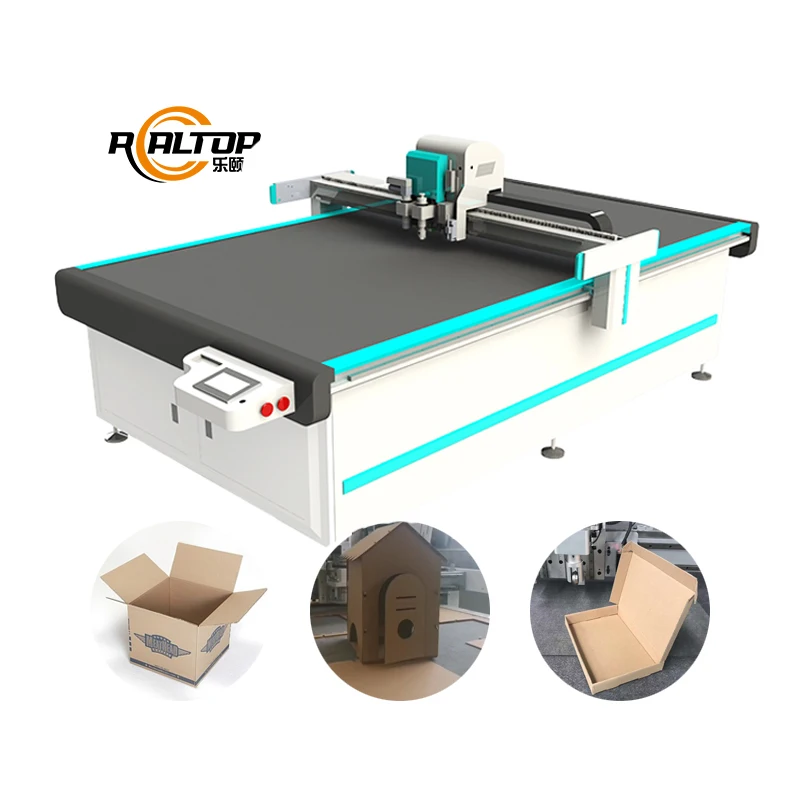
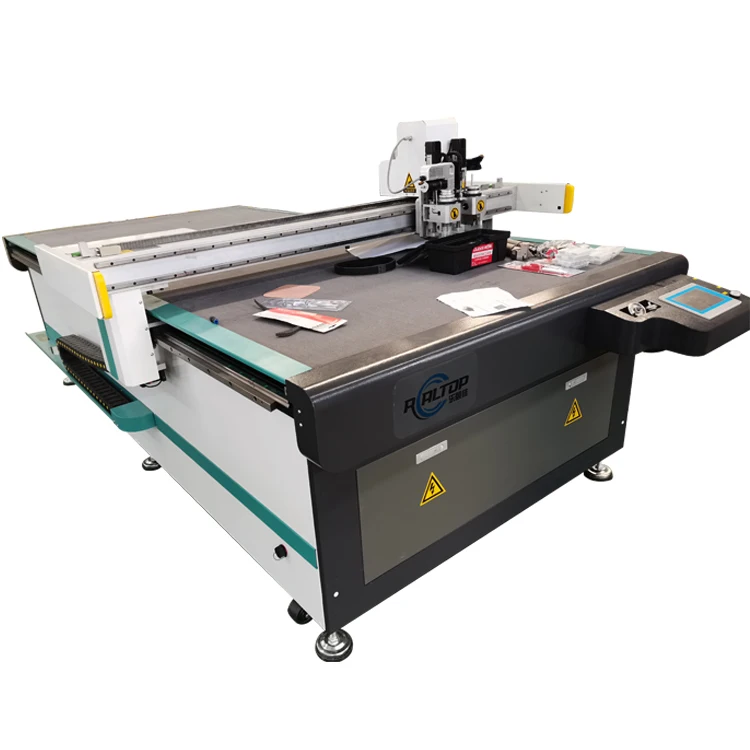
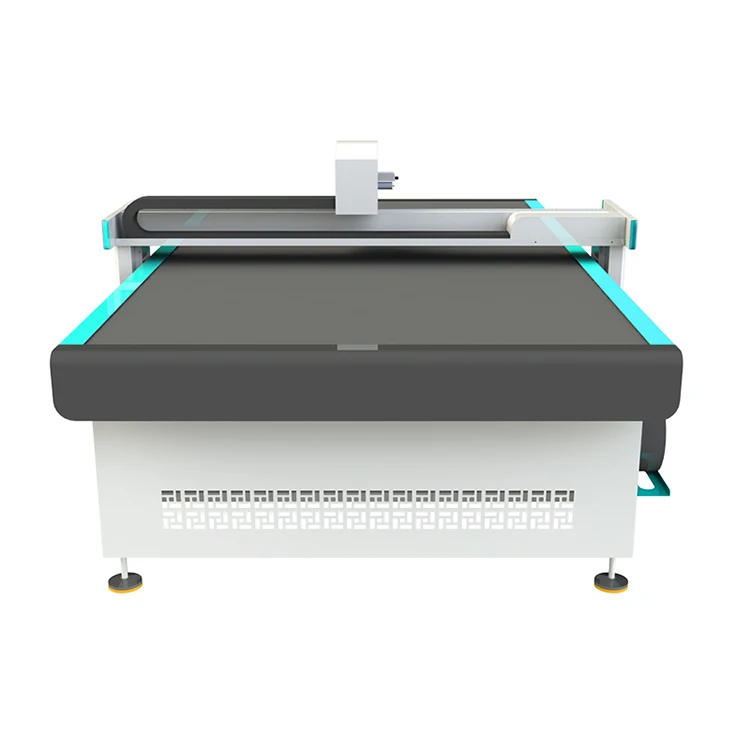
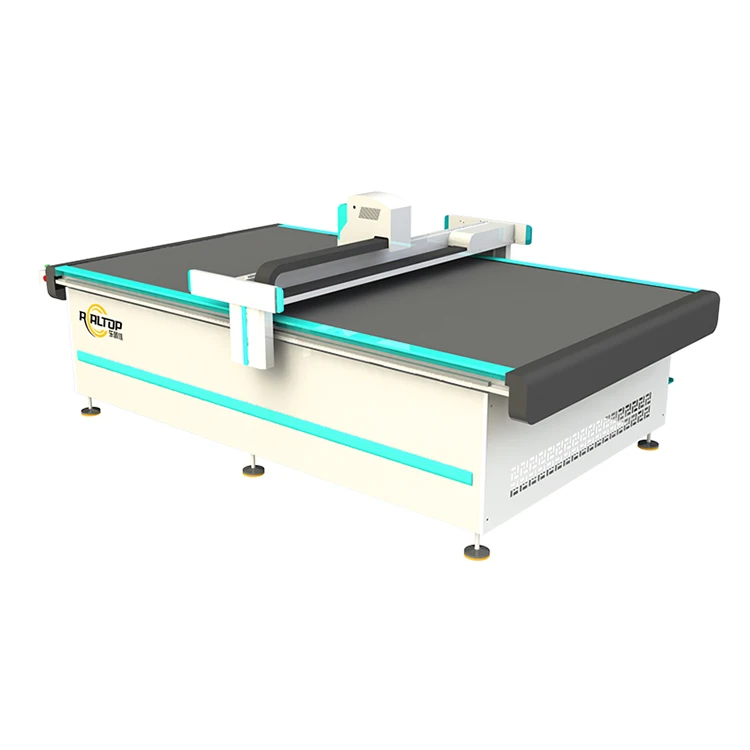
Tool Head Configuration Over Guesswork — Every RT–R2513 leaves the Jinan workshop with a cutting tool list matched to the buyer’s actual corrugated board, card stock and sticker inventory rather than a default package.
Technical Specifications
| Parameter | Value |
|---|---|
| Model | RT–R2513 / RT-D2516 / RT-S2516 |
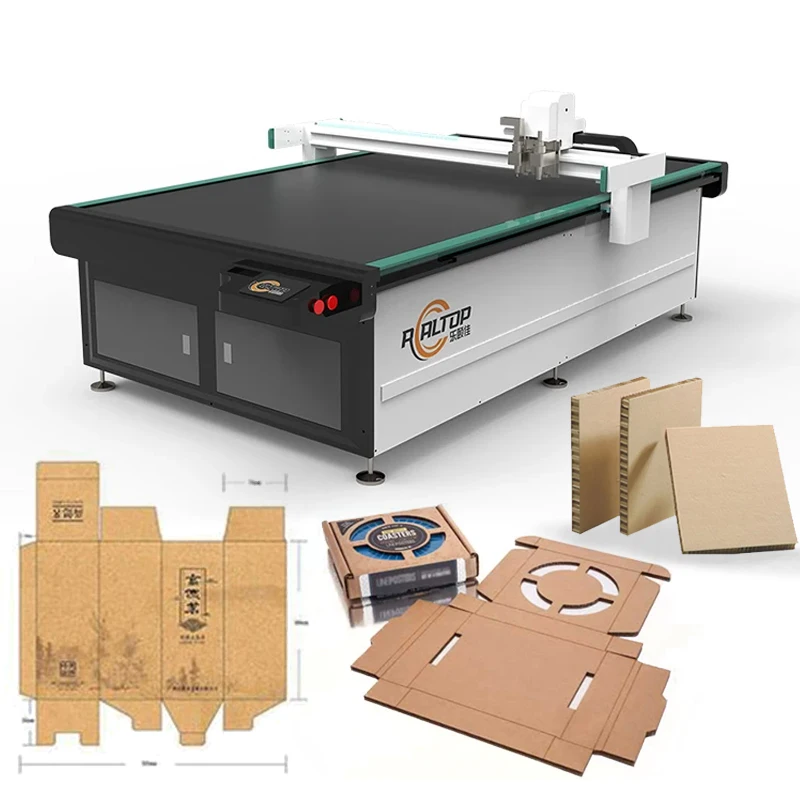
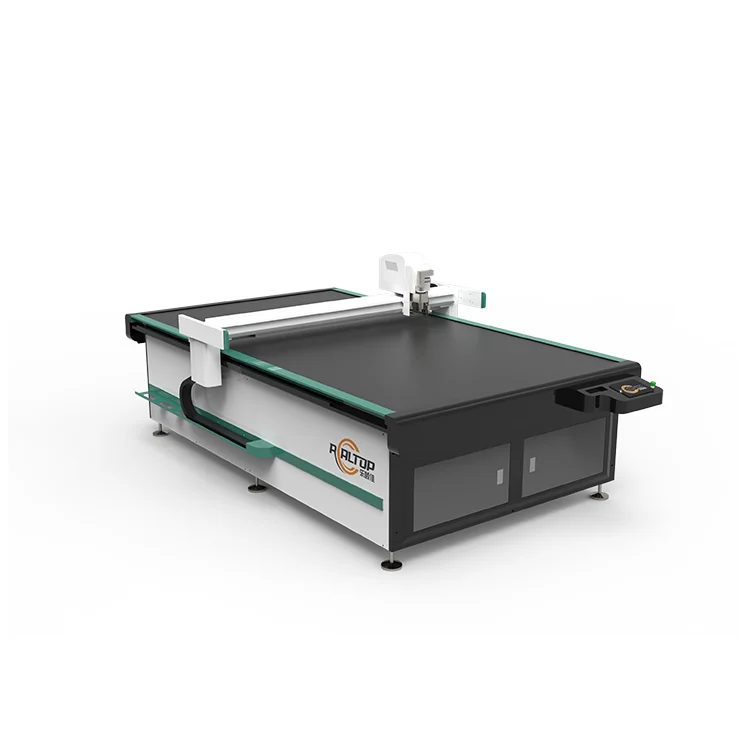
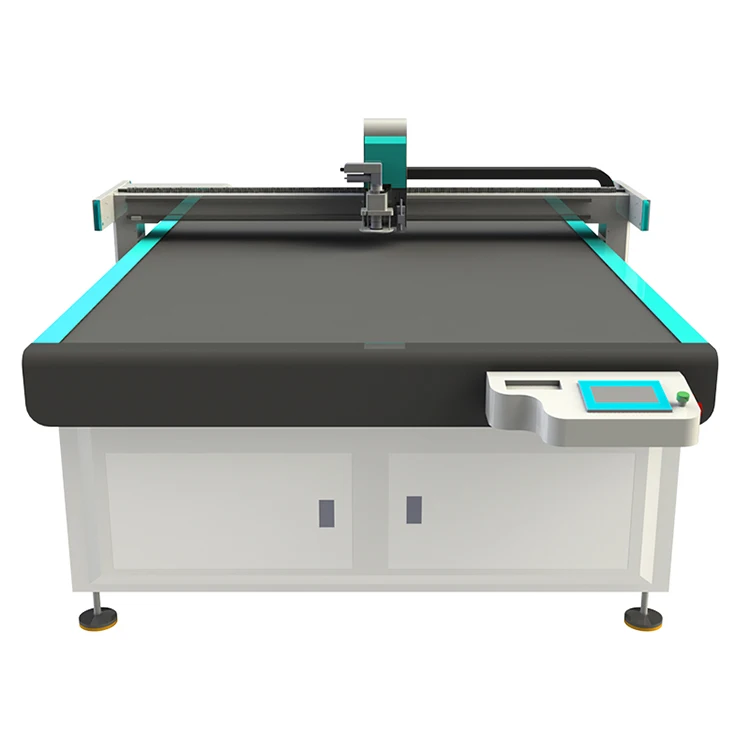
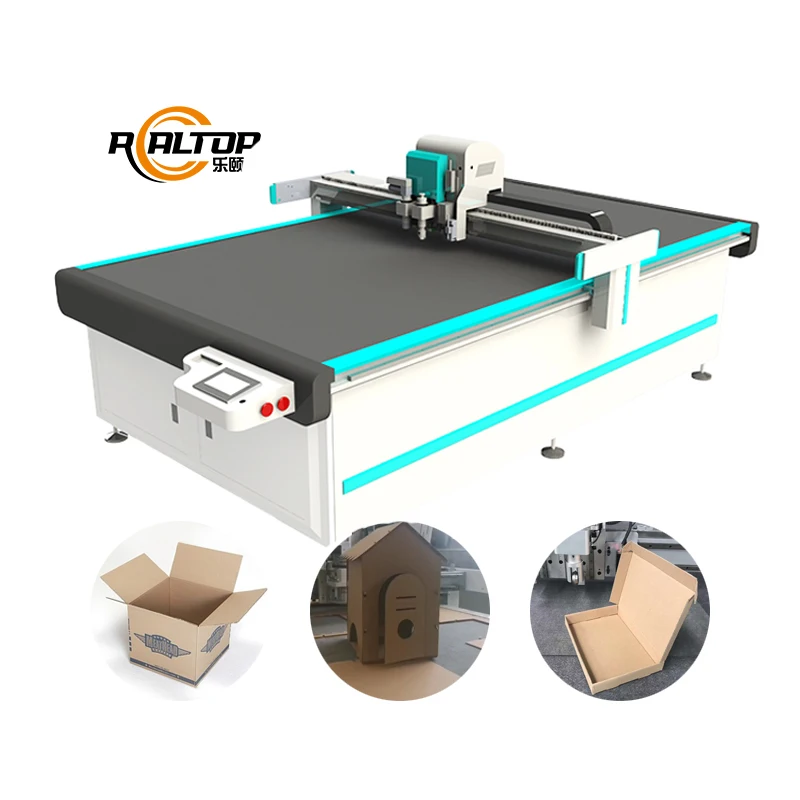
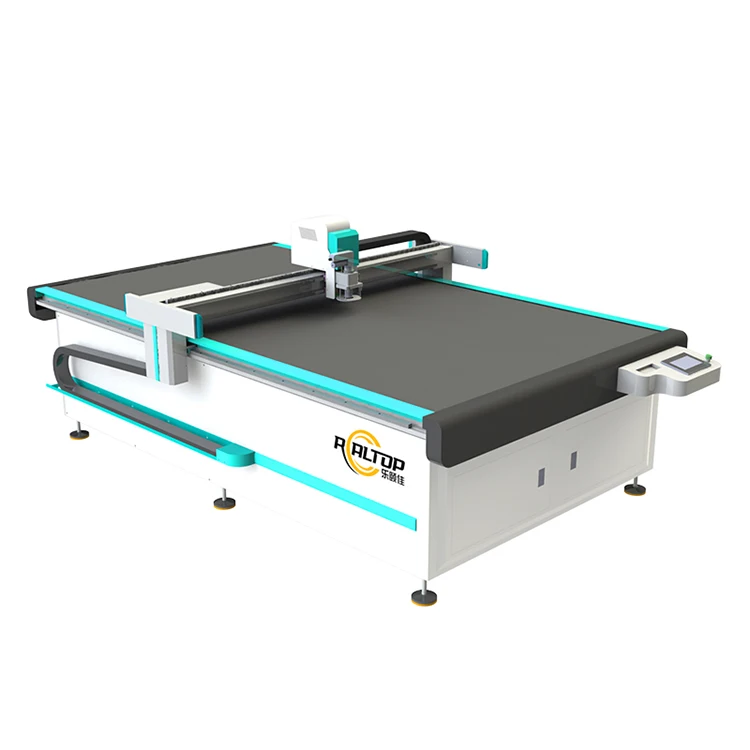
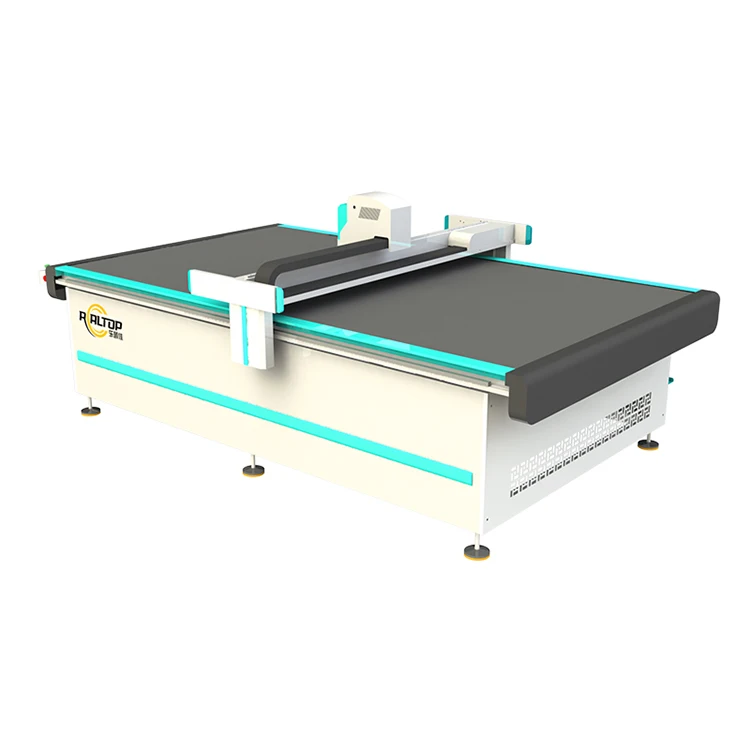
| Product Type | CNC Digital Carton Cutting Machine |
| Working Area | 2500×1300mm (RT–R2513) / 1600×2500mm (RT-D2516 / RT-S2516) |
| Machine Size | 3550×1910×1400mm (RT–R2513) / 3450×2300×1250mm (RT-D2516 / RT-S2516) |
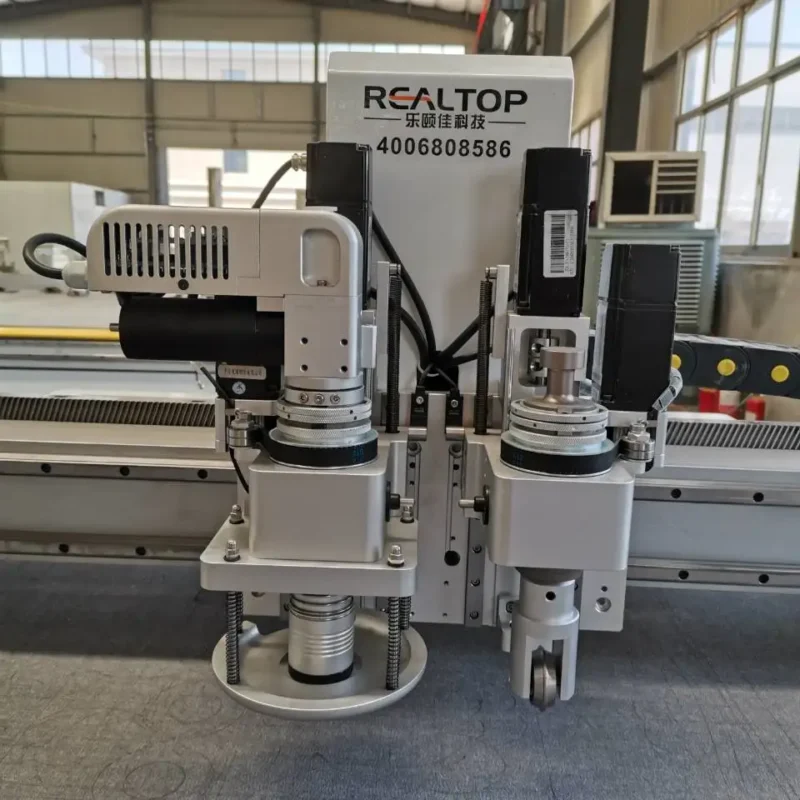
| Cutting Tools | Oscillating knife, creasing tool, kiss-cut knife, round punch |
| Cutting Thickness | ≤18mm (basis to be confirmed) |
| Fixing Method | Vacuum system with 7.5kW pump |
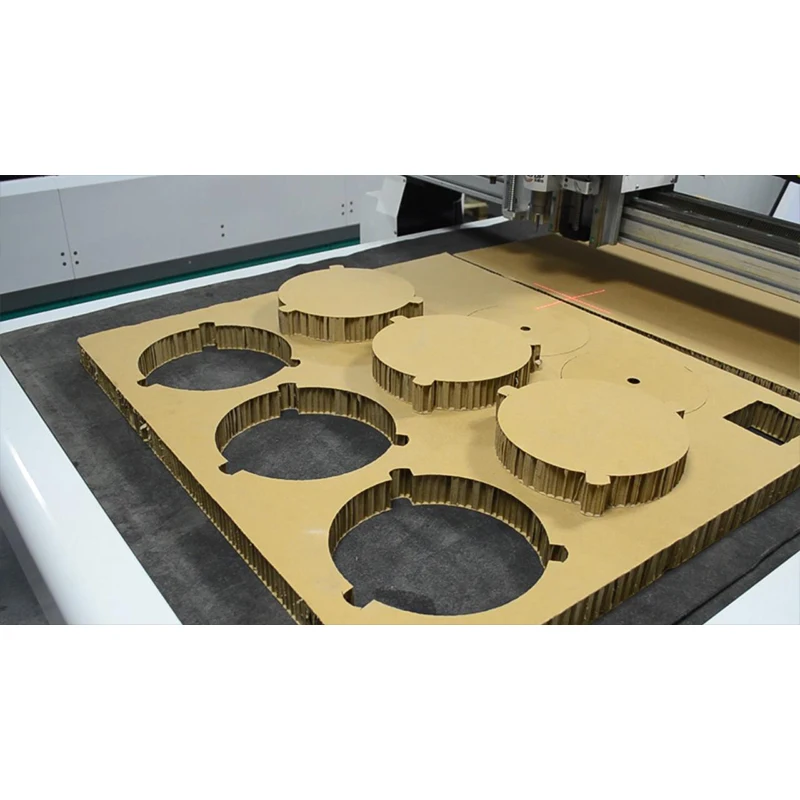
| Vacuum Table | Aluminum alloy honeycomb structure, wear-resistant anti-pull felt |
| Rated Power | 9kW |
| Repeated Accuracy | <0.05mm |
| Voltage | 380V (frequency to be confirmed) |
| Servo Motors | Taiwan Delta / Dongling servo (confirm at order) |
| Profile Format | DXF, OLT, PDF, AI |
| Transmission | Ethernet port; imported straight-line square guide and rack |
| Safety Device | Infrared sensors, emergency stop |
| Software | Professional carton cutting software, multi-language support |
| Warranty | 1 year (excluding felt and knife blades) |
Application Suitability
| Application | Material or Output |
|---|---|
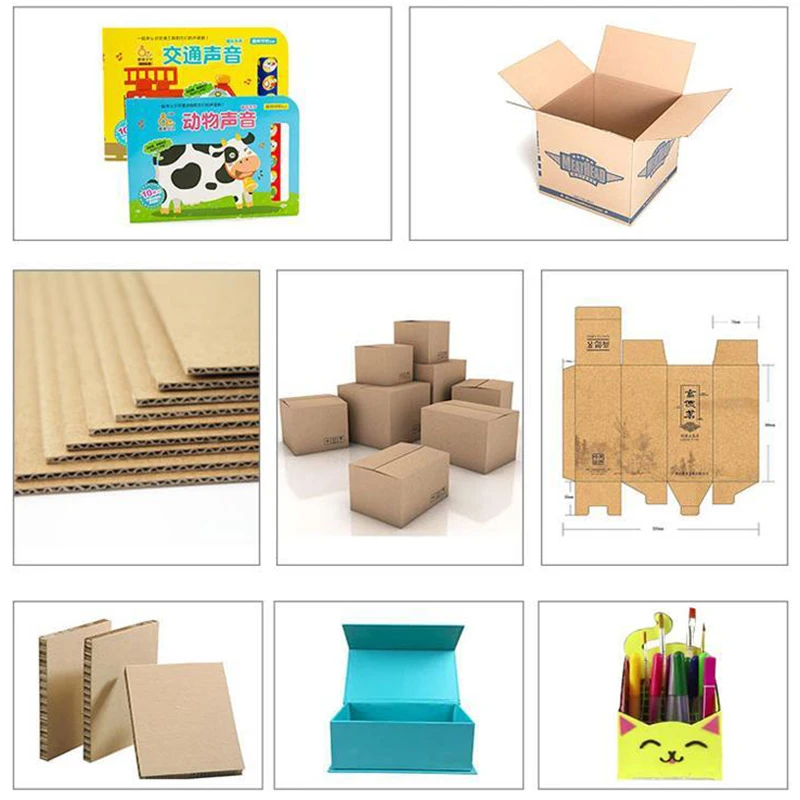
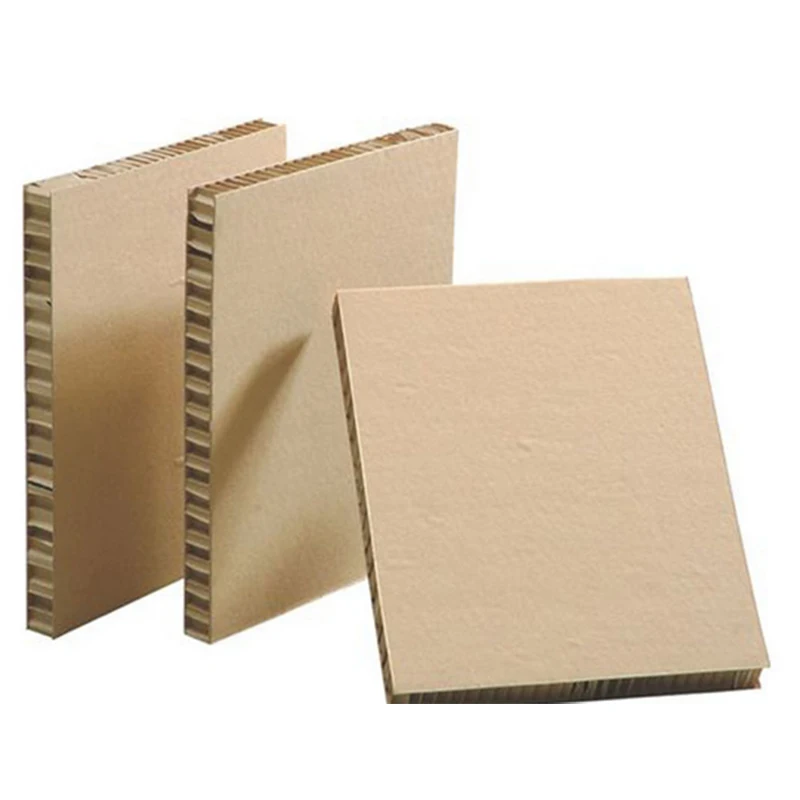
| Corrugated carton sample making | Single, double and triple-wall corrugated board up to 18mm |
| Folding carton and gift box production | Coated card stock, kraft board, grey board |
| Express and snack food packaging | Corrugated mailers, pizza boxes, retail carton formats |
| Sticker and label finishing | Adhesive vinyl, PP paper, sticker sheets |
| Electrical appliance packaging | Thick corrugated inserts and dividers for heavy items |
| Leather cutting for small batch | Natural and synthetic leather for gaskets or accessories |
Why Material Thickness Is the First Question, Not the Last
Matching the tool head to the actual board grade eliminates ragged edges before they reach the sample table.
When a buyer specifies a CNC carton cutting machine manufacturer on working area alone and later feeds triple-wall corrugated that is two flutes heavier than the trial stock, the oscillating knife starts tearing fibres instead of slicing them. The creasing wheel leaves crushed ridges. The vacuum table holds the sheet flat but the tool head cannot finish the cut. These failures happen because cutting thickness and tool selection were treated as secondary details. [NEED_CITE: material thickness and tool head compatibility in digital flatbed cutting]
Tool Head Selection Across Corrugated Grades
A carton sample maker working with E-flute gift boxes and BC-flute shipping cartons needs the oscillating knife for through-cuts and the creasing tool for fold lines on the same machine pass. The RT–R2513 carries both heads alongside a kiss-cut knife for sticker and label work, so a packaging CNC cutting machine buyer can switch between board and adhesive stock without manual tool changes. The round punch adds handle and ventilation cut-outs common in express mailer designs. Selecting the right combination before order prevents the situation where a buyer receives a machine that handles one material well but tears through another.
Vacuum Table Zoning for Small-Part Stability
The aluminum alloy honeycomb table with 7.5kW vacuum pump divides into zones so that small die-cut shapes — carton corners, label clusters, gasket pieces — stay flat during the final cuts. Full-sheet adsorption wastes suction when the stock only covers half the bed, and small parts lift at the trailing edge. Zoned vacuum routing directs suction only where material is present. This matters for sticker sheets where a lifted corner ruins registration across the rest of the layout. [NEED_CITE: vacuum table zoning requirements for small-part digital cutting]
Reading the Specs That Matter in Production
The 9kW rated power covers the servo drives, vacuum pump and control system under normal cutting loads on corrugated and card stock. The repeated accuracy of <0.05mm keeps crease lines aligned with cut paths across long carton layouts — a tolerance drift beyond this shows up as mismatched fold lines on assembled boxes. The imported straight-line square guide and rack transmission maintain positional accuracy over the full 2500×1300mm travel, which matters when nesting multiple carton formats on a single sheet. Professional carton cutting software accepting DXF, AI, PDF and OLT files means a packaging designer’s existing artwork imports directly without re-drawing. Ethernet data transmission avoids the driver and cable failures common with USB transfer on factory floors.
What Happens When the Tool Head Does Not Match the Stock
A creasing wheel set for 350gsm card stock will barely mark a triple-wall corrugated sheet, leaving fold lines that crack on assembly. An oscillating knife running at stroke frequency tuned for thin PP paper will crush foam board instead of cutting through it. The felt on the vacuum table wears faster when abrasive materials like thick recycled corrugated run daily, and the buyer who never asked about felt replacement intervals discovers downtime during peak season. These are configuration failures, not machine failures. [NEED_CITE: tool head and stroke frequency effects on cut quality by material type]
Why Buyers Source the RT–R2513 Through This Catalogue
The RT–R2513 sits in a complete cutting equipment range where oscillating knife, creasing and kiss-cut tooling are specified per buyer rather than bundled as default. In-house design and production in Jinan covers both knife cutting and laser cutting technologies, so a buyer evaluating carton sample making against acrylic signage work can compare methods on one platform. Sample cutting on the buyer’s own corrugated board runs before order confirmation, giving a physical edge-quality benchmark rather than a brochure promise. Voltage, control language and software file format are confirmed at quotation stage so the machine arrives ready for the local electrical supply and the operator’s language. Tool head and table configuration lists ship with the machine, documenting exactly what was ordered versus what arrived.
Documentation & Verification
- Machine specification sheet listing confirmed tool heads for your corrugated grade
- Electrical schematic with 380V or custom voltage and frequency for your market
- Sample cutting report run on your actual board stock before dispatch
- Software licence note confirming DXF, AI, PDF and OLT file compatibility
- Factory test record showing repeated accuracy verification on full bed travel
- Spare parts list with oscillating blade quantities and felt replacement schedule
Installation, Commissioning & Support
- 3550×1910mm machine footprint requires level concrete floor with clearance for 2500mm material feed on both sides
- Dedicated 380V three-phase circuit rated above 9kW continuous load with earth bonding
- Fully assembled delivery; vacuum pump and servo drives calibrated at factory before crating
- First-day commissioning covers vacuum zone mapping to your standard sheet sizes
- Operator training includes creasing wheel pressure adjustment across corrugated flute profiles
- Ten oscillating blades included; felt replacement interval depends on board abrasiveness
Before You Send the Inquiry
Share the specific corrugated flute types and card stock weights your production runs daily, along with the largest sheet dimension you need to nest. Confirm the local voltage and frequency at your facility so the electrical package is built correctly before assembly begins. Let us know which file format your packaging designers export from — DXF, AI, PDF or OLT — so software compatibility is verified before the machine ships.
Frequently Asked Questions
Q: How do I choose between oscillating knife and laser cutting for carton and sticker work?
A: Oscillating knife handles corrugated board, card stock and adhesive materials without burning edges or producing fumes, which matters for food packaging and clean-room environments. Laser suits acrylic and wood where sealed edges are needed. The RT–R2513 range focuses on knife and creasing tool heads for packaging and label applications where thermal damage would compromise the product.
Q: What working area do I need for standard carton sample making?
A: The RT–R2513 at 2500×1300mm fits most corrugated sheets used in electrical appliance and express packaging. The RT-D2516 and RT-S2516 at 1600×2500mm suit wider formats. Measure your largest nesting layout before selecting — a machine specified too small forces double-pass cutting that wastes time.
Q: Which tool head configuration handles my board thickness and fold-line quality?
A: Oscillating knife handles through-cuts on board up to 18mm. The creasing tool produces fold lines without cutting through the stock. For sticker and label kiss-cutting where the backing paper must remain intact, the kiss-cut knife tool is added. Confirm your heaviest board grade so stroke frequency and blade angle are set accordingly.
Q: How does vacuum table zoning affect small carton parts?
A: Zoned adsorption directs suction only to the area covered by material, preventing small die-cut shapes from lifting during final cuts. The 7.5kW pump provides enough suction for full-sheet corrugated holding while the aluminum honeycomb surface distributes airflow evenly. This matters when nesting multiple small carton formats on one sheet.
Q: What file formats does the software accept for carton design workflows?
A: The professional carton cutting software imports DXF, OLT, PDF and AI files directly. Customizable system language and carton-specific nesting functions are included. Confirm your designer’s export format before order so file compatibility is verified and no re-drawing work is required after delivery.
Tool Head Configuration Over Guesswork — Every RT–R2513 leaves the Jinan workshop with a cutting tool list matched to the buyer’s actual corrugated board, card stock and sticker inventory rather than a default package.
Technical Specifications
| Parameter | Value |
|---|---|
| Model | RT–R2513 / RT-D2516 / RT-S2516 |
| Product Type | CNC Digital Carton Cutting Machine |
| Working Area | 2500×1300mm (RT–R2513) / 1600×2500mm (RT-D2516 / RT-S2516) |
| Machine Size | 3550×1910×1400mm (RT–R2513) / 3450×2300×1250mm (RT-D2516 / RT-S2516) |
| Cutting Tools | Oscillating knife, creasing tool, kiss-cut knife, round punch |
| Cutting Thickness | ≤18mm (basis to be confirmed) |
| Fixing Method | Vacuum system with 7.5kW pump |
| Vacuum Table | Aluminum alloy honeycomb structure, wear-resistant anti-pull felt |
| Rated Power | 9kW |
| Repeated Accuracy | <0.05mm |
| Voltage | 380V (frequency to be confirmed) |
| Servo Motors | Taiwan Delta / Dongling servo (confirm at order) |
| Profile Format | DXF, OLT, PDF, AI |
| Transmission | Ethernet port; imported straight-line square guide and rack |
| Safety Device | Infrared sensors, emergency stop |
| Software | Professional carton cutting software, multi-language support |
| Warranty | 1 year (excluding felt and knife blades) |
Application Suitability
| Application | Material or Output |
|---|---|
| Corrugated carton sample making | Single, double and triple-wall corrugated board up to 18mm |
| Folding carton and gift box production | Coated card stock, kraft board, grey board |
| Express and snack food packaging | Corrugated mailers, pizza boxes, retail carton formats |
| Sticker and label finishing | Adhesive vinyl, PP paper, sticker sheets |
| Electrical appliance packaging | Thick corrugated inserts and dividers for heavy items |
| Leather cutting for small batch | Natural and synthetic leather for gaskets or accessories |
Why Material Thickness Is the First Question, Not the Last
Matching the tool head to the actual board grade eliminates ragged edges before they reach the sample table.
When a buyer specifies a CNC carton cutting machine manufacturer on working area alone and later feeds triple-wall corrugated that is two flutes heavier than the trial stock, the oscillating knife starts tearing fibres instead of slicing them. The creasing wheel leaves crushed ridges. The vacuum table holds the sheet flat but the tool head cannot finish the cut. These failures happen because cutting thickness and tool selection were treated as secondary details. [NEED_CITE: material thickness and tool head compatibility in digital flatbed cutting]
Tool Head Selection Across Corrugated Grades
A carton sample maker working with E-flute gift boxes and BC-flute shipping cartons needs the oscillating knife for through-cuts and the creasing tool for fold lines on the same machine pass. The RT–R2513 carries both heads alongside a kiss-cut knife for sticker and label work, so a packaging CNC cutting machine buyer can switch between board and adhesive stock without manual tool changes. The round punch adds handle and ventilation cut-outs common in express mailer designs. Selecting the right combination before order prevents the situation where a buyer receives a machine that handles one material well but tears through another.
Vacuum Table Zoning for Small-Part Stability
The aluminum alloy honeycomb table with 7.5kW vacuum pump divides into zones so that small die-cut shapes — carton corners, label clusters, gasket pieces — stay flat during the final cuts. Full-sheet adsorption wastes suction when the stock only covers half the bed, and small parts lift at the trailing edge. Zoned vacuum routing directs suction only where material is present. This matters for sticker sheets where a lifted corner ruins registration across the rest of the layout. [NEED_CITE: vacuum table zoning requirements for small-part digital cutting]
Reading the Specs That Matter in Production
The 9kW rated power covers the servo drives, vacuum pump and control system under normal cutting loads on corrugated and card stock. The repeated accuracy of <0.05mm keeps crease lines aligned with cut paths across long carton layouts — a tolerance drift beyond this shows up as mismatched fold lines on assembled boxes. The imported straight-line square guide and rack transmission maintain positional accuracy over the full 2500×1300mm travel, which matters when nesting multiple carton formats on a single sheet. Professional carton cutting software accepting DXF, AI, PDF and OLT files means a packaging designer’s existing artwork imports directly without re-drawing. Ethernet data transmission avoids the driver and cable failures common with USB transfer on factory floors.
What Happens When the Tool Head Does Not Match the Stock
A creasing wheel set for 350gsm card stock will barely mark a triple-wall corrugated sheet, leaving fold lines that crack on assembly. An oscillating knife running at stroke frequency tuned for thin PP paper will crush foam board instead of cutting through it. The felt on the vacuum table wears faster when abrasive materials like thick recycled corrugated run daily, and the buyer who never asked about felt replacement intervals discovers downtime during peak season. These are configuration failures, not machine failures. [NEED_CITE: tool head and stroke frequency effects on cut quality by material type]
Why Buyers Source the RT–R2513 Through This Catalogue
The RT–R2513 sits in a complete cutting equipment range where oscillating knife, creasing and kiss-cut tooling are specified per buyer rather than bundled as default. In-house design and production in Jinan covers both knife cutting and laser cutting technologies, so a buyer evaluating carton sample making against acrylic signage work can compare methods on one platform. Sample cutting on the buyer’s own corrugated board runs before order confirmation, giving a physical edge-quality benchmark rather than a brochure promise. Voltage, control language and software file format are confirmed at quotation stage so the machine arrives ready for the local electrical supply and the operator’s language. Tool head and table configuration lists ship with the machine, documenting exactly what was ordered versus what arrived.
Documentation & Verification
- Machine specification sheet listing confirmed tool heads for your corrugated grade
- Electrical schematic with 380V or custom voltage and frequency for your market
- Sample cutting report run on your actual board stock before dispatch
- Software licence note confirming DXF, AI, PDF and OLT file compatibility
- Factory test record showing repeated accuracy verification on full bed travel
- Spare parts list with oscillating blade quantities and felt replacement schedule
Installation, Commissioning & Support
- 3550×1910mm machine footprint requires level concrete floor with clearance for 2500mm material feed on both sides
- Dedicated 380V three-phase circuit rated above 9kW continuous load with earth bonding
- Fully assembled delivery; vacuum pump and servo drives calibrated at factory before crating
- First-day commissioning covers vacuum zone mapping to your standard sheet sizes
- Operator training includes creasing wheel pressure adjustment across corrugated flute profiles
- Ten oscillating blades included; felt replacement interval depends on board abrasiveness
Before You Send the Inquiry
Share the specific corrugated flute types and card stock weights your production runs daily, along with the largest sheet dimension you need to nest. Confirm the local voltage and frequency at your facility so the electrical package is built correctly before assembly begins. Let us know which file format your packaging designers export from — DXF, AI, PDF or OLT — so software compatibility is verified before the machine ships.
Frequently Asked Questions
Q: How do I choose between oscillating knife and laser cutting for carton and sticker work?
A: Oscillating knife handles corrugated board, card stock and adhesive materials without burning edges or producing fumes, which matters for food packaging and clean-room environments. Laser suits acrylic and wood where sealed edges are needed. The RT–R2513 range focuses on knife and creasing tool heads for packaging and label applications where thermal damage would compromise the product.
Q: What working area do I need for standard carton sample making?
A: The RT–R2513 at 2500×1300mm fits most corrugated sheets used in electrical appliance and express packaging. The RT-D2516 and RT-S2516 at 1600×2500mm suit wider formats. Measure your largest nesting layout before selecting — a machine specified too small forces double-pass cutting that wastes time.
Q: Which tool head configuration handles my board thickness and fold-line quality?
A: Oscillating knife handles through-cuts on board up to 18mm. The creasing tool produces fold lines without cutting through the stock. For sticker and label kiss-cutting where the backing paper must remain intact, the kiss-cut knife tool is added. Confirm your heaviest board grade so stroke frequency and blade angle are set accordingly.
Q: How does vacuum table zoning affect small carton parts?
A: Zoned adsorption directs suction only to the area covered by material, preventing small die-cut shapes from lifting during final cuts. The 7.5kW pump provides enough suction for full-sheet corrugated holding while the aluminum honeycomb surface distributes airflow evenly. This matters when nesting multiple small carton formats on one sheet.
Q: What file formats does the software accept for carton design workflows?
A: The professional carton cutting software imports DXF, OLT, PDF and AI files directly. Customizable system language and carton-specific nesting functions are included. Confirm your designer’s export format before order so file compatibility is verified and no re-drawing work is required after delivery.
商品评价
There are no reviews yet.