



Fast Delivery
Quick, reliable shipping to any location.

Free & easy returns
Return this item by mail or in store within 90 days for a full refund.
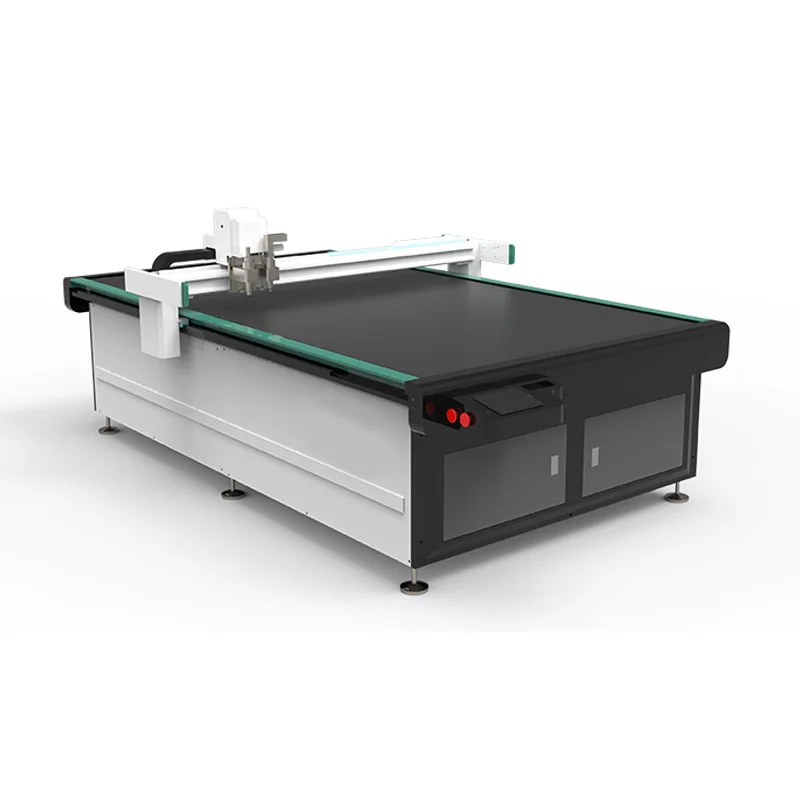
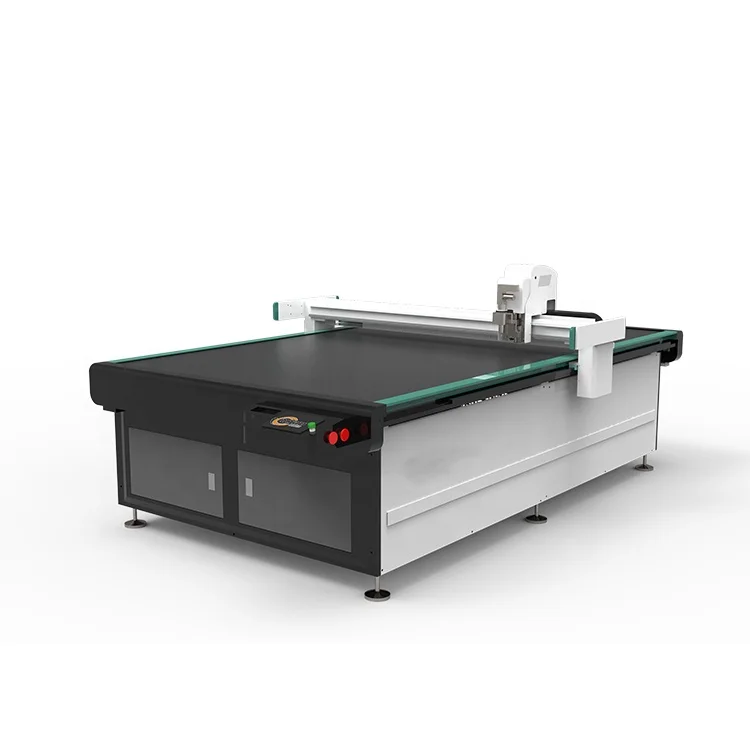
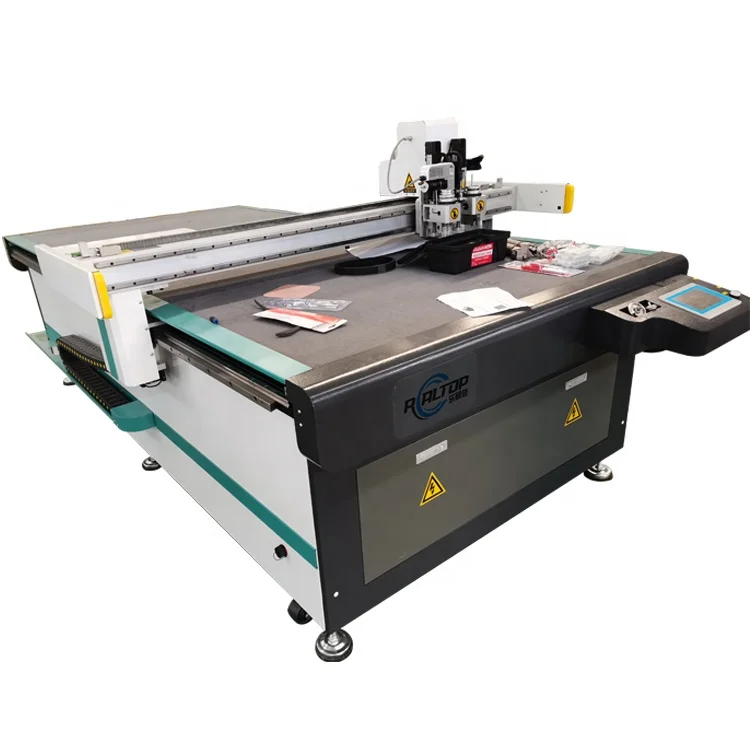
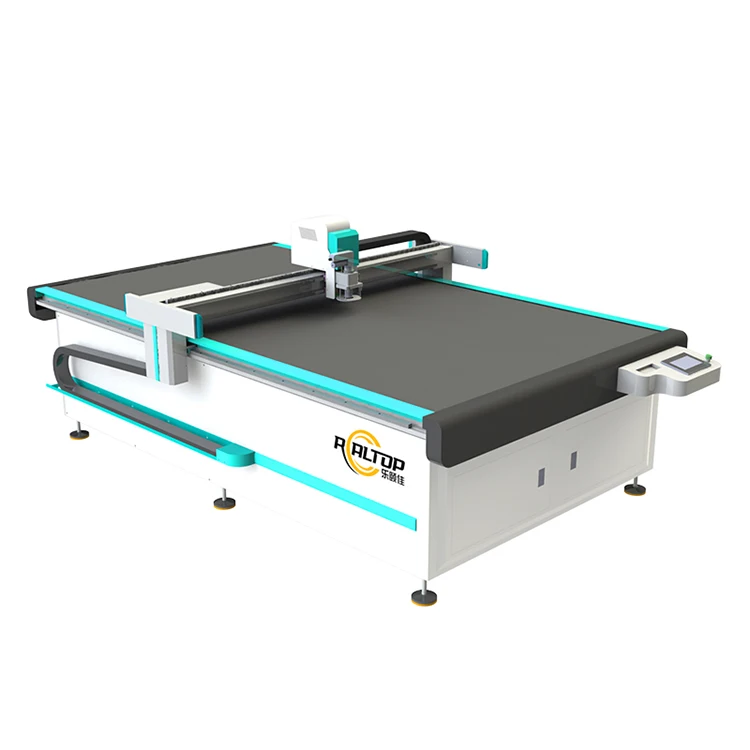
Tool head and table configuration specified per material — the RT-D2516/RT-S2516 maps cutting method, vacuum zoning and feed mechanism to your actual sheet stock before the order is finalized.
Technical Specifications
| Parameter | Value |
|---|---|
| Model | RT-D2516 / RT-S2516 |
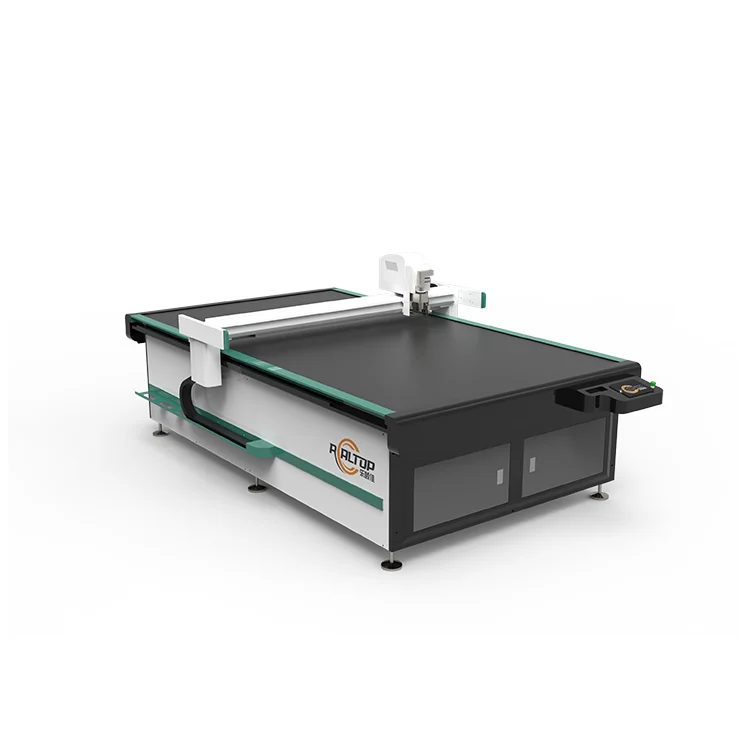
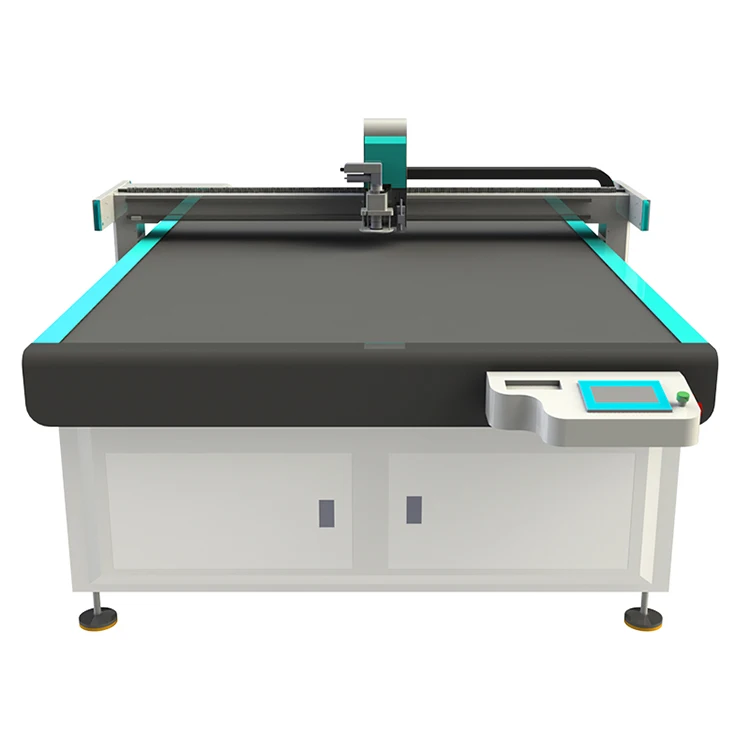
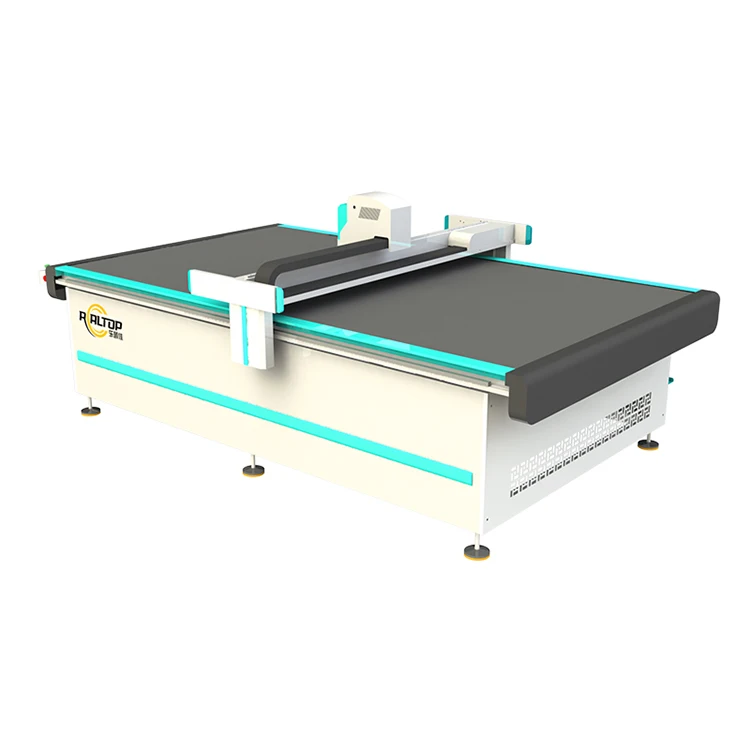
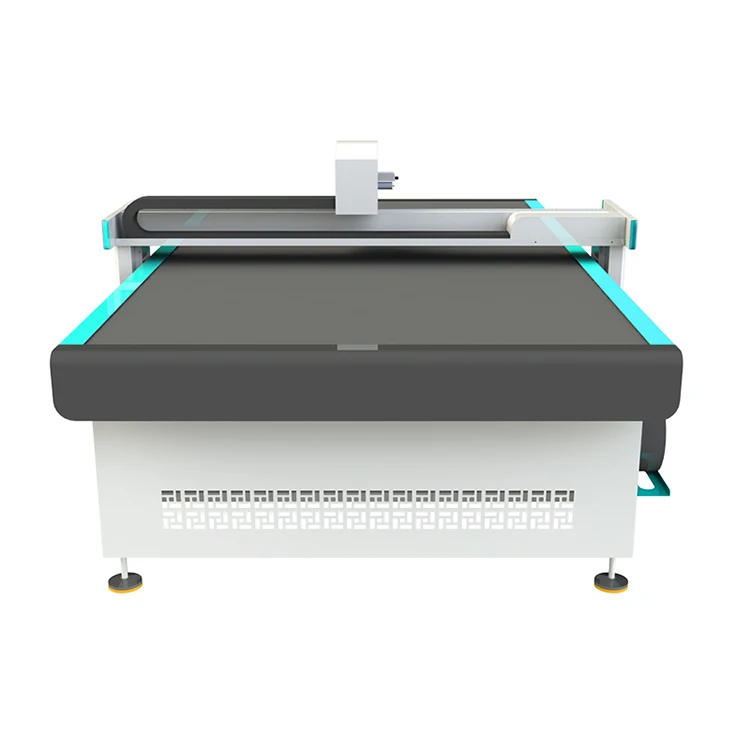
| Product Type | CNC Digital Cardboard Cutting Machine |
| Working Area | 1600 × 2500 mm |
| Overall Dimensions | 3450 × 2300 × 1250 mm |
| Rated Power | 9 kW |
| Voltage | 380V ±10% (frequency to be confirmed per market) |
| Working Table | Flat vacuum table with 7.5 kW pump |
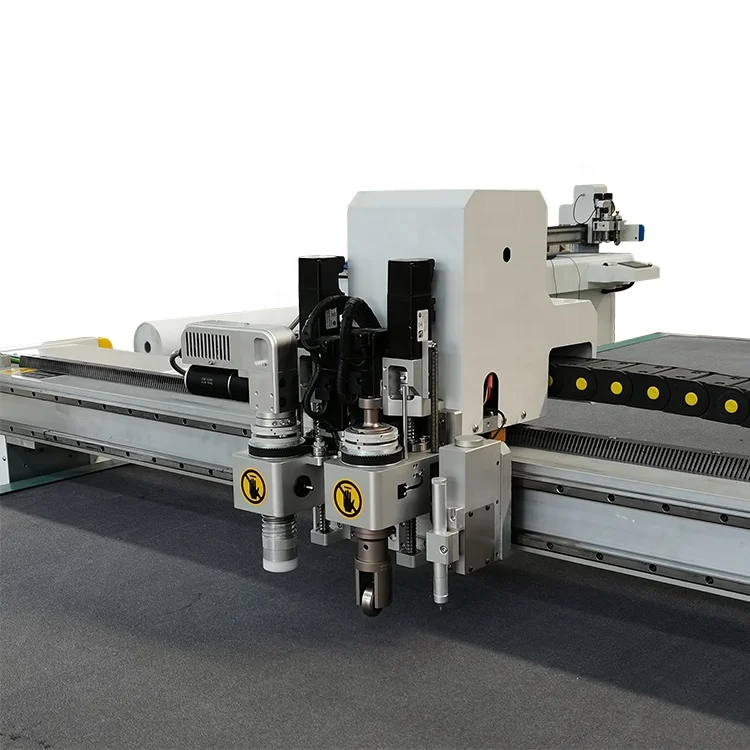
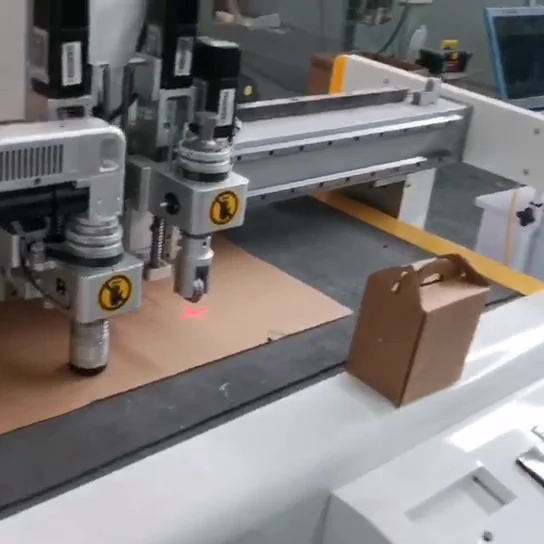
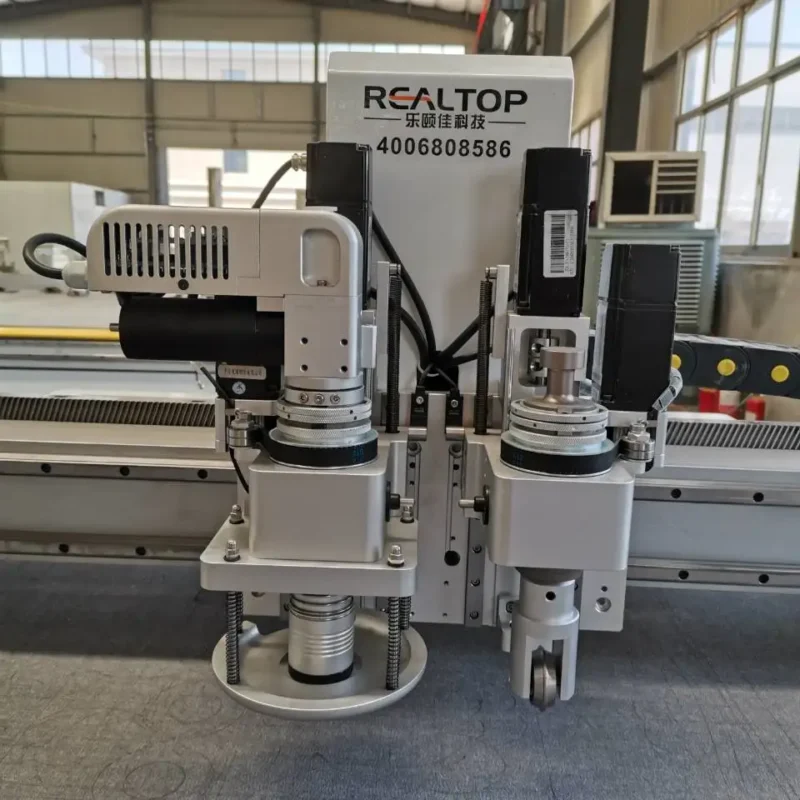
| Tool Head | Multifunctional head with Swiss imported knife — vibration full cutting, vibration half cutting, cursor location |
| Cutting Speed | 800–1200 mm/s |
| Repeatability | ≤0.1 mm |
| Transmission | Digital servo motor, linear guide, synchronous belt, ball screw (imported) |
| Servo Motor | Japanese Yaskawa |
| Linear Rail | Taiwan Hiwin |
| Conveyor Belt | Germany imported, auto feeding |
| Control Format | HP-GL compatible |
| Safety Device | Infrared sensors |
Application Suitability
| Application | Material or Output |
|---|---|
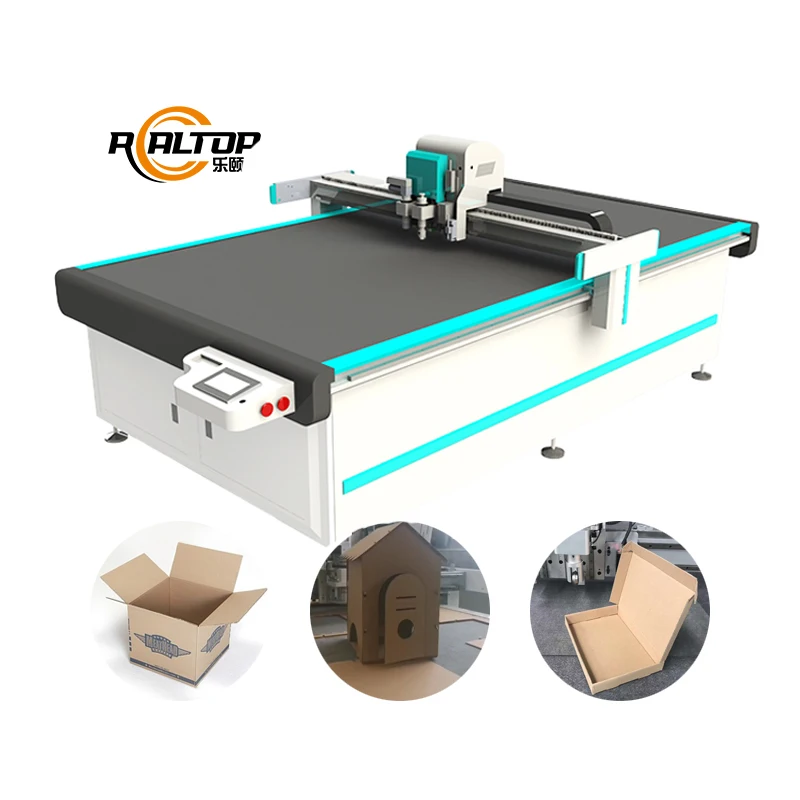
| Carton and packaging sample making | Corrugated board, greyboard, folding carton stock |
| Advertising and signage production | PVC foam board, vinyl, acrylic sheet |
| Gasket and foam fabrication | Closed-cell foam, sponge, composite leather |
| Leather goods and footwear | Genuine leather, PU, synthetic uppers |
| Flexible textile cutting | Garment fabrics, technical textiles |
| Soft material conversion | Rubber, silicon, soft glass sheets |
Why Voltage Confirmation Must Happen Before the Price Is Signed
A misconfigured electrical system stops production the day the machine arrives.
I spent weeks in a workshop outside Guadalajara standing in front of a machine that would not start. The buyer had sent a purchase order, the factory built to a standard 380V/50Hz configuration, and the workshop ran on 220V/60Hz. The motor tripped immediately. Three weeks of downtime followed while a new electrical cabinet was sourced locally. That Digital Cardboard Cutting Machine for sale sat idle while orders piled up. Voltage and frequency mismatches remain one of the most common installation failures across Latin American and Southeast Asian markets [NEED_CITE: voltage and frequency standards by export market]. The cost is never just the rewiring — it is the lost production time and the broken trust on day one.
Matching the Full Range to Your Material Stack
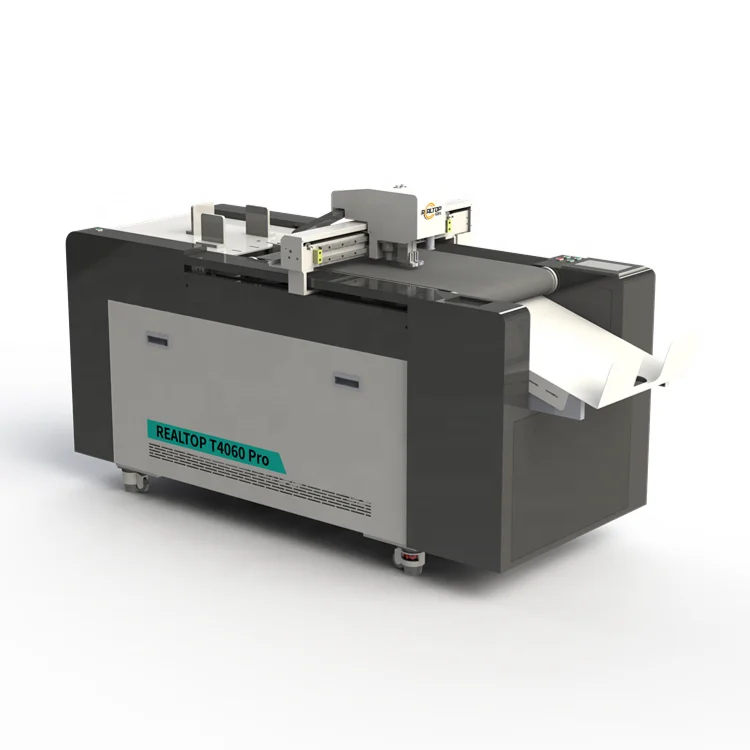
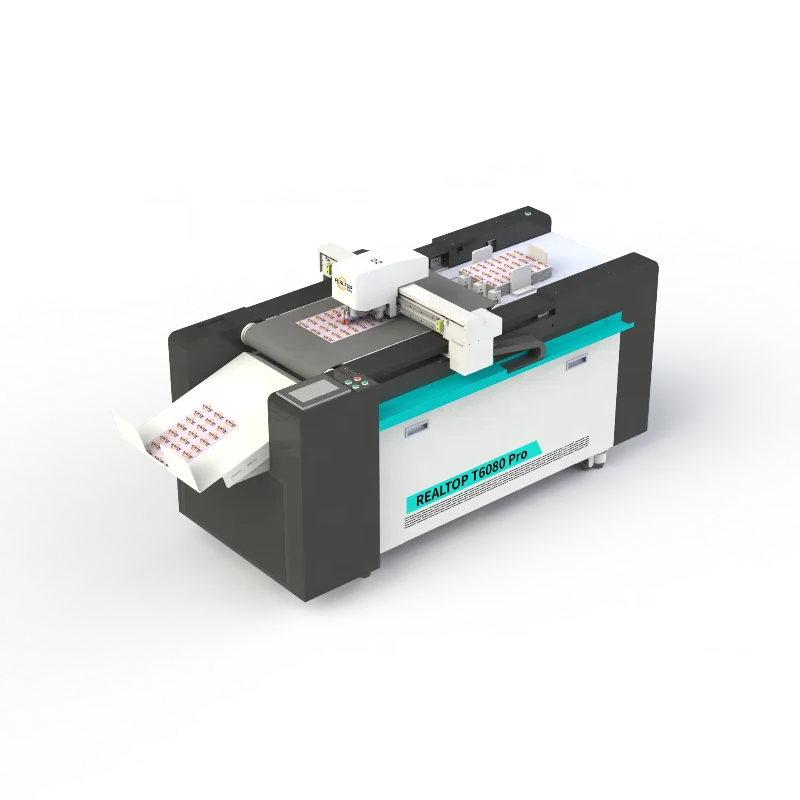
The RT-D2516/RT-S2516 sits within a broader catalogue that spans both knife and laser cutting platforms. Buyers surveying options need to see where each method fits. Cardboard, corrugated stock and foam respond well to oscillating knife cuts, which produce clean edges without burning or sealing the material. Laser systems handle acrylic and engraved signage where edge sealing is an advantage. This model occupies the mid-to-large format knife segment, built for packaging sample rooms and short-run carton producers who need flexibility across material types without switching machines.
Knife Versus Laser: Choosing Before You Commit
Selecting between a Digital Cardboard Cutting Machine for sale built on knife technology and a laser platform depends on what you cut most days. Knife cutting leaves no heat-affected zone, which matters when you run PVC, foam or coated board that melts under a laser beam. Laser systems seal synthetic textile edges and engrave fine detail that a blade cannot reproduce. The RT-D2516/RT-S2516 is configured for the knife side of that decision. Buyers who need both methods typically specify separate machines rather than compromise on one [NEED_CITE: CE machinery directive requirements for industrial cutting equipment]. Understanding where this model sits in the full catalogue prevents the mistake of forcing one technology to do the work of another.
What the Specification Sheet Actually Means on the Floor
The 1600 × 2500 mm working area covers most standard carton and signage sheet sizes without repositioning. That matters because every manual sheet shift introduces alignment error. The multifunctional tool head carries a Swiss imported knife capable of vibration full cutting and half cutting — full cutting for complete profile separation, half cutting for crease lines on folding cartons. Repeatability at ≤0.1 mm is achieved through Yaskawa servo motors paired with Hiwin linear rails, which together eliminate the backlash that causes contour drift on long production runs. The 7.5 kW vacuum pump holds sheets flat across the table surface, and the Germany-imported conveyor belt enables auto feeding for continuous runs. HP-GL compatibility means most existing packaging design software exports will load without file conversion.
The Cost of Specifying on Working Area Alone
Buyers often filter machines by table size and stop there. A 1600 × 2500 mm table that cannot hold small parts down during cutting is a table that produces waste. Vacuum zoning determines whether a 50 × 50 mm gasket stays flat or lifts into the blade path. Insufficient vacuum pressure on porous corrugated board means the sheet shifts mid-cut, ruining the batch. Wrong tool head selection on foam produces crushed edges instead of clean slices. These failures are not machine defects — they are specification errors made before the order was placed [NEED_CITE: vacuum table zoning requirements for small part cutting].
Why Buyers Source This Range Here
In-house design covers both knife and laser technologies, so the cutting method matches the material rather than forcing a single solution. Tool head and table configurations are specified per material type and daily volume before production begins. CCD camera positioning is available for printed contour work across the range. Software compatibility — including HP-GL import and nesting workflows — is verified before the order is confirmed. Voltage, control language and plug type are locked in during the specification stage, not discovered at installation. Sample cutting on your own material runs before commitment, so edge quality and cutting depth are confirmed facts, not catalog promises.
Documentation & Verification
- Machine specification sheet confirming RT-D2516 or RT-S2516 variant matched to your material
- Electrical schematic with voltage and frequency confirmation signed before production
- Tool head and vacuum table configuration list per your sheet stock type
- Sample cutting report on your own cardboard or foam material before shipment
- HP-GL file format compatibility note with your design software verified
- Factory test record showing repeatability and cutting speed on your specified material
Installation, Commissioning & Support
- 9 kW rated power requires a dedicated 380V circuit with confirmed frequency at your facility
- 3450 × 2300 mm overall footprint needs clear floor space plus operator access on three sides
- 7.5 kW vacuum pump requires separate exhaust routing to manage noise and heat in the workshop
- Yaskawa servo and Hiwin rail system calibrated on-site during first commissioning run
- HP-GL control system configured to your local language and file workflow during training
- Swiss imported knife and conveyor belt spare parts kit provided for first maintenance cycle
What to Include With Your Inquiry
Send your primary material type, maximum sheet thickness and daily cutting volume so the correct tool head and vacuum configuration can be specified. Confirm your workshop voltage, frequency and plug standard before quotation. If you run existing design software, share a sample file so HP-GL compatibility and nesting workflow are verified before the order.
Frequently Asked Questions
Q: What distinguishes the RT-D2516 from the RT-S2516 in the catalogue?
A: Both models share the 1600 × 2500 mm working area and core motion system. The distinction lies in configuration options — specific tool head combinations, conveyor setup and vacuum zoning arrangements vary between the two. The correct variant is selected based on your material type, sheet thickness range and daily production volume during the specification stage.
Q: How does knife cutting compare to laser for cardboard and foam materials?
A: Knife cutting produces no heat-affected zone, which prevents melting or discoloration on PVC, foam and coated board. Laser cutting seals synthetic edges and handles fine engraving detail. For corrugated cardboard and packaging samples, knife cutting is the standard method. The RT-D2516/RT-S2516 is configured specifically for the knife cutting side of that decision.
Q: Will the vacuum table hold small cardboard parts without lifting?
A: The 7.5 kW vacuum pump paired with the flat working table is designed to hold sheet material during cutting. Vacuum zoning effectiveness on small parts depends on your specific part geometry and material porosity. This is confirmed through sample cutting on your own material before the order is finalized, not assumed from the specification sheet.
Q: Is CCD camera contour recognition available on this model range?
A: CCD camera positioning for printed contour tracking is an available option across the catalogue range. Whether it is included on your specific RT-D2516 or RT-S2516 configuration depends on your application requirement. This is confirmed during the specification and quotation stage based on whether your workflow involves printed registration marks.
Q: What voltage and control language options are confirmed before shipment?
A: The standard configuration is 380V ±10%, but voltage, frequency, plug type and control panel language must be matched to your local workshop standard. These are confirmed and signed off during the specification stage before production begins, preventing the installation failures that occur when standard configurations are shipped to markets with different electrical standards.
Tool head and table configuration specified per material — the RT-D2516/RT-S2516 maps cutting method, vacuum zoning and feed mechanism to your actual sheet stock before the order is finalized.
Technical Specifications
| Parameter | Value |
|---|---|
| Model | RT-D2516 / RT-S2516 |
| Product Type | CNC Digital Cardboard Cutting Machine |
| Working Area | 1600 × 2500 mm |
| Overall Dimensions | 3450 × 2300 × 1250 mm |
| Rated Power | 9 kW |
| Voltage | 380V ±10% (frequency to be confirmed per market) |
| Working Table | Flat vacuum table with 7.5 kW pump |
| Tool Head | Multifunctional head with Swiss imported knife — vibration full cutting, vibration half cutting, cursor location |
| Cutting Speed | 800–1200 mm/s |
| Repeatability | ≤0.1 mm |
| Transmission | Digital servo motor, linear guide, synchronous belt, ball screw (imported) |
| Servo Motor | Japanese Yaskawa |
| Linear Rail | Taiwan Hiwin |
| Conveyor Belt | Germany imported, auto feeding |
| Control Format | HP-GL compatible |
| Safety Device | Infrared sensors |
Application Suitability
| Application | Material or Output |
|---|---|
| Carton and packaging sample making | Corrugated board, greyboard, folding carton stock |
| Advertising and signage production | PVC foam board, vinyl, acrylic sheet |
| Gasket and foam fabrication | Closed-cell foam, sponge, composite leather |
| Leather goods and footwear | Genuine leather, PU, synthetic uppers |
| Flexible textile cutting | Garment fabrics, technical textiles |
| Soft material conversion | Rubber, silicon, soft glass sheets |
Why Voltage Confirmation Must Happen Before the Price Is Signed
A misconfigured electrical system stops production the day the machine arrives.
I spent weeks in a workshop outside Guadalajara standing in front of a machine that would not start. The buyer had sent a purchase order, the factory built to a standard 380V/50Hz configuration, and the workshop ran on 220V/60Hz. The motor tripped immediately. Three weeks of downtime followed while a new electrical cabinet was sourced locally. That Digital Cardboard Cutting Machine for sale sat idle while orders piled up. Voltage and frequency mismatches remain one of the most common installation failures across Latin American and Southeast Asian markets [NEED_CITE: voltage and frequency standards by export market]. The cost is never just the rewiring — it is the lost production time and the broken trust on day one.
Matching the Full Range to Your Material Stack
The RT-D2516/RT-S2516 sits within a broader catalogue that spans both knife and laser cutting platforms. Buyers surveying options need to see where each method fits. Cardboard, corrugated stock and foam respond well to oscillating knife cuts, which produce clean edges without burning or sealing the material. Laser systems handle acrylic and engraved signage where edge sealing is an advantage. This model occupies the mid-to-large format knife segment, built for packaging sample rooms and short-run carton producers who need flexibility across material types without switching machines.
Knife Versus Laser: Choosing Before You Commit
Selecting between a Digital Cardboard Cutting Machine for sale built on knife technology and a laser platform depends on what you cut most days. Knife cutting leaves no heat-affected zone, which matters when you run PVC, foam or coated board that melts under a laser beam. Laser systems seal synthetic textile edges and engrave fine detail that a blade cannot reproduce. The RT-D2516/RT-S2516 is configured for the knife side of that decision. Buyers who need both methods typically specify separate machines rather than compromise on one [NEED_CITE: CE machinery directive requirements for industrial cutting equipment]. Understanding where this model sits in the full catalogue prevents the mistake of forcing one technology to do the work of another.
What the Specification Sheet Actually Means on the Floor
The 1600 × 2500 mm working area covers most standard carton and signage sheet sizes without repositioning. That matters because every manual sheet shift introduces alignment error. The multifunctional tool head carries a Swiss imported knife capable of vibration full cutting and half cutting — full cutting for complete profile separation, half cutting for crease lines on folding cartons. Repeatability at ≤0.1 mm is achieved through Yaskawa servo motors paired with Hiwin linear rails, which together eliminate the backlash that causes contour drift on long production runs. The 7.5 kW vacuum pump holds sheets flat across the table surface, and the Germany-imported conveyor belt enables auto feeding for continuous runs. HP-GL compatibility means most existing packaging design software exports will load without file conversion.
The Cost of Specifying on Working Area Alone
Buyers often filter machines by table size and stop there. A 1600 × 2500 mm table that cannot hold small parts down during cutting is a table that produces waste. Vacuum zoning determines whether a 50 × 50 mm gasket stays flat or lifts into the blade path. Insufficient vacuum pressure on porous corrugated board means the sheet shifts mid-cut, ruining the batch. Wrong tool head selection on foam produces crushed edges instead of clean slices. These failures are not machine defects — they are specification errors made before the order was placed [NEED_CITE: vacuum table zoning requirements for small part cutting].
Why Buyers Source This Range Here
In-house design covers both knife and laser technologies, so the cutting method matches the material rather than forcing a single solution. Tool head and table configurations are specified per material type and daily volume before production begins. CCD camera positioning is available for printed contour work across the range. Software compatibility — including HP-GL import and nesting workflows — is verified before the order is confirmed. Voltage, control language and plug type are locked in during the specification stage, not discovered at installation. Sample cutting on your own material runs before commitment, so edge quality and cutting depth are confirmed facts, not catalog promises.
Documentation & Verification
- Machine specification sheet confirming RT-D2516 or RT-S2516 variant matched to your material
- Electrical schematic with voltage and frequency confirmation signed before production
- Tool head and vacuum table configuration list per your sheet stock type
- Sample cutting report on your own cardboard or foam material before shipment
- HP-GL file format compatibility note with your design software verified
- Factory test record showing repeatability and cutting speed on your specified material
Installation, Commissioning & Support
- 9 kW rated power requires a dedicated 380V circuit with confirmed frequency at your facility
- 3450 × 2300 mm overall footprint needs clear floor space plus operator access on three sides
- 7.5 kW vacuum pump requires separate exhaust routing to manage noise and heat in the workshop
- Yaskawa servo and Hiwin rail system calibrated on-site during first commissioning run
- HP-GL control system configured to your local language and file workflow during training
- Swiss imported knife and conveyor belt spare parts kit provided for first maintenance cycle
What to Include With Your Inquiry
Send your primary material type, maximum sheet thickness and daily cutting volume so the correct tool head and vacuum configuration can be specified. Confirm your workshop voltage, frequency and plug standard before quotation. If you run existing design software, share a sample file so HP-GL compatibility and nesting workflow are verified before the order.
Frequently Asked Questions
Q: What distinguishes the RT-D2516 from the RT-S2516 in the catalogue?
A: Both models share the 1600 × 2500 mm working area and core motion system. The distinction lies in configuration options — specific tool head combinations, conveyor setup and vacuum zoning arrangements vary between the two. The correct variant is selected based on your material type, sheet thickness range and daily production volume during the specification stage.
Q: How does knife cutting compare to laser for cardboard and foam materials?
A: Knife cutting produces no heat-affected zone, which prevents melting or discoloration on PVC, foam and coated board. Laser cutting seals synthetic edges and handles fine engraving detail. For corrugated cardboard and packaging samples, knife cutting is the standard method. The RT-D2516/RT-S2516 is configured specifically for the knife cutting side of that decision.
Q: Will the vacuum table hold small cardboard parts without lifting?
A: The 7.5 kW vacuum pump paired with the flat working table is designed to hold sheet material during cutting. Vacuum zoning effectiveness on small parts depends on your specific part geometry and material porosity. This is confirmed through sample cutting on your own material before the order is finalized, not assumed from the specification sheet.
Q: Is CCD camera contour recognition available on this model range?
A: CCD camera positioning for printed contour tracking is an available option across the catalogue range. Whether it is included on your specific RT-D2516 or RT-S2516 configuration depends on your application requirement. This is confirmed during the specification and quotation stage based on whether your workflow involves printed registration marks.
Q: What voltage and control language options are confirmed before shipment?
A: The standard configuration is 380V ±10%, but voltage, frequency, plug type and control panel language must be matched to your local workshop standard. These are confirmed and signed off during the specification stage before production begins, preventing the installation failures that occur when standard configurations are shipped to markets with different electrical standards.
商品评价
There are no reviews yet.