



Fast Delivery
Quick, reliable shipping to any location.

Free & easy returns
Return this item by mail or in store within 90 days for a full refund.
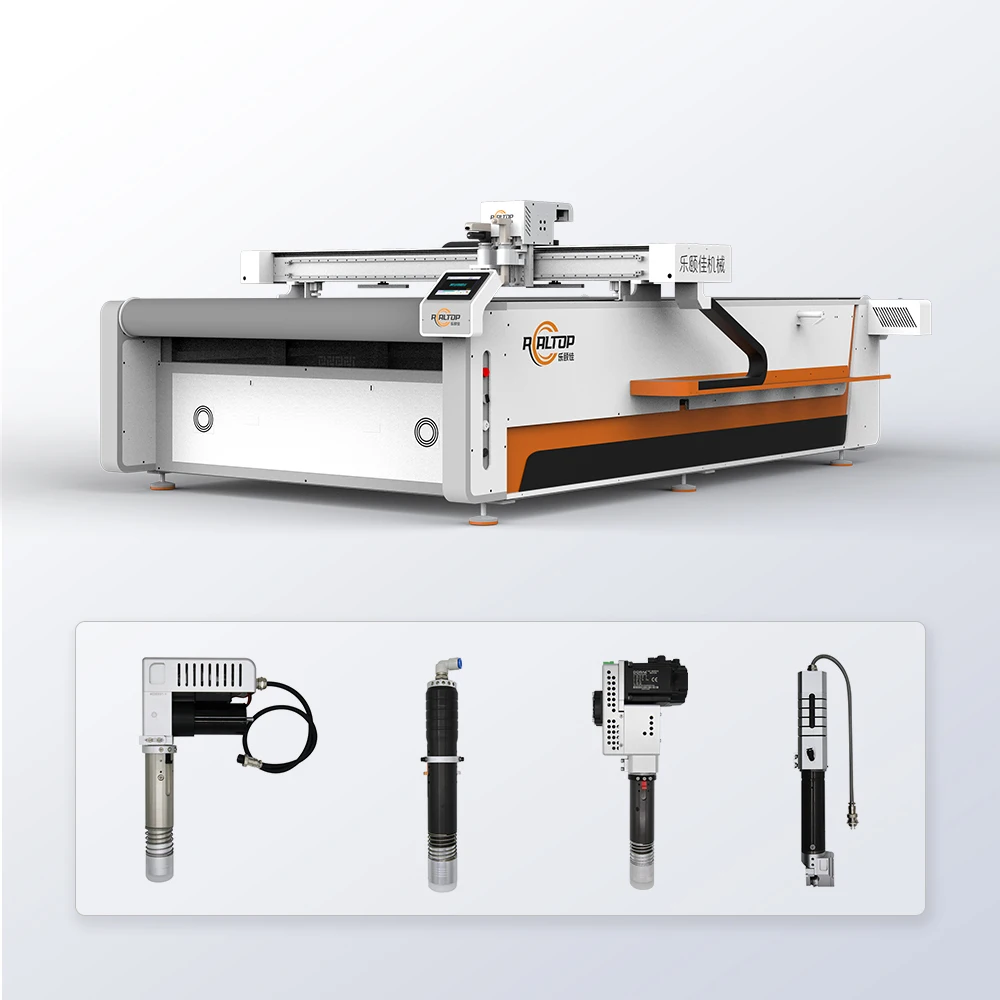
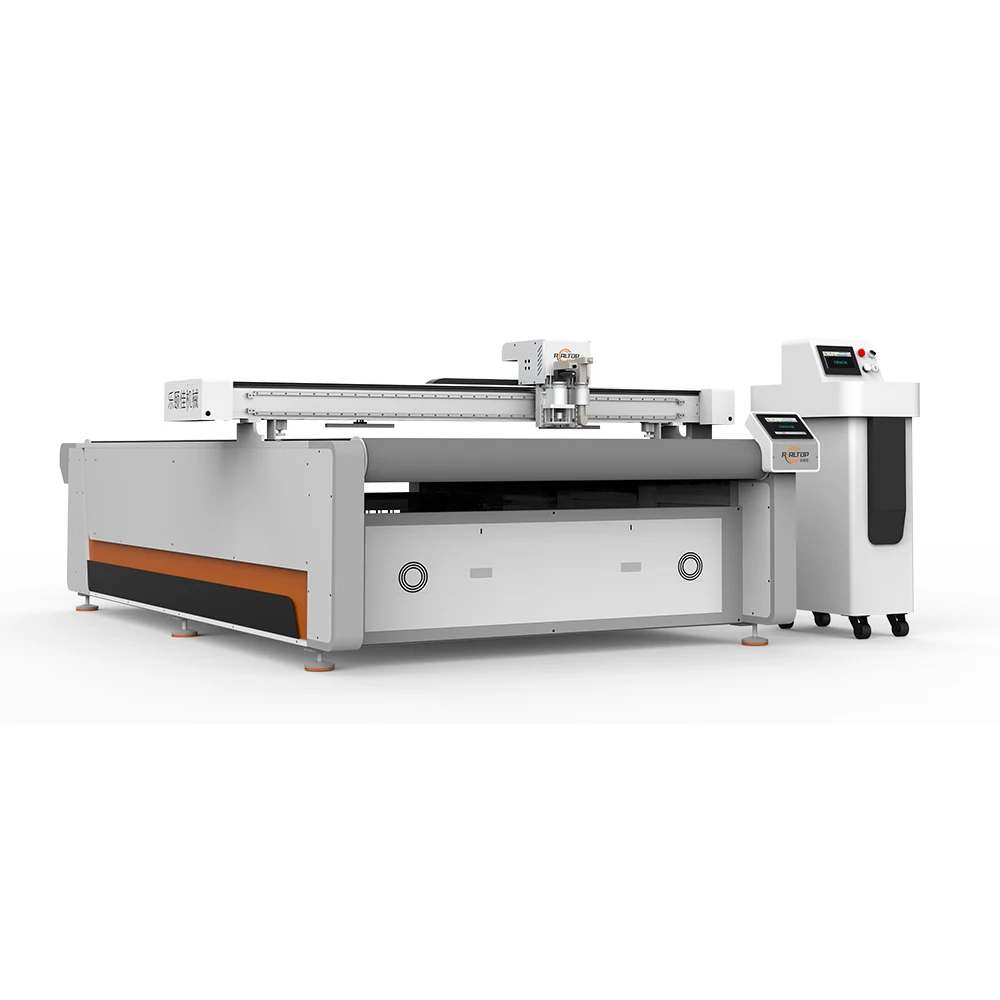
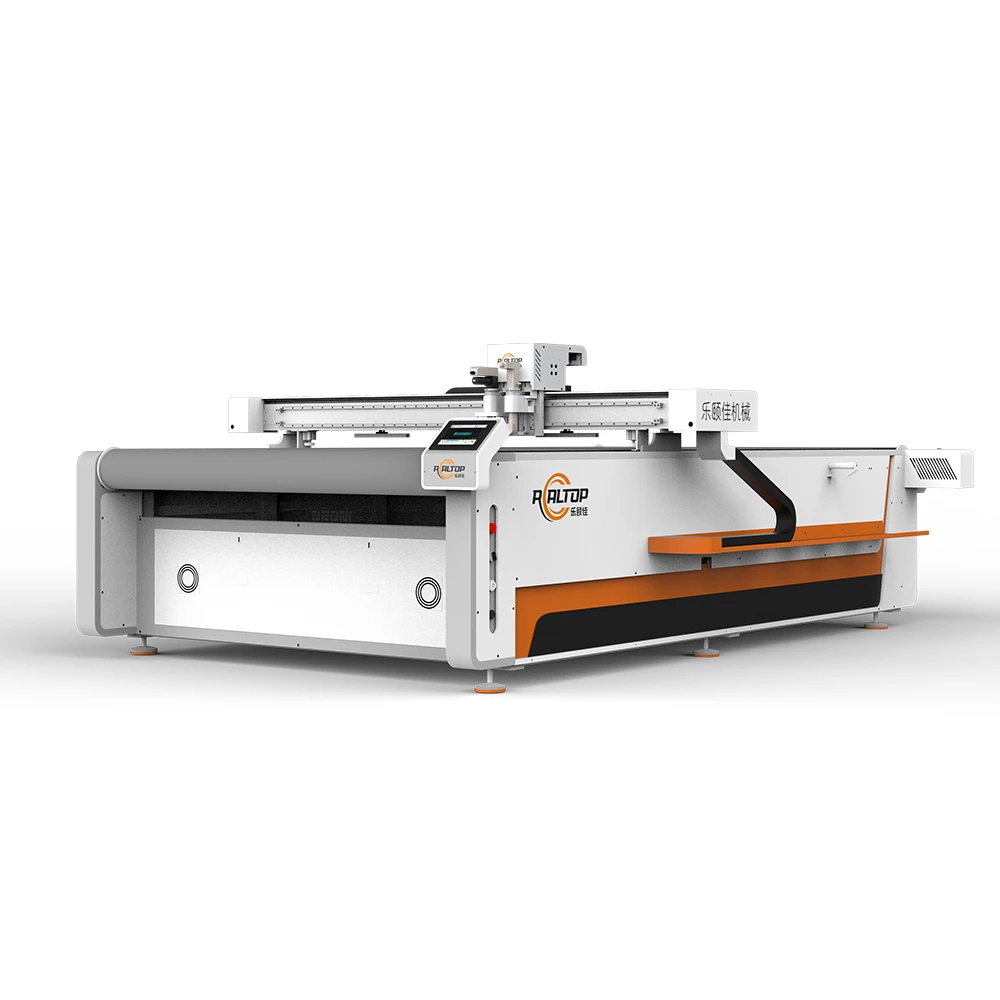
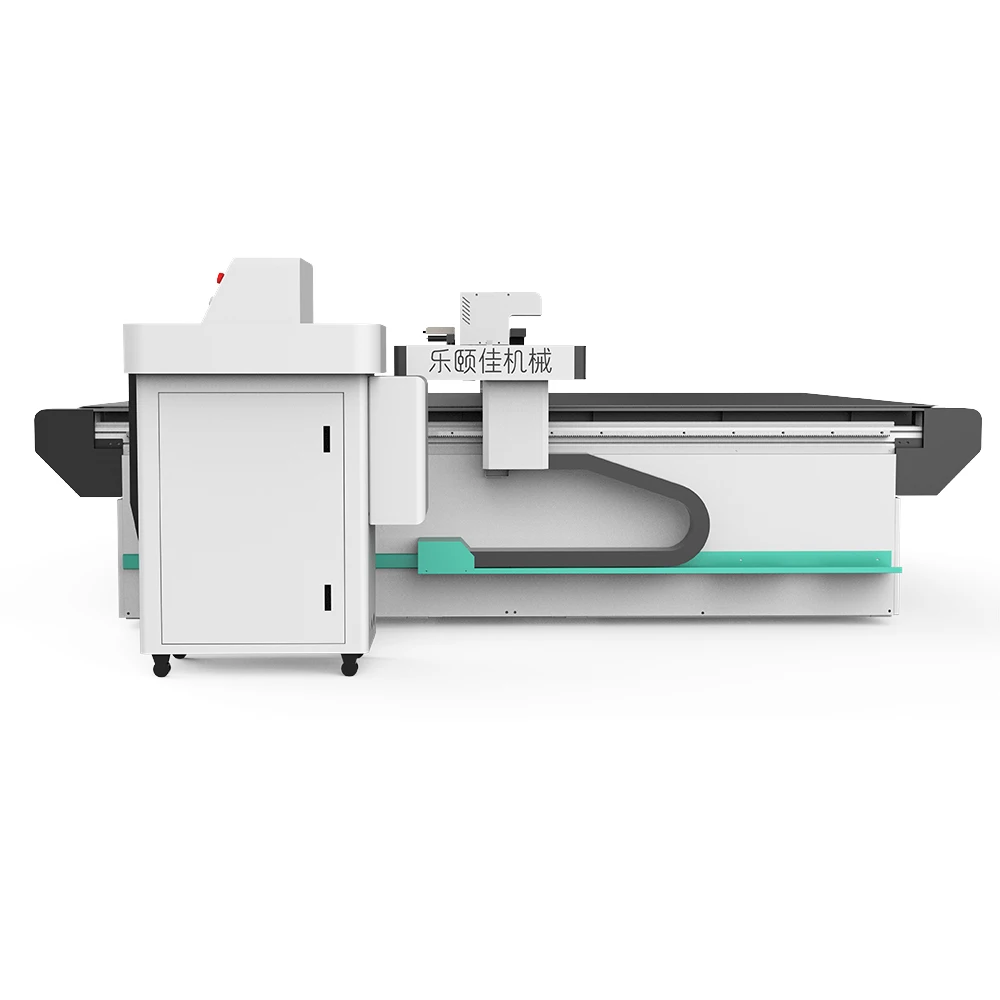
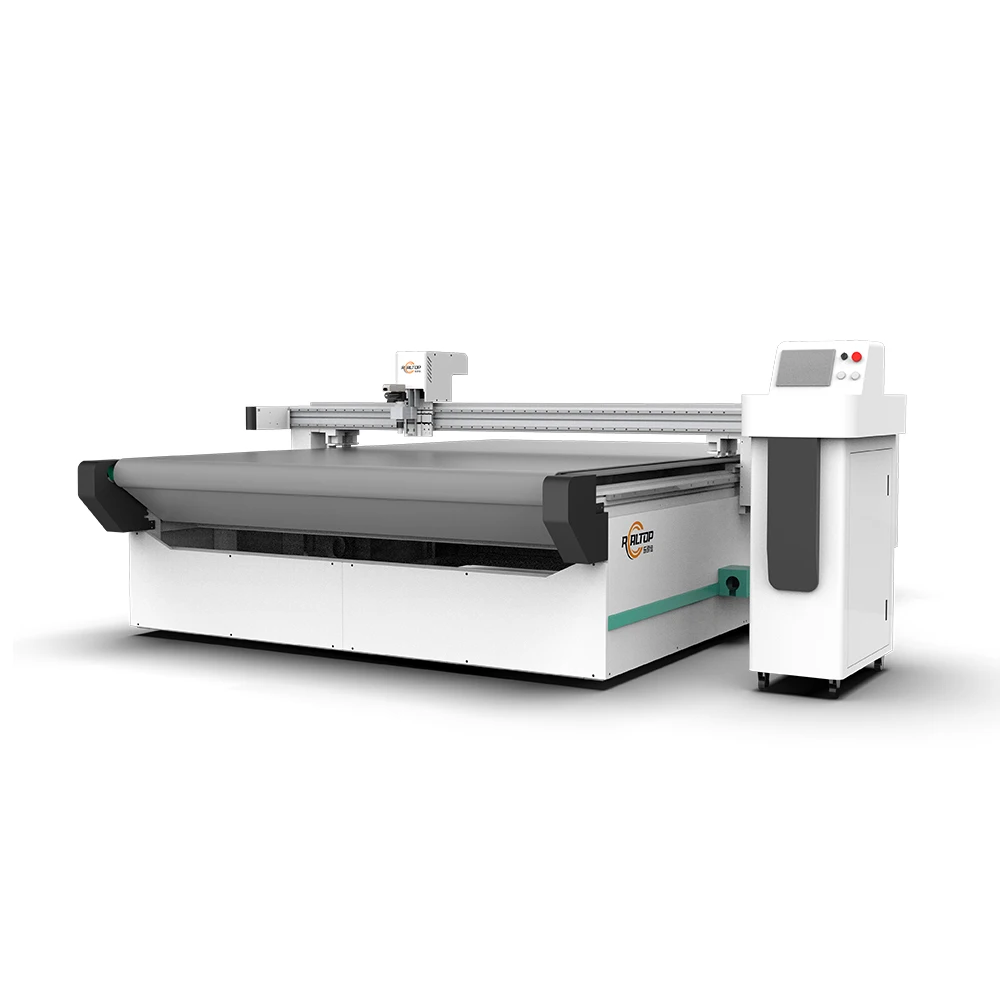
Tool head and table configuration specified per material and production volume — every cutting system leaves our Jinan facility with the knife type, vacuum zoning and software format matched to your actual fabric weight, ply count and daily output target.
Technical Specifications
| Parameter | Value |
|---|---|
| Product Type | CNC Oscillating Knife Cutting Machine |
| Working Area | 2500 × 2200 mm |
| Tool Head Options | Oscillating knife, Driven rotary knife, Creasing wheel, Kiss cutting tool, Pneumatic knife, Milling tool, V groove knife |
| Cutting Speed | 0 – 1500 mm/s |
| Cutting Thickness | ≤ 30 mm (basis not stated in source — confirm block format, material and thickness) |
| Cutting Accuracy | ±0.1 mm |
| Repeat Positioning Accuracy | ±0.1 mm |
| Vacuum Table | Aluminum bellows vacuum table |
| Vacuum Pump | 9 kW |
| Control System | PLC control panel |
| Software File Formats | PLT, DXF, AI, PDF |
| Servo Motor Options | Panasonic, Delta, Dorna |
| Voltage Options | 110V, 220V, 380V (source value — verify against manufacturer catalog) |
| Language Options | English, Russian, Italian, Chinese; special languages customizable |
| Safety Device | Infrared sensor and emergency stop |
| Machine Size (L×W×H) | 3300 × 2700 × 1350 mm |
| Standards | CE (mentioned in source profile — verify specific certification documents) |
Application Suitability
| Application | Material or Output |
|---|---|
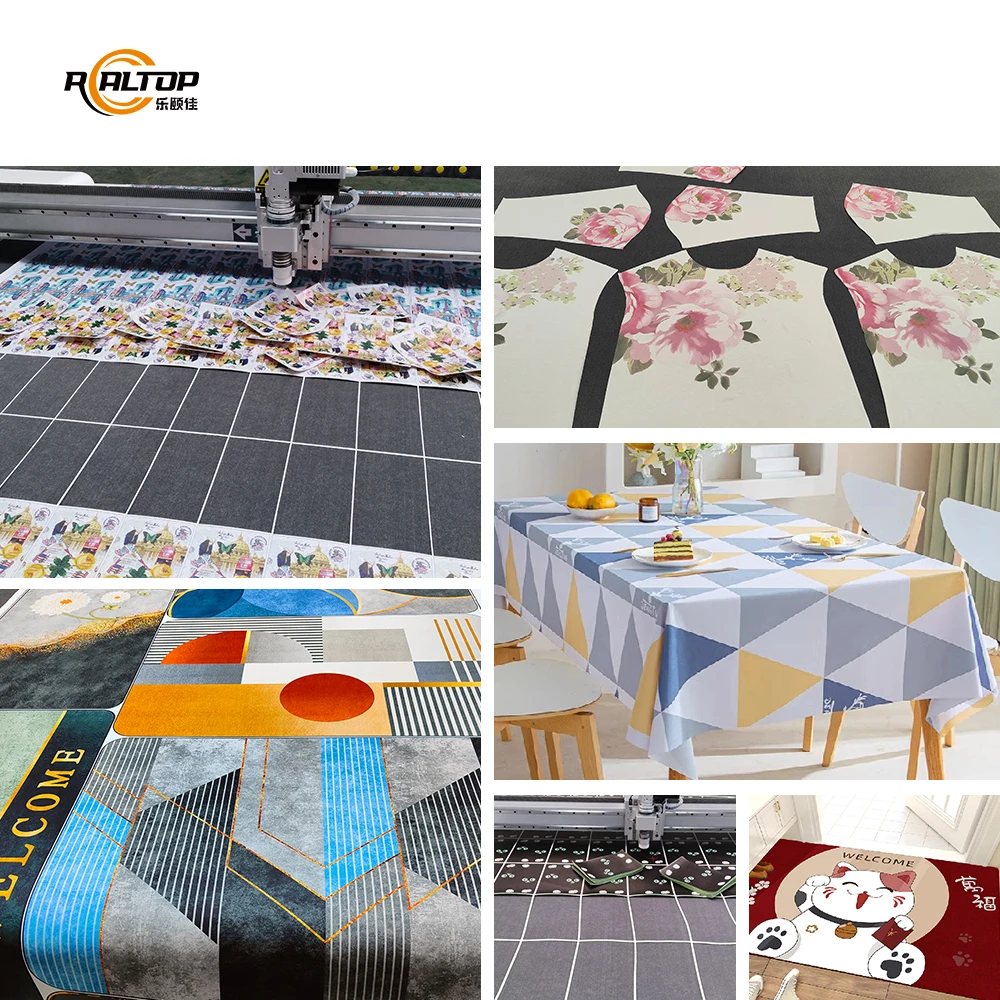
| Automotive floor mats | Full-coverage car mats, loop mats, rubber and PVC compounds |
| Home floor mats and non-slip pads | Coral fleece carpets, PVC mats with geometric patterns |
| Yoga and fitness mats | Custom-shaped mats with wave edges and cut-out designs |
| Garment and footwear production | Multi-layer woven, knit and technical fabrics |
| Packaging and carton sample making | Corrugated board, folding carton, greyboard |
| Composite and foam fabrication | EVA, PTFE, closed-cell and open-cell foam sheets |
What "Working Area" Leaves Out When Specifying a CNC Oscillating Knife Cutting Machine Manufacturer
Table size alone does not tell you whether the machine will cut your fabric cleanly at production speed.
I have watched buyers focus on the 2500 × 2200 mm bed and overlook the tool head selection, only to discover on arrival that an oscillating knife cannot handle their elastane-blend material without dragging [NEED_CITE: material-specific cutting failures in textile converting]. The knife type, stroke frequency and vacuum zoning together determine edge quality far more than the footprint ever will. A machine specified on dimensions alone often requires a second round of retuning, sometimes on-site, once the real material is loaded [NEED_CITE: on-site commissioning adjustments for oscillating knife cutters].
Matching the Tool Head to the Textile
A CNC oscillating knife cutting machine manufacturer offering interchangeable heads — oscillating, driven rotary, pneumatic, kiss cutting, creasing wheel, milling and V-groove — allows the buyer to select the cutting action rather than force every material through one blade. Woven polyester cuts cleanly under a standard oscillating stroke, while knit blends with elastane benefit from a driven rotary knife that severs fibres without stretching the web. Foam and gasket materials need a different amplitude and frequency setting entirely, and corrugated board calls for a creasing wheel paired with a drag or pneumatic knife.
Vacuum Hold-Down Across the Full Bed
Holding thin, flexible fabric flat over a 2500 × 2200 mm surface requires more than a single blower. The aluminum bellows vacuum table on this system distributes suction across multiple zones, so small pattern pieces near the table edge stay pinned during high-speed passes. When cutting multi-layer lay-ups for garment or automotive mat production, uneven suction lifts inner plies and produces miscut panels [NEED_CITE: vacuum zoning impact on multi-layer fabric cutting accuracy]. Confirming zone layout against your typical nest pattern avoids that failure mode before the machine ships.
Reading the Numbers That Matter
Cutting speed of 0 – 1500 mm/s defines the upper travel limit of the gantry, but actual throughput depends on contour complexity and the number of direction changes in your DXF or PLT files. The ±0.1 mm cutting accuracy and repeat positioning accuracy apply to the servo-driven axes — Panasonic, Delta or Dorna motors as specified — and hold on rigid substrates; flexible fabrics may introduce slight deviation if vacuum pressure is not matched to the material porosity. The 9 kW vacuum pump provides sufficient negative pressure for most textiles and foams, but dense rubber mats or very open-weave fabrics may require a zone-by-zone valve adjustment during commissioning. Software import of PLT, DXF, AI and PDF files keeps the workflow inside your existing nesting environment, and the PLC control panel with multi-language support — English, Russian, Italian, Chinese and custom options — lets operators work in their own language from day one.
The Cost of Skipping the Swatch Test
Specifying a cutting system without running your actual fabric through the machine is the single most common cause of post-delivery rework. A knife that slices cotton cleanly can drag on elastane blends, leaving frayed edges that fail quality inspection. Wrong vacuum zoning allows small pattern pieces to shift mid-cut, producing panels outside the ±0.1 mm tolerance. And a software format that was never tested in your nesting workflow can add hours of manual re-drawing per shift [NEED_CITE: file format compatibility in digital cutting operations]. Every one of these issues is avoidable with a documented sample cutting report before commitment.
Why Source This Cutter From a Single Manufacturer
In-house design covering both knife and laser technologies means the cutting method is chosen to suit the material, not dictated by a single-product catalogue. Tool head and table configuration are specified per buyer material type, thickness and daily volume, so you do not pay for heads you will never use. CCD camera contour recognition is available as an option for printed mark tracking on dyed or sublimated fabrics. Software compatibility with your existing PLT, DXF, AI or PDF workflow is confirmed before the order is locked. Voltage, plug type and control language are documented on the electrical schematic before production begins. Sample cutting on your own fabric, foam or mat material is completed and reviewed before the machine is cleared for packing.
Documentation & Verification
- Machine specification sheet listing all seven tool head options and vacuum zone layout
- Electrical schematic confirming voltage, frequency and plug type for your facility
- Sample cutting report on your fabric or mat material with measured edge quality and accuracy
- Software licence and file format compatibility note covering PLT, DXF, AI and PDF
- Factory test record documenting axis calibration and vacuum pressure readings before dispatch
- Spare parts list identifying wear items for your selected tool head configuration
Installation, Commissioning & Support
- Floor space of at least 3300 × 2700 mm with level concrete slab for the 1350 mm machine height clearance
- Dedicated electrical circuit matching the confirmed voltage option and the 9 kW vacuum pump load
- Gantry and vacuum table assembled on-site; bellows and tool heads calibrated to your material
- PLC control panel configured in the selected operator language before first production run
- Training covering tool head changeover, zone valve adjustment and file import from your nesting software
- Spare oscillating and rotary knife blades shipped with the initial order to cover early wear
Preparing Your Inquiry
Send a swatch or roll sample of the fabric, foam or mat material you intend to cut most often, along with its thickness and the maximum ply count in your lay-up. State your local voltage, frequency and the operator language needed at the control panel. Share a representative DXF or PLT file so we can run a nest calculation and a sample cut before the quotation is finalised.
Frequently Asked Questions
Q: How do I decide between an oscillating knife and a laser for my material?
A: Oscillating knives cut without heat, so synthetics, foams and multi-layer fabrics stay free of scorched edges and toxic fumes. Lasers seal edges on woven synthetics and handle intricate contours on thinner materials. We run your actual sample through both methods and document edge quality, speed and fume extraction needs before recommending one.
Q: Which tool head should I specify for elastane-blend fabrics?
A: Standard oscillating knives can drag on stretch blends. A driven rotary knife severs fibres with a rolling action that avoids distortion. We test your specific blend weight and stretch percentage on our sample table and include the recommended head, stroke and speed settings in the cutting report.
Q: Does the 2500 × 2200 mm working area guarantee I can cut my largest pattern piece?
A: The bed defines the maximum sheet envelope, but usable cutting area is slightly smaller once clamp zones and tool clearance are subtracted. Share your largest single-piece pattern file so we can confirm fit and check whether conveyor-assisted feeding is needed for continuous roll stock.
Q: What must I confirm about CCD camera contour recognition before ordering?
A: Printed mark size, contrast ratio and spacing on your actual dyed or sublimated fabric determine whether the camera tracks reliably at production speed. We run a sample print through the CCD system and document recognition accuracy at your target cutting speed before including the option in your build.
Q: Which electrical and software details should be locked down before shipment?
A: Voltage, frequency, plug type, operator language and the exact file formats your nesting software exports must all appear on the electrical schematic and software compatibility note. Confirming these before production avoids rewiring or file conversion work on your shop floor.










商品评价
There are no reviews yet.