

Fast Delivery
Quick, reliable shipping to any location.

Free & easy returns
Return this item by mail or in store within 90 days for a full refund.
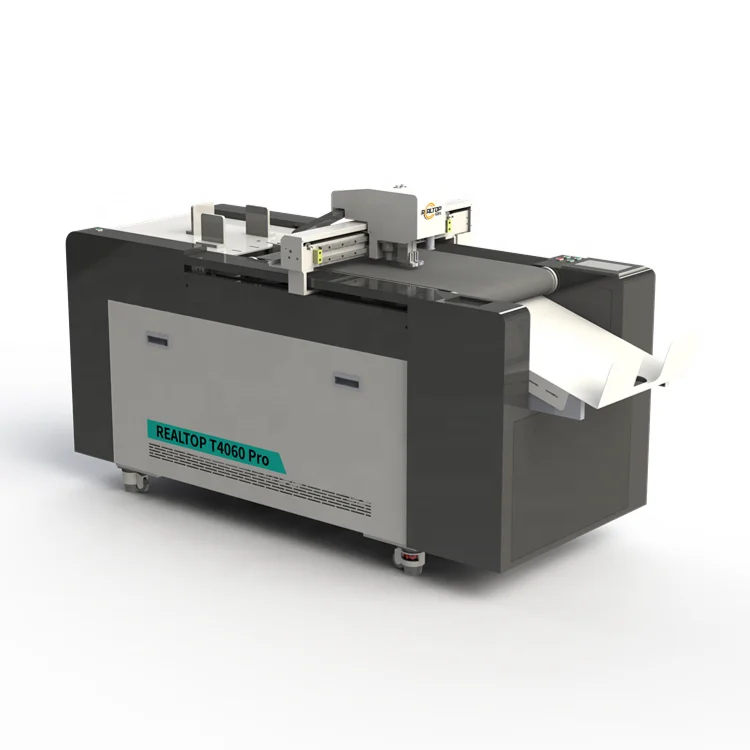
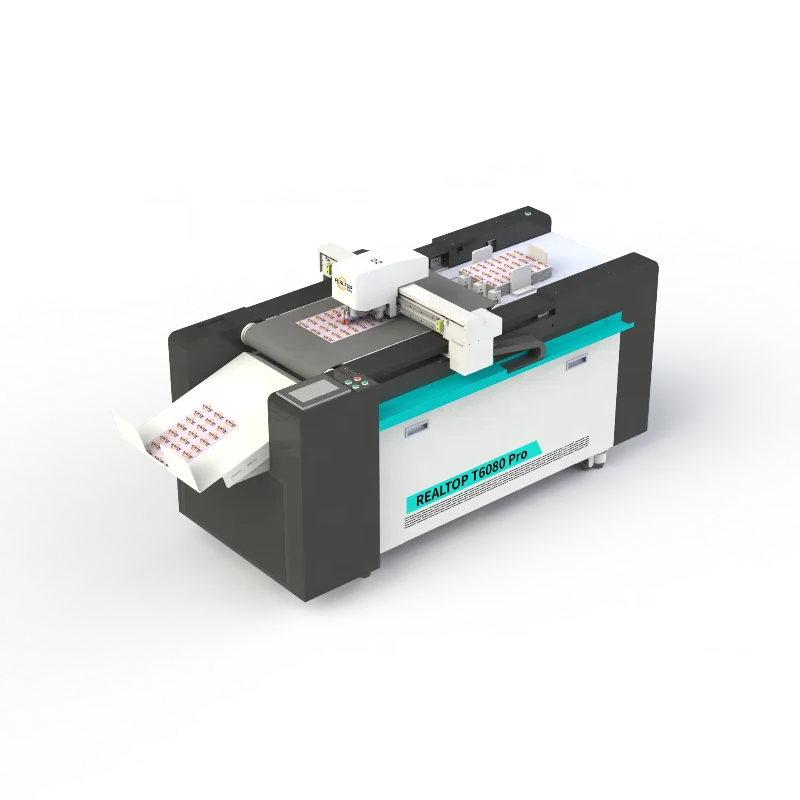
In-house cutting method matching — Tool head and table configuration specified per material and production volume, covering oscillating knife, drag knife and laser options within one manufacturing base.
Technical Specifications
| Parameter | Value |
|---|---|
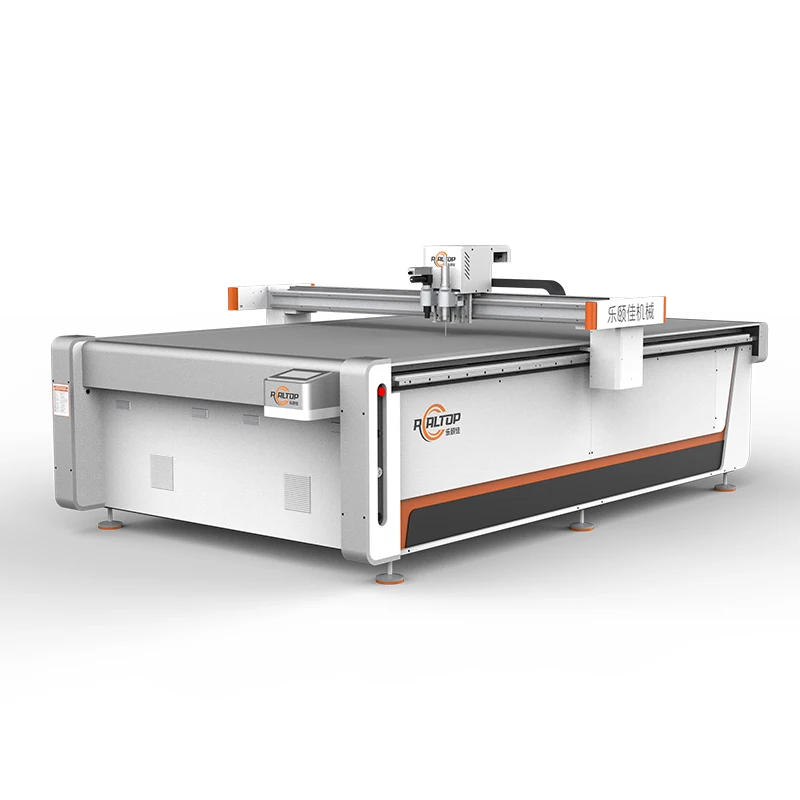
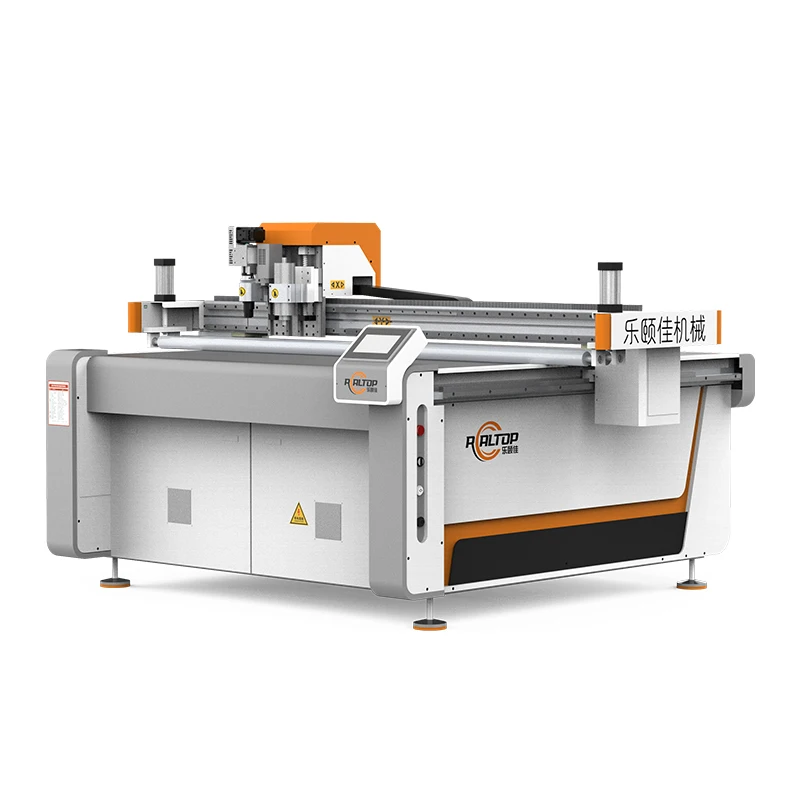
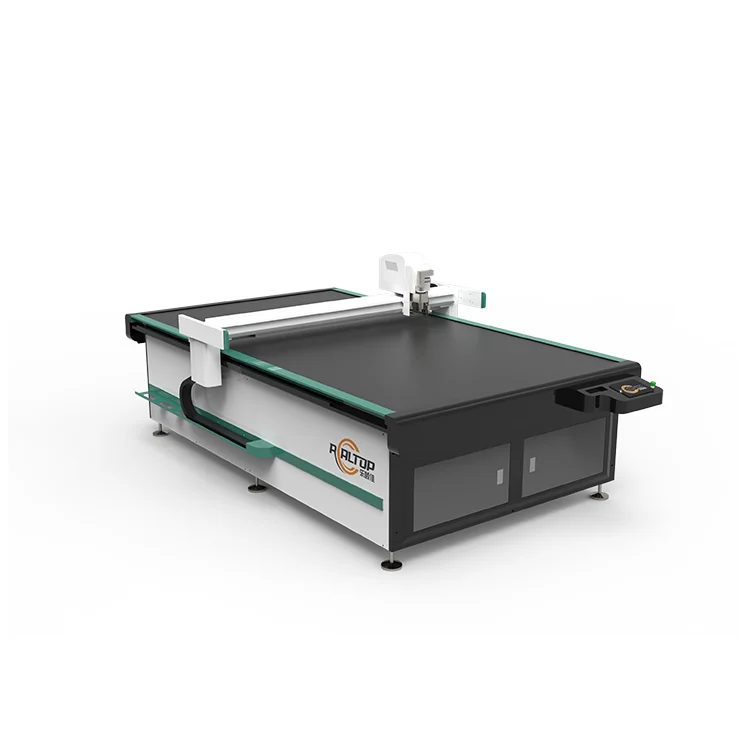
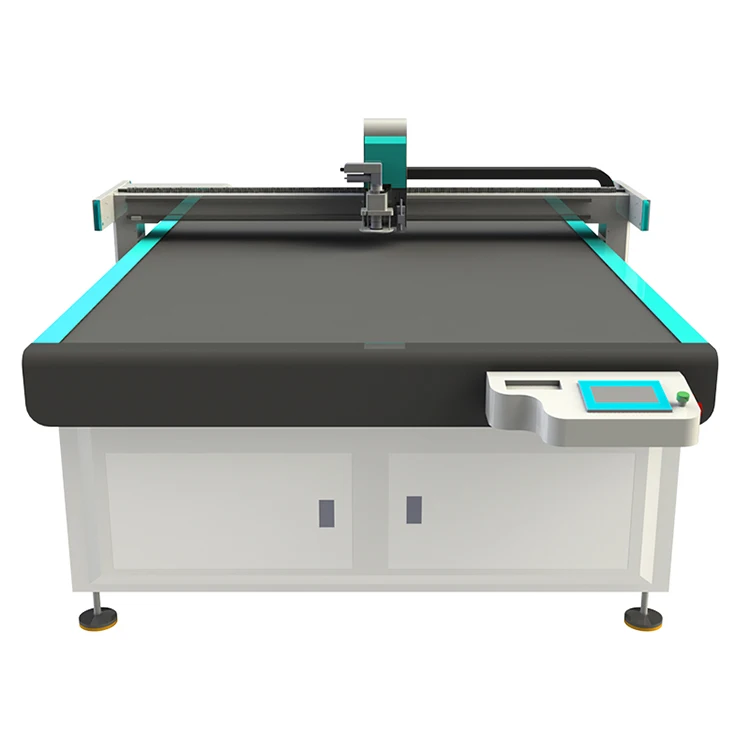
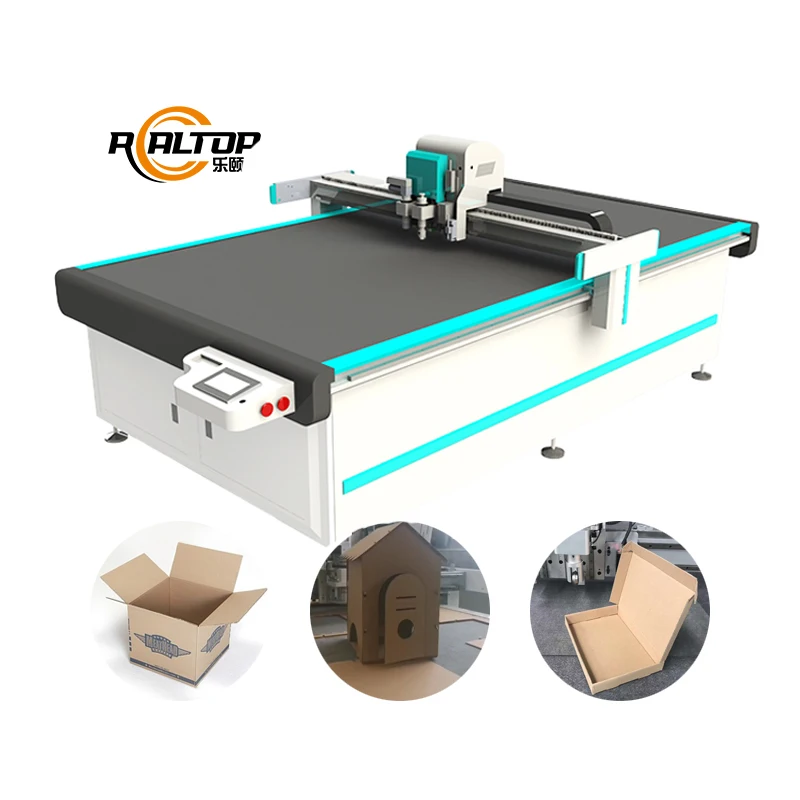
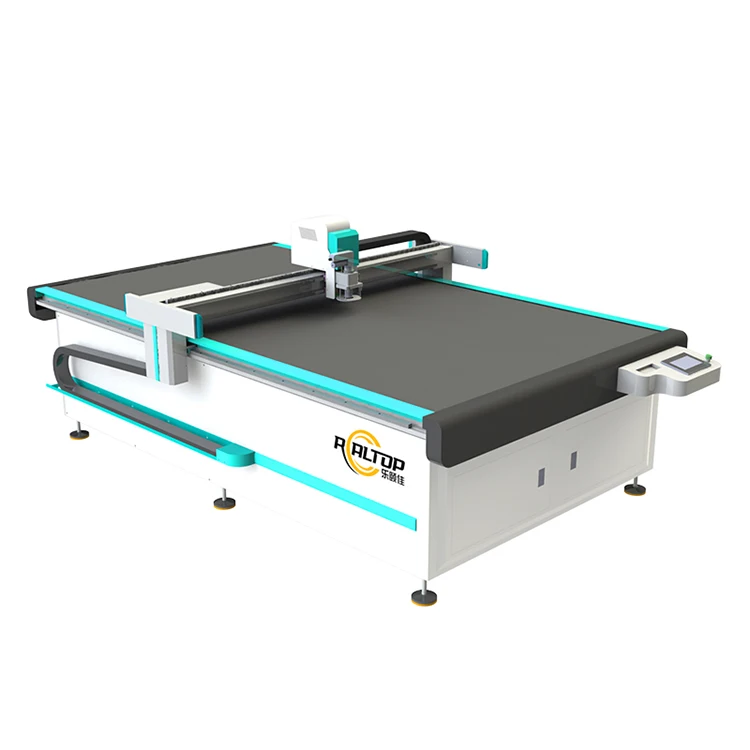
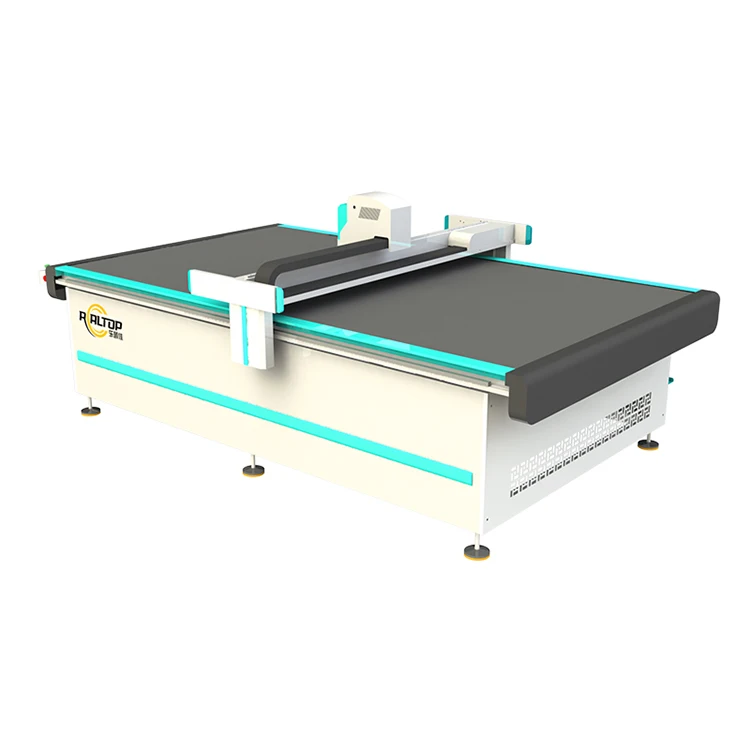
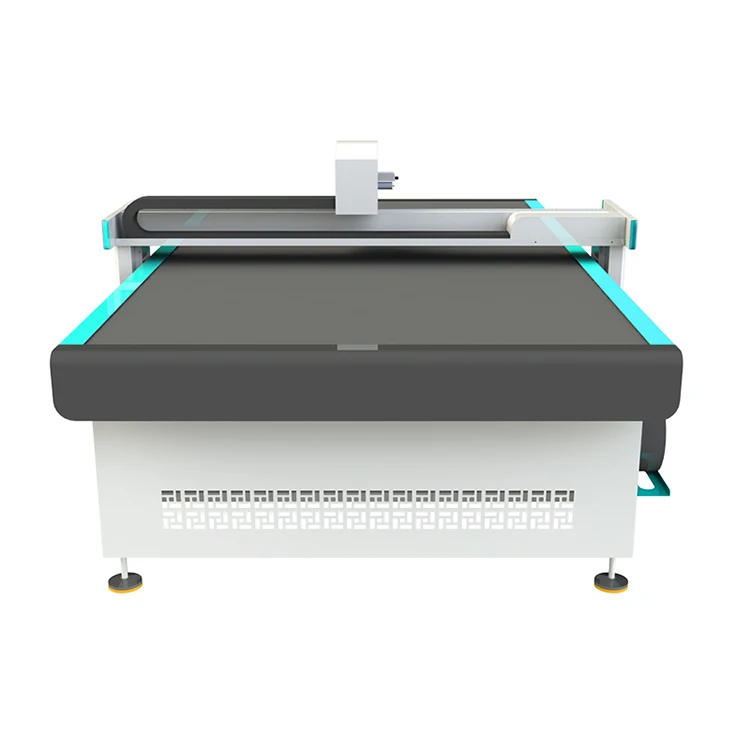
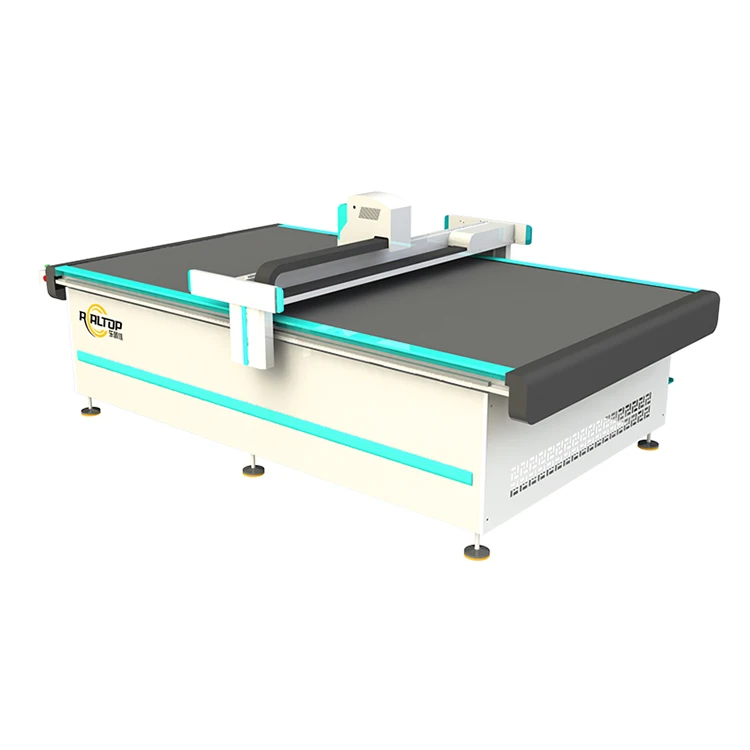
| Product Type | CNC Oscillating Knife Cutting Machine |
| Model | RT-D2516 / RT-S2516 |
| Working Area | 1600 × 2500 mm |
| Machine Size | 3450 × 2300 × 1250 mm |
| Rated Power | 9 kW |
| Voltage | 380 V ± 10 % |
| Table Type | Flat working table with vacuum adsorption |
| Vacuum Pump | 7.5 kW |
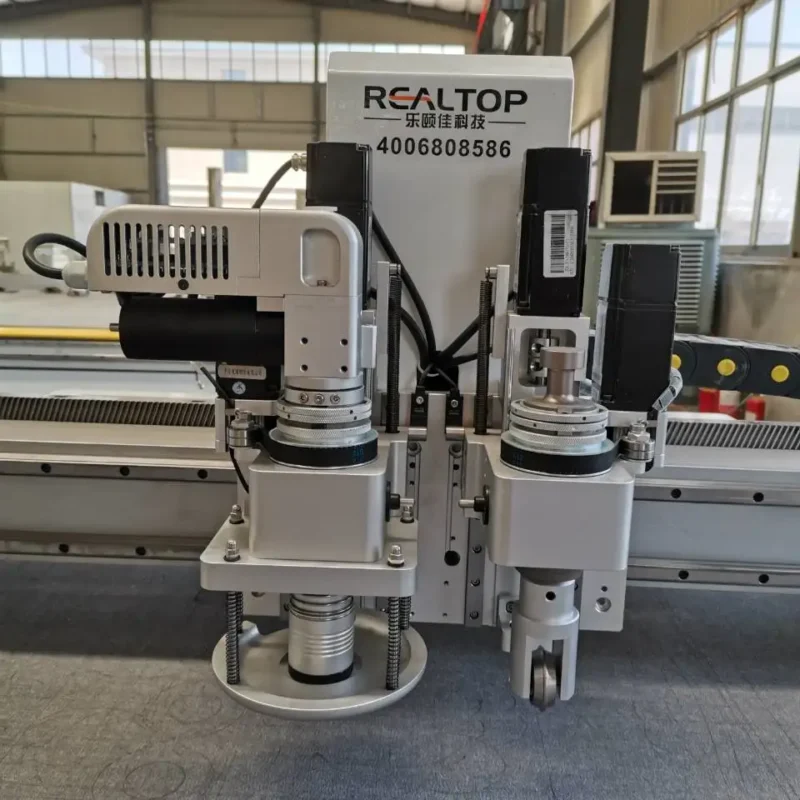
| Multifunctional Head | Swiss imported knife: vibration full cutting, vibration half cutting, cursor location |
| Translational Velocity | 800 – 2000 mm/s |
| Cutting Speed | 200 – 800 mm/s (varies with material) |
| Cutting Thickness | Up to 100 mm (basis to be confirmed by material type and density) |
| Repeated Accuracy | ≤ 0.1 mm |
| Transmission System | Digital servo motor, linear guide, synchronous belt, ball screw |
| Servo Motor | Delta |
| Linear Guide | Taiwan Hiwin rail |
| Conveyor Belt | Germany imported |
| Safety Device | Infrared sensors |
| Instruction System | HP-GL compatible format |
| Control Language Options | English, Russian, Italian, Chinese (special languages customizable) |
| Software | Professional carton nesting software, multi-format file import |
| Standards | CE declaration where applicable |
Application Suitability
| Application | Material or Output |
|---|---|
| Packaging carton sample making | Corrugated board, grey board, kraft paper, sticker sheets |
| Large electrical carton packaging | Thick corrugated and laminated board stock |
| Express paper box packaging | Single and double-wall corrugated, folding carton |
| Snack food packaging | Cardboard, coated paper, thin foam inserts |
| High-end gift box packaging | Rigid board, velvet-lined composite sheets |
| Pattern stickers and billboards | Vinyl, self-adhesive film, PVC soft sheet |
| Business cards, tags and cards | Coated card stock, laminated paper |
| Flexible material converting | Leather, sponge composite leather, silicon, rubber, soft glass |
Why "Working Area 1600 × 2500 mm" Does Not Tell You If the Machine Fits Your Board
A cutting table sized for your sheet is useless if the tool head cannot push through the material density.
A packaging converter once specified a flatbed digital cutter purely on bed size, assuming any 2500 mm table would handle the grey board they ran daily. When the machine arrived, the standard oscillating head struggled with the high-density stock, producing ragged edges and requiring multiple slow passes. The downtime and blade wear wiped out the expected throughput. This is the gap that a proper CNC Oscillating Knife Cutting Machine manufacturer should close before the order is placed — by running your actual material and matching the knife stroke, blade profile and vacuum zoning to the density rather than to the sheet dimension alone [NEED_CITE: material density impact on knife cutting force requirements].
Catalogue Coverage from Knife to Laser
The full equipment range at Realtop spans oscillating knife flatbed cutters, drag knife systems, CCD-equipped contour cutters and separate CO2 and fiber laser lines. A buyer surveying options can evaluate which cutting method suits the material first, then narrow to a machine family — instead of forcing every job through one technology.
Matching the Knife Head to the Stock
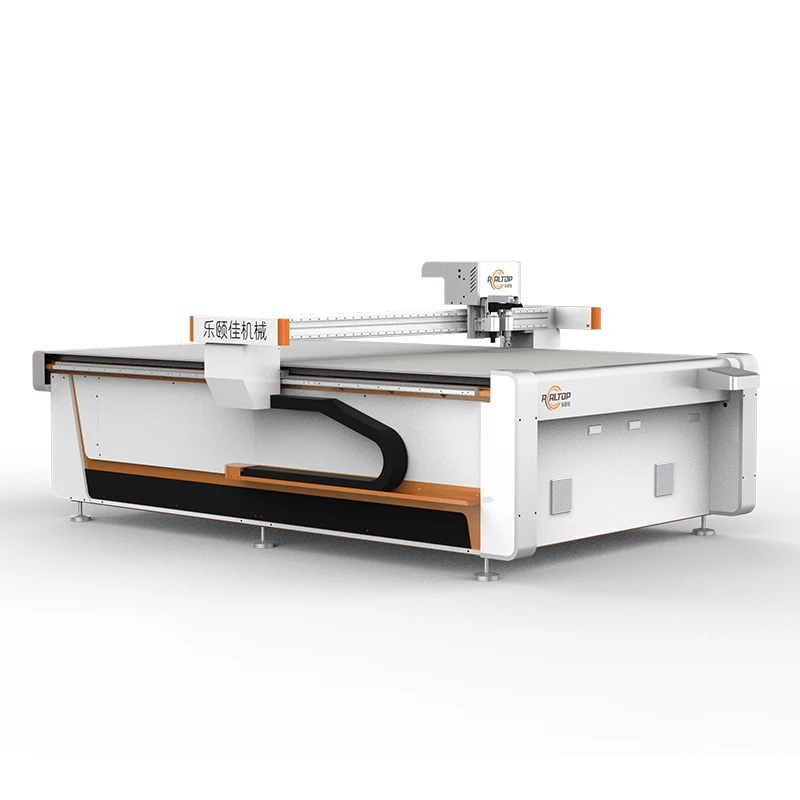
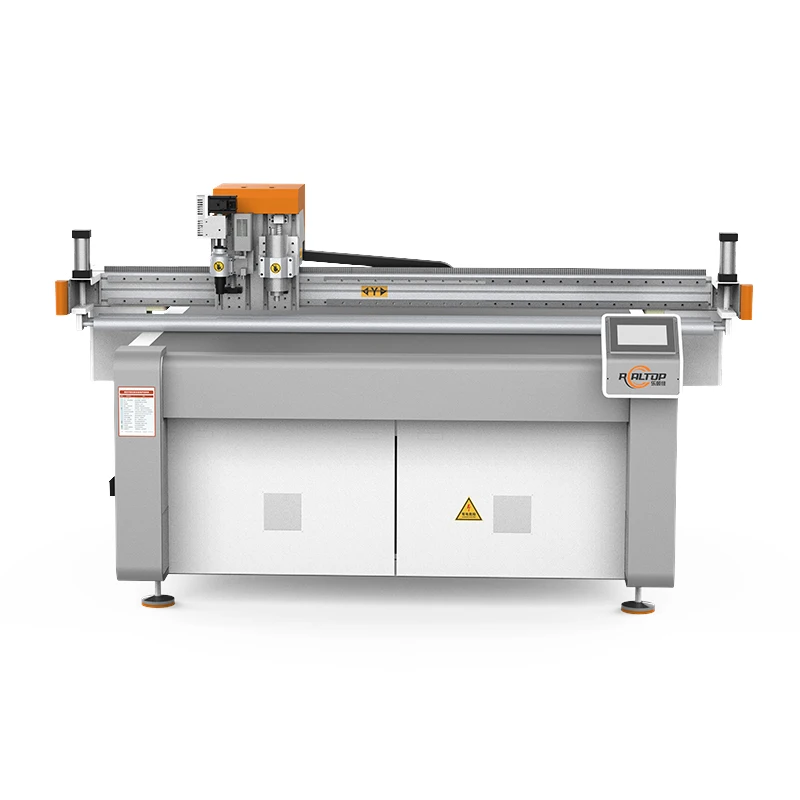
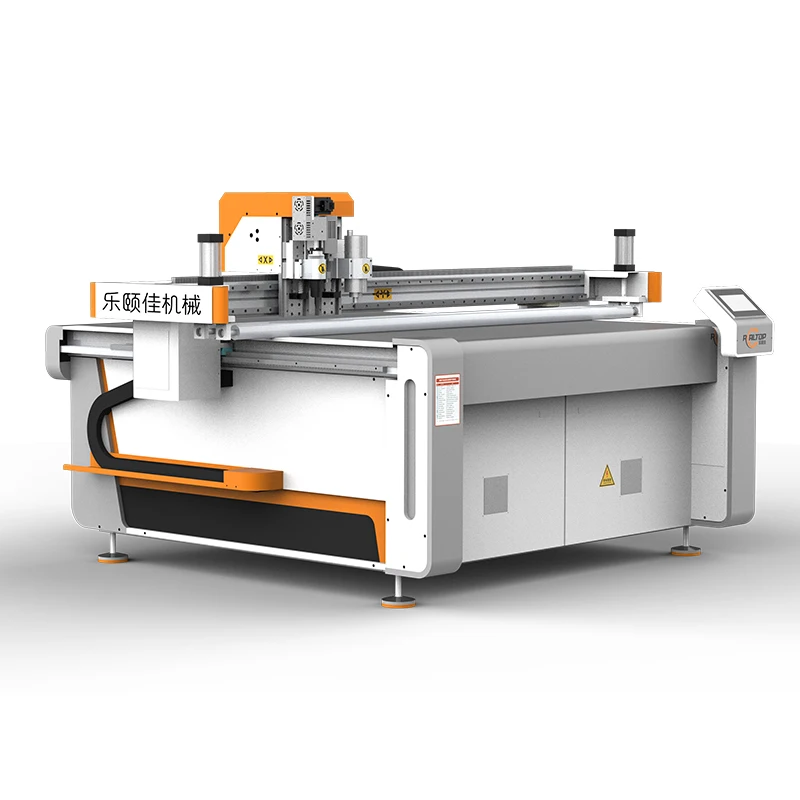
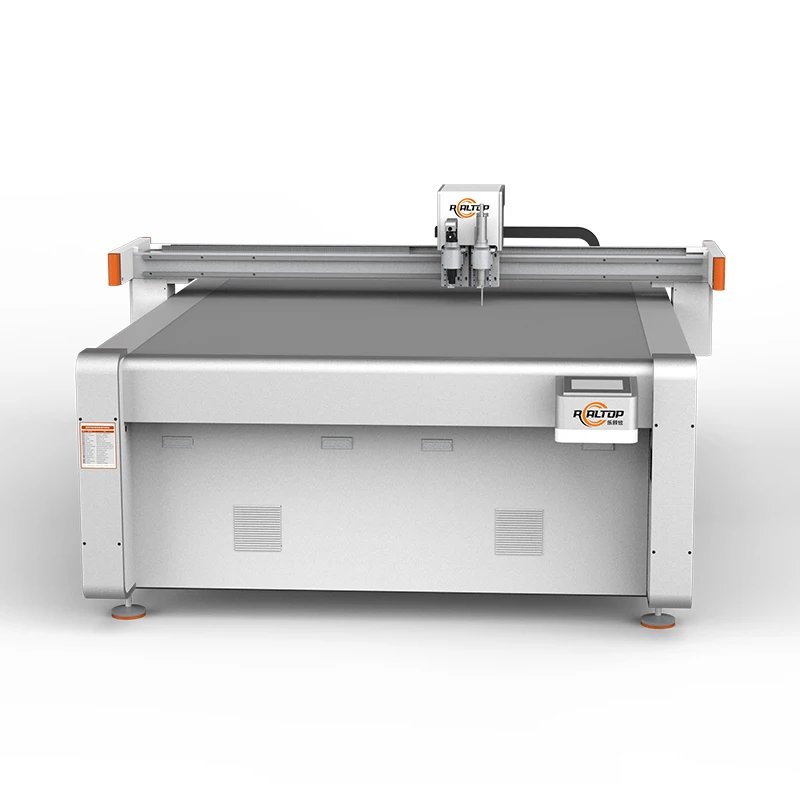
The Swiss imported oscillating head on the RT-D2516 and RT-S2516 delivers vibration full cutting, half cutting and cursor location in a single tool station. For packaging converters running a mix of corrugated, grey board and sticker vinyl, the ability to switch between full-depth and kiss-cut modes without changing heads reduces set-up time between jobs. The HP-GL compatible instruction system and professional carton nesting software accept multiple file formats, so existing design workflows carry over without re-drawing artwork [NEED_CITE: HP-GL format compatibility in packaging CAD workflows].
What the Numbers on the Spec Sheet Actually Mean
A 1600 × 2500 mm working area accommodates full-size corrugated sheets and large sticker rolls, but effective cutting depends on how firmly the material is held. The 7.5 kW vacuum pump paired with the flat adsorption table pulls the stock flat across the bed, which matters when cutting small carton parts that tend to lift at the edges during high-speed passes. Translational velocity reaches 2000 mm/s for rapid repositioning, while the actual cutting speed of 200 – 800 mm/s is dictated by material resistance — dense grey board will sit at the lower end, thin vinyl at the upper end. Delta servo motors and Taiwan Hiwin linear guides hold repeated accuracy within 0.1 mm, keeping crease lines aligned with cut lines on nested carton layouts. The 9 kW rated power covers the combined draw of the spindle, vacuum and conveyor without requiring a dedicated transformer upgrade in most workshops running standard 380 V three-phase supply.
The Cost of Skipping the Sample Cut
When a buyer commits to a configuration based on a brochure cutting thickness figure alone, the real test comes on the first production day. A head that performs well on 3 mm foam may stall on 8 mm high-density grey board, producing crushed fibres and rejected samples. The machine then sits idle while a heavier-duty tool head is sourced and shipped — weeks of lost output that a pre-order sample run on the buyer’s own material would have prevented [NEED_CITE: cost of unplanned tooling changeovers in packaging production].
Why Source from This Manufacturing Base
Realtop runs in-house design and production covering both knife and laser cutting technologies, allowing a single supplier to recommend the correct method rather than push one platform. The tool head and table configuration are specified per material sample and daily volume before quotation. Software compatibility is confirmed against the buyer’s existing file format. Voltage, plug type and control language are locked in before the machine enters assembly. Sample cutting on the buyer’s own stock is standard practice — not an optional extra — so the configuration that ships is the one that was validated.
Documentation & Verification
- Machine specification sheet listing tool head and table configuration matched to your board grade
- Sample cutting report produced on your own corrugated or sticker material before order confirmation
- Electrical schematic with 380 V ± 10 % wiring diagram and circuit protection layout
- Software licence and file format compatibility note covering your existing nesting workflow
- Factory test record documenting cutting accuracy and edge quality on agreed material samples
- Packing photographs showing crate bracing and head protection before container loading
Installation, Commissioning & Support
- Floor space of at least 4000 × 3000 mm required around the 3450 × 2300 × 1250 mm machine for sheet loading access
- Dedicated 380 V three-phase circuit rated above 9 kW with earth leakage protection at the panel
- Machine ships fully assembled on a flatbed crate; vacuum pump and conveyor belt connected on site
- First-power commissioning includes vacuum zoning calibration and Delta servo tuning to the 1600 × 2500 mm travel range
- Operator training covers tool head changeover, nesting software import and HP-GL file preparation
- Spare blade and conveyor belt segment kit included with recommended replacement intervals noted
What to Share with the Quotation Request
Send a representative sample of the board, vinyl or flexible material you cut most often, along with the thickness and typical sheet size. Note the daily volume and whether you run nesting software already or need the carton nesting package configured. Confirming the local voltage and frequency, the preferred control language, and whether a CCD camera for printed contour work is required will let the quotation arrive with the correct configuration from the start.
Frequently Asked Questions
Q: How do I decide between oscillating knife and laser for packaging materials?
A: Knife cutting avoids thermal edges on corrugated board, grey board and sticker vinyl, keeping fibres intact and preventing discoloration. Laser suits acrylic or wood inserts for premium boxes. The choice depends on material composition and edge requirement — a sample cut on your stock clarifies which method delivers the finish your customer expects.
Q: Which working area should I choose for carton sample making?
A: The 1600 × 2500 mm bed fits standard corrugated sheets and allows nesting of multiple carton blanks in one run. Smaller format tables suit dedicated card and tag production. Selection depends on your largest sheet size and whether you gang different carton formats on one table to improve material yield.
Q: What tool heads are available beyond the oscillating knife?
A: Drag knife, creasing wheel, milling and pen tool options are available across the range. Creasing wheels score fold lines on carton stock in the same run as the cut, eliminating a separate press step. The correct combination depends on whether your output includes fold lines, kiss-cuts or full-depth cuts in a single job.
Q: Is CCD camera contour recognition available on this model?
A: CCD camera positioning is offered across the machine range for printed contour cutting on sticker and packaging artwork. It is specified at order stage based on your print registration mark style and production speed requirement, then calibrated during factory testing before dispatch.
Q: Can voltage and control language be customised for our market?
A: Voltage is configurable for destination markets, and the control interface is available in English, Russian, Italian and Chinese with other languages on request. The electrical schematic and plug type are confirmed before assembly so the machine connects directly to the workshop supply on arrival.
In-house cutting method matching — Tool head and table configuration specified per material and production volume, covering oscillating knife, drag knife and laser options within one manufacturing base.
Technical Specifications
| Parameter | Value |
|---|---|
| Product Type | CNC Oscillating Knife Cutting Machine |
| Model | RT-D2516 / RT-S2516 |
| Working Area | 1600 × 2500 mm |
| Machine Size | 3450 × 2300 × 1250 mm |
| Rated Power | 9 kW |
| Voltage | 380 V ± 10 % |
| Table Type | Flat working table with vacuum adsorption |
| Vacuum Pump | 7.5 kW |
| Multifunctional Head | Swiss imported knife: vibration full cutting, vibration half cutting, cursor location |
| Translational Velocity | 800 – 2000 mm/s |
| Cutting Speed | 200 – 800 mm/s (varies with material) |
| Cutting Thickness | Up to 100 mm (basis to be confirmed by material type and density) |
| Repeated Accuracy | ≤ 0.1 mm |
| Transmission System | Digital servo motor, linear guide, synchronous belt, ball screw |
| Servo Motor | Delta |
| Linear Guide | Taiwan Hiwin rail |
| Conveyor Belt | Germany imported |
| Safety Device | Infrared sensors |
| Instruction System | HP-GL compatible format |
| Control Language Options | English, Russian, Italian, Chinese (special languages customizable) |
| Software | Professional carton nesting software, multi-format file import |
| Standards | CE declaration where applicable |
Application Suitability
| Application | Material or Output |
|---|---|
| Packaging carton sample making | Corrugated board, grey board, kraft paper, sticker sheets |
| Large electrical carton packaging | Thick corrugated and laminated board stock |
| Express paper box packaging | Single and double-wall corrugated, folding carton |
| Snack food packaging | Cardboard, coated paper, thin foam inserts |
| High-end gift box packaging | Rigid board, velvet-lined composite sheets |
| Pattern stickers and billboards | Vinyl, self-adhesive film, PVC soft sheet |
| Business cards, tags and cards | Coated card stock, laminated paper |
| Flexible material converting | Leather, sponge composite leather, silicon, rubber, soft glass |
Why "Working Area 1600 × 2500 mm" Does Not Tell You If the Machine Fits Your Board
A cutting table sized for your sheet is useless if the tool head cannot push through the material density.
A packaging converter once specified a flatbed digital cutter purely on bed size, assuming any 2500 mm table would handle the grey board they ran daily. When the machine arrived, the standard oscillating head struggled with the high-density stock, producing ragged edges and requiring multiple slow passes. The downtime and blade wear wiped out the expected throughput. This is the gap that a proper CNC Oscillating Knife Cutting Machine manufacturer should close before the order is placed — by running your actual material and matching the knife stroke, blade profile and vacuum zoning to the density rather than to the sheet dimension alone [NEED_CITE: material density impact on knife cutting force requirements].
Catalogue Coverage from Knife to Laser
The full equipment range at Realtop spans oscillating knife flatbed cutters, drag knife systems, CCD-equipped contour cutters and separate CO2 and fiber laser lines. A buyer surveying options can evaluate which cutting method suits the material first, then narrow to a machine family — instead of forcing every job through one technology.
Matching the Knife Head to the Stock
The Swiss imported oscillating head on the RT-D2516 and RT-S2516 delivers vibration full cutting, half cutting and cursor location in a single tool station. For packaging converters running a mix of corrugated, grey board and sticker vinyl, the ability to switch between full-depth and kiss-cut modes without changing heads reduces set-up time between jobs. The HP-GL compatible instruction system and professional carton nesting software accept multiple file formats, so existing design workflows carry over without re-drawing artwork [NEED_CITE: HP-GL format compatibility in packaging CAD workflows].
What the Numbers on the Spec Sheet Actually Mean
A 1600 × 2500 mm working area accommodates full-size corrugated sheets and large sticker rolls, but effective cutting depends on how firmly the material is held. The 7.5 kW vacuum pump paired with the flat adsorption table pulls the stock flat across the bed, which matters when cutting small carton parts that tend to lift at the edges during high-speed passes. Translational velocity reaches 2000 mm/s for rapid repositioning, while the actual cutting speed of 200 – 800 mm/s is dictated by material resistance — dense grey board will sit at the lower end, thin vinyl at the upper end. Delta servo motors and Taiwan Hiwin linear guides hold repeated accuracy within 0.1 mm, keeping crease lines aligned with cut lines on nested carton layouts. The 9 kW rated power covers the combined draw of the spindle, vacuum and conveyor without requiring a dedicated transformer upgrade in most workshops running standard 380 V three-phase supply.
The Cost of Skipping the Sample Cut
When a buyer commits to a configuration based on a brochure cutting thickness figure alone, the real test comes on the first production day. A head that performs well on 3 mm foam may stall on 8 mm high-density grey board, producing crushed fibres and rejected samples. The machine then sits idle while a heavier-duty tool head is sourced and shipped — weeks of lost output that a pre-order sample run on the buyer’s own material would have prevented [NEED_CITE: cost of unplanned tooling changeovers in packaging production].
Why Source from This Manufacturing Base
Realtop runs in-house design and production covering both knife and laser cutting technologies, allowing a single supplier to recommend the correct method rather than push one platform. The tool head and table configuration are specified per material sample and daily volume before quotation. Software compatibility is confirmed against the buyer’s existing file format. Voltage, plug type and control language are locked in before the machine enters assembly. Sample cutting on the buyer’s own stock is standard practice — not an optional extra — so the configuration that ships is the one that was validated.
Documentation & Verification
- Machine specification sheet listing tool head and table configuration matched to your board grade
- Sample cutting report produced on your own corrugated or sticker material before order confirmation
- Electrical schematic with 380 V ± 10 % wiring diagram and circuit protection layout
- Software licence and file format compatibility note covering your existing nesting workflow
- Factory test record documenting cutting accuracy and edge quality on agreed material samples
- Packing photographs showing crate bracing and head protection before container loading
Installation, Commissioning & Support
- Floor space of at least 4000 × 3000 mm required around the 3450 × 2300 × 1250 mm machine for sheet loading access
- Dedicated 380 V three-phase circuit rated above 9 kW with earth leakage protection at the panel
- Machine ships fully assembled on a flatbed crate; vacuum pump and conveyor belt connected on site
- First-power commissioning includes vacuum zoning calibration and Delta servo tuning to the 1600 × 2500 mm travel range
- Operator training covers tool head changeover, nesting software import and HP-GL file preparation
- Spare blade and conveyor belt segment kit included with recommended replacement intervals noted
What to Share with the Quotation Request
Send a representative sample of the board, vinyl or flexible material you cut most often, along with the thickness and typical sheet size. Note the daily volume and whether you run nesting software already or need the carton nesting package configured. Confirming the local voltage and frequency, the preferred control language, and whether a CCD camera for printed contour work is required will let the quotation arrive with the correct configuration from the start.
Frequently Asked Questions
Q: How do I decide between oscillating knife and laser for packaging materials?
A: Knife cutting avoids thermal edges on corrugated board, grey board and sticker vinyl, keeping fibres intact and preventing discoloration. Laser suits acrylic or wood inserts for premium boxes. The choice depends on material composition and edge requirement — a sample cut on your stock clarifies which method delivers the finish your customer expects.
Q: Which working area should I choose for carton sample making?
A: The 1600 × 2500 mm bed fits standard corrugated sheets and allows nesting of multiple carton blanks in one run. Smaller format tables suit dedicated card and tag production. Selection depends on your largest sheet size and whether you gang different carton formats on one table to improve material yield.
Q: What tool heads are available beyond the oscillating knife?
A: Drag knife, creasing wheel, milling and pen tool options are available across the range. Creasing wheels score fold lines on carton stock in the same run as the cut, eliminating a separate press step. The correct combination depends on whether your output includes fold lines, kiss-cuts or full-depth cuts in a single job.
Q: Is CCD camera contour recognition available on this model?
A: CCD camera positioning is offered across the machine range for printed contour cutting on sticker and packaging artwork. It is specified at order stage based on your print registration mark style and production speed requirement, then calibrated during factory testing before dispatch.
Q: Can voltage and control language be customised for our market?
A: Voltage is configurable for destination markets, and the control interface is available in English, Russian, Italian and Chinese with other languages on request. The electrical schematic and plug type are confirmed before assembly so the machine connects directly to the workshop supply on arrival.
商品评价
There are no reviews yet.