

Fast Delivery
Quick, reliable shipping to any location.

Free & easy returns
Return this item by mail or in store within 90 days for a full refund.
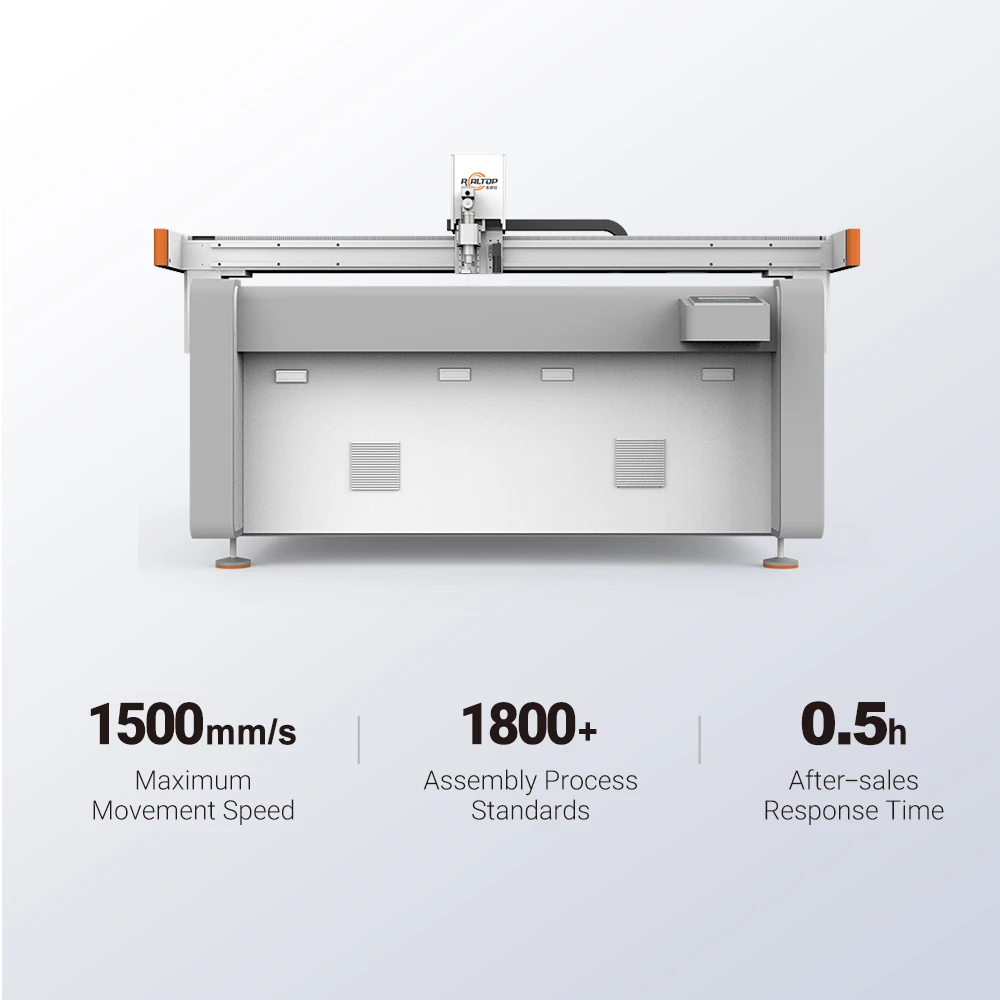
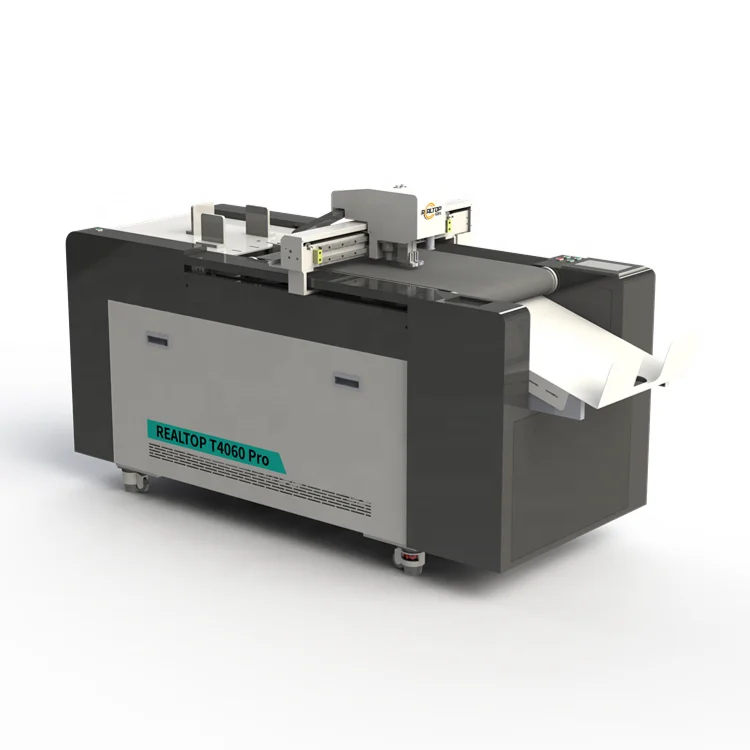
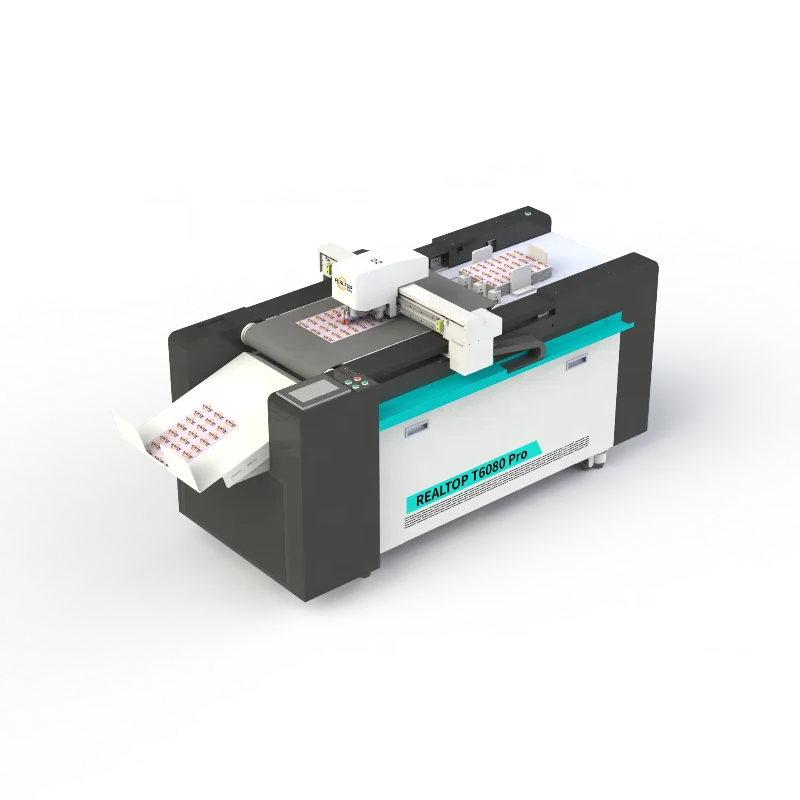
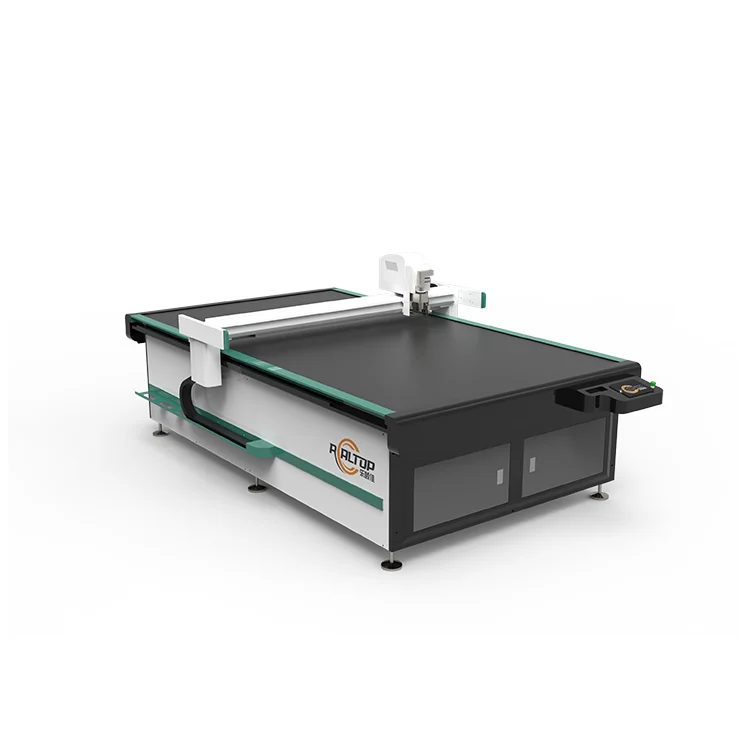
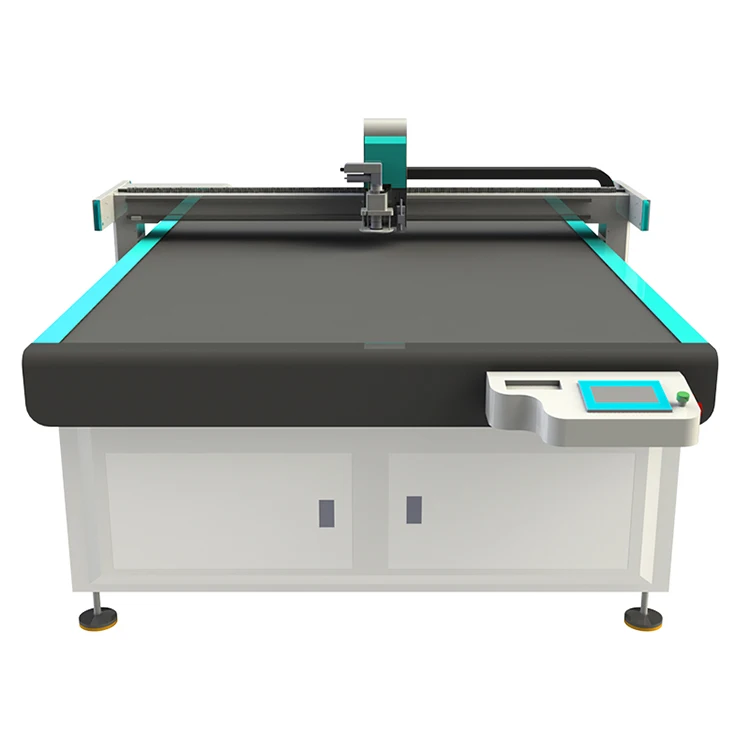
Tool head and table configuration specified per material and production volume — our in-house engineering team maps each composite layup to the correct oscillating knife, vacuum zoning, and blade geometry before a single cut is made.
Technical Specifications
| Parameter | Value |
|---|---|
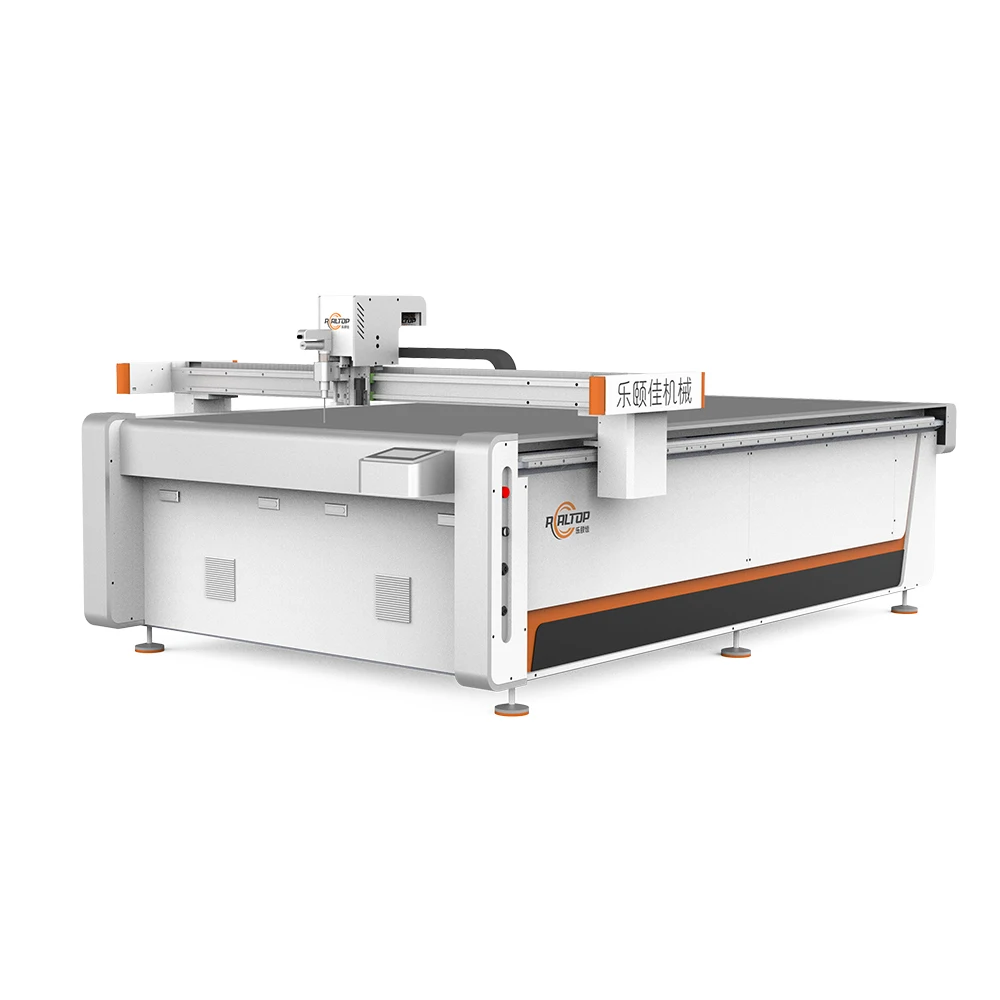
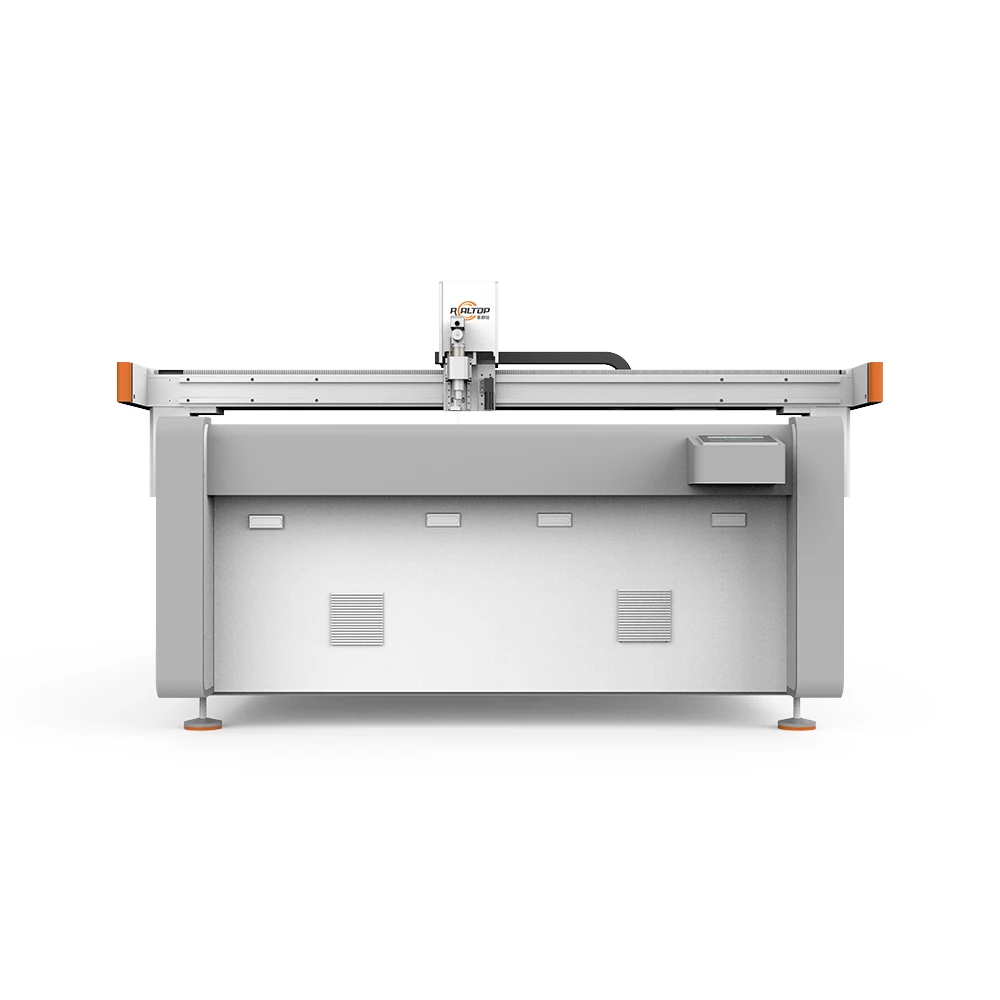
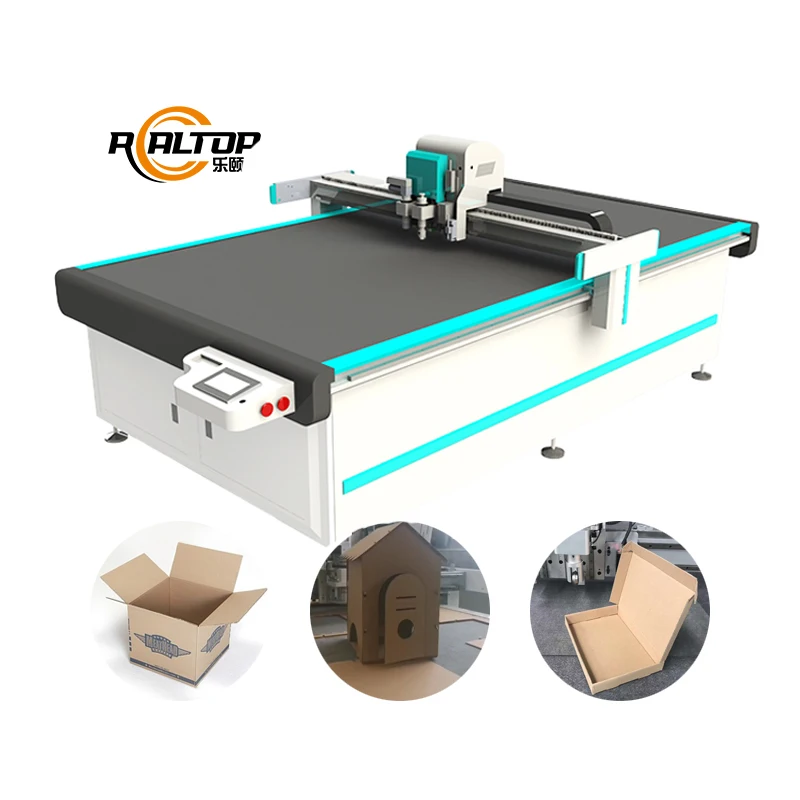
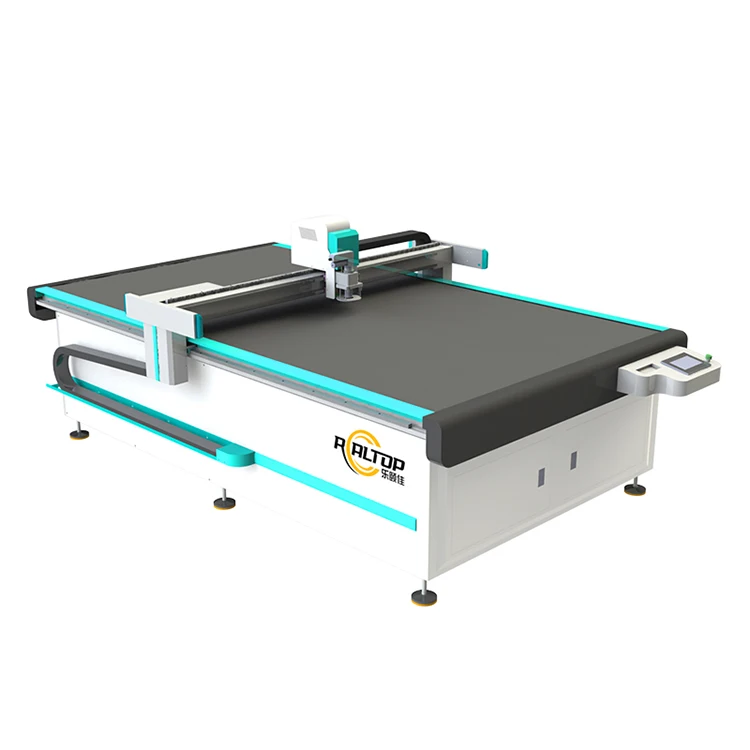
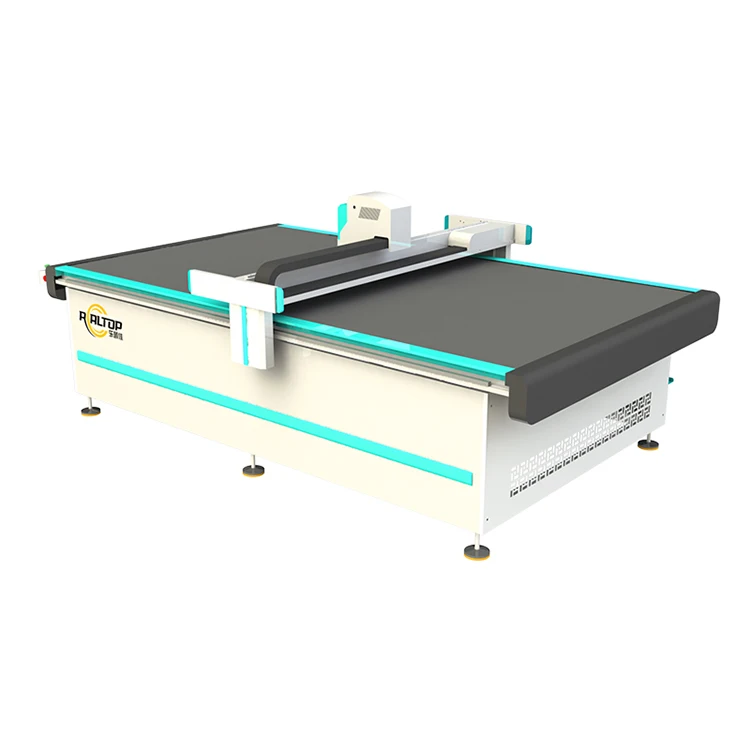
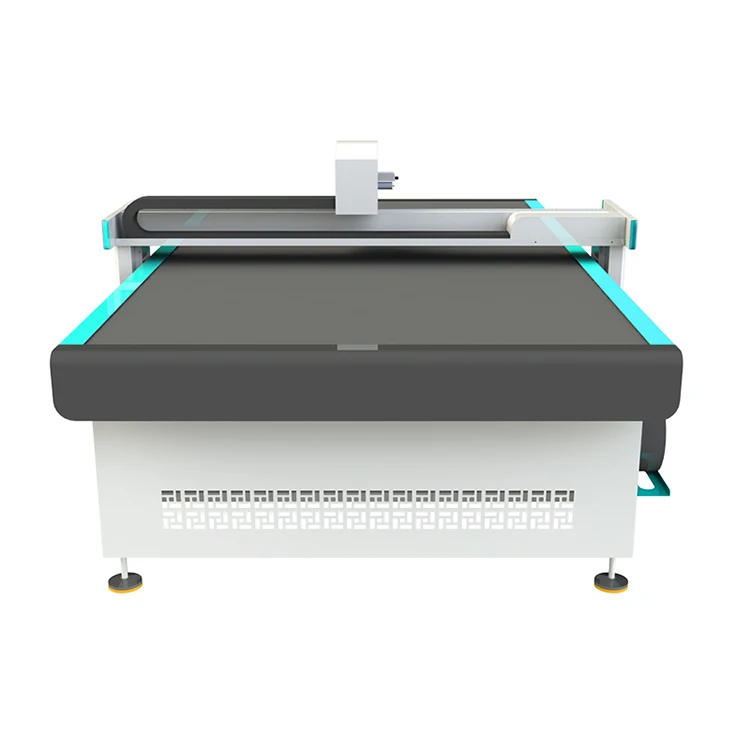
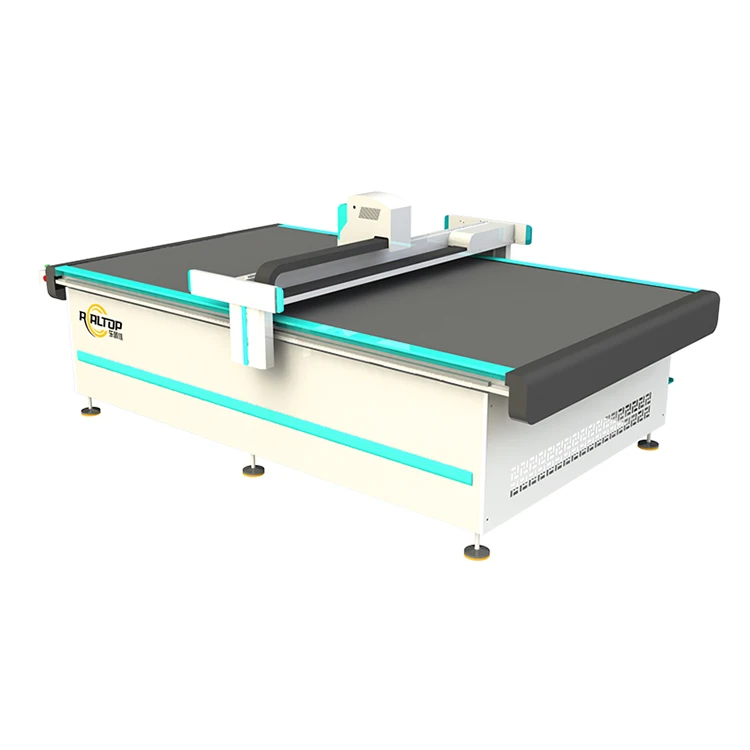
| Product Type | CNC Oscillating Knife Cutting Machine |
| Working Area | 1600 × 2500 mm |
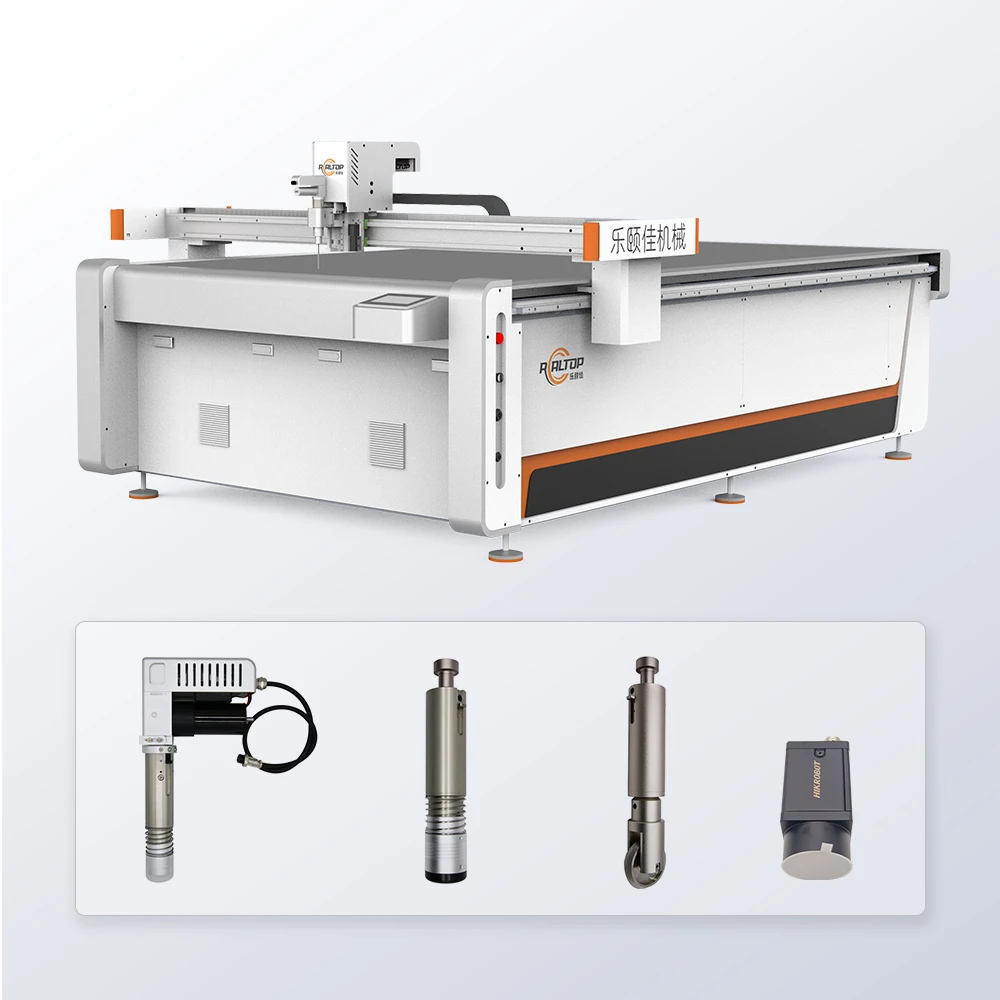
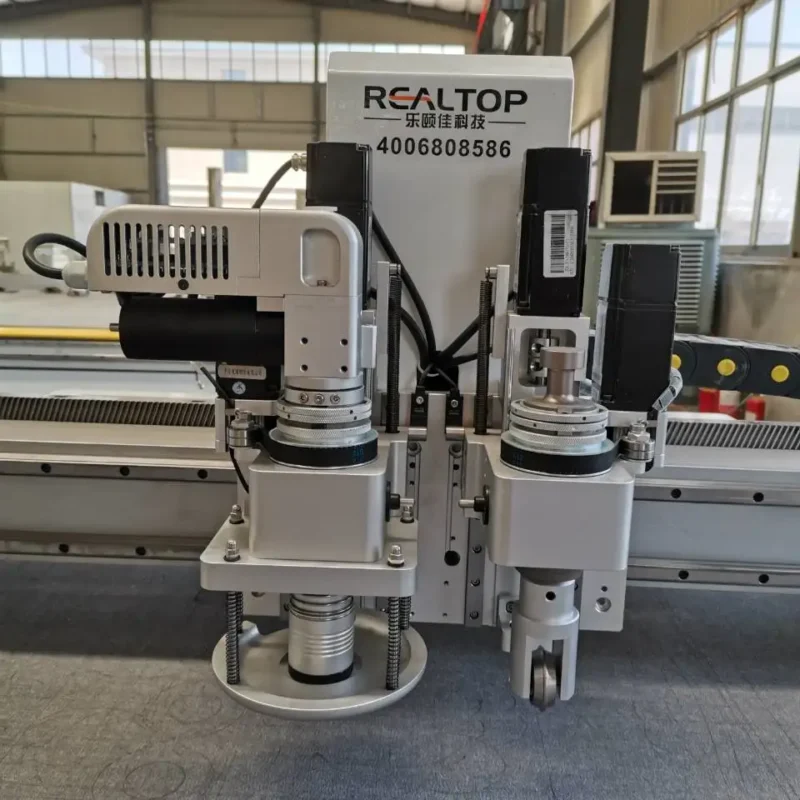
| Tool Head Options | Oscillating knife, Driven rotary knife, Creasing wheel, Kiss cutting tool, Pneumatic knife, Milling tool, V groove knife |
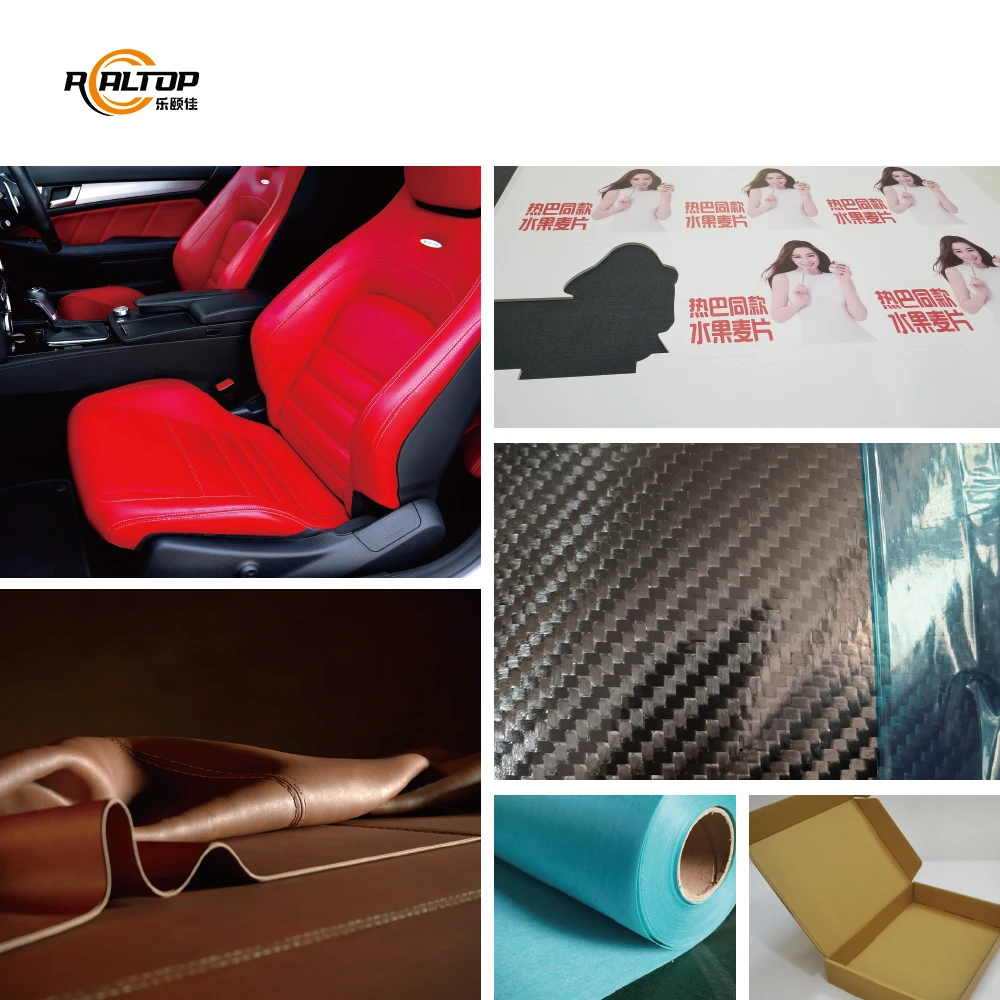
| Applicable Materials | Carbon fiber, Kevlar, fiberglass, PVC foam, EVA, PTFE, rubber, fabric, leather, acrylic |
| Cutting Speed Range | 0 – 2000 mm/s |
| Maximum Cutting Thickness | ≤ 30 mm (basis not stated in source — confirm material density / composite type) |
| Cutting Accuracy | ±0.1 mm |
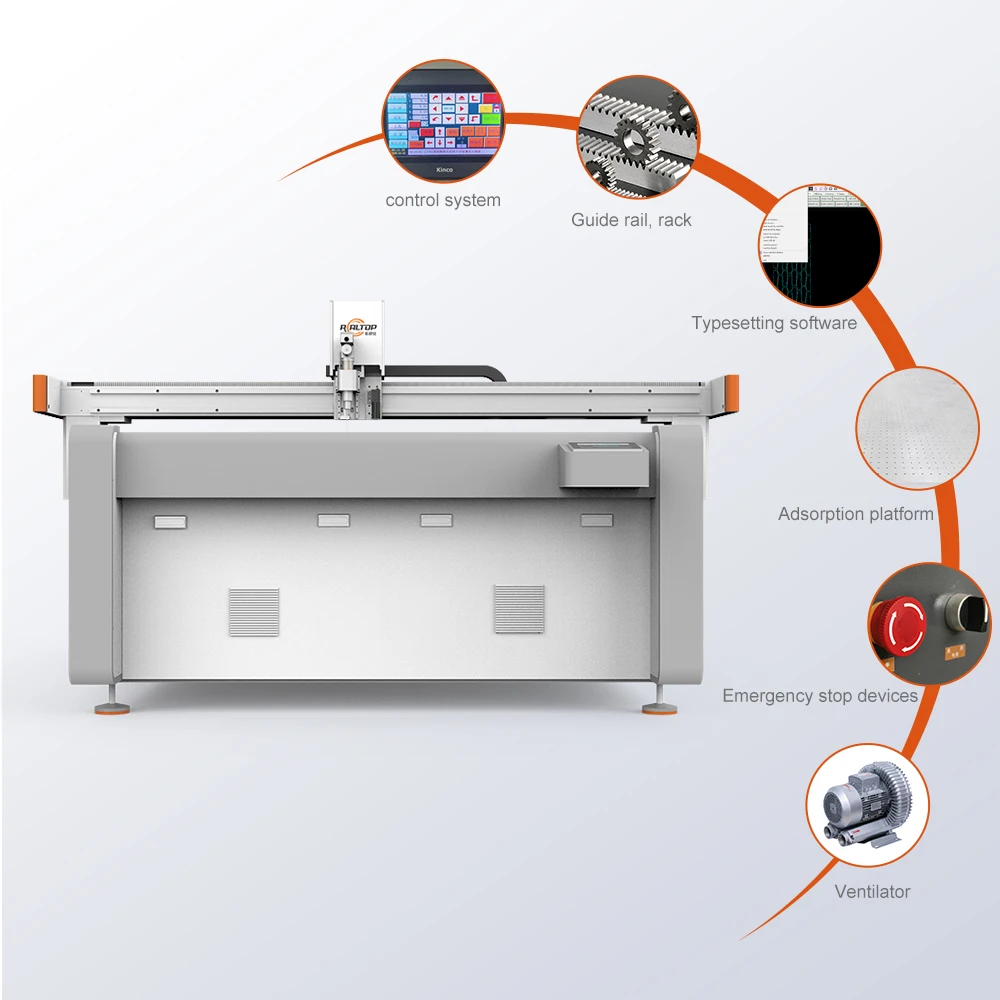
| Vacuum Pump Power | 9 kW |
| Voltage Options | 110 V, 220 V, 380 V (frequency to be confirmed per market) |
| Supported File Formats | PLT, DXF, AI, PDF |
| Control Interface | PLC panel with configurable language (English, Russian, Italian, Chinese, custom) |
| Safety Systems | Infrared sensor device, emergency stop device |
| Machine Dimensions | 3300 × 2100 × 1350 mm |
Application Suitability
| Application | Material or Output |
|---|---|
| Aerospace component nesting | Carbon fiber prepreg, aramid honeycomb cores, thermal insulation pads |
| Automotive interior trimming | FRP panels, acoustic felt, damping pads, automotive carpet |
| Wind energy blade layup | Fiberglass cloth, vacuum infusion mesh, PET and PVC foam core sheets |
| Sporting goods fabrication | Composite sheets for bicycle frames, helmets, surfboards, skis |
Why Specifying Only Work Area Leads to Composite Cutting Failures
A CNC oscillating knife cutting machine manufacturer that quotes working area without confirming composite density and resin type sets the buyer up for edge delamination and tool wear problems.
The cutting method must match the composite material, not just the sheet dimensions.
I remember an early order where a buyer sent us a sample labeled simply "carbon fiber board." We ran the oscillating knife at standard fabric settings and the blade skidded across the resin surface, leaving frayed edges and half-cut fibers. It turned out the material was a high-modulus prepreg with a much harder matrix than the woven cloth we had tested. After switching to a pneumatic knife tool head and adjusting the vacuum zone map, the cuts came out clean [NEED_CITE: composite material classification standards for cutting processes]. That two-week troubleshooting cycle could have been avoided with a proper material data sheet and sample run up front.
Matching the Knife Method to the Composite Layup
Composites span an enormous range of behavior. A soft fiberglass mat cuts very differently from a cured carbon fiber laminate, and forcing one tool head across every job produces ragged edges or crushed core structures. The available tool heads — oscillating knife, driven rotary knife, pneumatic knife, V groove knife — each address a specific material rigidity and thickness range. Selecting the correct CNC oscillating knife cutting machine manufacturer means confirming which tool heads are included in the base configuration and which are available as add-ons for future material changes.
Vacuum Adsorption and Large-Format Sheet Hold-Down
Composite sheets used in wind power and aerospace tend to be large, stiff, and relatively light. The 9 kW vacuum pump paired with an aluminum bellows platform secures these sheets across the full 1600 × 2500 mm work area without edge lift during high-speed passes. When cutting nested aerospace brackets from aramid honeycomb, even slight material movement at 2000 mm/s travel speed shifts the cut path outside the ±0.1 mm tolerance band [NEED_CITE: vacuum hold-down requirements for composite sheet cutting].
Reading the Specs That Actually Matter on the Floor
Cutting speed of 0 – 2000 mm/s defines the travel envelope, but real throughput depends on how many direction changes the nesting layout demands — a dense bracket nest runs far slower than a straight-line trim. The ±0.1 mm accuracy figure becomes meaningful when you consider that aerospace and automotive components often require tight stack-up tolerances across dozens of nested parts. Voltage options spanning 110 V to 380 V matter because export markets run different grid standards, and a motor wound for the wrong frequency will overheat within weeks [NEED_CITE: voltage and frequency standards by export market]. The PLC control panel with multi-language support means operators in different regions can navigate menus without translating on the fly.
The Hidden Cost of Skipping the Sample Cut
Buyers who commit to a configuration without running their own composite material through a sample test frequently discover problems after the machine arrives. Wrong blade geometry produces delaminated edges on carbon fiber, requiring secondary trimming that adds labor and scrap. Insufficient vacuum zoning lets small nested parts lift during the final pass, ruining an entire sheet of expensive prepreg. A tool head mismatch may also accelerate blade wear, driving up consumable costs and unplanned downtime [NEED_CITE: composite cutting tool wear patterns by material type].
Why Sourcing Composites Cutting Equipment Here Makes Sense
In-house design covers both oscillating knife and laser cutting, so a buyer processing mixed composite orders can match each material to the correct method instead of forcing one technology across every job. Tool head and vacuum table configurations are specified against the buyer’s actual material data sheet, not a generic catalog line. Sample cutting on the buyer’s own composite runs before the order is finalized, producing a documented report that confirms edge quality and dimensional accuracy. Voltage, plug type, and control language are locked in during the specification stage so there are no surprises at commissioning. Software file format compatibility is verified against the buyer’s existing nesting workflow before production begins.
Documentation & Verification
- Machine specification sheet listing every tool head and vacuum zone in the confirmed configuration
- Electrical schematic with voltage and frequency matched to the buyer’s local grid standard
- Sample cutting report on buyer-supplied composite material with edge photos and measured tolerances
- Software license and file format compatibility note covering PLT, DXF, AI, and PDF imports
- Factory test record documenting run parameters and accuracy checks before crating
Installation, Commissioning & Support
- Floor space planning based on the 3300 × 2100 × 1350 mm machine footprint plus operator clearance
- Dedicated power circuit sized for the 9 kW vacuum pump plus servo motors at the confirmed voltage
- On-site assembly of the aluminum bellows vacuum platform and calibration of all vacuum zones
- First-run parameter tuning on the buyer’s composite material using the PLC control interface
- Operator training on tool head changeover procedures and nesting file import from PLT or DXF formats
- Spare parts list covering oscillating knife blades, rotary knife bits, and vacuum seal consumables
What to Include in Your Inquiry
Share the specific composite material type, resin system, and sheet thickness you plan to process, along with the typical nesting layout and daily volume target. Confirm your facility voltage, frequency, and preferred control language so the CNC oscillating knife cutting machine manufacturer can prepare an accurate specification. If you have existing nesting software, provide a sample file so we can verify import compatibility before quotation.
Frequently Asked Questions
Q: How do I verify the machine can handle my specific composite thickness and density?
A: Request a sample cutting test on your own composite material before placing the order. The sample report documents edge quality, dimensional accuracy within ±0.1 mm, and the tool head configuration used. This eliminates guesswork about whether the oscillating knife, pneumatic knife, or driven rotary knife suits your material.
Q: Can the voltage and control language be matched to our local workshop?
A: Voltage options include 110 V, 220 V, and 380 V, with frequency confirmed against your regional grid standard. The PLC control panel supports English, Russian, Italian, Chinese, and custom language configurations. All electrical specifications are locked in during the order confirmation stage.
Q: How is the correct tool head selected for different composite materials?
A: Tool head selection starts with the material data sheet — rigidity, thickness, and resin type determine whether the oscillating knife, V groove knife, or pneumatic knife is appropriate. The configuration is confirmed during the sample cutting phase so the buyer sees actual edge results before committing.
Q: Will my existing nesting software and file formats work with this machine?
A: The system accepts PLT, DXF, AI, and PDF files. Software compatibility is verified during the specification stage by importing a sample nesting file from the buyer’s workflow. Any format gaps are addressed before the machine enters production.
Q: What testing is done before the machine ships?
A: A factory test record is generated using the confirmed tool head and material parameters. The record documents cutting accuracy, vacuum hold-down performance, and safety system checks. Packing photographs are shared with the buyer before dispatch.
Tool head and table configuration specified per material and production volume — our in-house engineering team maps each composite layup to the correct oscillating knife, vacuum zoning, and blade geometry before a single cut is made.
Technical Specifications
| Parameter | Value |
|---|---|
| Product Type | CNC Oscillating Knife Cutting Machine |
| Working Area | 1600 × 2500 mm |
| Tool Head Options | Oscillating knife, Driven rotary knife, Creasing wheel, Kiss cutting tool, Pneumatic knife, Milling tool, V groove knife |
| Applicable Materials | Carbon fiber, Kevlar, fiberglass, PVC foam, EVA, PTFE, rubber, fabric, leather, acrylic |
| Cutting Speed Range | 0 – 2000 mm/s |
| Maximum Cutting Thickness | ≤ 30 mm (basis not stated in source — confirm material density / composite type) |
| Cutting Accuracy | ±0.1 mm |
| Vacuum Pump Power | 9 kW |
| Voltage Options | 110 V, 220 V, 380 V (frequency to be confirmed per market) |
| Supported File Formats | PLT, DXF, AI, PDF |
| Control Interface | PLC panel with configurable language (English, Russian, Italian, Chinese, custom) |
| Safety Systems | Infrared sensor device, emergency stop device |
| Machine Dimensions | 3300 × 2100 × 1350 mm |
Application Suitability
| Application | Material or Output |
|---|---|
| Aerospace component nesting | Carbon fiber prepreg, aramid honeycomb cores, thermal insulation pads |
| Automotive interior trimming | FRP panels, acoustic felt, damping pads, automotive carpet |
| Wind energy blade layup | Fiberglass cloth, vacuum infusion mesh, PET and PVC foam core sheets |
| Sporting goods fabrication | Composite sheets for bicycle frames, helmets, surfboards, skis |
Why Specifying Only Work Area Leads to Composite Cutting Failures
A CNC oscillating knife cutting machine manufacturer that quotes working area without confirming composite density and resin type sets the buyer up for edge delamination and tool wear problems.
The cutting method must match the composite material, not just the sheet dimensions.
I remember an early order where a buyer sent us a sample labeled simply "carbon fiber board." We ran the oscillating knife at standard fabric settings and the blade skidded across the resin surface, leaving frayed edges and half-cut fibers. It turned out the material was a high-modulus prepreg with a much harder matrix than the woven cloth we had tested. After switching to a pneumatic knife tool head and adjusting the vacuum zone map, the cuts came out clean [NEED_CITE: composite material classification standards for cutting processes]. That two-week troubleshooting cycle could have been avoided with a proper material data sheet and sample run up front.
Matching the Knife Method to the Composite Layup
Composites span an enormous range of behavior. A soft fiberglass mat cuts very differently from a cured carbon fiber laminate, and forcing one tool head across every job produces ragged edges or crushed core structures. The available tool heads — oscillating knife, driven rotary knife, pneumatic knife, V groove knife — each address a specific material rigidity and thickness range. Selecting the correct CNC oscillating knife cutting machine manufacturer means confirming which tool heads are included in the base configuration and which are available as add-ons for future material changes.
Vacuum Adsorption and Large-Format Sheet Hold-Down
Composite sheets used in wind power and aerospace tend to be large, stiff, and relatively light. The 9 kW vacuum pump paired with an aluminum bellows platform secures these sheets across the full 1600 × 2500 mm work area without edge lift during high-speed passes. When cutting nested aerospace brackets from aramid honeycomb, even slight material movement at 2000 mm/s travel speed shifts the cut path outside the ±0.1 mm tolerance band [NEED_CITE: vacuum hold-down requirements for composite sheet cutting].
Reading the Specs That Actually Matter on the Floor
Cutting speed of 0 – 2000 mm/s defines the travel envelope, but real throughput depends on how many direction changes the nesting layout demands — a dense bracket nest runs far slower than a straight-line trim. The ±0.1 mm accuracy figure becomes meaningful when you consider that aerospace and automotive components often require tight stack-up tolerances across dozens of nested parts. Voltage options spanning 110 V to 380 V matter because export markets run different grid standards, and a motor wound for the wrong frequency will overheat within weeks [NEED_CITE: voltage and frequency standards by export market]. The PLC control panel with multi-language support means operators in different regions can navigate menus without translating on the fly.
The Hidden Cost of Skipping the Sample Cut
Buyers who commit to a configuration without running their own composite material through a sample test frequently discover problems after the machine arrives. Wrong blade geometry produces delaminated edges on carbon fiber, requiring secondary trimming that adds labor and scrap. Insufficient vacuum zoning lets small nested parts lift during the final pass, ruining an entire sheet of expensive prepreg. A tool head mismatch may also accelerate blade wear, driving up consumable costs and unplanned downtime [NEED_CITE: composite cutting tool wear patterns by material type].
Why Sourcing Composites Cutting Equipment Here Makes Sense
In-house design covers both oscillating knife and laser cutting, so a buyer processing mixed composite orders can match each material to the correct method instead of forcing one technology across every job. Tool head and vacuum table configurations are specified against the buyer’s actual material data sheet, not a generic catalog line. Sample cutting on the buyer’s own composite runs before the order is finalized, producing a documented report that confirms edge quality and dimensional accuracy. Voltage, plug type, and control language are locked in during the specification stage so there are no surprises at commissioning. Software file format compatibility is verified against the buyer’s existing nesting workflow before production begins.
Documentation & Verification
- Machine specification sheet listing every tool head and vacuum zone in the confirmed configuration
- Electrical schematic with voltage and frequency matched to the buyer’s local grid standard
- Sample cutting report on buyer-supplied composite material with edge photos and measured tolerances
- Software license and file format compatibility note covering PLT, DXF, AI, and PDF imports
- Factory test record documenting run parameters and accuracy checks before crating
Installation, Commissioning & Support
- Floor space planning based on the 3300 × 2100 × 1350 mm machine footprint plus operator clearance
- Dedicated power circuit sized for the 9 kW vacuum pump plus servo motors at the confirmed voltage
- On-site assembly of the aluminum bellows vacuum platform and calibration of all vacuum zones
- First-run parameter tuning on the buyer’s composite material using the PLC control interface
- Operator training on tool head changeover procedures and nesting file import from PLT or DXF formats
- Spare parts list covering oscillating knife blades, rotary knife bits, and vacuum seal consumables
What to Include in Your Inquiry
Share the specific composite material type, resin system, and sheet thickness you plan to process, along with the typical nesting layout and daily volume target. Confirm your facility voltage, frequency, and preferred control language so the CNC oscillating knife cutting machine manufacturer can prepare an accurate specification. If you have existing nesting software, provide a sample file so we can verify import compatibility before quotation.
Frequently Asked Questions
Q: How do I verify the machine can handle my specific composite thickness and density?
A: Request a sample cutting test on your own composite material before placing the order. The sample report documents edge quality, dimensional accuracy within ±0.1 mm, and the tool head configuration used. This eliminates guesswork about whether the oscillating knife, pneumatic knife, or driven rotary knife suits your material.
Q: Can the voltage and control language be matched to our local workshop?
A: Voltage options include 110 V, 220 V, and 380 V, with frequency confirmed against your regional grid standard. The PLC control panel supports English, Russian, Italian, Chinese, and custom language configurations. All electrical specifications are locked in during the order confirmation stage.
Q: How is the correct tool head selected for different composite materials?
A: Tool head selection starts with the material data sheet — rigidity, thickness, and resin type determine whether the oscillating knife, V groove knife, or pneumatic knife is appropriate. The configuration is confirmed during the sample cutting phase so the buyer sees actual edge results before committing.
Q: Will my existing nesting software and file formats work with this machine?
A: The system accepts PLT, DXF, AI, and PDF files. Software compatibility is verified during the specification stage by importing a sample nesting file from the buyer’s workflow. Any format gaps are addressed before the machine enters production.
Q: What testing is done before the machine ships?
A: A factory test record is generated using the confirmed tool head and material parameters. The record documents cutting accuracy, vacuum hold-down performance, and safety system checks. Packing photographs are shared with the buyer before dispatch.
商品评价
There are no reviews yet.