

Fast Delivery
Quick, reliable shipping to any location.

Free & easy returns
Return this item by mail or in store within 90 days for a full refund.
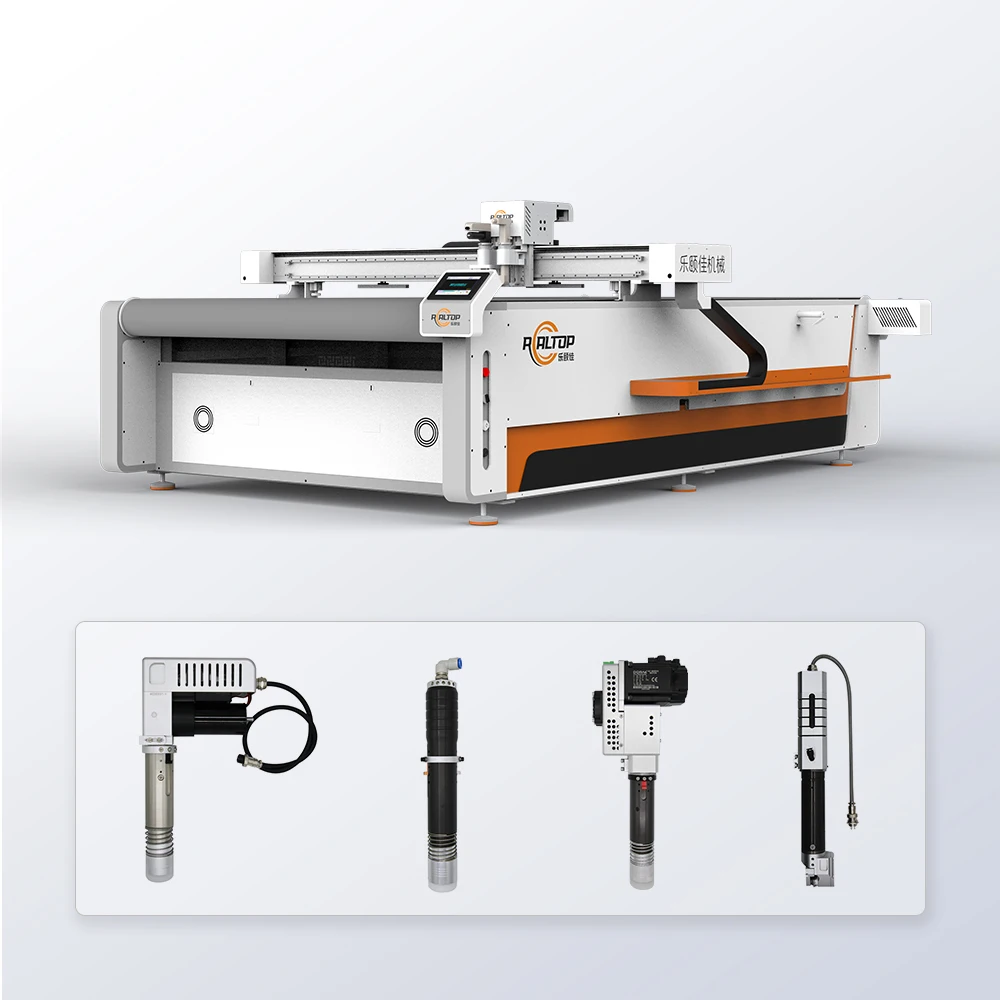
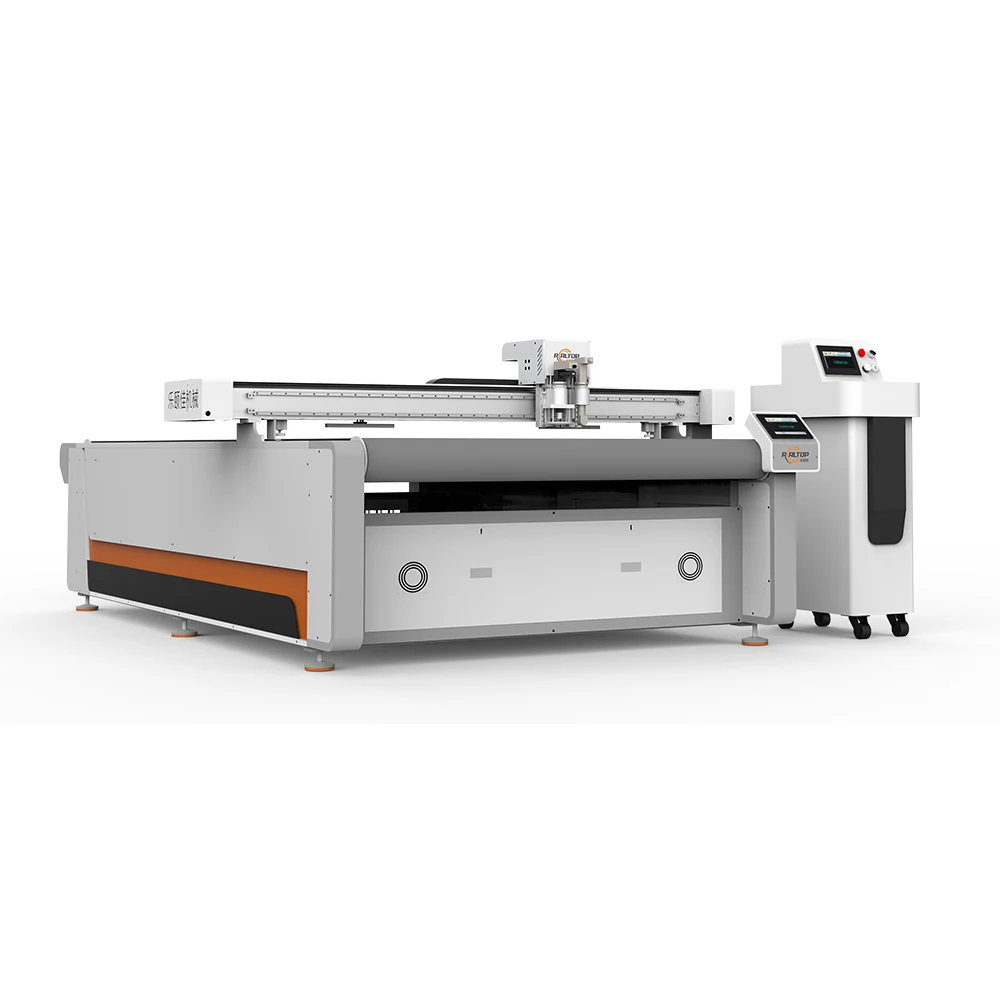
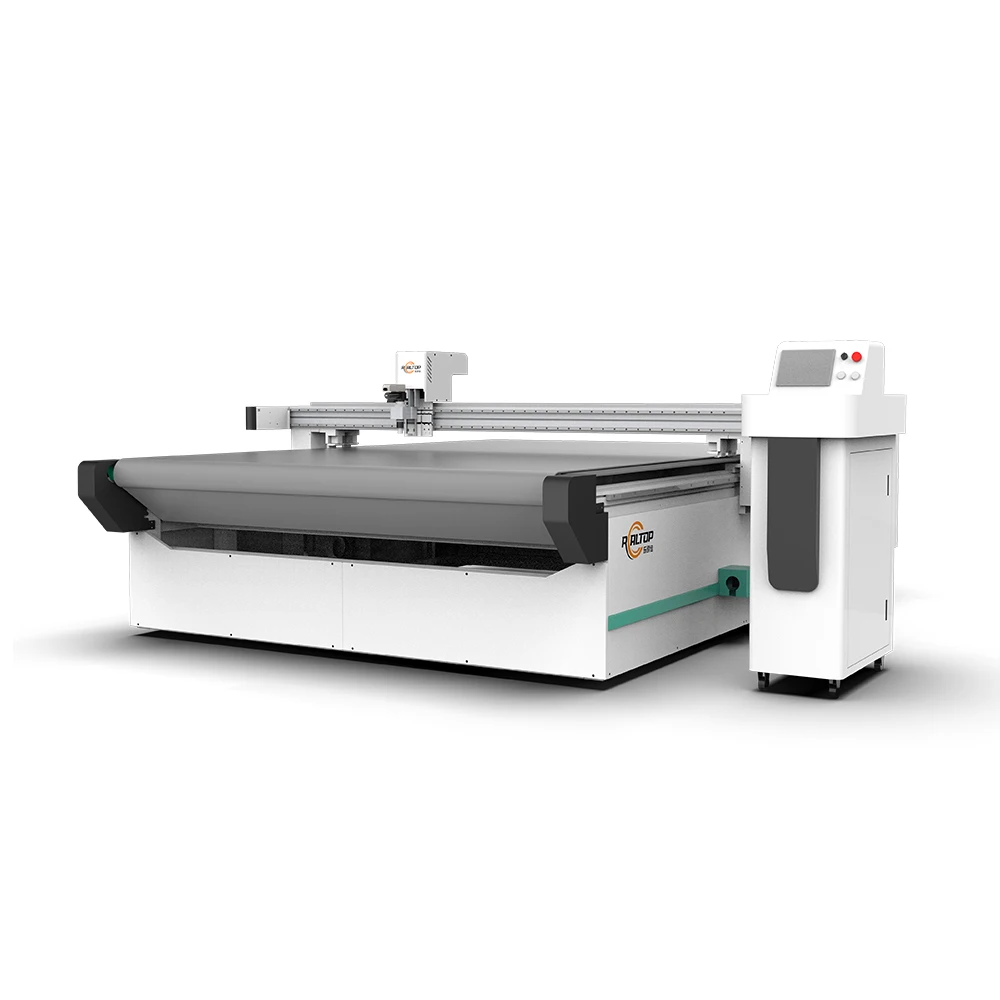
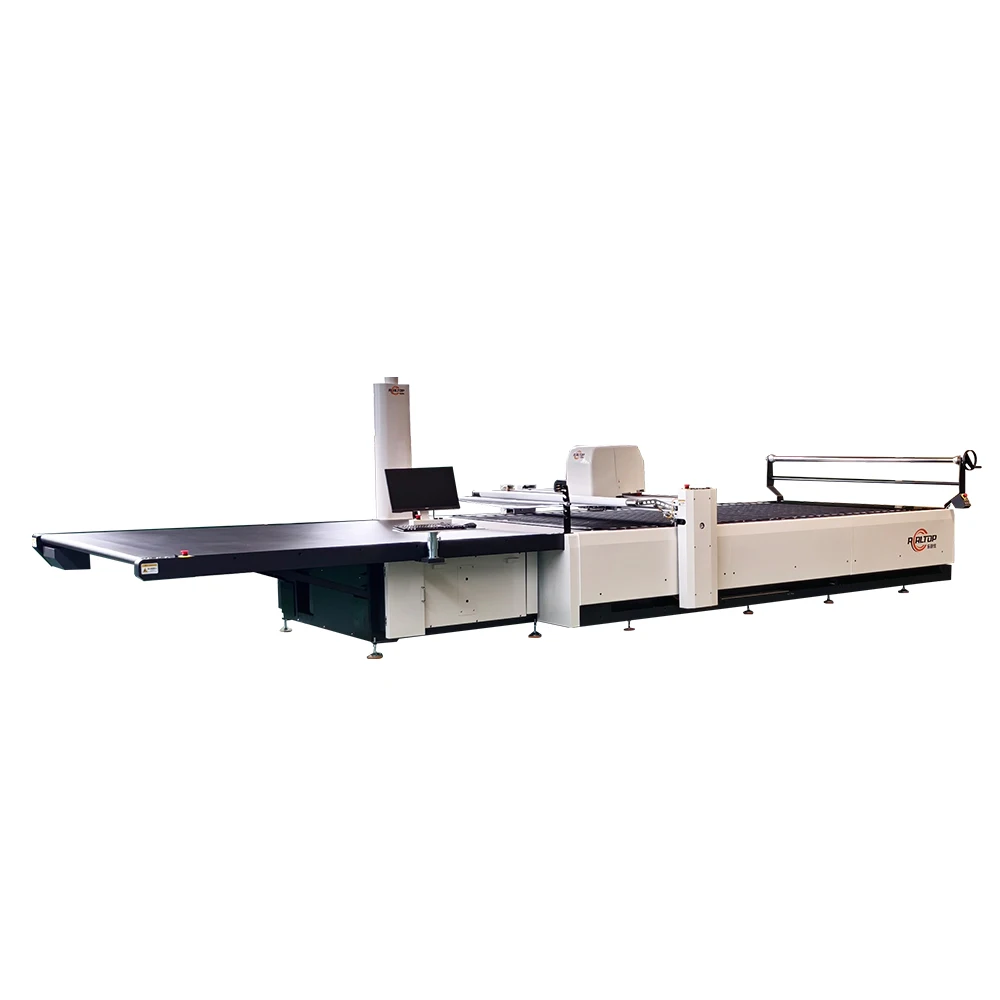
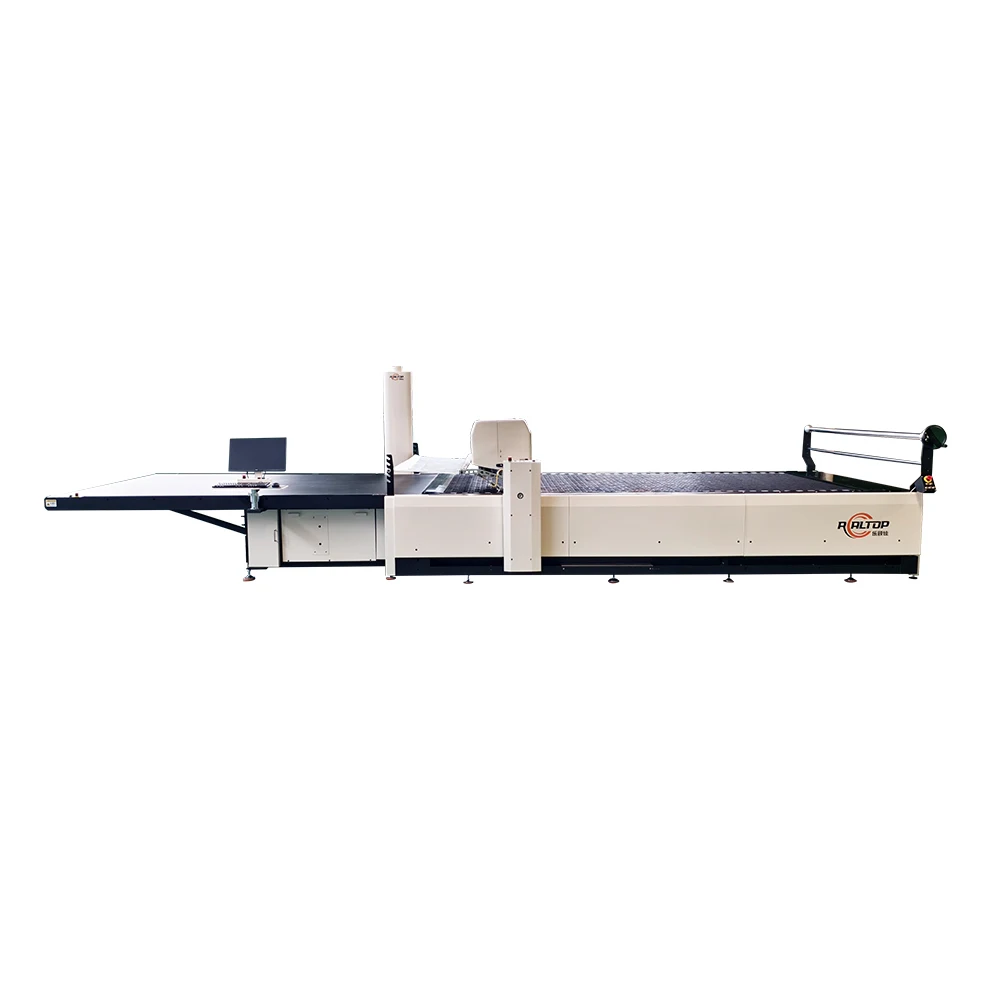
Tool Head Versatility — Seven interchangeable cutting heads on a single 1600×2500 mm table let buyers match oscillating knife, driven rotary knife, creasing wheel, or milling tools to their exact material before committing to a method.
Technical Specifications
| Parameter | Value |
|---|---|
| Model | 1625 |
| Product Type | CNC Oscillating Knife Cutting Machine |
| Working Area | 1600 × 2500 mm |
| Tool Head Options | Oscillating knife, Driven rotary knife, Creasing wheel, Kiss cutting tool, Pneumatic knife, Milling tool, V groove knife |
| Cutting Speed Range | 0 – 2000 mm/s |
| Maximum Cutting Thickness | ≤ 30 mm |
| Cutting Accuracy | ±0.1 mm |
| Vacuum Pump Power | 9 kW |
| Vacuum Table | Aluminum bellows vacuum table (zone count to be confirmed) |
| Voltage Options | 110V / 220V / 380V (frequency 50 Hz or 60 Hz to be confirmed) |
| Supported File Formats | PLT, DXF, AI, PDF |
| Control System | PLC control panel (brand/model to be confirmed) |
| Servo Motor Options | Panasonic, Delta, Dorna (standard configuration to be confirmed) |
| Safety Devices | Infrared sensor device, emergency stop device |
| Language Options | English, Russian, Italian, Chinese (customizable) |
| Machine Dimensions | 3300 × 2100 × 1350 mm |
| Certification | CE |
Application Suitability
| Application | Material or Output |
|---|---|
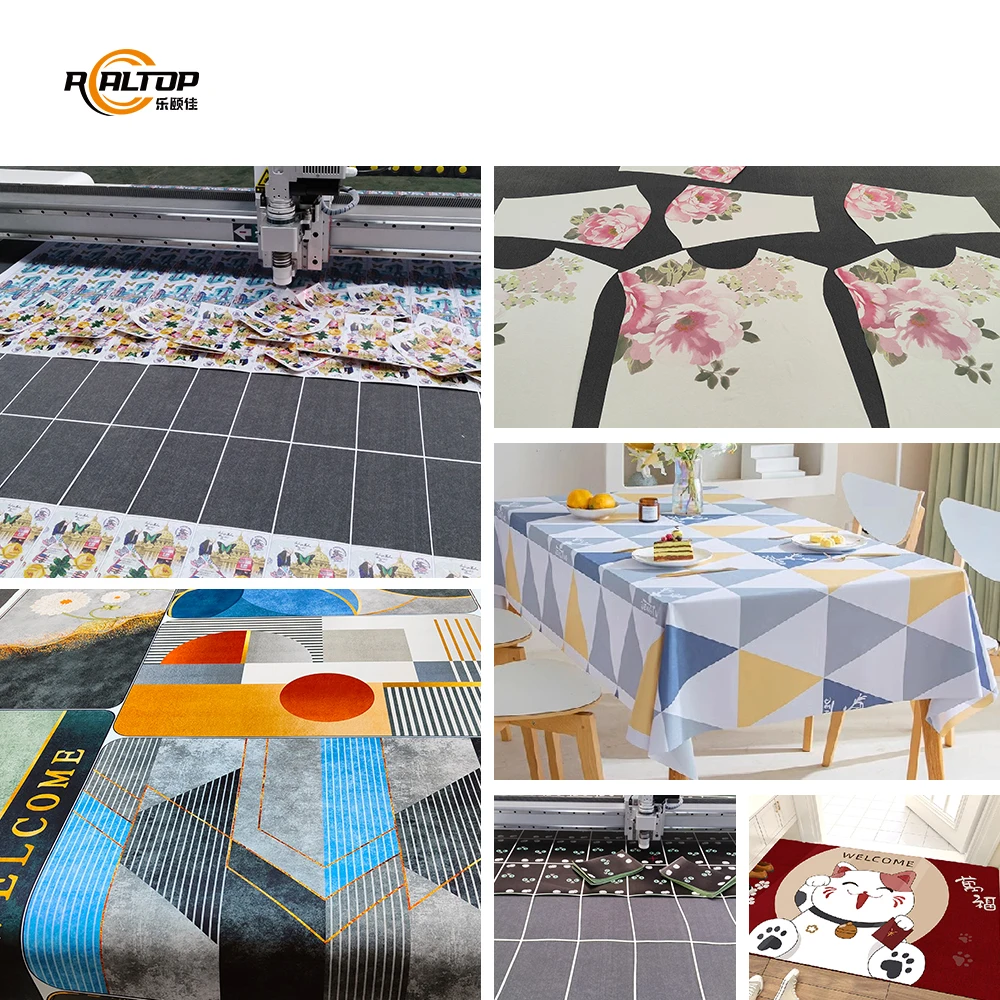
| Apparel and protective wear | Nonwoven isolation gowns, suits, knitwear, lace, complex pattern fabrics |
| Automotive interior trimming | Seat fabrics, carpets, PVC mats |
| Home textile production | Sofa fabrics, curtains, rugs, multi-layer fabric layups |
| Composite material processing | Carbon fiber prepreg, aramid sheets, specialty laminates |
| Footwear and leather goods | Leather hides, synthetic uppers, insole boards |
| Packaging sample making | Corrugated cardboard, carton, foam inserts |
| Signage and advertising | Vinyl, flexible banner material, board |
Why the "Working Area Only" Specification Fails on the Shop Floor
A flatbed cutter chosen solely on table size often hits a wall when the actual material thickness exceeds what the configured tool head can handle. The 1625 CNC oscillating knife cutting machine addresses this by coupling a stated 30 mm cutting ceiling with seven swappable tool heads. In my experience walking through workshops in the Yangtze River Delta, I have watched isolation gown lines stall because the knife spec on paper could not penetrate PE-laminated nonwoven at production speed. Ragged edges, crushed foam cores, and delaminated composites all trace back to a tool head that was never matched to the real stock. When buyers request sample cutting on their own roll or sheet before the order is finalized, these mismatches surface in the test report rather than on a Monday morning production run [NEED_CITE: material thickness versus oscillating knife stroke limitations].
Comparing Knife and Laser Across the Full Cutting Portfolio
The 1625 occupies the knife-cutting segment of a broader equipment range that also includes CO2 and fiber laser systems. For fabric, nonwoven, leather, foam, and gasket materials up to 30 mm thick, a CNC oscillating knife cutting machine delivers clean mechanical cuts without the thermal edge sealing or discoloration that a laser produces on synthetics. Buyers surveying options can weigh knife versus laser by examining how each method handles their specific material — a woven aramid may require a clean oscillating slice, while an acrylic signage blank may benefit from a laser’s sealed edge.
Matching Tool Heads to Real Production Materials
Each of the seven available tool heads targets a different material behavior. The oscillating knife handles woven and nonwoven textiles with a high-frequency vertical stroke that prevents fraying. The driven rotary knife suits continuous-grain leather and thicker PVC sheets where a dragged blade would pull the surface. The creasing wheel scores carton and corrugated board for folding without cutting through, while the kiss cutting tool penetrates vinyl face stock without damaging the release liner. The pneumatic knife, milling tool, and V groove knife extend coverage into foam, rubber, and PTFE respectively. Selecting the correct head is not a catalogue exercise — it requires running a sample on the buyer’s actual stock at production speed.
Reading the Specifications Against Your Material Stack
The ±0.1 mm cutting accuracy matters most when garment patterns or composite layups must nest tightly to maximize yield from expensive fabric rolls or prepreg sheets. The 0–2000 mm/s speed range lets the operator slow down for intricate lace contours and open up for long straight cuts on automotive carpet. The 9 kW vacuum pump paired with the aluminum bellows table holds flexible materials flat, though the zoning configuration should be confirmed against the smallest part in your nesting layout — small cut pieces can lift without adequate zone coverage. File format support for PLT, DXF, AI, and PDF means most existing design and nesting software outputs will import directly, but verifying compatibility with your specific CAM workflow before shipment avoids costly file-conversion workarounds [NEED_CITE: file format compatibility in digital cutting workflows].
The Hidden Cost of Unconfirmed Configuration Choices
When voltage and plug type are not locked in before the machine ships, a 380V unit arriving at a facility wired for 220V single-phase sits idle while transformers are sourced. Control panel language set to a default the operators cannot read slows training and invites incorrect parameter changes. A vacuum table with too few zones forces operators to tape down small parts by hand, defeating the throughput advantage of the machine. These are not rare edge cases — they appear regularly in import inspection reports and post-delivery support tickets [NEED_CITE: CE machinery directive requirements for industrial equipment].
Why Sourcing This Range Here Reduces Spec Risk
In-house design covers both knife and laser platforms, so a buyer evaluating the 1625 can compare it directly against a laser alternative for the same material rather than being locked into one cutting method. Tool head and table configurations are specified per material sample, not pulled from a default package. CCD camera positioning is available for printed contour work when the application requires it. Software compatibility is confirmed against the buyer’s file format before the order enters production. Voltage, language, and safety specifications are documented and agreed before shipment, not discovered on delivery day. Sample cutting on the buyer’s own material generates a test report that accompanies the machine specification sheet, giving the purchasing team a documented baseline.
Documentation & Verification
- Machine specification sheet confirming 1600×2500 mm working area and cutting thickness by material
- Tool head and table configuration list matched to your tested sample
- Electrical schematic and voltage confirmation for your facility’s supply
- Sample cutting report on your nonwoven, fabric, or foam stock
- Factory test record before dispatch with your approved tool head installed
- Software licence and file format compatibility note for PLT, DXF, AI, PDF
Installation, Commissioning & Support
- Floor space of approximately 3300×2100 mm plus operator access clearance required
- Dedicated electrical circuit matching confirmed voltage (110V/220V/380V) and frequency
- Machine arrives as a single frame assembly requiring vacuum pump and tool head connection
- First-run parameter tuning on your material included in commissioning scope
- Operator training on PLC control panel in your selected language option
- Spare parts list covering blades, creasing wheels, and vacuum table consumables
Preparing Your Inquiry for Accurate Quotation
To receive a configuration that fits your line, include the material type, maximum thickness, and typical sheet or roll width you process daily. Note your facility voltage and frequency, preferred control language, and whether your nesting software outputs PLT, DXF, AI, or PDF. If your stock includes PE-laminated or composite layers, state that explicitly — it changes the tool head recommendation.
Frequently Asked Questions
Q: Knife cutting or laser cutting — which method fits my nonwoven isolation gown material?
A: For PE-laminated nonwoven and most medical textiles, an oscillating knife avoids the thermal edge sealing a laser produces, which can stiffen seams. Laser suits applications needing sealed edges on synthetics. Requesting sample cuts on your exact roll stock with both methods provides a side-by-side comparison before you commit.
Q: How do I choose the correct tool head for my material thickness and type?
A: Each of the seven tool heads targets a different material behavior — oscillating knife for woven and nonwoven fabric, driven rotary knife for leather, creasing wheel for carton. The right choice depends on your stock density, thickness up to 30 mm, and edge finish requirement. A sample cut on your material confirms the match.
Q: What electrical and language details must I confirm before the machine ships?
A: Voltage (110V, 220V, or 380V), frequency (50 Hz or 60 Hz), plug type, and control panel language (English, Russian, Italian, Chinese, or custom) must all be agreed in writing before production. Changing these after shipment requires costly rewiring or controller reprogramming that delays installation.
Q: Will the software accept files from my existing nesting and design workflow?
A: The system supports PLT, DXF, AI, and PDF formats, which covers most major nesting and CAD platforms. Before ordering, share a sample file from your current software so compatibility can be verified and any import adjustments documented in the software licence note that ships with the machine.
Tool Head Versatility — Seven interchangeable cutting heads on a single 1600×2500 mm table let buyers match oscillating knife, driven rotary knife, creasing wheel, or milling tools to their exact material before committing to a method.
Technical Specifications
| Parameter | Value |
|---|---|
| Model | 1625 |
| Product Type | CNC Oscillating Knife Cutting Machine |
| Working Area | 1600 × 2500 mm |
| Tool Head Options | Oscillating knife, Driven rotary knife, Creasing wheel, Kiss cutting tool, Pneumatic knife, Milling tool, V groove knife |
| Cutting Speed Range | 0 – 2000 mm/s |
| Maximum Cutting Thickness | ≤ 30 mm |
| Cutting Accuracy | ±0.1 mm |
| Vacuum Pump Power | 9 kW |
| Vacuum Table | Aluminum bellows vacuum table (zone count to be confirmed) |
| Voltage Options | 110V / 220V / 380V (frequency 50 Hz or 60 Hz to be confirmed) |
| Supported File Formats | PLT, DXF, AI, PDF |
| Control System | PLC control panel (brand/model to be confirmed) |
| Servo Motor Options | Panasonic, Delta, Dorna (standard configuration to be confirmed) |
| Safety Devices | Infrared sensor device, emergency stop device |
| Language Options | English, Russian, Italian, Chinese (customizable) |
| Machine Dimensions | 3300 × 2100 × 1350 mm |
| Certification | CE |
Application Suitability
| Application | Material or Output |
|---|---|
| Apparel and protective wear | Nonwoven isolation gowns, suits, knitwear, lace, complex pattern fabrics |
| Automotive interior trimming | Seat fabrics, carpets, PVC mats |
| Home textile production | Sofa fabrics, curtains, rugs, multi-layer fabric layups |
| Composite material processing | Carbon fiber prepreg, aramid sheets, specialty laminates |
| Footwear and leather goods | Leather hides, synthetic uppers, insole boards |
| Packaging sample making | Corrugated cardboard, carton, foam inserts |
| Signage and advertising | Vinyl, flexible banner material, board |
Why the "Working Area Only" Specification Fails on the Shop Floor
A flatbed cutter chosen solely on table size often hits a wall when the actual material thickness exceeds what the configured tool head can handle. The 1625 CNC oscillating knife cutting machine addresses this by coupling a stated 30 mm cutting ceiling with seven swappable tool heads. In my experience walking through workshops in the Yangtze River Delta, I have watched isolation gown lines stall because the knife spec on paper could not penetrate PE-laminated nonwoven at production speed. Ragged edges, crushed foam cores, and delaminated composites all trace back to a tool head that was never matched to the real stock. When buyers request sample cutting on their own roll or sheet before the order is finalized, these mismatches surface in the test report rather than on a Monday morning production run [NEED_CITE: material thickness versus oscillating knife stroke limitations].
Comparing Knife and Laser Across the Full Cutting Portfolio
The 1625 occupies the knife-cutting segment of a broader equipment range that also includes CO2 and fiber laser systems. For fabric, nonwoven, leather, foam, and gasket materials up to 30 mm thick, a CNC oscillating knife cutting machine delivers clean mechanical cuts without the thermal edge sealing or discoloration that a laser produces on synthetics. Buyers surveying options can weigh knife versus laser by examining how each method handles their specific material — a woven aramid may require a clean oscillating slice, while an acrylic signage blank may benefit from a laser’s sealed edge.
Matching Tool Heads to Real Production Materials
Each of the seven available tool heads targets a different material behavior. The oscillating knife handles woven and nonwoven textiles with a high-frequency vertical stroke that prevents fraying. The driven rotary knife suits continuous-grain leather and thicker PVC sheets where a dragged blade would pull the surface. The creasing wheel scores carton and corrugated board for folding without cutting through, while the kiss cutting tool penetrates vinyl face stock without damaging the release liner. The pneumatic knife, milling tool, and V groove knife extend coverage into foam, rubber, and PTFE respectively. Selecting the correct head is not a catalogue exercise — it requires running a sample on the buyer’s actual stock at production speed.
Reading the Specifications Against Your Material Stack
The ±0.1 mm cutting accuracy matters most when garment patterns or composite layups must nest tightly to maximize yield from expensive fabric rolls or prepreg sheets. The 0–2000 mm/s speed range lets the operator slow down for intricate lace contours and open up for long straight cuts on automotive carpet. The 9 kW vacuum pump paired with the aluminum bellows table holds flexible materials flat, though the zoning configuration should be confirmed against the smallest part in your nesting layout — small cut pieces can lift without adequate zone coverage. File format support for PLT, DXF, AI, and PDF means most existing design and nesting software outputs will import directly, but verifying compatibility with your specific CAM workflow before shipment avoids costly file-conversion workarounds [NEED_CITE: file format compatibility in digital cutting workflows].
The Hidden Cost of Unconfirmed Configuration Choices
When voltage and plug type are not locked in before the machine ships, a 380V unit arriving at a facility wired for 220V single-phase sits idle while transformers are sourced. Control panel language set to a default the operators cannot read slows training and invites incorrect parameter changes. A vacuum table with too few zones forces operators to tape down small parts by hand, defeating the throughput advantage of the machine. These are not rare edge cases — they appear regularly in import inspection reports and post-delivery support tickets [NEED_CITE: CE machinery directive requirements for industrial equipment].
Why Sourcing This Range Here Reduces Spec Risk
In-house design covers both knife and laser platforms, so a buyer evaluating the 1625 can compare it directly against a laser alternative for the same material rather than being locked into one cutting method. Tool head and table configurations are specified per material sample, not pulled from a default package. CCD camera positioning is available for printed contour work when the application requires it. Software compatibility is confirmed against the buyer’s file format before the order enters production. Voltage, language, and safety specifications are documented and agreed before shipment, not discovered on delivery day. Sample cutting on the buyer’s own material generates a test report that accompanies the machine specification sheet, giving the purchasing team a documented baseline.
Documentation & Verification
- Machine specification sheet confirming 1600×2500 mm working area and cutting thickness by material
- Tool head and table configuration list matched to your tested sample
- Electrical schematic and voltage confirmation for your facility’s supply
- Sample cutting report on your nonwoven, fabric, or foam stock
- Factory test record before dispatch with your approved tool head installed
- Software licence and file format compatibility note for PLT, DXF, AI, PDF
Installation, Commissioning & Support
- Floor space of approximately 3300×2100 mm plus operator access clearance required
- Dedicated electrical circuit matching confirmed voltage (110V/220V/380V) and frequency
- Machine arrives as a single frame assembly requiring vacuum pump and tool head connection
- First-run parameter tuning on your material included in commissioning scope
- Operator training on PLC control panel in your selected language option
- Spare parts list covering blades, creasing wheels, and vacuum table consumables
Preparing Your Inquiry for Accurate Quotation
To receive a configuration that fits your line, include the material type, maximum thickness, and typical sheet or roll width you process daily. Note your facility voltage and frequency, preferred control language, and whether your nesting software outputs PLT, DXF, AI, or PDF. If your stock includes PE-laminated or composite layers, state that explicitly — it changes the tool head recommendation.
Frequently Asked Questions
Q: Knife cutting or laser cutting — which method fits my nonwoven isolation gown material?
A: For PE-laminated nonwoven and most medical textiles, an oscillating knife avoids the thermal edge sealing a laser produces, which can stiffen seams. Laser suits applications needing sealed edges on synthetics. Requesting sample cuts on your exact roll stock with both methods provides a side-by-side comparison before you commit.
Q: How do I choose the correct tool head for my material thickness and type?
A: Each of the seven tool heads targets a different material behavior — oscillating knife for woven and nonwoven fabric, driven rotary knife for leather, creasing wheel for carton. The right choice depends on your stock density, thickness up to 30 mm, and edge finish requirement. A sample cut on your material confirms the match.
Q: What electrical and language details must I confirm before the machine ships?
A: Voltage (110V, 220V, or 380V), frequency (50 Hz or 60 Hz), plug type, and control panel language (English, Russian, Italian, Chinese, or custom) must all be agreed in writing before production. Changing these after shipment requires costly rewiring or controller reprogramming that delays installation.
Q: Will the software accept files from my existing nesting and design workflow?
A: The system supports PLT, DXF, AI, and PDF formats, which covers most major nesting and CAD platforms. Before ordering, share a sample file from your current software so compatibility can be verified and any import adjustments documented in the software licence note that ships with the machine.










商品评价
There are no reviews yet.