

Fast Delivery
Quick, reliable shipping to any location.

Free & easy returns
Return this item by mail or in store within 90 days for a full refund.
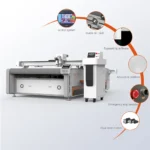
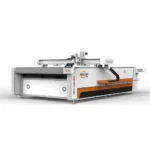
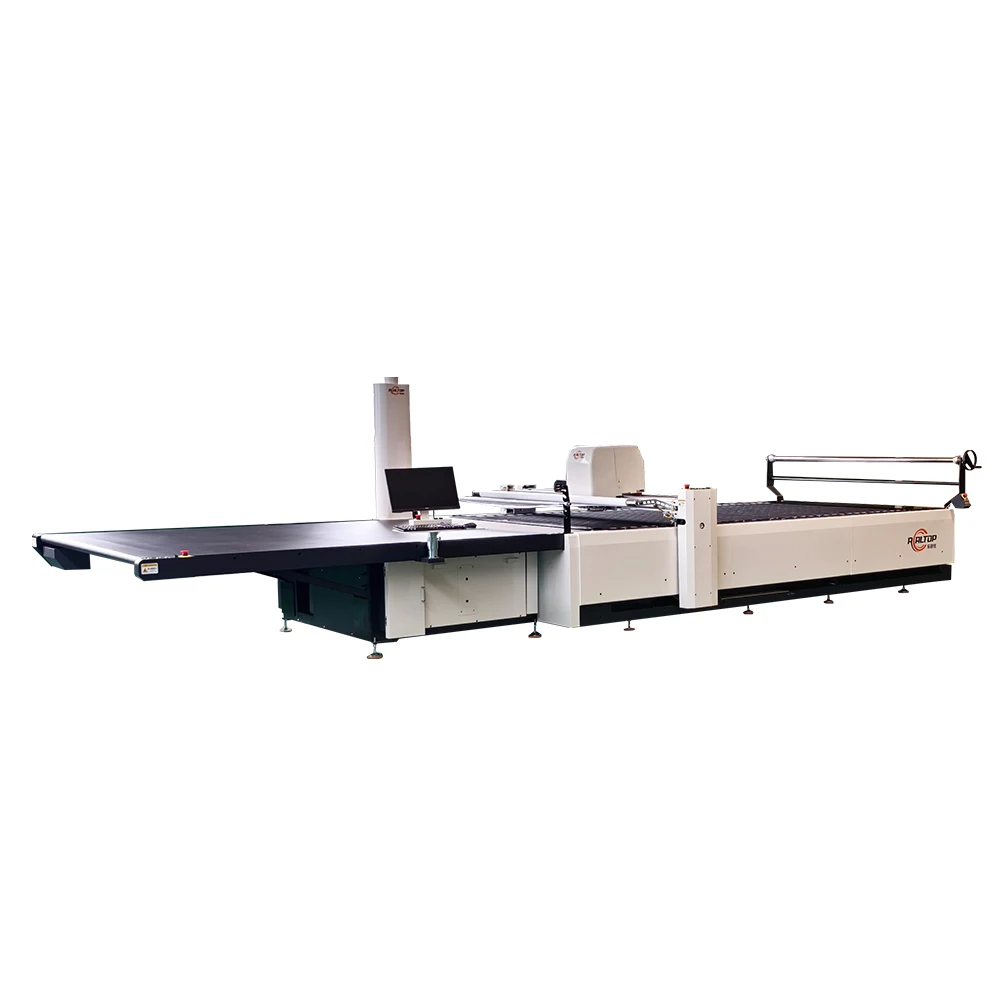
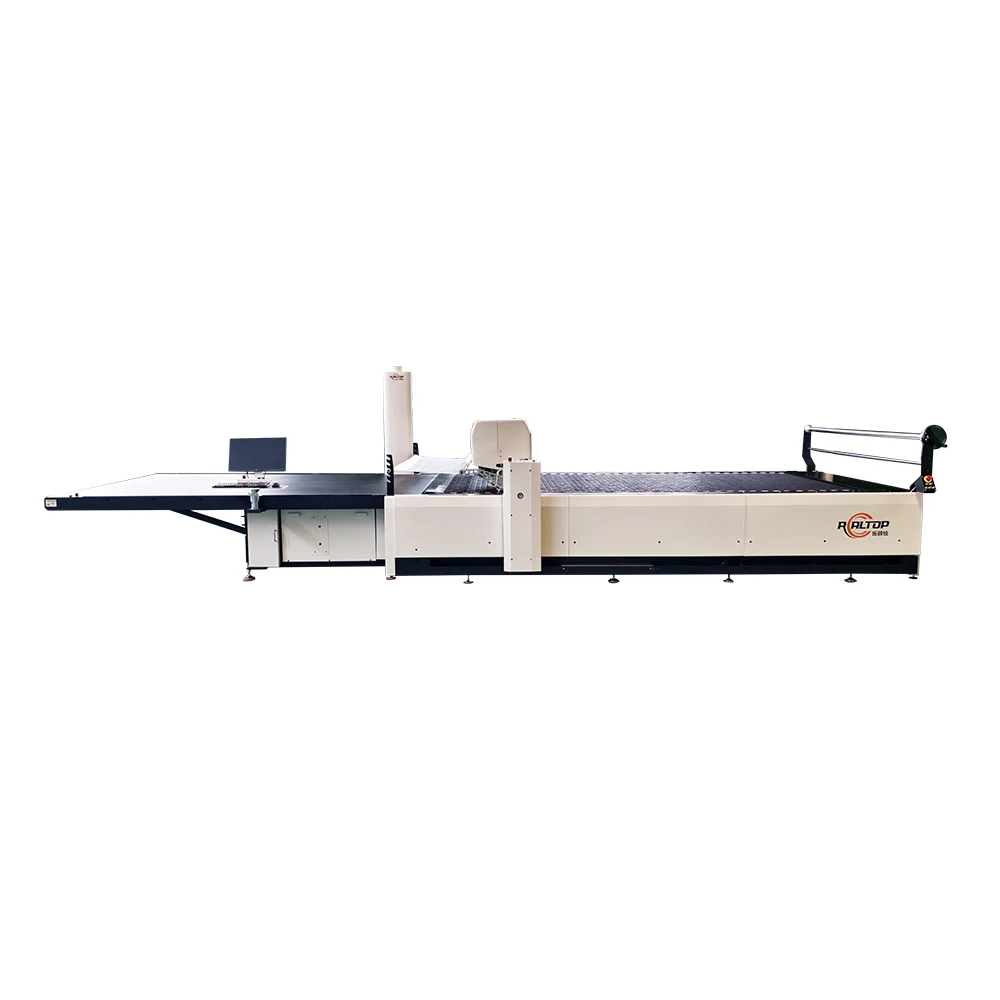
Complete Catalogue Focus — Our multi-layer CNC oscillating knife cutting systems cover both knife and laser methods, mapping each configuration to the materials and volumes it actually handles rather than forcing one approach.
Technical Specifications
| Parameter | Value |
|---|---|
| Product Type | Multi-Layer CNC Oscillating Knife Cutting Machine |
| Working Area Options | 2000×1700mm / 2000×1900mm / 3300×2300mm |
| Max Operating Speed | 80 m/min |
| Average Cutting Speed | 12 m/min |
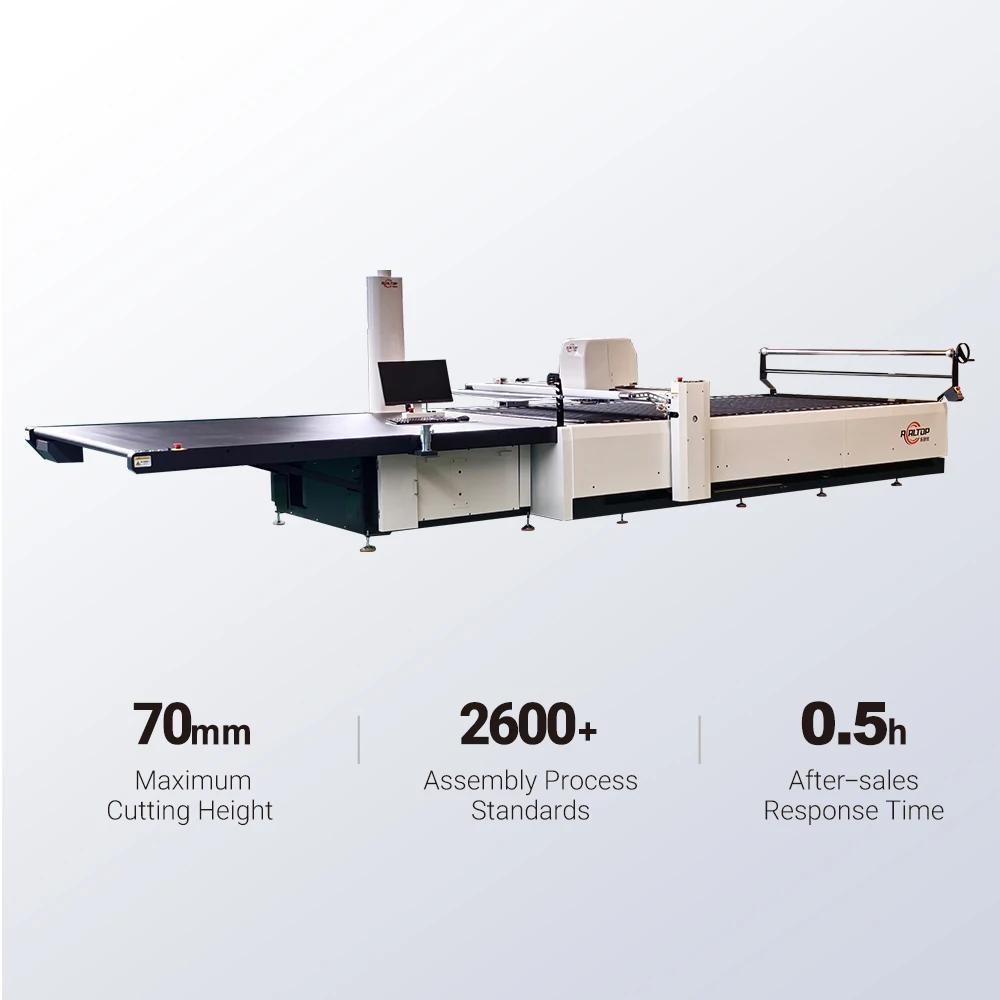
| Cutting Thickness | Up to 70 mm (after vacuum adsorption) |
| Voltage & Frequency | 380V / 50Hz |
| Rated Power | 26 kW |
| Air Flow Requirement | 160 L/min |
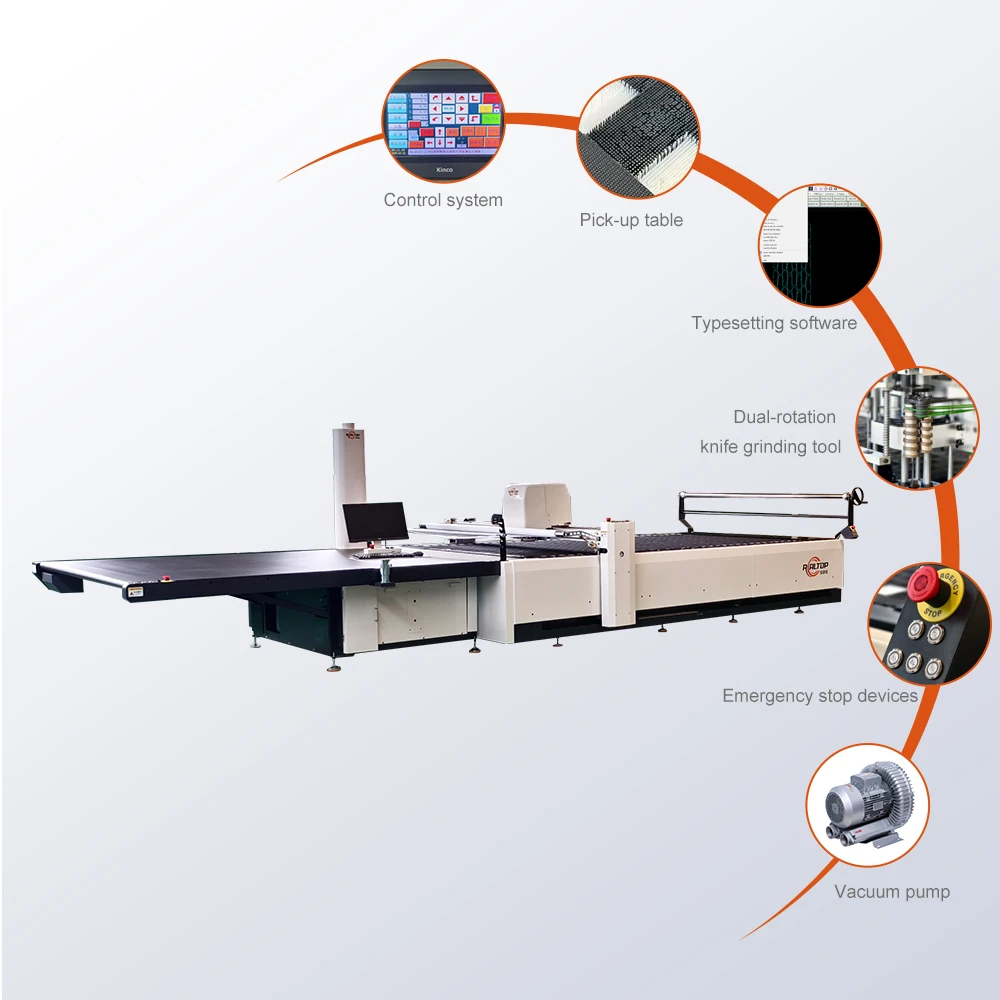
| Blade Grinding Method | Double rotary sharpener |
| Control System | PLC control panel with intuitive interface |
| Vacuum Table | Aluminum bellows vacuum table |
| Servo Drive Options | Panasonic, Delta, or Dorna |
| Software Compatibility | DXF / PLT / AI / PDF |
| Repeat Positioning Accuracy | ±0.1 mm |
| Machine Frame | Heavy-duty frame with precision-ground surface |
| Vacuum Pump | Custom high-efficiency, aerospace-grade aluminum cast |
| Language Options | English, Russian, Italian, Chinese (customizable) |
| Certification | CE |
Application Suitability
| Application | Material or Output |
|---|---|
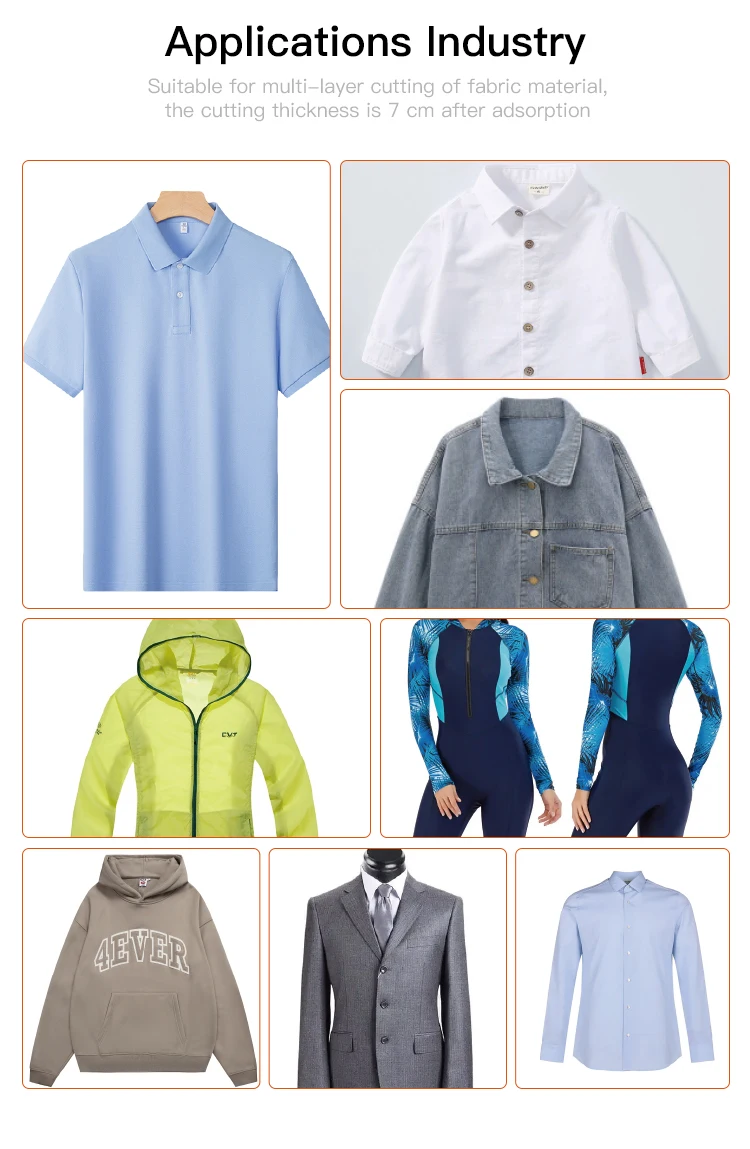
| High-volume denim production | Multi-layer jeans fabric up to 70 mm compressed thickness |
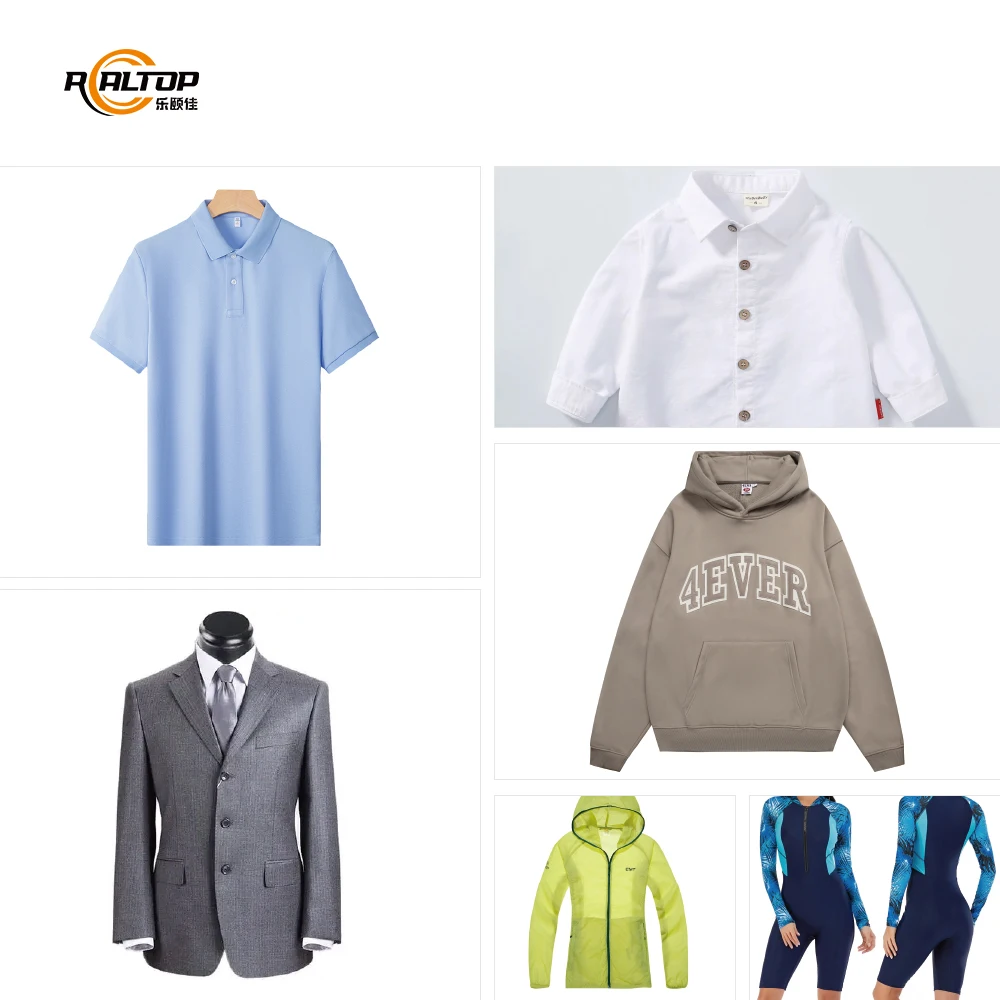
| Garment manufacturing | Suits, knitwear, lace, and complex pattern-matching fabrics |
| Home textile processing | Sofa fabrics, curtains, and rugs in large-format sheets |
| Flexible textile cutting | Knits, wovens, and plush materials in the 0.1–70 mm range |
| Sampling and prototyping | Short-run fabric cutting with rapid file-to-cut workflow |
Why Material Thickness Breaks Machines Specified on Working Area Alone
Matching cutting capacity to actual compressed layer height prevents the most common production-line failure in fabric cutting.
A multi-layer CNC fabric cutting machine manufacturer often quotes working area first, leaving cutting thickness as an afterthought. I have watched lines go silent when high-elasticity denim loaded onto the table and the knife started dragging through layers that exceeded the vacuum hold-down limit. The fabric shifted mid-cut, edges frayed, and the operator had to stop and re-nest [NEED_CITE: vacuum adsorption limits on multi-layer textile cutting]. Specifying compressed thickness after vacuum adsorption — up to 70 mm on this platform — gives you a real boundary, not a catalogue number that fails on the first lay-up of stretch material.
How the Full Equipment Range Informs Your Choice
Choosing between knife and laser is not a preference call; it is a material decision. Denim, knits, and woven textiles respond differently to each method. The oscillating knife handles compressed multi-layer stacks cleanly without sealing edges, which matters when downstream sewing requires an open fiber edge. Buyers surveying the complete catalogue can compare knife versus laser performance across fabric families before committing to a single method. This is where a multi-layer CNC fabric cutting machine manufacturer that builds both technologies gives you an honest comparison rather than a single-technology pitch.
Knife Technology Depth Across Fabric Families
The oscillating knife head cuts through compressed denim stacks at an average speed of 12 m/min, maintaining edge integrity across layers [NEED_CITE: oscillating knife edge quality on woven versus knit fabrics]. For stretch materials like elastane-blend jeans fabric, the aluminum bellows vacuum table holds the full sheet flat, preventing the inter-layer shifting that ruins nested pattern pieces. The double rotary sharpener keeps the blade edge consistent through long production runs, so the hundredth cut matches the first.
Reading the Specs That Actually Matter on the Floor
Working area determines your maximum lay-up footprint, but cutting thickness after vacuum adsorption is the number that governs daily throughput. The 26 kW rated power supports the vacuum pump and servo drives simultaneously without voltage sag during continuous operation. Repeat positioning accuracy of ±0.1 mm ensures that pattern pieces cut in the morning still match those cut in the afternoon — critical when garment assembly depends on interlocking seam allowances. The PLC control panel with DXF/PLT/AI/PDF file import means your existing nesting software feeds directly into the machine without a middleware conversion step.
What Happens When Vacuum Zoning Is Underspecified
Small pattern pieces — pockets, collar stays, belt loops — lift off the table when vacuum zoning is too coarse for their footprint. The knife catches the lifted edge, pulls the fabric, and the entire nest shifts. I have seen operators try to solve this with masking tape over the lay-up, which works until the adhesive transfers onto premium denim [NEED_CITE: vacuum zoning requirements for small garment pattern pieces]. An aluminum bellows table with proper zoning holds small parts without surface contamination, keeping the fabric clean for the sewing line.
Why Buyers Choose This Equipment Range
In-house design and production across both knife and laser technologies means the cutting method is matched to your material, not forced by a single-product catalogue. Tool head and table configurations are specified per fabric type and production volume, so a denim producer gets a different setup than a lace cutter. CCD camera positioning is available for printed contour work when pattern matching is required. Software compatibility is confirmed against your existing file formats before the order is placed. Sample cutting on your own fabric before commitment shows you the actual edge quality on your material, not a generic demo swatch.
Documentation & Verification
- Machine specification sheet with working area, cutting thickness, and tool head confirmed per fabric type
- Sample cutting report produced on your own denim or knit material before order commitment
- Electrical schematic and 380V/50Hz voltage confirmation matched to your facility
- Software licence with DXF/PLT/AI/PDF file format compatibility note before shipment
- Factory test record documenting repeat positioning accuracy across the full cutting area
Installation, Commissioning & Support
- Heavy-duty frame requires a level concrete floor to maintain aluminum bellows vacuum table flatness
- 380V/50Hz dedicated circuit with 26 kW capacity, separate from lighting loads
- Machine ships in modular sections; working area up to 3300×2300mm requires overhead clearance for reassembly
- First-run parameter setting includes vacuum pressure calibration for your specific fabric stack height
- Operator training covers PLC panel navigation and language selection from available options
- Double rotary sharpener and oscillating knife blades included in initial spare parts set
Before You Request a Quote
Send us your fabric type, weight per square meter, and the number of layers you plan to cut in a single lay-up. Include your target daily output and the maximum sheet size your cutting room can accommodate. Let us know your local voltage and frequency so we confirm electrical compatibility before quoting.
Frequently Asked Questions
Q: Which cutting method — knife or laser — is better for multi-layer denim?
A: Oscillating knife is generally preferred for multi-layer denim because it cuts without sealing the fiber edges, which downstream sewing operations require to remain open. Laser cutting fuses synthetic blends and can leave a hardened edge on elastane-heavy denim. The choice depends on your specific fabric composition and sewing workflow.
Q: How do I match the working area to my fabric rolls and production volume?
A: Standard denim rolls typically lay flat within 2000 mm width, making the 2000×1900 mm table a common choice. For high-volume producers running multiple nests per shift, the 3300×2300 mm area reduces re-laying frequency. We confirm the best fit based on your roll width and daily layer count.
Q: What tool head options are available for different fabric types?
A: The oscillating knife head handles multi-layer denim, knits, and wovens. A drag knife suits single-ply vinyl and lightweight textiles. Creasing wheels and pen tools support pattern marking and sample making. We specify the tool head based on your material and send a sample cutting report before final order.
Q: How do I confirm my nesting software files will work with this machine?
A: The system accepts DXF, PLT, AI, and PDF formats natively. We ask you to send a sample file from your nesting workflow before order confirmation, then test import and cutting on our end. A file format compatibility note is included in your documentation package.
Q: What is the ordering process from first inquiry to shipment?
A: You provide material type, thickness, sheet size, and daily volume. We recommend a cutting method and configuration, then cut a sample on your fabric. After you approve, we issue a quotation with lead time, confirm voltage and software, produce and test the machine, and ship with manuals and spare parts.










商品评价
There are no reviews yet.