


Fast Delivery
Quick, reliable shipping to any location.

Free & easy returns
Return this item by mail or in store within 90 days for a full refund.
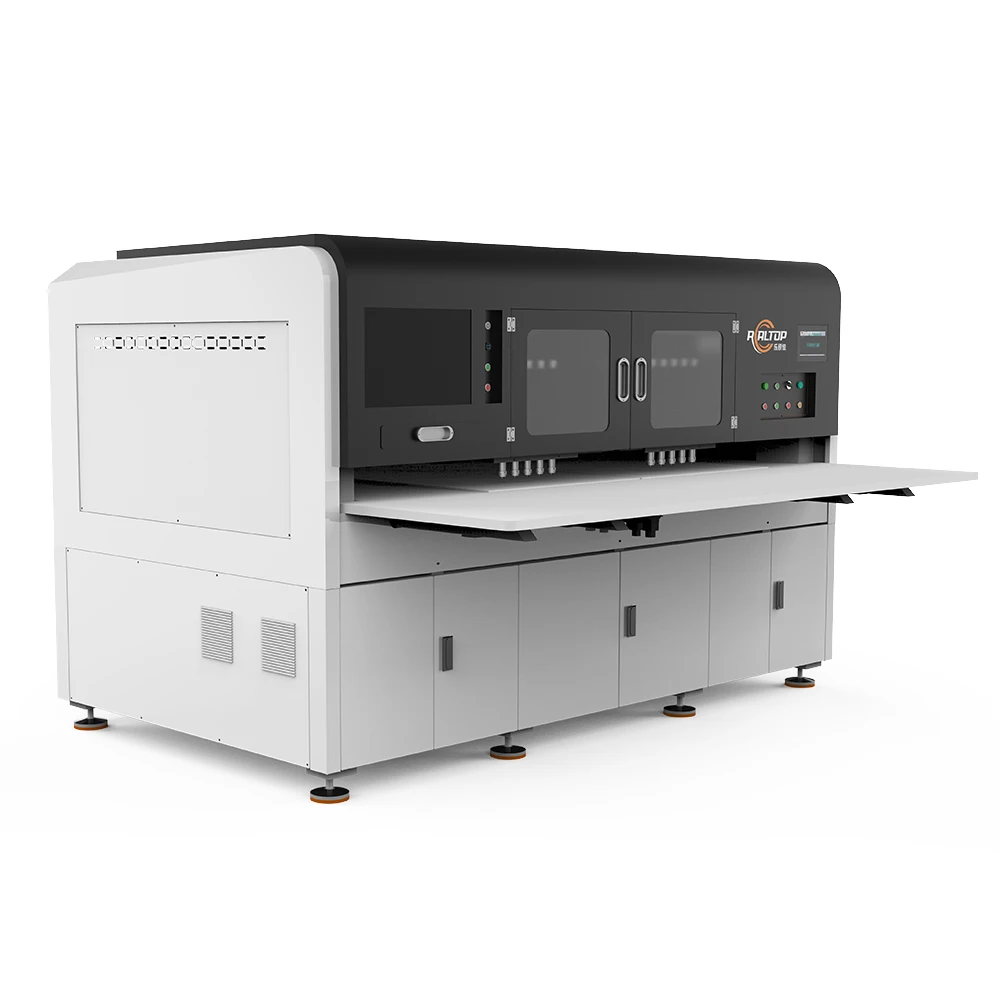
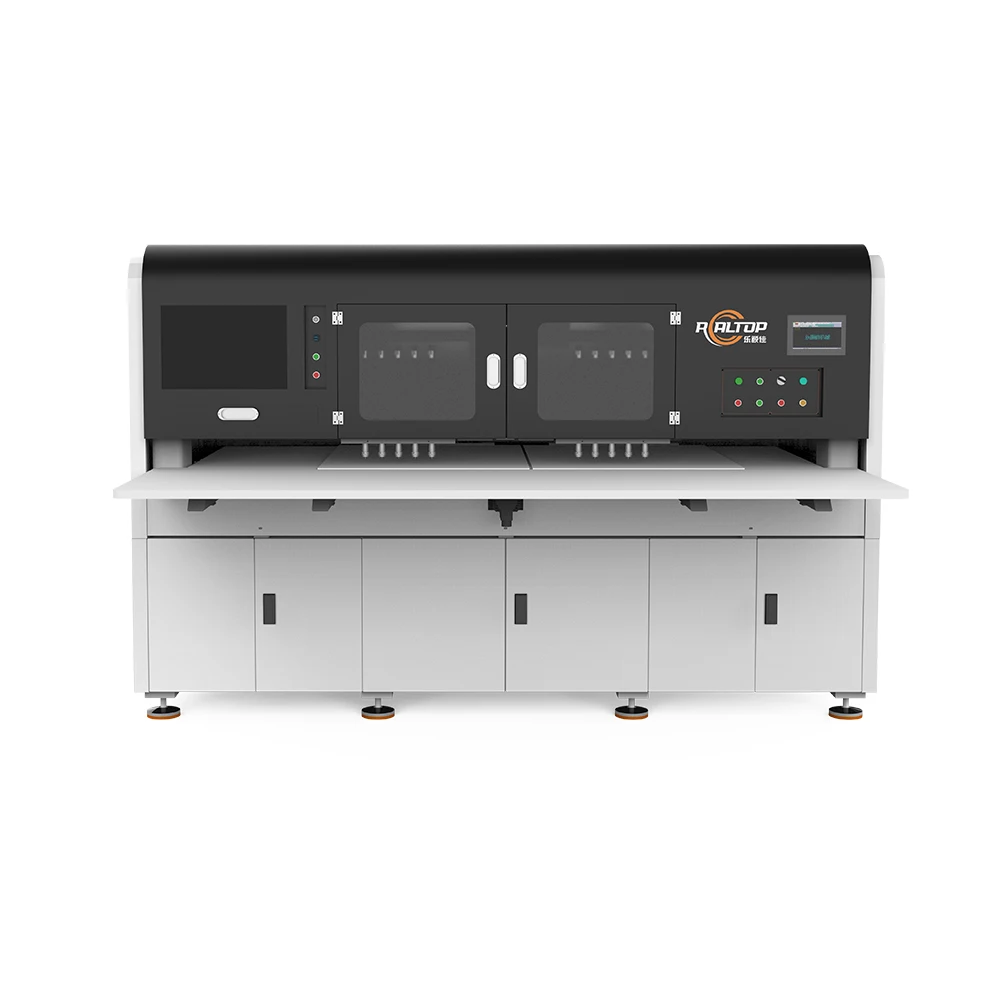
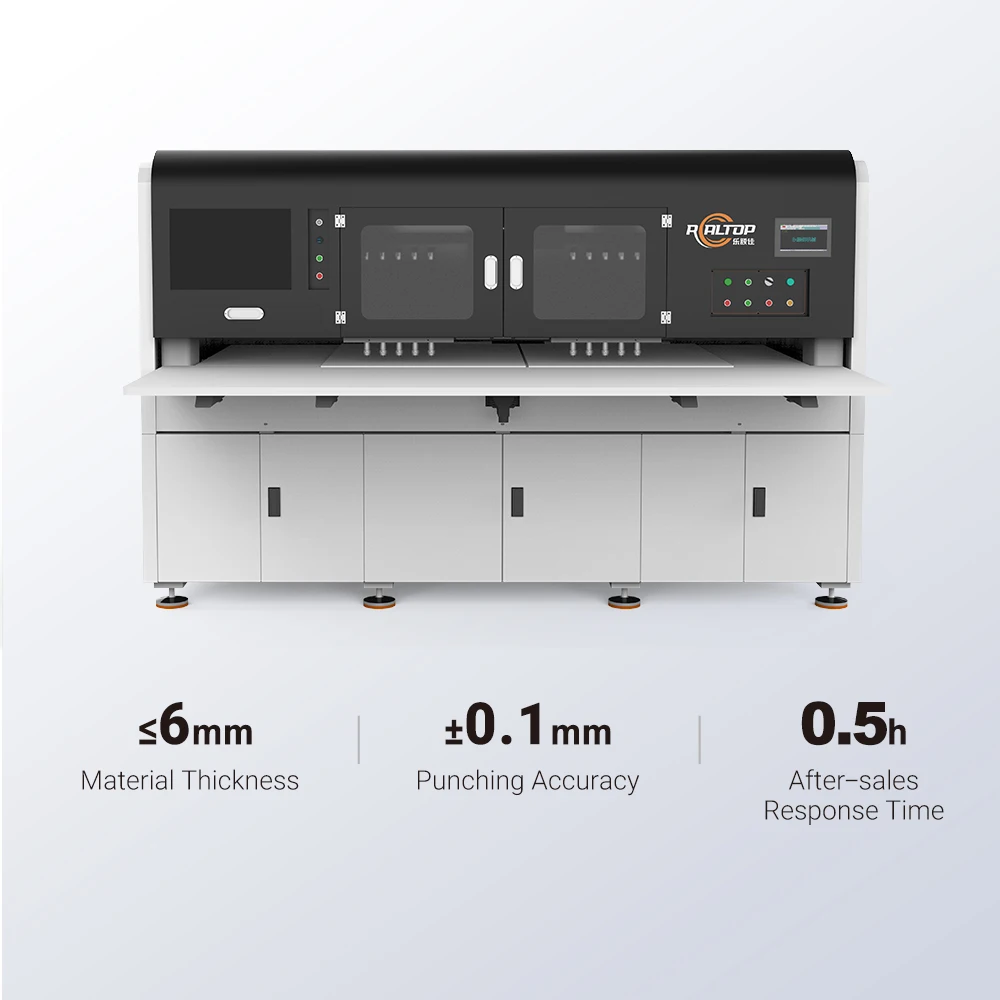
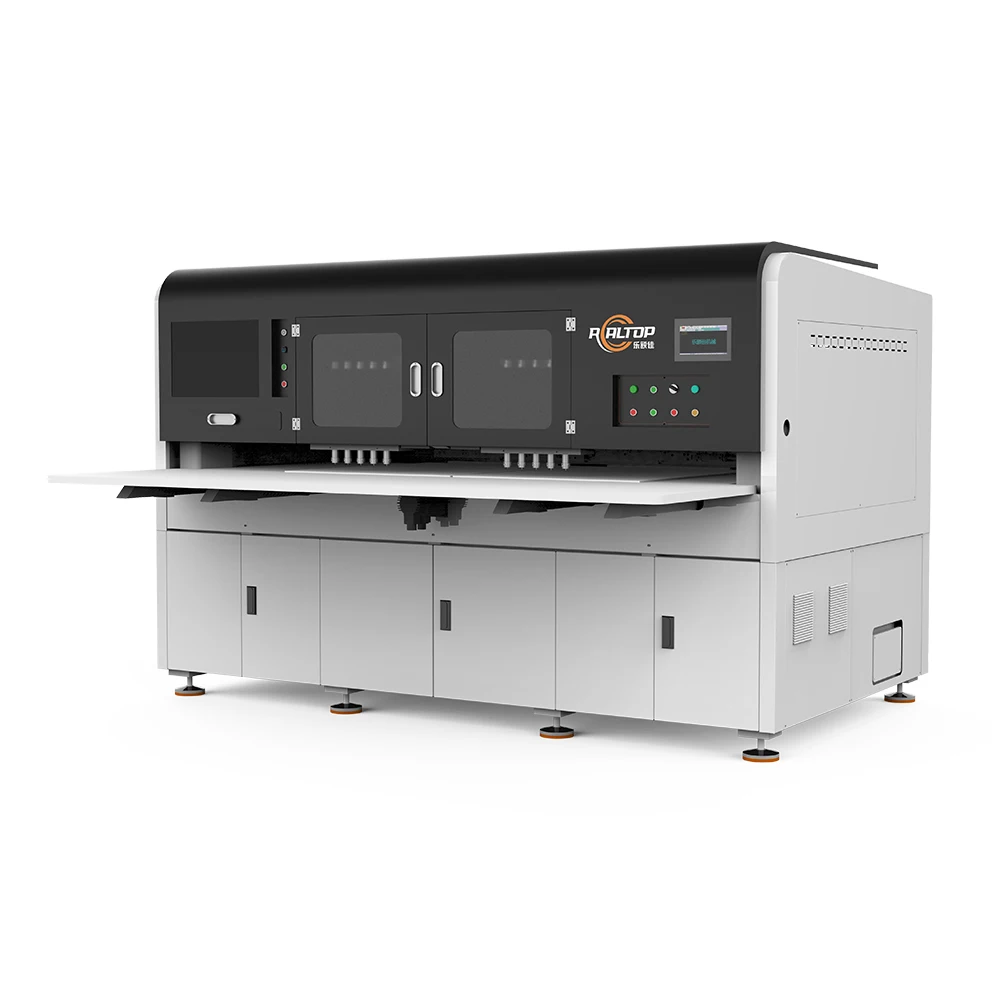
Precision-configured punching — every punch jig and air pressure setting matched to your leather thickness and pore pattern before the machine leaves the factory.
Technical Specifications
| Parameter | Value |
|---|---|
| Model | RT-A2 |
| Product Type | CNC Leather Punching and Perforating Machine |
| Punching Area | 600×500 mm |
| Material Thickness Range | 1–6 mm |
| Pore Size Range | 0.8–12 mm |
| Punching Accuracy | ±0.1 mm |
| Equipment Tolerance | ±0.02 mm |
| Punching Speed | 900 times/min (basis to be confirmed) |
| Punch Jig Options | 12 optional jigs |
| Machine Dimensions (L×W×H) | 1800×1510×1600 mm |
| Net Weight | 1000 kg |
| Power Supply | 220V / 50–60 Hz |
| Rated Power | 1.5 kW |
| Compressed Air Pressure | 5–6 bar |
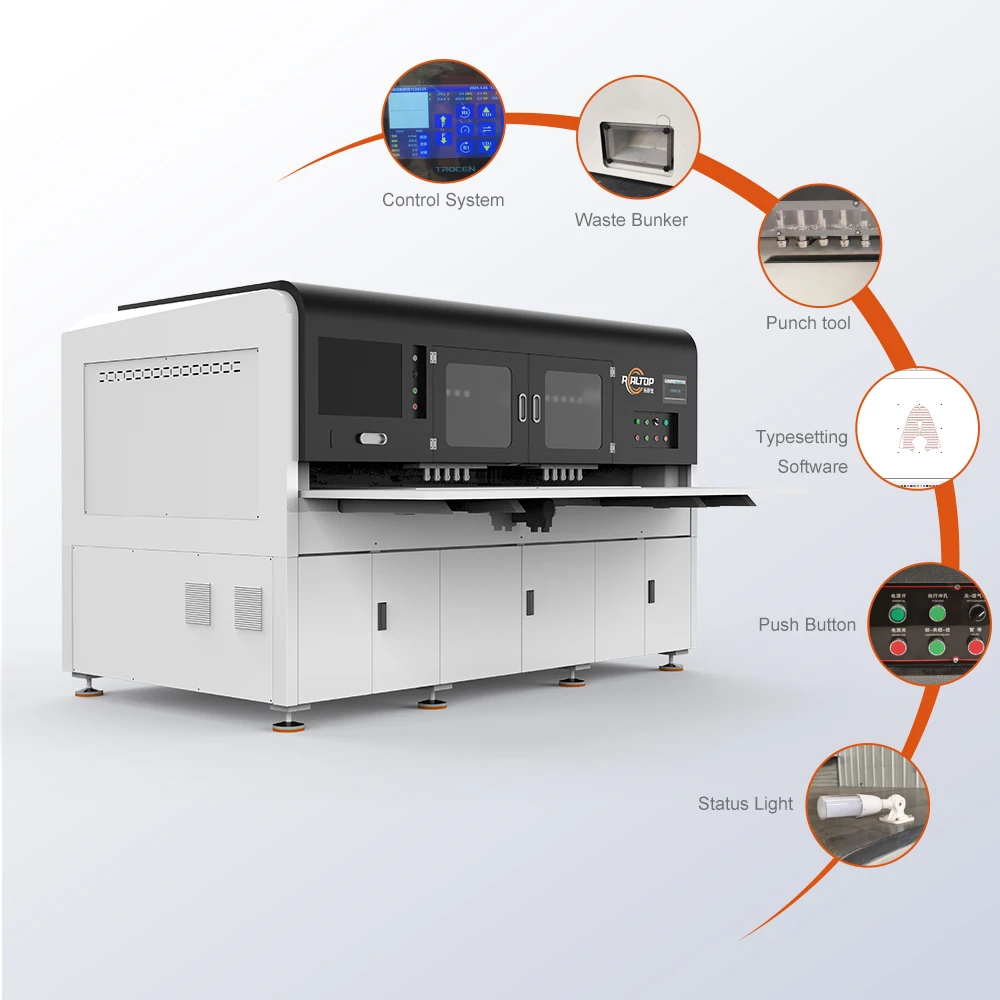
| Control System | NC system with smart cutter function |
| Dust Collection | Independent dust collecting system |
| Auxiliary Functions | Leather positioning, laying, break-point memory |
| Warranty | 1 year |
Application Suitability
| Application | Material or Output |
|---|---|
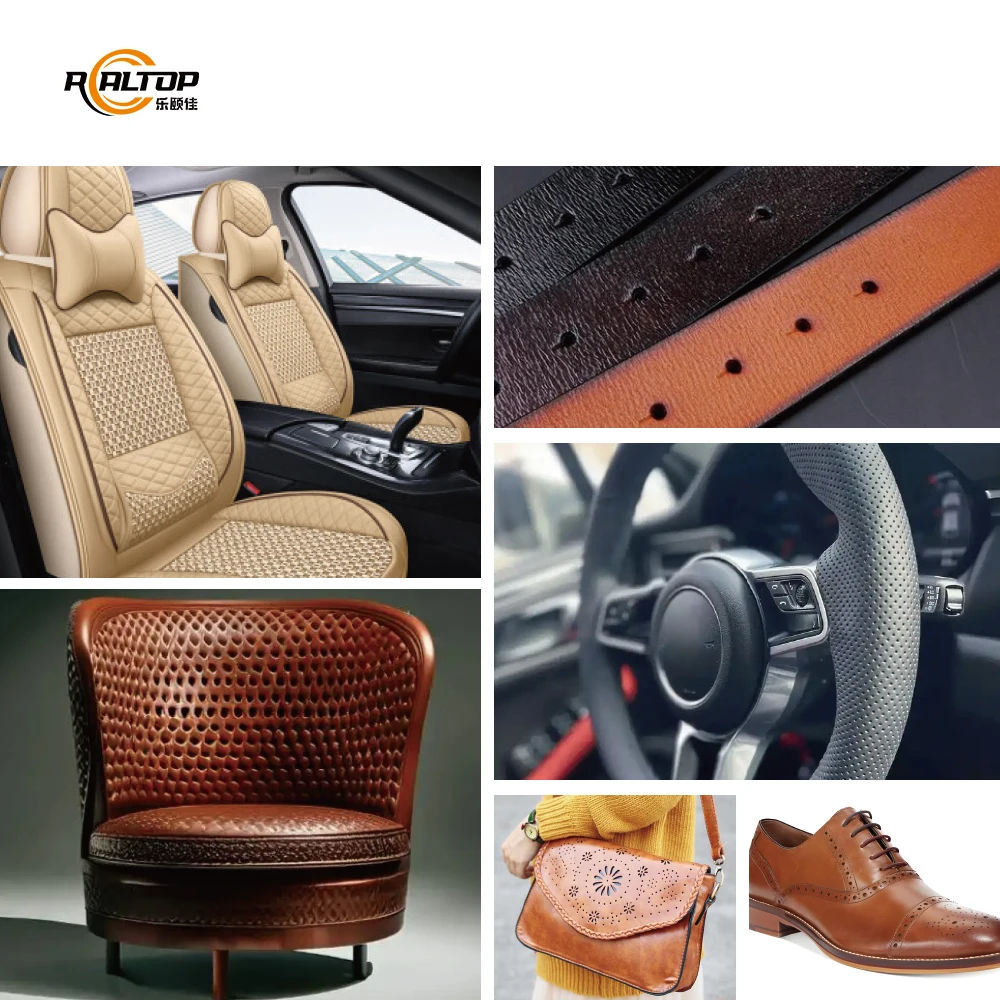
| Footwear upper perforating | Genuine leather and PU sheets, 1–4 mm thickness, decorative and ventilation pore patterns |
| Leather goods and handbag production | Soft PU and split leather, decorative hole arrays for aesthetic finish |
| Automotive interior panels | Thick genuine and synthetic leather up to 6 mm, perforated zones for seat ventilation |
| Garment leather panels | Thin PU and lambskin, fine 0.8–3 mm pores for fashion detailing |
Why Punching Speed Alone Does Not Tell the Full Story
A 900-times-per-minute figure means nothing until your specific leather grade and thickness are on the table.
When buyers focus on punching speed without confirming material behaviour, the outcome is predictable: crushed foam-backed leather, ragged hole edges on thick automotive hides, or punch jigs that jam on layered PU composites. I once watched a workshop spend a full week recalibrating after their machine arrived set for standard PU while the actual stock was reinforced automotive leather. A CNC leather punching machine manufacturer worth working with will always ask for your real material first. [NEED_CITE: leather thickness and density variability across automotive and footwear grades]
Punch Jig Selection Across Pore Sizes
The 12 optional punch jigs span 0.8 to 12 mm, which covers fine decorative perforation on garment leather up to large ventilation holes on automotive seat panels. Matching jig diameter to leather thickness matters because an oversized punch on thin PU tears the substrate, while an undersized one on thick hide leaves incomplete penetration. The CNC leather punching machine manufacturer should supply a jig chart tied to your exact material, not a generic lookup table.
NC Smart Cutter Function and Break-Point Memory
The NC control system includes a smart cutter path function that sequences punch locations to reduce unnecessary travel across the 600×500 mm working area. Break-point memory means that if the compressed air supply dips or power interrupts mid-job, the machine resumes exactly where it stopped rather than re-punching completed zones. This prevents double-hit marks that ruin expensive genuine leather sheets and is something buyers running high-value automotive hides will notice immediately. [NEED_CITE: NC control break-point recovery behaviour in pneumatic punching systems]
What the Equipment Tolerance Means for Your Production Line
The ±0.02 mm equipment tolerance and ±0.1 mm punching accuracy together determine how well perforated patterns align when panels move to stitching or bonding. In footwear uppers, misaligned holes between left and right pieces cause visible asymmetry after assembly. For automotive seat panels, accumulated positioning drift across a long perforation run shows up as uneven ventilation zones. The 1.5 kW rated power at 220V keeps energy draw modest while the independent dust collection system maintains a clean work surface so leather fibres do not interfere with punch registration over extended runs.
The Cost of Skipping Material Verification
Ordering a punching machine based on working area alone leads to problems that surface only after shipment. If your leather is at the upper end of the 1–6 mm range, the compressed air pressure of 5–6 bar may need adjustment to achieve clean penetration without crushing the backing layer. Workshops that skip sample testing often discover edge burring on synthetic leather or incomplete holes on dense genuine hides only during their first production run. These issues are solvable but far more expensive to fix on-site than to catch at the factory. [NEED_CITE: common material-machine mismatch issues in leather perforating operations]
Why Source This Machine Here
The design and production team covers punching, knife cutting, and laser processing under one roof, so if your leather work later requires oscillating knife contouring or laser engraving alongside perforating, the method switch stays within a single technical relationship. Tool head and jig configurations are specified against your material sample rather than assumed from a catalogue line. Voltage, frequency, and control language are confirmed before production begins, avoiding the 220V/50Hz versus 60Hz mismatch that catches buyers in certain export markets. Sample punching on your actual leather stock happens before commitment, not after delivery. [NEED_CITE: export voltage and frequency standards for industrial machinery]
Documentation & Verification
- Factory test record punched on your leather thickness and pore pattern before dispatch
- Electrical schematic confirming 220V and 50/60 Hz match for your facility
- Punch jig selection list matched to your material sample and pore size requirements
- Machine specification sheet with all tolerance and accuracy values itemised
- Operation and maintenance manual covering jig change procedures and dust system upkeep
- Spare punch jig and wear parts list with part numbers for reorder
Installation, Commissioning & Support
- Floor space of 1800×1510 mm plus operator clearance on three sides for loading leather sheets
- Dedicated 220V circuit rated above 1.5 kW with stable frequency at 50 or 60 Hz
- Compressed air line delivering 5–6 bar continuously with moisture trap upstream of the machine
- Initial punch path programming on your leather stock during commissioning visit
- Operator training on jig changeover, NC smart cutter function, and break-point memory recovery
- Recommended spare jig set identified based on your most-used pore sizes
Before You Send an Inquiry
Provide your leather type — genuine, PU, or composite — along with thickness, sheet dimensions, and the pore size range your patterns require. Confirm your workshop voltage and frequency so electrical specifications are locked before build. If your production involves multiple leather grades, send samples of each so punching trials cover the full range rather than a single representative sheet.
Frequently Asked Questions
Q: How do I decide between punching, oscillating knife, and laser cutting for my leather products?
A: Punching suits repetitive hole patterns on footwear uppers and automotive ventilation zones. Oscillating knife works better for contour cutting full panel shapes from leather sheets. Laser is preferred for fine engraving or sealing synthetic edges. The right choice depends on your pattern complexity, material thickness, and whether edges need to be sealed or left clean-cut for downstream stitching.
Q: Is the punching speed figure based on a specific leather type and thickness?
A: The listed punching speed should be verified against your actual material. Thick genuine leather at the upper end of the 1–6 mm range will punch more slowly than thin PU sheets. Request a sample punching report on your stock so the achievable speed under your conditions is documented before the order is confirmed.
Q: Can the voltage and control language be customised for my export market?
A: The machine operates at 220V with 50 or 60 Hz frequency, and the correct setting for your market must be confirmed before production. Control language is configurable. Specify both requirements during the inquiry stage so the electrical schematic and NC interface match your operators and local power standards.
Q: Which punch jigs do I need for my leather thickness and pore design?
A: The 12 available jig options cover 0.8 to 12 mm pore diameters. Your ideal selection depends on leather thickness, material density, and the end-use aesthetic. Sending a production sample allows the jig set to be tested and recommended specifically for your application rather than guessed from a general chart.
Precision-configured punching — every punch jig and air pressure setting matched to your leather thickness and pore pattern before the machine leaves the factory.
Technical Specifications
| Parameter | Value |
|---|---|
| Model | RT-A2 |
| Product Type | CNC Leather Punching and Perforating Machine |
| Punching Area | 600×500 mm |
| Material Thickness Range | 1–6 mm |
| Pore Size Range | 0.8–12 mm |
| Punching Accuracy | ±0.1 mm |
| Equipment Tolerance | ±0.02 mm |
| Punching Speed | 900 times/min (basis to be confirmed) |
| Punch Jig Options | 12 optional jigs |
| Machine Dimensions (L×W×H) | 1800×1510×1600 mm |
| Net Weight | 1000 kg |
| Power Supply | 220V / 50–60 Hz |
| Rated Power | 1.5 kW |
| Compressed Air Pressure | 5–6 bar |
| Control System | NC system with smart cutter function |
| Dust Collection | Independent dust collecting system |
| Auxiliary Functions | Leather positioning, laying, break-point memory |
| Warranty | 1 year |
Application Suitability
| Application | Material or Output |
|---|---|
| Footwear upper perforating | Genuine leather and PU sheets, 1–4 mm thickness, decorative and ventilation pore patterns |
| Leather goods and handbag production | Soft PU and split leather, decorative hole arrays for aesthetic finish |
| Automotive interior panels | Thick genuine and synthetic leather up to 6 mm, perforated zones for seat ventilation |
| Garment leather panels | Thin PU and lambskin, fine 0.8–3 mm pores for fashion detailing |
Why Punching Speed Alone Does Not Tell the Full Story
A 900-times-per-minute figure means nothing until your specific leather grade and thickness are on the table.
When buyers focus on punching speed without confirming material behaviour, the outcome is predictable: crushed foam-backed leather, ragged hole edges on thick automotive hides, or punch jigs that jam on layered PU composites. I once watched a workshop spend a full week recalibrating after their machine arrived set for standard PU while the actual stock was reinforced automotive leather. A CNC leather punching machine manufacturer worth working with will always ask for your real material first. [NEED_CITE: leather thickness and density variability across automotive and footwear grades]
Punch Jig Selection Across Pore Sizes
The 12 optional punch jigs span 0.8 to 12 mm, which covers fine decorative perforation on garment leather up to large ventilation holes on automotive seat panels. Matching jig diameter to leather thickness matters because an oversized punch on thin PU tears the substrate, while an undersized one on thick hide leaves incomplete penetration. The CNC leather punching machine manufacturer should supply a jig chart tied to your exact material, not a generic lookup table.
NC Smart Cutter Function and Break-Point Memory
The NC control system includes a smart cutter path function that sequences punch locations to reduce unnecessary travel across the 600×500 mm working area. Break-point memory means that if the compressed air supply dips or power interrupts mid-job, the machine resumes exactly where it stopped rather than re-punching completed zones. This prevents double-hit marks that ruin expensive genuine leather sheets and is something buyers running high-value automotive hides will notice immediately. [NEED_CITE: NC control break-point recovery behaviour in pneumatic punching systems]
What the Equipment Tolerance Means for Your Production Line
The ±0.02 mm equipment tolerance and ±0.1 mm punching accuracy together determine how well perforated patterns align when panels move to stitching or bonding. In footwear uppers, misaligned holes between left and right pieces cause visible asymmetry after assembly. For automotive seat panels, accumulated positioning drift across a long perforation run shows up as uneven ventilation zones. The 1.5 kW rated power at 220V keeps energy draw modest while the independent dust collection system maintains a clean work surface so leather fibres do not interfere with punch registration over extended runs.
The Cost of Skipping Material Verification
Ordering a punching machine based on working area alone leads to problems that surface only after shipment. If your leather is at the upper end of the 1–6 mm range, the compressed air pressure of 5–6 bar may need adjustment to achieve clean penetration without crushing the backing layer. Workshops that skip sample testing often discover edge burring on synthetic leather or incomplete holes on dense genuine hides only during their first production run. These issues are solvable but far more expensive to fix on-site than to catch at the factory. [NEED_CITE: common material-machine mismatch issues in leather perforating operations]
Why Source This Machine Here
The design and production team covers punching, knife cutting, and laser processing under one roof, so if your leather work later requires oscillating knife contouring or laser engraving alongside perforating, the method switch stays within a single technical relationship. Tool head and jig configurations are specified against your material sample rather than assumed from a catalogue line. Voltage, frequency, and control language are confirmed before production begins, avoiding the 220V/50Hz versus 60Hz mismatch that catches buyers in certain export markets. Sample punching on your actual leather stock happens before commitment, not after delivery. [NEED_CITE: export voltage and frequency standards for industrial machinery]
Documentation & Verification
- Factory test record punched on your leather thickness and pore pattern before dispatch
- Electrical schematic confirming 220V and 50/60 Hz match for your facility
- Punch jig selection list matched to your material sample and pore size requirements
- Machine specification sheet with all tolerance and accuracy values itemised
- Operation and maintenance manual covering jig change procedures and dust system upkeep
- Spare punch jig and wear parts list with part numbers for reorder
Installation, Commissioning & Support
- Floor space of 1800×1510 mm plus operator clearance on three sides for loading leather sheets
- Dedicated 220V circuit rated above 1.5 kW with stable frequency at 50 or 60 Hz
- Compressed air line delivering 5–6 bar continuously with moisture trap upstream of the machine
- Initial punch path programming on your leather stock during commissioning visit
- Operator training on jig changeover, NC smart cutter function, and break-point memory recovery
- Recommended spare jig set identified based on your most-used pore sizes
Before You Send an Inquiry
Provide your leather type — genuine, PU, or composite — along with thickness, sheet dimensions, and the pore size range your patterns require. Confirm your workshop voltage and frequency so electrical specifications are locked before build. If your production involves multiple leather grades, send samples of each so punching trials cover the full range rather than a single representative sheet.
Frequently Asked Questions
Q: How do I decide between punching, oscillating knife, and laser cutting for my leather products?
A: Punching suits repetitive hole patterns on footwear uppers and automotive ventilation zones. Oscillating knife works better for contour cutting full panel shapes from leather sheets. Laser is preferred for fine engraving or sealing synthetic edges. The right choice depends on your pattern complexity, material thickness, and whether edges need to be sealed or left clean-cut for downstream stitching.
Q: Is the punching speed figure based on a specific leather type and thickness?
A: The listed punching speed should be verified against your actual material. Thick genuine leather at the upper end of the 1–6 mm range will punch more slowly than thin PU sheets. Request a sample punching report on your stock so the achievable speed under your conditions is documented before the order is confirmed.
Q: Can the voltage and control language be customised for my export market?
A: The machine operates at 220V with 50 or 60 Hz frequency, and the correct setting for your market must be confirmed before production. Control language is configurable. Specify both requirements during the inquiry stage so the electrical schematic and NC interface match your operators and local power standards.
Q: Which punch jigs do I need for my leather thickness and pore design?
A: The 12 available jig options cover 0.8 to 12 mm pore diameters. Your ideal selection depends on leather thickness, material density, and the end-use aesthetic. Sending a production sample allows the jig set to be tested and recommended specifically for your application rather than guessed from a general chart.










商品评价
There are no reviews yet.