

Fast Delivery
Quick, reliable shipping to any location.

Free & easy returns
Return this item by mail or in store within 90 days for a full refund.
Method-to-material matching — in-house design covers both knife and laser, so the cutting method is chosen around your material instead of forcing one technology across every job.
Technical Specifications
| Parameter | Value |
|---|---|
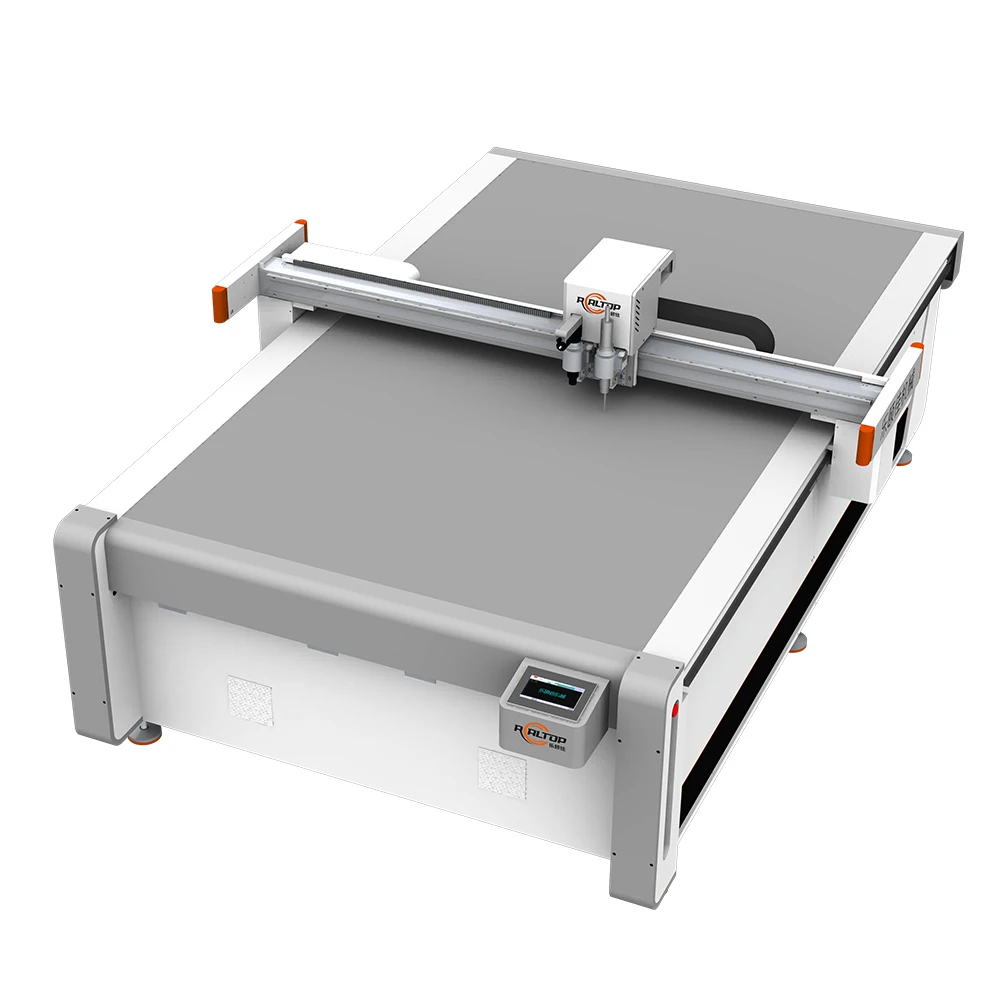
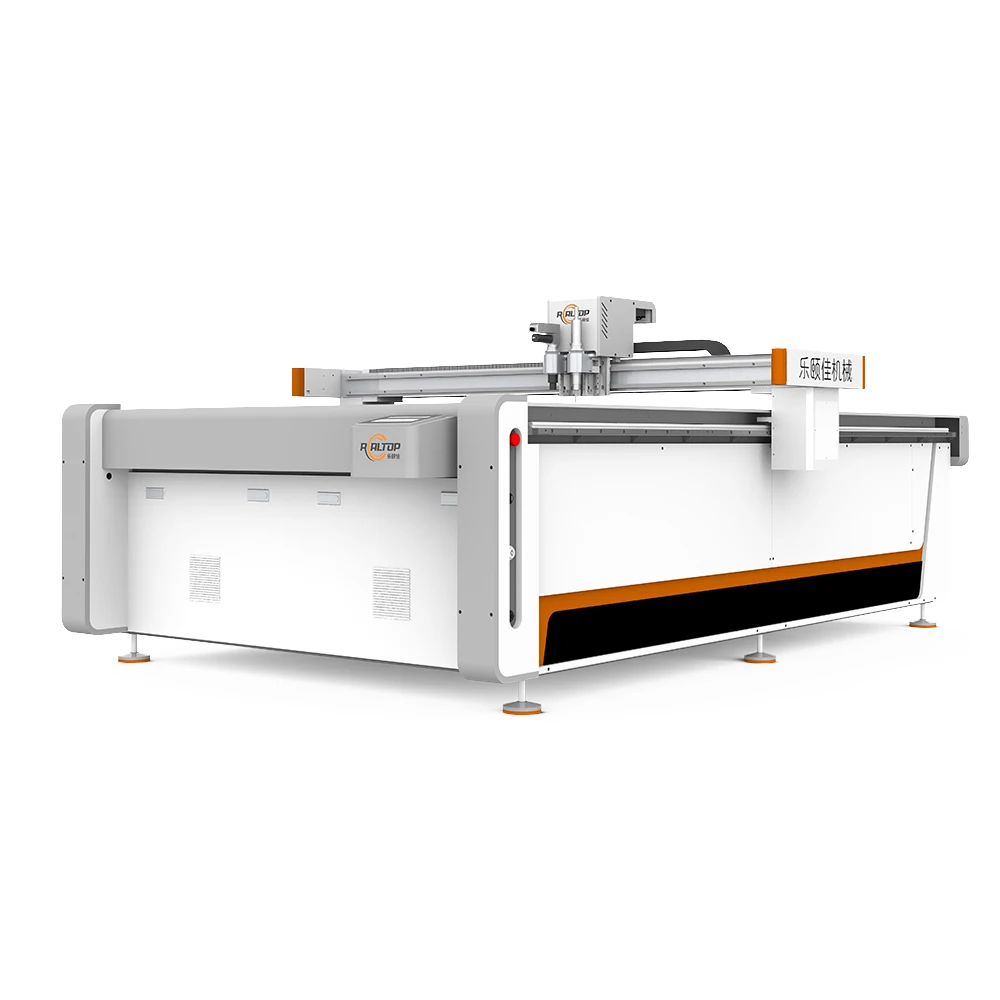
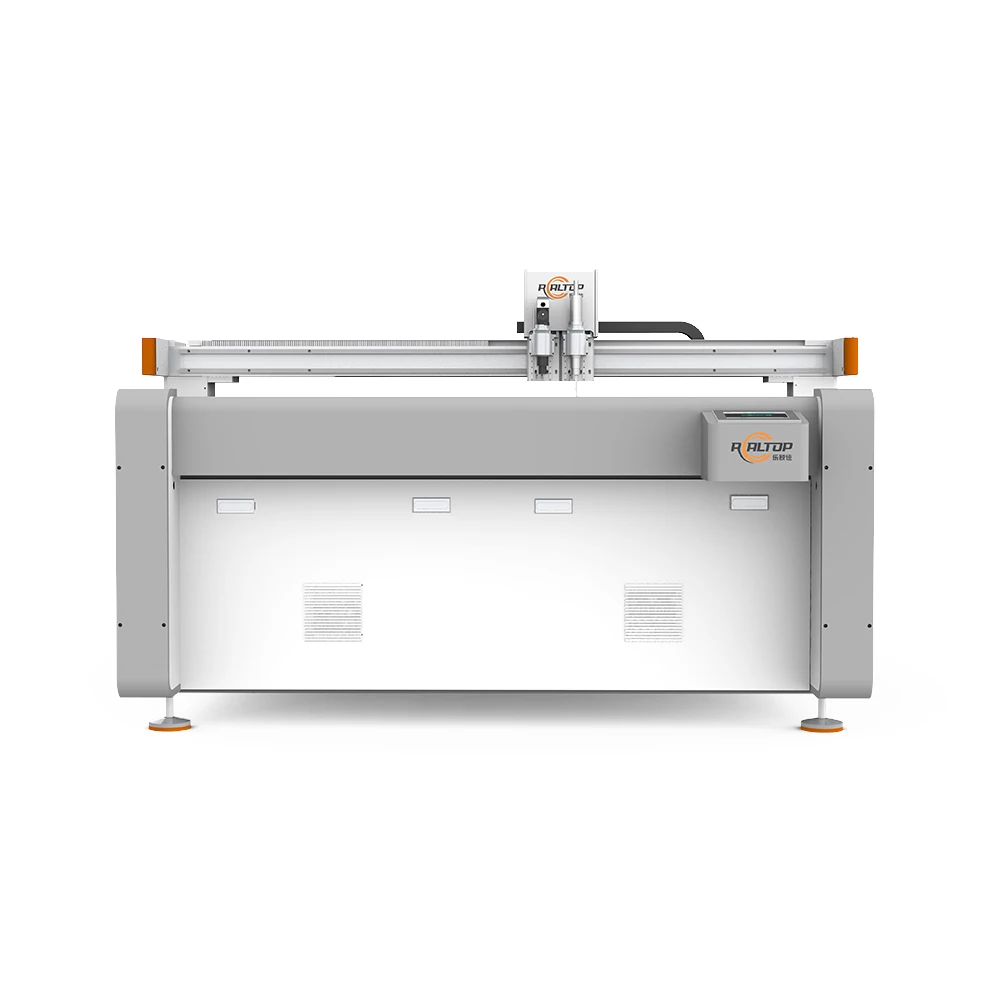
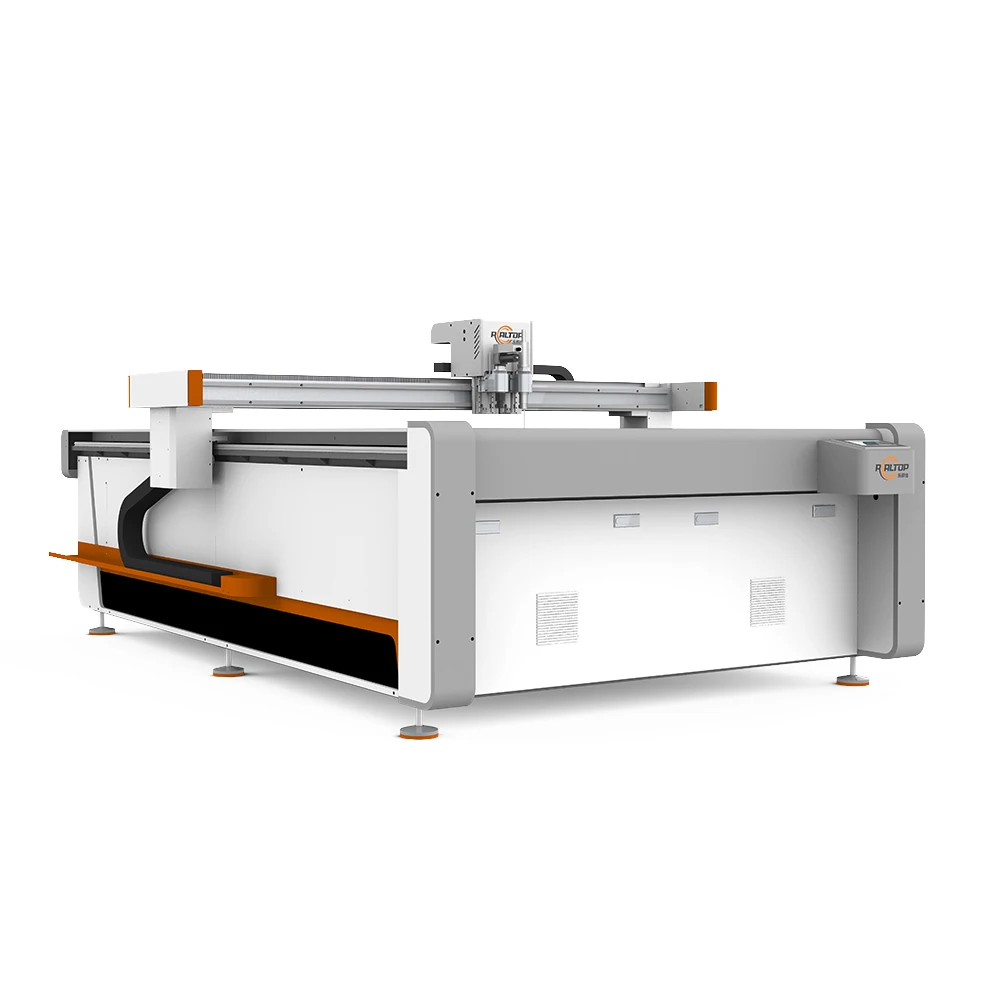
| Product Type | CNC Oscillating Knife Cutting Machine |
| Working Area | 1600 × 2500 mm |
| Cutting Speed | 0–1500 mm/s |
| Maximum Cutting Thickness | ≤ 40 mm |
| Cutting Accuracy | ±0.1 mm |
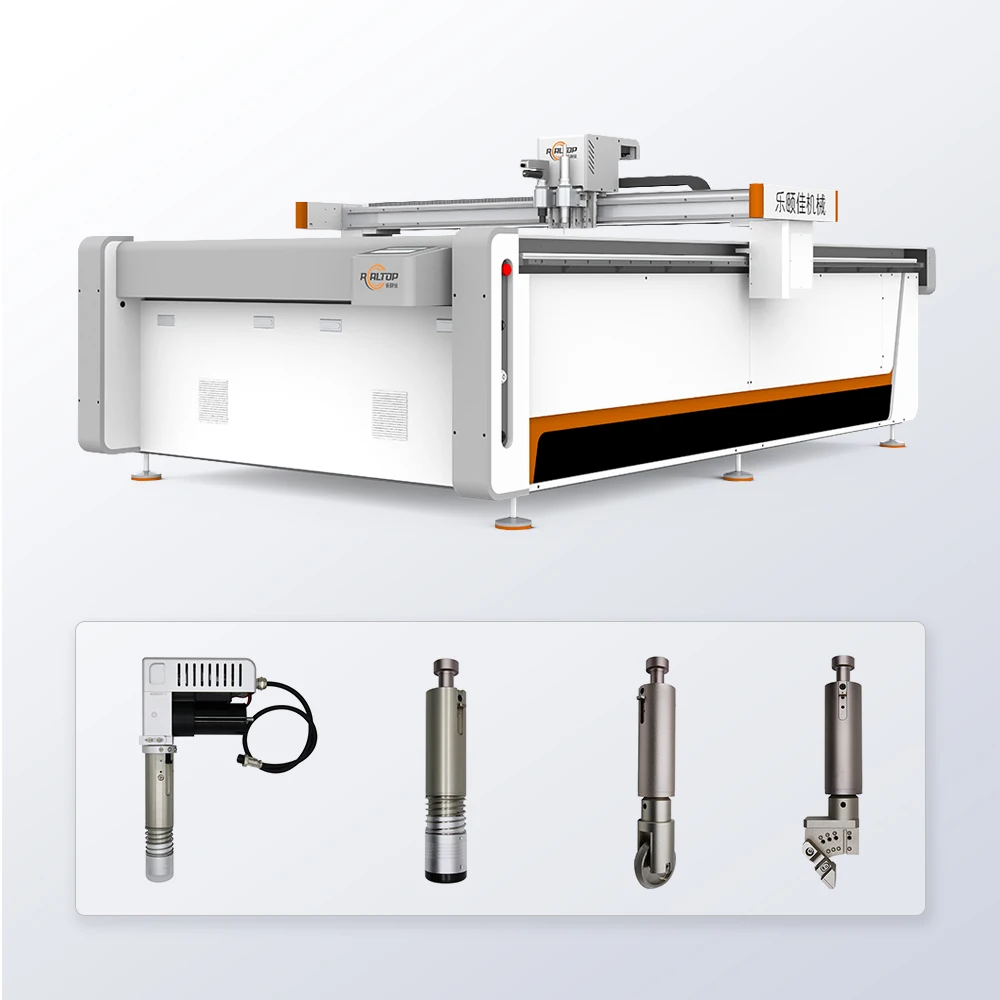
| Tool Head Options | Oscillating knife, driven rotary knife, creasing wheel, kiss cutting tool, pneumatic knife, milling tool, V-groove knife |
| Vacuum Table | Aluminum bellows vacuum table with 9 kW pump |
| Voltage Options | 110V, 220V, 380V |
| Control System | PLC control panel with optional display languages |
| Servo Drive Options | Panasonic, Delta, Dorna |
| Accepted File Formats | PLT, DXF, AI, PDF |
| Safety Devices | Infrared sensor device and emergency stop |
| Machine Dimensions | 3300 × 2100 × 1350 mm |
| Certification | CE |
Application Suitability
| Application | Material or Output |
|---|---|
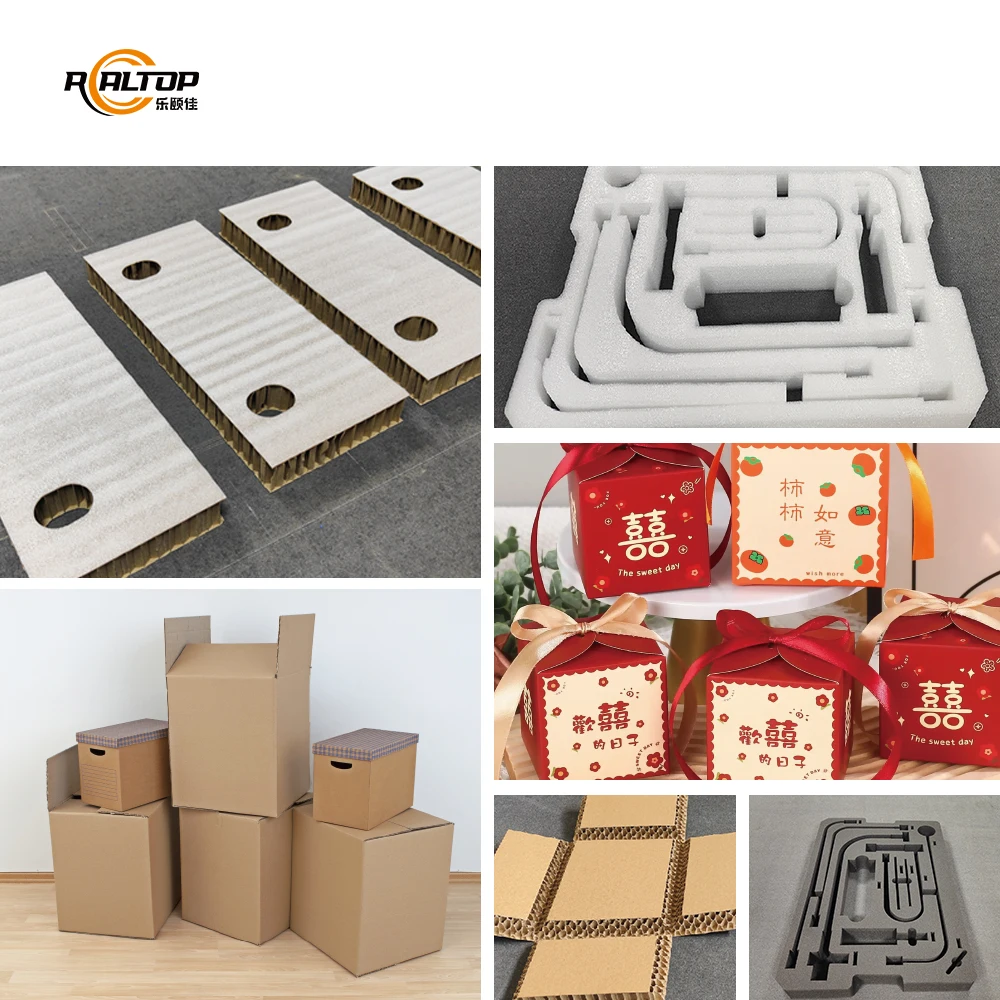
| Packaging sample making | Corrugated cardboard of various ply counts, greyboard, art paper, specialty paper |
| Leather goods and footwear | Genuine leather, bonded synthetic leather, PU and PVC sheets |
| Automotive interior trimming | Foam composites, gasket materials, rubber mats |
| Fabric and textile cutting | Velvet, fleece, non-woven fabric, multi-layer textile stacks |
| Foam and gasket fabrication | EVA, EPE, PU foam, PTFE, rubber |
Why Material Thickness Is the First Question — Not Working Area
A cutting table sized only by sheet dimensions often fails once the real material lands on the bed. Buyers sourcing a CNC oscillating knife cutting machine manufacturer regularly specify the 1600 × 2500 mm working envelope first, then discover the oscillating knife cannot penetrate the bonded synthetic leather or double-wall corrugated they actually run daily. The vacuum table holds a single-ply swatch perfectly but loses grip on heavier stacks, and the cutting speed drops to a fraction of the quoted figure [NEED_CITE: typical cutting speed degradation on dense composite materials]. When I visited a footwear factory in Nairobi, their test sample had been thin garment leather — production material was three times thicker, and the knife head stalled mid-sheet.
Tool Head Selection Across the Full Catalogue
The catalogue covers seven interchangeable tool heads, each suited to a different material family. The oscillating knife handles rigid and semi-rigid sheets like corrugated board, greyboard, and foam up to the stated 40 mm depth. The driven rotary knife suits woven and non-woven textiles where a reciprocating blade would fray the edge. The creasing wheel scores fold lines on carton stock without cutting through, which is essential for packaging sample makers who need a single sheet to fold into a finished box.
The kiss cutting tool slices the top layer of adhesive-backed materials without penetrating the release liner, a requirement for gasket and label producers. The pneumatic knife takes heavier, denser materials that need greater downward force per stroke. Milling and V-groove tools open up sign-making and composite panel routing on the same flatbed digital cutting table for sale.
Vacuum Table Zoning and Small-Part Hold-Down
An aluminum bellows vacuum table paired with a 9 kW pump provides full-surface suction across the 1600 × 2500 mm bed. However, small nested parts — individual shoe uppers or gasket pieces — cover only a fraction of the table area, leaving open zones where suction bleeds away. Effective zoning redirects vacuum only to occupied sections, maintaining grip on parts that would otherwise lift during the oscillating knife’s vertical stroke [NEED_CITE: vacuum zoning requirements for nested small-part cutting]. The PLC control panel manages this zoning configuration, and confirming the number of independent zones before shipment prevents the common on-site problem of parts drifting mid-cut.
Reading the Specs Against Real Production Conditions
Cutting accuracy at ±0.1 mm is measured under controlled conditions; actual tolerance on the shop floor depends on material consistency and vacuum hold-down. The 0–1500 mm/s speed range is the mechanical maximum — real throughput on 5 mm bonded leather or triple-wall corrugated runs considerably slower because the knife must complete a full oscillation cycle through the entire depth. The PLC control panel supports multiple display languages, which matters when the machine ships to a market where the operator does not read the default interface.
Servo drive selection — Panasonic, Delta, or Dorna — affects response speed during direction changes on intricate contours. File format acceptance covers PLT, DXF, AI, and PDF, but the nesting software licence and its compatibility with the buyer’s existing workflow should be confirmed before the order, not at commissioning [NEED_CITE: common software incompatibility issues at machine commissioning].
What Happens When the Wrong Tool Head Ships
A driven rotary knife on corrugated cardboard crushes the flutes instead of shearing them, leaving compressed edges that fail box compression tests. An oscillating knife on woven fabric without adequate frequency pulls threads at the cut line, producing frayed edges that require secondary trimming. Wrong voltage confirmed too late means rewinding the servo motors on-site or waiting weeks for a replacement transformer. These are not hypothetical — they are the service calls that shifted my focus from after-sales repair to pre-shipment specification verification.
Why Buyers Source This Range Here
In-house design and production span both knife and laser platforms, so a buyer evaluating fabric against acrylic can match each material to the correct cutting method under one technical conversation. Tool head and table configuration are specified per material and daily volume, not left to a generic build. CCD camera positioning is available for printed contour work where registration marks guide the cut path. Software compatibility with the buyer’s nesting workflow is confirmed before production begins. Sample cutting on the buyer’s own material — not a factory-standard swatch — is conducted before commitment, documenting real edge quality and achievable speed on the exact stock that will run in production.
Documentation & Verification
- Machine specification sheet confirming working area, tool head selection, and vacuum table zoning for your material
- Electrical schematic with voltage and frequency matched to your facility supply before build
- Sample cutting report on your actual leather, cardboard, or foam stock with edge quality photographs
- Software licence documentation listing accepted file formats and nesting workflow compatibility
- Factory test record showing cutting accuracy verification on your specified material thickness
- Spare parts list identifying consumable blades, vacuum seals, and recommended replacement intervals
Installation, Commissioning & Support
- Foundation leveling within the 3300 × 2100 × 1350 mm footprint on a vibration-isolated floor
- Dedicated circuit matching confirmed voltage option — 110V, 220V, or 380V — with correct phase sequence
- Vacuum pump commissioning and zone calibration against your smallest nested part geometry
- PLC control panel language configuration and operator training on tool head changeover procedures
- Servo drive parameter tuning on your material to establish baseline cutting speed and depth settings
- Consumable blade inventory and oscillating knife bearing inspection schedule set for first quarter
What to Share When Requesting a Quotation
Send the specific material type, thickness range, and maximum sheet size you will run. Include your target daily volume and whether the parts are nested or cut individually. Confirm your facility voltage, frequency, and preferred operator language so the PLC panel and electrical package are configured before assembly begins.
Frequently Asked Questions
Q: How do I decide between knife and laser for my material?
A: Knife cutting suits materials where a sealed edge is not required — cardboard, leather, foam, gasket, and fabric. Laser cutting seals synthetic edges and handles acrylic or wood engraving. This catalogue covers both families so the method matches the material rather than forcing one technology across incompatible substrates.
Q: Which tool head should I choose for my material?
A: Oscillating knife handles rigid and semi-rigid sheets up to 40 mm. Driven rotary knife suits woven textiles. Creasing wheel scores carton fold lines. Kiss cutting slices adhesive top layers without penetrating the liner. Send a material sample so the correct head is confirmed before the machine ships.
Q: How does vacuum table zoning affect small parts?
A: When small nested parts occupy only a portion of the 1600 × 2500 mm bed, open zones bleed suction. Zoning redirects vacuum to occupied sections. Confirm the number of independent zones needed for your typical nesting layout before production.
Q: Can the software handle my existing nesting files?
A: The system accepts PLT, DXF, AI, and PDF formats. However, nesting software compatibility with your current workflow — including layer naming, tool path sequencing, and kerf compensation — should be verified with sample files before the order is finalized.
Q: What voltage and language options are available?
A: The machine is configurable for 110V, 220V, or 380V supply. The PLC control panel supports multiple display languages. Confirm both requirements before build so the electrical package and interface ship ready for your facility.










商品评价
There are no reviews yet.