

Fast Delivery
Quick, reliable shipping to any location.

Free & easy returns
Return this item by mail or in store within 90 days for a full refund.
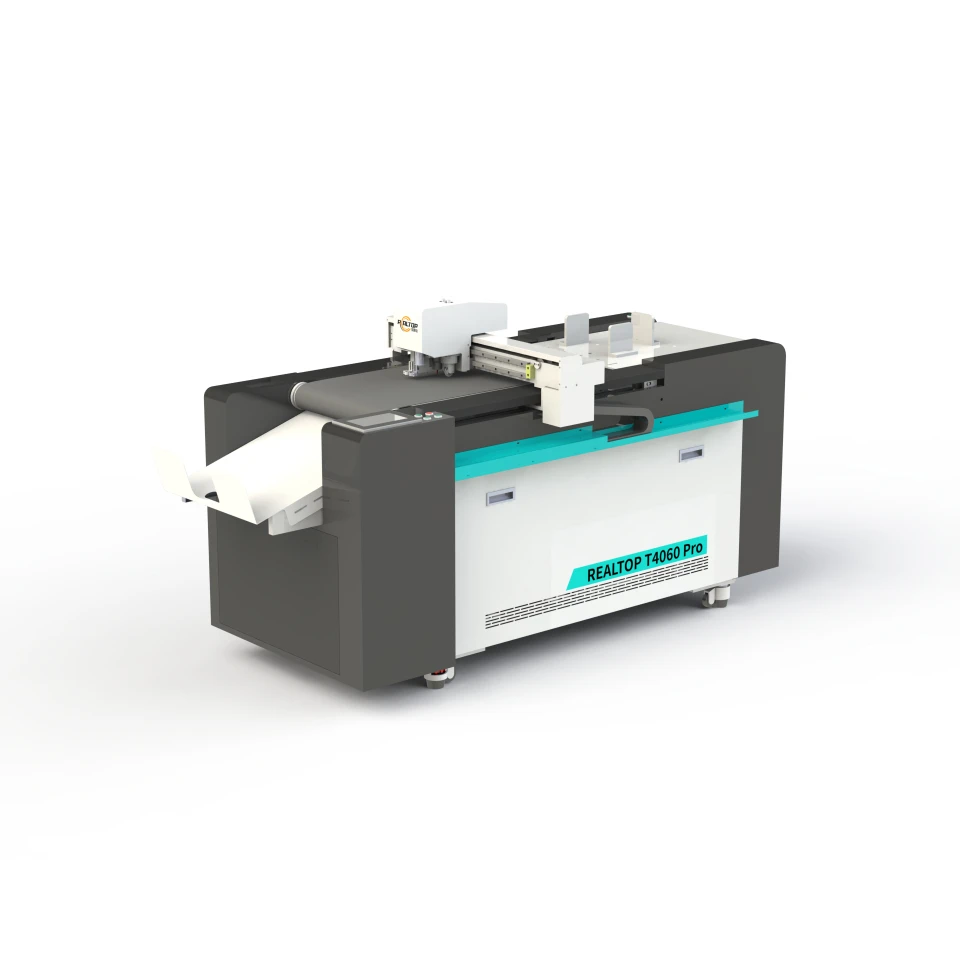
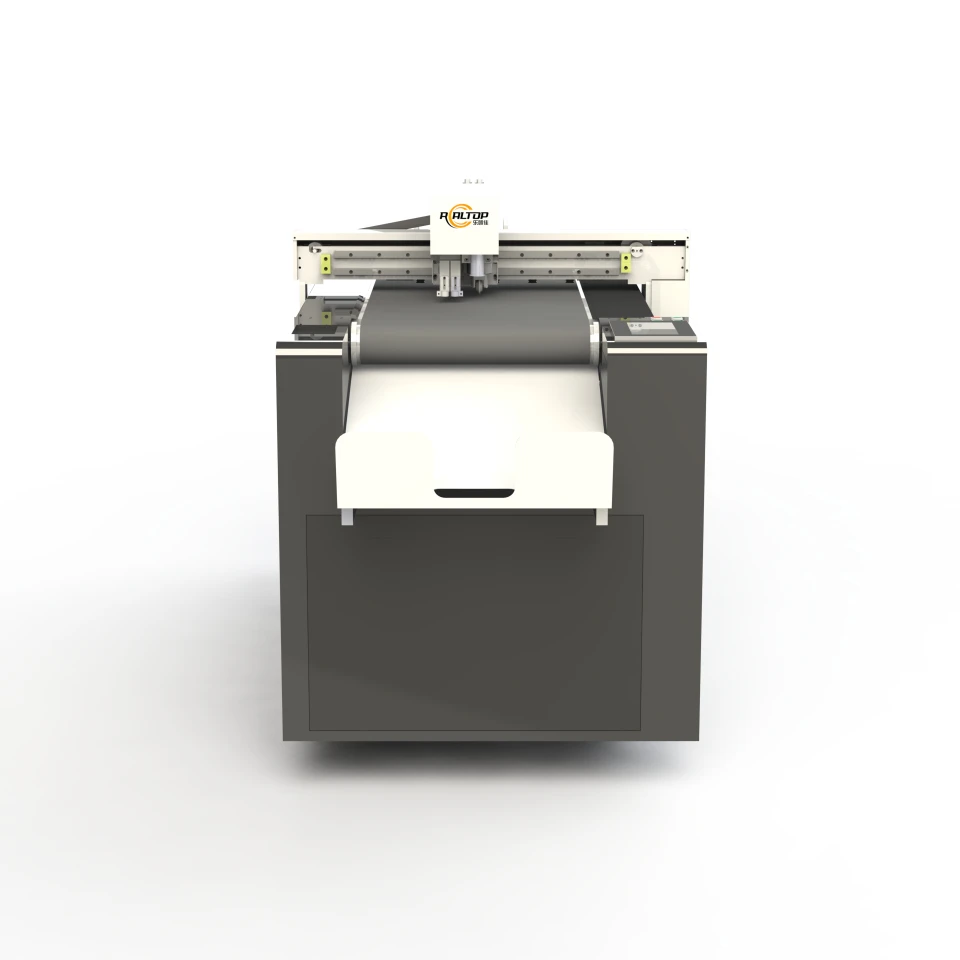
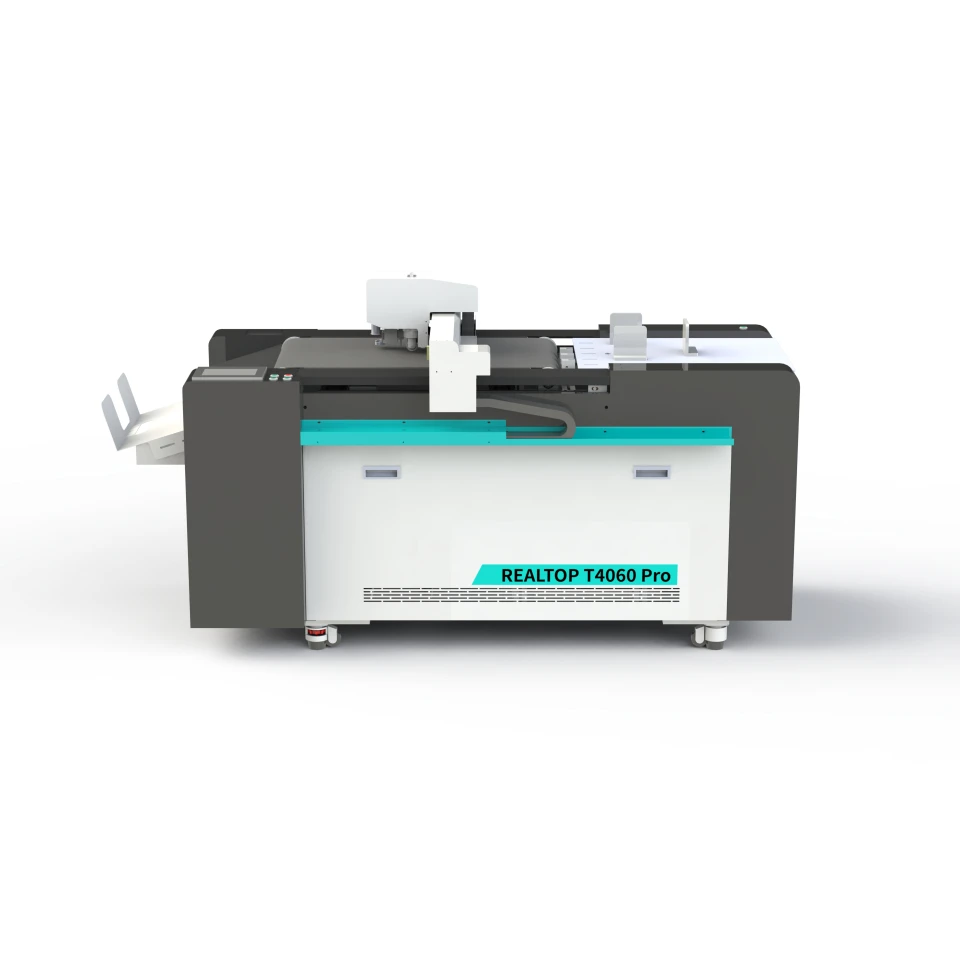
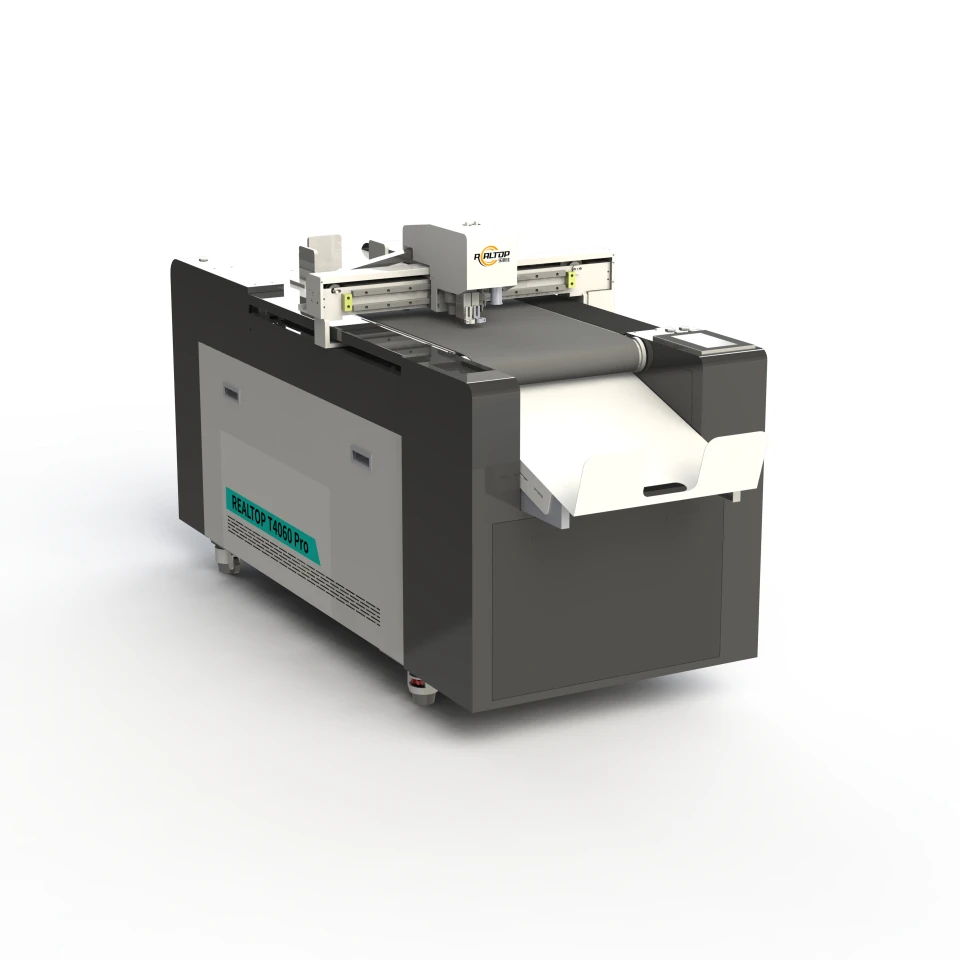
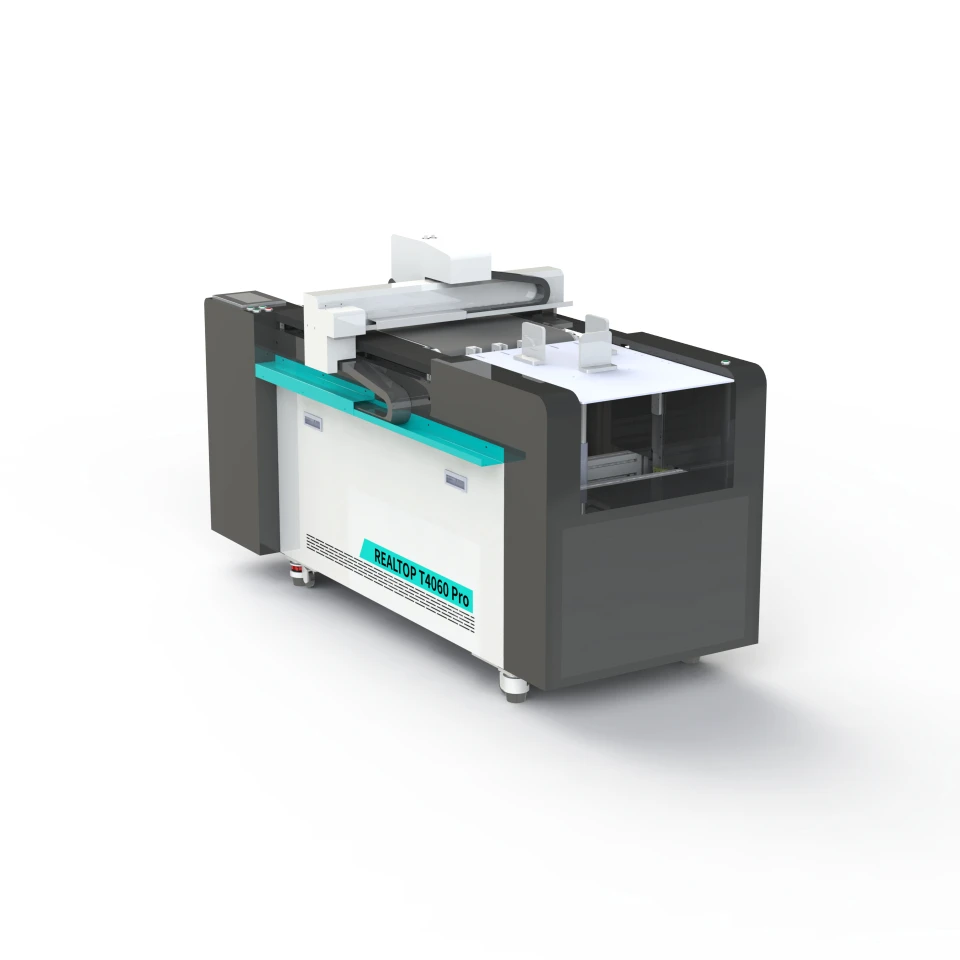
Configurable Tooling & Software Compatibility — The RTT-4060 series flatbed cutting plotter is set up with interchangeable drag knife, creasing wheel, and CCD camera options, so the machine matches your paper stock and file workflow rather than the other way around.
Technical Specifications
| Parameter | Value |
|---|---|
| Model | RTT-4060 / RTT-4060Pro |
| Product Type | Flatbed Cutting Plotter for Paper and Packaging Design |
| Working Area | Compact / benchtop format (basis not stated in source) |
| Tool Head Type | Available with drag knife, creasing wheel, and oscillating knife options |
| Positioning System | CCD camera contour recognition (optional configuration) |
| Vacuum Table | Zoned vacuum hold-down for small-format paper and board |
| Software Compatibility | Supports AI, PDF, DXF, PLT (basis to be confirmed with specific control version) |
| Voltage & Frequency | Configurable for target market (basis to be confirmed) |
| Control System | CNC controller with customizable interface language (basis not stated in source) |
| Cutting Thickness | Varies by material type and tool head selected (basis to be confirmed) |
Application Suitability
| Application | Material or Output |
|---|---|
| Packaging box prototyping | Corrugated board, grey board, folding carton stock |
| Carton sample making | Art paper, coated board, kraft paper |
| Creative paper design | Cardstock, specialty paper, laminated sheets |
| Small-format production runs | Pre-printed sheets requiring contour cutting |
Why the Voltage Question Should Come Before the Price
A flatbed cutting plotter manufacturer quote is meaningless if the machine arrives with a control transformer rated for a different grid frequency.
I remember a packaging sample room in Dongguan that imported a plotter wired for 60 Hz operation. When they connected it to the local 50 Hz supply, the servo motors ran hot within the first hour, and the CCD camera lost synchronization with the controller board. The entire commissioning week was lost to rewiring the cabinet and sourcing a replacement spindle drive. That experience sits with you when you see buyers focusing on cutting speed before asking what the incoming power supply actually looks like [NEED_CITE: voltage and frequency standards by export market].
The RTT-4060 and RTT-4060Pro are built with configurable voltage inputs, but that flexibility only helps if the buyer specifies the correct standard before the machine ships. A flatbed cutting plotter manufacturer should confirm your local plug type, frequency, and phase requirement at the quotation stage — not after the packing photographs are taken.
Matching Tool Head to Material Grade
A drag knife works well on thin art paper and vinyl, but the moment you move into 2mm grey board or micro-flute corrugated, the blade drags and the edge tears. The RTT-4060 series addresses this by offering an oscillating knife head option alongside the standard drag knife and creasing wheel. This flatbed cutting plotter lets you switch between tool heads depending on the job, which matters when a single design studio handles everything from business card stock to presentation packaging prototypes.
Contour Cutting on Pre-Printed Sheets
When the job involves cutting around a printed graphic, registration accuracy becomes the defining factor. The CCD camera option on the RTT-4060 series reads printed marks on the sheet and adjusts the cutting path in real time. This is where many flatbed plotters fail at production speed — the camera loses the mark, the cut drifts, and you scrap the sheet. The system on this series is designed to maintain tracking at normal working speeds, provided the print contrast and mark format meet the camera’s recognition threshold [NEED_CITE: CCD contour recognition requirements for printed registration marks].
Understanding the Specifications That Matter
The working area on the RTT-4060 series is designed for benchtop or compact studio installation, which means the footprint fits a design room rather than requiring a dedicated machine bay. The vacuum table is zoned, allowing you to isolate suction to the area under the workpiece — this prevents small paper offcuts from lifting during intricate cuts. The creasing wheel option produces a clean fold line without cracking the surface of coated board, which is essential for packaging samples that will be photographed for client approval. Software compatibility across AI, PDF, DXF, and PLT formats means designers can send files directly from their existing workflow without manual conversion.
The Hidden Cost of Wrong Tooling Choices
Choosing a drag knife for a job that requires an oscillating knife means ragged edges on corrugated board and crushed fibers on foam-core packaging inserts. I have seen sample rooms waste an entire day’s output before realizing the tool head was wrong for the material. The cost is not just the ruined stock — it is the missed deadline for the client presentation and the reputational damage that follows [NEED_CITE: edge quality impact on packaging sample approval]. Specifying the correct tool head at the order stage prevents this entirely.
Why Source This Series Here
The RTT-4060 series comes from a facility that builds both knife and laser cutting systems, which means the engineering team understands when a material is better served by a blade and when it needs a beam. Tool head and table configurations are specified per material and production volume rather than offered as a generic package. CCD camera positioning is tested on your actual printed samples before the machine ships, not assumed from a catalog description. Software compatibility is confirmed against your specific file formats during the order process. Voltage, language, and control specifications are locked in before production begins.
Documentation & Verification
- Machine specification sheet matching your selected tool head and table configuration
- Electrical schematic confirming voltage, phase, and frequency for your facility
- Sample cutting report produced on your own paper or board stock before commitment
- Software license and file format compatibility note for your design workflow
- Operation and maintenance manual with creasing wheel pressure adjustment guidelines
Installation, Commissioning & Support
- Benchtop or floor-standing installation depending on your selected working area format
- Dedicated circuit requirement matching the configured voltage and frequency rating
- First-run parameter setup for your specific paper weights and board grades
- Operator training covering tool head changes, CCD calibration, and vacuum zoning
- Spare parts list including replacement blades, creasing wheels, and vacuum seals
What We Need From You to Quote Accurately
Send us the material types and thicknesses you work with most frequently, along with your typical sheet sizes and daily sample volume. Let us know your local voltage and frequency standard, the plug type required, and the control panel language your operators prefer. If you work with pre-printed sheets, provide a sample showing the registration mark format so we can verify CCD recognition before the order is placed.
Frequently Asked Questions
Q: How do I confirm the cutting thickness capability for my specific board grade?
A: Submit a sample of your material to our facility before ordering. We run a cutting test on the RTT-4060 series using the tool head and speed parameters matched to your stock, then send you a report showing edge quality and creasing results. This confirms the machine handles your actual material before you commit.
Q: What print mark formats does the CCD camera recognize?
A: The CCD system reads standard printed registration marks with sufficient contrast against the background. We test the camera on your own pre-printed sheets during the sample cutting stage to confirm the mark size, shape, and contrast level work at normal production speed. If your marks fall outside the recognition threshold, we adjust the camera settings or recommend a mark format change before shipping.
Q: Which file formats does the software accept?
A: The control software imports AI, PDF, DXF, and PLT files. We confirm compatibility with your specific design application and version during the order process. If your workflow uses a format outside this list, we verify conversion options before the machine is built.
Q: What voltage and plug options are available for international shipment?
A: The RTT-4060 series is configurable for your local voltage, frequency, and phase standard. You specify the plug type and control panel language at the quotation stage, and these are confirmed on the electrical schematic before production begins.
Q: How does the sample cutting process work before I place an order?
A: You send us a selection of your actual paper and board materials along with a cutting file. We run the job on the RTT-4060 series with the tool head and parameters we recommend, then return the cut samples and a written report. This lets you evaluate edge quality, creasing performance, and contour accuracy before committing to the purchase.
Configurable Tooling & Software Compatibility — The RTT-4060 series flatbed cutting plotter is set up with interchangeable drag knife, creasing wheel, and CCD camera options, so the machine matches your paper stock and file workflow rather than the other way around.
Technical Specifications
| Parameter | Value |
|---|---|
| Model | RTT-4060 / RTT-4060Pro |
| Product Type | Flatbed Cutting Plotter for Paper and Packaging Design |
| Working Area | Compact / benchtop format (basis not stated in source) |
| Tool Head Type | Available with drag knife, creasing wheel, and oscillating knife options |
| Positioning System | CCD camera contour recognition (optional configuration) |
| Vacuum Table | Zoned vacuum hold-down for small-format paper and board |
| Software Compatibility | Supports AI, PDF, DXF, PLT (basis to be confirmed with specific control version) |
| Voltage & Frequency | Configurable for target market (basis to be confirmed) |
| Control System | CNC controller with customizable interface language (basis not stated in source) |
| Cutting Thickness | Varies by material type and tool head selected (basis to be confirmed) |
Application Suitability
| Application | Material or Output |
|---|---|
| Packaging box prototyping | Corrugated board, grey board, folding carton stock |
| Carton sample making | Art paper, coated board, kraft paper |
| Creative paper design | Cardstock, specialty paper, laminated sheets |
| Small-format production runs | Pre-printed sheets requiring contour cutting |
Why the Voltage Question Should Come Before the Price
A flatbed cutting plotter manufacturer quote is meaningless if the machine arrives with a control transformer rated for a different grid frequency.
I remember a packaging sample room in Dongguan that imported a plotter wired for 60 Hz operation. When they connected it to the local 50 Hz supply, the servo motors ran hot within the first hour, and the CCD camera lost synchronization with the controller board. The entire commissioning week was lost to rewiring the cabinet and sourcing a replacement spindle drive. That experience sits with you when you see buyers focusing on cutting speed before asking what the incoming power supply actually looks like [NEED_CITE: voltage and frequency standards by export market].
The RTT-4060 and RTT-4060Pro are built with configurable voltage inputs, but that flexibility only helps if the buyer specifies the correct standard before the machine ships. A flatbed cutting plotter manufacturer should confirm your local plug type, frequency, and phase requirement at the quotation stage — not after the packing photographs are taken.
Matching Tool Head to Material Grade
A drag knife works well on thin art paper and vinyl, but the moment you move into 2mm grey board or micro-flute corrugated, the blade drags and the edge tears. The RTT-4060 series addresses this by offering an oscillating knife head option alongside the standard drag knife and creasing wheel. This flatbed cutting plotter lets you switch between tool heads depending on the job, which matters when a single design studio handles everything from business card stock to presentation packaging prototypes.
Contour Cutting on Pre-Printed Sheets
When the job involves cutting around a printed graphic, registration accuracy becomes the defining factor. The CCD camera option on the RTT-4060 series reads printed marks on the sheet and adjusts the cutting path in real time. This is where many flatbed plotters fail at production speed — the camera loses the mark, the cut drifts, and you scrap the sheet. The system on this series is designed to maintain tracking at normal working speeds, provided the print contrast and mark format meet the camera’s recognition threshold [NEED_CITE: CCD contour recognition requirements for printed registration marks].
Understanding the Specifications That Matter
The working area on the RTT-4060 series is designed for benchtop or compact studio installation, which means the footprint fits a design room rather than requiring a dedicated machine bay. The vacuum table is zoned, allowing you to isolate suction to the area under the workpiece — this prevents small paper offcuts from lifting during intricate cuts. The creasing wheel option produces a clean fold line without cracking the surface of coated board, which is essential for packaging samples that will be photographed for client approval. Software compatibility across AI, PDF, DXF, and PLT formats means designers can send files directly from their existing workflow without manual conversion.
The Hidden Cost of Wrong Tooling Choices
Choosing a drag knife for a job that requires an oscillating knife means ragged edges on corrugated board and crushed fibers on foam-core packaging inserts. I have seen sample rooms waste an entire day’s output before realizing the tool head was wrong for the material. The cost is not just the ruined stock — it is the missed deadline for the client presentation and the reputational damage that follows [NEED_CITE: edge quality impact on packaging sample approval]. Specifying the correct tool head at the order stage prevents this entirely.
Why Source This Series Here
The RTT-4060 series comes from a facility that builds both knife and laser cutting systems, which means the engineering team understands when a material is better served by a blade and when it needs a beam. Tool head and table configurations are specified per material and production volume rather than offered as a generic package. CCD camera positioning is tested on your actual printed samples before the machine ships, not assumed from a catalog description. Software compatibility is confirmed against your specific file formats during the order process. Voltage, language, and control specifications are locked in before production begins.
Documentation & Verification
- Machine specification sheet matching your selected tool head and table configuration
- Electrical schematic confirming voltage, phase, and frequency for your facility
- Sample cutting report produced on your own paper or board stock before commitment
- Software license and file format compatibility note for your design workflow
- Operation and maintenance manual with creasing wheel pressure adjustment guidelines
Installation, Commissioning & Support
- Benchtop or floor-standing installation depending on your selected working area format
- Dedicated circuit requirement matching the configured voltage and frequency rating
- First-run parameter setup for your specific paper weights and board grades
- Operator training covering tool head changes, CCD calibration, and vacuum zoning
- Spare parts list including replacement blades, creasing wheels, and vacuum seals
What We Need From You to Quote Accurately
Send us the material types and thicknesses you work with most frequently, along with your typical sheet sizes and daily sample volume. Let us know your local voltage and frequency standard, the plug type required, and the control panel language your operators prefer. If you work with pre-printed sheets, provide a sample showing the registration mark format so we can verify CCD recognition before the order is placed.
Frequently Asked Questions
Q: How do I confirm the cutting thickness capability for my specific board grade?
A: Submit a sample of your material to our facility before ordering. We run a cutting test on the RTT-4060 series using the tool head and speed parameters matched to your stock, then send you a report showing edge quality and creasing results. This confirms the machine handles your actual material before you commit.
Q: What print mark formats does the CCD camera recognize?
A: The CCD system reads standard printed registration marks with sufficient contrast against the background. We test the camera on your own pre-printed sheets during the sample cutting stage to confirm the mark size, shape, and contrast level work at normal production speed. If your marks fall outside the recognition threshold, we adjust the camera settings or recommend a mark format change before shipping.
Q: Which file formats does the software accept?
A: The control software imports AI, PDF, DXF, and PLT files. We confirm compatibility with your specific design application and version during the order process. If your workflow uses a format outside this list, we verify conversion options before the machine is built.
Q: What voltage and plug options are available for international shipment?
A: The RTT-4060 series is configurable for your local voltage, frequency, and phase standard. You specify the plug type and control panel language at the quotation stage, and these are confirmed on the electrical schematic before production begins.
Q: How does the sample cutting process work before I place an order?
A: You send us a selection of your actual paper and board materials along with a cutting file. We run the job on the RTT-4060 series with the tool head and parameters we recommend, then return the cut samples and a written report. This lets you evaluate edge quality, creasing performance, and contour accuracy before committing to the purchase.










商品评价
There are no reviews yet.