

Fast Delivery
Quick, reliable shipping to any location.

Free & easy returns
Return this item by mail or in store within 90 days for a full refund.
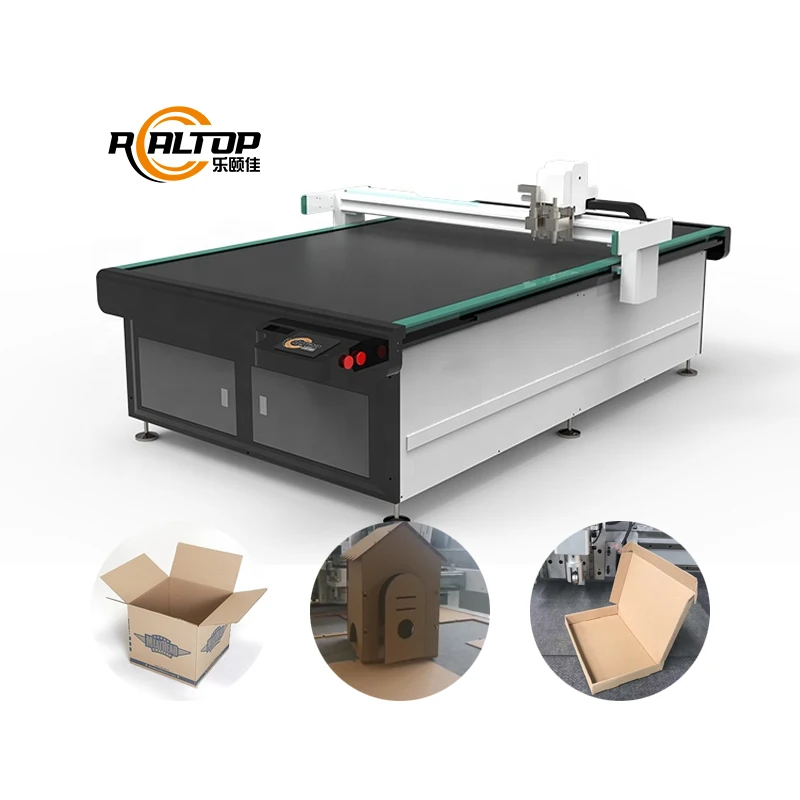
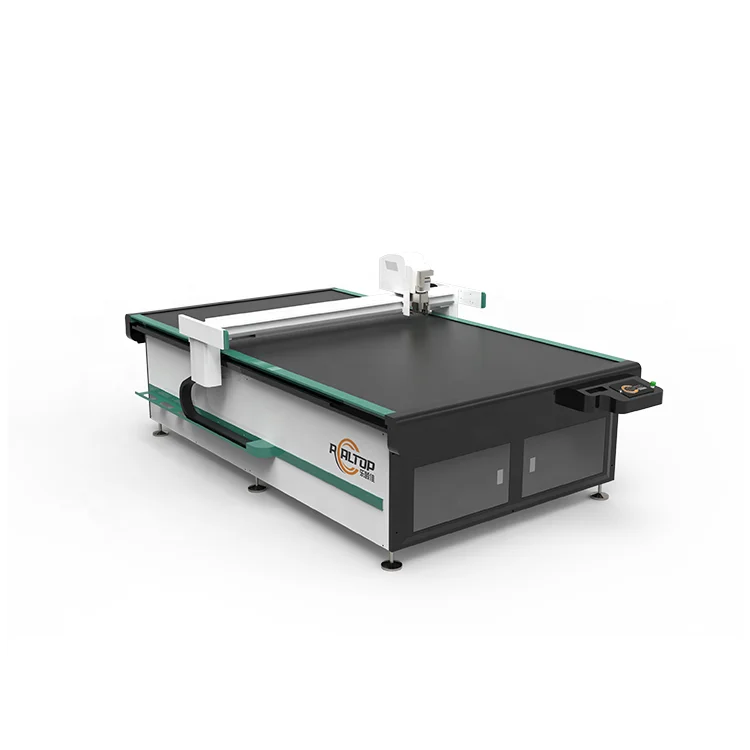
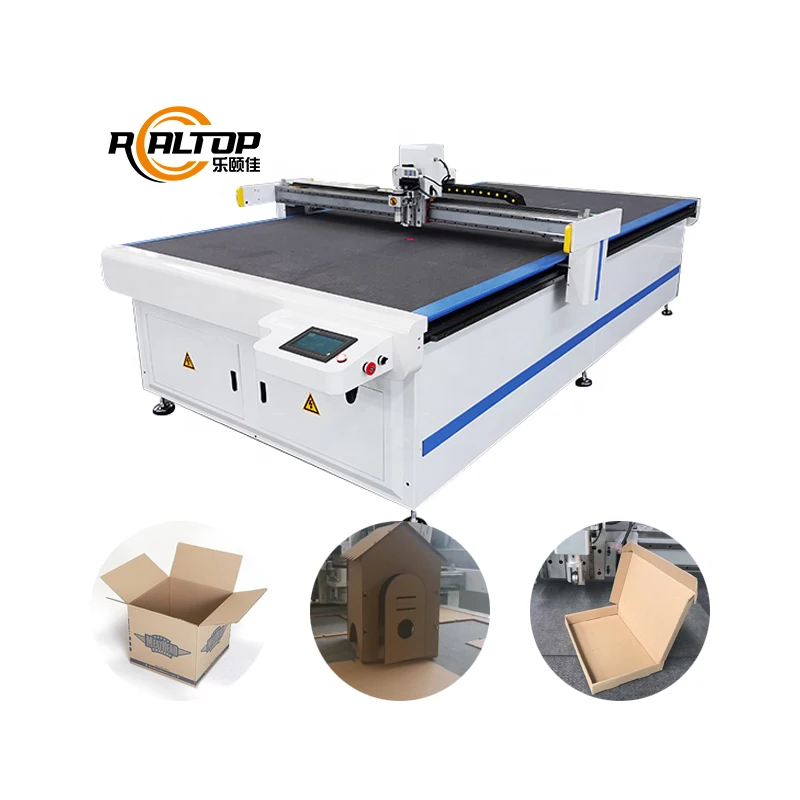
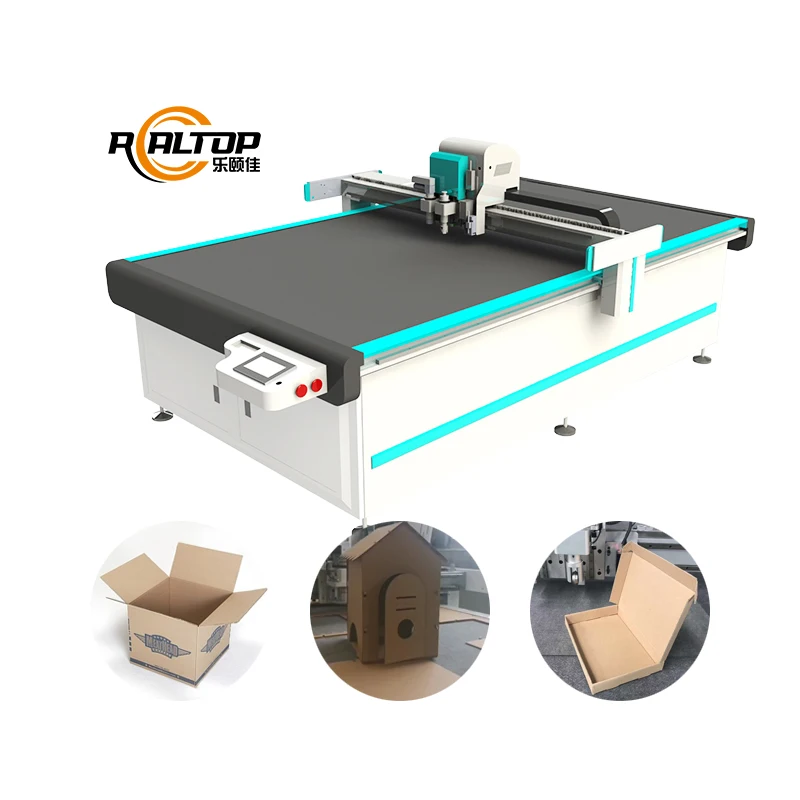
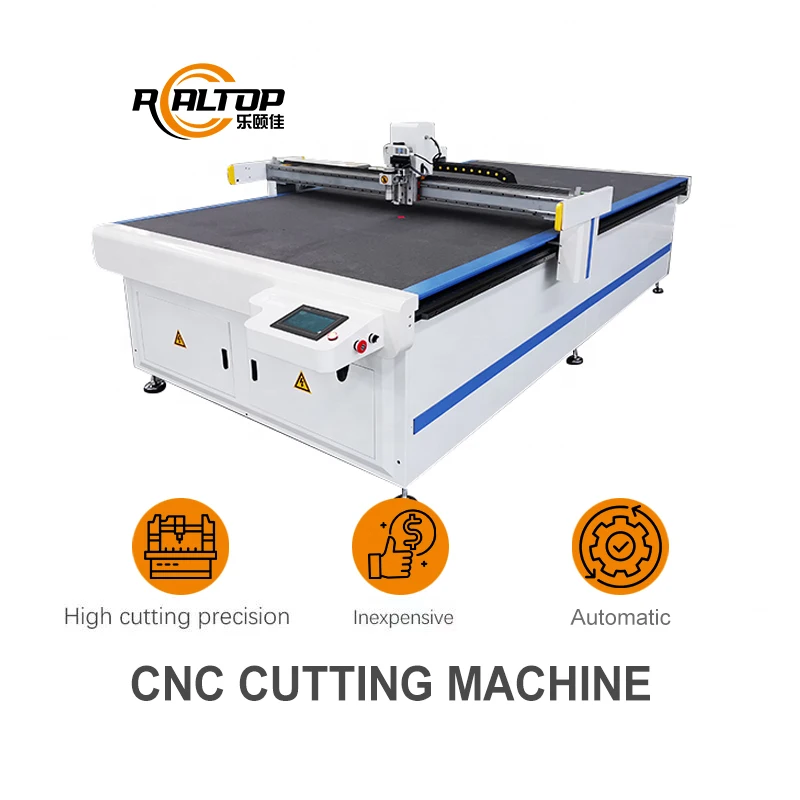
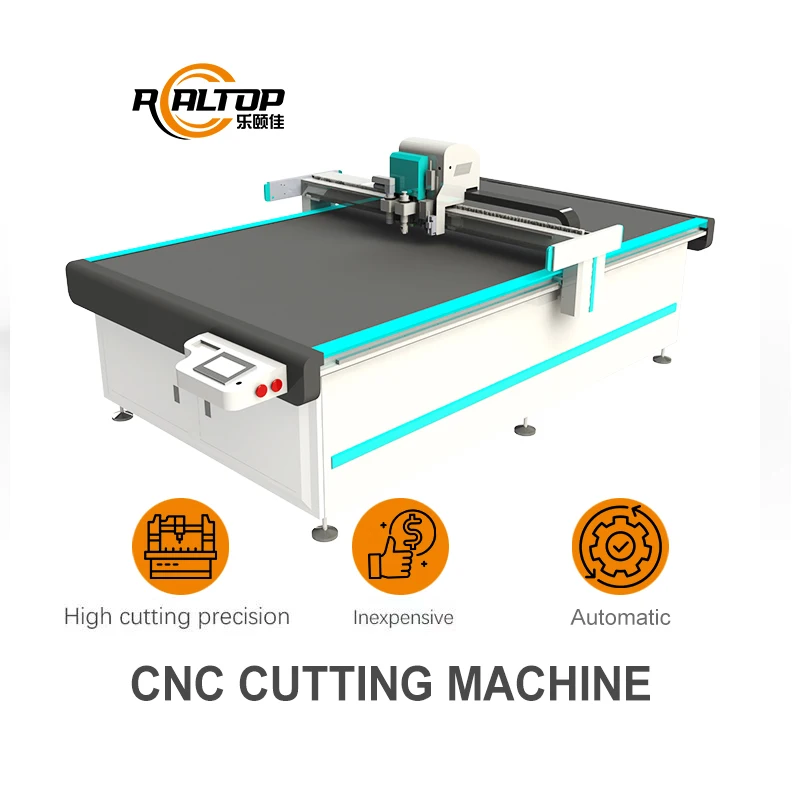
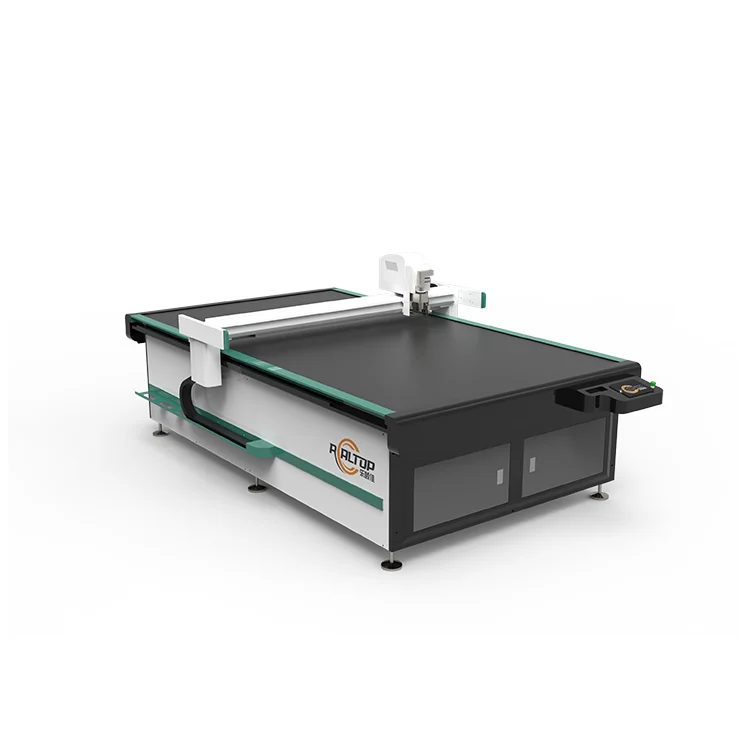
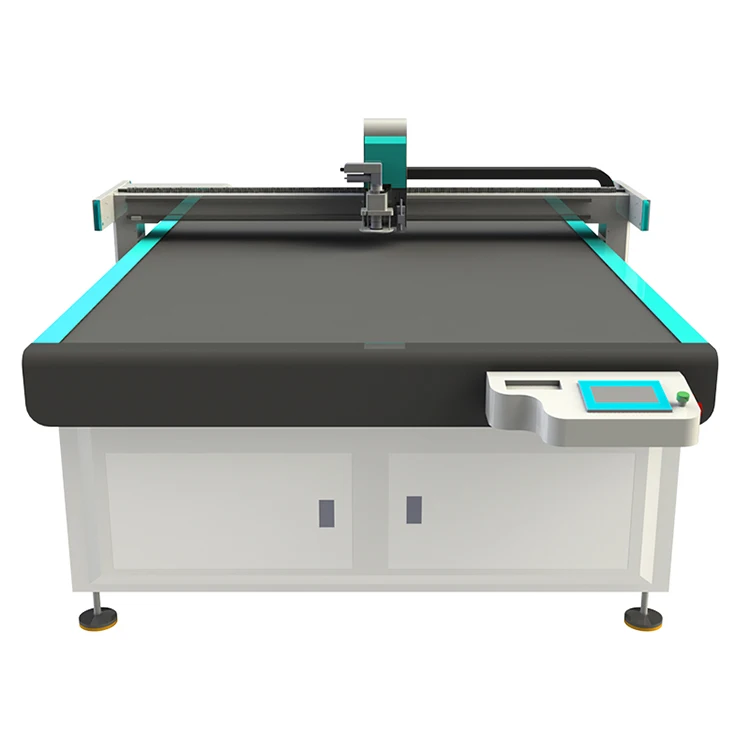
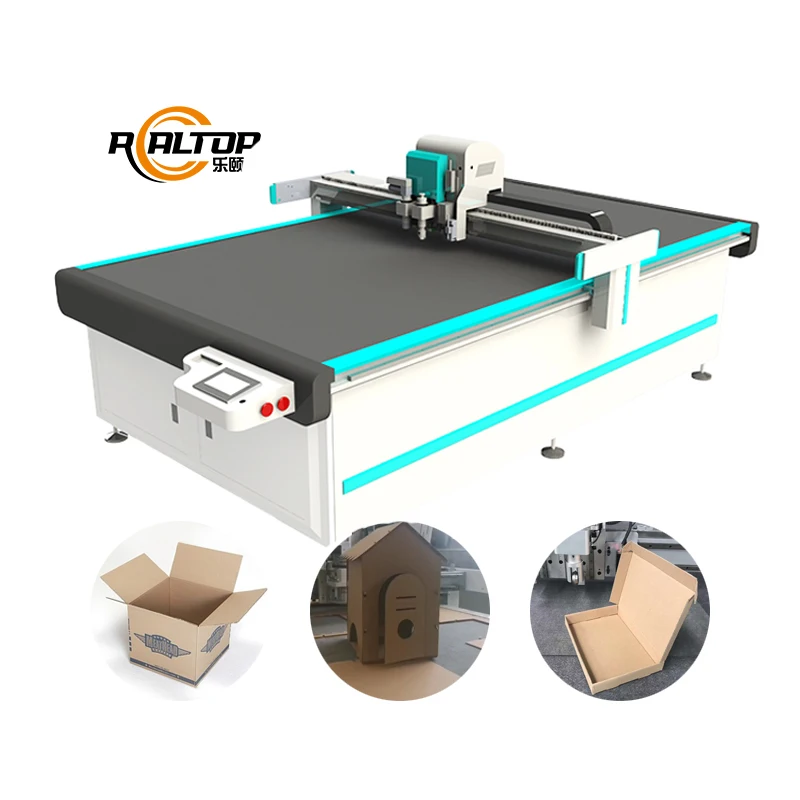
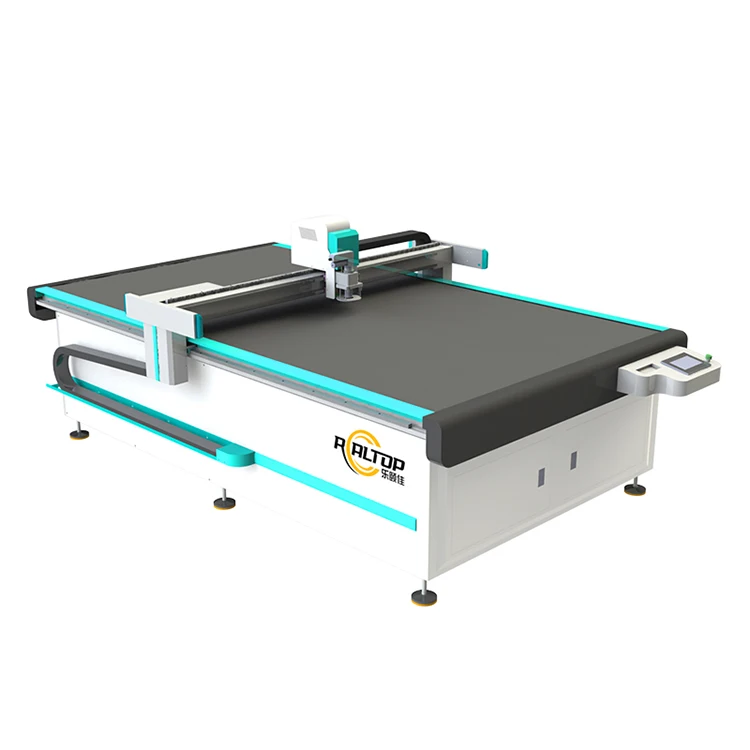
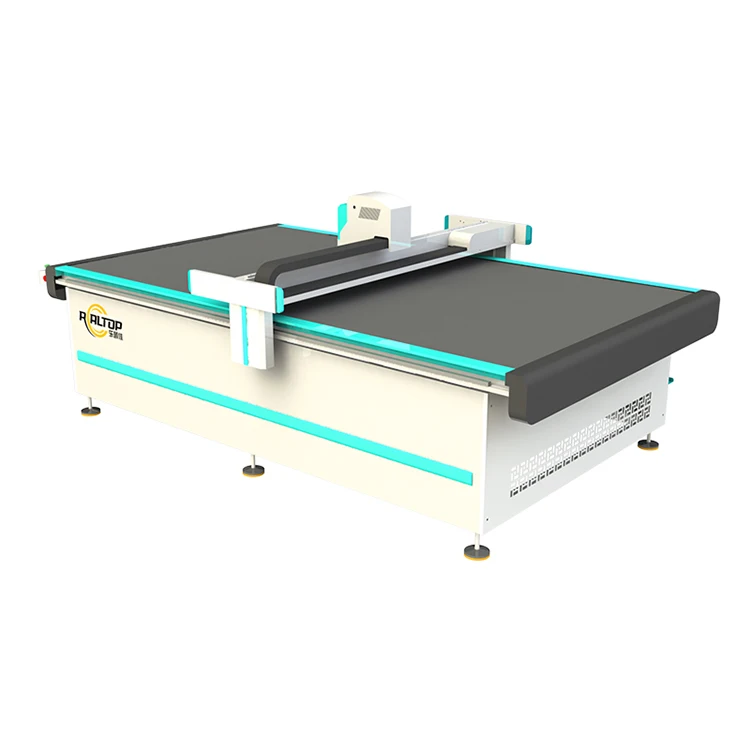
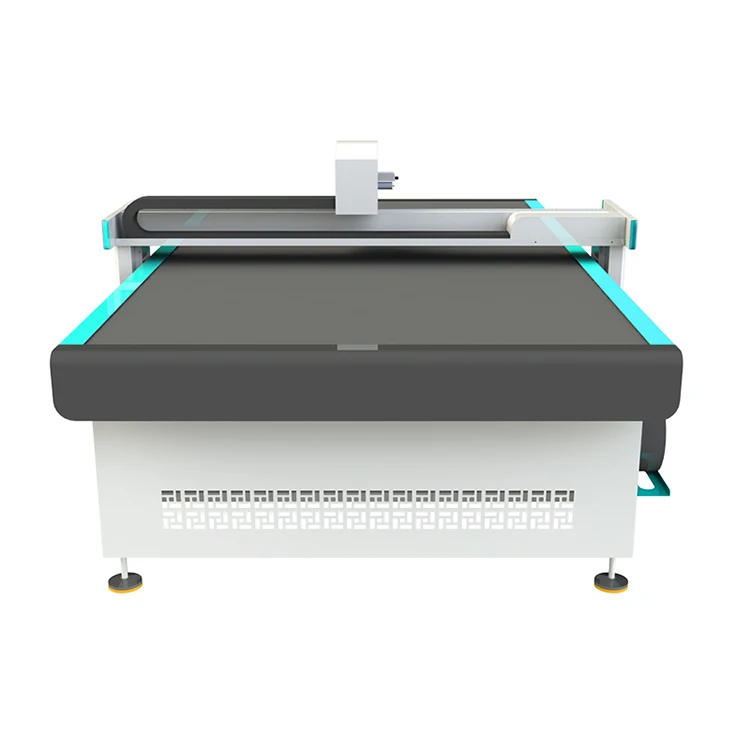
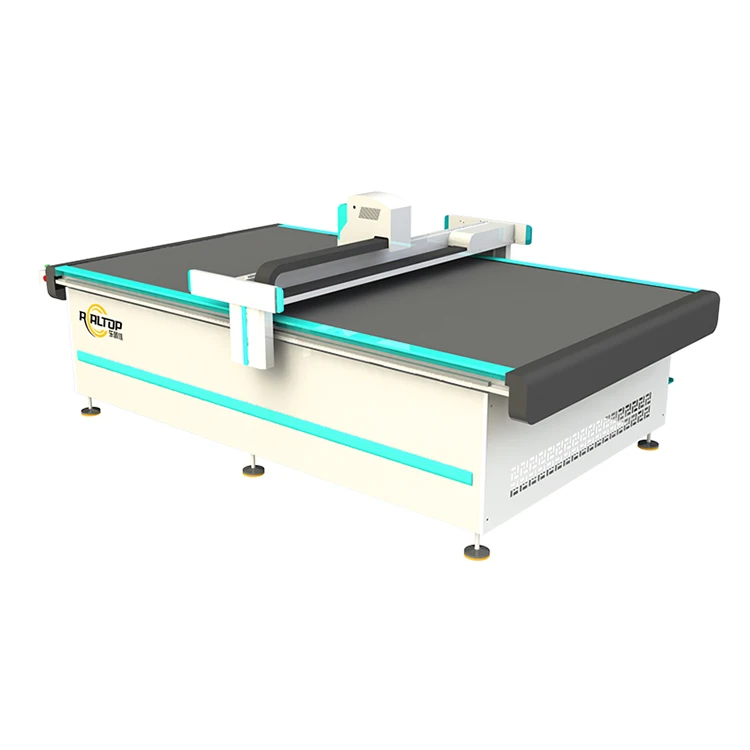
Tool head and table configuration specified per material and production volume — the RT-D2516 ships with Swiss imported oscillating knife, half cutting and cursor location functions on a flat vacuum table, so packaging sample makers match the tool to the board grade rather than forcing a generic setup.
Technical Specifications
| Parameter | Value |
|---|---|
| Product Type | CNC Digital Cutting Machine |
| Model | RT-D2516 |
| Working Area | 1600×2500 mm |
| Machine Size | 3450×2300×1250 mm |
| Rated Power | 9 kW |
| Translational Velocity | 800-1200 mm/s |
| Repeated Accuracy | ≤0.1 mm |
| Transmission System | Digital servo motor, linear guide, synchronous belt, imported ball screw |
| Servo Motor | Japanese Yaskawa |
| Linear Rail | Taiwan Hiwin |
| Vacuum Pump | 7.5 kW |
| Table Type | Flat vacuum table with auto feeding, Germany imported conveyor belt |
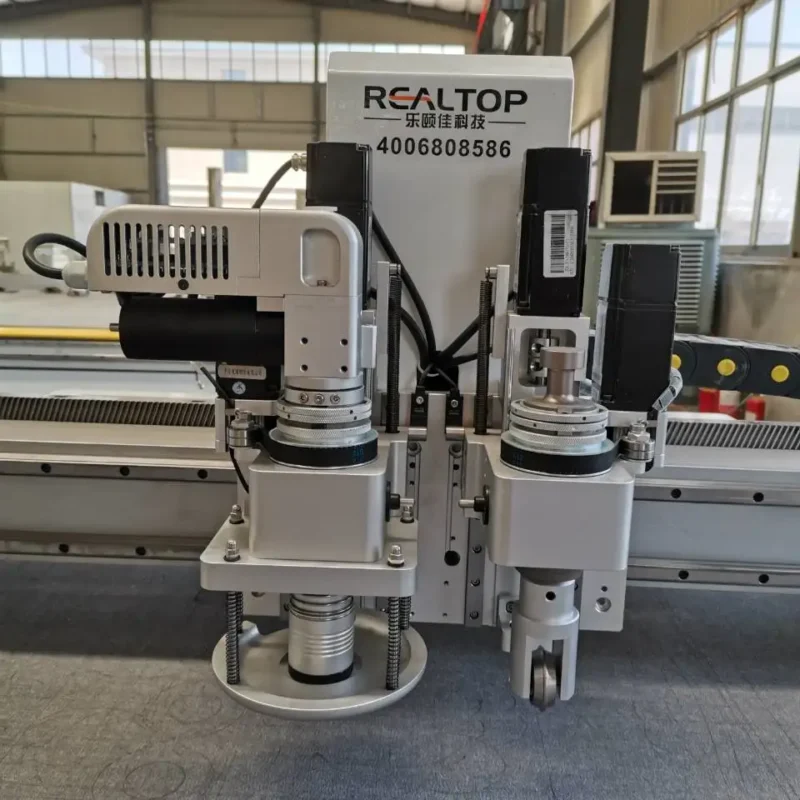
| Multifunctional Head | Swiss imported knife with vibration full cutting, vibration half cutting, cursor location |
| Instruction System | HP-GL compatible format |
| Safety Device | Infrared sensors |
| Voltage | 380V±10% |
| Cutting Materials | Corrugated board, grey board, stickers, leather, PVC, soft glass, silicon, rubber, sponge composite |
| Standards | CE (where applicable) |
Application Suitability
| Application | Material or Output |
|---|---|
| Carton and packaging sample making | Corrugated board, grey board, sticker sheets |
| Box prototype and short-run production | Single and double wall corrugated, folding carton stock |
| Leather and flexible material cutting | Genuine and synthetic leather, composite sponge leather |
| Garment and footwear component cutting | Fabric layers, flexible PVC, rubber sheets |
| Automotive interior components | Soft trim materials, gasket substrates, foam composites |
| Signage and advertising blanks | PVC board, vinyl, soft glass, silicon rubber |
Why Board Thickness Matters More Than Working Area
Buyers often specify a CNC digital cutting machine for sale by table size first, then discover the oscillating head cannot slice through their actual corrugated grade at production speed [NEED_CITE: material hardness variability in corrugated packaging substrates]. The cutting method must be validated against your thickest board before the model is locked in. I have watched packaging sample shops receive a machine that handled their standard E-flute perfectly but stalled on double-wall B/C flute because the vibration amplitude and knife stroke were not matched to that density. The result is ragged edges, crushed flutes on the bottom ply, and operators running multiple passes — cutting effective throughput in half on the very jobs that carry the tightest deadlines.
Matching the Knife Stroke to Corrugated and Grey Board
Corrugated board varies widely in crush resistance depending on flute profile and liner weight. The Swiss imported oscillating knife on the RT-D2516 delivers vibration full cutting and half cutting modes, allowing the operator to switch between clean through-cuts on single-wall stock and scored fold lines on grey board without changing tools. The cursor location function adds a reference point for aligning printed sheets before the cut cycle starts, which is essential when sample accuracy determines whether the client approves the carton design.
Vacuum Table Zoning for Small Packaging Prototypes
Packaging sample runs often involve nesting dozens of small carton blanks across a large sheet. The 7.5 kW vacuum pump on a flat table holds full sheets down, but small parts near the edges can lift if the vacuum zones are not segmented. The RT-D2516 uses a flat working table format designed for large-format packaging layouts. When the vacuum zoning matches the nesting pattern, small blanks stay flat through the final cut pass instead of shifting and producing oversize tolerances [NEED_CITE: vacuum hold-down requirements for small nested parts on flatbed cutters].
What the Drive Train Specifications Mean on the Shop Floor
The combination of Japanese Yaskawa servo motors and Taiwan Hiwin linear rails directly controls how tightly the machine holds repeated accuracy at ≤0.1 mm across the full 1600×2500 mm working area. In packaging sample making, a drift of even a few tenths of a millimeter across a long cut means fold lines no longer align with the printed crease, and the sample fails the client’s assembly test. The imported ball screw and synchronous belt transmission maintains positional accuracy whether the head is making short score lines or long perimeter cuts across a full sheet of grey board. The HP-GL compatible instruction system accepts file formats common in packaging design workflows, reducing the conversion steps between the designer’s CAD output and the machine controller.
When the Wrong Configuration Costs You the Order
A vacuum pump undersized for the sheet area leaves small carton tabs lifting mid-cut, producing scrap instead of samples [NEED_CITE: consequences of insufficient vacuum hold-down on flatbed digital cutters]. A machine specified without confirming the instruction system format means the buyer’s existing nesting software cannot send files directly, adding manual re-drawing time to every job. Voltage confirmed too late leads to transformer additions on site that were never budgeted. Each of these gaps surfaces only after the machine arrives.
What Distinguishes This Source from a Generic Listing
Realtop designs and produces both knife and laser cutting systems in-house, so the buyer selects the cutting method that fits the material instead of forcing one technology across every substrate. The RT-D2516 configuration is specified per material type and production volume before the order is placed. Sample cutting on the buyer’s own corrugated board or grey board is completed and documented before shipment. Software compatibility with the buyer’s file format is confirmed during the specification stage. Voltage, plug type and control language are documented and locked before the machine enters production.
Documentation & Verification
- Machine specification sheet covering RT-D2516 knife head options and table configuration
- Electrical schematic with 380V±10% voltage and 9 kW power confirmation for your facility
- Sample cutting report on your corrugated board and grey board stock before dispatch
- HP-GL instruction system file format compatibility note matching your design software
- Factory test record showing repeated accuracy across the 1600×2500 mm working area
- Packing photographs documenting machine condition prior to crating
Installation, Commissioning & Support
- 3450×2300×1250 mm machine footprint requires level concrete floor with clearance for auto feeding conveyor
- Dedicated 380V±10% circuit rated for 9 kW machine load plus 7.5 kW vacuum pump startup surge
- Flat vacuum table and Germany imported conveyor belt assembled and leveled on site at commissioning
- First-run parameter tuning for your specific corrugated flute profile and board thickness
- Operator training on Swiss knife head changeover between full cutting, half cutting and cursor location
- Spare knife blades and wear parts list with reorder intervals for continuous packaging sample production
What to Include With Your Inquiry
Send the corrugated flute profile, board thickness range and typical sheet dimensions you run in sample production. Specify your local voltage and frequency so the electrical package is matched before production starts. Share the file format your design team uses so instruction system compatibility is confirmed. If you have a current carton sample that failed on an existing machine, include the defect description so the tool head configuration addresses it directly.
Frequently Asked Questions
Q: How do I know if oscillating knife or laser cutting suits my packaging materials?
A: Oscillating knife handles corrugated board, grey board and sticker stock without burning edges or producing fumes, making it the standard for packaging sample making. Laser cutting is reserved for non-packaging materials where edge sealing is needed. Send your material samples for test cutting before selecting the method.
Q: What working area should I choose for carton sample production?
A: The 1600×2500 mm table accommodates full-size packaging sheets for nesting multiple carton blanks per cycle. Smaller working areas force single-blank cutting and reduce material yield. Confirm your largest sheet size and typical nesting layout before selecting the table dimension.
Q: Which tool heads do I need for different packaging substrates?
A: The Swiss imported oscillating knife covers full cutting and half cutting on corrugated and grey board. The cursor location function aligns printed sheets before cutting. Additional tool heads such as creasing wheels may be added depending on your fold line requirements and board weight.
Q: Will my existing design files run directly on this machine?
A: The HP-GL compatible instruction system accepts common packaging CAD formats. Before the order is placed, your file format is tested for compatibility and any required conversion steps are documented. This avoids manual re-drawing after the machine arrives.
Q: Can I test my own material before committing to the order?
A: Yes. Send your corrugated board, grey board or flexible material stock for sample cutting. The test report documents edge quality, cutting depth and achievable speed on your specific substrate before you confirm the configuration.
Tool head and table configuration specified per material and production volume — the RT-D2516 ships with Swiss imported oscillating knife, half cutting and cursor location functions on a flat vacuum table, so packaging sample makers match the tool to the board grade rather than forcing a generic setup.
Technical Specifications
| Parameter | Value |
|---|---|
| Product Type | CNC Digital Cutting Machine |
| Model | RT-D2516 |
| Working Area | 1600×2500 mm |
| Machine Size | 3450×2300×1250 mm |
| Rated Power | 9 kW |
| Translational Velocity | 800-1200 mm/s |
| Repeated Accuracy | ≤0.1 mm |
| Transmission System | Digital servo motor, linear guide, synchronous belt, imported ball screw |
| Servo Motor | Japanese Yaskawa |
| Linear Rail | Taiwan Hiwin |
| Vacuum Pump | 7.5 kW |
| Table Type | Flat vacuum table with auto feeding, Germany imported conveyor belt |
| Multifunctional Head | Swiss imported knife with vibration full cutting, vibration half cutting, cursor location |
| Instruction System | HP-GL compatible format |
| Safety Device | Infrared sensors |
| Voltage | 380V±10% |
| Cutting Materials | Corrugated board, grey board, stickers, leather, PVC, soft glass, silicon, rubber, sponge composite |
| Standards | CE (where applicable) |
Application Suitability
| Application | Material or Output |
|---|---|
| Carton and packaging sample making | Corrugated board, grey board, sticker sheets |
| Box prototype and short-run production | Single and double wall corrugated, folding carton stock |
| Leather and flexible material cutting | Genuine and synthetic leather, composite sponge leather |
| Garment and footwear component cutting | Fabric layers, flexible PVC, rubber sheets |
| Automotive interior components | Soft trim materials, gasket substrates, foam composites |
| Signage and advertising blanks | PVC board, vinyl, soft glass, silicon rubber |
Why Board Thickness Matters More Than Working Area
Buyers often specify a CNC digital cutting machine for sale by table size first, then discover the oscillating head cannot slice through their actual corrugated grade at production speed [NEED_CITE: material hardness variability in corrugated packaging substrates]. The cutting method must be validated against your thickest board before the model is locked in. I have watched packaging sample shops receive a machine that handled their standard E-flute perfectly but stalled on double-wall B/C flute because the vibration amplitude and knife stroke were not matched to that density. The result is ragged edges, crushed flutes on the bottom ply, and operators running multiple passes — cutting effective throughput in half on the very jobs that carry the tightest deadlines.
Matching the Knife Stroke to Corrugated and Grey Board
Corrugated board varies widely in crush resistance depending on flute profile and liner weight. The Swiss imported oscillating knife on the RT-D2516 delivers vibration full cutting and half cutting modes, allowing the operator to switch between clean through-cuts on single-wall stock and scored fold lines on grey board without changing tools. The cursor location function adds a reference point for aligning printed sheets before the cut cycle starts, which is essential when sample accuracy determines whether the client approves the carton design.
Vacuum Table Zoning for Small Packaging Prototypes
Packaging sample runs often involve nesting dozens of small carton blanks across a large sheet. The 7.5 kW vacuum pump on a flat table holds full sheets down, but small parts near the edges can lift if the vacuum zones are not segmented. The RT-D2516 uses a flat working table format designed for large-format packaging layouts. When the vacuum zoning matches the nesting pattern, small blanks stay flat through the final cut pass instead of shifting and producing oversize tolerances [NEED_CITE: vacuum hold-down requirements for small nested parts on flatbed cutters].
What the Drive Train Specifications Mean on the Shop Floor
The combination of Japanese Yaskawa servo motors and Taiwan Hiwin linear rails directly controls how tightly the machine holds repeated accuracy at ≤0.1 mm across the full 1600×2500 mm working area. In packaging sample making, a drift of even a few tenths of a millimeter across a long cut means fold lines no longer align with the printed crease, and the sample fails the client’s assembly test. The imported ball screw and synchronous belt transmission maintains positional accuracy whether the head is making short score lines or long perimeter cuts across a full sheet of grey board. The HP-GL compatible instruction system accepts file formats common in packaging design workflows, reducing the conversion steps between the designer’s CAD output and the machine controller.
When the Wrong Configuration Costs You the Order
A vacuum pump undersized for the sheet area leaves small carton tabs lifting mid-cut, producing scrap instead of samples [NEED_CITE: consequences of insufficient vacuum hold-down on flatbed digital cutters]. A machine specified without confirming the instruction system format means the buyer’s existing nesting software cannot send files directly, adding manual re-drawing time to every job. Voltage confirmed too late leads to transformer additions on site that were never budgeted. Each of these gaps surfaces only after the machine arrives.
What Distinguishes This Source from a Generic Listing
Realtop designs and produces both knife and laser cutting systems in-house, so the buyer selects the cutting method that fits the material instead of forcing one technology across every substrate. The RT-D2516 configuration is specified per material type and production volume before the order is placed. Sample cutting on the buyer’s own corrugated board or grey board is completed and documented before shipment. Software compatibility with the buyer’s file format is confirmed during the specification stage. Voltage, plug type and control language are documented and locked before the machine enters production.
Documentation & Verification
- Machine specification sheet covering RT-D2516 knife head options and table configuration
- Electrical schematic with 380V±10% voltage and 9 kW power confirmation for your facility
- Sample cutting report on your corrugated board and grey board stock before dispatch
- HP-GL instruction system file format compatibility note matching your design software
- Factory test record showing repeated accuracy across the 1600×2500 mm working area
- Packing photographs documenting machine condition prior to crating
Installation, Commissioning & Support
- 3450×2300×1250 mm machine footprint requires level concrete floor with clearance for auto feeding conveyor
- Dedicated 380V±10% circuit rated for 9 kW machine load plus 7.5 kW vacuum pump startup surge
- Flat vacuum table and Germany imported conveyor belt assembled and leveled on site at commissioning
- First-run parameter tuning for your specific corrugated flute profile and board thickness
- Operator training on Swiss knife head changeover between full cutting, half cutting and cursor location
- Spare knife blades and wear parts list with reorder intervals for continuous packaging sample production
What to Include With Your Inquiry
Send the corrugated flute profile, board thickness range and typical sheet dimensions you run in sample production. Specify your local voltage and frequency so the electrical package is matched before production starts. Share the file format your design team uses so instruction system compatibility is confirmed. If you have a current carton sample that failed on an existing machine, include the defect description so the tool head configuration addresses it directly.
Frequently Asked Questions
Q: How do I know if oscillating knife or laser cutting suits my packaging materials?
A: Oscillating knife handles corrugated board, grey board and sticker stock without burning edges or producing fumes, making it the standard for packaging sample making. Laser cutting is reserved for non-packaging materials where edge sealing is needed. Send your material samples for test cutting before selecting the method.
Q: What working area should I choose for carton sample production?
A: The 1600×2500 mm table accommodates full-size packaging sheets for nesting multiple carton blanks per cycle. Smaller working areas force single-blank cutting and reduce material yield. Confirm your largest sheet size and typical nesting layout before selecting the table dimension.
Q: Which tool heads do I need for different packaging substrates?
A: The Swiss imported oscillating knife covers full cutting and half cutting on corrugated and grey board. The cursor location function aligns printed sheets before cutting. Additional tool heads such as creasing wheels may be added depending on your fold line requirements and board weight.
Q: Will my existing design files run directly on this machine?
A: The HP-GL compatible instruction system accepts common packaging CAD formats. Before the order is placed, your file format is tested for compatibility and any required conversion steps are documented. This avoids manual re-drawing after the machine arrives.
Q: Can I test my own material before committing to the order?
A: Yes. Send your corrugated board, grey board or flexible material stock for sample cutting. The test report documents edge quality, cutting depth and achievable speed on your specific substrate before you confirm the configuration.
商品评价
There are no reviews yet.