

Fast Delivery
Quick, reliable shipping to any location.

Free & easy returns
Return this item by mail or in store within 90 days for a full refund.
Full catalogue coverage — RT-D2516/RT-S2516 sits within a complete range of oscillating knife and laser cutting systems, letting packaging buyers match method to material rather than forcing a single technology.
Technical Specifications
| Parameter | Value |
|---|---|
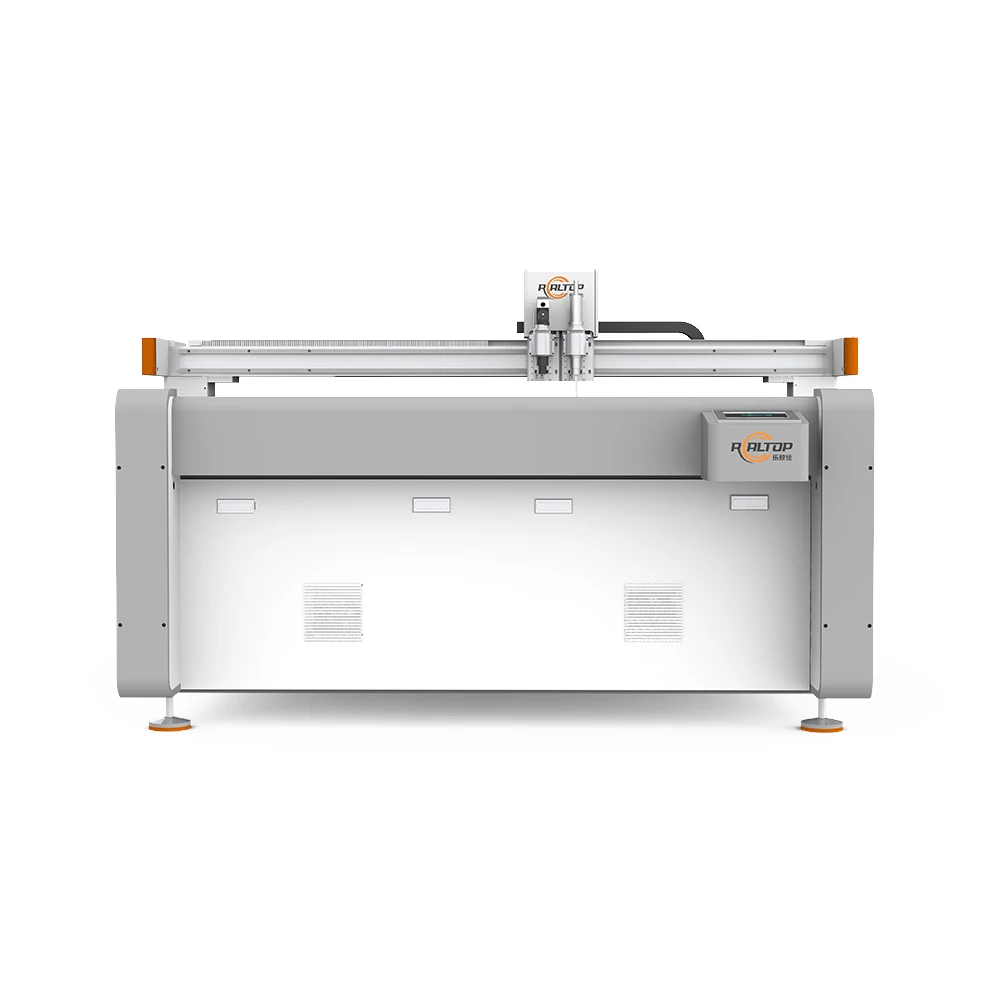
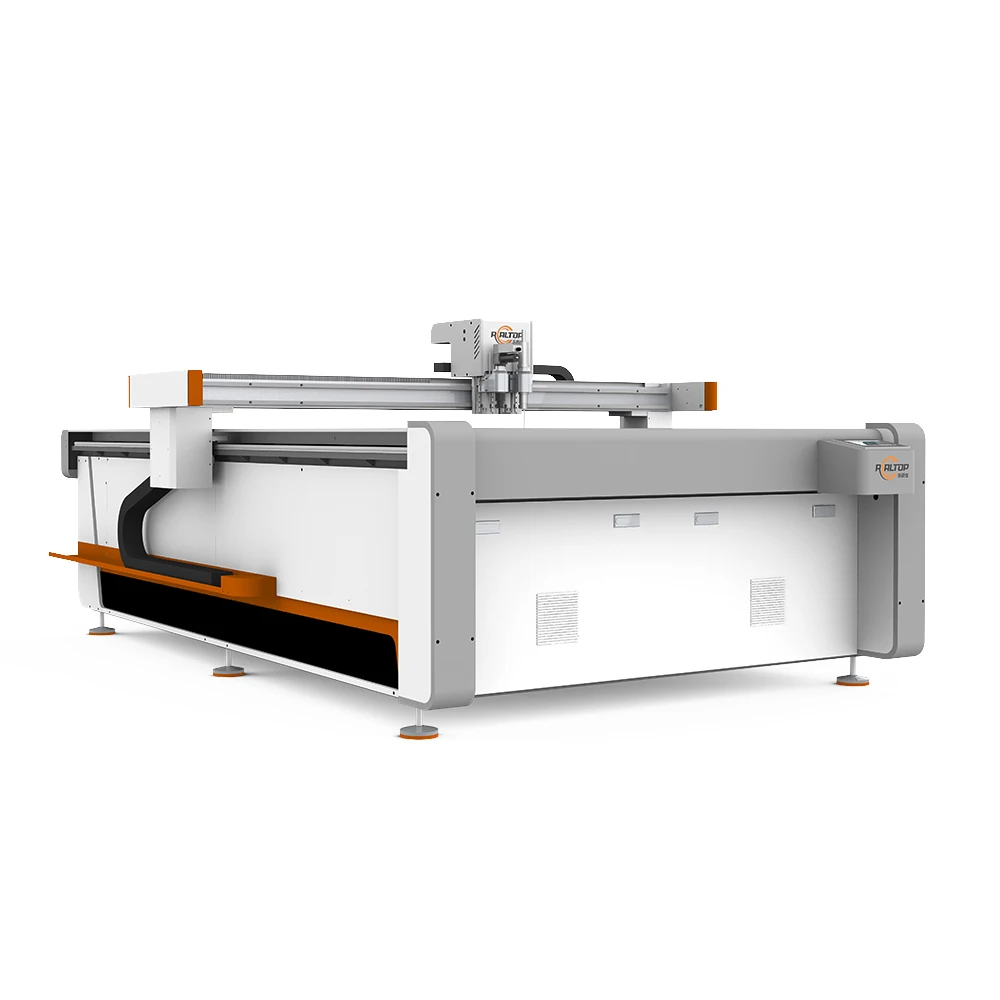
| Model | RT-D2516/RT-S2516 |
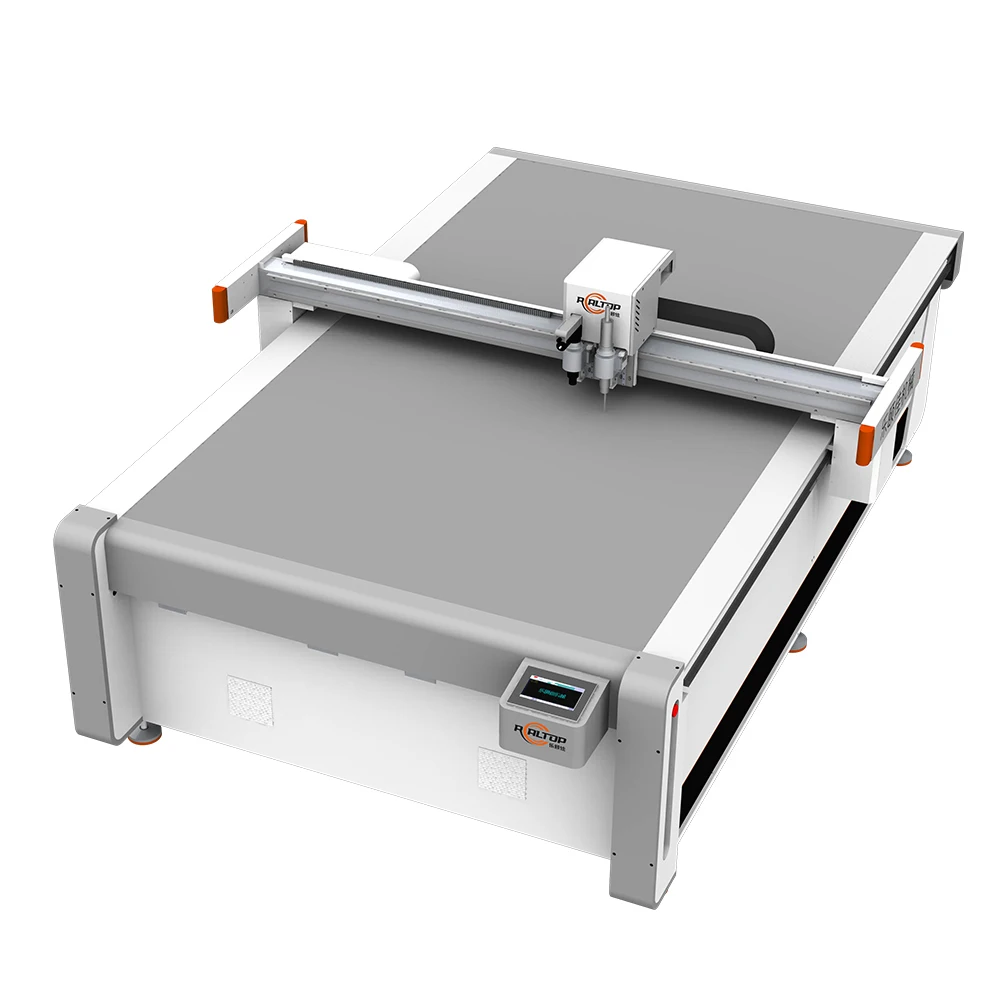
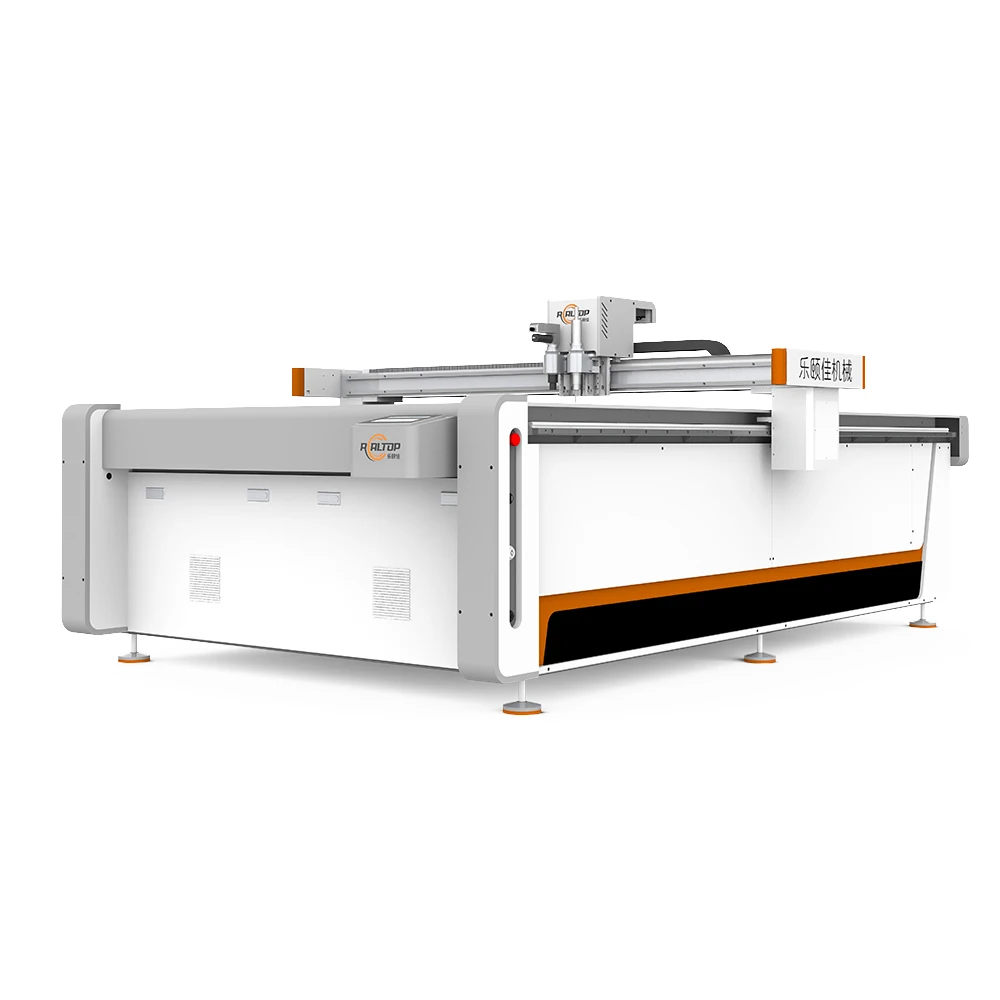
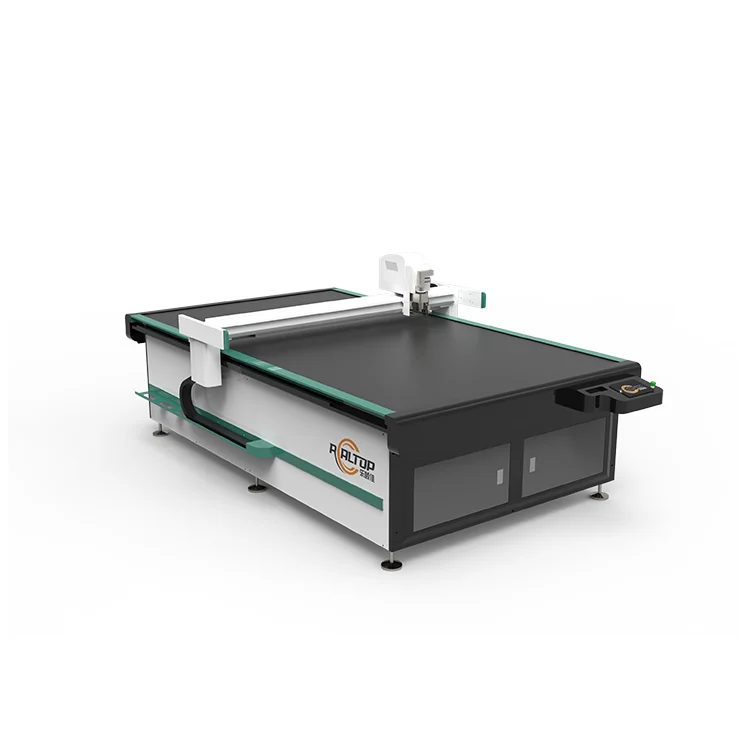
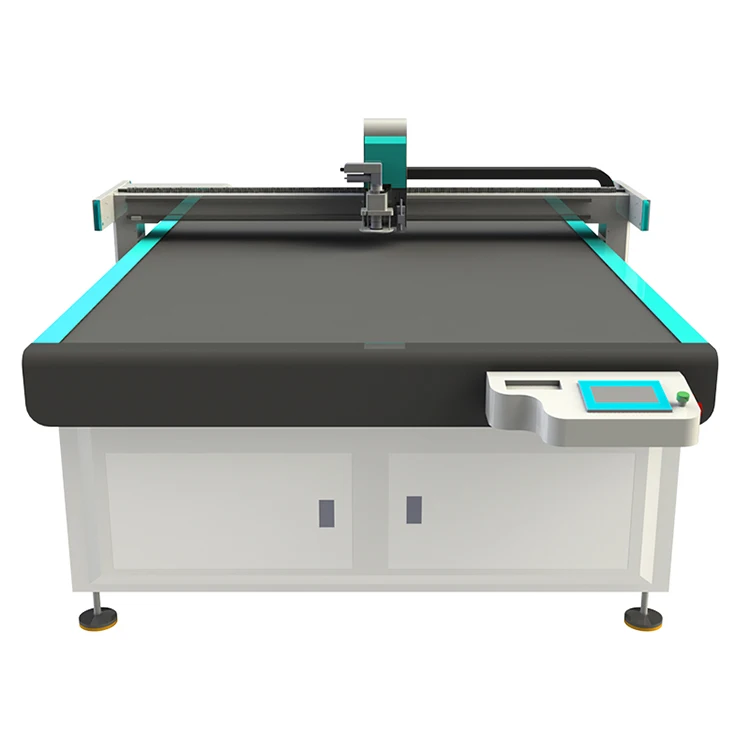
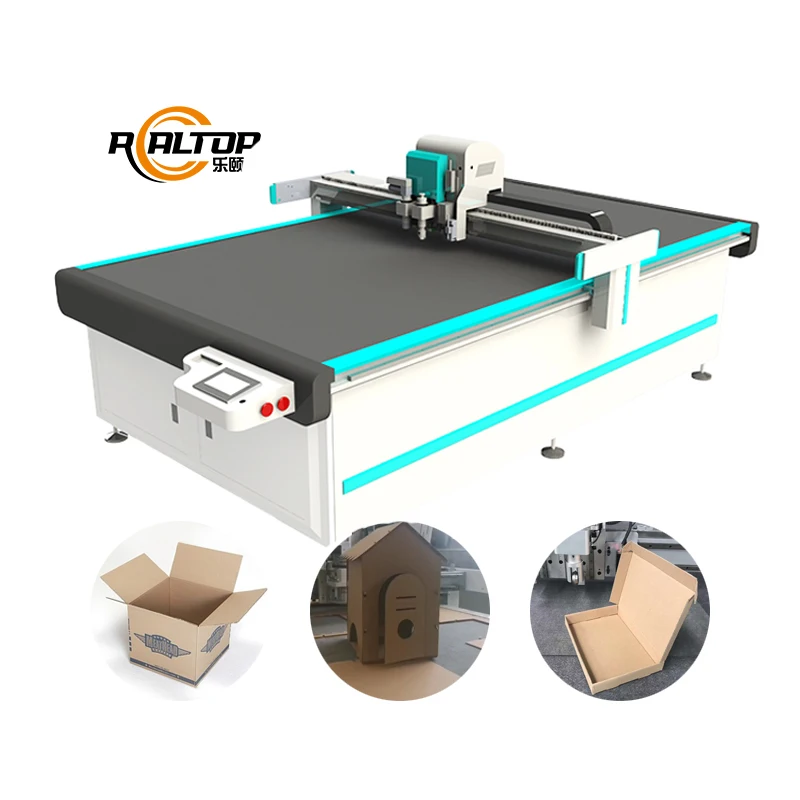
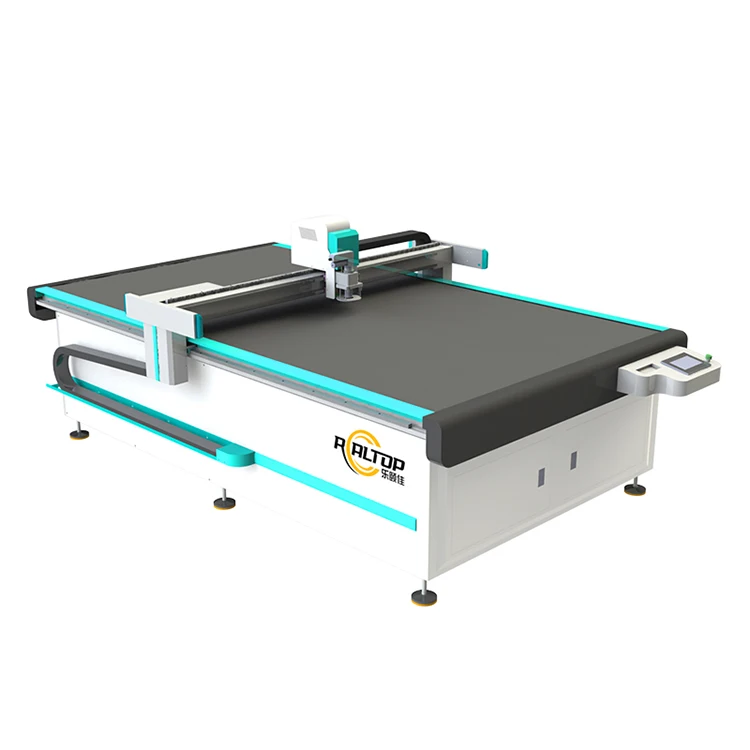
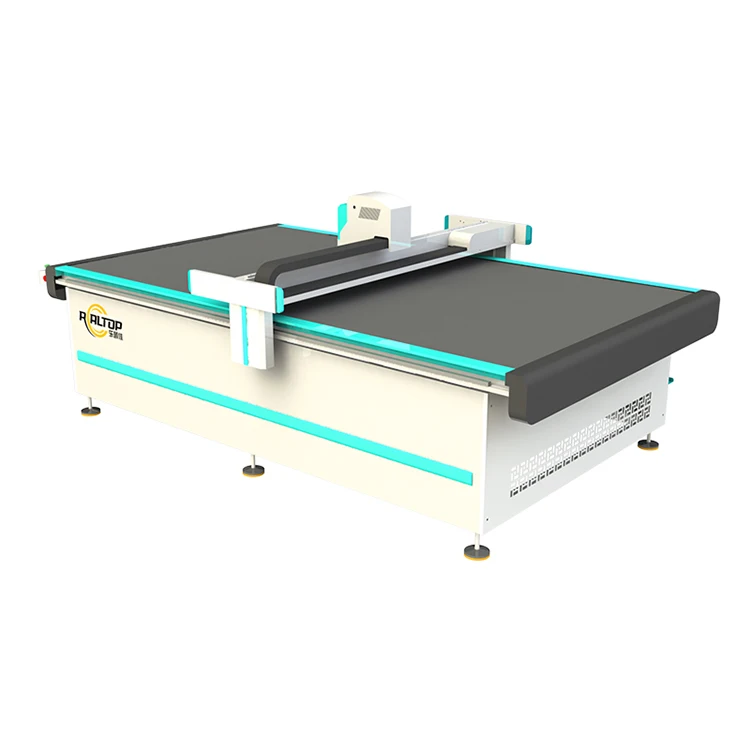
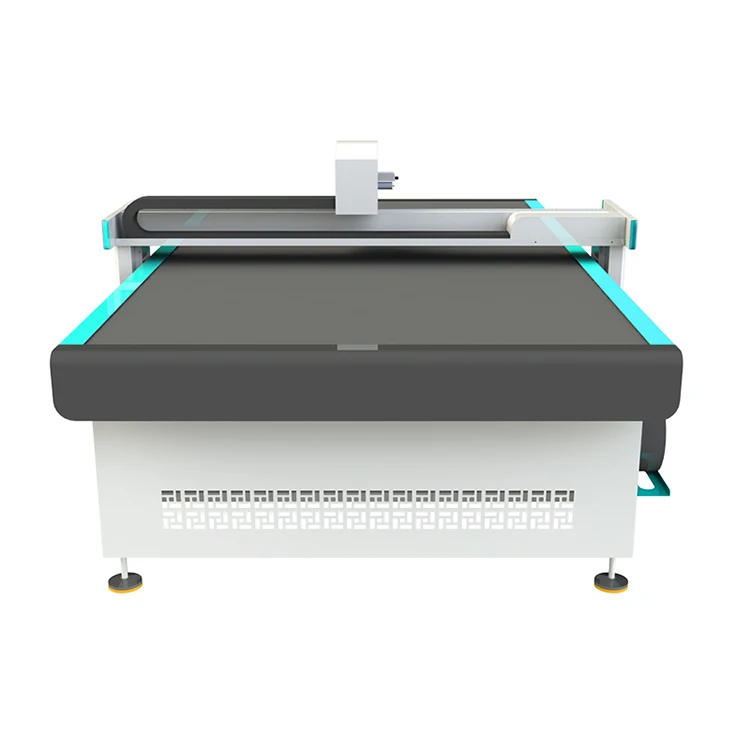
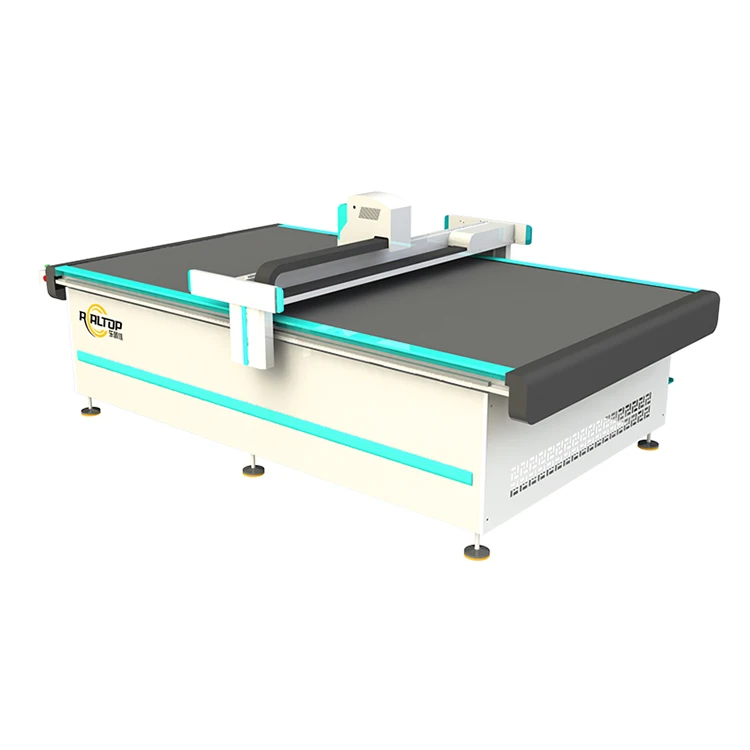
| Product Type | CNC Carton Box Cutting Machine |
| Working Area | 1600×2500mm |
| Machine Size | 3450×2300×1250mm |
| Rated Power | 9kW |
| Vacuum Pump | 7.5kW |
| Working Table | Aluminum alloy honeycomb structure vacuum adsorption platform |
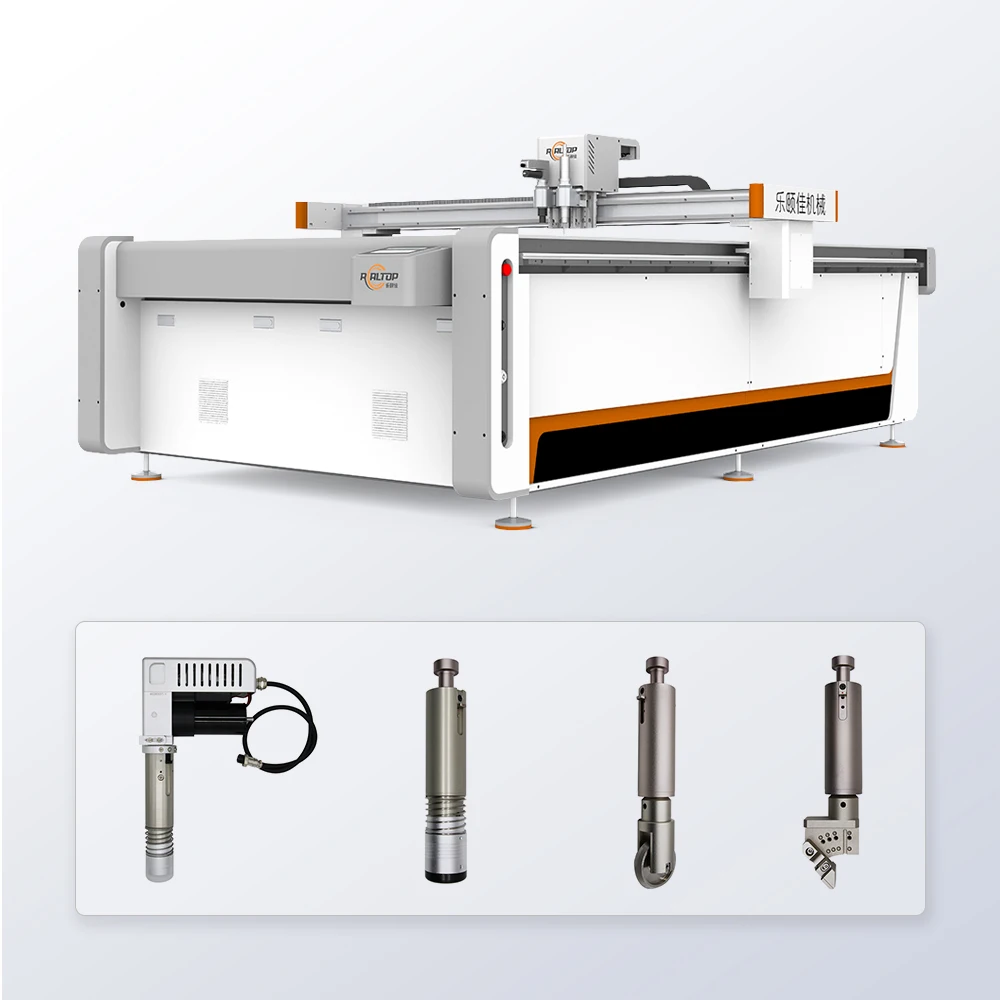
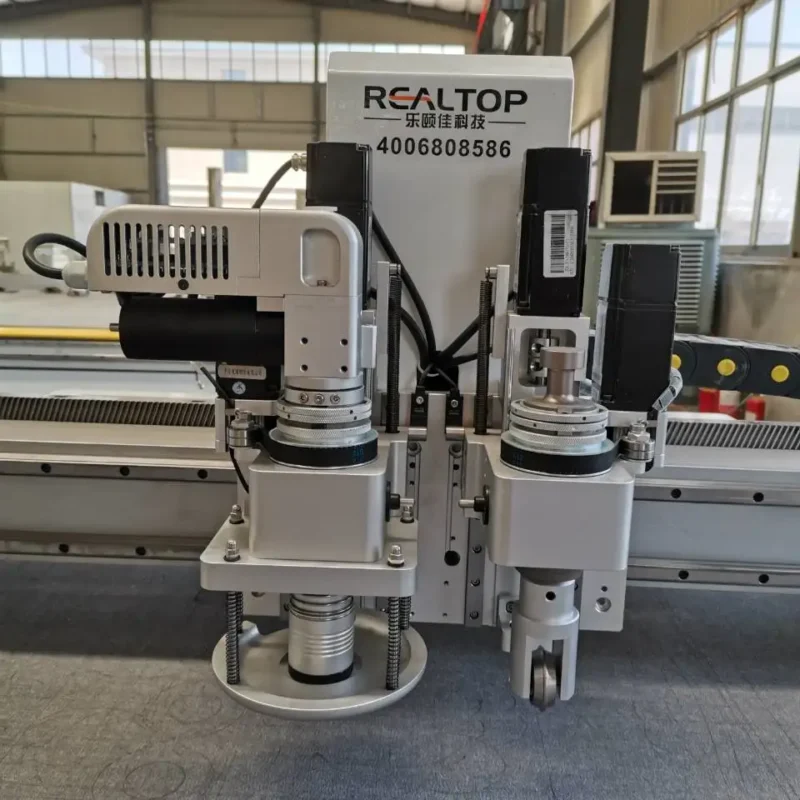
| Multifunctional Head | Swiss imported knife with vibration full cutting, vibration half cutting and cursor location |
| Translational Velocity | 800-2000mm/s |
| Cutting Speed | 200-800mm/s (according to different cutting materials) |
| Cutting Thickness | ≤100mm (varies with material) |
| Repeated Accuracy | ≤0.1mm |
| Transmission System | Digital servo motor, linear guide, synchronous belt, ball screw |
| Servo Motor | Delta |
| Guide Rail | Taiwan Hiwin |
| Instruction System | HP-GL compatible format |
| Voltage | 380V±10% |
| Safety Device | Infrared sensors |
| Software | Professional carton cutting software (language customizable) |
| Standards | CE declaration where applicable |
Application Suitability
| Application | Material or Output |
|---|---|
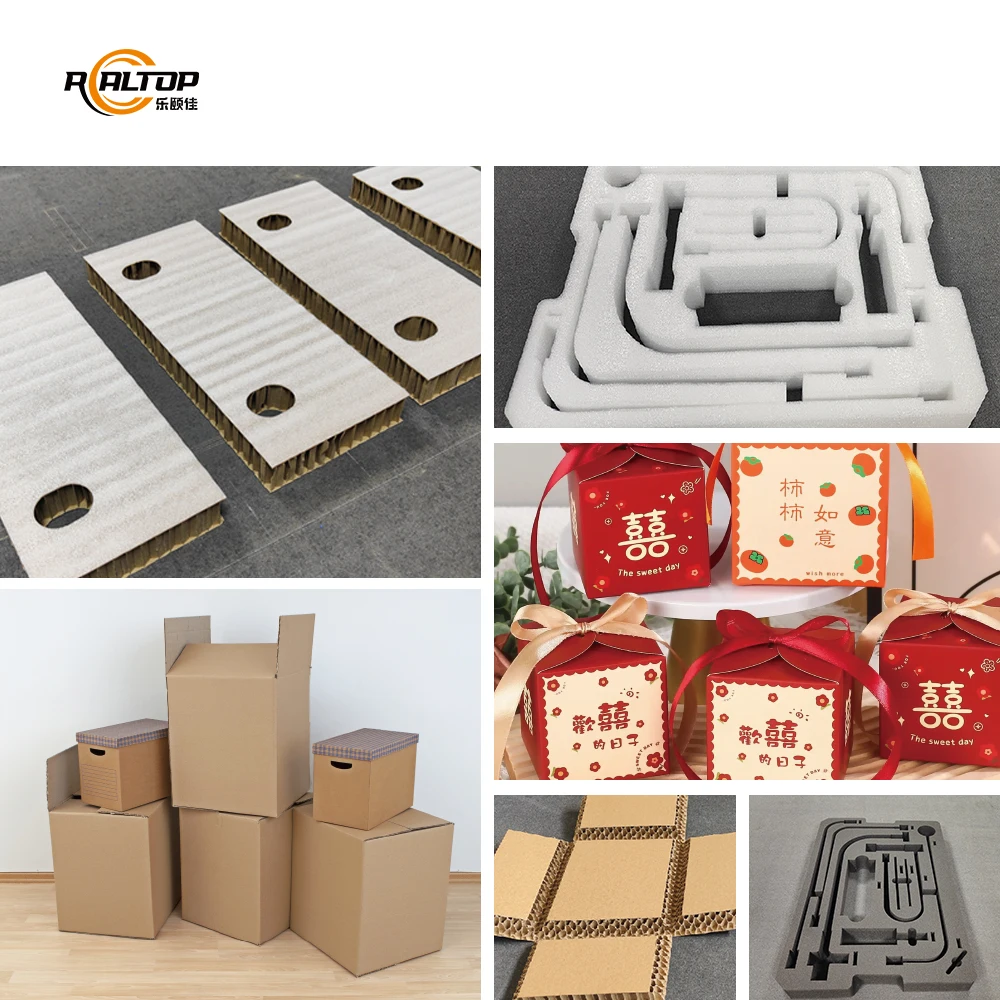
| Carton and corrugated packaging sample making | Single, double and triple-wall corrugated board |
| Gift box and premium packaging prototyping | Grey board, art card and coated stock |
| Sticker and label contour cutting | Vinyl, self-adhesive film and release liner |
| Billboard and display board production | Foam board, honeycomb paper and PP corrugated sheet |
| Express paper box and large electrical carton packaging | Heavy-weight kraft and laminated board |
| Business card and greeting card finishing | Coated and uncoated card stock |
Why Working Area Alone Decides Nothing on a CNC Carton Box Cutting Machine Manufacturer’s Quote
A machine specified on table size alone will fail the day a heavier corrugated grade hits the vacuum bed.
I learned this after a carton sample shop in Eastern Europe received their machine only to find their standard B-flute board was twice the gram weight they quoted during the sample test. The knife head could not cut through at production speed, and the vacuum zoning was too coarse to hold small die-cut pieces flat. They spent weeks adjusting downward on speed just to get usable edges. That situation repeats when buyers focus only on working area and skip the material conversation [NEED_CITE: industrial cutting equipment specification practices].
When you evaluate a CNC carton box cutting machine manufacturer, the real question is not how large the bed is. It is whether the tool head pressure, vacuum zoning and knife oscillation frequency have been matched to the heaviest board grade you plan to run. A 1600×2500mm working area handles most packaging sample workflows, but only if the aluminum alloy honeycomb platform provides enough localized suction to keep small carton blanks from lifting during high-speed contour cuts.
Knife Cutting Across the Packaging and Signage Spectrum
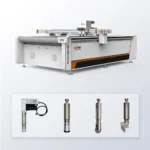
The RT-D2516/RT-S2516 uses a Swiss imported knife with vibration full cutting, half cutting and cursor location in a single multifunctional head. This covers the typical packaging sample maker’s range — through-cutting corrugated board for structural prototypes, half-cutting crease lines for folding tests, and using the cursor for registration marks on pre-printed sheets. The oscillating action handles materials from thin vinyl labels up to dense composite board within the stated thickness range, which is why a CNC carton box cutting machine manufacturer offering this head configuration suits shops running mixed-material jobs.
Where Laser and Knife Methods Diverge for Packaging Buyers
Some packaging applications call for laser rather than knife — particularly when sealing edges on synthetic boards or cutting intricate window shapes in coated stock. The broader equipment catalogue includes both CO2 laser and oscillating knife systems, so the decision comes down to material response. Knife cutting leaves a clean mechanical edge on corrugated and card stock without thermal discoloration, while laser can seal foam-core and synthetic substrates [NEED_CITE: knife versus laser cutting method selection for packaging materials]. Buyers surveying the full range should test their actual stock on both methods before narrowing to one.
Reading the Specs That Actually Shape Daily Output
The Delta servo motors paired with Taiwan Hiwin linear guides deliver repeated accuracy within 0.1mm, which matters when a packaging sample must fold to exact scores every time. The 7.5kW vacuum pump feeding the aluminum alloy honeycomb platform determines how well small carton blanks stay pinned during 800mm/s traverses — insufficient suction causes lift and ragged edges at cut endpoints. Cutting speed ranges from 200 to 800mm/s depending on material, and this range exists because dense triple-wall corrugated demands slower passes than single-face board. The HP-GL compatible instruction system means most packaging CAD outputs import directly, avoiding file conversion bottlenecks. Voltage at 380V±10% suits industrial three-phase supplies, though buyers in markets with different standards should confirm transformer or drive options before shipment [NEED_CITE: voltage and frequency standards by export market].
The Cost of Skipping Material Trials Before Shipment
When a buyer orders based on a spec sheet alone and their actual board weight differs from the factory test material, the machine arrives configured for the wrong pressure and oscillation frequency. Operators compensate by slowing the feed rate, which extends sample turnaround and frustrates clients waiting for packaging prototypes. In some cases the vacuum zoning does not match the nesting pattern, so small die-cut pieces shift during cutting and scrap rates climb. These problems trace back to skipping the sample cut on the buyer’s own stock [NEED_CITE: material verification practices in CNC equipment procurement].
What the Factory Build Brings to Each Unit
In-house design covers both knife and laser cutting technology within the same company, so packaging buyers comparing methods get honest guidance rather than a forced upsell. Tool head and table configuration are specified per material and production volume, not sold as a fixed package. CCD camera positioning is available on models within the broader range for shops handling pre-printed contour work. Software compatibility is confirmed before order so your existing nesting workflow transfers without rework. Voltage, control language and electrical schematics are customized for the destination market, avoiding the rewiring costs that follow a generic shipment.
Documentation & Verification
- Machine specification sheet confirming working area, knife head type and vacuum pump rating
- Sample cutting report on your corrugated board grade and thickness before dispatch
- Electrical schematic and 380V±10% voltage confirmation for your local supply standard
- Software licence and HP-GL file format compatibility note matching your CAD workflow
- Factory test record documenting repeated accuracy and cut quality on supplied material
Installation, Commissioning & Support
- Floor space of at least 3450×2300mm with level concrete base for the honeycomb vacuum platform
- Dedicated 380V three-phase circuit rated for the combined 9kW machine and 7.5kW vacuum pump load
- Machine arrives fully assembled with safety infrared sensors calibrated at the factory
- First-run parameter tuning on your corrugated stock, adjusting knife oscillation frequency and vacuum zoning
- Operator training on the professional carton cutting software with language set to your preference
- Spare knife blades and wearable belt components identified with reorder part numbers
Preparing Your Inquiry for an Accurate Configuration
Send your heaviest and lightest board grades along with typical sheet dimensions and daily sample volume so the tool head pressure and vacuum zoning can be specified correctly. Confirm your workshop voltage and frequency, and whether your existing CAD software outputs in HP-GL or another format. If you handle pre-printed packaging, note whether you need contour recognition from printed registration marks. Providing these details upfront avoids the material mismatch that causes most post-delivery adjustments.
Frequently Asked Questions
Q: How do I decide between knife and laser cutting for my packaging materials?
A: Knife cutting suits corrugated board, card stock, foam board and vinyl where a clean mechanical edge is needed without thermal effects. Laser works better on synthetic substrates requiring sealed edges. The full catalogue covers both methods, so testing your actual material on each system before committing gives a clear comparison of edge quality and throughput for your specific stock.
Q: What tool head and table configurations are available across the range?
A: The oscillating knife head with Swiss imported blade handles full cutting, half cutting and cursor location. The aluminum alloy honeycomb vacuum platform provides uniform hold-down across the 1600×2500mm working area. Other models in the catalogue offer different head options and table sizes depending on material type and production volume requirements.
Q: Can I get a sample cut on my own material before ordering?
A: Yes. Send your actual corrugated board or packaging stock to the factory for a cutting trial. The sample cutting report documents knife pressure, speed settings and edge quality on your specific material, so the machine ships configured for your production conditions rather than a generic test stock.
Q: What voltage and software customization options are available?
A: The standard configuration runs on 380V±10% three-phase supply, with voltage and electrical customization confirmed before shipment for your market. The professional carton cutting software supports HP-GL compatible formats and is available in customizable languages. File format compatibility with your existing nesting workflow is verified before the order is finalized.
Q: Which materials can this machine family handle beyond cardboard?
A: Beyond corrugated and card stock, the oscillating knife configuration cuts leather, PVC, soft glass, silicone, rubber and sponge composite materials up to the stated thickness range. The broader catalogue also includes fiber laser and CO2 laser systems for sheet metal, acrylic, wood and textile processing, covering most industrial cutting needs from a single manufacturer.
Full catalogue coverage — RT-D2516/RT-S2516 sits within a complete range of oscillating knife and laser cutting systems, letting packaging buyers match method to material rather than forcing a single technology.
Technical Specifications
| Parameter | Value |
|---|---|
| Model | RT-D2516/RT-S2516 |
| Product Type | CNC Carton Box Cutting Machine |
| Working Area | 1600×2500mm |
| Machine Size | 3450×2300×1250mm |
| Rated Power | 9kW |
| Vacuum Pump | 7.5kW |
| Working Table | Aluminum alloy honeycomb structure vacuum adsorption platform |
| Multifunctional Head | Swiss imported knife with vibration full cutting, vibration half cutting and cursor location |
| Translational Velocity | 800-2000mm/s |
| Cutting Speed | 200-800mm/s (according to different cutting materials) |
| Cutting Thickness | ≤100mm (varies with material) |
| Repeated Accuracy | ≤0.1mm |
| Transmission System | Digital servo motor, linear guide, synchronous belt, ball screw |
| Servo Motor | Delta |
| Guide Rail | Taiwan Hiwin |
| Instruction System | HP-GL compatible format |
| Voltage | 380V±10% |
| Safety Device | Infrared sensors |
| Software | Professional carton cutting software (language customizable) |
| Standards | CE declaration where applicable |
Application Suitability
| Application | Material or Output |
|---|---|
| Carton and corrugated packaging sample making | Single, double and triple-wall corrugated board |
| Gift box and premium packaging prototyping | Grey board, art card and coated stock |
| Sticker and label contour cutting | Vinyl, self-adhesive film and release liner |
| Billboard and display board production | Foam board, honeycomb paper and PP corrugated sheet |
| Express paper box and large electrical carton packaging | Heavy-weight kraft and laminated board |
| Business card and greeting card finishing | Coated and uncoated card stock |
Why Working Area Alone Decides Nothing on a CNC Carton Box Cutting Machine Manufacturer’s Quote
A machine specified on table size alone will fail the day a heavier corrugated grade hits the vacuum bed.
I learned this after a carton sample shop in Eastern Europe received their machine only to find their standard B-flute board was twice the gram weight they quoted during the sample test. The knife head could not cut through at production speed, and the vacuum zoning was too coarse to hold small die-cut pieces flat. They spent weeks adjusting downward on speed just to get usable edges. That situation repeats when buyers focus only on working area and skip the material conversation [NEED_CITE: industrial cutting equipment specification practices].
When you evaluate a CNC carton box cutting machine manufacturer, the real question is not how large the bed is. It is whether the tool head pressure, vacuum zoning and knife oscillation frequency have been matched to the heaviest board grade you plan to run. A 1600×2500mm working area handles most packaging sample workflows, but only if the aluminum alloy honeycomb platform provides enough localized suction to keep small carton blanks from lifting during high-speed contour cuts.
Knife Cutting Across the Packaging and Signage Spectrum
The RT-D2516/RT-S2516 uses a Swiss imported knife with vibration full cutting, half cutting and cursor location in a single multifunctional head. This covers the typical packaging sample maker’s range — through-cutting corrugated board for structural prototypes, half-cutting crease lines for folding tests, and using the cursor for registration marks on pre-printed sheets. The oscillating action handles materials from thin vinyl labels up to dense composite board within the stated thickness range, which is why a CNC carton box cutting machine manufacturer offering this head configuration suits shops running mixed-material jobs.
Where Laser and Knife Methods Diverge for Packaging Buyers
Some packaging applications call for laser rather than knife — particularly when sealing edges on synthetic boards or cutting intricate window shapes in coated stock. The broader equipment catalogue includes both CO2 laser and oscillating knife systems, so the decision comes down to material response. Knife cutting leaves a clean mechanical edge on corrugated and card stock without thermal discoloration, while laser can seal foam-core and synthetic substrates [NEED_CITE: knife versus laser cutting method selection for packaging materials]. Buyers surveying the full range should test their actual stock on both methods before narrowing to one.
Reading the Specs That Actually Shape Daily Output
The Delta servo motors paired with Taiwan Hiwin linear guides deliver repeated accuracy within 0.1mm, which matters when a packaging sample must fold to exact scores every time. The 7.5kW vacuum pump feeding the aluminum alloy honeycomb platform determines how well small carton blanks stay pinned during 800mm/s traverses — insufficient suction causes lift and ragged edges at cut endpoints. Cutting speed ranges from 200 to 800mm/s depending on material, and this range exists because dense triple-wall corrugated demands slower passes than single-face board. The HP-GL compatible instruction system means most packaging CAD outputs import directly, avoiding file conversion bottlenecks. Voltage at 380V±10% suits industrial three-phase supplies, though buyers in markets with different standards should confirm transformer or drive options before shipment [NEED_CITE: voltage and frequency standards by export market].
The Cost of Skipping Material Trials Before Shipment
When a buyer orders based on a spec sheet alone and their actual board weight differs from the factory test material, the machine arrives configured for the wrong pressure and oscillation frequency. Operators compensate by slowing the feed rate, which extends sample turnaround and frustrates clients waiting for packaging prototypes. In some cases the vacuum zoning does not match the nesting pattern, so small die-cut pieces shift during cutting and scrap rates climb. These problems trace back to skipping the sample cut on the buyer’s own stock [NEED_CITE: material verification practices in CNC equipment procurement].
What the Factory Build Brings to Each Unit
In-house design covers both knife and laser cutting technology within the same company, so packaging buyers comparing methods get honest guidance rather than a forced upsell. Tool head and table configuration are specified per material and production volume, not sold as a fixed package. CCD camera positioning is available on models within the broader range for shops handling pre-printed contour work. Software compatibility is confirmed before order so your existing nesting workflow transfers without rework. Voltage, control language and electrical schematics are customized for the destination market, avoiding the rewiring costs that follow a generic shipment.
Documentation & Verification
- Machine specification sheet confirming working area, knife head type and vacuum pump rating
- Sample cutting report on your corrugated board grade and thickness before dispatch
- Electrical schematic and 380V±10% voltage confirmation for your local supply standard
- Software licence and HP-GL file format compatibility note matching your CAD workflow
- Factory test record documenting repeated accuracy and cut quality on supplied material
Installation, Commissioning & Support
- Floor space of at least 3450×2300mm with level concrete base for the honeycomb vacuum platform
- Dedicated 380V three-phase circuit rated for the combined 9kW machine and 7.5kW vacuum pump load
- Machine arrives fully assembled with safety infrared sensors calibrated at the factory
- First-run parameter tuning on your corrugated stock, adjusting knife oscillation frequency and vacuum zoning
- Operator training on the professional carton cutting software with language set to your preference
- Spare knife blades and wearable belt components identified with reorder part numbers
Preparing Your Inquiry for an Accurate Configuration
Send your heaviest and lightest board grades along with typical sheet dimensions and daily sample volume so the tool head pressure and vacuum zoning can be specified correctly. Confirm your workshop voltage and frequency, and whether your existing CAD software outputs in HP-GL or another format. If you handle pre-printed packaging, note whether you need contour recognition from printed registration marks. Providing these details upfront avoids the material mismatch that causes most post-delivery adjustments.
Frequently Asked Questions
Q: How do I decide between knife and laser cutting for my packaging materials?
A: Knife cutting suits corrugated board, card stock, foam board and vinyl where a clean mechanical edge is needed without thermal effects. Laser works better on synthetic substrates requiring sealed edges. The full catalogue covers both methods, so testing your actual material on each system before committing gives a clear comparison of edge quality and throughput for your specific stock.
Q: What tool head and table configurations are available across the range?
A: The oscillating knife head with Swiss imported blade handles full cutting, half cutting and cursor location. The aluminum alloy honeycomb vacuum platform provides uniform hold-down across the 1600×2500mm working area. Other models in the catalogue offer different head options and table sizes depending on material type and production volume requirements.
Q: Can I get a sample cut on my own material before ordering?
A: Yes. Send your actual corrugated board or packaging stock to the factory for a cutting trial. The sample cutting report documents knife pressure, speed settings and edge quality on your specific material, so the machine ships configured for your production conditions rather than a generic test stock.
Q: What voltage and software customization options are available?
A: The standard configuration runs on 380V±10% three-phase supply, with voltage and electrical customization confirmed before shipment for your market. The professional carton cutting software supports HP-GL compatible formats and is available in customizable languages. File format compatibility with your existing nesting workflow is verified before the order is finalized.
Q: Which materials can this machine family handle beyond cardboard?
A: Beyond corrugated and card stock, the oscillating knife configuration cuts leather, PVC, soft glass, silicone, rubber and sponge composite materials up to the stated thickness range. The broader catalogue also includes fiber laser and CO2 laser systems for sheet metal, acrylic, wood and textile processing, covering most industrial cutting needs from a single manufacturer.
商品评价
There are no reviews yet.