


Fast Delivery
Quick, reliable shipping to any location.

Free & easy returns
Return this item by mail or in store within 90 days for a full refund.
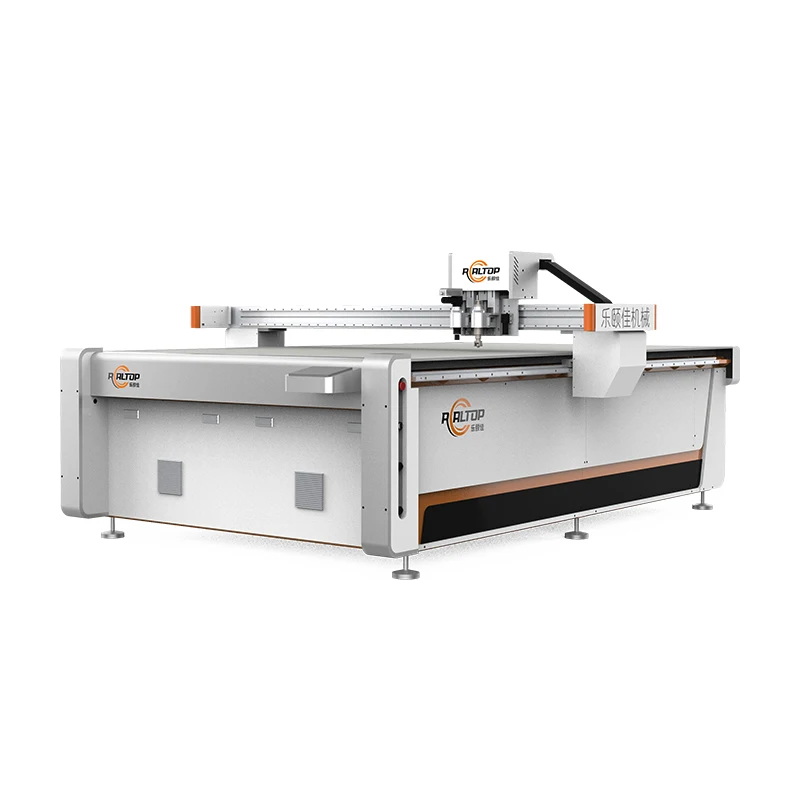
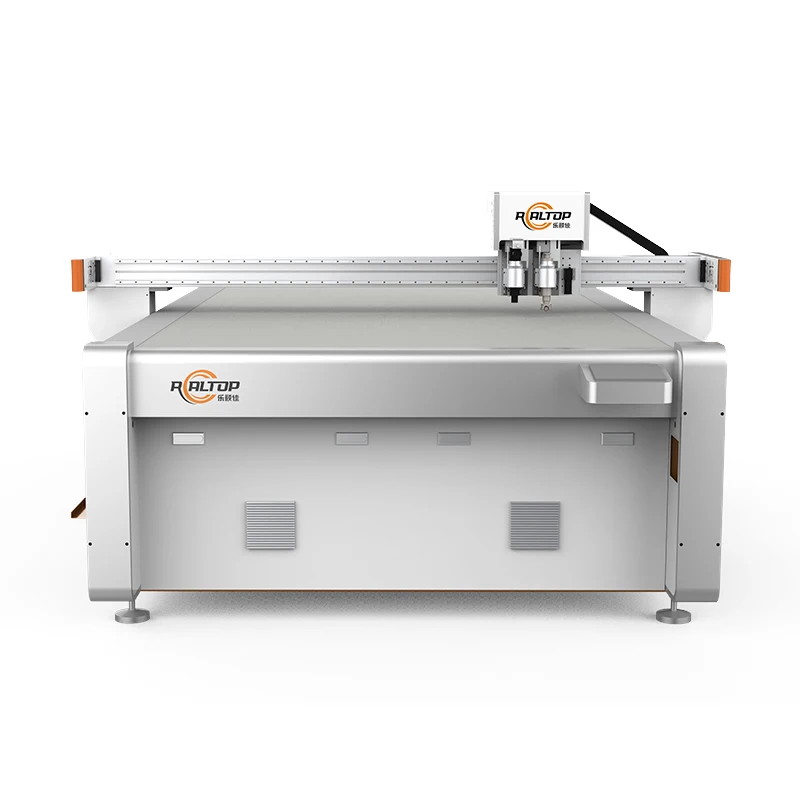
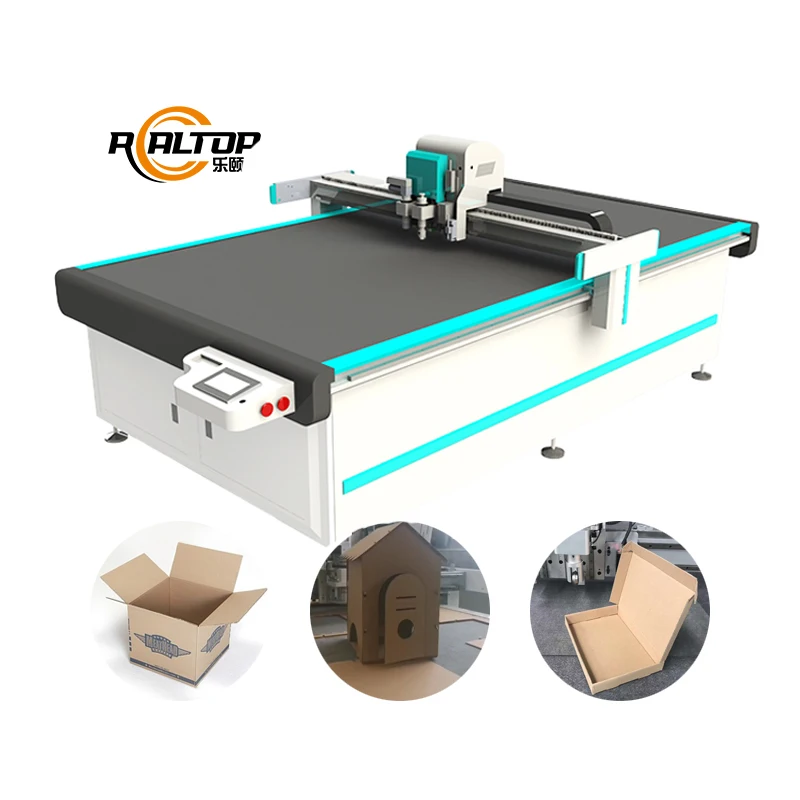
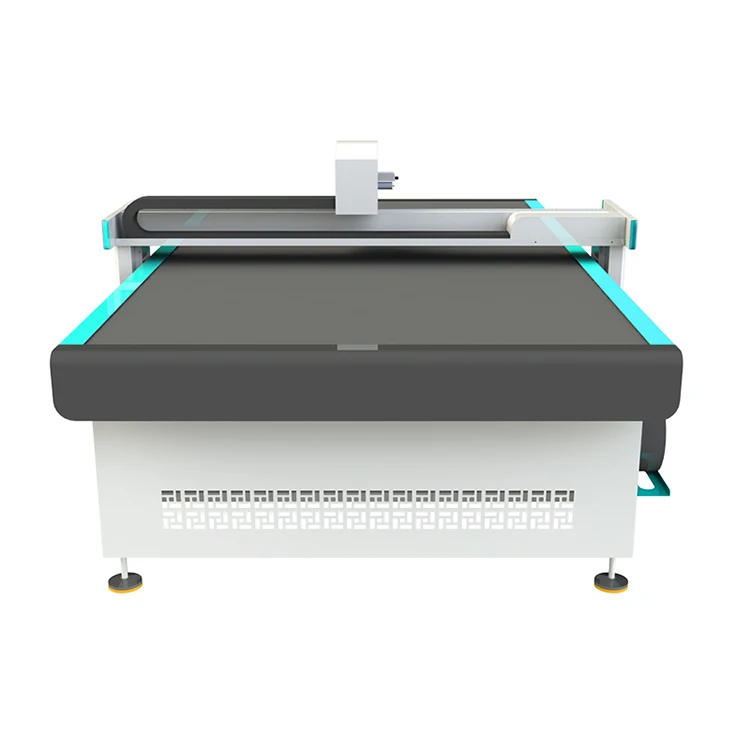
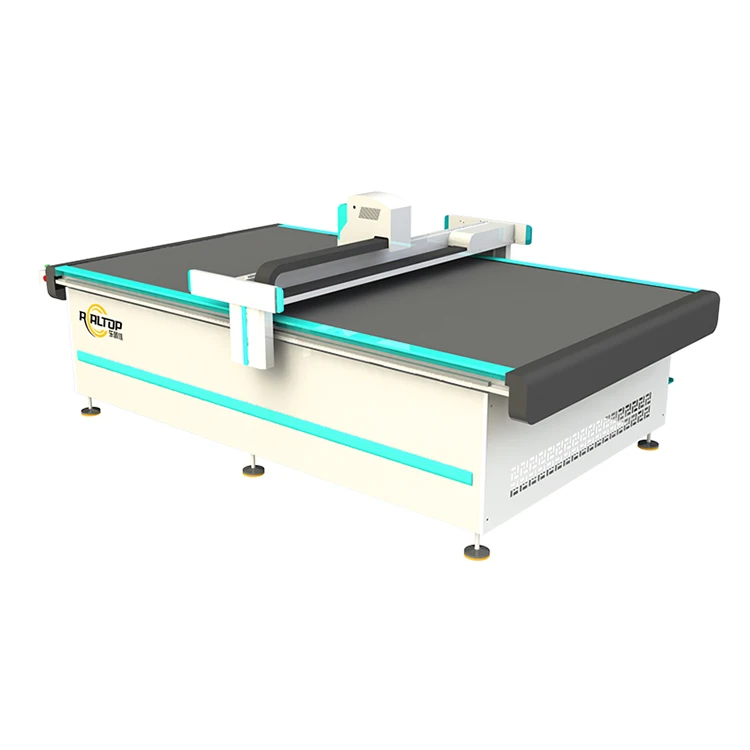
Tooling matched to board grade — The RT-D2516/RT-S2516 lineup pairs Swiss oscillating knife heads with zoned vacuum tables, so corrugated flute profiles and flexible substrates each get the cutting action they actually require rather than a one-blade-fits-all compromise.
Technical Specifications
| Parameter | Value |
|---|---|
| Model | RT-D2516/RT-S2516 |
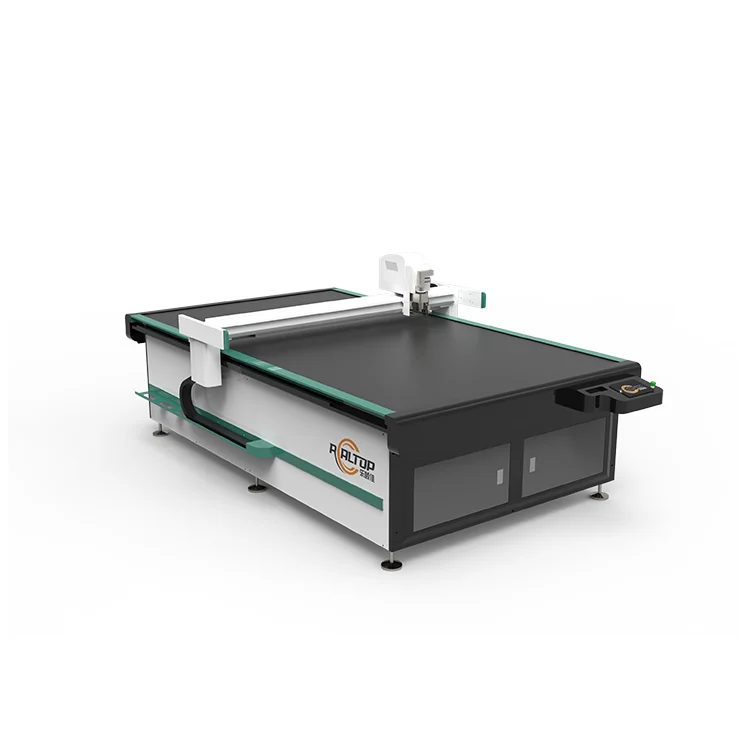
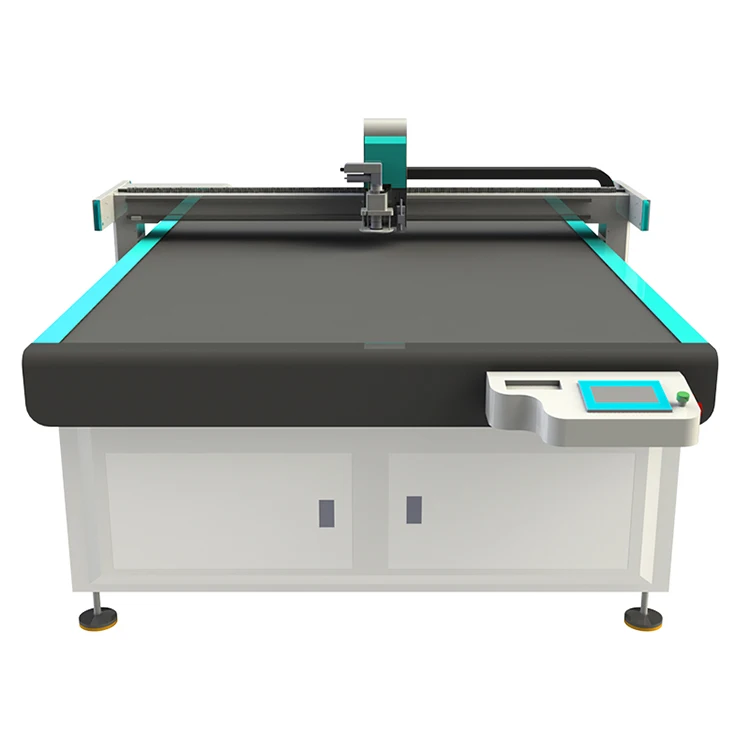
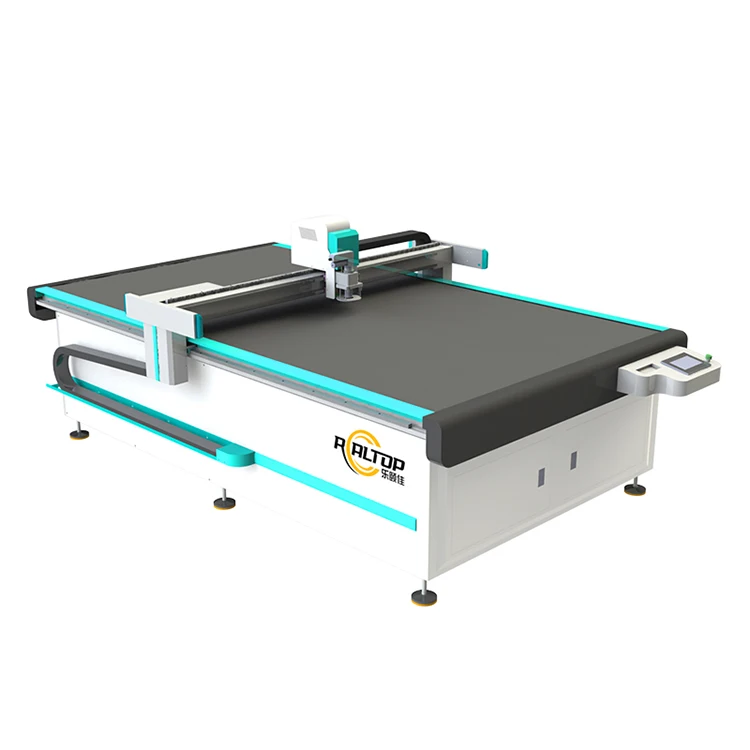
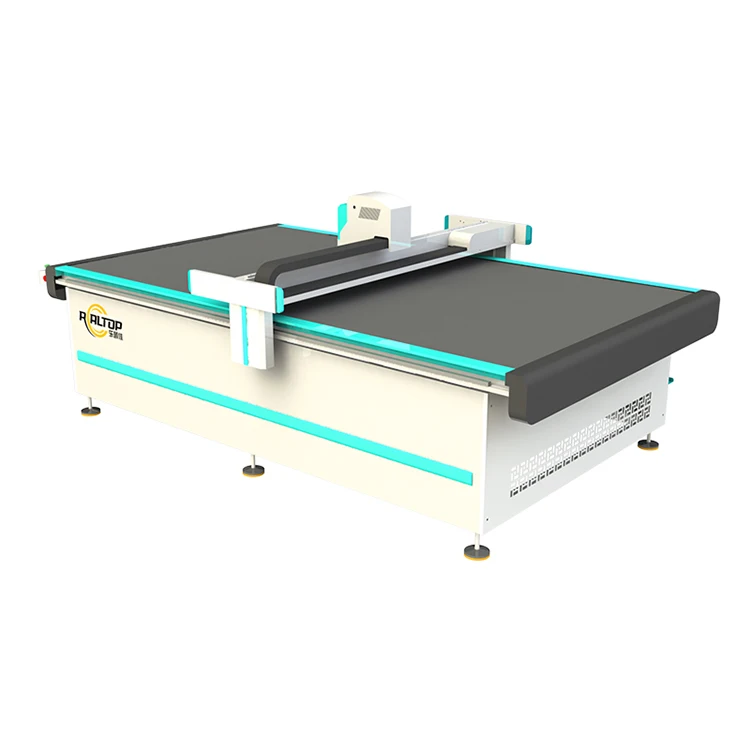
| Product Type | CNC Oscillating Knife Cutting Machine |
| Working Area | 1600×2500mm |
| Overall Dimensions | 3450×2300×1250mm |
| Rated Power | 9kW |
| Voltage | 380V±10% |
| Cutting Thickness | Up to 100mm (varies by material) |
| Translational Velocity | 800–2000mm/s |
| Cutting Speed | 200–800mm/s (basis not stated in source — confirm material / thickness) |
| Repeated Accuracy | ≤0.1mm |
| Transmission System | Delta servo motor, linear guide, synchronous belt, ball screw |
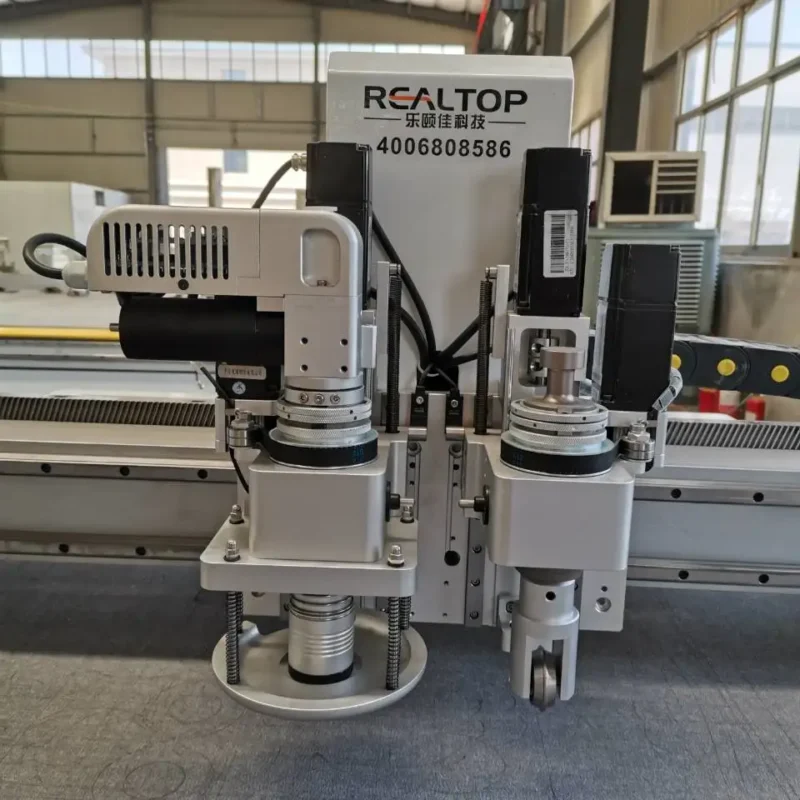
| Tool Head | Swiss imported oscillating knife with full cut, half cut and cursor location |
| Worktable | Aluminum alloy honeycomb vacuum adsorption platform |
| Vacuum Pump | 7.5kW |
| Safety Device | Infrared sensors and emergency stop |
| Control Format | HP-GL compatible |
| Software | Professional carton nesting software (multi-language support) |
| Guide Rails | Taiwan Hiwin linear guide |
| Feeding System | Germany imported conveyor belt, auto feeding |
| Assembly State | Flatbed working table |
Application Suitability
| Application | Material or Output |
|---|---|
| Corrugated packaging sample making | Single, double and triple-wall corrugated cardboard up to 100mm |
| Carton and box short-run production | Grey board, kraft paper, coated cardboard, express paper cartons |
| Sticker and label die-cutting | Self-adhesive vinyl, sticker sheets, business cards, tags |
| Signage and display fabrication | PVC foam board, corrugated plastic, billboard substrates |
| Flexible material processing | Leather, PVC, sponge composite, soft glass, silicon, rubber sheets |
Why Specifying Board Grade Before Ordering Matters
The cutting speed and depth envelope only holds when the knife oscillation frequency, vacuum zoning and feed rate all match the actual flute profile.
I once watched a buyer receive a machine spec’d for standard B-flute corrugated, then try to run double-wall BC-flute at the same feed parameters. The knife deflected, the edge crushed, and four days of adjustment followed before anyone thought to send a material sample back to the factory. A CNC oscillating knife cutting machine manufacturer who skips the sample-cutting step is asking you to discover those limits on your own floor. [NEED_CITE: corrugated flute profiles and crush resistance standards]
Oscillating Knife Head Selection by Substrate
The Swiss imported oscillating knife fitted to the RT-D2516/RT-S2516 delivers full-cut, half-cut and cursor location functions, which means a single head can crease a carton fold line and then through-cut the outline without a tool change. For corrugated and packaging sample work, this oscillating action slices through flute walls cleanly where a drag knife would crush and drag. The CNC flatbed digital cutting table for sale in this range also accepts creasing wheels and drag knife options when the material calls for scoring rather than cutting.
Vacuum Zoning and Small Part Stability
A 7.5kW vacuum pump drives the aluminum alloy honeycomb platform, and zoned adsorption keeps smaller carton blanks, stickers and tag shapes flat during cutting. Without adequate zoning, lightweight corrugated offcuts lift at the trailing edge as the knife exits, leaving ragged tails or forcing the operator to tape everything down by hand. The honeycomb cell structure distributes suction across the full 1600×2500mm area so that nesting software can pack parts tightly without worrying about hold-down gaps. [NEED_CITE: vacuum adsorption requirements for flatbed digital cutting tables]
Reading the Spec Sheet for Your Actual Production Job
The repeated accuracy of ≤0.1mm across the full working area matters most when carton sample making demands tight fold-line registration — a crease that drifts even half a millimeter produces a box that won’t close square. Delta servo motors paired with Taiwan Hiwin linear guides maintain that tolerance across the 3450×2300×1250mm machine footprint. Cutting thickness reaches up to 100mm depending on material density, but that envelope compresses as board hardness increases; high-density honeycomb board and grey board consume more of the available stroke than standard E-flute corrugated. Translational velocity of 800–2000mm/s governs rapid moves between cuts, while the 200–800mm/s cutting speed range must be confirmed against your specific board grade and thickness before quoting daily throughput. The HP-GL compatible control format ensures the nesting software can accept standard vector files from most packaging design platforms.
The Cost of Overlooking Vacuum and Tool Head Match
Buyers who specify a machine on working area alone often discover that the vacuum table cannot hold their smallest nested parts flat, forcing manual re-fixturing between every sheet. Choosing the wrong knife angle for a given flute profile produces crushed edges on one end and incomplete cuts on the other. These issues surface only after the machine arrives and production starts, turning what should have been a straightforward installation into a week of trial-and-error. [NEED_CITE: common causes of poor edge quality in oscillating knife cutting]
Why Source This Lineup Here
In-house design covers both oscillating knife and laser cutting technologies, so a buyer processing corrugated board today and acrylic tomorrow can match the method to the material rather than forcing one machine to do both. Tool head and table configuration gets specified per material and production volume before the order is placed. CCD camera positioning for printed contour work is available when packaging jobs require registered cuts to printed artwork. Software compatibility is confirmed against the buyer’s existing file formats before commitment, and sample cutting on the buyer’s own corrugated or flexible material validates the configuration before shipment. Voltage, control language and plug type are customized to the destination market so the machine powers up correctly on day one.
Documentation & Verification
- Machine specification sheet confirming voltage, plug type and control language for your market
- Sample cutting report on your corrugated or packaging board before order commitment
- Tool head and vacuum table configuration list matched to your material thickness and part size
- Software licence and HP-GL file format compatibility note for your nesting workflow
- Factory test record showing repeated accuracy verification across the full 1600×2500mm table
- Operation and maintenance manual in your selected control language
Installation, Commissioning & Support
- 380V±10% three-phase supply with dedicated 9kW circuit and verified earth bonding required
- 3450×2300mm footprint plus operator clearance on at least two sides of the flatbed table
- Machine ships as a single flatbed assembly; vacuum pump and conveyor feeding system connect on arrival
- First-run parameter setting covers knife oscillation frequency, vacuum zone mapping and Delta servo tuning
- Operator training on carton nesting software, tool head changes and HP-GL file import workflow
- Spare parts list includes oscillating knife blades, conveyor belt segments and vacuum seals
What to Prepare Before Your Inquiry
Share the specific corrugated flute profile, board grade and maximum sheet thickness you intend to run, along with your typical daily volume and nesting workflow. Confirm the local voltage and frequency at your facility, the control language your operators need, and whether your existing design software exports HP-GL or requires a different import format. If you have printed materials requiring registered contour cuts, mention that so the positioning system can be scoped correctly.
Frequently Asked Questions
Q: How do I verify that the cutting speed applies to my specific corrugated board grade?
A: The 200–800mm/s cutting speed range depends on material type, thickness and flute profile. Send a sample of your actual board — including double-wall or honeycomb if applicable — so a test cut confirms the achievable speed and edge quality before the machine configuration is finalized.
Q: Which tool head works best for my packaging material?
A: Oscillating knife handles corrugated and thick board cleanly, while a drag knife suits thin card and sticker stock. A creasing wheel scores fold lines on carton samples. The RT-D2516/RT-S2516 accepts multiple heads, and the recommendation depends on your material mix and sample cutting report results.
Q: How are voltage, plug and control language set for my country before shipment?
A: Voltage, plug type and control interface language are confirmed during the specification stage. The electrical schematic is reviewed with you, and the Delta servo drive and control system are configured to your local 380V or alternative supply before the machine leaves the factory.
Q: Can the nesting software integrate with my existing design files?
A: The included carton nesting software supports HP-GL compatible formats and multi-language operation. Before order confirmation, your existing file format and nesting workflow are tested against the software to confirm compatibility and avoid import issues after installation.
Q: Can I send my own material for trial cutting before committing?
A: Yes. Send your corrugated cardboard, packaging board or flexible material samples, and a cutting test is run on the RT-D2516/RT-S2516 configuration. The resulting sample cutting report shows edge quality, achievable speed and recommended tool head for your specific substrate.
Tooling matched to board grade — The RT-D2516/RT-S2516 lineup pairs Swiss oscillating knife heads with zoned vacuum tables, so corrugated flute profiles and flexible substrates each get the cutting action they actually require rather than a one-blade-fits-all compromise.
Technical Specifications
| Parameter | Value |
|---|---|
| Model | RT-D2516/RT-S2516 |
| Product Type | CNC Oscillating Knife Cutting Machine |
| Working Area | 1600×2500mm |
| Overall Dimensions | 3450×2300×1250mm |
| Rated Power | 9kW |
| Voltage | 380V±10% |
| Cutting Thickness | Up to 100mm (varies by material) |
| Translational Velocity | 800–2000mm/s |
| Cutting Speed | 200–800mm/s (basis not stated in source — confirm material / thickness) |
| Repeated Accuracy | ≤0.1mm |
| Transmission System | Delta servo motor, linear guide, synchronous belt, ball screw |
| Tool Head | Swiss imported oscillating knife with full cut, half cut and cursor location |
| Worktable | Aluminum alloy honeycomb vacuum adsorption platform |
| Vacuum Pump | 7.5kW |
| Safety Device | Infrared sensors and emergency stop |
| Control Format | HP-GL compatible |
| Software | Professional carton nesting software (multi-language support) |
| Guide Rails | Taiwan Hiwin linear guide |
| Feeding System | Germany imported conveyor belt, auto feeding |
| Assembly State | Flatbed working table |
Application Suitability
| Application | Material or Output |
|---|---|
| Corrugated packaging sample making | Single, double and triple-wall corrugated cardboard up to 100mm |
| Carton and box short-run production | Grey board, kraft paper, coated cardboard, express paper cartons |
| Sticker and label die-cutting | Self-adhesive vinyl, sticker sheets, business cards, tags |
| Signage and display fabrication | PVC foam board, corrugated plastic, billboard substrates |
| Flexible material processing | Leather, PVC, sponge composite, soft glass, silicon, rubber sheets |
Why Specifying Board Grade Before Ordering Matters
The cutting speed and depth envelope only holds when the knife oscillation frequency, vacuum zoning and feed rate all match the actual flute profile.
I once watched a buyer receive a machine spec’d for standard B-flute corrugated, then try to run double-wall BC-flute at the same feed parameters. The knife deflected, the edge crushed, and four days of adjustment followed before anyone thought to send a material sample back to the factory. A CNC oscillating knife cutting machine manufacturer who skips the sample-cutting step is asking you to discover those limits on your own floor. [NEED_CITE: corrugated flute profiles and crush resistance standards]
Oscillating Knife Head Selection by Substrate
The Swiss imported oscillating knife fitted to the RT-D2516/RT-S2516 delivers full-cut, half-cut and cursor location functions, which means a single head can crease a carton fold line and then through-cut the outline without a tool change. For corrugated and packaging sample work, this oscillating action slices through flute walls cleanly where a drag knife would crush and drag. The CNC flatbed digital cutting table for sale in this range also accepts creasing wheels and drag knife options when the material calls for scoring rather than cutting.
Vacuum Zoning and Small Part Stability
A 7.5kW vacuum pump drives the aluminum alloy honeycomb platform, and zoned adsorption keeps smaller carton blanks, stickers and tag shapes flat during cutting. Without adequate zoning, lightweight corrugated offcuts lift at the trailing edge as the knife exits, leaving ragged tails or forcing the operator to tape everything down by hand. The honeycomb cell structure distributes suction across the full 1600×2500mm area so that nesting software can pack parts tightly without worrying about hold-down gaps. [NEED_CITE: vacuum adsorption requirements for flatbed digital cutting tables]
Reading the Spec Sheet for Your Actual Production Job
The repeated accuracy of ≤0.1mm across the full working area matters most when carton sample making demands tight fold-line registration — a crease that drifts even half a millimeter produces a box that won’t close square. Delta servo motors paired with Taiwan Hiwin linear guides maintain that tolerance across the 3450×2300×1250mm machine footprint. Cutting thickness reaches up to 100mm depending on material density, but that envelope compresses as board hardness increases; high-density honeycomb board and grey board consume more of the available stroke than standard E-flute corrugated. Translational velocity of 800–2000mm/s governs rapid moves between cuts, while the 200–800mm/s cutting speed range must be confirmed against your specific board grade and thickness before quoting daily throughput. The HP-GL compatible control format ensures the nesting software can accept standard vector files from most packaging design platforms.
The Cost of Overlooking Vacuum and Tool Head Match
Buyers who specify a machine on working area alone often discover that the vacuum table cannot hold their smallest nested parts flat, forcing manual re-fixturing between every sheet. Choosing the wrong knife angle for a given flute profile produces crushed edges on one end and incomplete cuts on the other. These issues surface only after the machine arrives and production starts, turning what should have been a straightforward installation into a week of trial-and-error. [NEED_CITE: common causes of poor edge quality in oscillating knife cutting]
Why Source This Lineup Here
In-house design covers both oscillating knife and laser cutting technologies, so a buyer processing corrugated board today and acrylic tomorrow can match the method to the material rather than forcing one machine to do both. Tool head and table configuration gets specified per material and production volume before the order is placed. CCD camera positioning for printed contour work is available when packaging jobs require registered cuts to printed artwork. Software compatibility is confirmed against the buyer’s existing file formats before commitment, and sample cutting on the buyer’s own corrugated or flexible material validates the configuration before shipment. Voltage, control language and plug type are customized to the destination market so the machine powers up correctly on day one.
Documentation & Verification
- Machine specification sheet confirming voltage, plug type and control language for your market
- Sample cutting report on your corrugated or packaging board before order commitment
- Tool head and vacuum table configuration list matched to your material thickness and part size
- Software licence and HP-GL file format compatibility note for your nesting workflow
- Factory test record showing repeated accuracy verification across the full 1600×2500mm table
- Operation and maintenance manual in your selected control language
Installation, Commissioning & Support
- 380V±10% three-phase supply with dedicated 9kW circuit and verified earth bonding required
- 3450×2300mm footprint plus operator clearance on at least two sides of the flatbed table
- Machine ships as a single flatbed assembly; vacuum pump and conveyor feeding system connect on arrival
- First-run parameter setting covers knife oscillation frequency, vacuum zone mapping and Delta servo tuning
- Operator training on carton nesting software, tool head changes and HP-GL file import workflow
- Spare parts list includes oscillating knife blades, conveyor belt segments and vacuum seals
What to Prepare Before Your Inquiry
Share the specific corrugated flute profile, board grade and maximum sheet thickness you intend to run, along with your typical daily volume and nesting workflow. Confirm the local voltage and frequency at your facility, the control language your operators need, and whether your existing design software exports HP-GL or requires a different import format. If you have printed materials requiring registered contour cuts, mention that so the positioning system can be scoped correctly.
Frequently Asked Questions
Q: How do I verify that the cutting speed applies to my specific corrugated board grade?
A: The 200–800mm/s cutting speed range depends on material type, thickness and flute profile. Send a sample of your actual board — including double-wall or honeycomb if applicable — so a test cut confirms the achievable speed and edge quality before the machine configuration is finalized.
Q: Which tool head works best for my packaging material?
A: Oscillating knife handles corrugated and thick board cleanly, while a drag knife suits thin card and sticker stock. A creasing wheel scores fold lines on carton samples. The RT-D2516/RT-S2516 accepts multiple heads, and the recommendation depends on your material mix and sample cutting report results.
Q: How are voltage, plug and control language set for my country before shipment?
A: Voltage, plug type and control interface language are confirmed during the specification stage. The electrical schematic is reviewed with you, and the Delta servo drive and control system are configured to your local 380V or alternative supply before the machine leaves the factory.
Q: Can the nesting software integrate with my existing design files?
A: The included carton nesting software supports HP-GL compatible formats and multi-language operation. Before order confirmation, your existing file format and nesting workflow are tested against the software to confirm compatibility and avoid import issues after installation.
Q: Can I send my own material for trial cutting before committing?
A: Yes. Send your corrugated cardboard, packaging board or flexible material samples, and a cutting test is run on the RT-D2516/RT-S2516 configuration. The resulting sample cutting report shows edge quality, achievable speed and recommended tool head for your specific substrate.
商品评价
There are no reviews yet.