

Fast Delivery
Quick, reliable shipping to any location.

Free & easy returns
Return this item by mail or in store within 90 days for a full refund.
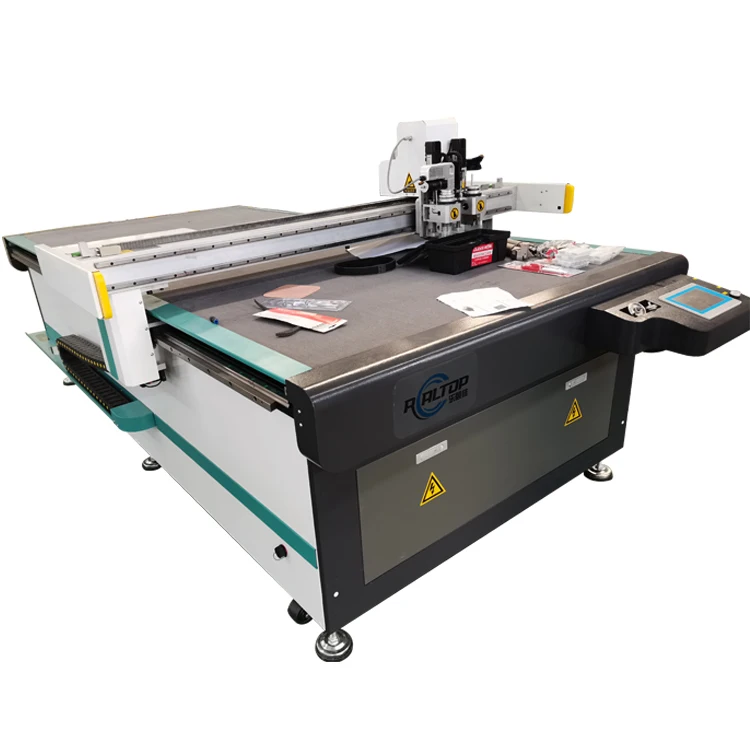
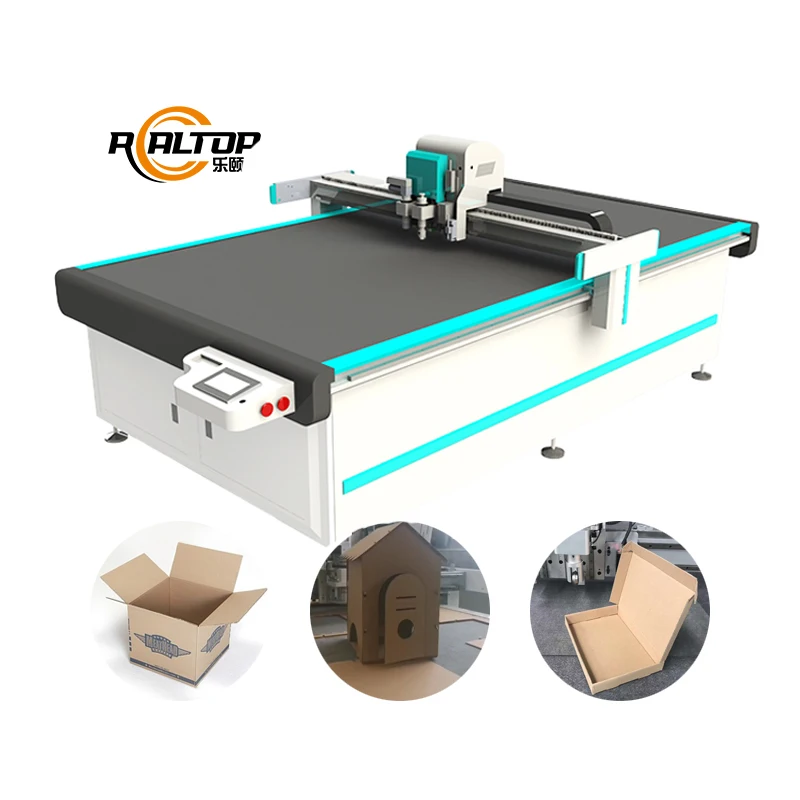
Tooling Matched to Material — Every RT-D2516/RT-S2516 configuration ships only after your corrugated board grade, flute profile and daily sample volume have been confirmed against the cutting head and vacuum zoning layout.
Technical Specifications
| Parameter | Value |
|---|---|
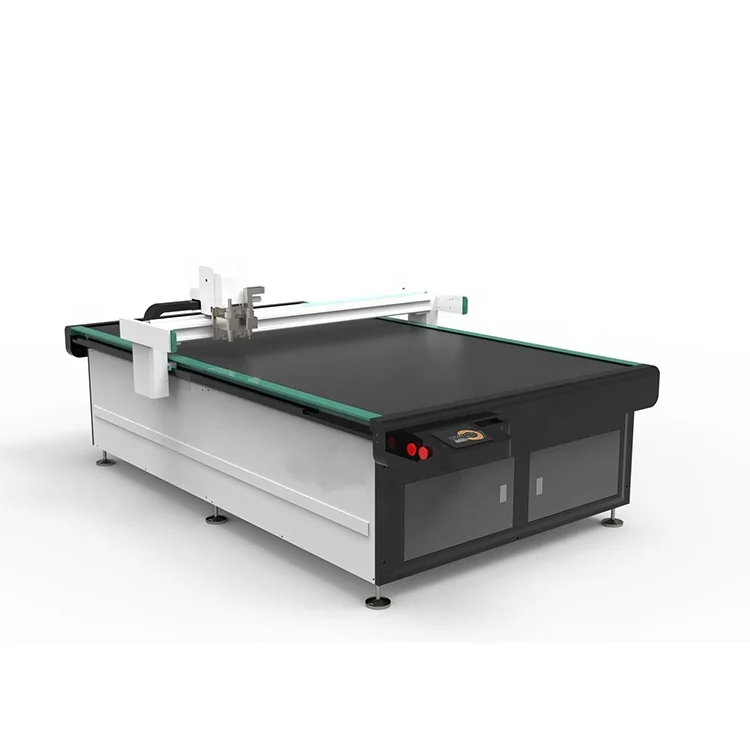
| Model | RT-D2516 / RT-S2516 |
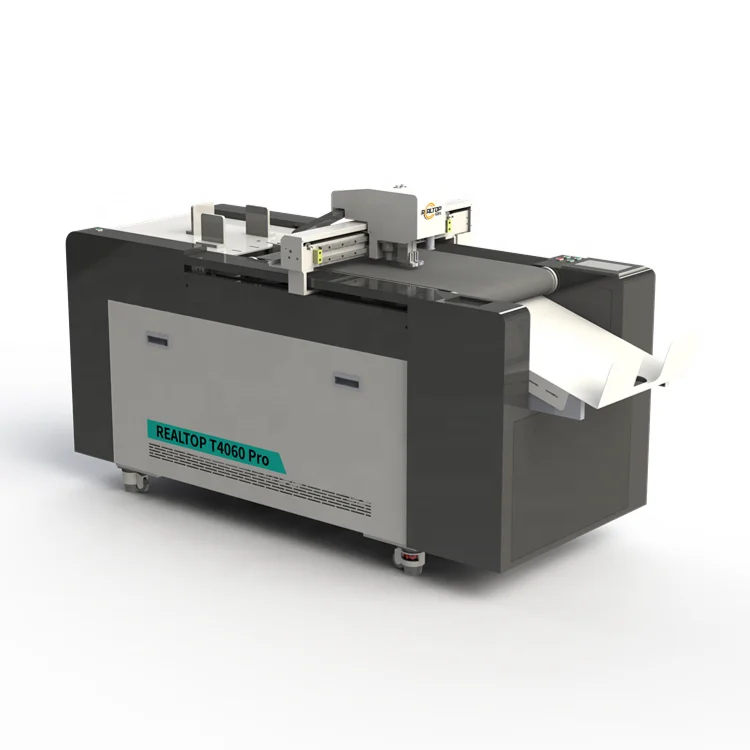
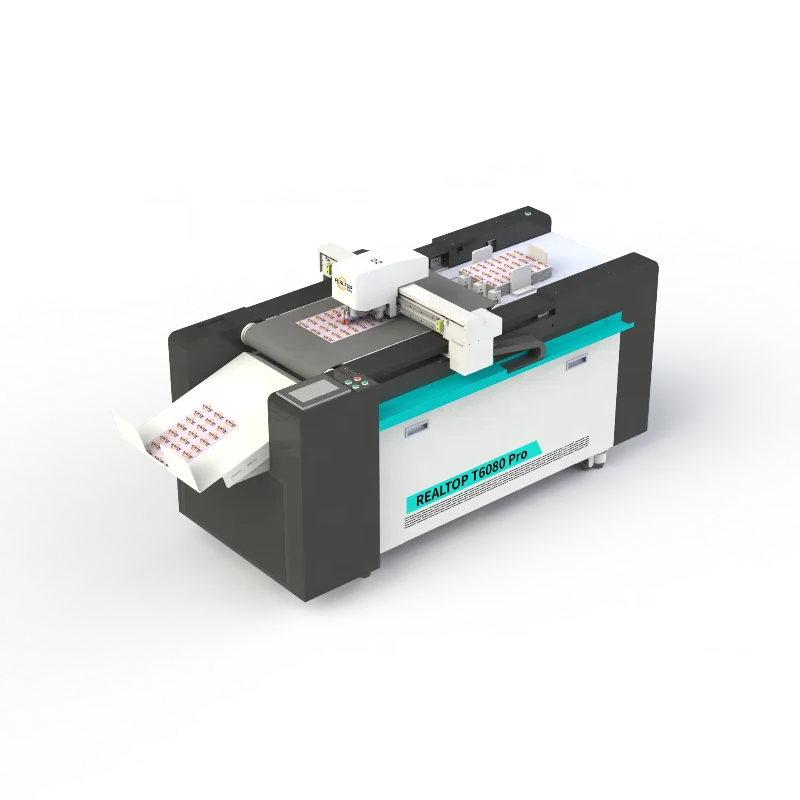
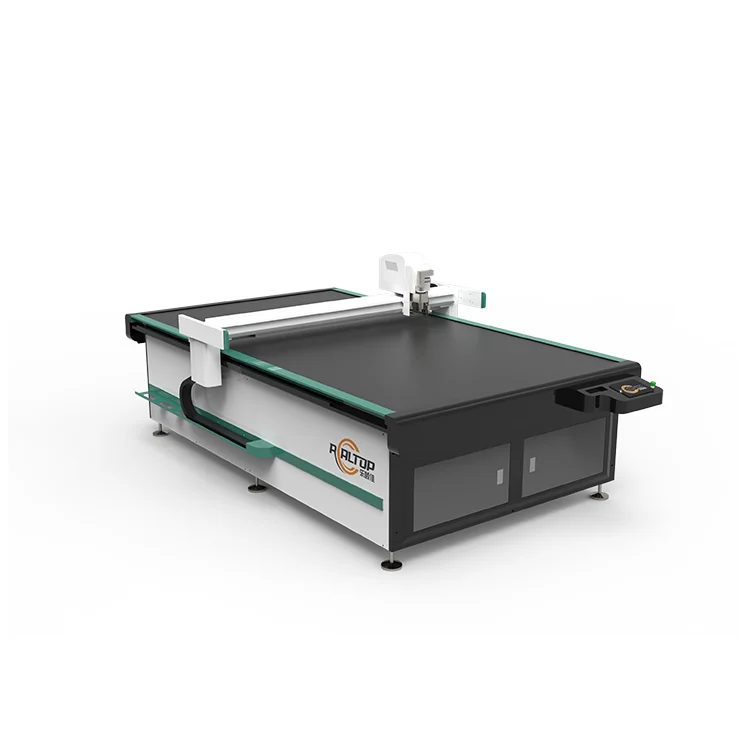
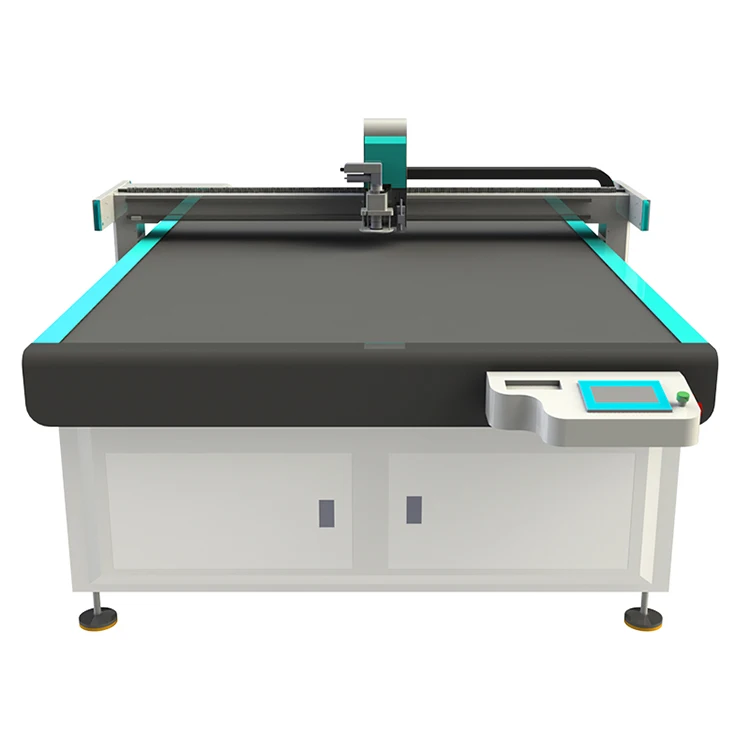
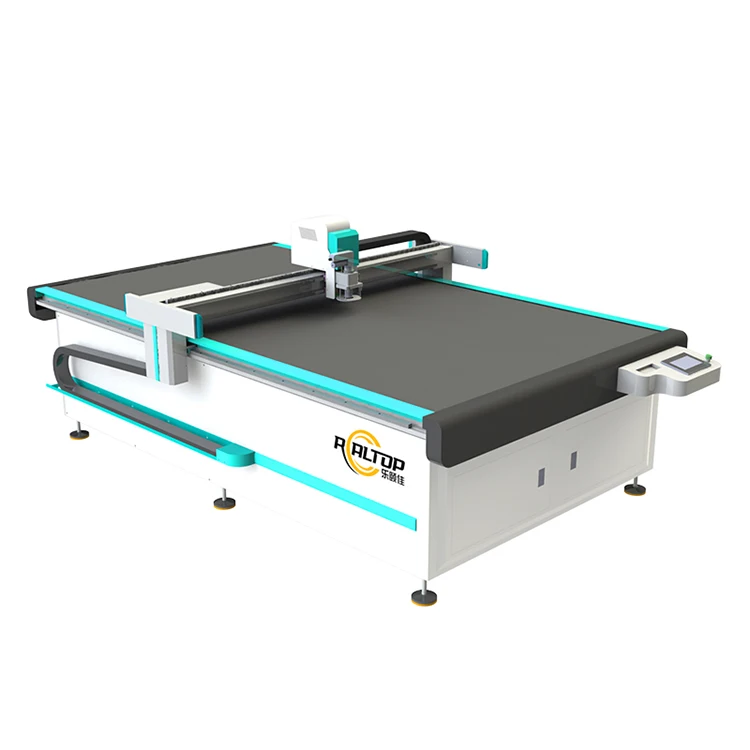
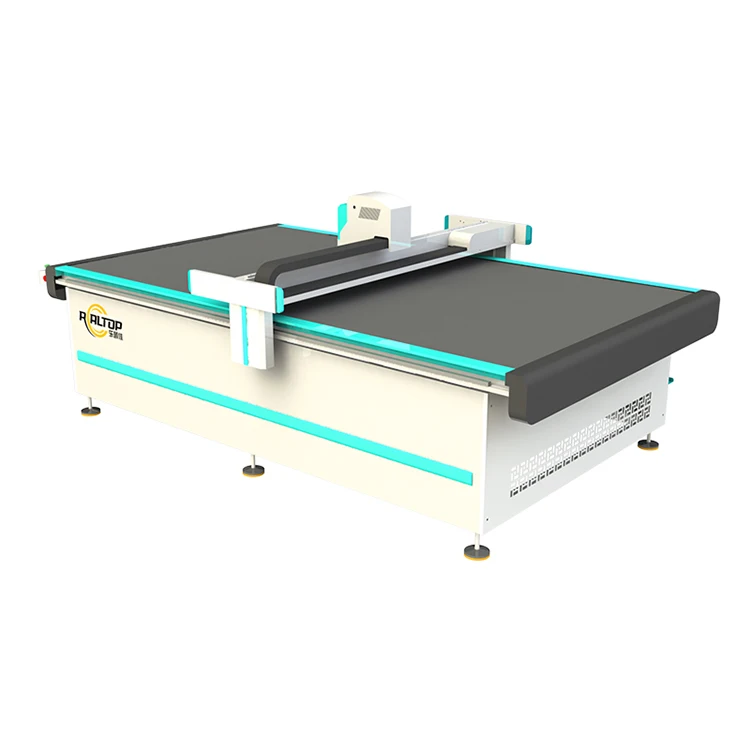
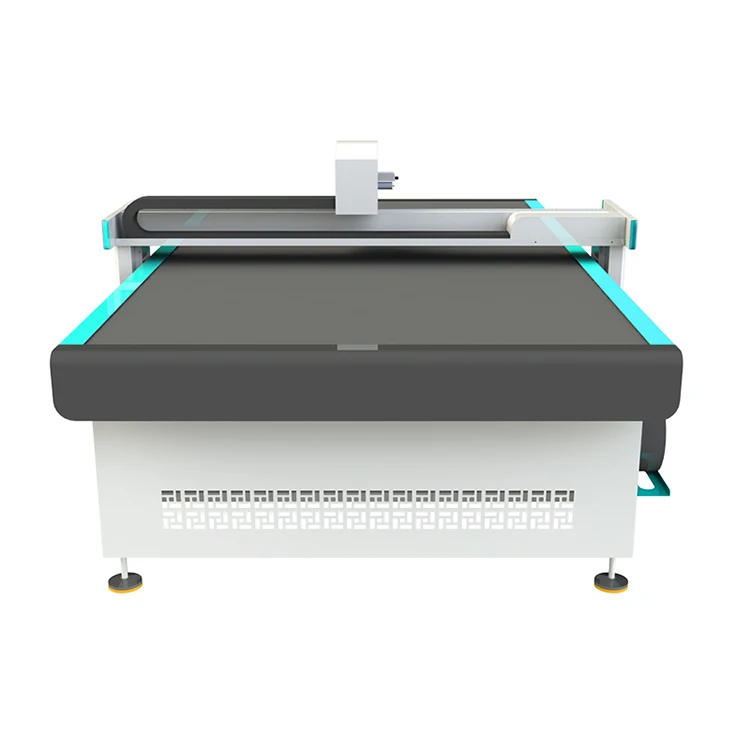
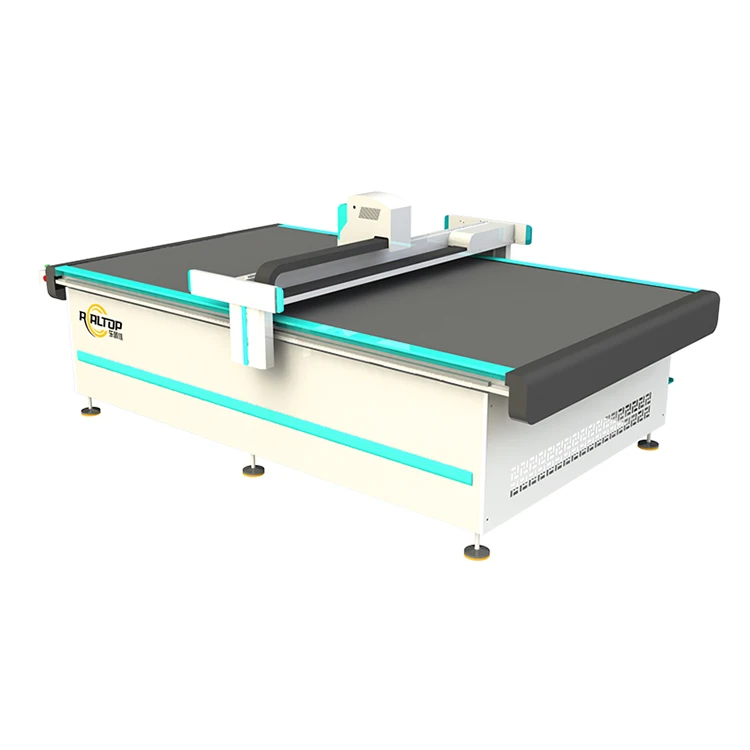
| Product Type | CNC Oscillating Knife Cutting Machine |
| Working Area | 1600 × 2500 mm |
| Machine Size | 3450 × 2300 × 1250 mm |
| Rated Power | 9 kW |
| Working Table | Flat vacuum table with auto feeding |
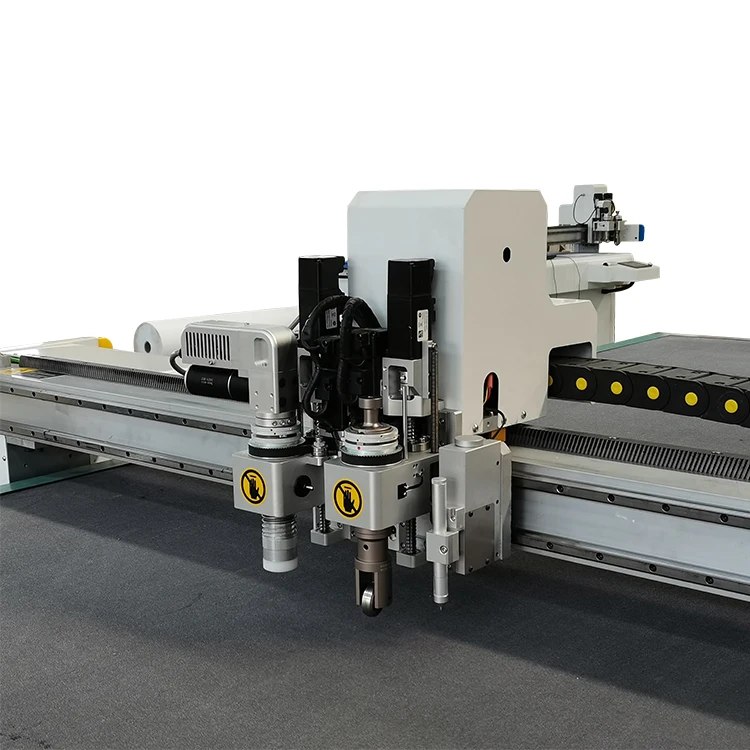
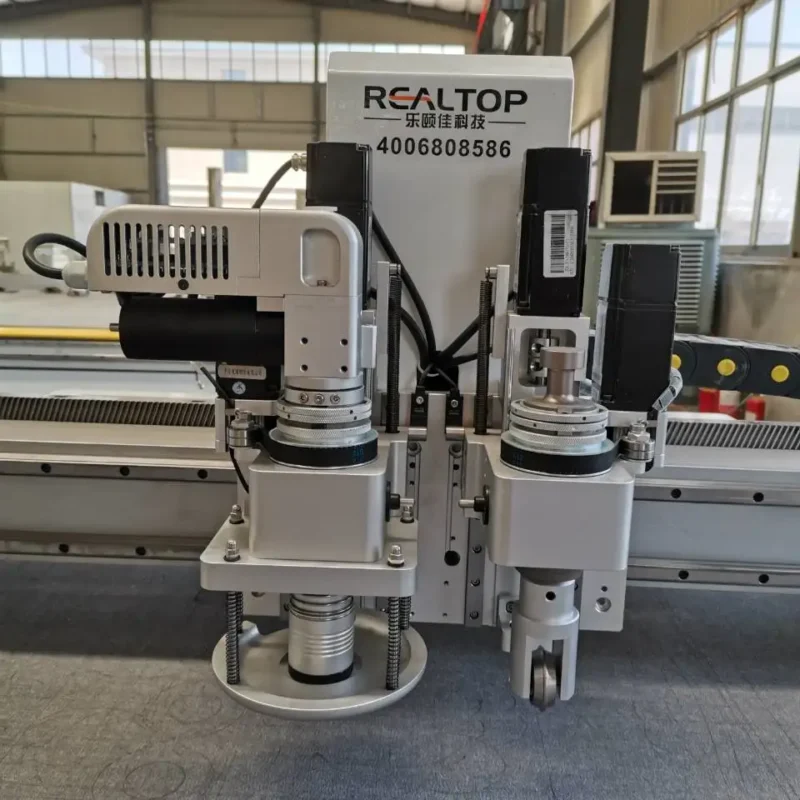
| Tool Head | Multifunctional head — vibration full cutting, vibration half cutting, cursor location |
| Knife Origin | Swiss imported blade |
| Translational Velocity | 800–1200 mm/s |
| Cutting Speed | 200–800 mm/s (varies by material type and thickness) |
| Repeated Accuracy | ≤ 0.1 mm |
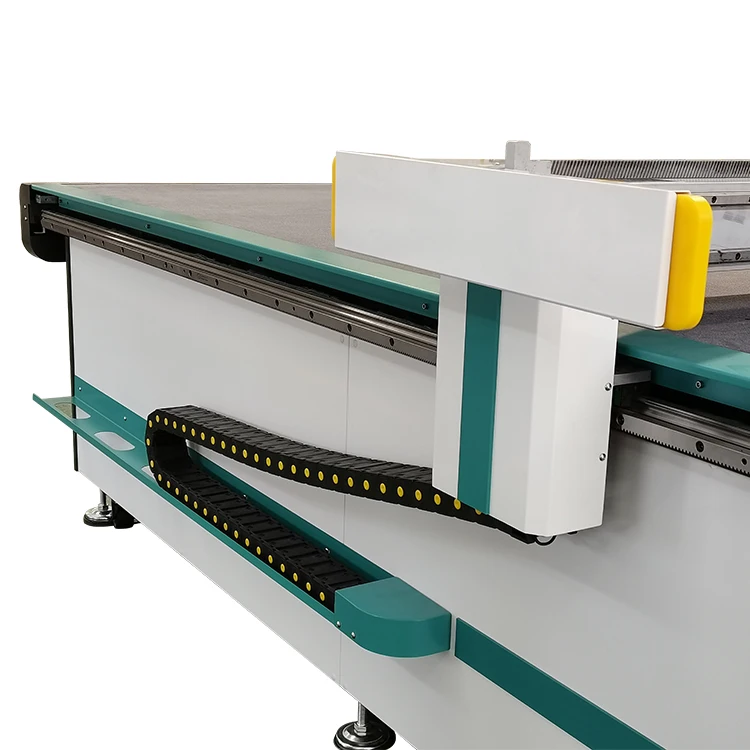
| Transmission System | Digital servo motor, linear guide, synchronous belt, ball screw |
| Servo Motor | Japanese Yaskawa |
| Linear Rail | Taiwan Hiwin |
| Vacuum Pump | 7.5 kW |
| Conveyor Belt | Germany imported |
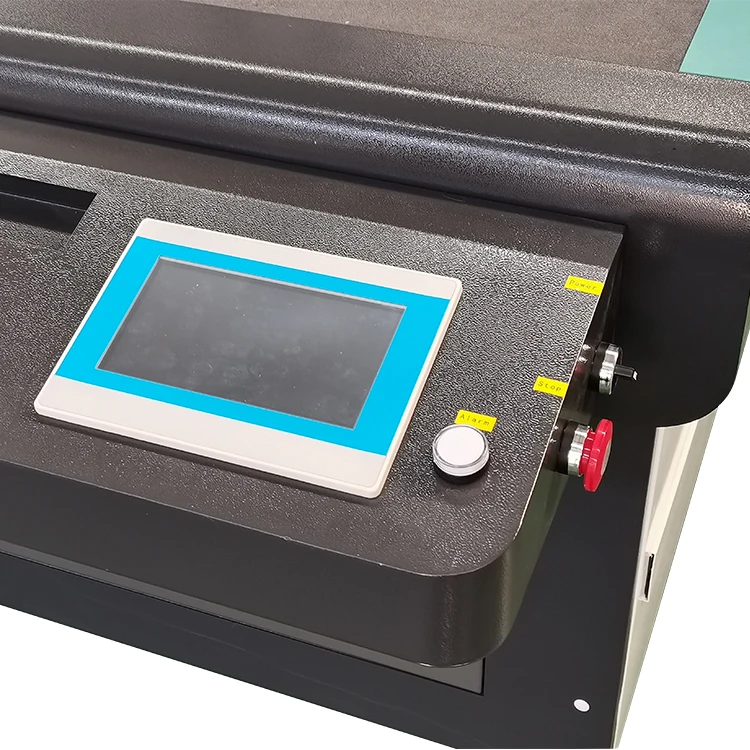
| Safety Device | Infrared sensors |
| Instruction System | HP-GL compatible format |
| Voltage | 380V ± 10% |
| Standards | CE |
Application Suitability
| Application | Material or Output |
|---|---|
| Carton and packaging sample making | Single-face and double-wall corrugated board, paper honeycomb |
| Corrugated box prototyping | E-flute, B-flute, C-flute and BC combined board |
| Display and signage board cutting | Foam board, acrylic board, cardboard, sticker and film |
| Gasket and seal production | Rubber, PTFE, ETFE, gasket composite sheets |
| Textile and leather sampling | Garment cloth, footwear material, non-woven fabrics, PU, EVA |
| Composite and foam fabrication | XPE, PVC, PP, PE, sponge, carbon fiber, glass fiber |
Why "Working Area" Alone Is Not a Specification
A 1600 × 2500 mm table only solves half the problem if the tool head and vacuum zoning cannot hold and cut your actual board at production pace.
I have watched packaging shops buy a machine with the right footprint and then discover their BC-flute corrugated board crushes under the drag knife instead of folding cleanly along the crease. The cutting speed drops, the crease depth varies across the sheet, and operators start hand-trimming edges that were supposed to come off the table finished. Before any CNC oscillating knife cutting machine manufacturer should take your order, they need to know which flute type you run most, what thickness range your board covers, and whether your sample files include registered print marks that require optical tracking [NEED_CITE: packaging sample workflow requirements for corrugated board].
Multifunctional Head Logic for Board and Film
The RT-D2516 and RT-S2516 carry a single multifunctional head that handles vibration full cutting, vibration half cutting and cursor location without a tool change. For packaging sample work this matters because a single carton prototype typically needs a through-cut on the outline, a half-cut crease on the fold lines and a reference mark for alignment. Running all three in one pass eliminates re-registration errors and keeps the sample geometry true to the CAD file.
Vacuum Zoning and Small-Part Behaviour
Corrugated board samples often include small glue tabs and narrow flaps that lift off the table when the knife exits the cut. The 7.5 kW vacuum pump paired with the flat vacuum table is designed to hold these sections down across the full 1600 × 2500 mm working area. When a CNC oscillating knife cutting machine manufacturer sizes the pump correctly for the table area, the operator can run nested layouts with mixed large panels and small offcuts without manually taping every piece [NEED_CITE: vacuum hold-down principles for CNC flatbed cutting].
What the Core Drive Train Means for Crease Accuracy
The Yaskawa servo motor and Taiwan Hiwin linear rail combination delivers repeated accuracy within 0.1 mm. In carton sample making, a crease that drifts even half a millimetre from its intended position will cause the assembled box to sit crooked or fail a drop test. The synchronous belt and ball screw transmission keeps the head position predictable across long runs of identical samples, which is what lets a packaging designer trust that the tenth prototype matches the first.
The Hidden Cost of Skipping the Material Test
Choosing the wrong knife profile or oscillation frequency for a given flute type leaves crushed fibres along the cut edge instead of a clean shear. On white-top liner board that crushed edge shows up as a visible grey line on the finished carton, and the packaging buyer rejects the sample before it ever reaches the brand client. A material test on the actual board stock before commitment is the only way to confirm knife angle, oscillation amplitude and cutting speed together [NEED_CITE: oscillating knife selection by material hardness and thickness].
Why Buyers Source This Range Here
In-house design covers both knife and laser cutting technologies, so a packaging shop can compare the two methods on the same board before committing. Tool head and table configuration are specified per material grade and daily sample volume rather than sold as a fixed package. Voltage, plug type and control language are confirmed before production starts. Sample cutting on your own corrugated board runs before the purchase order is signed, giving you a physical reference for edge quality, crease depth and dimensional accuracy. Software compatibility with your existing nesting and file format workflow is verified during that same sample stage.
Documentation & Verification
- Machine specification sheet listing every tool head and table option selected for your material
- Electrical schematic with voltage and frequency confirmed against your local supply standard
- Sample cutting report produced on your corrugated board grade with measured crease depth
- Tool head and knife configuration list matched to your flute type and board thickness range
- Factory test record documenting repeated accuracy and translational velocity before dispatch
- CE declaration file with machinery directive compliance statement
Installation, Commissioning & Support
- Floor must support 3450 × 2300 mm footprint plus operator clearance on three sides
- Dedicated 380V ± 10% circuit rated for 9 kW continuous draw with correct phase rotation
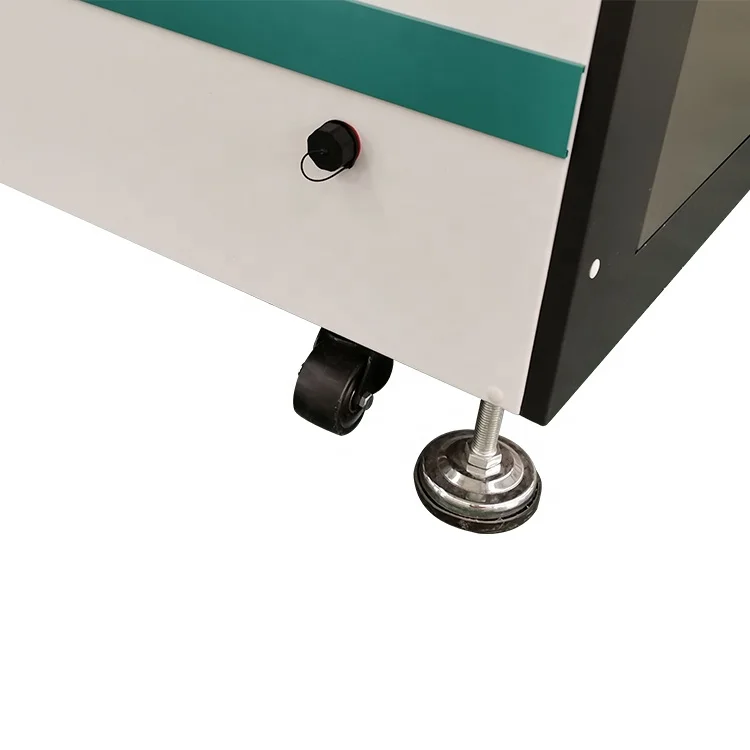
- Machine ships with vacuum pump and conveyor belt pre-mounted; final levelling on site
- First-run calibration includes vacuum zone mapping and knife offset setting on your board stock
- Operator training covers HP-GL file import, nesting layout and tool change procedure
- Spare knife blades and belt tension check schedule provided in the maintenance manual
Before You Send an Enquiry
Tell us the corrugated flute types you run most often, the board thickness range, and the typical daily sample count your design team requests. Share your existing CAD file format and nesting software so we can confirm import compatibility before quotation. If your facility runs a voltage standard other than 380V / 50 Hz, flag that early so the electrical package is built to match [NEED_CITE: voltage and frequency standards by export market].
Frequently Asked Questions
Q: Should I use an oscillating knife or a CO2 laser for corrugated board samples?
A: Oscillating knife cutting produces a clean mechanical shear on corrugated fibres without heat-affected edges or discolouration. Laser cutting seals synthetic materials well but can char exposed paper liner. For packaging prototypes that need to look presentable to a brand client, the knife method is the standard choice across the industry.
Q: Can the 1600 × 2500 mm table handle full-size carton layouts?
A: The working area accommodates most standard carton sample layouts in a single placement, including large format display stands and multi-panel box designs. For cartons that exceed the table length, the auto feeding and conveyor belt allow sequential cutting across multiple passes with re-registration through the cursor location function.
Q: Which tool head setting works best for E-flute versus BC-flute board?
A: E-flute typically runs at higher oscillation frequency with lower amplitude for a clean cut on thin dense board. BC-flute needs a wider oscillation stroke and slower feed rate to shear through the combined thickness without crushing the inner flutes. Both settings are available on the multifunctional head and are selected during the sample cutting stage.
Q: Is CCD camera positioning available for printed packaging prototypes?
A: Yes. The CCD camera option reads printed registration marks on pre-printed board and adjusts the cutting path to match. This is specified at the order stage and tested during the sample cutting report so that contour accuracy is confirmed on your actual printed stock before the machine ships.
Q: Will the software accept my existing DXF and PLT nesting files?
A: The instruction system supports HP-GL compatible format, which covers the output of most mainstream packaging CAD and nesting platforms. File format compatibility is verified during the pre-order sample stage so there are no import surprises after delivery.
Tooling Matched to Material — Every RT-D2516/RT-S2516 configuration ships only after your corrugated board grade, flute profile and daily sample volume have been confirmed against the cutting head and vacuum zoning layout.
Technical Specifications
| Parameter | Value |
|---|---|
| Model | RT-D2516 / RT-S2516 |
| Product Type | CNC Oscillating Knife Cutting Machine |
| Working Area | 1600 × 2500 mm |
| Machine Size | 3450 × 2300 × 1250 mm |
| Rated Power | 9 kW |
| Working Table | Flat vacuum table with auto feeding |
| Tool Head | Multifunctional head — vibration full cutting, vibration half cutting, cursor location |
| Knife Origin | Swiss imported blade |
| Translational Velocity | 800–1200 mm/s |
| Cutting Speed | 200–800 mm/s (varies by material type and thickness) |
| Repeated Accuracy | ≤ 0.1 mm |
| Transmission System | Digital servo motor, linear guide, synchronous belt, ball screw |
| Servo Motor | Japanese Yaskawa |
| Linear Rail | Taiwan Hiwin |
| Vacuum Pump | 7.5 kW |
| Conveyor Belt | Germany imported |
| Safety Device | Infrared sensors |
| Instruction System | HP-GL compatible format |
| Voltage | 380V ± 10% |
| Standards | CE |
Application Suitability
| Application | Material or Output |
|---|---|
| Carton and packaging sample making | Single-face and double-wall corrugated board, paper honeycomb |
| Corrugated box prototyping | E-flute, B-flute, C-flute and BC combined board |
| Display and signage board cutting | Foam board, acrylic board, cardboard, sticker and film |
| Gasket and seal production | Rubber, PTFE, ETFE, gasket composite sheets |
| Textile and leather sampling | Garment cloth, footwear material, non-woven fabrics, PU, EVA |
| Composite and foam fabrication | XPE, PVC, PP, PE, sponge, carbon fiber, glass fiber |
Why "Working Area" Alone Is Not a Specification
A 1600 × 2500 mm table only solves half the problem if the tool head and vacuum zoning cannot hold and cut your actual board at production pace.
I have watched packaging shops buy a machine with the right footprint and then discover their BC-flute corrugated board crushes under the drag knife instead of folding cleanly along the crease. The cutting speed drops, the crease depth varies across the sheet, and operators start hand-trimming edges that were supposed to come off the table finished. Before any CNC oscillating knife cutting machine manufacturer should take your order, they need to know which flute type you run most, what thickness range your board covers, and whether your sample files include registered print marks that require optical tracking [NEED_CITE: packaging sample workflow requirements for corrugated board].
Multifunctional Head Logic for Board and Film
The RT-D2516 and RT-S2516 carry a single multifunctional head that handles vibration full cutting, vibration half cutting and cursor location without a tool change. For packaging sample work this matters because a single carton prototype typically needs a through-cut on the outline, a half-cut crease on the fold lines and a reference mark for alignment. Running all three in one pass eliminates re-registration errors and keeps the sample geometry true to the CAD file.
Vacuum Zoning and Small-Part Behaviour
Corrugated board samples often include small glue tabs and narrow flaps that lift off the table when the knife exits the cut. The 7.5 kW vacuum pump paired with the flat vacuum table is designed to hold these sections down across the full 1600 × 2500 mm working area. When a CNC oscillating knife cutting machine manufacturer sizes the pump correctly for the table area, the operator can run nested layouts with mixed large panels and small offcuts without manually taping every piece [NEED_CITE: vacuum hold-down principles for CNC flatbed cutting].
What the Core Drive Train Means for Crease Accuracy
The Yaskawa servo motor and Taiwan Hiwin linear rail combination delivers repeated accuracy within 0.1 mm. In carton sample making, a crease that drifts even half a millimetre from its intended position will cause the assembled box to sit crooked or fail a drop test. The synchronous belt and ball screw transmission keeps the head position predictable across long runs of identical samples, which is what lets a packaging designer trust that the tenth prototype matches the first.
The Hidden Cost of Skipping the Material Test
Choosing the wrong knife profile or oscillation frequency for a given flute type leaves crushed fibres along the cut edge instead of a clean shear. On white-top liner board that crushed edge shows up as a visible grey line on the finished carton, and the packaging buyer rejects the sample before it ever reaches the brand client. A material test on the actual board stock before commitment is the only way to confirm knife angle, oscillation amplitude and cutting speed together [NEED_CITE: oscillating knife selection by material hardness and thickness].
Why Buyers Source This Range Here
In-house design covers both knife and laser cutting technologies, so a packaging shop can compare the two methods on the same board before committing. Tool head and table configuration are specified per material grade and daily sample volume rather than sold as a fixed package. Voltage, plug type and control language are confirmed before production starts. Sample cutting on your own corrugated board runs before the purchase order is signed, giving you a physical reference for edge quality, crease depth and dimensional accuracy. Software compatibility with your existing nesting and file format workflow is verified during that same sample stage.
Documentation & Verification
- Machine specification sheet listing every tool head and table option selected for your material
- Electrical schematic with voltage and frequency confirmed against your local supply standard
- Sample cutting report produced on your corrugated board grade with measured crease depth
- Tool head and knife configuration list matched to your flute type and board thickness range
- Factory test record documenting repeated accuracy and translational velocity before dispatch
- CE declaration file with machinery directive compliance statement
Installation, Commissioning & Support
- Floor must support 3450 × 2300 mm footprint plus operator clearance on three sides
- Dedicated 380V ± 10% circuit rated for 9 kW continuous draw with correct phase rotation
- Machine ships with vacuum pump and conveyor belt pre-mounted; final levelling on site
- First-run calibration includes vacuum zone mapping and knife offset setting on your board stock
- Operator training covers HP-GL file import, nesting layout and tool change procedure
- Spare knife blades and belt tension check schedule provided in the maintenance manual
Before You Send an Enquiry
Tell us the corrugated flute types you run most often, the board thickness range, and the typical daily sample count your design team requests. Share your existing CAD file format and nesting software so we can confirm import compatibility before quotation. If your facility runs a voltage standard other than 380V / 50 Hz, flag that early so the electrical package is built to match [NEED_CITE: voltage and frequency standards by export market].
Frequently Asked Questions
Q: Should I use an oscillating knife or a CO2 laser for corrugated board samples?
A: Oscillating knife cutting produces a clean mechanical shear on corrugated fibres without heat-affected edges or discolouration. Laser cutting seals synthetic materials well but can char exposed paper liner. For packaging prototypes that need to look presentable to a brand client, the knife method is the standard choice across the industry.
Q: Can the 1600 × 2500 mm table handle full-size carton layouts?
A: The working area accommodates most standard carton sample layouts in a single placement, including large format display stands and multi-panel box designs. For cartons that exceed the table length, the auto feeding and conveyor belt allow sequential cutting across multiple passes with re-registration through the cursor location function.
Q: Which tool head setting works best for E-flute versus BC-flute board?
A: E-flute typically runs at higher oscillation frequency with lower amplitude for a clean cut on thin dense board. BC-flute needs a wider oscillation stroke and slower feed rate to shear through the combined thickness without crushing the inner flutes. Both settings are available on the multifunctional head and are selected during the sample cutting stage.
Q: Is CCD camera positioning available for printed packaging prototypes?
A: Yes. The CCD camera option reads printed registration marks on pre-printed board and adjusts the cutting path to match. This is specified at the order stage and tested during the sample cutting report so that contour accuracy is confirmed on your actual printed stock before the machine ships.
Q: Will the software accept my existing DXF and PLT nesting files?
A: The instruction system supports HP-GL compatible format, which covers the output of most mainstream packaging CAD and nesting platforms. File format compatibility is verified during the pre-order sample stage so there are no import surprises after delivery.
商品评价
There are no reviews yet.