

Fast Delivery
Quick, reliable shipping to any location.

Free & easy returns
Return this item by mail or in store within 90 days for a full refund.
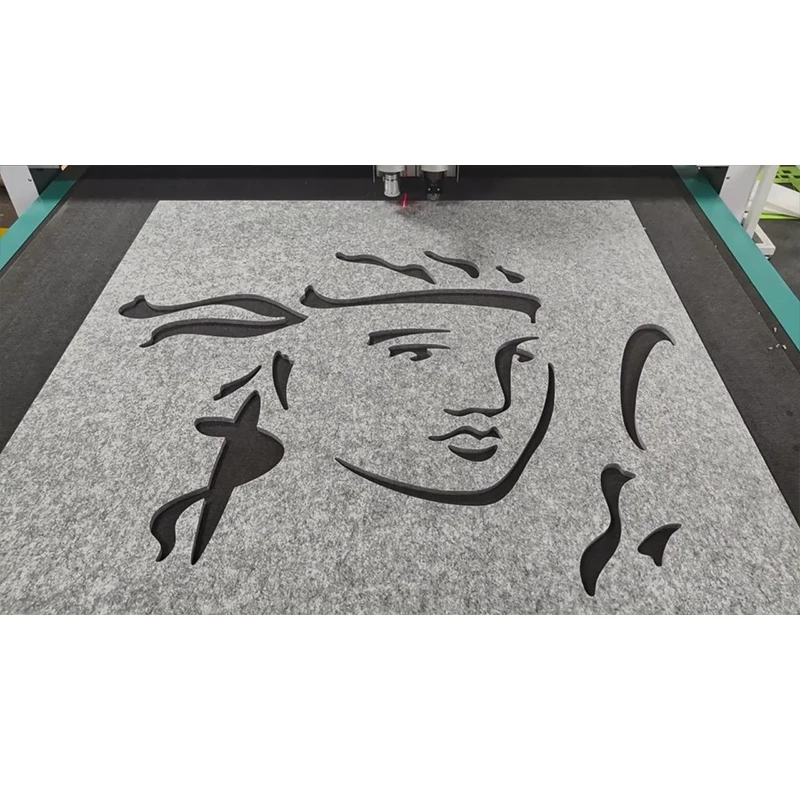
Complete Cutting Technology Spectrum — matching knife oscillation or laser thermal process to the exact gasket material density rather than forcing a single cutting method across incompatible substrates.
Technical Specifications
| Parameter | Value |
|---|---|
| Model | RT-D2516 / RT-S2516 |
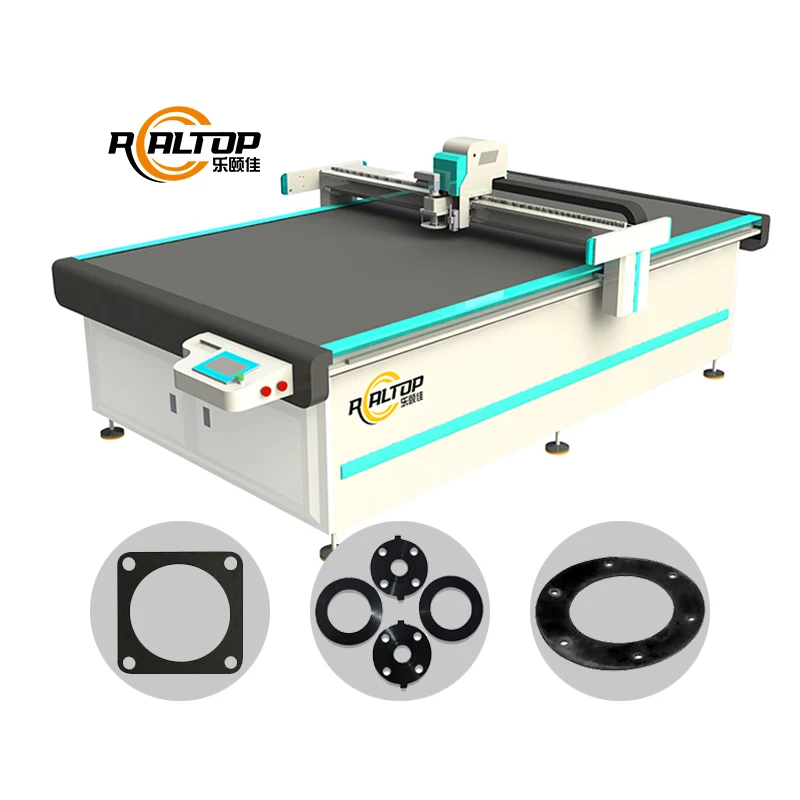
| Product Type | CNC Oscillating Knife Cutting Machine |
| Working Area | 1600 × 2500 mm |
| Overall Dimensions (L×W×H) | 3450 × 2300 × 1250 mm |
| Rated Power | 9 kW |
| Voltage | 380V ±10% (frequency 50/60 Hz to be confirmed by market) |
| Table Type | Flat vacuum working table, magnesium-aluminum alloy with PVDF spray and hard oxidation |
| Vacuum Pump | 7.5 kW, integrated aviation aluminum shell with built-in silencer |
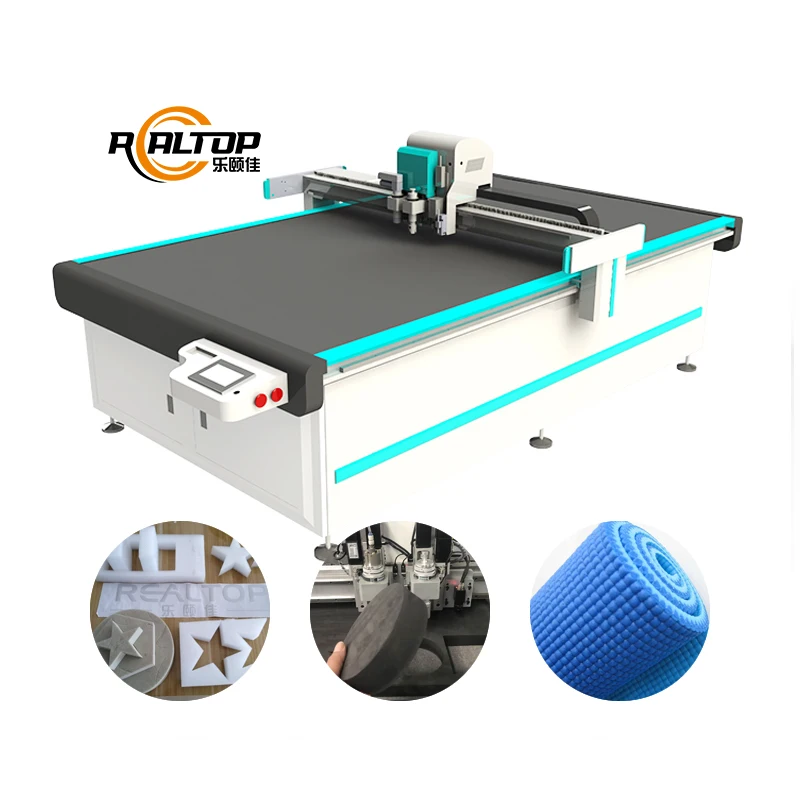
| Tool Head Options | Swiss imported oscillating knife, pneumatic knife, high-power vibrating knife, circular knife, drag knife, creasing wheel, punching tool |
| Cutting Thickness | 20–80 mm (varies by material density and tool head selection) |
| Translational Velocity | 800–1200 mm/s |
| Repeated Accuracy | ≤0.1 mm |
| Transmission System | Digital servo motor (Delta or Panasonic, IP67), Taiwan Hiwin linear guide, synchronous belt, ball screw |
| Visual Positioning | Small CCD camera mark point, panoramic camera recognition, projection positioning |
| Safety Devices | Infrared induction blocking, beam anti-collision sensors, emergency stop with in-situ resume |
| Control Language | English, Russian, Italian, Chinese (customizable) |
Application Suitability
| Application | Material or Output |
|---|---|
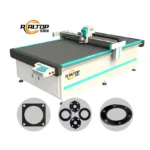
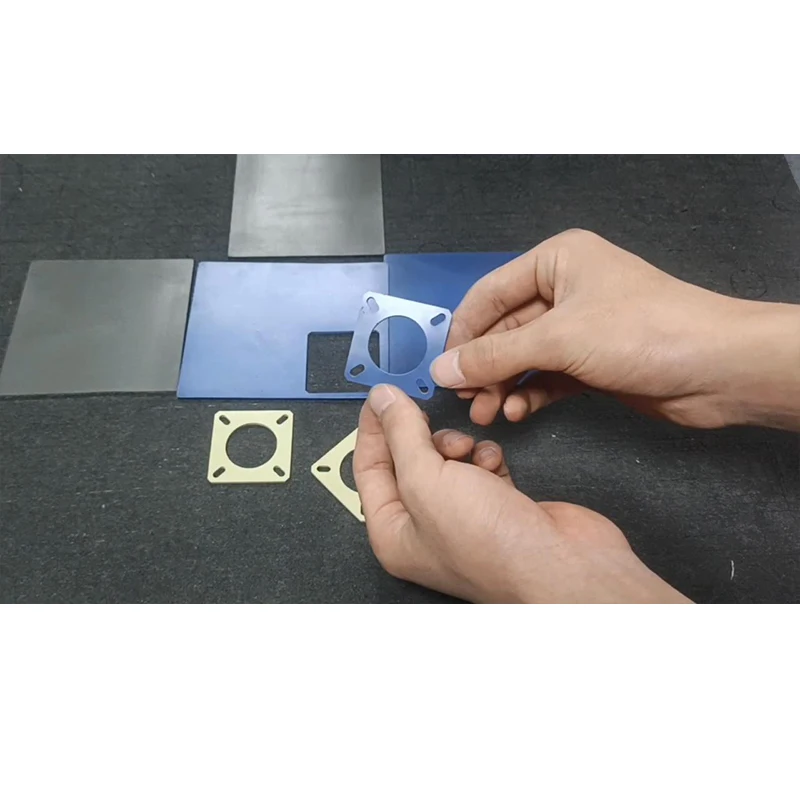
| Industrial gasket production | Rubber, silicone, PTFE, ETFE, composite sealing sheets |
| Automotive interior trim | Foam composites, synthetic leather, sound-deadening panels |
| Packaging sample making | Corrugated board, PVC sheet, vinyl, folding carton stock |
| Signage and display | Acrylic foam board, magnetic vinyl, adhesive film |
| Footwear and leather goods | Natural leather, PU, EVA, sponge composite materials |
Why Working Area Alone Fails Gasket Producers
A cutting table specified purely by its 1600 × 2500 mm footprint often arrives at a gasket workshop only to stall on the actual material hardness. The cutting depth and edge quality depend on the tool head and oscillation frequency matched to the specific sealing compound, not the table dimensions.
I have walked into factories where a machine ran perfectly on soft cork-rubber but produced ragged, torn edges the moment the operator loaded a 5 mm reinforced graphite sheet. The vacuum held the material flat, the servo drove the gantry at full speed, yet the knife simply could not penetrate the denser matrix cleanly. Buyers assume a CNC oscillating knife cutting machine manufacturer will flag this mismatch before production, but too many quotations list only the working area and leave the tool head decision to chance [NEED_CITE: gasket material hardness and tool head compatibility standards].
Knife Selection Across Gasket Material Density
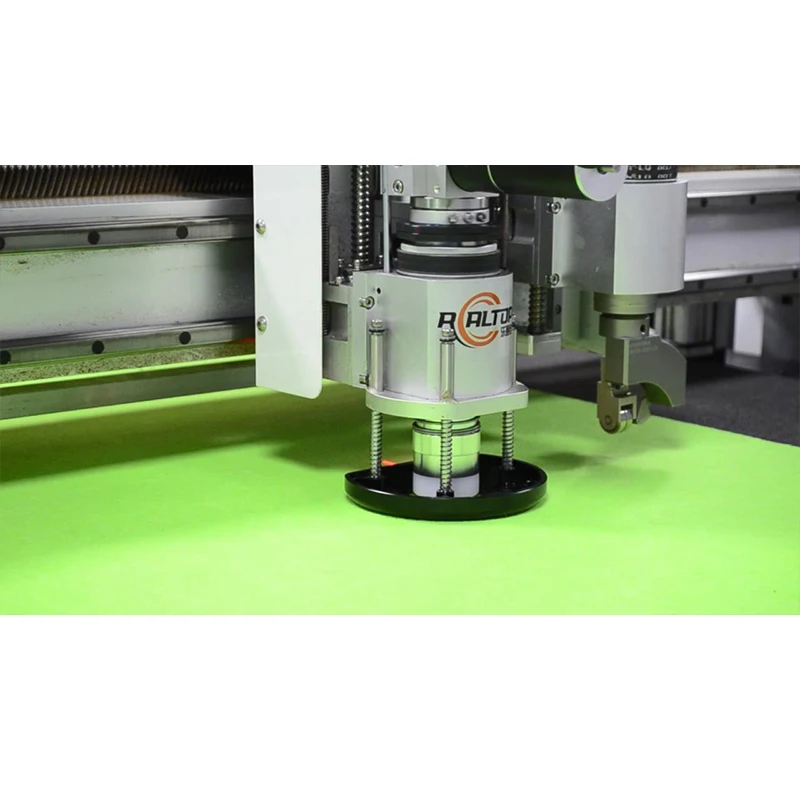
Soft silicone and pure PTFE sheets respond well to a standard Swiss imported oscillating knife running at moderate frequency, producing a clean shear cut without compressing the material edges. When the substrate shifts to reinforced graphite or high-durometer rubber with embedded fiber mesh, the standard blade deflects and leaves a stepped edge profile.
Switching to a high-power vibrating knife with a stiffer blade geometry and increased stroke amplitude resolves the deflection. This is where the multifunctional tool head matters — the operator changes the insert rather than changing the machine. A CNC oscillating knife cutting machine manufacturer that stocks only one knife type forces the buyer to compromise on half their material range.
Vacuum Zoning and Small Gasket Holding Force
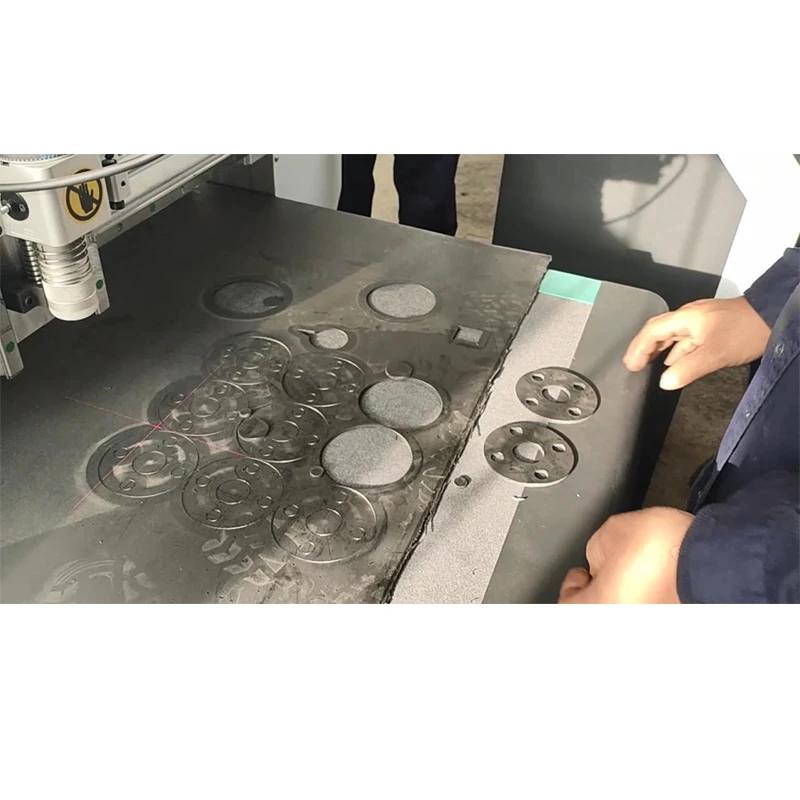
Gasket nests frequently contain dozens of small rings, flange profiles and irregular shapes spread across the table. A single-zone vacuum system pulls evenly over the full 1600 × 2500 mm surface, but once the knife cuts through a small part, the localized suction drops and the part lifts into the blade path.
The magnesium-aluminum alloy table with zoned adsorption channels vacuum only through the active cutting region. Combined with the PVDF fluorocarbon coating, the surface maintains flatness under repeated loading cycles and resists chemical staining from oil-impregnated gasket stock. This detail separates a machine that runs full nests from one that requires manual taping of every small piece [NEED_CITE: vacuum table zoning principles for CNC flatbed cutters].
Reading the Specification Sheet for Production Reality
The 9 kW rated power covers the servo drives, vacuum pump and oscillation motor combined, so a buyer comparing this figure against a machine with a separate 7.5 kW vacuum pump must add both loads before sizing the workshop electrical feed. The 380V ±10% supply must be confirmed for 50 Hz or 60 Hz depending on the destination market, as the oscillation frequency and servo tuning differ between the two standards.
The ≤0.1 mm repeated accuracy is measured on the linear guide system with Taiwan Hiwin rails and ball screw drive, which governs how tightly the machine holds tolerance across a full sheet of gasket material. For sealing applications where a 0.5 mm deviation causes a flange leak, this repeatability figure determines whether the cut parts pass pressure testing without secondary trimming. The IP67-rated Delta or Panasonic servo motors protect against coolant and dust ingress common in gasket manufacturing environments.
The Cost of Ignoring Material Thickness Verification
When a buyer specifies cutting thickness as a single number without referencing material density, the machine may handle 40 mm of soft sponge but stall at 15 mm of compressed non-asbestos fiber. The result is not just poor edge quality — the oscillation motor runs under continuous overload, the blade snaps mid-sheet, and the operator spends more time clearing debris than cutting parts [NEED_CITE: oscillating knife motor load and material density correlation].
I have seen workshops run two shifts to meet a one-shift output target because the knife was wrong for the stock. The machine is not defective; it is misconfigured. This is why sample cutting on the buyer’s actual gasket material must happen before the purchase order, not after delivery.
Why Source This Machine Here
Realtop designs and builds both knife and laser cutting systems in-house, so a gasket producer can test whether oscillating knife or CO2 laser produces a better edge on their specific composite before committing to one process. The tool head configuration is specified per material sample, not picked from a fixed catalogue page.
Every RT-D2516 and RT-S2516 ships with a factory test record cut on the buyer’s own material, documenting edge quality and cutting speed before the crate is closed. Voltage, plug type and control language are confirmed against the destination workshop before the electrical panel is wired. The CCD camera and panoramic positioning system is calibrated to the buyer’s printed mark specification, so contour cutting runs at production speed from day one.
Documentation & Verification
- Machine specification sheet listing tool head, cutting thickness per material and confirmed voltage
- Factory test record cut on buyer’s gasket stock with edge quality photographs
- Electrical schematic matching destination market frequency and plug standard
- Software licence with confirmed file format and nesting workflow compatibility
- Sample cutting report on buyer’s material documenting speed and edge finish
- Spare parts list matched to the configured tool head and knife type
Installation, Commissioning & Support
- Level foundation required for 3450 × 2300 mm footprint with clearance for sheet loading on both sides
- Dedicated 380V circuit with confirmed 50/60 Hz breaker rating to support 9 kW total load
- Machine ships fully assembled; vacuum pump and tool head calibrated at factory before dispatch
- First-day commissioning includes vacuum zone mapping and servo tuning for buyer’s sheet weight
- Operator training covers knife change procedure across oscillating, drag and pneumatic tool inserts
- Wear parts inventory includes Swiss knife blades, vacuum seals and CCD calibration targets
Preparing Your Inquiry
To match the right tool head and vacuum configuration to your gasket production, send the material type, density, sheet thickness and the largest part dimension you run. Include your local voltage and frequency standard, the control language your operators need, and whether your existing nesting software exports in HP-GL format. If you have printed contour work, share the mark style and spacing so the CCD system is configured before the machine leaves the factory.
Frequently Asked Questions
Q: How do I choose between oscillating knife, drag knife and pneumatic knife for my gasket material?
A: Soft materials like silicone and pure PTFE cut cleanly with a standard oscillating knife. Reinforced fiber gaskets and thicker compressed sheets require a pneumatic or high-power vibrating knife to penetrate without edge tearing. Drag knives suit thin vinyl and sticker overlays. We run your actual material on each tool option and document the edge result before you commit to a configuration.
Q: What is the real cutting thickness range for rubber, PTFE and composite sealing materials?
A: The 20–80 mm range applies to softer foam and sponge composites. Dense reinforced graphite and high-durometer rubber typically cut reliably up to a lower threshold that depends on fiber content and hardness. We confirm the practical limit by cutting your specific sheet stock and recording the clean-cut depth before quoting the machine.
Q: How does CCD camera positioning perform on printed gasket contours at production speed?
A: The small CCD camera reads registration marks for individual part contours, while the panoramic camera scans the full sheet for multi-part nesting alignment. Both systems track at the machine’s translational velocity range, but mark contrast, size and spacing must be verified on your printed layout. We test your actual print file during the sample cutting stage.
Q: What voltage, frequency and control language options are confirmed before shipment?
A: The standard 380V ±10% supply is configured for either 50 Hz or 60 Hz depending on your market, and the plug type is matched to local standards. Control language options include English, Russian, Italian and Chinese, with other languages customizable. All three are confirmed on the electrical schematic before the panel is wired.
Q: Can I send my own gasket material for sample cutting before placing an order?
A: Yes, sending your actual sheet stock is the standard process. We run the material on the configured tool head, document cutting speed, edge quality and vacuum holding performance, and share the sample cutting report with photographs. This eliminates the risk of receiving a machine that cannot handle your production substrate.










商品评价
There are no reviews yet.