



Fast Delivery
Quick, reliable shipping to any location.

Free & easy returns
Return this item by mail or in store within 90 days for a full refund.
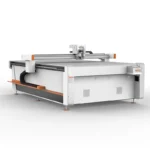
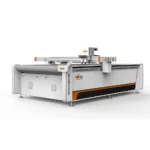
Modular tool integration — Seven interchangeable heads on a single 1600×2500mm chassis let you match the cutting method to each material instead of forcing one process.
Technical Specifications
| Parameter | Value |
|---|---|
| Model | 1625(std.) |
| Product Type | CNC Oscillating Knife Cutting Machine |
| Working Area | 1600 × 2500 mm |
| Available Tool Heads | Oscillating knife, Driven rotary knife, Creasing wheel, Kiss cutting tool, Pneumatic knife, Milling tool, V-groove knife |
| Cutting Speed | 0–1500 mm/s |
| Maximum Cutting Thickness | ≤ 40 mm |
| Cutting Accuracy | ±0.1 mm |
| Vacuum Pump | 9 kW |
| Vacuum Table | Aluminum bellows vacuum table |
| Servo Motors | Panasonic, Delta, or Dorna (selectable) |
| Control Panel | PLC with multi-language display |
| Supported File Formats | PLT, DXF, AI, PDF |
| Voltage Options | 110 V / 220 V / 380 V |
| Machine Dimensions | 3300 × 2100 × 1350 mm |
| Safety Devices | Infrared sensor and emergency stop |
| Compliance | CE (source value — verify against manufacturer catalog) |
Application Suitability
| Application | Material or Output |
|---|---|
| Sticker and decal production | Self-adhesive vinyl, PVC film, PET sheets — kiss cutting |
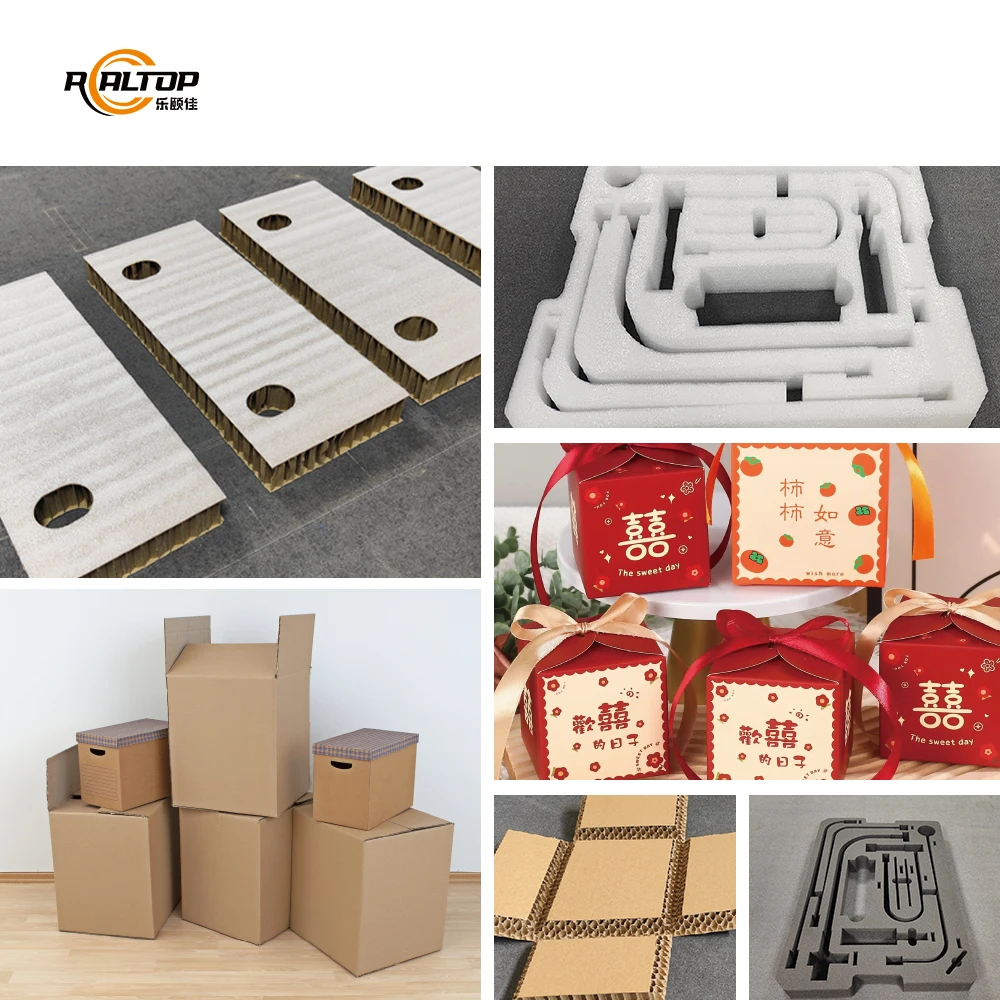
| Corrugated packaging samples | E-flute, B-flute, BC-flute cardboard, greyboard, cardstock |
| Foam and gasket fabrication | EVA, EPE, PU foam, rubber mats, PTFE, composite sheets |
| Signage and display graphics | PVC foam board, acrylic (with milling tool), vinyl substrates |
| Textile and leather cutting | Velvet, fleece, non-woven fabric, synthetic leather |
| Automotive interior components | Sound-deadening mats, headliner fabric, adhesive-backed composites |
Why "Cutting Area" Alone Tells You Nothing About Material Readiness
A 1600×2500mm bed only matters if the tool head and vacuum zoning can actually hold and cut your specific stock.
Too many buyers size a machine by working area, then discover the oscillating knife cannot push through 30 mm EVA foam or the kiss cutting tool tears the vinyl liner. I have watched shops in Jinan run test after test because the initial specification ignored material thickness and tool compatibility [NEED_CITE: tool head and material pairing guidelines for CNC digital cutting]. The 1625 addresses this by offering seven tool head options on one frame, but the configuration must be locked in before the order — not after the machine lands on your floor. A CNC oscillating knife cutting machine manufacturer should confirm tool head selection against your actual material stack, not assume one blade fits every job.
Tool Head Range Across the Cutting Spectrum
The seven available heads on this platform span a wide material range. The oscillating knife handles rigid foam and gasket stock up to 40 mm thick. The driven rotary knife suits woven fabric and non-woven textile rolls. For sticker and decal work, the kiss cutting tool scores the top layer without damaging the backing paper — the exact process that defines a Sticker Cutting Machine workflow. Switching between heads takes minutes, and each tool mounts to the same carriage, so one machine covers jobs that would otherwise require separate dedicated equipment.
Vacuum Holding Power for Thin and Small Parts
Sticker and vinyl cutting often involves small, intricate shapes that lift off the table mid-cut if vacuum pressure is uneven. The aluminum bellows vacuum table on the 1625, driven by a 9 kW pump, distributes suction across the entire 1600×2500 mm surface. This matters when you are running a nesting layout of hundreds of small decals. Without adequate holding force, thin vinyl shifts just enough to ruin registration [NEED_CITE: vacuum table zoning requirements for small-part digital cutting]. The bellows design maintains contact even on slightly warped sheets, reducing material lift incidents compared to flat plenum tables.
What the Specifications Mean on the Shop Floor
The ±0.1 mm cutting accuracy and 0–1500 mm/s speed range are meaningful only in context. For kiss cutting vinyl stickers, accuracy ensures the blade follows the printed contour precisely — a misalignment of even half a millimeter leaves an uncut tab or cuts through the liner. The available servo options (Panasonic, Delta, Dorna) let buyers match motion performance to their budget and local service availability. File format compatibility with PLT, DXF, AI, and PDF means artwork from Illustrator or CorelDRAW flows into the CNC oscillating knife cutting machine manufacturer’s control software without intermediate conversion, reducing prepress errors. The PLC control panel supports English, Russian, Italian, Chinese, and custom languages, which matters when operators in different markets need to adjust parameters without translation guesswork.
The Real Cost of Picking the Wrong Configuration
I once saw a signage shop order a machine with only the oscillating knife head, planning to add kiss cutting later. When sticker jobs arrived, the oscillating knife tore through the backing paper — it simply cannot modulate depth the way a dedicated kiss cutting tool can. The shop lost an entire week of vinyl stock before the correct head arrived. Similarly, specifying a vacuum pump below 9 kW for small-format sticker runs means constant re-cutting due to material shift [NEED_CITE: material waste rates from insufficient vacuum in digital cutting]. These are not theoretical failures; they show up as scrapped material and missed delivery dates.
Why Buyers Source This Range Here
Realtop designs and produces both knife and laser cutting systems in-house, so a buyer evaluating the 1625 can compare knife cutting against laser options for the same material before committing. Tool head and table configurations are specified per material and production volume, not sold as a one-size package. Sample cutting on the buyer’s own material is conducted before order confirmation, providing a physical cutting report rather than a catalog promise. Software compatibility — file formats, nesting workflow, language — is verified during the inquiry stage. Voltage and control panel language are confirmed before production begins, not discovered at the crate.
Documentation & Verification
- Machine specification sheet listing selected tool heads and servo brand
- Electrical schematic with confirmed voltage and phase for your facility
- Sample cutting report produced on your own vinyl or foam stock
- Tool head and vacuum table configuration list matched to your material
- Software licence and file format compatibility note before shipment
- Factory test record documenting accuracy across the full working area
Installation, Commissioning & Support
- Verify floor level within tolerance for the 3300×2100×1350 mm frame footprint
- Dedicated circuit matching confirmed 110 V, 220 V, or 380 V supply
- Machine ships partially assembled; gantry and carriage require on-site alignment
- First-run calibration sets ±0.1 mm accuracy across the 1600×2500 mm bed
- Operator training covers tool head changeover and PLC language selection
- Spare parts list includes blades, bellows seals, and vacuum pump consumables
What to Include in Your Inquiry
Share the material types you cut — vinyl thickness, foam density, cardboard flute — along with typical sheet sizes and daily volume. Specify your local voltage, frequency, and preferred control language. If you have existing nesting software or file workflows, send a sample file so we can confirm format compatibility. Where possible, mail a roll or sheet of your actual material for sample cutting before quotation.
Frequently Asked Questions
Q: How do I choose between oscillating knife and laser cutting for sticker materials?
A: Oscillating knife with a kiss cutting tool works well for vinyl and PVC film where edge sealing is not required. Laser cutting seals synthetic edges but can discolor certain vinyl colors and produces fumes requiring extraction. For multi-layer sticker stacks and kiss cutting on backing paper, the knife approach is typically preferred. We recommend testing both methods on your specific vinyl before deciding.
Q: What tool head should I configure for my mix of vinyl stickers and foam gaskets?
A: The kiss cutting tool handles vinyl decals without cutting through the backing. For foam gaskets up to 40 mm thick, the oscillating knife or pneumatic knife is appropriate depending on foam density. Both heads mount to the same carriage on the 1625, so one machine covers both jobs. We confirm head selection through sample cutting on your actual stock.
Q: How is cutting accuracy verified across the full 1600×2500 mm bed?
A: Factory testing measures ±0.1 mm accuracy at multiple points across the working area using calibrated test patterns. The test record is included with shipment. Accuracy depends on vacuum hold-down, servo calibration, and material flatness — all three are checked during commissioning before production begins.
Q: What voltage and language options are available for my market?
A: The 1625 supports 110 V, 220 V, and 380 V configurations. The PLC control panel ships with English, Russian, Italian, or Chinese display text, and special languages can be configured before production. Voltage and language are confirmed during the specification stage so no field modification is needed on arrival.
Q: Can I send my own material for sample cutting before ordering?
A: Yes. Send a representative sample of your vinyl, foam, or cardboard stock along with your cutting files. We run the material on the configured tool head and return a sample cutting report showing edge quality, dimensional accuracy, and cycle time. This report forms part of the order specification.










商品评价
There are no reviews yet.