

Fast Delivery
Quick, reliable shipping to any location.

Free & easy returns
Return this item by mail or in store within 90 days for a full refund.
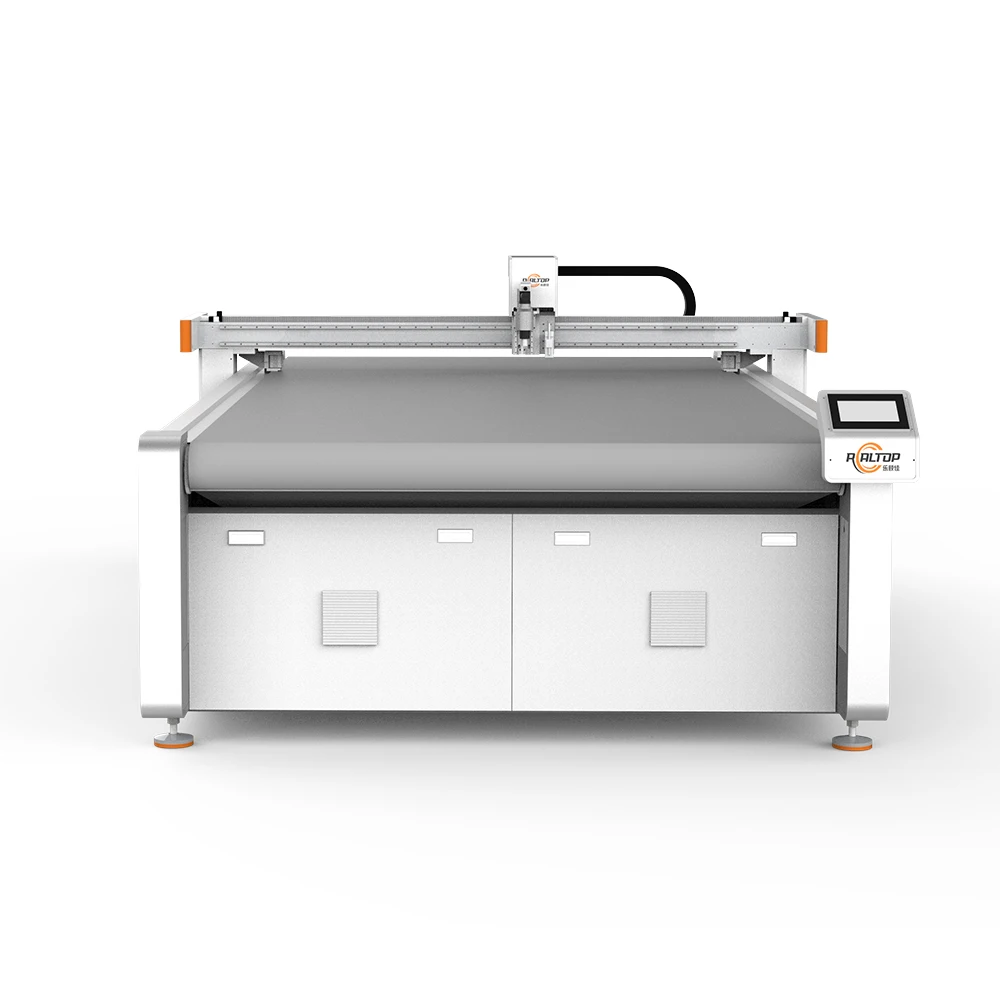
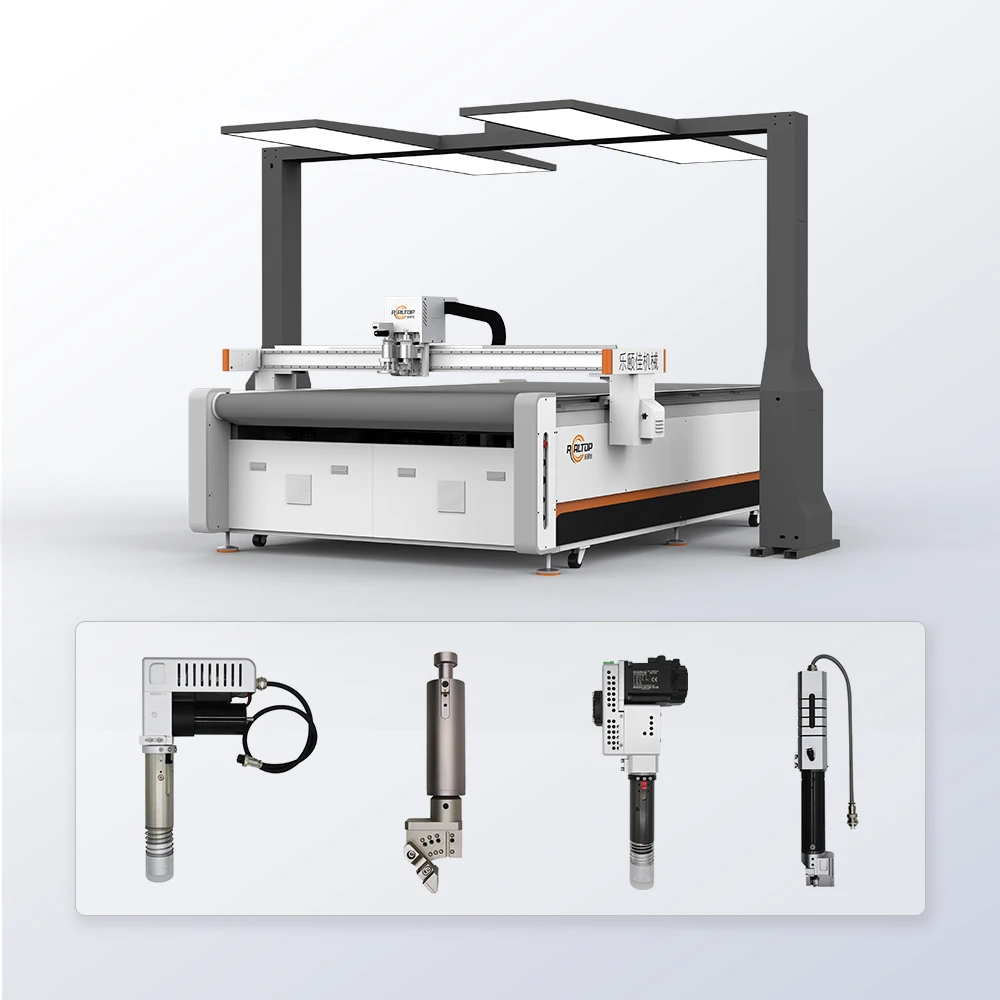
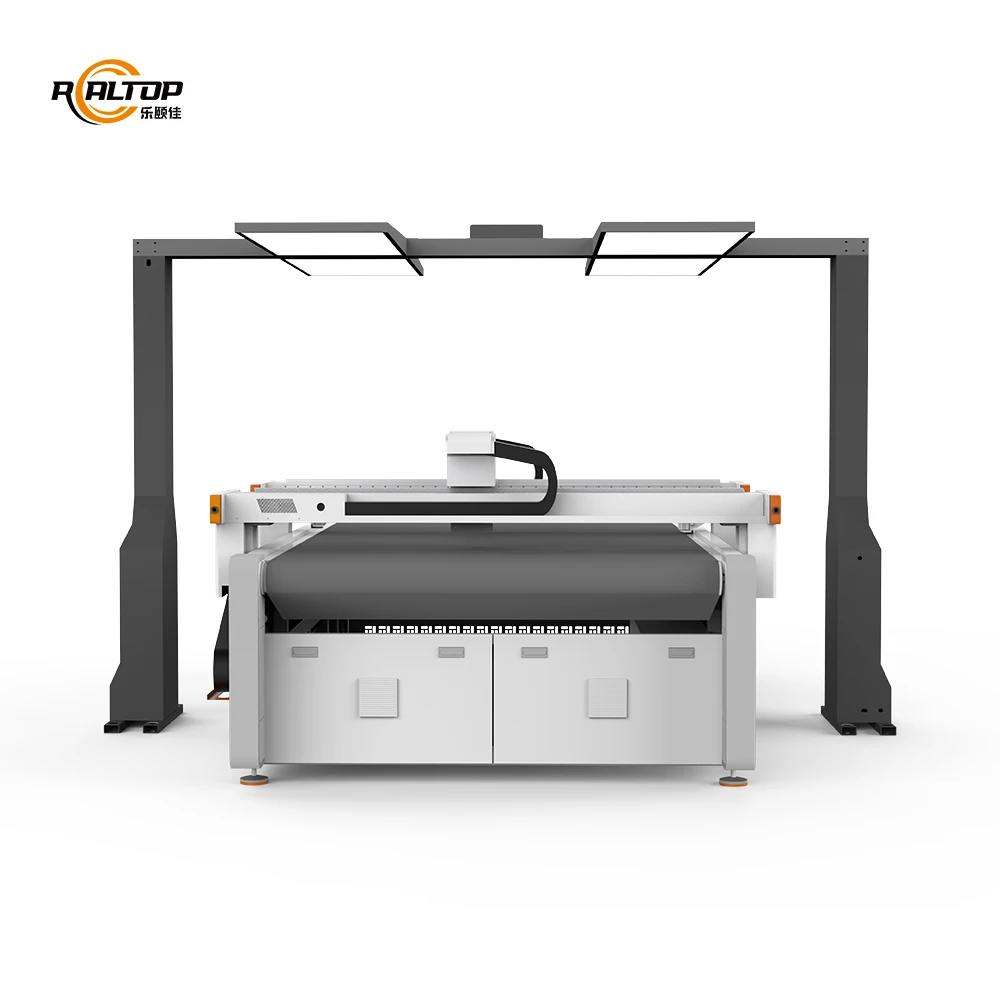
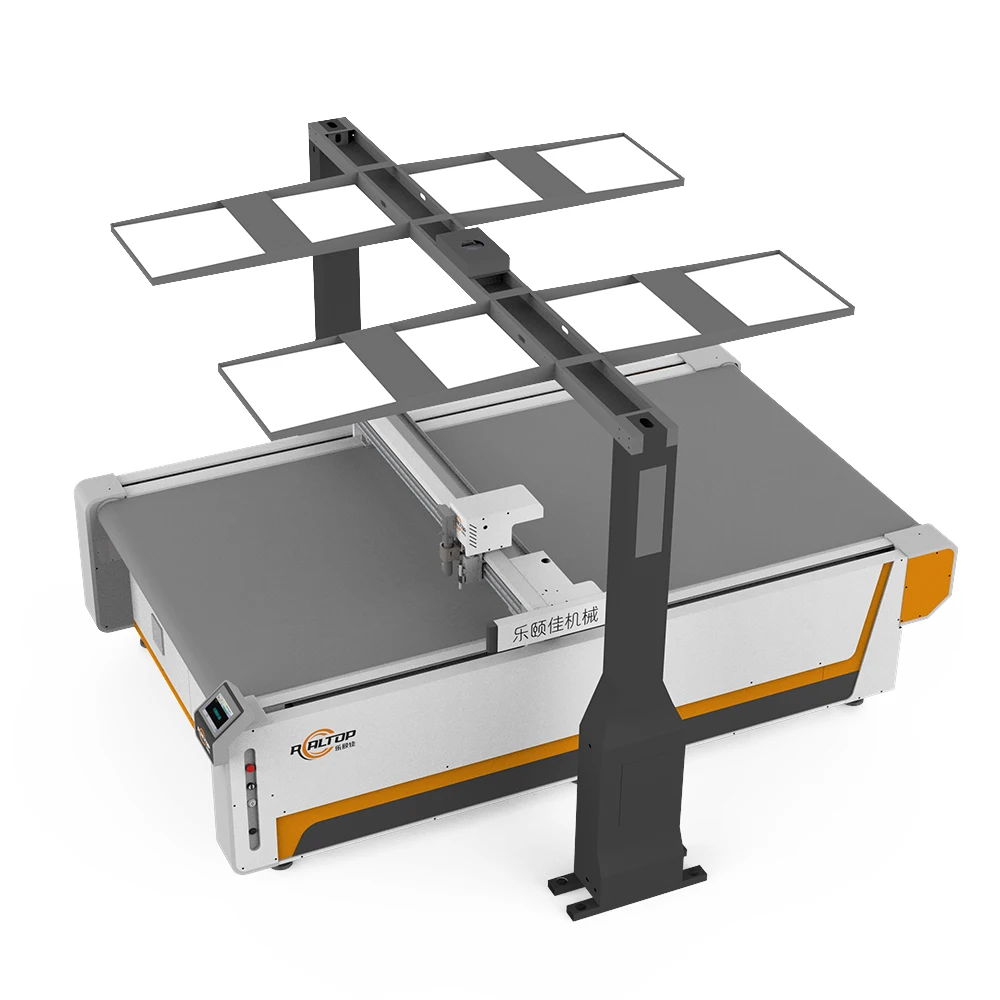
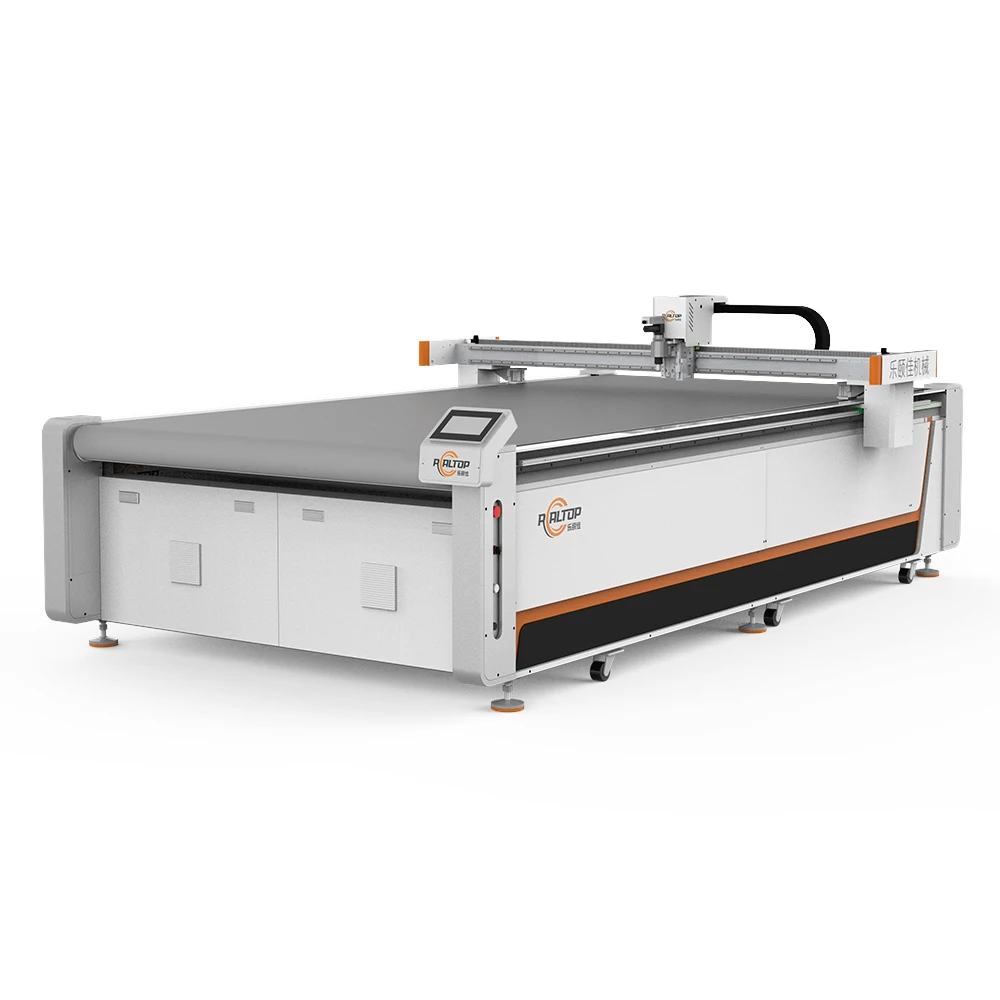
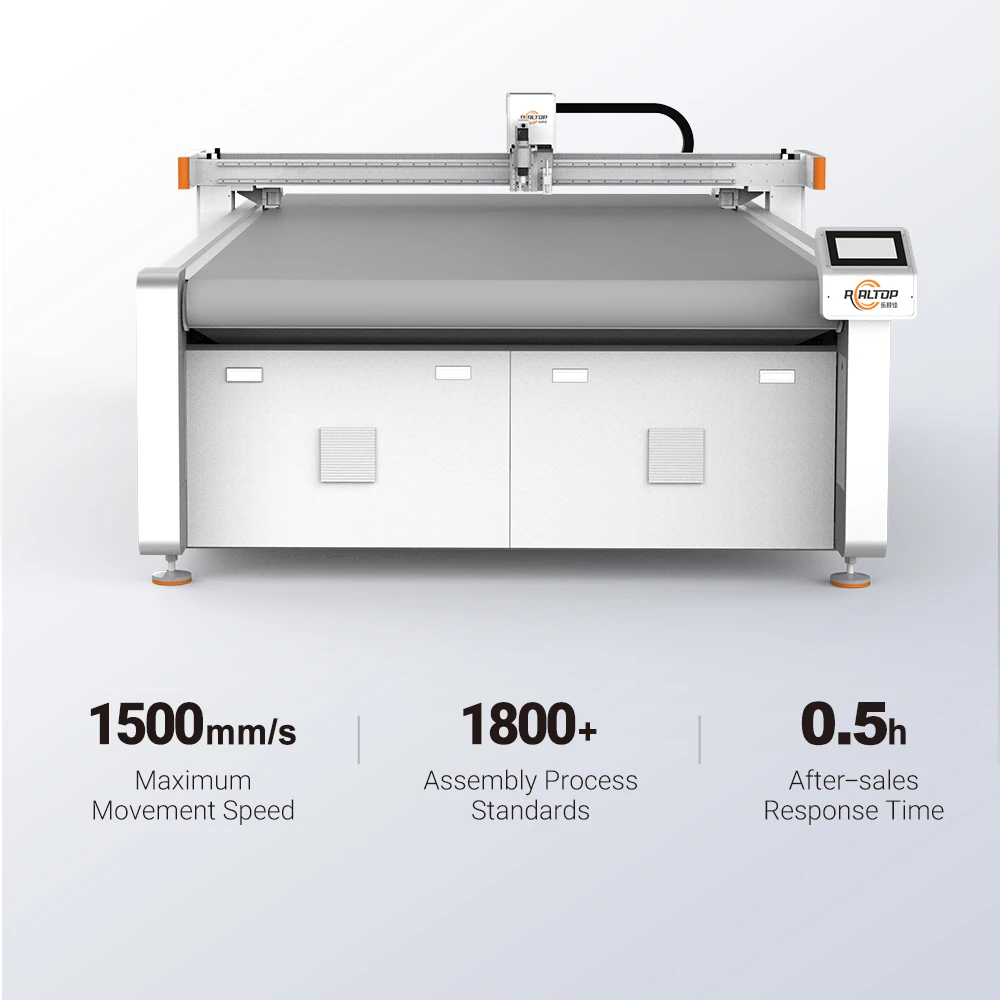
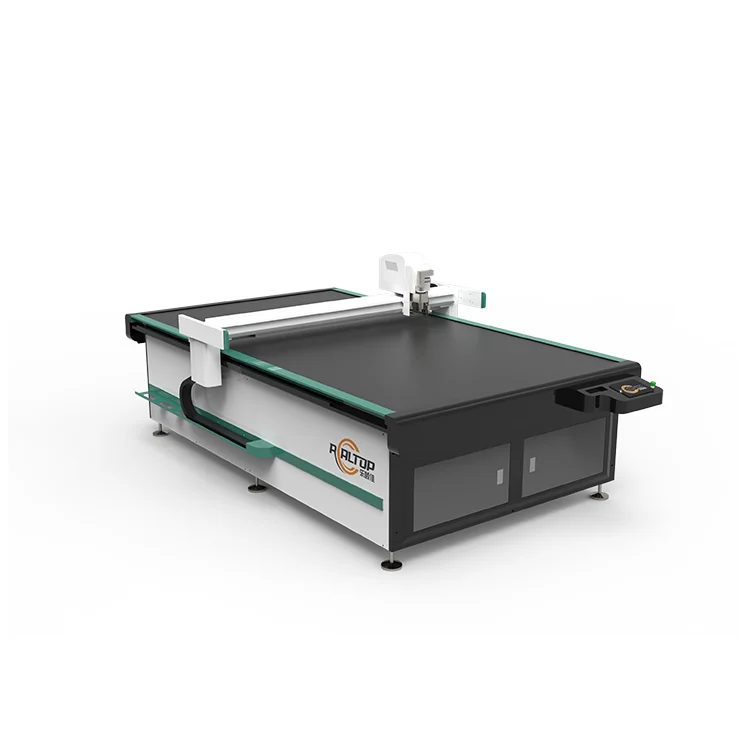
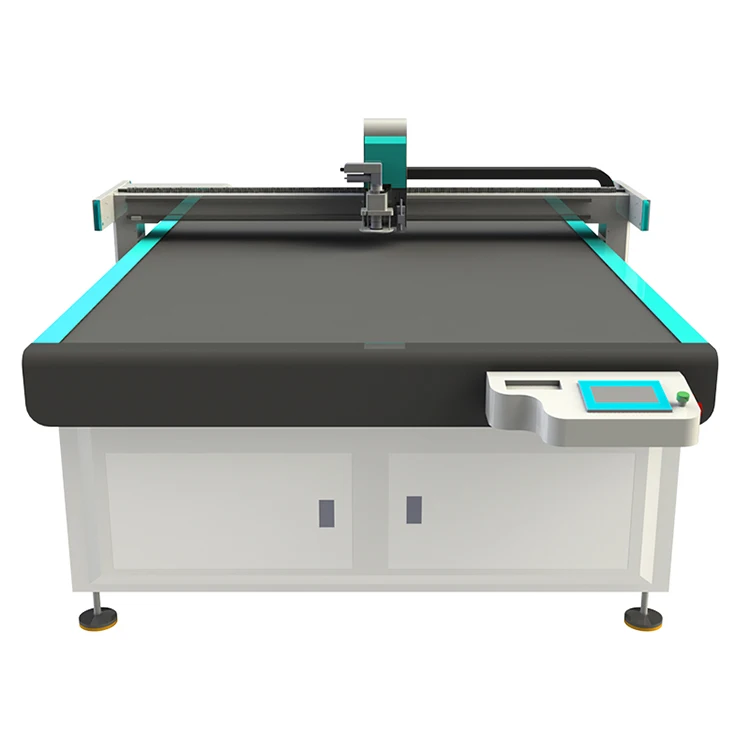
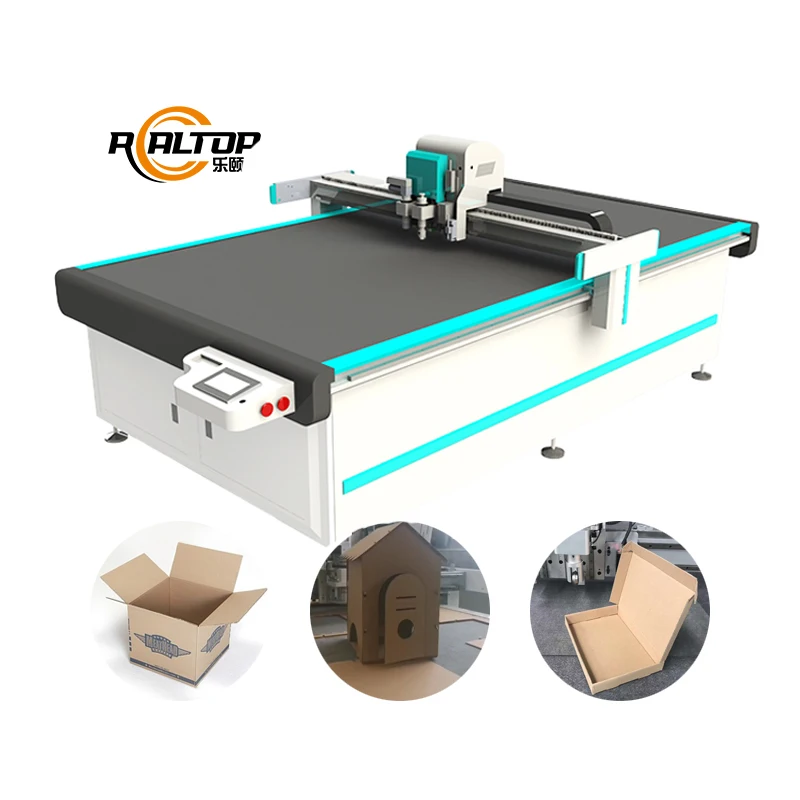
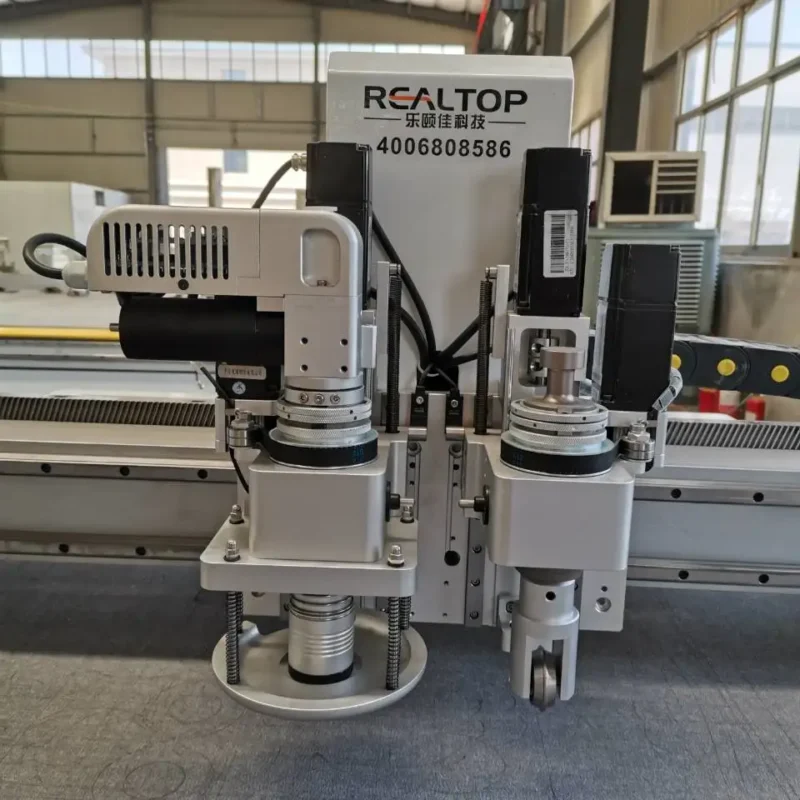
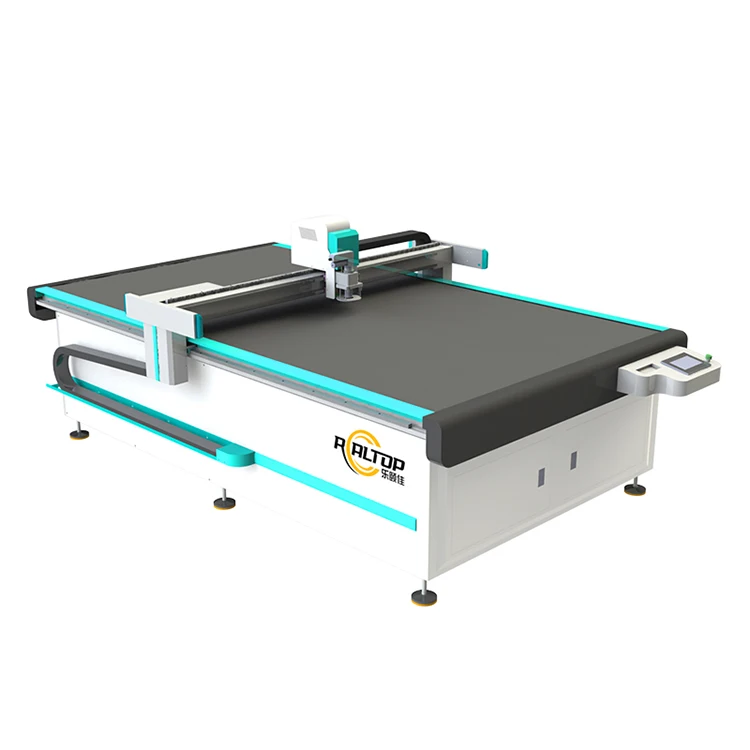
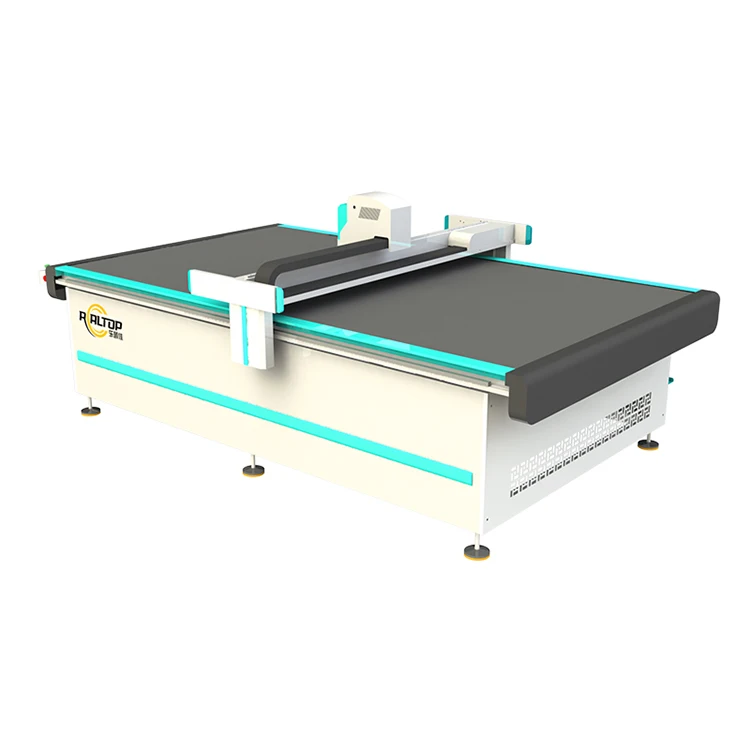
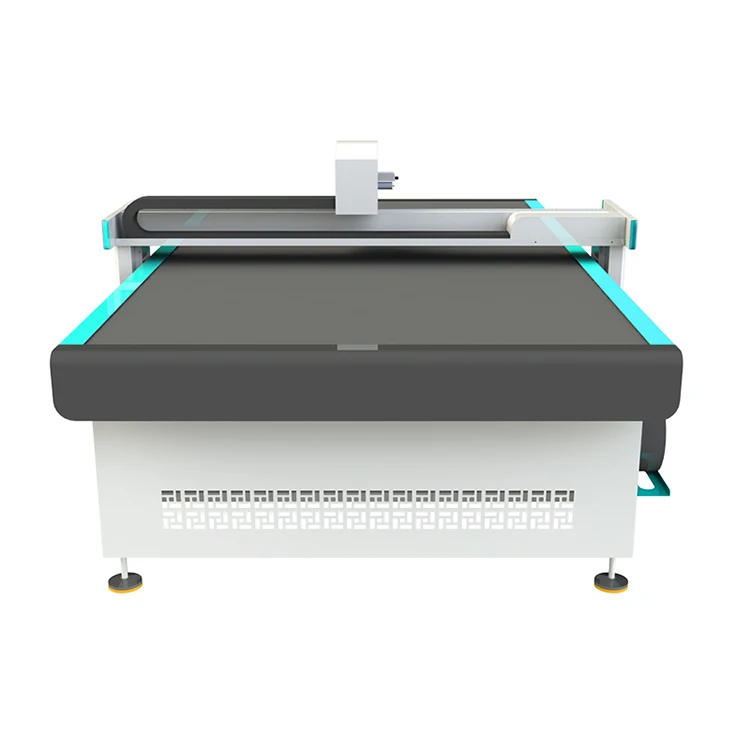
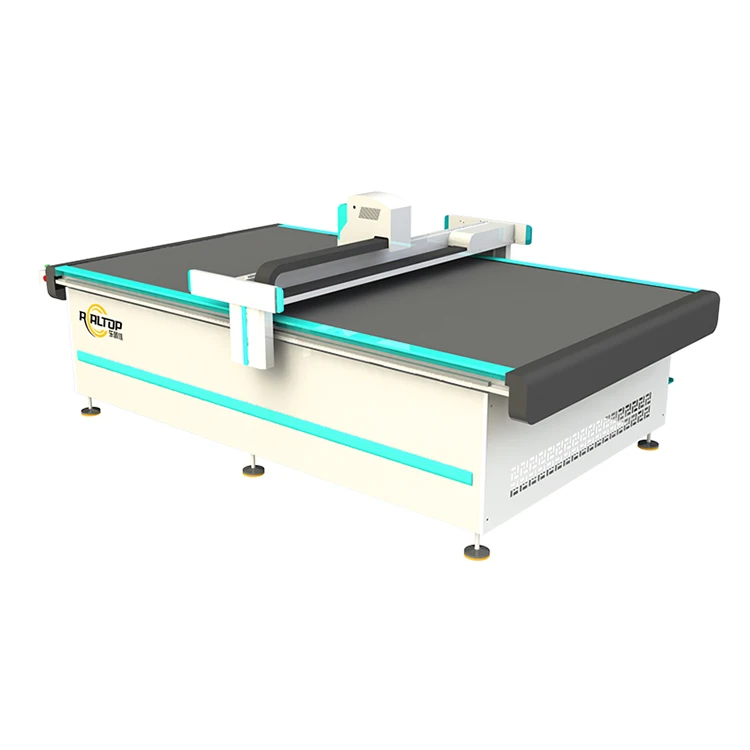
Customizable Tooling Platform — A single 1600×2500 mm bed supports seven interchangeable cutting tools, allowing footwear and leather producers to switch methods without adding another machine.
Technical Specifications
| Parameter | Value |
|---|---|
| Product Type | CNC Oscillating Knife Cutting Machine |
| Working Area | 1600×2500 mm |
| Cutting Speed | 0–2000 mm/s |
| Cutting Thickness Capacity | ≤ 30 mm |
| Cutting Accuracy | ±0.1 mm |
| Tool Options | Oscillating knife, Driven rotary knife, Creasing wheel, Kiss cutting tool, Pneumatic knife, Milling tool, V groove knife |
| Vacuum Table | Aluminum bellows vacuum table |
| Vacuum Pump | 9 kW |
| Control System | PLC control panel with intuitive interface |
| Servo Motor Options | Panasonic, Delta, Dorna |
| Voltage Options | 110V, 220V, 380V (frequency and phase configuration to confirm) |
| Profile Format Compatibility | PLT, DXF, AI, PDF |
| Software Language Options | English, Russian, Italian, Chinese (custom languages available) |
| Safety Devices | Infrared sensor, emergency stop |
| Machine Dimensions | 3300×2100×1350 mm |
| Certification | CE |
Application Suitability
| Application | Material or Output |
|---|---|
| Footwear upper production | Genuine leather, synthetic leather, PU, microfiber |
| Bag and leather goods cutting | Full-grain hides, split leather, bonded leather |
| Automotive interior trimming | Seat cover leather, Alcantara, synthetic suede |
| Gasket and seal fabrication | PTFE sheets, rubber compounds, fiber-reinforced materials |
| Foam component profiling | EVA sheets, EPE foam, polyurethane panels |
| Packaging sample making | Corrugated cardboard, carton board, adhesive stickers |
Why Voltage Confirmation Matters Before the CNC Oscillating Knife Cutting Machine Manufacturer Ships
Mismatched voltage and frequency account for a significant share of field failures on industrial cutting tables arriving at overseas workshops.
I have seen buyers in Jinan workshops test a unit perfectly at 380V/50Hz, then watch the same machine trip breakers or overheat servo drives once plugged into a 220V/60Hz supply in the destination country. The PLC panel may power on, but the Panasonic or Delta servo motors behave differently under altered frequency, causing positional drift that ruins cutting accuracy on leather hides where every square centimeter costs money. Confirming phase configuration, frequency and plug type before production avoids weeks of downtime and return-freight disputes [NEED_CITE: voltage and frequency standards by export market]. A CNC oscillating knife cutting machine manufacturer that documents electrical specifications at the inquiry stage saves both parties from costly assumptions.
Seven Tool Heads on One Flatbed
Leather cutting is not a single process. Shoe uppers need oscillating knife for thick layers, kiss cutting for adhesive-backed synthetics, and creasing wheels for fold lines on bag panels. This platform accommodates all seven tool options on one aluminum bellows table, so a footwear factory can cut uppers in the morning and switch to V groove milling for packaging samples in the afternoon. The driven rotary knife handles continuous roll-fed materials, while the pneumatic knife pushes through dense rubber gaskets. For a CNC oscillating knife cutting machine manufacturer, offering this tool range on a single frame means buyers match the tool to the material rather than forcing one blade through everything.
Vacuum Hold-Down Across the Full 1600×2500 Surface
Leather hides are irregular and often small relative to the bed. A 9 kW vacuum pump paired with the aluminum bellows table pulls material flat across the entire working area, preventing the hide from lifting during high-speed oscillation. When cutting nested shoe upper pieces from a single hide, even slight movement at the edge ruins the ±0.1 mm tolerance and wastes expensive material. Zoning the vacuum table into sections lets operators isolate suction to the active cutting zone, which matters when processing smaller offcuts or narrow strap components [NEED_CITE: vacuum table zoning principles for flatbed CNC cutters].
Reading the Spec Sheet Against Real Cutting Conditions
The 0–2000 mm/s cutting speed range is meaningful only when paired with material density. Genuine leather at 3 mm thickness cuts cleanly at moderate oscillation frequency, while 20 mm EVA foam requires slower travel to prevent blade deflection and crushed edges. The ±0.1 mm accuracy specification holds when the vacuum table maintains full suction and the chosen servo system — whether Panasonic, Delta or Dorna — responds without lag. Profile format support for PLT, DXF, AI and PDF means a footwear designer’s pattern file imports directly into the nesting software without manual redrawing, preserving the original contour geometry through the entire cutting process.
The Cost of Skipping Material-Specific Tool Selection
Choosing a basic oscillating blade for multi-layer leather stacks without evaluating the pneumatic knife option leads to ragged edges and compressed foam cores after a few weeks of production. Operators then compensate by slowing feed rates, which erodes the throughput advantage the machine was purchased to deliver. I recall a Middle East shoe factory that ran three months on a single blade type before realizing the driven rotary knife would have handled their synthetic upper rolls without the edge fuzz that caused rejection at their assembly line. Selecting tool heads against actual daily material mix is the step that separates a machine that works on day one from one that works on day three hundred [NEED_CITE: tool head selection criteria for leather and composite cutting].
Why Source From This CNC Oscillating Knife Cutting Machine Manufacturer
The in-house design team covers both knife and laser cutting technologies, so buyers evaluating leather applications can compare edge sealing from CO2 laser against clean mechanical cuts from the oscillating knife before committing. Tool head and table configurations are specified per material type and daily volume rather than sold as a default package. CCD camera positioning is available for printed contour work on patterned leather or synthetic sheets, with software compatibility verified against the buyer’s existing PLT or DXF workflow before the order is confirmed. Voltage, plug type and control language — whether English, Russian, Italian or a custom language — are documented in the electrical schematic before production begins. Sample cutting on the buyer’s own leather hide or foam sheet runs before the machine ships, providing a physical report that confirms edge quality and dimensional accuracy match the stated ±0.1 mm tolerance.
Documentation & Verification
- Machine specification sheet listing all seven tool head options with material-specific configuration notes
- Electrical schematic confirming voltage, frequency and plug type for the destination country
- Sample cutting report generated on buyer-supplied leather or foam before factory dispatch
- CE declaration covering the complete oscillating knife cutting platform assembly
- Software licence with confirmed PLT, DXF, AI and PDF file format compatibility
- Spare parts list specifying blade types, vacuum pump consumables and servo motor references
Installation, Commissioning & Support
- Floor space allocation for 3300×2100×1350 mm footprint plus operator clearance on three sides
- Dedicated electrical circuit matching confirmed 110V, 220V or 380V supply with correct phase configuration
- Aluminum bellows vacuum table leveling and 9 kW pump commissioning with suction verification across zones
- PLC control panel parameter setup for cutting speed, oscillation frequency and tool change sequences
- Operator training on tool head swap procedures covering all seven tool options in the buyer’s language
- Scheduled maintenance plan for vacuum pump filter replacement and servo motor calibration intervals
What to Include in Your First Inquiry
Send the specific material types you cut daily — genuine leather thickness, synthetic roll width, foam density — along with your target production volume and existing file format workflow. State your workshop voltage and frequency so the electrical package is configured correctly from the start. If printed contour cutting is part of your process, note the mark style and print registration tolerance so CCD camera suitability can be evaluated against your actual production files.
Frequently Asked Questions
Q: How do I decide between oscillating knife and laser cutting for leather components?
A: Oscillating knife produces clean mechanical edges without heat marks, which suits genuine leather shoe uppers and bag panels where burnt edges cause rejection. Laser cutting seals synthetic edges on materials like PU and nylon, preventing fraying on apparel components. The manufacturer supplies both technologies, so a sample cut on your actual material determines which method fits your product specification and downstream assembly requirements.
Q: What working area should I choose for nested leather cutting?
A: The 1600×2500 mm bed accommodates standard full-grain hides and allows nesting software to arrange multiple shoe upper patterns across a single skin for material yield. If your production involves roll-fed synthetic leather or wider hides, confirm the maximum sheet dimensions against the bed size before ordering, as oversized material requires repositioning and registration between cuts.
Q: Which tool head handles multi-layer foam and gasket materials?
A: The pneumatic knife and oscillating knife both cut foam up to 30 mm, but the pneumatic option maintains downward pressure on compressible materials like EVA and EPE, preventing the foam from springing back and deflecting the blade. For dense PTFE or rubber gaskets, the oscillating knife at higher frequency delivers cleaner edges without the crushing that a drag knife causes on softer compounds.
Q: What electrical details must I confirm before the machine ships?
A: Provide your workshop voltage, frequency and phase configuration so the servo motors and 9 kW vacuum pump are wired correctly at the factory. Specify plug type for your country standard, and confirm the PLC control panel language — options include English, Russian, Italian and Chinese, with custom languages available. The electrical schematic documents all confirmed parameters before production begins.
Q: Can I verify cutting performance on my own material before committing?
A: Yes. Send a sample of your actual leather hide, foam sheet or gasket material to the factory for a test cut. The manufacturer runs the material on the configured tool head and table setup, then provides a sample cutting report with edge quality photographs and measured dimensional accuracy against your pattern file, confirming the machine setup matches your production requirement before the order proceeds.
Customizable Tooling Platform — A single 1600×2500 mm bed supports seven interchangeable cutting tools, allowing footwear and leather producers to switch methods without adding another machine.
Technical Specifications
| Parameter | Value |
|---|---|
| Product Type | CNC Oscillating Knife Cutting Machine |
| Working Area | 1600×2500 mm |
| Cutting Speed | 0–2000 mm/s |
| Cutting Thickness Capacity | ≤ 30 mm |
| Cutting Accuracy | ±0.1 mm |
| Tool Options | Oscillating knife, Driven rotary knife, Creasing wheel, Kiss cutting tool, Pneumatic knife, Milling tool, V groove knife |
| Vacuum Table | Aluminum bellows vacuum table |
| Vacuum Pump | 9 kW |
| Control System | PLC control panel with intuitive interface |
| Servo Motor Options | Panasonic, Delta, Dorna |
| Voltage Options | 110V, 220V, 380V (frequency and phase configuration to confirm) |
| Profile Format Compatibility | PLT, DXF, AI, PDF |
| Software Language Options | English, Russian, Italian, Chinese (custom languages available) |
| Safety Devices | Infrared sensor, emergency stop |
| Machine Dimensions | 3300×2100×1350 mm |
| Certification | CE |
Application Suitability
| Application | Material or Output |
|---|---|
| Footwear upper production | Genuine leather, synthetic leather, PU, microfiber |
| Bag and leather goods cutting | Full-grain hides, split leather, bonded leather |
| Automotive interior trimming | Seat cover leather, Alcantara, synthetic suede |
| Gasket and seal fabrication | PTFE sheets, rubber compounds, fiber-reinforced materials |
| Foam component profiling | EVA sheets, EPE foam, polyurethane panels |
| Packaging sample making | Corrugated cardboard, carton board, adhesive stickers |
Why Voltage Confirmation Matters Before the CNC Oscillating Knife Cutting Machine Manufacturer Ships
Mismatched voltage and frequency account for a significant share of field failures on industrial cutting tables arriving at overseas workshops.
I have seen buyers in Jinan workshops test a unit perfectly at 380V/50Hz, then watch the same machine trip breakers or overheat servo drives once plugged into a 220V/60Hz supply in the destination country. The PLC panel may power on, but the Panasonic or Delta servo motors behave differently under altered frequency, causing positional drift that ruins cutting accuracy on leather hides where every square centimeter costs money. Confirming phase configuration, frequency and plug type before production avoids weeks of downtime and return-freight disputes [NEED_CITE: voltage and frequency standards by export market]. A CNC oscillating knife cutting machine manufacturer that documents electrical specifications at the inquiry stage saves both parties from costly assumptions.
Seven Tool Heads on One Flatbed
Leather cutting is not a single process. Shoe uppers need oscillating knife for thick layers, kiss cutting for adhesive-backed synthetics, and creasing wheels for fold lines on bag panels. This platform accommodates all seven tool options on one aluminum bellows table, so a footwear factory can cut uppers in the morning and switch to V groove milling for packaging samples in the afternoon. The driven rotary knife handles continuous roll-fed materials, while the pneumatic knife pushes through dense rubber gaskets. For a CNC oscillating knife cutting machine manufacturer, offering this tool range on a single frame means buyers match the tool to the material rather than forcing one blade through everything.
Vacuum Hold-Down Across the Full 1600×2500 Surface
Leather hides are irregular and often small relative to the bed. A 9 kW vacuum pump paired with the aluminum bellows table pulls material flat across the entire working area, preventing the hide from lifting during high-speed oscillation. When cutting nested shoe upper pieces from a single hide, even slight movement at the edge ruins the ±0.1 mm tolerance and wastes expensive material. Zoning the vacuum table into sections lets operators isolate suction to the active cutting zone, which matters when processing smaller offcuts or narrow strap components [NEED_CITE: vacuum table zoning principles for flatbed CNC cutters].
Reading the Spec Sheet Against Real Cutting Conditions
The 0–2000 mm/s cutting speed range is meaningful only when paired with material density. Genuine leather at 3 mm thickness cuts cleanly at moderate oscillation frequency, while 20 mm EVA foam requires slower travel to prevent blade deflection and crushed edges. The ±0.1 mm accuracy specification holds when the vacuum table maintains full suction and the chosen servo system — whether Panasonic, Delta or Dorna — responds without lag. Profile format support for PLT, DXF, AI and PDF means a footwear designer’s pattern file imports directly into the nesting software without manual redrawing, preserving the original contour geometry through the entire cutting process.
The Cost of Skipping Material-Specific Tool Selection
Choosing a basic oscillating blade for multi-layer leather stacks without evaluating the pneumatic knife option leads to ragged edges and compressed foam cores after a few weeks of production. Operators then compensate by slowing feed rates, which erodes the throughput advantage the machine was purchased to deliver. I recall a Middle East shoe factory that ran three months on a single blade type before realizing the driven rotary knife would have handled their synthetic upper rolls without the edge fuzz that caused rejection at their assembly line. Selecting tool heads against actual daily material mix is the step that separates a machine that works on day one from one that works on day three hundred [NEED_CITE: tool head selection criteria for leather and composite cutting].
Why Source From This CNC Oscillating Knife Cutting Machine Manufacturer
The in-house design team covers both knife and laser cutting technologies, so buyers evaluating leather applications can compare edge sealing from CO2 laser against clean mechanical cuts from the oscillating knife before committing. Tool head and table configurations are specified per material type and daily volume rather than sold as a default package. CCD camera positioning is available for printed contour work on patterned leather or synthetic sheets, with software compatibility verified against the buyer’s existing PLT or DXF workflow before the order is confirmed. Voltage, plug type and control language — whether English, Russian, Italian or a custom language — are documented in the electrical schematic before production begins. Sample cutting on the buyer’s own leather hide or foam sheet runs before the machine ships, providing a physical report that confirms edge quality and dimensional accuracy match the stated ±0.1 mm tolerance.
Documentation & Verification
- Machine specification sheet listing all seven tool head options with material-specific configuration notes
- Electrical schematic confirming voltage, frequency and plug type for the destination country
- Sample cutting report generated on buyer-supplied leather or foam before factory dispatch
- CE declaration covering the complete oscillating knife cutting platform assembly
- Software licence with confirmed PLT, DXF, AI and PDF file format compatibility
- Spare parts list specifying blade types, vacuum pump consumables and servo motor references
Installation, Commissioning & Support
- Floor space allocation for 3300×2100×1350 mm footprint plus operator clearance on three sides
- Dedicated electrical circuit matching confirmed 110V, 220V or 380V supply with correct phase configuration
- Aluminum bellows vacuum table leveling and 9 kW pump commissioning with suction verification across zones
- PLC control panel parameter setup for cutting speed, oscillation frequency and tool change sequences
- Operator training on tool head swap procedures covering all seven tool options in the buyer’s language
- Scheduled maintenance plan for vacuum pump filter replacement and servo motor calibration intervals
What to Include in Your First Inquiry
Send the specific material types you cut daily — genuine leather thickness, synthetic roll width, foam density — along with your target production volume and existing file format workflow. State your workshop voltage and frequency so the electrical package is configured correctly from the start. If printed contour cutting is part of your process, note the mark style and print registration tolerance so CCD camera suitability can be evaluated against your actual production files.
Frequently Asked Questions
Q: How do I decide between oscillating knife and laser cutting for leather components?
A: Oscillating knife produces clean mechanical edges without heat marks, which suits genuine leather shoe uppers and bag panels where burnt edges cause rejection. Laser cutting seals synthetic edges on materials like PU and nylon, preventing fraying on apparel components. The manufacturer supplies both technologies, so a sample cut on your actual material determines which method fits your product specification and downstream assembly requirements.
Q: What working area should I choose for nested leather cutting?
A: The 1600×2500 mm bed accommodates standard full-grain hides and allows nesting software to arrange multiple shoe upper patterns across a single skin for material yield. If your production involves roll-fed synthetic leather or wider hides, confirm the maximum sheet dimensions against the bed size before ordering, as oversized material requires repositioning and registration between cuts.
Q: Which tool head handles multi-layer foam and gasket materials?
A: The pneumatic knife and oscillating knife both cut foam up to 30 mm, but the pneumatic option maintains downward pressure on compressible materials like EVA and EPE, preventing the foam from springing back and deflecting the blade. For dense PTFE or rubber gaskets, the oscillating knife at higher frequency delivers cleaner edges without the crushing that a drag knife causes on softer compounds.
Q: What electrical details must I confirm before the machine ships?
A: Provide your workshop voltage, frequency and phase configuration so the servo motors and 9 kW vacuum pump are wired correctly at the factory. Specify plug type for your country standard, and confirm the PLC control panel language — options include English, Russian, Italian and Chinese, with custom languages available. The electrical schematic documents all confirmed parameters before production begins.
Q: Can I verify cutting performance on my own material before committing?
A: Yes. Send a sample of your actual leather hide, foam sheet or gasket material to the factory for a test cut. The manufacturer runs the material on the configured tool head and table setup, then provides a sample cutting report with edge quality photographs and measured dimensional accuracy against your pattern file, confirming the machine setup matches your production requirement before the order proceeds.
商品评价
There are no reviews yet.