




Fast Delivery
Quick, reliable shipping to any location.

Free & easy returns
Return this item by mail or in store within 90 days for a full refund.
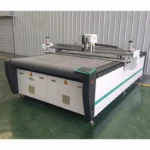
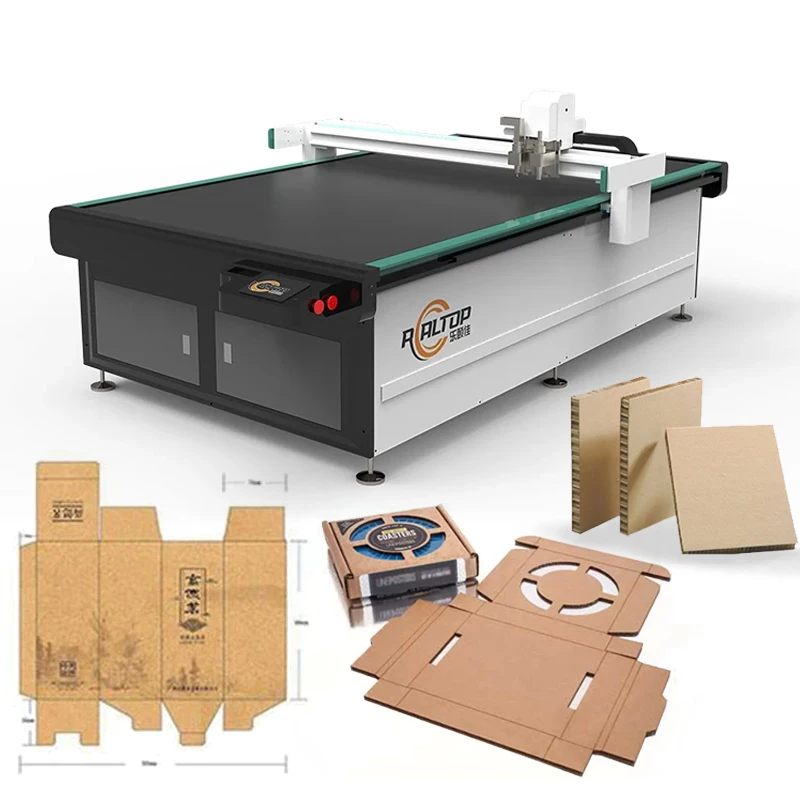
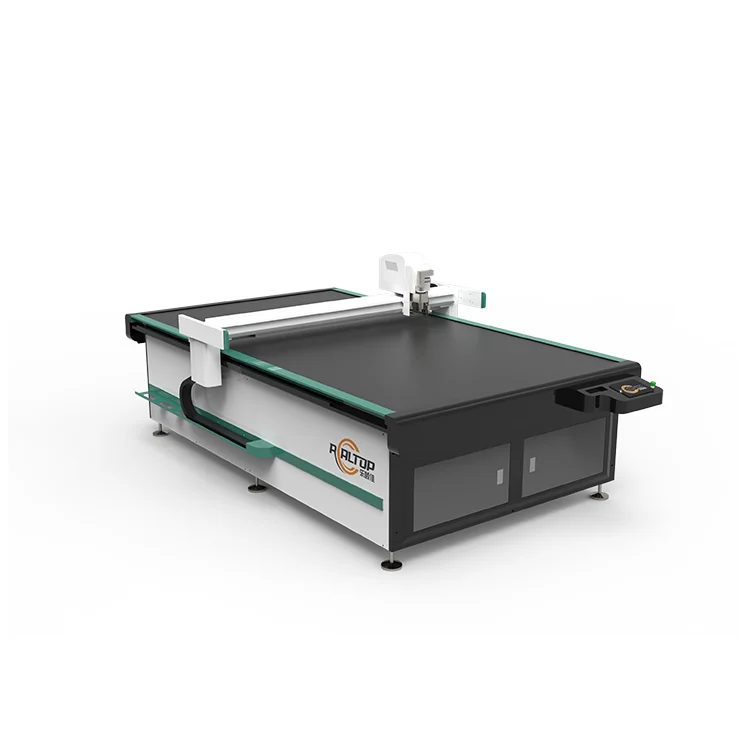
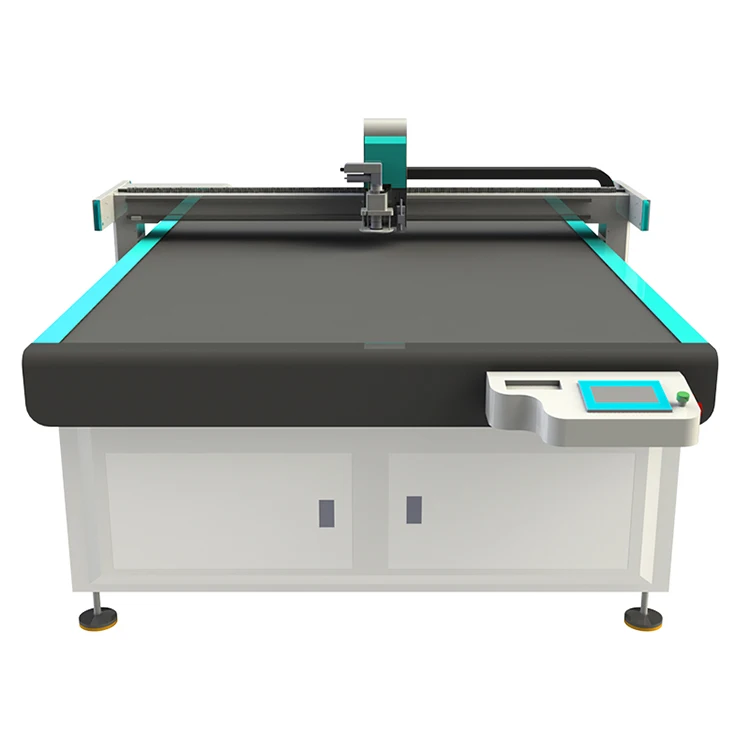
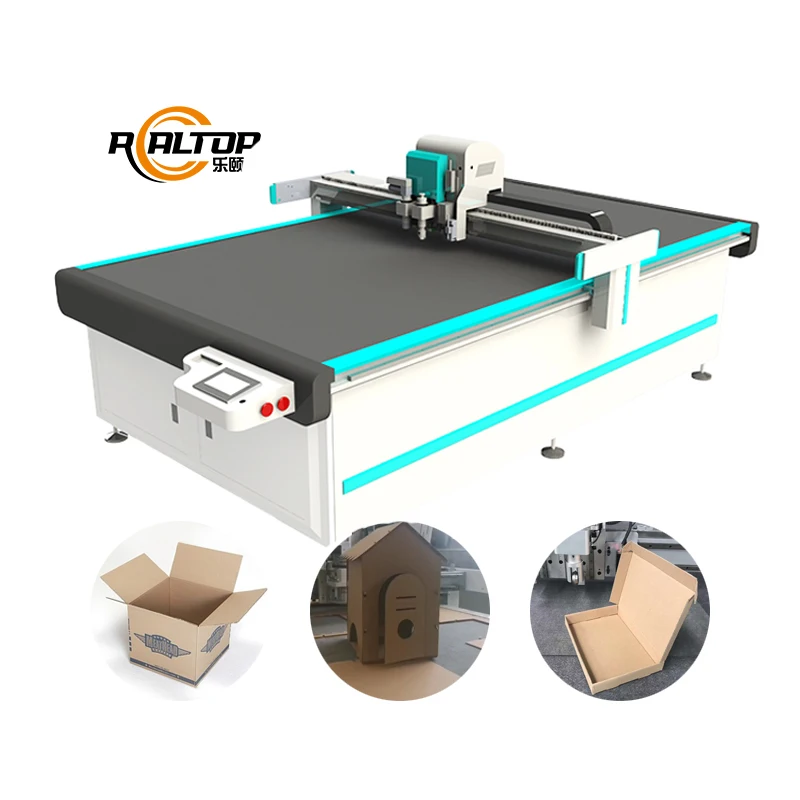
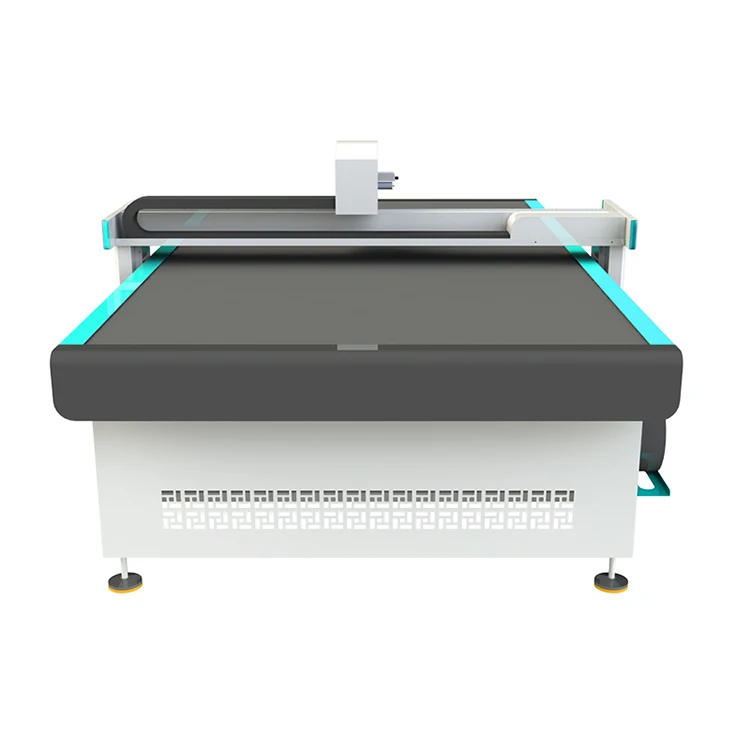
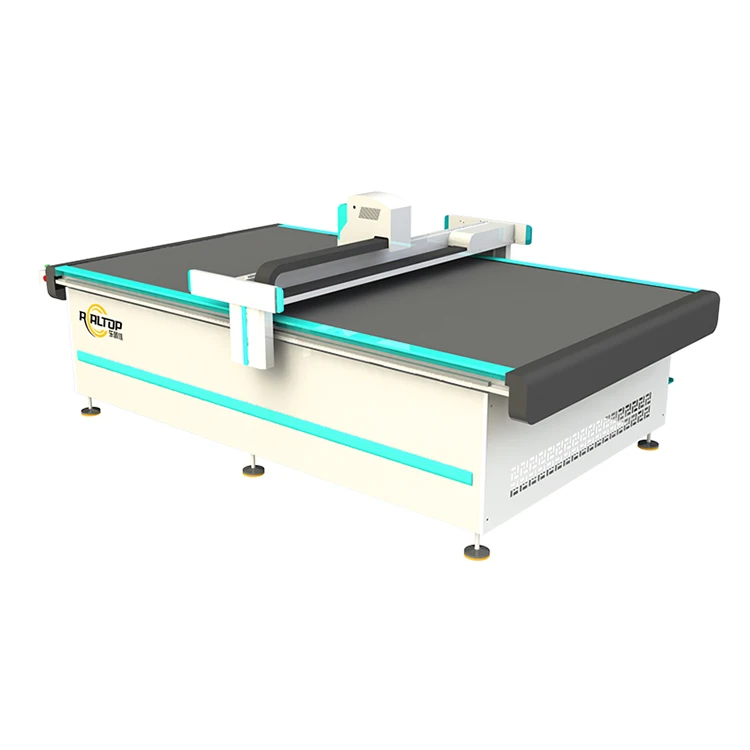
Material Matched Configuration — The CLD2516 oscillating knife table pairs a Swiss cutting head with honeycomb vacuum zoning so cardboard, sticker and flexible material buyers get edge quality and hold-down matched to their stock, not a generic flatbed [NEED_CITE: material-specific cutting configuration requirements].
Technical Specifications
| Parameter | Value |
|---|---|
| Product Type | CNC Oscillating Knife Cutting Machine |
| Working Area | 1600 mm × 2500 mm |
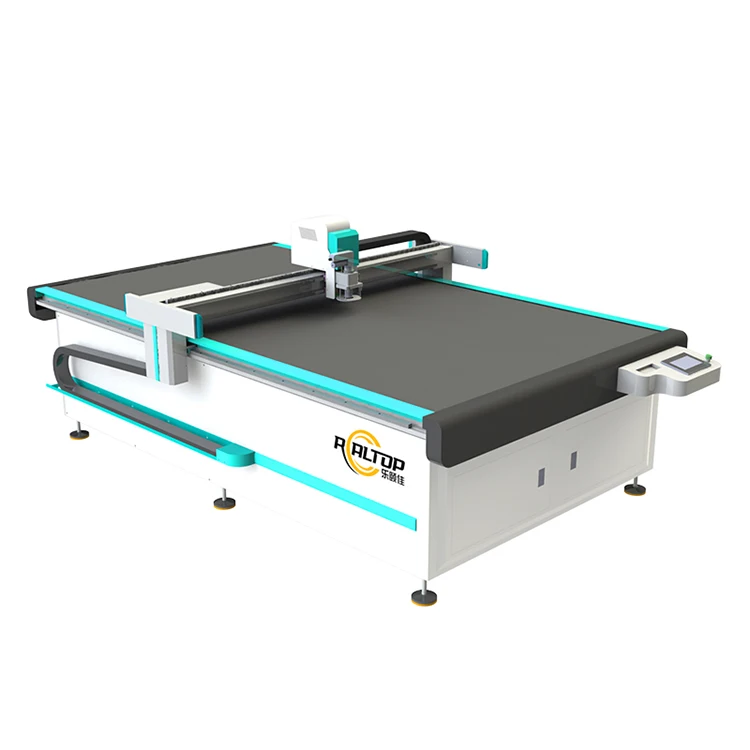
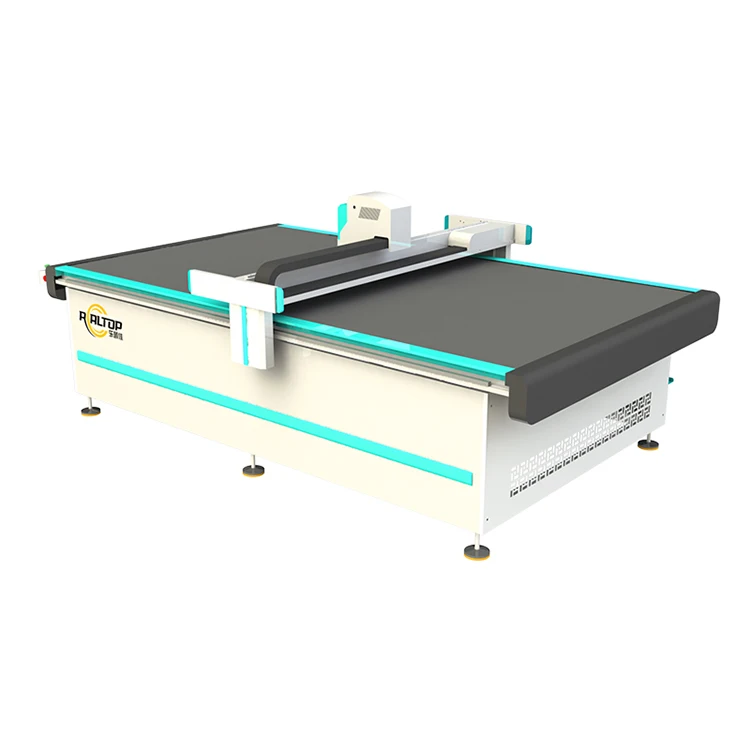
| Overall Dimensions | 3450 × 2300 × 1250 mm |
| Rated Power | 6.6 kW |
| Voltage | 380V ±10% |
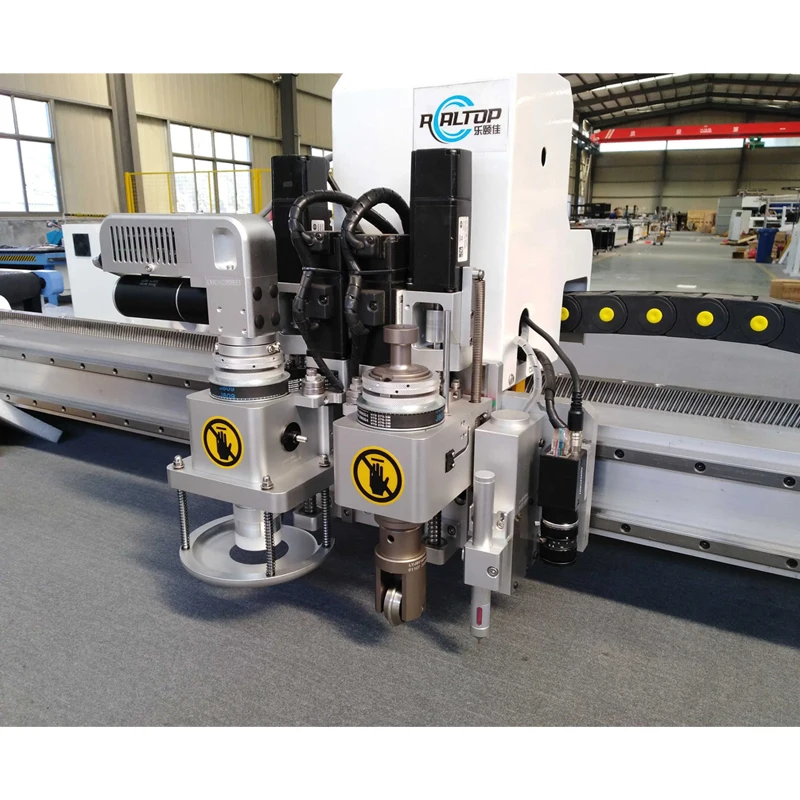
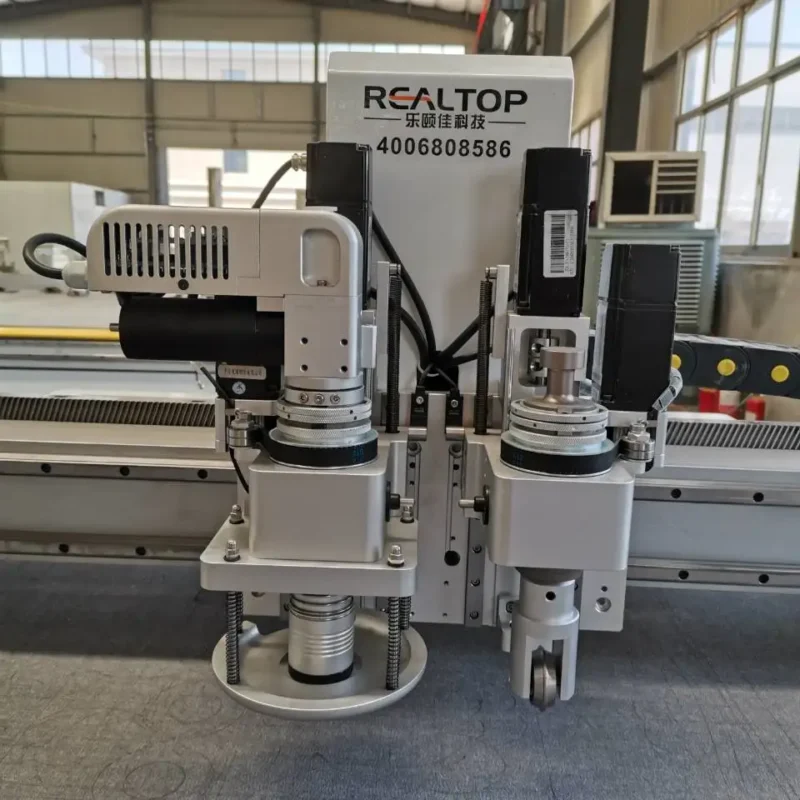
| Tool Head | Swiss imported oscillating knife (vibration full cutting, vibration half cutting, cursor location) |
| Translational Velocity | 800–1200 mm/s |
| Cutting Thickness | 20–80 mm (according to different cutting materials — basis not stated in source) |
| Repeated Accuracy | ≤0.1 mm |
| Transmission System | Taiwan Delta digital servo motor, imported linear square guide, synchronous belt, ball screw, rack transmission |
| Work Table | Aluminum alloy honeycomb structure, flat vacuum adsorption with partition zoning |
| Vacuum Pump | 7.5 kW |
| Conveyor Belt | Germany imported |
| Safety Device | Infrared sensors, emergency stop |
| Control / Instruction System | HP-GL compatible format |
| Supported File Formats | PLT, DXF |
| Software | Professional carton nesting software (language customizable) |
| Frame Construction | Welded thick square seamless steel structure, high-temperature treated |
| Felt Belt | Wear-resistant anti-pull composite fiber |
| Certification | CE |
Application Suitability
| Application | Material or Output |
|---|---|
| Carton packaging sample making and production | Corrugated board, kraft paper, specialty carton stock, large electrical cartons, express boxes, snack food packaging, high-end gift boxes |
| Sticker, label and billboard contour cutting | Vinyl, printed labels, business cards, tags with contour tracing |
| Flexible material processing | Leather, fabric, garment materials, sponge composite leather, PVC, soft glass, silicone, rubber |
Why the Material Question Must Come Before the Machine Choice
A cutting table specified on working area alone often fails the actual material test on the production floor.
Buyers frequently quote a 1600×2500 format and assume thickness capacity follows. When the stock turns out to be dense grey board or multi-layer composite, the knife stalls, edges crush, and throughput drops well below expectation. This CNC oscillating knife cutting machine manufacturer has seen orders where the material type was never confirmed before the deposit cleared, leaving the buyer with a table that cannot finish the job. Asking for a sample cutting report on your own stock before commitment removes that risk entirely [NEED_CITE: CNC knife cutting material verification best practices].
The Knife Head and Table Combination That Fits the Job
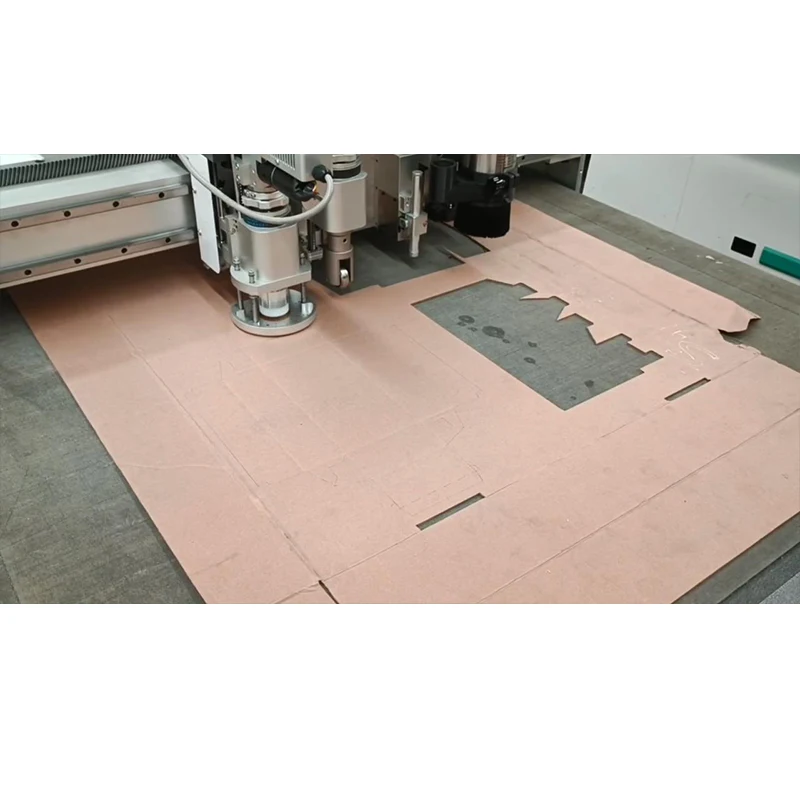
The Swiss imported oscillating knife head on this CNC flatbed digital cutting table for sale handles full-cut, half-cut and cursor-location tasks from one tool station. Cardboard sample makers use the creasing and half-cut functions for fold lines, while full-cut handles the outer contour without swapping tools mid-sheet. For sticker and label contour work, the cursor location function traces printed marks to align cuts with the graphic, reducing misregistration on short-run jobs.
Vacuum Zoning for Small Parts and Thin Stock
The 7.5 kW vacuum pump feeds an aluminum honeycomb table with partition zoning. Small sticker parts and narrow carton flaps tend to lift under knife drag, especially at higher translational speeds. Zoned suction lets the operator activate only the area under the cut, concentrating hold-down force where the knife is actually working. This matters for die-cut label sheets where a lifted edge produces a ragged contour and a rejected batch [NEED_CITE: vacuum table zoning effects on small part cutting accuracy].
Reading the Specs That Actually Affect Your Output
The Taiwan Delta digital servo motors on imported linear square guides deliver ≤0.1 mm repeatability across the 1600×2500 mm field. In carton sample making, that tolerance keeps crease lines aligned with cut edges over long production runs. The 20–80 mm cutting thickness range depends on material density — corrugated board at 3 mm per ply cuts differently from solid grey board at the same caliper. Confirm the thickness limit on your specific stock rather than relying on the general range. The HP-GL compatible control accepts PLT and DXF files directly, and the bundled carton nesting software reduces sheet waste on multi-design layouts.
What Happens When the Configuration Is Wrong
A drag knife on thick corrugated board produces crushed flutes at the cut edge, forcing the packaging maker to add a secondary trimming step. A flat vacuum table without zoning wastes suction on empty space while small sticker parts still lift under the knife. These outcomes do not show up in the quotation — they appear on the first production day when the buyer realizes the tool head and table were selected for a different material family entirely [NEED_CITE: CNC knife cutting tool head selection by material type].
Why Buyers Source This Range From the Factory
In-house design covers both knife and laser cutting technologies, so a buyer can match the cutting method to the material instead of forcing one method across every stock type. The tool head and table configuration is specified per material and production volume before the order is placed. CCD camera positioning is available for printed contour work where cursor location alone is insufficient. Software compatibility with the buyer’s existing file format is confirmed before the machine enters production. Sample cutting on the buyer’s own material runs before commitment, producing a report with measured edge quality and achieved thickness for that specific stock. Voltage, language and specification customization aligns the machine to the destination market before shipment.
Documentation & Verification
- Machine specification sheet confirming 380V ±10% and control language for your market
- Sample cutting report on your cardboard, sticker or flexible material with measured edge quality
- Tool head and vacuum table configuration list matched to your material family
- Software licence and PLT, DXF, HP-GL file format compatibility note before order
- Factory test record on your material thickness range before dispatch
Installation, Commissioning & Support
- Welded steel frame arrives fully assembled; confirm floor load for 3450×2300 mm footprint and 6.6 kW plus 7.5 kW vacuum circuit
- Dedicated 380V ±10% circuit with confirmed frequency and plug type for destination market
- Delta servo drive and linear guide calibration verified on site after leveling the honeycomb table
- Carton nesting software loaded in confirmed language; operator trained on PLT and DXF import workflow
- Swiss oscillating knife blade replacement schedule and felt belt tension check documented in manual
- Infrared sensor and emergency stop circuit tested at commissioning with operator safety briefing
What to Prepare Before Requesting a Quotation
Send the material type, thickness, sheet size and daily volume so the tool head and vacuum zoning can be matched to the actual production job. Confirm the local voltage, frequency and plug standard along with the preferred control and software language. If your workflow relies on a specific nesting software or file format beyond PLT and DXF, include a sample file so compatibility is verified before the quotation stage.
Frequently Asked Questions
Q: How do I verify the real cutting thickness for my specific material?
A: The 20–80 mm range depends on material density and composition, which vary across corrugated board, grey board, foam and composite leather. Request a sample cutting report using your own stock, which documents achieved thickness, edge quality and cutting speed on that exact material before you commit to the order.
Q: Which tool head fits cardboard, sticker and leather jobs?
A: The Swiss oscillating knife handles full-cut, half-cut and cursor-location in one station, covering carton contours, sticker tracing and flexible material slicing. A drag knife or creasing wheel may be added for fold lines on carton stock. Tool head selection is confirmed based on your material sample before production.
Q: Where does the 1600×2500 format sit among other knife cutting options?
A: This format serves mid-to-high volume carton sample making and sticker contour work within the broader catalogue. Larger formats handle full-sheet signage and multi-layer fabric layups, while compact tables suit short-run tag and label jobs. The choice depends on your sheet size and daily volume.
Q: Is the 7.5 kW vacuum pump sufficient for small sticker and label parts?
A: Partition zoning concentrates suction under the active cutting area rather than spreading it across the full table. This hold-down method keeps small sticker and label parts flat during knife travel. The configuration is verified against your smallest part dimension during the sample cutting stage.
Q: What electrical and software details are confirmed before shipment?
A: Voltage, frequency, plug type and control language are documented in the specification sheet before production begins. Software licence terms and file format compatibility with PLT, DXF and HP-GL are confirmed so your existing design workflow connects to the machine without conversion issues on arrival.
Material Matched Configuration — The CLD2516 oscillating knife table pairs a Swiss cutting head with honeycomb vacuum zoning so cardboard, sticker and flexible material buyers get edge quality and hold-down matched to their stock, not a generic flatbed [NEED_CITE: material-specific cutting configuration requirements].
Technical Specifications
| Parameter | Value |
|---|---|
| Product Type | CNC Oscillating Knife Cutting Machine |
| Working Area | 1600 mm × 2500 mm |
| Overall Dimensions | 3450 × 2300 × 1250 mm |
| Rated Power | 6.6 kW |
| Voltage | 380V ±10% |
| Tool Head | Swiss imported oscillating knife (vibration full cutting, vibration half cutting, cursor location) |
| Translational Velocity | 800–1200 mm/s |
| Cutting Thickness | 20–80 mm (according to different cutting materials — basis not stated in source) |
| Repeated Accuracy | ≤0.1 mm |
| Transmission System | Taiwan Delta digital servo motor, imported linear square guide, synchronous belt, ball screw, rack transmission |
| Work Table | Aluminum alloy honeycomb structure, flat vacuum adsorption with partition zoning |
| Vacuum Pump | 7.5 kW |
| Conveyor Belt | Germany imported |
| Safety Device | Infrared sensors, emergency stop |
| Control / Instruction System | HP-GL compatible format |
| Supported File Formats | PLT, DXF |
| Software | Professional carton nesting software (language customizable) |
| Frame Construction | Welded thick square seamless steel structure, high-temperature treated |
| Felt Belt | Wear-resistant anti-pull composite fiber |
| Certification | CE |
Application Suitability
| Application | Material or Output |
|---|---|
| Carton packaging sample making and production | Corrugated board, kraft paper, specialty carton stock, large electrical cartons, express boxes, snack food packaging, high-end gift boxes |
| Sticker, label and billboard contour cutting | Vinyl, printed labels, business cards, tags with contour tracing |
| Flexible material processing | Leather, fabric, garment materials, sponge composite leather, PVC, soft glass, silicone, rubber |
Why the Material Question Must Come Before the Machine Choice
A cutting table specified on working area alone often fails the actual material test on the production floor.
Buyers frequently quote a 1600×2500 format and assume thickness capacity follows. When the stock turns out to be dense grey board or multi-layer composite, the knife stalls, edges crush, and throughput drops well below expectation. This CNC oscillating knife cutting machine manufacturer has seen orders where the material type was never confirmed before the deposit cleared, leaving the buyer with a table that cannot finish the job. Asking for a sample cutting report on your own stock before commitment removes that risk entirely [NEED_CITE: CNC knife cutting material verification best practices].
The Knife Head and Table Combination That Fits the Job
The Swiss imported oscillating knife head on this CNC flatbed digital cutting table for sale handles full-cut, half-cut and cursor-location tasks from one tool station. Cardboard sample makers use the creasing and half-cut functions for fold lines, while full-cut handles the outer contour without swapping tools mid-sheet. For sticker and label contour work, the cursor location function traces printed marks to align cuts with the graphic, reducing misregistration on short-run jobs.
Vacuum Zoning for Small Parts and Thin Stock
The 7.5 kW vacuum pump feeds an aluminum honeycomb table with partition zoning. Small sticker parts and narrow carton flaps tend to lift under knife drag, especially at higher translational speeds. Zoned suction lets the operator activate only the area under the cut, concentrating hold-down force where the knife is actually working. This matters for die-cut label sheets where a lifted edge produces a ragged contour and a rejected batch [NEED_CITE: vacuum table zoning effects on small part cutting accuracy].
Reading the Specs That Actually Affect Your Output
The Taiwan Delta digital servo motors on imported linear square guides deliver ≤0.1 mm repeatability across the 1600×2500 mm field. In carton sample making, that tolerance keeps crease lines aligned with cut edges over long production runs. The 20–80 mm cutting thickness range depends on material density — corrugated board at 3 mm per ply cuts differently from solid grey board at the same caliper. Confirm the thickness limit on your specific stock rather than relying on the general range. The HP-GL compatible control accepts PLT and DXF files directly, and the bundled carton nesting software reduces sheet waste on multi-design layouts.
What Happens When the Configuration Is Wrong
A drag knife on thick corrugated board produces crushed flutes at the cut edge, forcing the packaging maker to add a secondary trimming step. A flat vacuum table without zoning wastes suction on empty space while small sticker parts still lift under the knife. These outcomes do not show up in the quotation — they appear on the first production day when the buyer realizes the tool head and table were selected for a different material family entirely [NEED_CITE: CNC knife cutting tool head selection by material type].
Why Buyers Source This Range From the Factory
In-house design covers both knife and laser cutting technologies, so a buyer can match the cutting method to the material instead of forcing one method across every stock type. The tool head and table configuration is specified per material and production volume before the order is placed. CCD camera positioning is available for printed contour work where cursor location alone is insufficient. Software compatibility with the buyer’s existing file format is confirmed before the machine enters production. Sample cutting on the buyer’s own material runs before commitment, producing a report with measured edge quality and achieved thickness for that specific stock. Voltage, language and specification customization aligns the machine to the destination market before shipment.
Documentation & Verification
- Machine specification sheet confirming 380V ±10% and control language for your market
- Sample cutting report on your cardboard, sticker or flexible material with measured edge quality
- Tool head and vacuum table configuration list matched to your material family
- Software licence and PLT, DXF, HP-GL file format compatibility note before order
- Factory test record on your material thickness range before dispatch
Installation, Commissioning & Support
- Welded steel frame arrives fully assembled; confirm floor load for 3450×2300 mm footprint and 6.6 kW plus 7.5 kW vacuum circuit
- Dedicated 380V ±10% circuit with confirmed frequency and plug type for destination market
- Delta servo drive and linear guide calibration verified on site after leveling the honeycomb table
- Carton nesting software loaded in confirmed language; operator trained on PLT and DXF import workflow
- Swiss oscillating knife blade replacement schedule and felt belt tension check documented in manual
- Infrared sensor and emergency stop circuit tested at commissioning with operator safety briefing
What to Prepare Before Requesting a Quotation
Send the material type, thickness, sheet size and daily volume so the tool head and vacuum zoning can be matched to the actual production job. Confirm the local voltage, frequency and plug standard along with the preferred control and software language. If your workflow relies on a specific nesting software or file format beyond PLT and DXF, include a sample file so compatibility is verified before the quotation stage.
Frequently Asked Questions
Q: How do I verify the real cutting thickness for my specific material?
A: The 20–80 mm range depends on material density and composition, which vary across corrugated board, grey board, foam and composite leather. Request a sample cutting report using your own stock, which documents achieved thickness, edge quality and cutting speed on that exact material before you commit to the order.
Q: Which tool head fits cardboard, sticker and leather jobs?
A: The Swiss oscillating knife handles full-cut, half-cut and cursor-location in one station, covering carton contours, sticker tracing and flexible material slicing. A drag knife or creasing wheel may be added for fold lines on carton stock. Tool head selection is confirmed based on your material sample before production.
Q: Where does the 1600×2500 format sit among other knife cutting options?
A: This format serves mid-to-high volume carton sample making and sticker contour work within the broader catalogue. Larger formats handle full-sheet signage and multi-layer fabric layups, while compact tables suit short-run tag and label jobs. The choice depends on your sheet size and daily volume.
Q: Is the 7.5 kW vacuum pump sufficient for small sticker and label parts?
A: Partition zoning concentrates suction under the active cutting area rather than spreading it across the full table. This hold-down method keeps small sticker and label parts flat during knife travel. The configuration is verified against your smallest part dimension during the sample cutting stage.
Q: What electrical and software details are confirmed before shipment?
A: Voltage, frequency, plug type and control language are documented in the specification sheet before production begins. Software licence terms and file format compatibility with PLT, DXF and HP-GL are confirmed so your existing design workflow connects to the machine without conversion issues on arrival.
商品评价
There are no reviews yet.