

Fast Delivery
Quick, reliable shipping to any location.

Free & easy returns
Return this item by mail or in store within 90 days for a full refund.
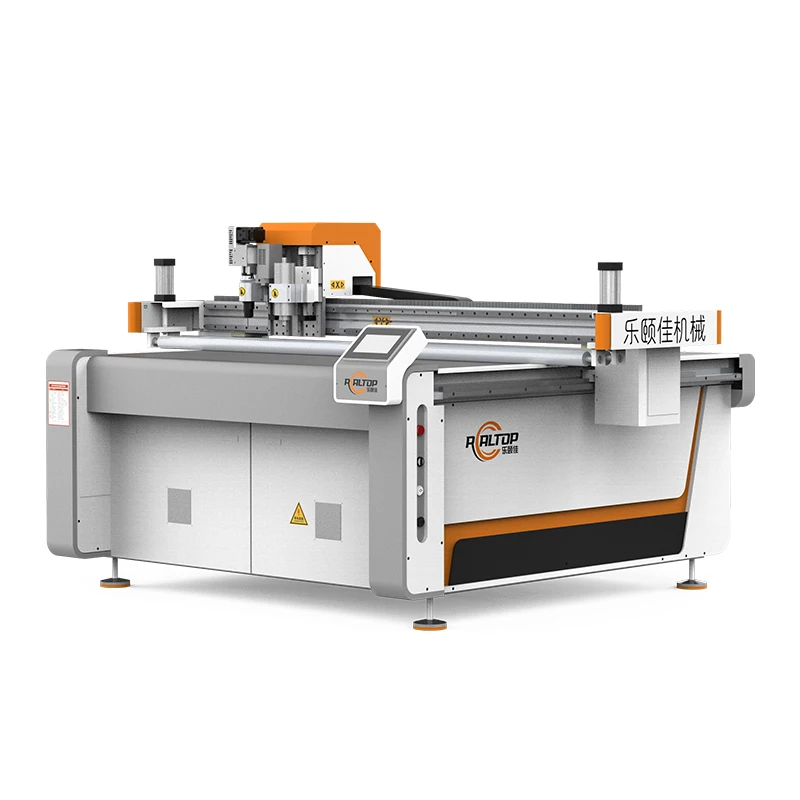
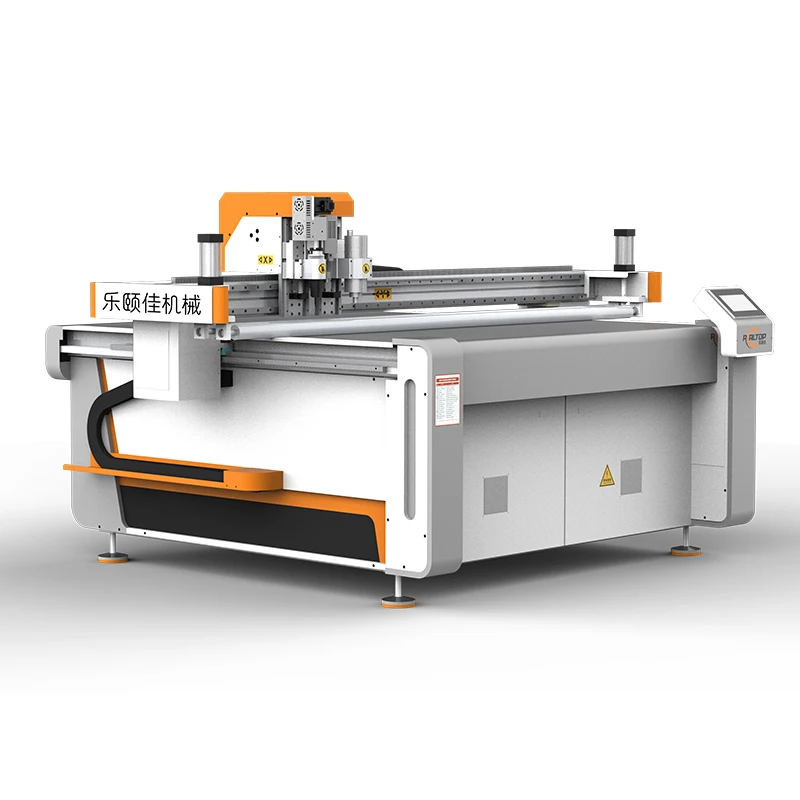
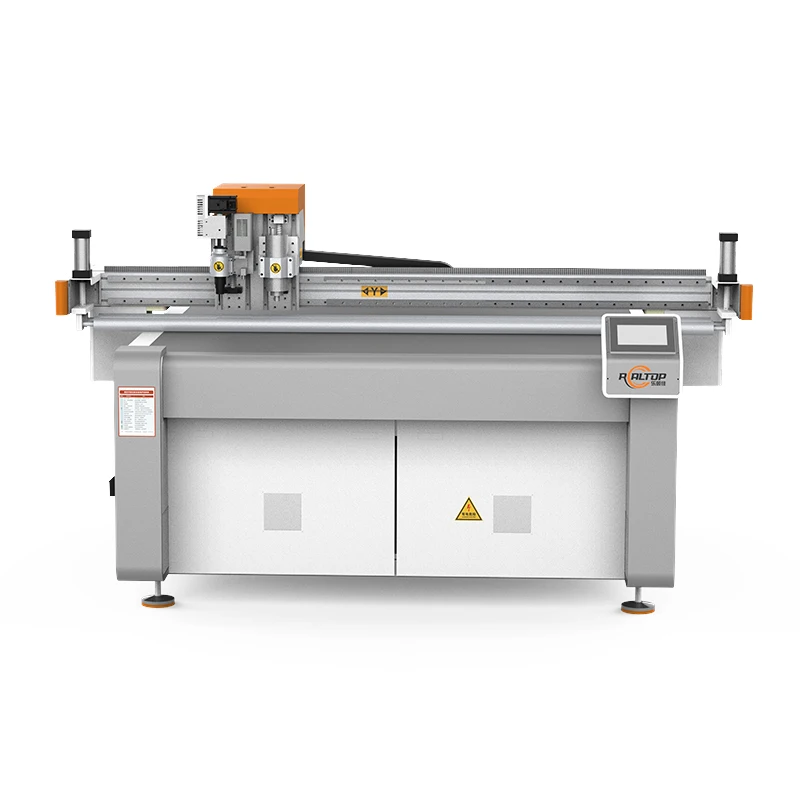
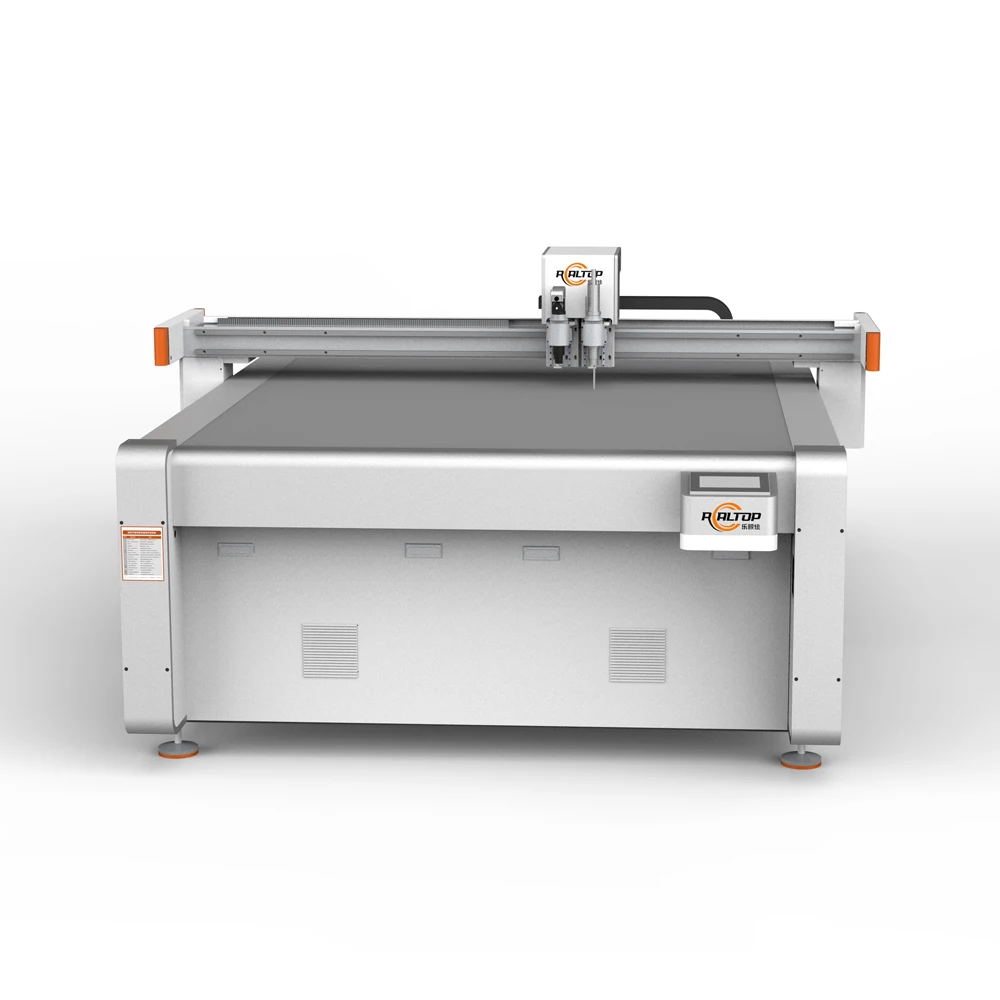
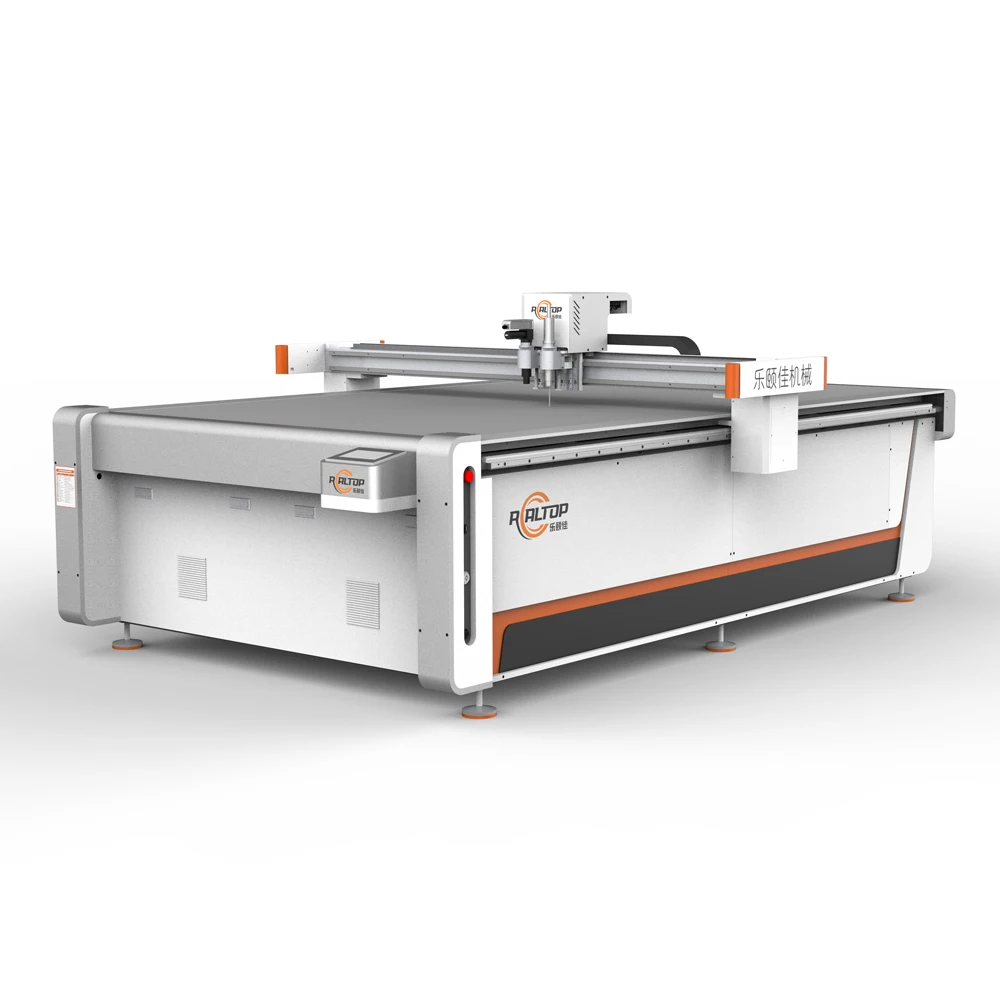
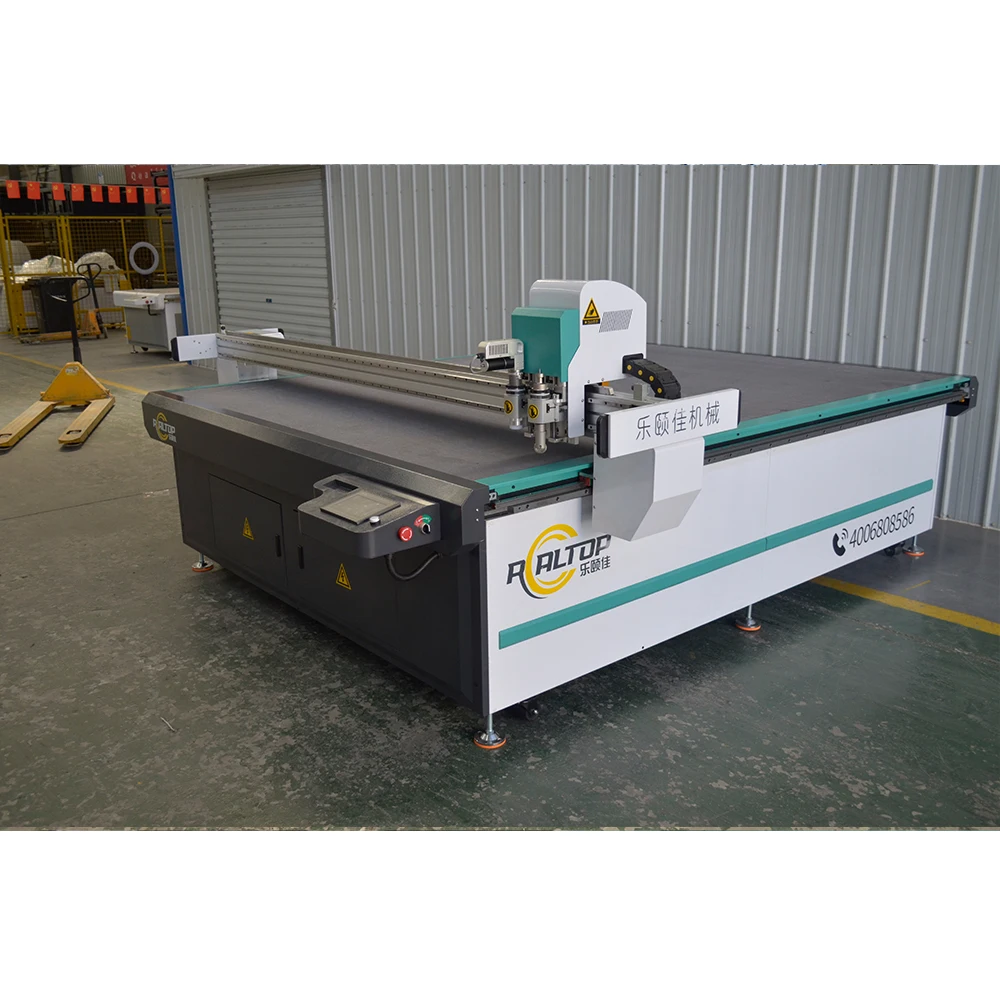
Material-First Configuration — We test your actual gasket stock on the RT-D2516/RT-S2516 before locking in tool heads, vacuum zoning, and blade stroke, so the cutting method follows the material rather than the other way around.
Technical Specifications
| Parameter | Value |
|---|---|
| Model | RT-D2516/RT-S2516 |
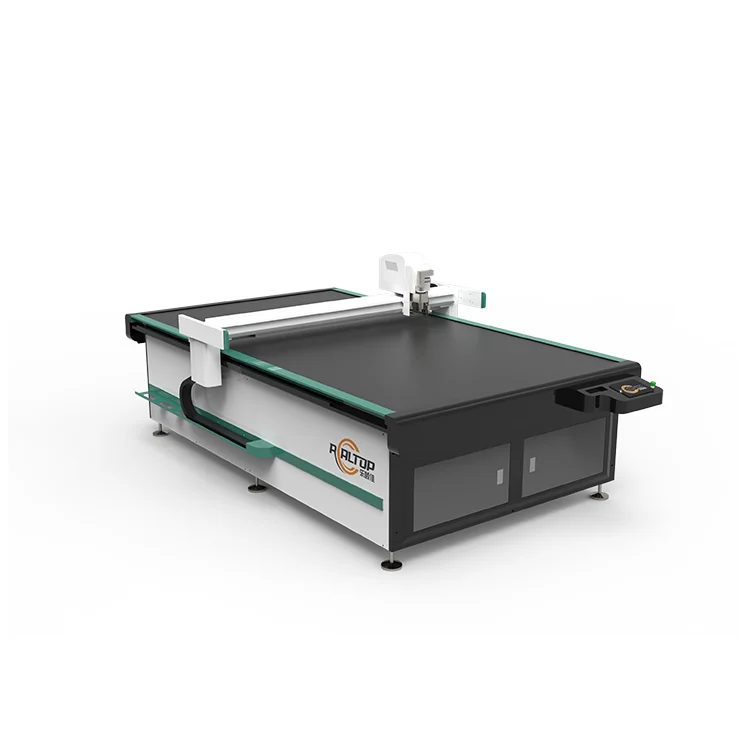
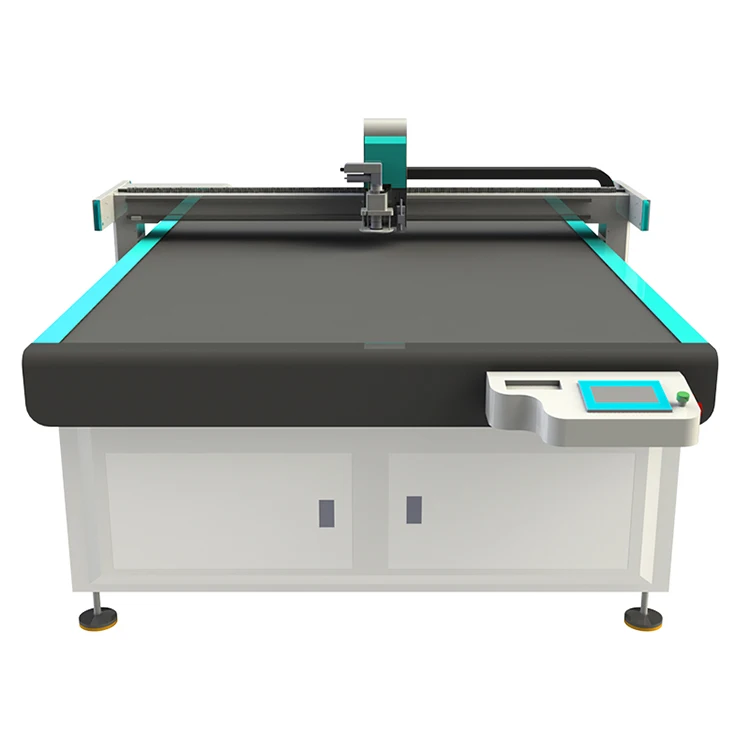
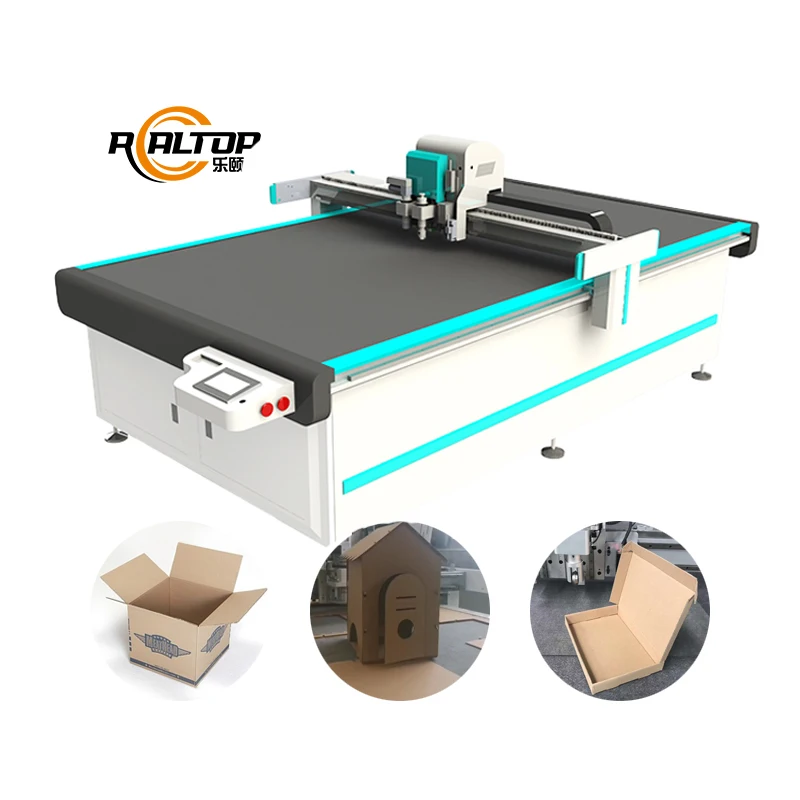
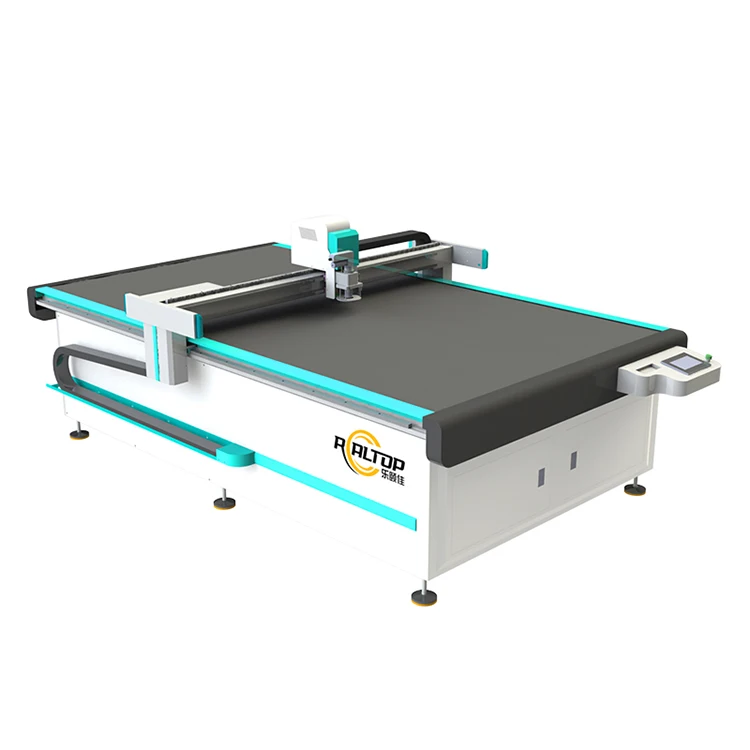
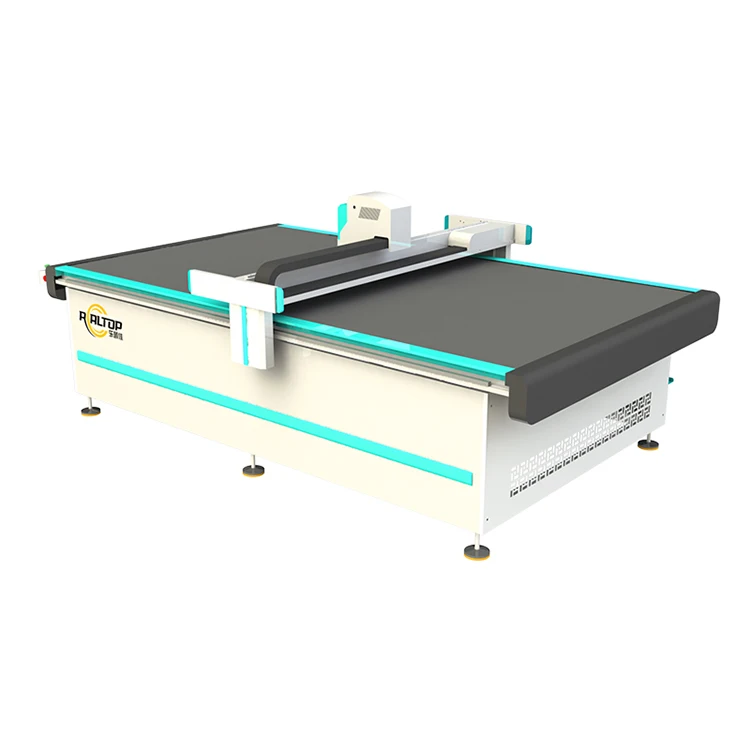
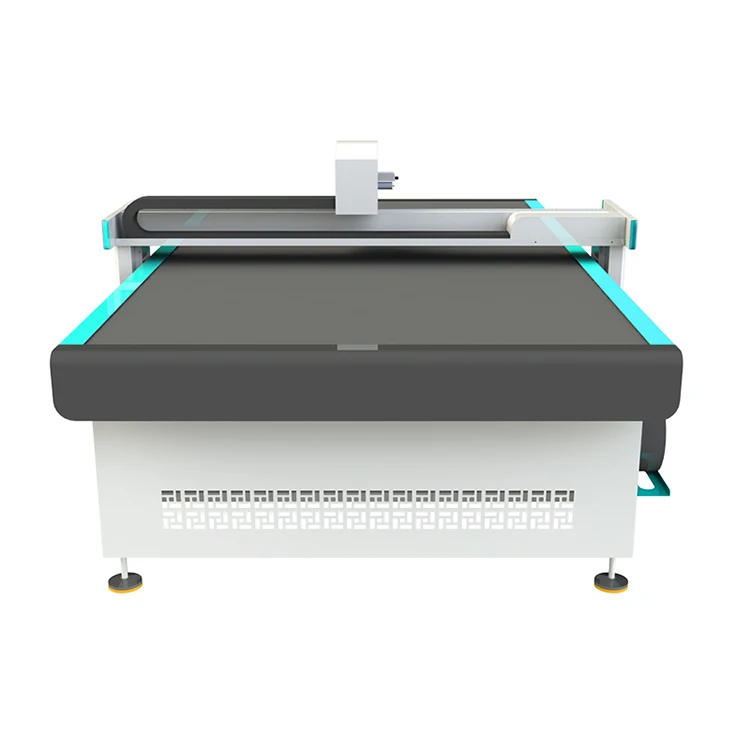
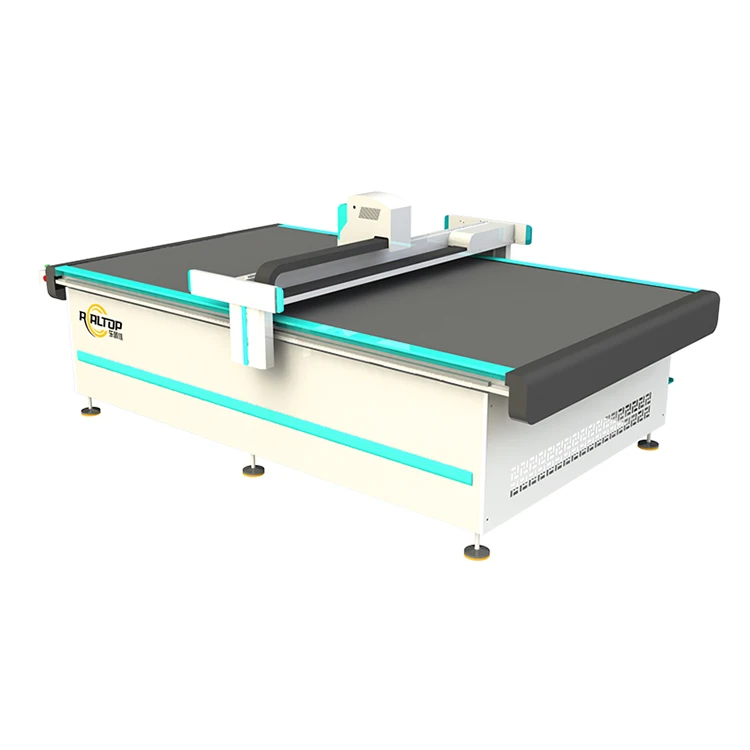
| Product Type | CNC Oscillating Knife Cutting Machine |
| Working Area | 1600 × 2500 mm |
| Machine Size | 3450 × 2300 × 1250 mm |
| Rated Power | 9 kW |
| Translational Velocity | 800–1200 mm/s |
| Repeated Accuracy | ≤ 0.1 mm |
| Cutting Thickness | 20 mm – 80 mm depending on material (basis to be confirmed) |
| Voltage | 380 V ± 10 % |
| Vacuum Pump | 7.5 kW integrated aviation aluminum shell |
| Table Surface | Magnesium-aluminum alloy, fluorocarbon PVDF powder spraying |
| Servo Motor | High-precision, Delta or Panasonic optional, IP67 |
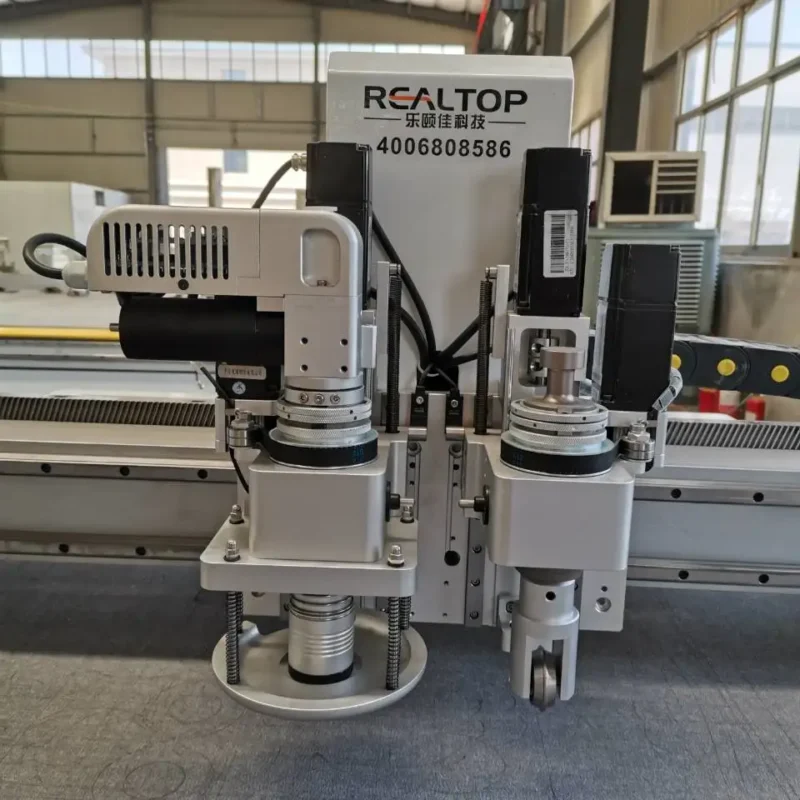
| Tool Head Options | Oscillating knife, pneumatic knife, high-power vibrating knife, circular knife, drag knife, creasing wheel, punching, brush, and more |
| Visual Positioning | Small CCD mark point, panoramic camera recognition, projection positioning |
| Machine Frame | Thick-walled seamless steel, high-temperature tempered, CNC machined |
| Instruction Format | HP-GL compatible |
| Key Features | Swiss imported knife with full/half vibration cutting and cursor location, infrared safety sensors, auto feeding, Germany imported conveyor belt |
Application Suitability
| Application | Material or Output |
|---|---|
| Automotive gasket cutting | Rubber, reinforced PTFE, cork composite, asbestos-free fiber sheets |
| Industrial sealing pad production | Graphite composite, silicone, PTFE, soft glass, rubber compounds |
| Flange and valve gasket fabrication | Compressed non-asbestos fiber, aramid fiber, cork-rubber blends |
| Soft material processing beyond gaskets | Leather, PVC, foam board, fiberglass, corrugated cardboard, film |
Why the Material Sheet Determines the Entire Machine Build
Send your gasket stock first; the configuration follows the sample, not the catalog.
A buyer once specified a vibrating knife table by working area alone, confident that 1600 × 2500 mm covered everything. The gasket material turned out to be reinforced PTFE with a Shore hardness well above what the standard oscillating knife was set for. Blade life collapsed within days, edge quality deteriorated, and the main spindle had to be replaced. That experience in our Shandong workshop made one thing clear: a CNC Oscillating Knife Cutting Machine manufacturer must verify material hardness, filler content, and sheet thickness before any tool head decision is finalized [NEED_CITE: gasket material hardness ranges and their effect on oscillating knife wear].
Knife Method Selection for Gasket Materials
The RT-D2516/RT-S2516 supports multiple tool heads — oscillating knife, pneumatic knife, high-power vibrating knife, drag knife, and circular knife — because no single blade action handles every gasket compound equally. Soft rubber and silicone respond well to high-frequency oscillation, producing clean edges without fraying. Reinforced PTFE and compressed fiber sheets demand a pneumatic or high-power vibrating knife with greater downward force. Matching blade action to material prevents crushed edges and premature tool wear, which is the reason this CNC Oscillating Knife Cutting Machine offers a full tool head menu rather than a one-size setup.
Vacuum Table Zoning for Small Gasket Parts
Gasket nests often contain dozens of small flange shapes that can lift off the table during high-speed passes. The magnesium-aluminum alloy vacuum table on the RT-D2516/RT-S2516 is paired with a 7.5 kW pump to maintain suction across the full 1600 × 2500 mm bed. For small-part layouts, zoned vacuum sections concentrate hold-down force where material actually sits, reducing lift and eliminating the need for mechanical tabs that later require manual trimming [NEED_CITE: vacuum table zoning effectiveness on small CNC-cut gasket parts].
What the Numbers on the Spec Sheet Actually Mean for Your Line
The 800–1200 mm/s translational velocity governs how fast the head travels between cuts, but actual cutting speed depends on material density and the selected tool head. A 2 mm rubber sheet cuts noticeably faster than a 5 mm compressed fiber board at the same travel rate. The ≤ 0.1 mm repeated accuracy keeps gasket bore diameters and bolt-hole patterns within tolerance, which matters when the gasket must seal against a machined flange face. The IP67-rated servo motors — available as Delta or Panasonic — resist coolant and dust ingress common in gasket workshops. And the 380 V ± 10 % supply range must match your facility’s incoming power; running a 9 kW system on an undervoltage line will trip breakers or damage the servo drives during peak acceleration.
The Hidden Cost of Skipping the Sample Cut
Choosing a tool head from a brochure without a live material test is the most common route to a mismatch. The wrong blade angle on cork-rubber composite leaves ragged edges that fail pressure tests. An undersized vacuum zone lets thin PTFE sheets shift mid-cut, producing scrap instead of saleable gaskets. Even CCD contour recognition — available as small mark-point or panoramic camera — cannot compensate if the blade itself is wrong for the stock. Every configuration issue we have traced back from a field complaint started with a skipped sample test [NEED_CITE: common causes of CNC knife cutting edge defects on composite gasket materials].
Why Production Teams Source the RT-D2516/RT-S2516 Here
In-house design covers both knife and laser cutting technologies, so buyers compare methods on their own gasket material instead of being steered toward whichever machine is easiest to sell. Each tool head and table configuration is specified against the buyer’s actual sheet thickness and daily volume, not a generic recommendation. CCD camera positioning is validated at production speed on printed registration marks before the machine leaves the factory. Voltage, control language, and electrical schematics are confirmed against the destination market’s standards before the build starts. And sample cutting on the buyer’s own gasket stock — with a written report — is a standard step, not an optional extra.
Documentation & Verification
- Machine specification sheet listing every confirmed tool head and vacuum zone option
- Electrical schematic with voltage and frequency matched to your facility before production
- Sample cutting report on your gasket material with edge quality photographs
- Factory test record documenting accuracy and repeatability on your specified stock
- Software license note confirming HP-GL file format compatibility with your nesting workflow
- Spare parts list identifying blade types and wear components specific to your configuration
Installation, Commissioning & Support
- Foundation must support 3450 × 2300 mm footprint with level tolerance across the full vacuum table surface
- Dedicated 380 V circuit rated for 9 kW continuous load plus 7.5 kW vacuum pump inrush current
- Machine ships with table and frame assembled; servo and tool head alignment verified at factory
- First-run commissioning includes vacuum zone calibration on your gasket sheet size and thickness
- Operator training covers tool head changeover between oscillating, pneumatic, and drag knife modes
- Wear parts inventory starts with blade stock matched to your confirmed gasket material family
What We Need to Move Forward
Tell us the gasket material type, sheet dimensions, and thickness range you process most often. Share your target daily output and whether you currently use nesting software or need HP-GL file support from existing CAD packages. Let us know your facility voltage and frequency, the control language your operators prefer, and whether printed contour marks require CCD positioning. If possible, send a sample roll or sheet so we can run a live cutting test before finalizing the tool head and table configuration.
Frequently Asked Questions
Q: How do I verify the cutting capacity for my specific gasket material thickness?
A: Send a sample of your gasket stock — at least 500 × 500 mm — so we can run it on the RT-D2516/RT-S2516 with the recommended tool head. We document edge quality, cutting speed, and blade wear in a sample report before you commit to a configuration. Thickness alone is not enough; filler type and hardness determine the correct blade action.
Q: Should I choose knife or laser cutting for my gasket materials?
A: Knife cutting suits most rubber, PTFE, cork, and compressed fiber gaskets because it avoids thermal alteration of the sealing surface. Laser cutting can seal synthetic edges but may char organic compounds like cork. We test both methods on your actual material so the decision is based on edge quality and sealing performance, not assumptions.
Q: Can the voltage and control interface be customized for my market?
A: Yes. The standard 380 V ± 10 % configuration can be adjusted for your facility’s supply. We confirm voltage, frequency, plug type, and control panel language before production begins, and provide an electrical schematic matched to your local standards for your electrician’s review.
Q: How does CCD camera positioning work with printed gasket materials?
A: The system offers small CCD mark-point positioning and panoramic camera recognition. For printed gasket contours, we verify that the camera tracks registration marks at your intended production speed during the sample test. This confirms accuracy before the machine ships rather than discovering tracking issues on your floor.
Q: Which tool head configuration gives the best edge quality for mixed gasket materials?
A: A multi-head setup — for example oscillating knife for soft rubber and pneumatic knife for reinforced PTFE — lets one RT-D2516/RT-S2516 handle a mixed workload. We recommend heads based on your material list and volume split, validated through sample cuts on each stock type.
Material-First Configuration — We test your actual gasket stock on the RT-D2516/RT-S2516 before locking in tool heads, vacuum zoning, and blade stroke, so the cutting method follows the material rather than the other way around.
Technical Specifications
| Parameter | Value |
|---|---|
| Model | RT-D2516/RT-S2516 |
| Product Type | CNC Oscillating Knife Cutting Machine |
| Working Area | 1600 × 2500 mm |
| Machine Size | 3450 × 2300 × 1250 mm |
| Rated Power | 9 kW |
| Translational Velocity | 800–1200 mm/s |
| Repeated Accuracy | ≤ 0.1 mm |
| Cutting Thickness | 20 mm – 80 mm depending on material (basis to be confirmed) |
| Voltage | 380 V ± 10 % |
| Vacuum Pump | 7.5 kW integrated aviation aluminum shell |
| Table Surface | Magnesium-aluminum alloy, fluorocarbon PVDF powder spraying |
| Servo Motor | High-precision, Delta or Panasonic optional, IP67 |
| Tool Head Options | Oscillating knife, pneumatic knife, high-power vibrating knife, circular knife, drag knife, creasing wheel, punching, brush, and more |
| Visual Positioning | Small CCD mark point, panoramic camera recognition, projection positioning |
| Machine Frame | Thick-walled seamless steel, high-temperature tempered, CNC machined |
| Instruction Format | HP-GL compatible |
| Key Features | Swiss imported knife with full/half vibration cutting and cursor location, infrared safety sensors, auto feeding, Germany imported conveyor belt |
Application Suitability
| Application | Material or Output |
|---|---|
| Automotive gasket cutting | Rubber, reinforced PTFE, cork composite, asbestos-free fiber sheets |
| Industrial sealing pad production | Graphite composite, silicone, PTFE, soft glass, rubber compounds |
| Flange and valve gasket fabrication | Compressed non-asbestos fiber, aramid fiber, cork-rubber blends |
| Soft material processing beyond gaskets | Leather, PVC, foam board, fiberglass, corrugated cardboard, film |
Why the Material Sheet Determines the Entire Machine Build
Send your gasket stock first; the configuration follows the sample, not the catalog.
A buyer once specified a vibrating knife table by working area alone, confident that 1600 × 2500 mm covered everything. The gasket material turned out to be reinforced PTFE with a Shore hardness well above what the standard oscillating knife was set for. Blade life collapsed within days, edge quality deteriorated, and the main spindle had to be replaced. That experience in our Shandong workshop made one thing clear: a CNC Oscillating Knife Cutting Machine manufacturer must verify material hardness, filler content, and sheet thickness before any tool head decision is finalized [NEED_CITE: gasket material hardness ranges and their effect on oscillating knife wear].
Knife Method Selection for Gasket Materials
The RT-D2516/RT-S2516 supports multiple tool heads — oscillating knife, pneumatic knife, high-power vibrating knife, drag knife, and circular knife — because no single blade action handles every gasket compound equally. Soft rubber and silicone respond well to high-frequency oscillation, producing clean edges without fraying. Reinforced PTFE and compressed fiber sheets demand a pneumatic or high-power vibrating knife with greater downward force. Matching blade action to material prevents crushed edges and premature tool wear, which is the reason this CNC Oscillating Knife Cutting Machine offers a full tool head menu rather than a one-size setup.
Vacuum Table Zoning for Small Gasket Parts
Gasket nests often contain dozens of small flange shapes that can lift off the table during high-speed passes. The magnesium-aluminum alloy vacuum table on the RT-D2516/RT-S2516 is paired with a 7.5 kW pump to maintain suction across the full 1600 × 2500 mm bed. For small-part layouts, zoned vacuum sections concentrate hold-down force where material actually sits, reducing lift and eliminating the need for mechanical tabs that later require manual trimming [NEED_CITE: vacuum table zoning effectiveness on small CNC-cut gasket parts].
What the Numbers on the Spec Sheet Actually Mean for Your Line
The 800–1200 mm/s translational velocity governs how fast the head travels between cuts, but actual cutting speed depends on material density and the selected tool head. A 2 mm rubber sheet cuts noticeably faster than a 5 mm compressed fiber board at the same travel rate. The ≤ 0.1 mm repeated accuracy keeps gasket bore diameters and bolt-hole patterns within tolerance, which matters when the gasket must seal against a machined flange face. The IP67-rated servo motors — available as Delta or Panasonic — resist coolant and dust ingress common in gasket workshops. And the 380 V ± 10 % supply range must match your facility’s incoming power; running a 9 kW system on an undervoltage line will trip breakers or damage the servo drives during peak acceleration.
The Hidden Cost of Skipping the Sample Cut
Choosing a tool head from a brochure without a live material test is the most common route to a mismatch. The wrong blade angle on cork-rubber composite leaves ragged edges that fail pressure tests. An undersized vacuum zone lets thin PTFE sheets shift mid-cut, producing scrap instead of saleable gaskets. Even CCD contour recognition — available as small mark-point or panoramic camera — cannot compensate if the blade itself is wrong for the stock. Every configuration issue we have traced back from a field complaint started with a skipped sample test [NEED_CITE: common causes of CNC knife cutting edge defects on composite gasket materials].
Why Production Teams Source the RT-D2516/RT-S2516 Here
In-house design covers both knife and laser cutting technologies, so buyers compare methods on their own gasket material instead of being steered toward whichever machine is easiest to sell. Each tool head and table configuration is specified against the buyer’s actual sheet thickness and daily volume, not a generic recommendation. CCD camera positioning is validated at production speed on printed registration marks before the machine leaves the factory. Voltage, control language, and electrical schematics are confirmed against the destination market’s standards before the build starts. And sample cutting on the buyer’s own gasket stock — with a written report — is a standard step, not an optional extra.
Documentation & Verification
- Machine specification sheet listing every confirmed tool head and vacuum zone option
- Electrical schematic with voltage and frequency matched to your facility before production
- Sample cutting report on your gasket material with edge quality photographs
- Factory test record documenting accuracy and repeatability on your specified stock
- Software license note confirming HP-GL file format compatibility with your nesting workflow
- Spare parts list identifying blade types and wear components specific to your configuration
Installation, Commissioning & Support
- Foundation must support 3450 × 2300 mm footprint with level tolerance across the full vacuum table surface
- Dedicated 380 V circuit rated for 9 kW continuous load plus 7.5 kW vacuum pump inrush current
- Machine ships with table and frame assembled; servo and tool head alignment verified at factory
- First-run commissioning includes vacuum zone calibration on your gasket sheet size and thickness
- Operator training covers tool head changeover between oscillating, pneumatic, and drag knife modes
- Wear parts inventory starts with blade stock matched to your confirmed gasket material family
What We Need to Move Forward
Tell us the gasket material type, sheet dimensions, and thickness range you process most often. Share your target daily output and whether you currently use nesting software or need HP-GL file support from existing CAD packages. Let us know your facility voltage and frequency, the control language your operators prefer, and whether printed contour marks require CCD positioning. If possible, send a sample roll or sheet so we can run a live cutting test before finalizing the tool head and table configuration.
Frequently Asked Questions
Q: How do I verify the cutting capacity for my specific gasket material thickness?
A: Send a sample of your gasket stock — at least 500 × 500 mm — so we can run it on the RT-D2516/RT-S2516 with the recommended tool head. We document edge quality, cutting speed, and blade wear in a sample report before you commit to a configuration. Thickness alone is not enough; filler type and hardness determine the correct blade action.
Q: Should I choose knife or laser cutting for my gasket materials?
A: Knife cutting suits most rubber, PTFE, cork, and compressed fiber gaskets because it avoids thermal alteration of the sealing surface. Laser cutting can seal synthetic edges but may char organic compounds like cork. We test both methods on your actual material so the decision is based on edge quality and sealing performance, not assumptions.
Q: Can the voltage and control interface be customized for my market?
A: Yes. The standard 380 V ± 10 % configuration can be adjusted for your facility’s supply. We confirm voltage, frequency, plug type, and control panel language before production begins, and provide an electrical schematic matched to your local standards for your electrician’s review.
Q: How does CCD camera positioning work with printed gasket materials?
A: The system offers small CCD mark-point positioning and panoramic camera recognition. For printed gasket contours, we verify that the camera tracks registration marks at your intended production speed during the sample test. This confirms accuracy before the machine ships rather than discovering tracking issues on your floor.
Q: Which tool head configuration gives the best edge quality for mixed gasket materials?
A: A multi-head setup — for example oscillating knife for soft rubber and pneumatic knife for reinforced PTFE — lets one RT-D2516/RT-S2516 handle a mixed workload. We recommend heads based on your material list and volume split, validated through sample cuts on each stock type.
商品评价
There are no reviews yet.