


Fast Delivery
Quick, reliable shipping to any location.

Free & easy returns
Return this item by mail or in store within 90 days for a full refund.
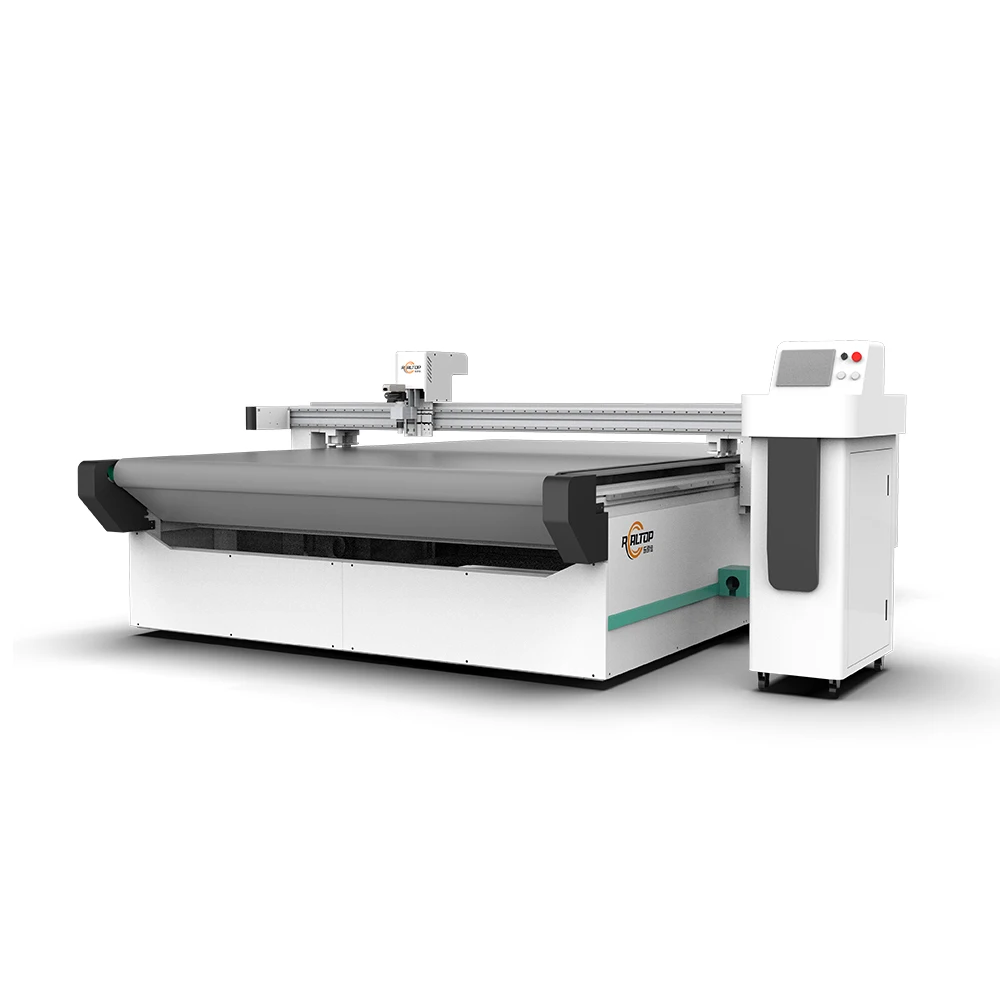
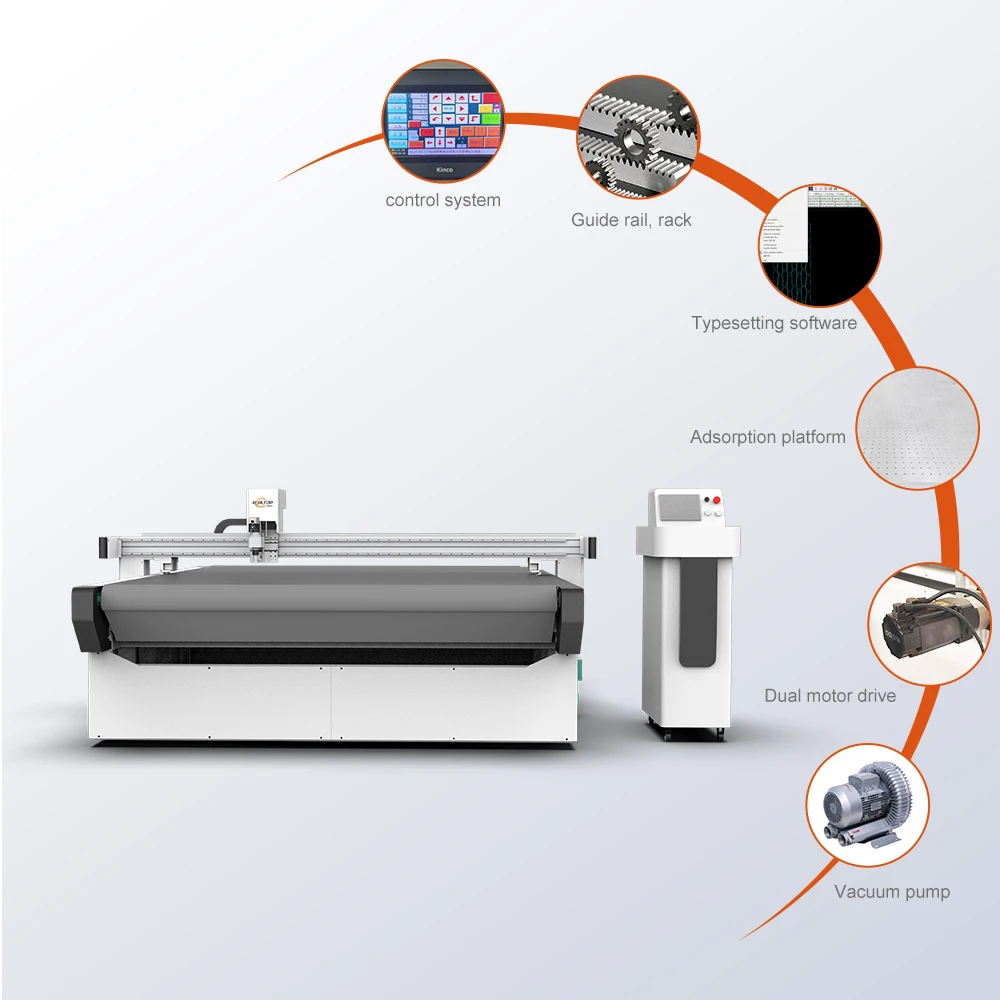
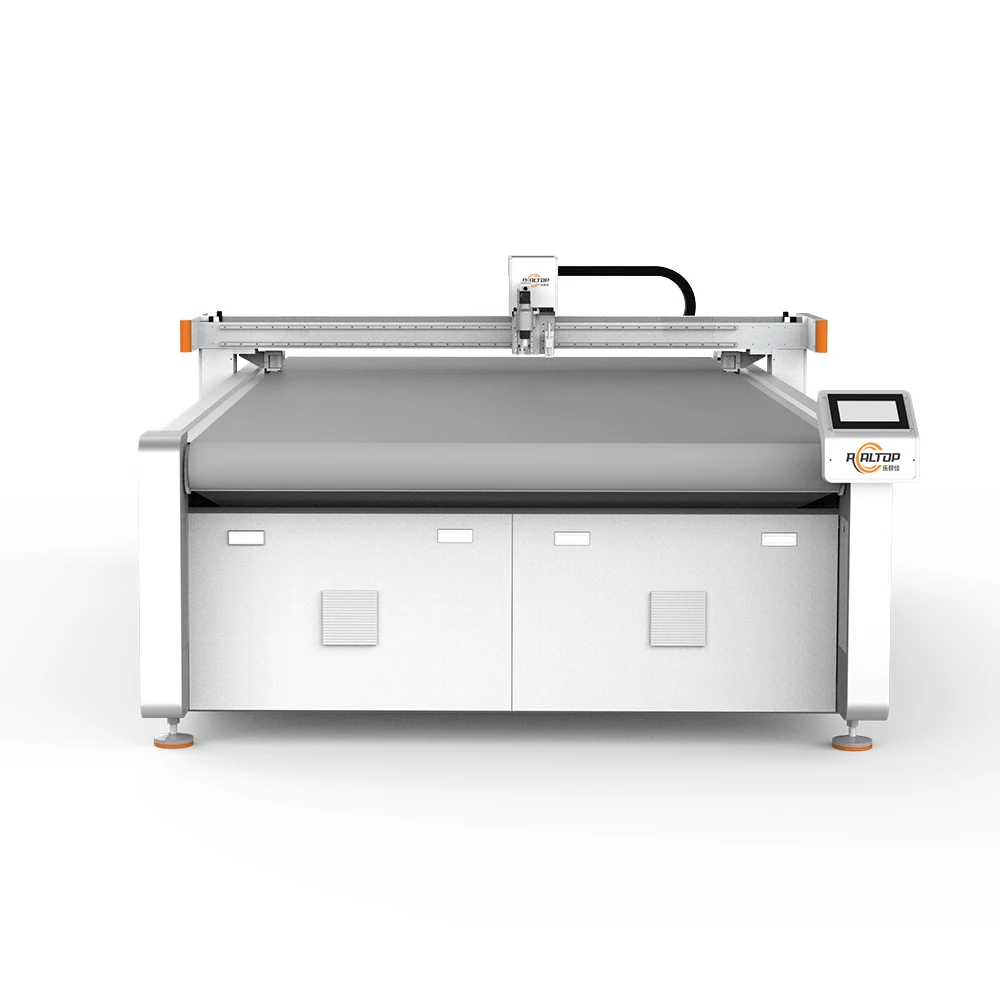
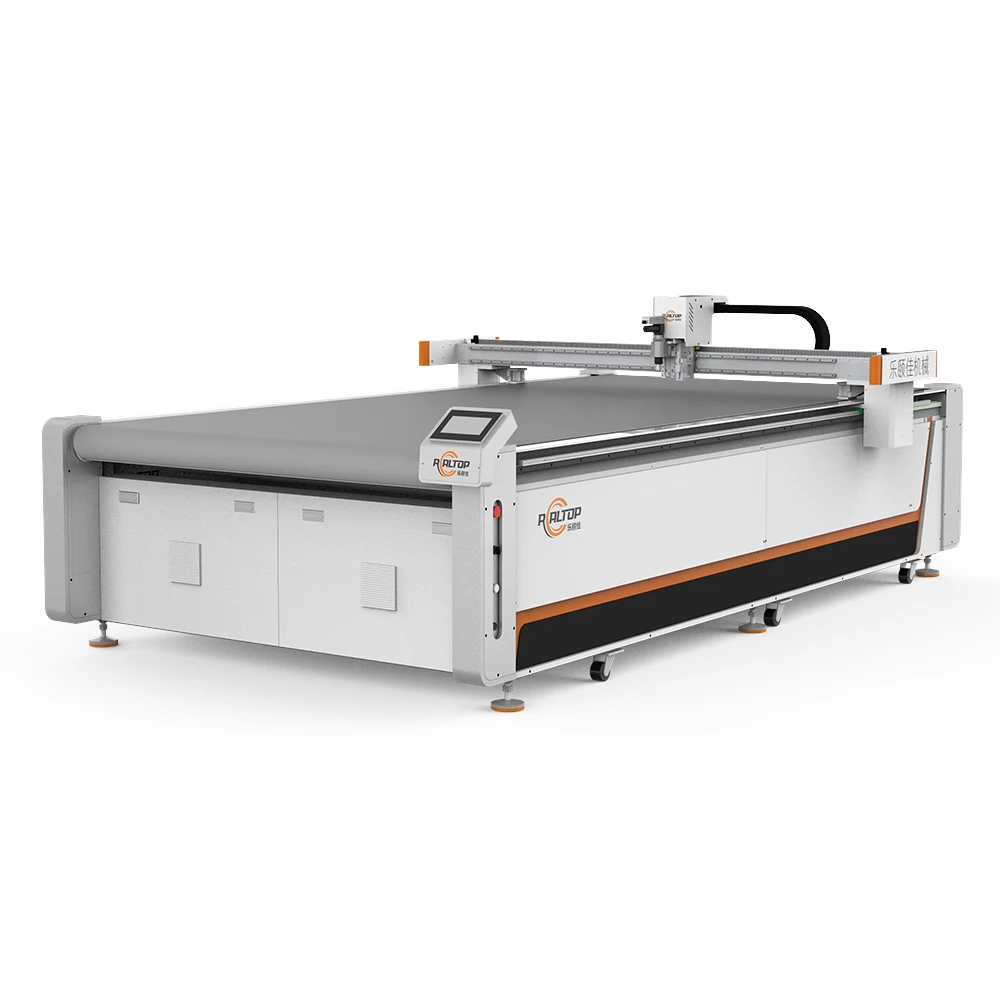
Full Catalogue Range — The 1625 model anchors a complete line of CNC oscillating knife cutting machines where each tool head option is mapped to the material it actually handles, from single-ply lace to multi-layer automotive carpet.
Technical Specifications
| Parameter | Value |
|---|---|
| Product Type | CNC Oscillating Knife Cutting Machine |
| Model | 1625 |
| Working Area | 1600 × 2500 mm |
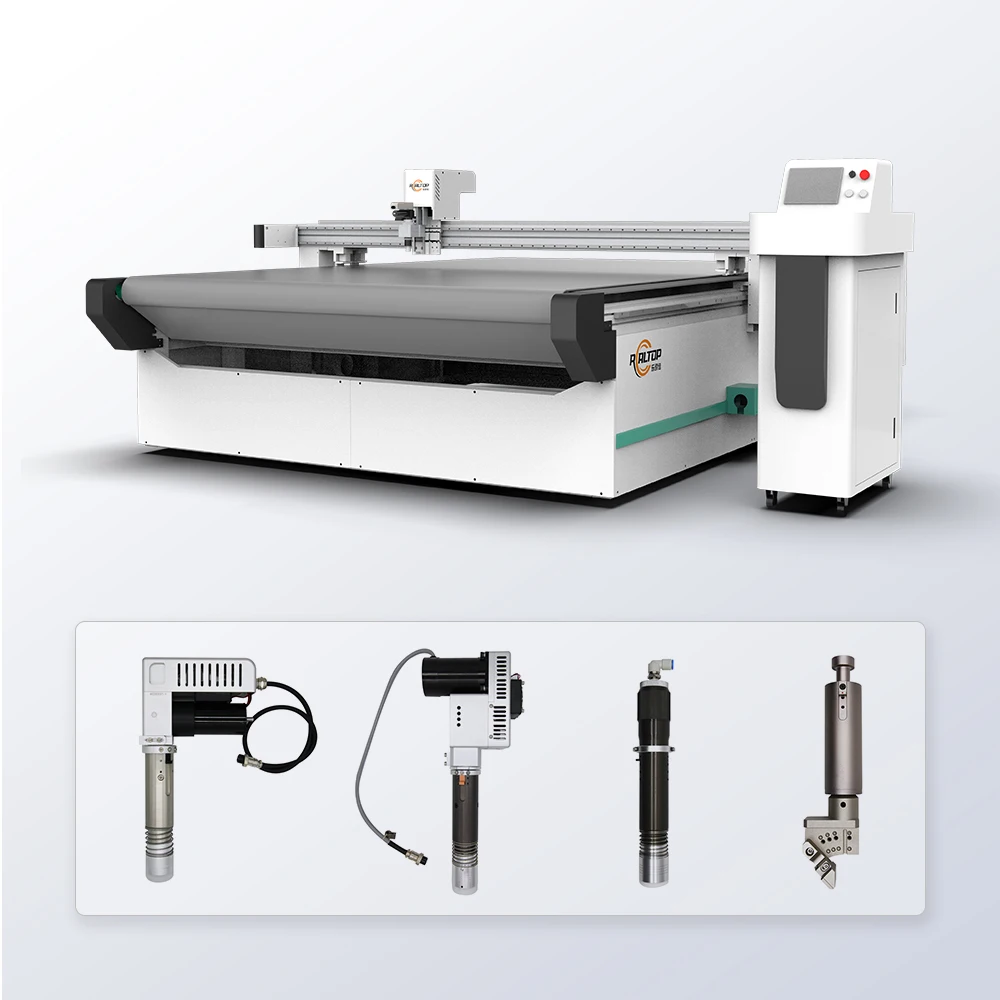
| Available Tool Heads | Oscillating knife, Driven rotary knife, Creasing wheel, Kiss cutting tool, Pneumatic knife, Milling tool, V-groove knife |
| Cutting Speed | 0–2000 mm/s |
| Cutting Thickness | Up to 30 mm (basis not stated in source — confirm block format, material, and thickness) |
| Cutting Accuracy | ±0.1 mm |
| Vacuum Pump | 9 kW |
| Vacuum Table | Aluminum bellows vacuum table |
| Voltage Options | 110V, 220V, 380V (frequency to be confirmed per destination market) |
| Control System | PLC control panel |
| Servo Motors | Panasonic, Delta, or Dorna options |
| Profile Formats | PLT, DXF, AI, PDF |
| Safety Devices | Infrared sensor and emergency stop |
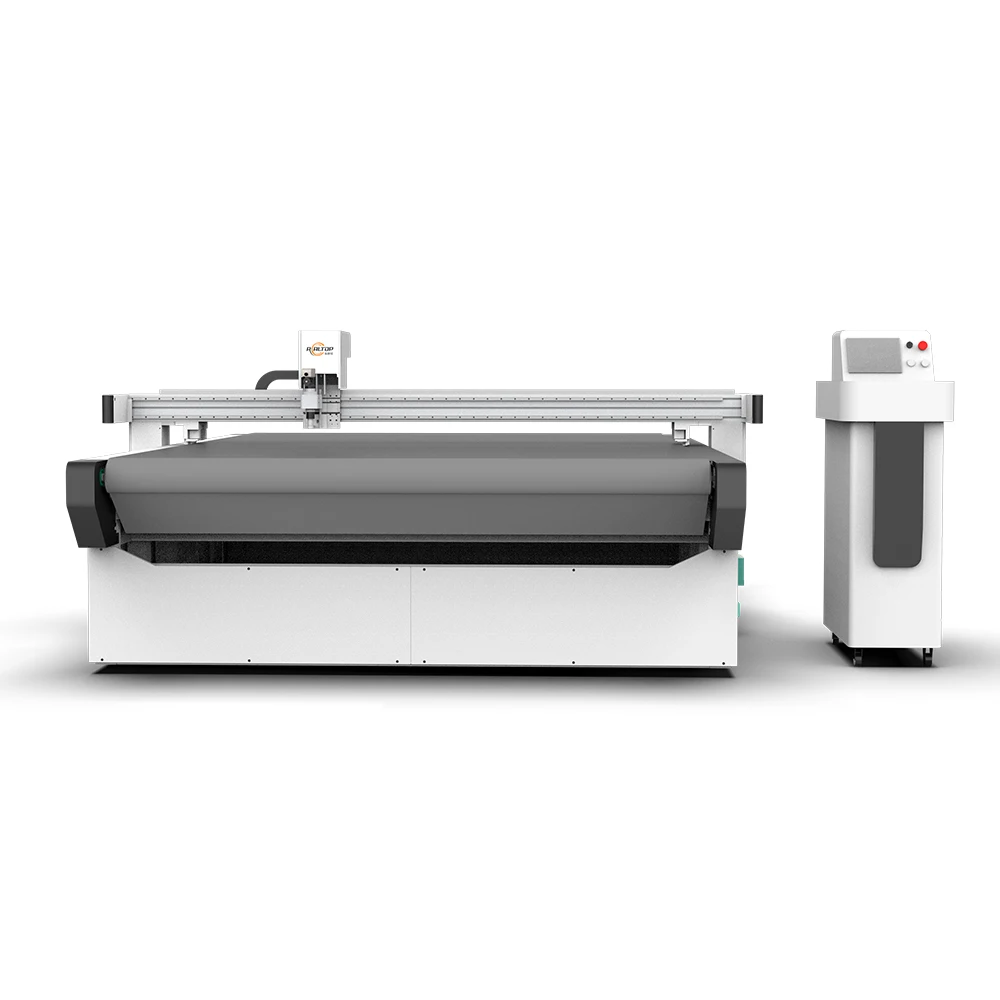
| Machine Dimensions | 3300 × 2100 × 1350 mm |
| Language Options | English, Russian, Italian, Chinese (customizable) |
| Certification | CE |
Application Suitability
| Application | Material or Output |
|---|---|
| Apparel manufacturing | Suits, knitwear, lace, complex woven and knitted fabrics |
| Automotive interiors | Seat cover fabrics, carpets, PVC floor mats |
| Home textiles | Sofa upholstery fabrics, curtains, area rugs |
| Composite material processing | Carbon fiber prepreg, aramid fabric layers |
| Packaging and sample making | Cardboard, carton, corrugated board |
| Gasket and seal production | PTFE, rubber, EVA foam sheets |
Why the Wrong Tool Head Wastes More Than Just Material
A CNC oscillating knife cutting machine is only as capable as the tool head matched to the job. Specifying a standard oscillating blade for dense composite foam or multi-layer automotive carpet produces ragged edges, crushed cores, and rejected panels that never leave the cutting table. The buyer pays twice — once for the wasted material and again for the re-cut.
The 1625 addresses this with an interchangeable head system. Oscillating knife handles standard fabrics and foams. Driven rotary knife cuts woven textiles without fraying. Pneumatic knife tackles thick, dense materials where blade deflection is a constant problem. Kiss cutting scores without penetrating the backing layer. Each option changes what the machine can actually produce, and choosing wrong at the ordering stage means living with that limitation until a retrofit [NEED_CITE: tool head retrofitting lead times and compatibility constraints on CNC flatbed systems].
Matching the Blade to the Fabric, Not the Brochure
The driven rotary knife is the correct choice for woven apparel fabrics where edge fraying destroys pattern alignment. It shears rather than oscillates, leaving a clean edge on materials that an up-and-down blade would pull and distort. For single-ply lace or delicate knitwear, the same head holds tension without dragging. Switching to the oscillating knife for those same materials would produce pulled threads and uneven margins that show up immediately in the sewing department.
Vacuum Zoning and the Small-Part Problem
The aluminum bellows vacuum table provides full-surface adsorption across the 1600 × 2500 mm working area. This matters most when cutting small garment pattern pieces or intricate gasket profiles. Without adequate hold-down, lightweight fabric lifts into the blade path during high-speed traverses, producing mis-cuts that are only discovered after the nest is finished. The 9 kW vacuum pump maintains suction across the table surface, though zoning configuration should be confirmed based on the buyer’s typical part size [NEED_CITE: vacuum table zoning specifications for small-part retention on CNC cutting tables].
Reading the Spec Sheet Against Your Actual Material
Cutting speed reaches 2000 mm/s, and accuracy holds at ±0.1 mm — but those numbers only translate into production reality when the material, thickness, and tool head are all correctly paired. The 30 mm maximum cutting thickness figure requires confirmation against the specific block format, material density, and layer count the buyer intends to run. A stack of lightweight knitwear at 30 mm total height cuts very differently from a single sheet of dense EVA foam at the same thickness. Servo motor selection — Panasonic, Delta, or Dorna — also influences how the machine maintains positional accuracy under load, particularly on long, continuous cuts across the full 2500 mm bed length.
What Happens When Voltage and Language Are an Afterthought
Shipping a 380V machine to a workshop wired for 220V single-phase creates a problem that no amount of on-site troubleshooting solves — the machine simply does not run. The control panel language adds a second layer: an operator who cannot read the interface makes setup errors that compound across every shift. The 1625 is configurable across 110V, 220V, and 380V supplies, and the PLC interface supports English, Russian, Italian, and Chinese with additional languages available. Confirming both before the build starts is not optional [NEED_CITE: electrical standards and frequency variations by export destination].
Why Buyers Source This Machine From the Factory Floor Up
The design and production of both oscillating knife and driven rotary systems happen under one roof, so the cutting method is chosen based on material behavior rather than limited to whatever one technology covers. Tool head and table configurations are specified per material type and expected production volume. CCD camera positioning is available for printed contour work where registration marks must be tracked at production speed. Software compatibility — file format and nesting workflow — is confirmed before the order enters production. Voltage, plug type, and control language are locked in at the same stage, not discovered at the dock. Sample cutting runs on the buyer’s actual material before any commitment is made.
Documentation & Verification
- Sample cutting report produced on the buyer’s specific fabric, foam, or composite material before order confirmation
- Tool head and vacuum table configuration list matched to stated material type and production volume
- Electrical schematic with voltage and frequency confirmed against destination workshop supply
- Software license and file format compatibility note covering PLT, DXF, AI, and PDF imports
- Factory test record documenting cutting accuracy and speed on configured tool head before crating
- Operation and maintenance manual in selected control language with spare parts list included
Installation, Commissioning & Support
- Foundation must support the 3300 × 2100 × 1350 mm footprint with level tolerance for the aluminum vacuum table
- Dedicated electrical circuit required matching confirmed voltage option (110V, 220V, or 380V) and the 9 kW vacuum pump load
- Machine ships as a single assembly; overhead clearance must accommodate the 1350 mm height plus rigging gear
- First-run commissioning includes vacuum suction test, tool head calibration, and cutting accuracy verification at ±0.1 mm
- Operator training covers PLC control panel navigation, tool change procedure, and nesting software workflow in selected language
- Spare parts list covers blades, knife holders, and vacuum seals with recommended replacement intervals
What We Need to Quote Accurately
Send the material type, maximum thickness, and typical sheet or roll dimensions. Include the daily cutting volume and whether the work involves single-ply or multi-layer layups. Specify the workshop voltage and frequency, the preferred control language, and whether existing nesting software or file formats need to remain in use. If the material is unfamiliar, a sample roll or sheet allows a test cut before configuration is finalized.
Frequently Asked Questions
Q: How do I choose between oscillating knife and driven rotary for my fabric?
A: Oscillating knife works across most standard fabrics, foams, and gasket materials up to the rated thickness. Driven rotary is specified when woven textiles fray under a reciprocating blade — it shears cleanly without pulling threads. We run both on your sample material and compare edge quality before recommending one.
Q: What is the actual cutting thickness for different materials on the 1625?
A: The listed maximum is 30 mm, but real cutting depth depends on material density and layer format. A stack of lightweight knitwear compresses differently from solid EVA foam. We confirm usable thickness by running your specific material on the configured tool head before finalizing the order.
Q: Can the CCD system track printed registration marks at full production speed?
A: CCD camera contour recognition is available as a configuration option for printed material positioning. Its tracking reliability at cutting speed depends on mark contrast, print quality, and material surface. We test recognition on your printed samples to verify performance before shipment.
Q: Will my existing DXF or PLT files import without re-drawing?
A: The system accepts PLT, DXF, AI, and PDF profile formats. Software compatibility is confirmed before the order is placed, including any nesting workflow the buyer currently uses. If a format conversion is needed, it is identified and tested during the pre-order sample stage.
Full Catalogue Range — The 1625 model anchors a complete line of CNC oscillating knife cutting machines where each tool head option is mapped to the material it actually handles, from single-ply lace to multi-layer automotive carpet.
Technical Specifications
| Parameter | Value |
|---|---|
| Product Type | CNC Oscillating Knife Cutting Machine |
| Model | 1625 |
| Working Area | 1600 × 2500 mm |
| Available Tool Heads | Oscillating knife, Driven rotary knife, Creasing wheel, Kiss cutting tool, Pneumatic knife, Milling tool, V-groove knife |
| Cutting Speed | 0–2000 mm/s |
| Cutting Thickness | Up to 30 mm (basis not stated in source — confirm block format, material, and thickness) |
| Cutting Accuracy | ±0.1 mm |
| Vacuum Pump | 9 kW |
| Vacuum Table | Aluminum bellows vacuum table |
| Voltage Options | 110V, 220V, 380V (frequency to be confirmed per destination market) |
| Control System | PLC control panel |
| Servo Motors | Panasonic, Delta, or Dorna options |
| Profile Formats | PLT, DXF, AI, PDF |
| Safety Devices | Infrared sensor and emergency stop |
| Machine Dimensions | 3300 × 2100 × 1350 mm |
| Language Options | English, Russian, Italian, Chinese (customizable) |
| Certification | CE |
Application Suitability
| Application | Material or Output |
|---|---|
| Apparel manufacturing | Suits, knitwear, lace, complex woven and knitted fabrics |
| Automotive interiors | Seat cover fabrics, carpets, PVC floor mats |
| Home textiles | Sofa upholstery fabrics, curtains, area rugs |
| Composite material processing | Carbon fiber prepreg, aramid fabric layers |
| Packaging and sample making | Cardboard, carton, corrugated board |
| Gasket and seal production | PTFE, rubber, EVA foam sheets |
Why the Wrong Tool Head Wastes More Than Just Material
A CNC oscillating knife cutting machine is only as capable as the tool head matched to the job. Specifying a standard oscillating blade for dense composite foam or multi-layer automotive carpet produces ragged edges, crushed cores, and rejected panels that never leave the cutting table. The buyer pays twice — once for the wasted material and again for the re-cut.
The 1625 addresses this with an interchangeable head system. Oscillating knife handles standard fabrics and foams. Driven rotary knife cuts woven textiles without fraying. Pneumatic knife tackles thick, dense materials where blade deflection is a constant problem. Kiss cutting scores without penetrating the backing layer. Each option changes what the machine can actually produce, and choosing wrong at the ordering stage means living with that limitation until a retrofit [NEED_CITE: tool head retrofitting lead times and compatibility constraints on CNC flatbed systems].
Matching the Blade to the Fabric, Not the Brochure
The driven rotary knife is the correct choice for woven apparel fabrics where edge fraying destroys pattern alignment. It shears rather than oscillates, leaving a clean edge on materials that an up-and-down blade would pull and distort. For single-ply lace or delicate knitwear, the same head holds tension without dragging. Switching to the oscillating knife for those same materials would produce pulled threads and uneven margins that show up immediately in the sewing department.
Vacuum Zoning and the Small-Part Problem
The aluminum bellows vacuum table provides full-surface adsorption across the 1600 × 2500 mm working area. This matters most when cutting small garment pattern pieces or intricate gasket profiles. Without adequate hold-down, lightweight fabric lifts into the blade path during high-speed traverses, producing mis-cuts that are only discovered after the nest is finished. The 9 kW vacuum pump maintains suction across the table surface, though zoning configuration should be confirmed based on the buyer’s typical part size [NEED_CITE: vacuum table zoning specifications for small-part retention on CNC cutting tables].
Reading the Spec Sheet Against Your Actual Material
Cutting speed reaches 2000 mm/s, and accuracy holds at ±0.1 mm — but those numbers only translate into production reality when the material, thickness, and tool head are all correctly paired. The 30 mm maximum cutting thickness figure requires confirmation against the specific block format, material density, and layer count the buyer intends to run. A stack of lightweight knitwear at 30 mm total height cuts very differently from a single sheet of dense EVA foam at the same thickness. Servo motor selection — Panasonic, Delta, or Dorna — also influences how the machine maintains positional accuracy under load, particularly on long, continuous cuts across the full 2500 mm bed length.
What Happens When Voltage and Language Are an Afterthought
Shipping a 380V machine to a workshop wired for 220V single-phase creates a problem that no amount of on-site troubleshooting solves — the machine simply does not run. The control panel language adds a second layer: an operator who cannot read the interface makes setup errors that compound across every shift. The 1625 is configurable across 110V, 220V, and 380V supplies, and the PLC interface supports English, Russian, Italian, and Chinese with additional languages available. Confirming both before the build starts is not optional [NEED_CITE: electrical standards and frequency variations by export destination].
Why Buyers Source This Machine From the Factory Floor Up
The design and production of both oscillating knife and driven rotary systems happen under one roof, so the cutting method is chosen based on material behavior rather than limited to whatever one technology covers. Tool head and table configurations are specified per material type and expected production volume. CCD camera positioning is available for printed contour work where registration marks must be tracked at production speed. Software compatibility — file format and nesting workflow — is confirmed before the order enters production. Voltage, plug type, and control language are locked in at the same stage, not discovered at the dock. Sample cutting runs on the buyer’s actual material before any commitment is made.
Documentation & Verification
- Sample cutting report produced on the buyer’s specific fabric, foam, or composite material before order confirmation
- Tool head and vacuum table configuration list matched to stated material type and production volume
- Electrical schematic with voltage and frequency confirmed against destination workshop supply
- Software license and file format compatibility note covering PLT, DXF, AI, and PDF imports
- Factory test record documenting cutting accuracy and speed on configured tool head before crating
- Operation and maintenance manual in selected control language with spare parts list included
Installation, Commissioning & Support
- Foundation must support the 3300 × 2100 × 1350 mm footprint with level tolerance for the aluminum vacuum table
- Dedicated electrical circuit required matching confirmed voltage option (110V, 220V, or 380V) and the 9 kW vacuum pump load
- Machine ships as a single assembly; overhead clearance must accommodate the 1350 mm height plus rigging gear
- First-run commissioning includes vacuum suction test, tool head calibration, and cutting accuracy verification at ±0.1 mm
- Operator training covers PLC control panel navigation, tool change procedure, and nesting software workflow in selected language
- Spare parts list covers blades, knife holders, and vacuum seals with recommended replacement intervals
What We Need to Quote Accurately
Send the material type, maximum thickness, and typical sheet or roll dimensions. Include the daily cutting volume and whether the work involves single-ply or multi-layer layups. Specify the workshop voltage and frequency, the preferred control language, and whether existing nesting software or file formats need to remain in use. If the material is unfamiliar, a sample roll or sheet allows a test cut before configuration is finalized.
Frequently Asked Questions
Q: How do I choose between oscillating knife and driven rotary for my fabric?
A: Oscillating knife works across most standard fabrics, foams, and gasket materials up to the rated thickness. Driven rotary is specified when woven textiles fray under a reciprocating blade — it shears cleanly without pulling threads. We run both on your sample material and compare edge quality before recommending one.
Q: What is the actual cutting thickness for different materials on the 1625?
A: The listed maximum is 30 mm, but real cutting depth depends on material density and layer format. A stack of lightweight knitwear compresses differently from solid EVA foam. We confirm usable thickness by running your specific material on the configured tool head before finalizing the order.
Q: Can the CCD system track printed registration marks at full production speed?
A: CCD camera contour recognition is available as a configuration option for printed material positioning. Its tracking reliability at cutting speed depends on mark contrast, print quality, and material surface. We test recognition on your printed samples to verify performance before shipment.
Q: Will my existing DXF or PLT files import without re-drawing?
A: The system accepts PLT, DXF, AI, and PDF profile formats. Software compatibility is confirmed before the order is placed, including any nesting workflow the buyer currently uses. If a format conversion is needed, it is identified and tested during the pre-order sample stage.










商品评价
There are no reviews yet.