

Fast Delivery
Quick, reliable shipping to any location.

Free & easy returns
Return this item by mail or in store within 90 days for a full refund.
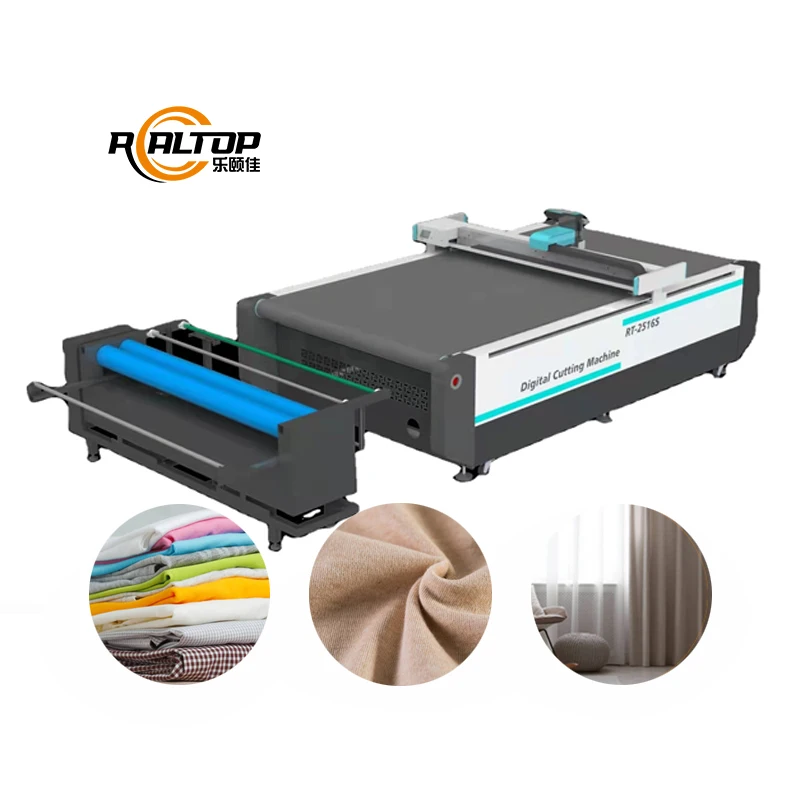
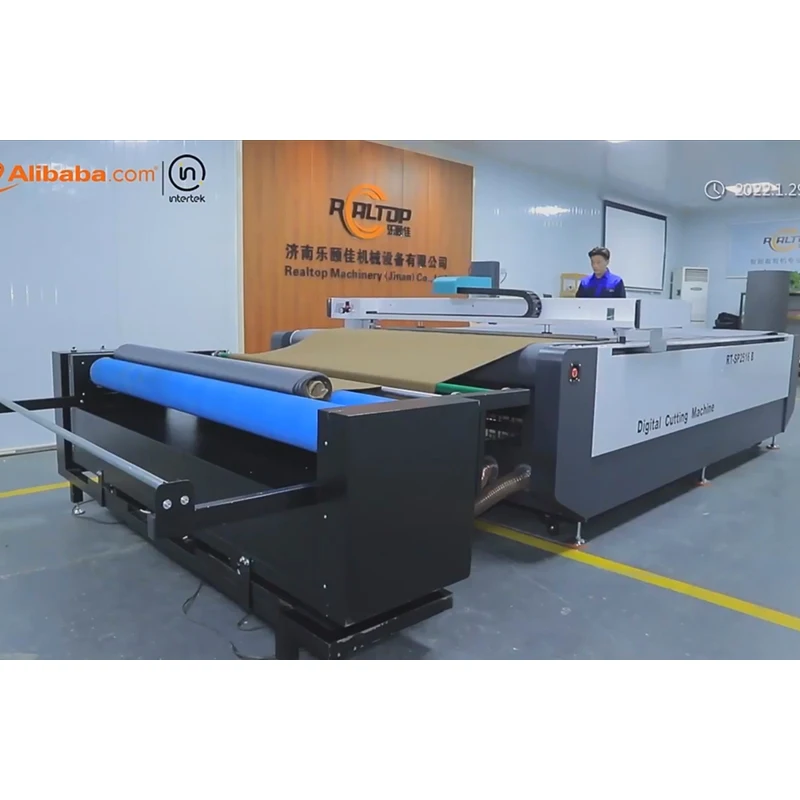
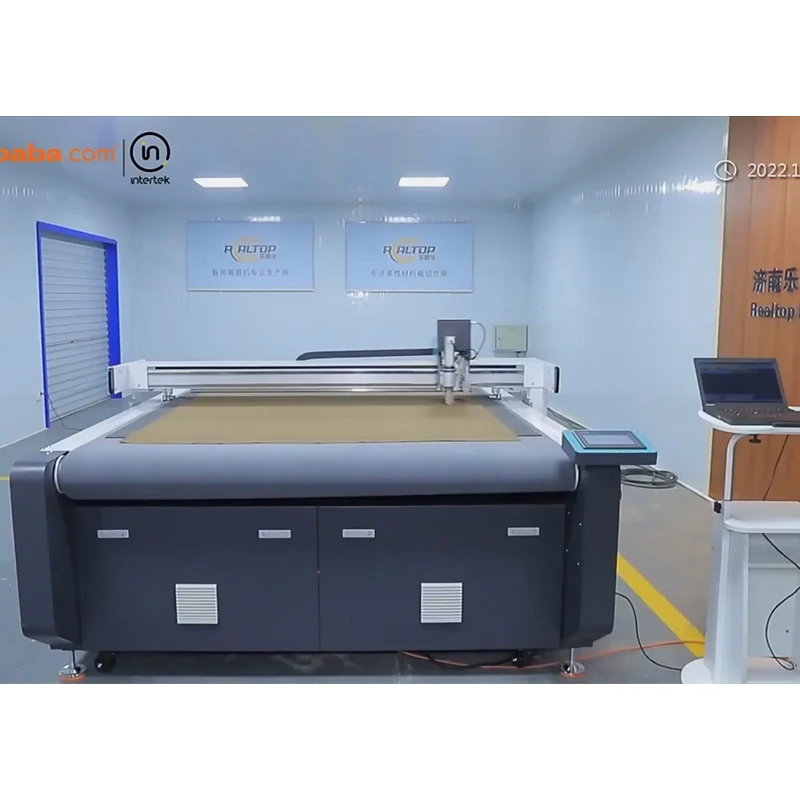
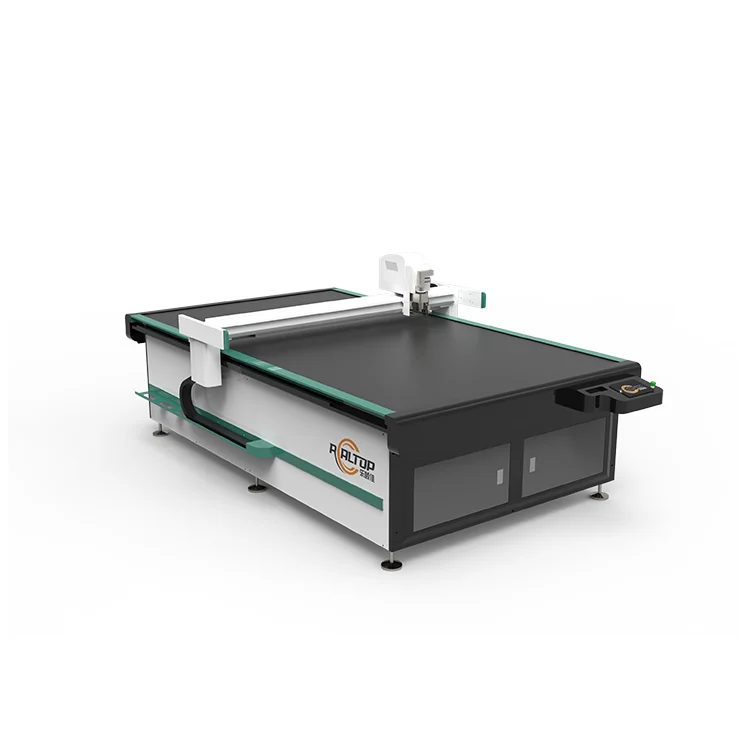
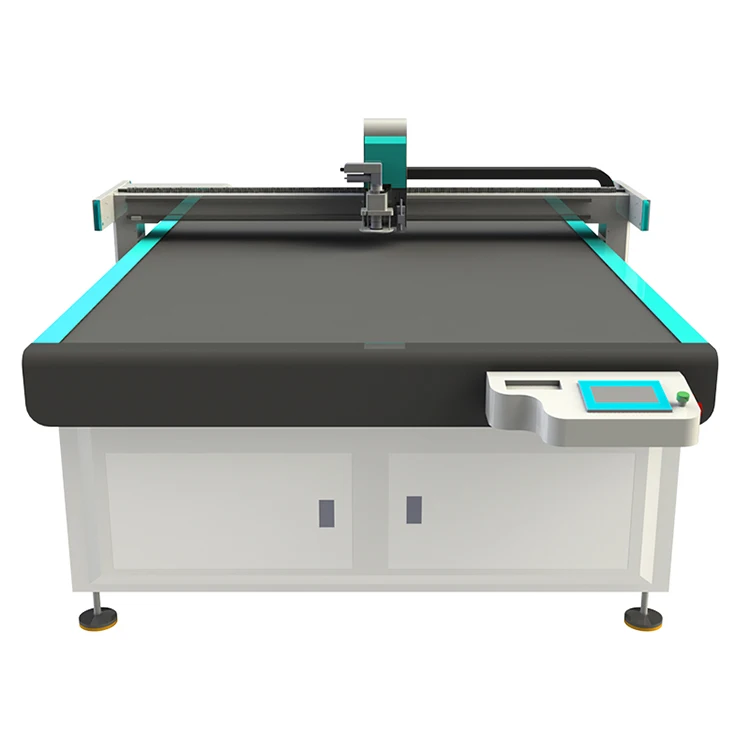
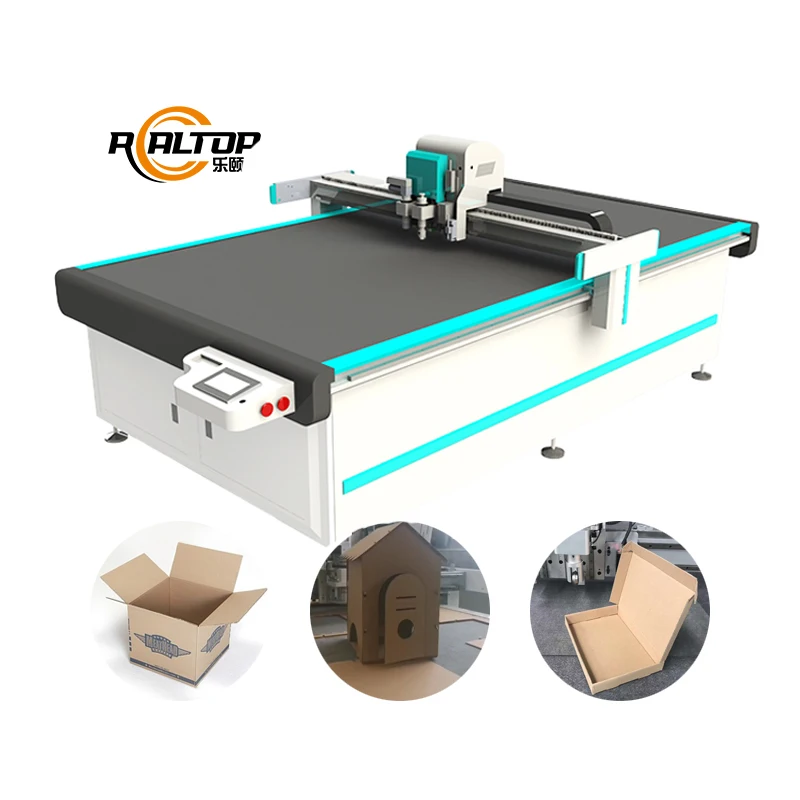
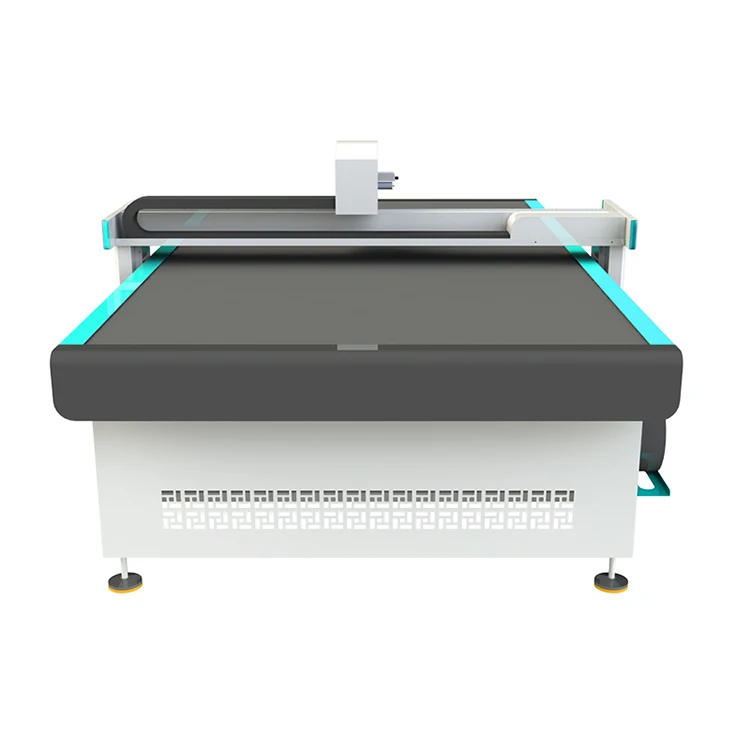
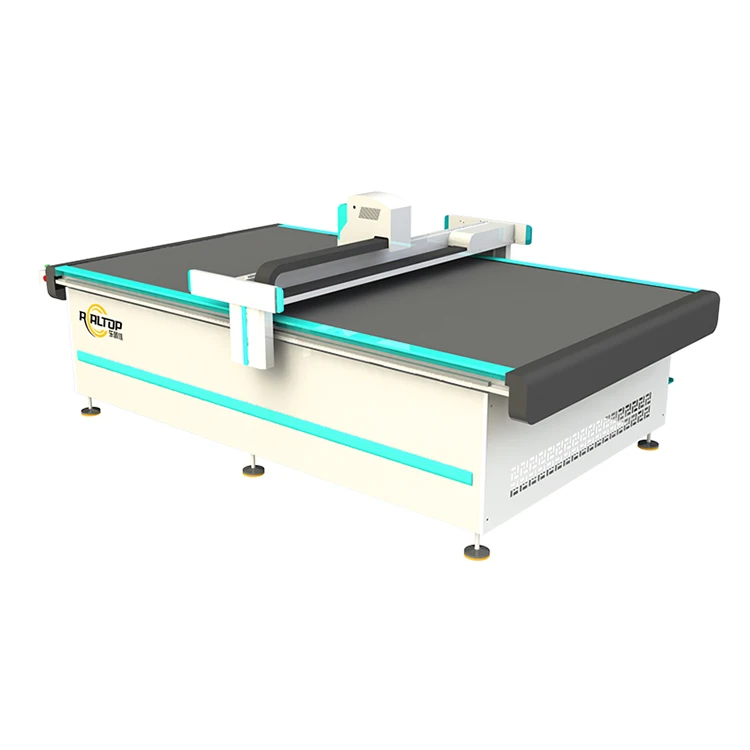
Tool Head Configured Per Material — Every oscillating knife, drag knife and creasing wheel option on the RT-D2516/RT-S2516 is matched to your fabric, foam or gasket stock before the order is finalized.
Technical Specifications
| Parameter | Value |
|---|---|
| Model | RT-D2516 / RT-S2516 |
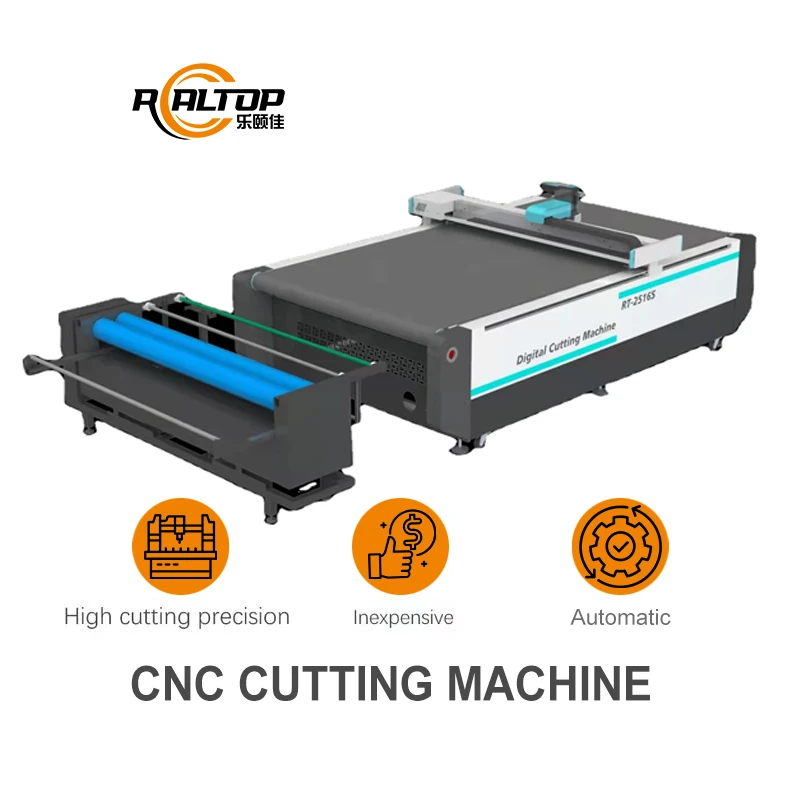
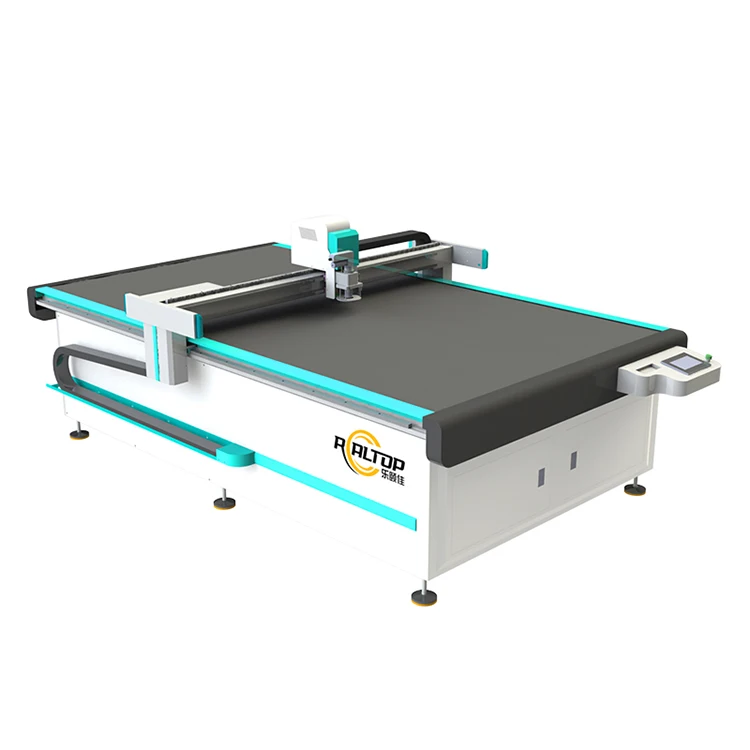
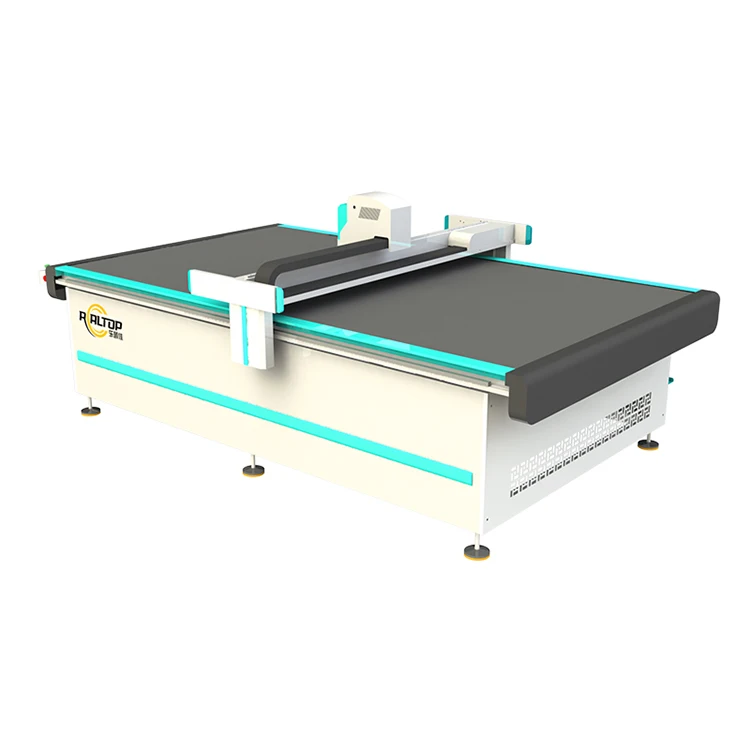
| Product Type | CNC Oscillating Knife Cutting Machine |
| Working Area | 1600×2500 mm |
| Overall Dimensions (L×W×H) | 3450×2300×1250 mm |
| Rated Power | 9 kW |
| Voltage | 380V ±10% (frequency 50/60 Hz to be confirmed) |
| Transmission System | Digital servo motor, linear guide, synchronous belt, ball screw |
| Servo Motor Brand | Delta (optional Panasonic) |
| Translational Velocity | 800–1200 mm/s |
| Cutting Thickness | 20–80 mm (varies by material; basis to be confirmed) |
| Repeated Accuracy | ≤0.1 mm |
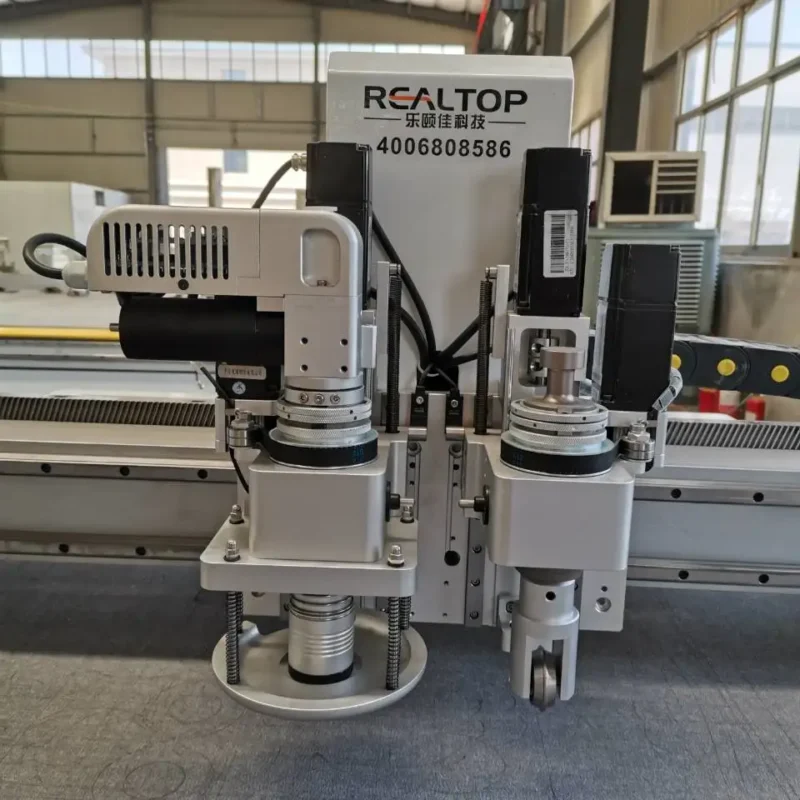
| Tool Head Options | Oscillating knife, pneumatic knife, high-power vibrating knife, circular knife, V-cutting knife, drag knife, creasing wheel, dotted line knife, punching, brush |
| Visual Positioning | Small CCD camera mark point, panoramic camera recognition, projection positioning |
| Vacuum Table | Magnesium-aluminum alloy, PVDF powder spraying, anodic and hard oxidation |
| Vacuum Pump | 7.5 kW, integrated aviation aluminum shell with silencer |
| Linear Rail | Taiwan Hiwin |
| Safety Device | Infrared sensors, anti-collision, emergency stop |
| Instruction System | HP-GL compatible format |
| Standards | CE |
Application Suitability
| Application | Material or Output |
|---|---|
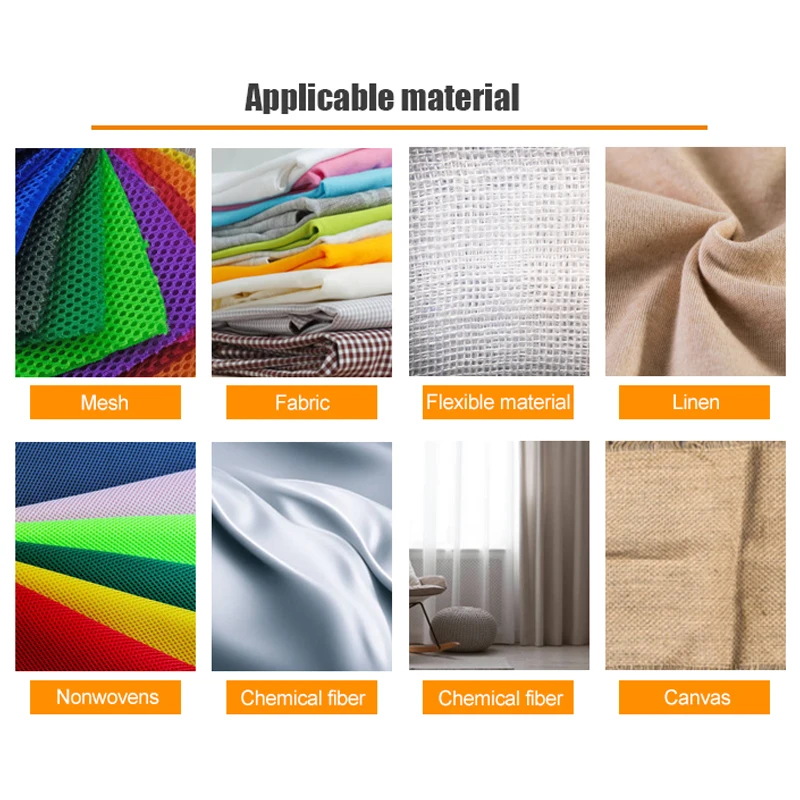
| Garment and Footwear Cutting | Multi-layer fabric, clothing cloth, shoe material, non-woven fabric |
| Automotive Interior Trimming | Leather, PU, EVA, composite materials, carpet |
| Packaging and Carton Sampling | Corrugated cardboard, plastic box, cardboard, sticker, film |
| Gasket and Seal Fabrication | Rubber, PTFE, ETFE, fiberglass, sealing pad materials |
| Signage and Advertising | Vinyl, sticker, film, foam board, PVC, PP, PE |
| Soft Furnishing and Upholstery | Sponge, XPE, carpet, textile, luggage material |
Why Cutting Depth Claims Fail on the Shop Floor
A working area of 1600×2500 mm tells you what fits on the table, but nothing about how the blade behaves once it penetrates 50 mm of dense EVA foam. Verify cutting thickness on your own material sample before signing the purchase order.
I have watched buyers commit to a CNC oscillating knife cutting machine manufacturer based on a headline thickness number, only to find the blade deflects on their specific composite layup, leaving ragged lower edges that require secondary trimming. The interaction between material density, blade oscillation frequency and downforce determines the real-world limit, not a single catalogue figure [NEED_CITE: material density effects on oscillating knife cutting depth]. When the spec sheet says 20–80 mm, that range spans everything from single-ply silk to dense rubber gasket stock, and each requires a different tool head and feed rate.
Mapping Tool Heads to Your Material Stack
The RT-D2516/RT-S2516 supports a broad tool head range because no single blade geometry cuts fabric cleanly and also handles corrugated board without crushing the flute. Oscillating knives handle thick foam and sponge by vibrating through the material, while drag knives suit thinner vinyl and sticker films where a continuous pull produces the cleanest edge. Creasing wheels score folding lines on cardboard packaging samples without penetrating the sheet, a function a cutting blade cannot replicate.
Holding Small Parts Flat Without Sacrificing Larger Sheets
Vacuum hold-down becomes a different problem when you switch from cutting full-hide leather to nesting small gasket pieces across the same 1600×2500 mm table. The magnesium-aluminum alloy vacuum table on this system works with a 7.5 kW pump that maintains consistent suction across zoned areas, preventing lightweight fabric or thin film from lifting during high-speed traverses. This matters because once a corner lifts, the blade catches, the contour shifts, and the entire nested sheet is scrapped [NEED_CITE: vacuum zoning requirements for small part CNC cutting]. The fluorocarbon PVDF coating and hard oxidation finish resist the abrasion from repeated loading of coarse materials like fiberglass and carpet backing.
Translational Speed and Servo Response in Contour Work
An 800–1200 mm/s translational velocity is achievable on straight cuts, but complex garment pattern contours demand that the Delta servo motors decelerate and redirect at every curve without losing positional accuracy. The ≤0.1 mm repeated accuracy specification governs how closely the machine returns to the same coordinate on successive passes, which determines whether nested fabric pieces register correctly against printed marks when paired with the CCD camera positioning option. Taiwan Hiwin linear rails reduce play in the carriage assembly, keeping the oscillating knife perpendicular to the material surface even during rapid direction changes. The Swiss imported knife assembly supports both full cutting and half cutting modes, allowing kiss-cut applications on sticker sheets where the backing paper must remain intact.
The Cost of Wrong Voltage and Unconfirmed Frequency
A 9 kW rated power draw at 380V ±10% means this CNC oscillating knife cutting machine manufacturer ships units expecting a specific supply profile, and frequency must be confirmed as 50 Hz or 60 Hz depending on the destination country. I recall a European installation where the frequency mismatch was caught only when the servo drives faulted repeatedly on first power-up, delaying the production ramp by weeks while a transformer was sourced locally. The electrical schematic and voltage confirmation document exists specifically to prevent this [NEED_CITE: industrial voltage and frequency standards by export market]. Confirming plug type, phase configuration and local circuit breaker rating before production begins is not paperwork overhead — it is the difference between a machine that runs on arrival and one that sits idle waiting for electrical adaptation.
Why Buyers Source the Full Range Here
In-house design covers both knife cutting and laser cutting platforms, so a buyer processing acrylic signage and fabric upholstery can evaluate which cutting method suits each material rather than forcing one technology across incompatible substrates. Every tool head and table configuration on the RT-D2516/RT-S2516 is specified per material and production volume, not bundled as a default package. Sample cutting on the buyer’s own material runs before commitment, producing a physical edge quality reference that a spec sheet cannot provide. Software compatibility and file format support are confirmed during the order stage, preventing the situation where a nesting workflow built in one CAD environment cannot translate to the machine’s HP-GL instruction system. Language options spanning English, Russian, Italian and Chinese, with special language customization available, ensure the control interface matches the operators who will use it daily.
Documentation & Verification
- Machine specification sheet confirming working area and tool head selection
- Electrical schematic with voltage, frequency and plug type confirmed per destination
- Sample cutting report on buyer-supplied material verifying edge quality
- Tool head and vacuum table configuration list matched to material type
- Software licence and file format compatibility note for nesting workflow
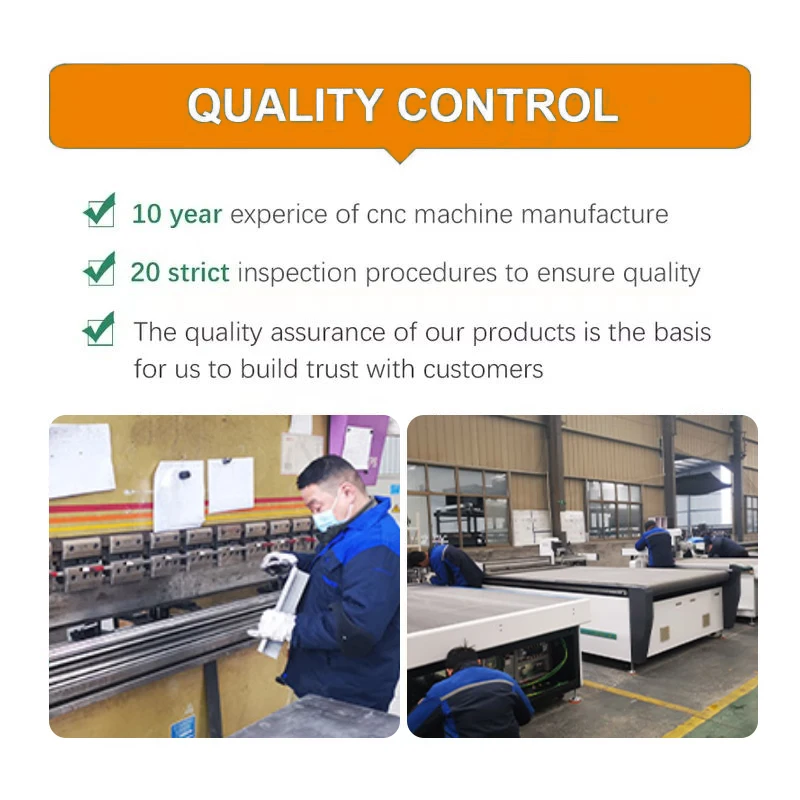
- Factory test record documenting accuracy and safety device function before dispatch
Installation, Commissioning & Support
- Floor space of 3450×2300 mm plus operator clearance required for the fixed flat table model
- Dedicated 380V circuit with confirmed frequency for the 9 kW total load
- Fully assembled shipping state eliminates on-site frame alignment
- First power-up includes servo tuning and vacuum zone calibration across the table
- Operator training covers tool head changeover between oscillating, drag and creasing tools
- One-year warranty with free replacement parts; buyer arranges return shipping
What to Include in Your Next Enquiry
Provide your primary material type, maximum sheet thickness and typical daily cutting volume so the correct tool head and vacuum zoning can be selected. Specify your local voltage, frequency and preferred control language to ensure the electrical and software configuration matches your facility before the machine leaves the factory. If your workflow relies on printed registration marks for contour cutting, confirm whether the small CCD camera or panoramic camera option better suits your mark size and production speed.
Frequently Asked Questions
Q: How do I choose between oscillating knife, drag knife and other tool heads for my specific material?
A: Oscillating knives suit thick, compressible materials like foam and sponge where blade vibration prevents drag and deflection. Drag knives work best on thin films, vinyl and sticker sheets where a continuous pull gives the cleanest edge. Creasing wheels score cardboard without cutting through. The correct choice depends on your material type, thickness and the edge finish your downstream process requires.
Q: What working area size should I specify based on my sheet dimensions and nesting workflow?
A: The RT-D2516/RT-S2516 offers a 1600×2500 mm table, which accommodates standard full hides and wide fabric rolls. Consider whether your nesting software groups parts across multiple sheets or processes single sheets at a time. Larger formats exist in the range for high-volume operations where reducing material handling between cuts improves overall workflow throughput.
Q: How is cutting thickness verified before I commit to an order?
A: Send a representative sample of your material to the factory for a test cut using the exact tool head configuration proposed for your order. The resulting sample cutting report documents edge quality, achievable depth and any deflection observed. This physical verification is more reliable than relying on published thickness ranges that span vastly different material densities.
Q: What CCD camera positioning options are available, and how do they perform at production speed?
A: The system offers small CCD camera mark point positioning and panoramic camera recognition. Small CCD suits applications with clearly printed registration marks at known intervals. Panoramic recognition covers larger printed areas where mark placement may vary. Confirm your mark size, print contrast and target production speed during the specification stage so the right vision option is selected.
Q: How do I compare models across the full REALTOP knife cutting range?
A: Start by locking in your material type and maximum thickness, then identify which tool heads your application demands. From there, compare working area sizes and single versus multi-head configurations against your daily volume. The catalogue at lyjcut.com organizes models by these criteria so you can narrow from the full range to the configuration that fits your production floor.
Tool Head Configured Per Material — Every oscillating knife, drag knife and creasing wheel option on the RT-D2516/RT-S2516 is matched to your fabric, foam or gasket stock before the order is finalized.
Technical Specifications
| Parameter | Value |
|---|---|
| Model | RT-D2516 / RT-S2516 |
| Product Type | CNC Oscillating Knife Cutting Machine |
| Working Area | 1600×2500 mm |
| Overall Dimensions (L×W×H) | 3450×2300×1250 mm |
| Rated Power | 9 kW |
| Voltage | 380V ±10% (frequency 50/60 Hz to be confirmed) |
| Transmission System | Digital servo motor, linear guide, synchronous belt, ball screw |
| Servo Motor Brand | Delta (optional Panasonic) |
| Translational Velocity | 800–1200 mm/s |
| Cutting Thickness | 20–80 mm (varies by material; basis to be confirmed) |
| Repeated Accuracy | ≤0.1 mm |
| Tool Head Options | Oscillating knife, pneumatic knife, high-power vibrating knife, circular knife, V-cutting knife, drag knife, creasing wheel, dotted line knife, punching, brush |
| Visual Positioning | Small CCD camera mark point, panoramic camera recognition, projection positioning |
| Vacuum Table | Magnesium-aluminum alloy, PVDF powder spraying, anodic and hard oxidation |
| Vacuum Pump | 7.5 kW, integrated aviation aluminum shell with silencer |
| Linear Rail | Taiwan Hiwin |
| Safety Device | Infrared sensors, anti-collision, emergency stop |
| Instruction System | HP-GL compatible format |
| Standards | CE |
Application Suitability
| Application | Material or Output |
|---|---|
| Garment and Footwear Cutting | Multi-layer fabric, clothing cloth, shoe material, non-woven fabric |
| Automotive Interior Trimming | Leather, PU, EVA, composite materials, carpet |
| Packaging and Carton Sampling | Corrugated cardboard, plastic box, cardboard, sticker, film |
| Gasket and Seal Fabrication | Rubber, PTFE, ETFE, fiberglass, sealing pad materials |
| Signage and Advertising | Vinyl, sticker, film, foam board, PVC, PP, PE |
| Soft Furnishing and Upholstery | Sponge, XPE, carpet, textile, luggage material |
Why Cutting Depth Claims Fail on the Shop Floor
A working area of 1600×2500 mm tells you what fits on the table, but nothing about how the blade behaves once it penetrates 50 mm of dense EVA foam. Verify cutting thickness on your own material sample before signing the purchase order.
I have watched buyers commit to a CNC oscillating knife cutting machine manufacturer based on a headline thickness number, only to find the blade deflects on their specific composite layup, leaving ragged lower edges that require secondary trimming. The interaction between material density, blade oscillation frequency and downforce determines the real-world limit, not a single catalogue figure [NEED_CITE: material density effects on oscillating knife cutting depth]. When the spec sheet says 20–80 mm, that range spans everything from single-ply silk to dense rubber gasket stock, and each requires a different tool head and feed rate.
Mapping Tool Heads to Your Material Stack
The RT-D2516/RT-S2516 supports a broad tool head range because no single blade geometry cuts fabric cleanly and also handles corrugated board without crushing the flute. Oscillating knives handle thick foam and sponge by vibrating through the material, while drag knives suit thinner vinyl and sticker films where a continuous pull produces the cleanest edge. Creasing wheels score folding lines on cardboard packaging samples without penetrating the sheet, a function a cutting blade cannot replicate.
Holding Small Parts Flat Without Sacrificing Larger Sheets
Vacuum hold-down becomes a different problem when you switch from cutting full-hide leather to nesting small gasket pieces across the same 1600×2500 mm table. The magnesium-aluminum alloy vacuum table on this system works with a 7.5 kW pump that maintains consistent suction across zoned areas, preventing lightweight fabric or thin film from lifting during high-speed traverses. This matters because once a corner lifts, the blade catches, the contour shifts, and the entire nested sheet is scrapped [NEED_CITE: vacuum zoning requirements for small part CNC cutting]. The fluorocarbon PVDF coating and hard oxidation finish resist the abrasion from repeated loading of coarse materials like fiberglass and carpet backing.
Translational Speed and Servo Response in Contour Work
An 800–1200 mm/s translational velocity is achievable on straight cuts, but complex garment pattern contours demand that the Delta servo motors decelerate and redirect at every curve without losing positional accuracy. The ≤0.1 mm repeated accuracy specification governs how closely the machine returns to the same coordinate on successive passes, which determines whether nested fabric pieces register correctly against printed marks when paired with the CCD camera positioning option. Taiwan Hiwin linear rails reduce play in the carriage assembly, keeping the oscillating knife perpendicular to the material surface even during rapid direction changes. The Swiss imported knife assembly supports both full cutting and half cutting modes, allowing kiss-cut applications on sticker sheets where the backing paper must remain intact.
The Cost of Wrong Voltage and Unconfirmed Frequency
A 9 kW rated power draw at 380V ±10% means this CNC oscillating knife cutting machine manufacturer ships units expecting a specific supply profile, and frequency must be confirmed as 50 Hz or 60 Hz depending on the destination country. I recall a European installation where the frequency mismatch was caught only when the servo drives faulted repeatedly on first power-up, delaying the production ramp by weeks while a transformer was sourced locally. The electrical schematic and voltage confirmation document exists specifically to prevent this [NEED_CITE: industrial voltage and frequency standards by export market]. Confirming plug type, phase configuration and local circuit breaker rating before production begins is not paperwork overhead — it is the difference between a machine that runs on arrival and one that sits idle waiting for electrical adaptation.
Why Buyers Source the Full Range Here
In-house design covers both knife cutting and laser cutting platforms, so a buyer processing acrylic signage and fabric upholstery can evaluate which cutting method suits each material rather than forcing one technology across incompatible substrates. Every tool head and table configuration on the RT-D2516/RT-S2516 is specified per material and production volume, not bundled as a default package. Sample cutting on the buyer’s own material runs before commitment, producing a physical edge quality reference that a spec sheet cannot provide. Software compatibility and file format support are confirmed during the order stage, preventing the situation where a nesting workflow built in one CAD environment cannot translate to the machine’s HP-GL instruction system. Language options spanning English, Russian, Italian and Chinese, with special language customization available, ensure the control interface matches the operators who will use it daily.
Documentation & Verification
- Machine specification sheet confirming working area and tool head selection
- Electrical schematic with voltage, frequency and plug type confirmed per destination
- Sample cutting report on buyer-supplied material verifying edge quality
- Tool head and vacuum table configuration list matched to material type
- Software licence and file format compatibility note for nesting workflow
- Factory test record documenting accuracy and safety device function before dispatch
Installation, Commissioning & Support
- Floor space of 3450×2300 mm plus operator clearance required for the fixed flat table model
- Dedicated 380V circuit with confirmed frequency for the 9 kW total load
- Fully assembled shipping state eliminates on-site frame alignment
- First power-up includes servo tuning and vacuum zone calibration across the table
- Operator training covers tool head changeover between oscillating, drag and creasing tools
- One-year warranty with free replacement parts; buyer arranges return shipping
What to Include in Your Next Enquiry
Provide your primary material type, maximum sheet thickness and typical daily cutting volume so the correct tool head and vacuum zoning can be selected. Specify your local voltage, frequency and preferred control language to ensure the electrical and software configuration matches your facility before the machine leaves the factory. If your workflow relies on printed registration marks for contour cutting, confirm whether the small CCD camera or panoramic camera option better suits your mark size and production speed.
Frequently Asked Questions
Q: How do I choose between oscillating knife, drag knife and other tool heads for my specific material?
A: Oscillating knives suit thick, compressible materials like foam and sponge where blade vibration prevents drag and deflection. Drag knives work best on thin films, vinyl and sticker sheets where a continuous pull gives the cleanest edge. Creasing wheels score cardboard without cutting through. The correct choice depends on your material type, thickness and the edge finish your downstream process requires.
Q: What working area size should I specify based on my sheet dimensions and nesting workflow?
A: The RT-D2516/RT-S2516 offers a 1600×2500 mm table, which accommodates standard full hides and wide fabric rolls. Consider whether your nesting software groups parts across multiple sheets or processes single sheets at a time. Larger formats exist in the range for high-volume operations where reducing material handling between cuts improves overall workflow throughput.
Q: How is cutting thickness verified before I commit to an order?
A: Send a representative sample of your material to the factory for a test cut using the exact tool head configuration proposed for your order. The resulting sample cutting report documents edge quality, achievable depth and any deflection observed. This physical verification is more reliable than relying on published thickness ranges that span vastly different material densities.
Q: What CCD camera positioning options are available, and how do they perform at production speed?
A: The system offers small CCD camera mark point positioning and panoramic camera recognition. Small CCD suits applications with clearly printed registration marks at known intervals. Panoramic recognition covers larger printed areas where mark placement may vary. Confirm your mark size, print contrast and target production speed during the specification stage so the right vision option is selected.
Q: How do I compare models across the full REALTOP knife cutting range?
A: Start by locking in your material type and maximum thickness, then identify which tool heads your application demands. From there, compare working area sizes and single versus multi-head configurations against your daily volume. The catalogue at lyjcut.com organizes models by these criteria so you can narrow from the full range to the configuration that fits your production floor.
商品评价
There are no reviews yet.