

Fast Delivery
Quick, reliable shipping to any location.

Free & easy returns
Return this item by mail or in store within 90 days for a full refund.
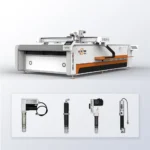
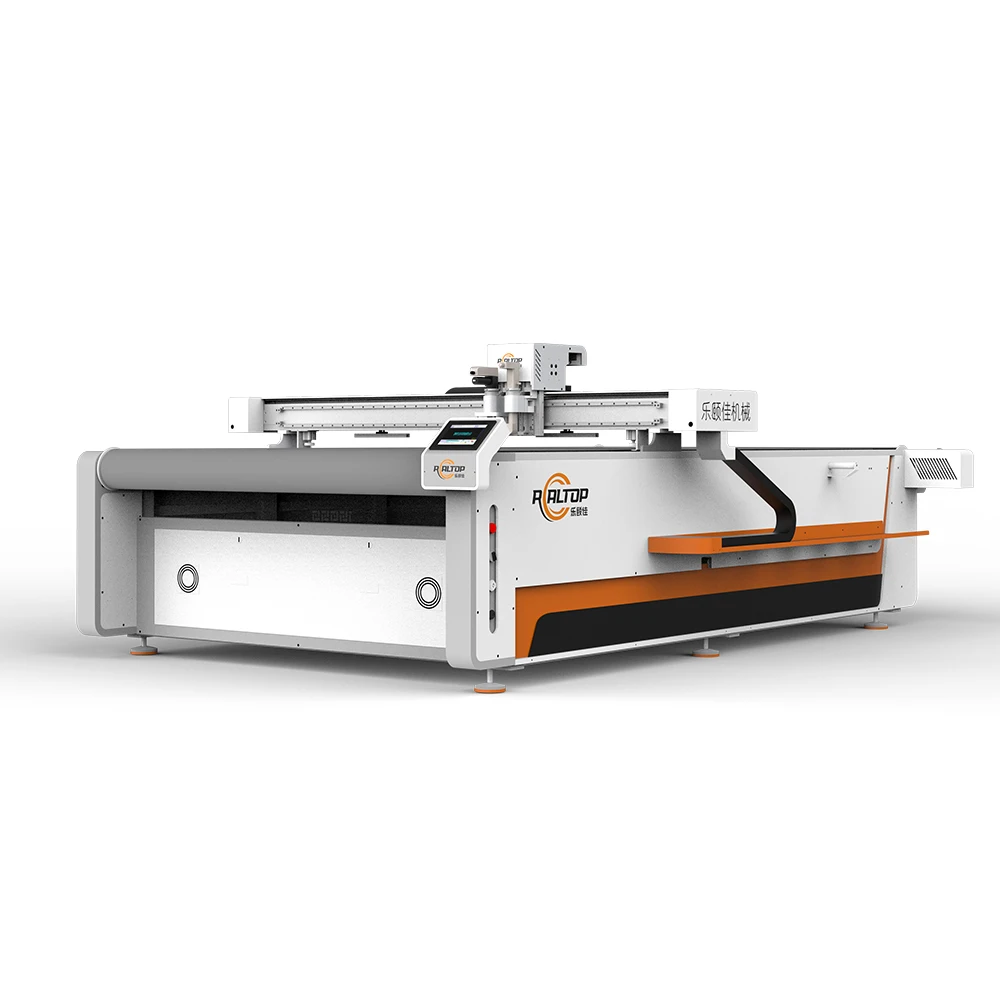
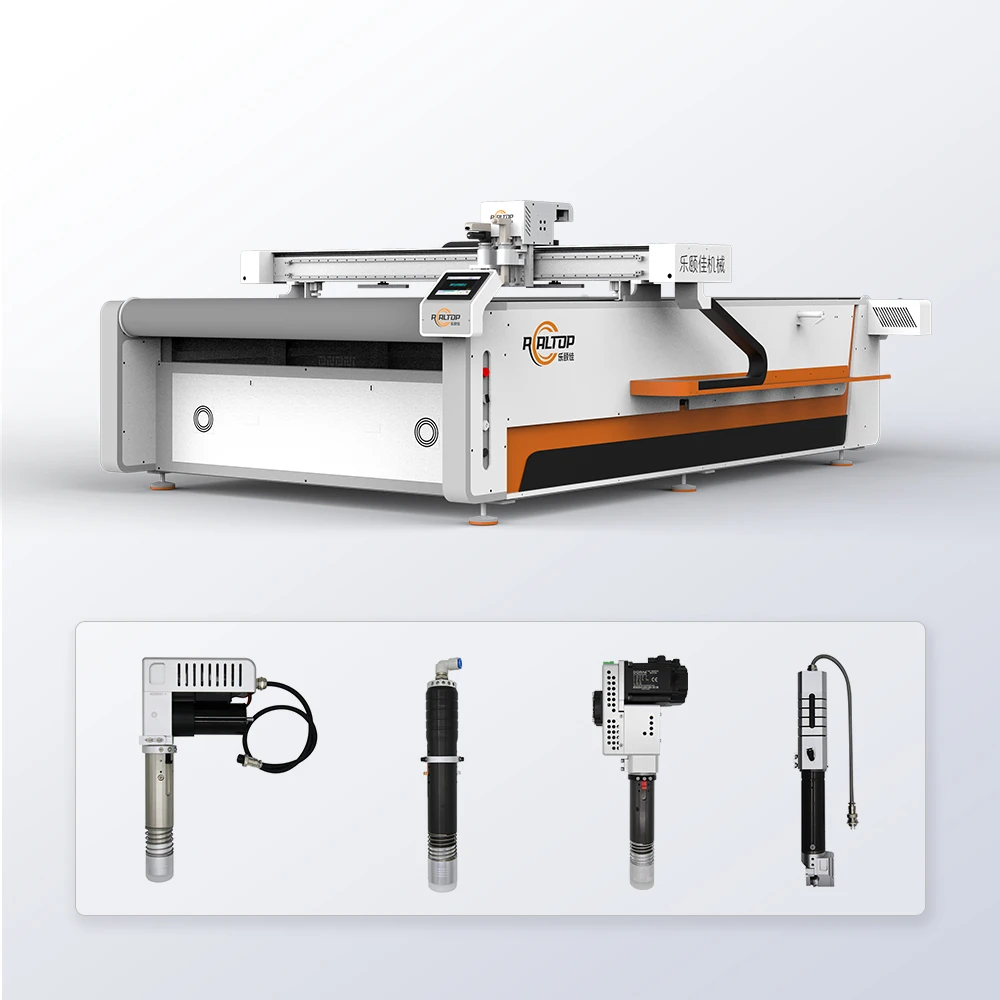
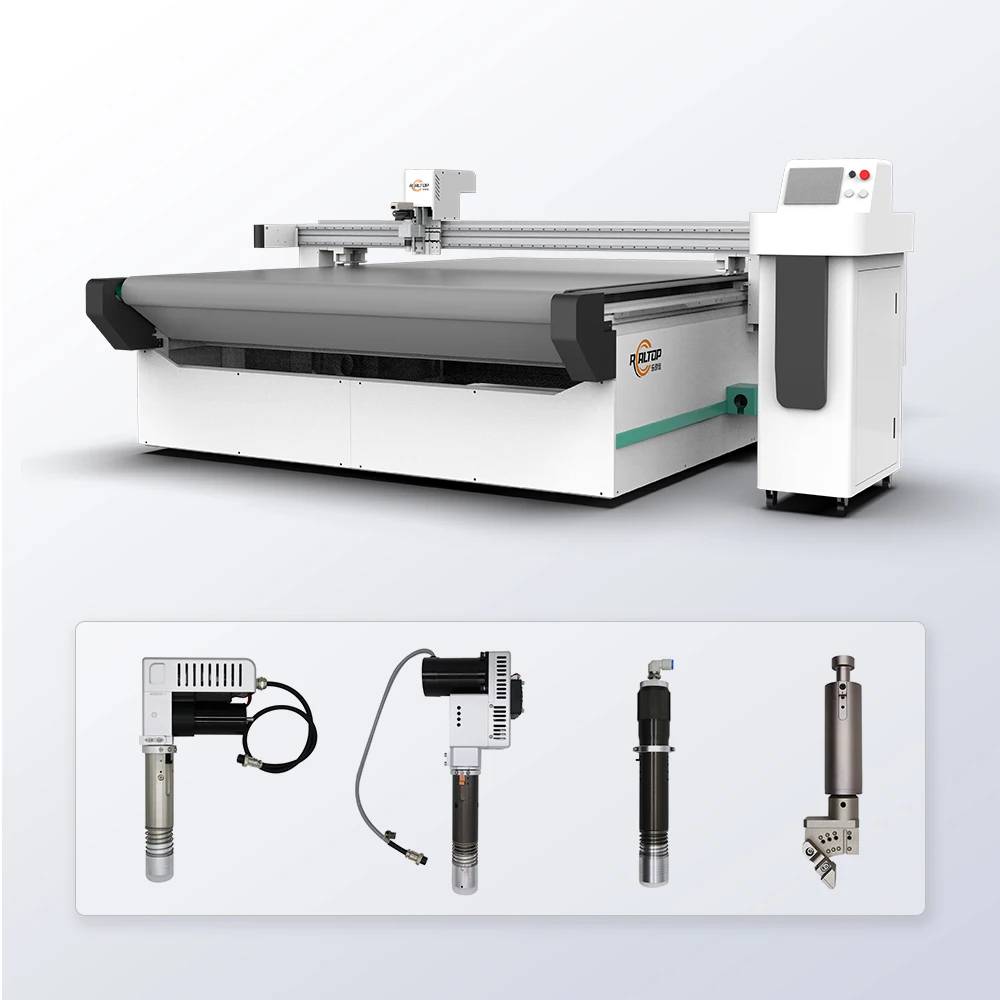
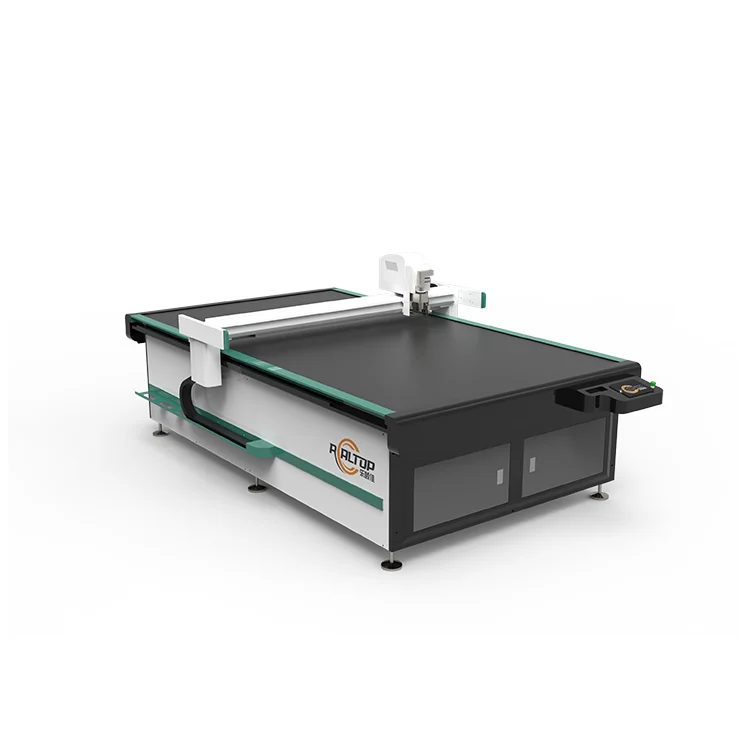
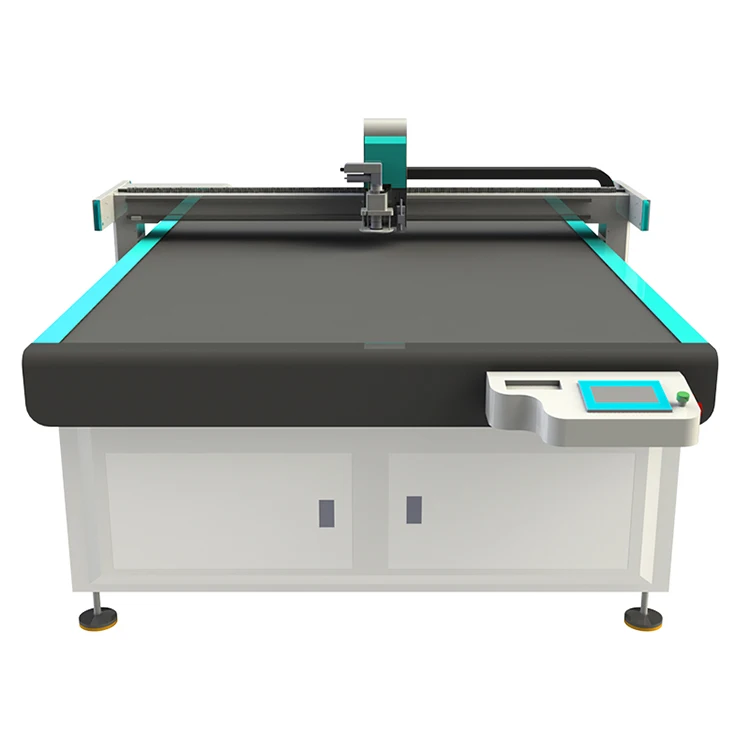
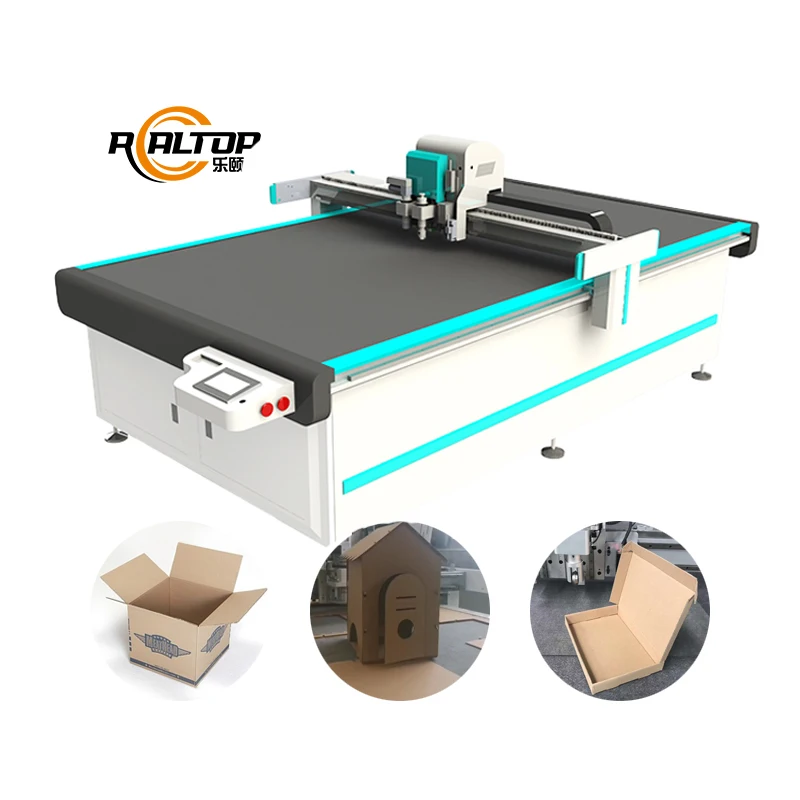
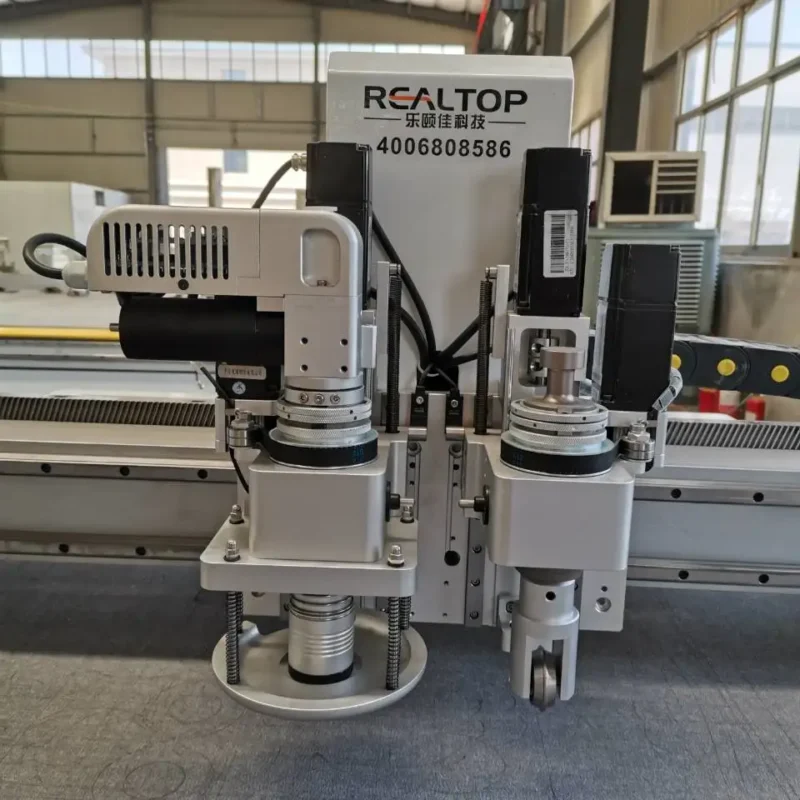
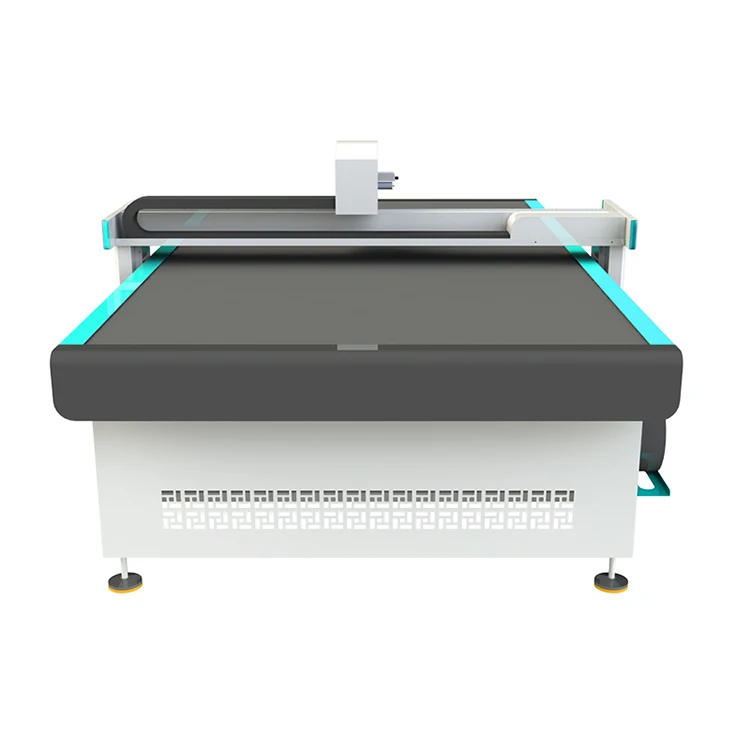
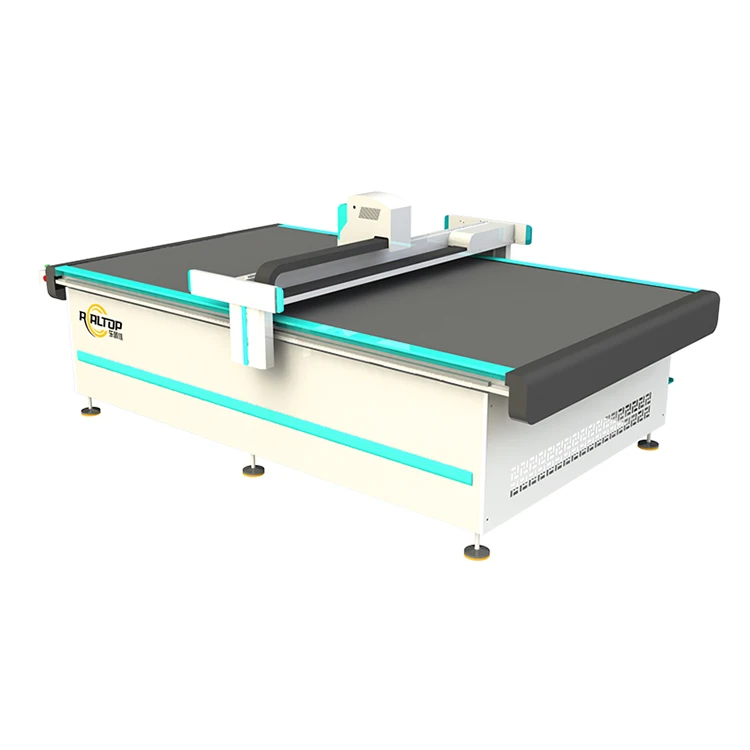
Tool-to-Material Matching — The 1625 platform supports seven interchangeable tool heads, letting fabric and composite producers cut the method to the material rather than forcing one blade across every job.
Technical Specifications
| Parameter | Value |
|---|---|
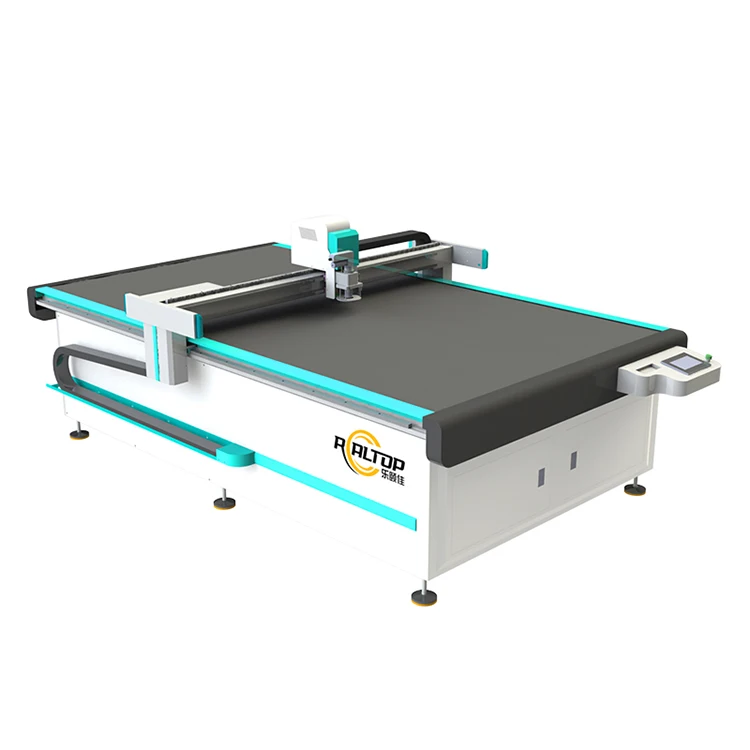
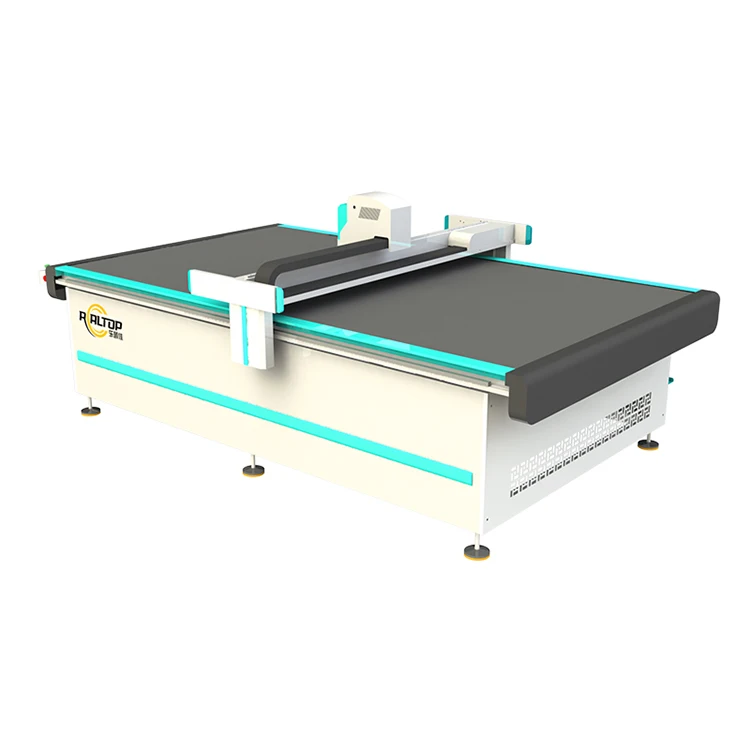
| Product Type | CNC Oscillating Knife Cutting Machine |
| Model | 1625 |
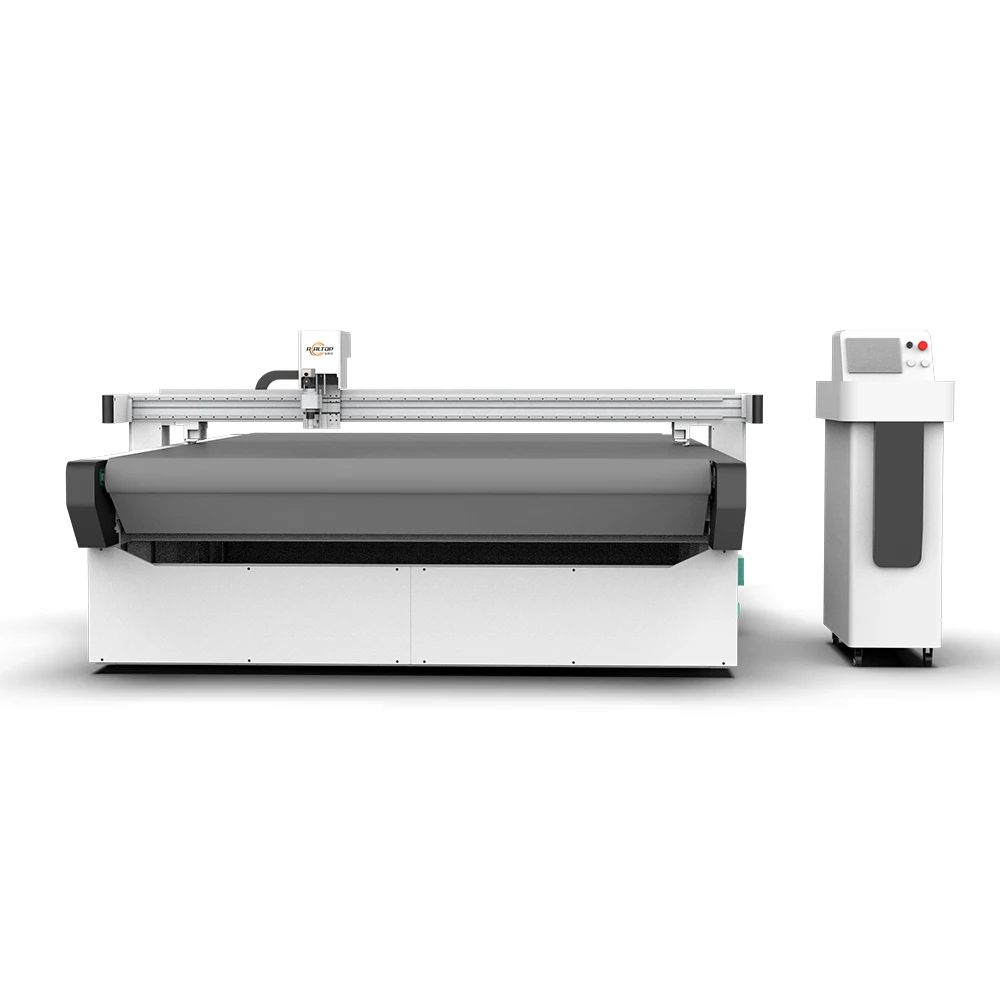
| Working Area | 1600 × 2500 mm |
| Tools Available | Oscillating knife, Driven rotary knife, Creasing wheel, Kiss cutting tool, Pneumatic knife, Milling tool, V groove knife |
| Cutting Speed | 0–2000 mm/s |
| Cutting Thickness | ≤ 30 mm (basis not stated in source — confirm material type and density) |
| Cutting Accuracy | ±0.1 mm |
| Vacuum Pump | 9 kW |
| Vacuum Table | Aluminum bellows vacuum table |
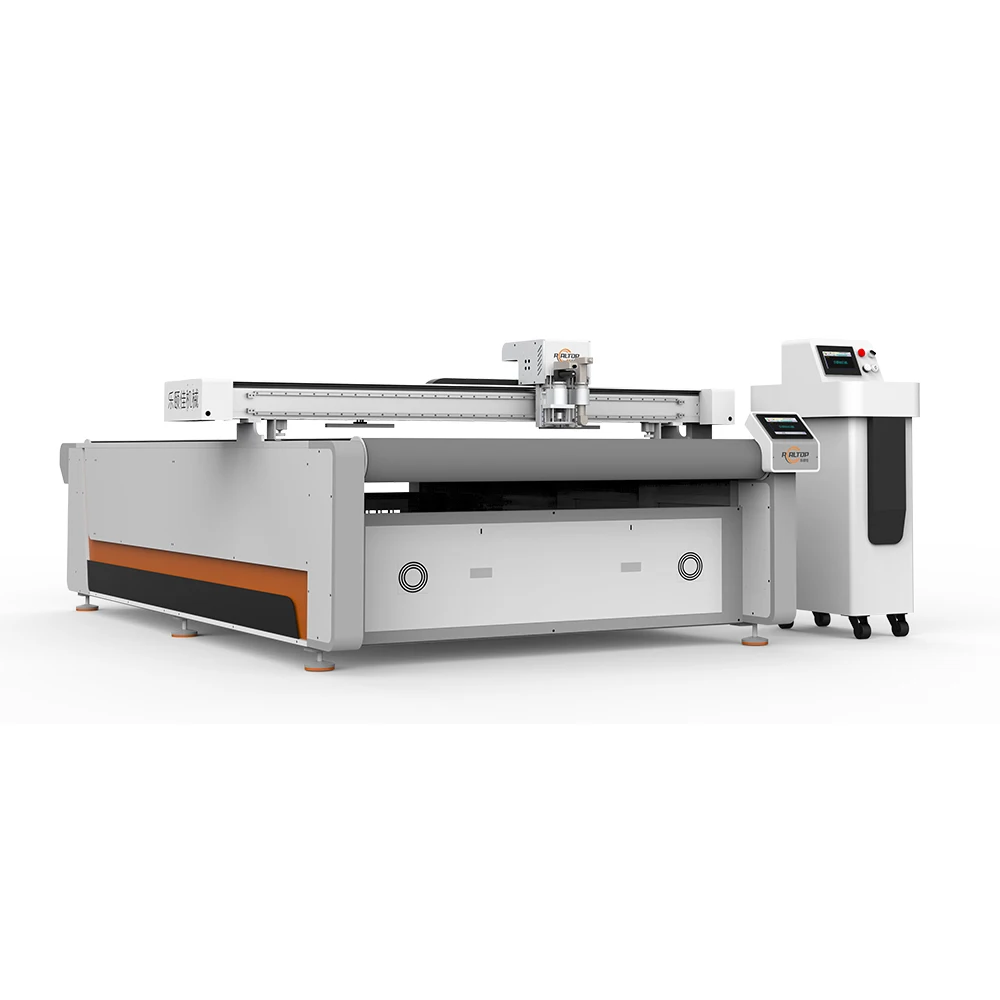
| Control System | PLC control panel |
| Servo Motor Options | Panasonic, Delta, Dorna (verify against manufacturer catalog) |
| Voltage Options | 110V, 220V, 380V |
| Profile Format | PLT, DXF, AI, PDF |
| Safety Device | Infrared sensor and emergency stop |
| Language Options | English, Russian, Italian, Chinese, customizable |
| Machine Size | 3300 × 2100 × 1350 mm |
| Certification | CE (verify against manufacturer catalog) |
Application Suitability
| Application | Material or Output |
|---|---|
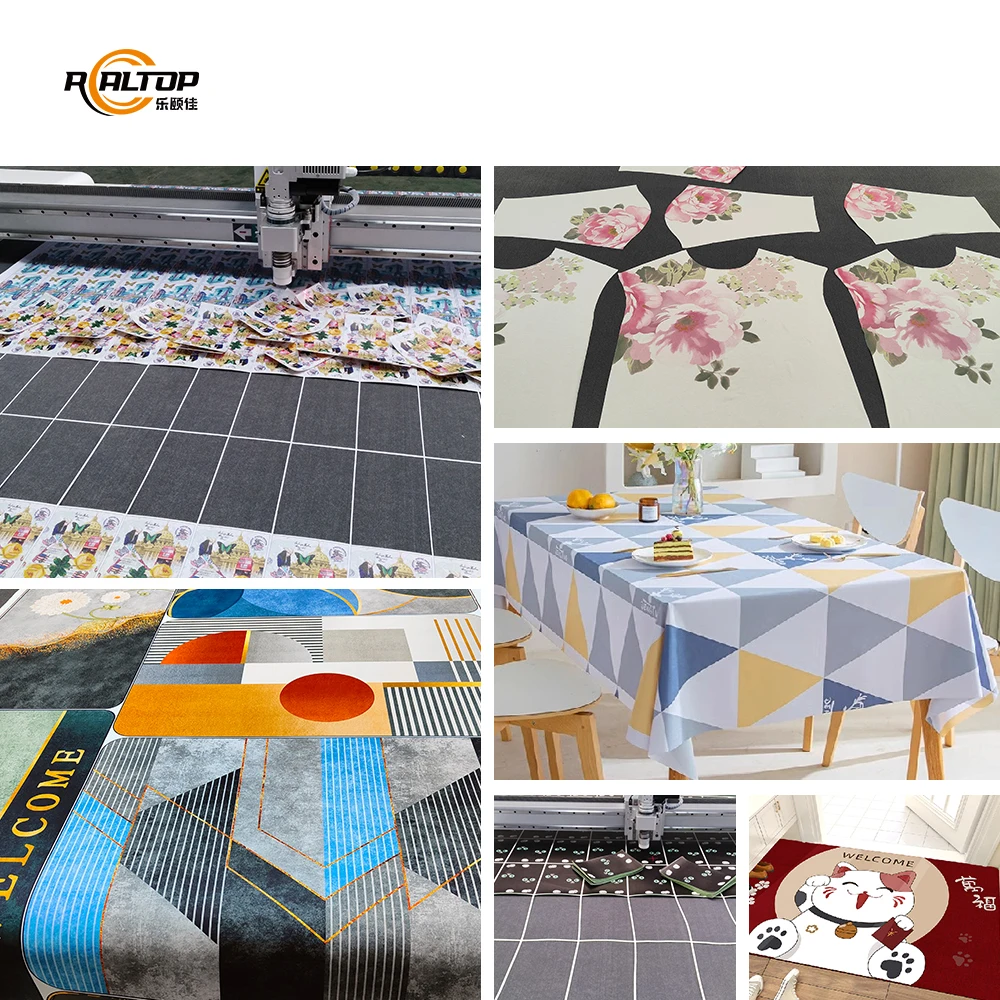
| Apparel manufacturing | Suits, knitwear, lace, complex woven and knitted fabrics |
| Automotive interiors | Seat fabrics, carpets, PVC floor mats |
| Home textiles | Sofa fabrics, curtains, rugs, heavy drapery |
| Composite processing | Carbon fiber prepreg, aramid, specialty technical textiles |
Why Material Thickness Must Drive the Configuration, Not the Other Way Around
A cutting table sized only by working area often fails when real production material exceeds assumed thickness.
I remember an automotive seat cover project where the buyer focused entirely on the 1600 × 2500 mm bed, assuming any CNC oscillating knife cutting machine manufacturer would deliver the same edge quality across materials. The composite leather they ran in production was denser than the sample swatches we tested. The oscillating knife bogged down, and throughput dropped noticeably. That is why the 1625 pairs its cutting depth specification with a mandatory material trial — so the buyer sees actual edge quality and cycle behavior on their own stock before the order is locked [NEED_CITE: material density impact on oscillating knife cycle time].
Full Catalogue Thinking: Knife, Drag, and Laser Under One Roof
When a buyer surveys cutting equipment, the first decision is not which model but which method. Oscillating knife handles woven fabric and foam cleanly; drag knife suits thin vinyl and gasket sheet; laser seals edges on synthetics without fraying. The 1625 sits in the knife family of this CNC oscillating knife cutting machine manufacturer’s line, but the catalogue extends into drag knife tables and CO2 or fiber laser units so the technology choice follows the material, not the factory’s limited offering.
How the Tool Head Matrix Covers Fabric and Composite Workflows
Seven tool options — oscillating knife, driven rotary knife, creasing wheel, kiss cutting, pneumatic knife, milling, and V groove — let a single 1625 platform serve an apparel cutting room in the morning and an automotive interior line after a tool change. The driven rotary knife handles knitted fabrics that would distort under a standard oscillating blade, while the V groove tool pre-scores foam inserts for seat cushions. This interchangeability means a production manager can expand into adjacent materials without purchasing a second machine [NEED_CITE: tool head selection for multi-material cutting operations].
Reading the Specs That Actually Matter on the Shop Floor
The 9 kW vacuum pump paired with the aluminum bellows table is not just a holding force number — it determines whether small pattern pieces stay flat during high-speed cuts or lift and ruin the nest. The ±0.1 mm repeat accuracy matters when garment pieces must align with printed grain lines. Cutting speed reaches 2000 mm/s, but real throughput depends on the contour complexity and tool path density in the DXF or PLT file. File format compatibility with PLT, DXF, AI, and PDF means the 1625 can accept nesting output from most industry software without an intermediate conversion step that introduces errors.
The Hidden Cost of Skipping the Sample Cut
Buyers who approve a configuration from a brochure sometimes discover that the vacuum zoning holds large panels well but releases small cut pieces during the final trim pass. On automotive carpet jobs, insufficient zoned suction can let offcuts drift into the blade path, producing rejected panels. The 1625’s aluminum bellows table addresses this, but the zoning layout must be matched to the buyer’s typical nest geometry. Without a trial on actual production files, that mismatch stays invisible until the machine is running in the factory [NEED_CITE: vacuum zoning requirements for small-part nesting].
Why Production Teams Source This Platform
In-house design covers both knife and laser cutting, so the 1625 buyer is not forced into a knife solution when laser edge-sealing would serve better. Tool head and table configuration are specified per material and daily volume rather than quoted as a fixed package. CCD camera positioning is available for printed contour alignment when the fabric carries registration marks. Voltage, plug type, and control language are confirmed before production begins, not discovered at customs. A sample cutting report on the buyer’s own material accompanies every order, giving a documented baseline before the machine ships.
Documentation & Verification
- Machine specification sheet confirming 1600 × 2500 mm area and tool head list
- Sample cutting report run on your fabric or composite stock
- Electrical schematic with confirmed voltage for your facility
- Software license and DXF/PLT/AI/PDF file format compatibility note
- Factory test record documenting cycle behavior on agreed material
- Spare parts list covering blades, belts, and vacuum seals
Installation, Commissioning & Support
- Floor space allocation based on 3300 × 2100 × 1350 mm machine footprint
- Dedicated circuit matching confirmed 110V, 220V, or 380V input
- Aluminum bellows vacuum table leveling and pump commissioning on site
- PLC control panel language set and file import validated during training
- First production run supervised with tool head and speed parameters logged
- Wear parts inventory covering oscillating blades and vacuum seals for early operation
What to Include in Your Next Inquiry
Send the material type, thickness range, and a sample nesting file so we can recommend the right tool head and vacuum zoning. Confirm your local voltage, frequency, and preferred control language. If you run existing nesting software, share the export format so file compatibility is verified before quotation.
Frequently Asked Questions
Q: How do I decide between oscillating knife and laser for my material?
A: Oscillating knife produces clean edges on woven fabrics, foam, and composites without thermal effect. Laser seals edges on synthetics and handles intricate contours without blade wear. Share your material sample and we run both methods so you can compare edge finish, cycle time, and fume extraction requirements before choosing.
Q: Will the vacuum table hold small garment pieces during high-speed cutting?
A: The 9 kW pump and aluminum bellows table on the 1625 provide full-surface adsorption. Zoning configuration is matched to your typical nest layout during the sample cut, so small pieces remain fixed through the final trim pass rather than lifting into the blade path.
Q: How are voltage and control language handled before shipment?
A: The 1625 supports 110V, 220V, and 380V configurations with matching plug types. Control language is selectable from English, Russian, Italian, Chinese, or custom options. Both are documented in the electrical schematic and confirmed with the buyer before production starts.
Q: Can the machine track printed registration marks on fabric?
A: CCD camera contour recognition is available as a configuration option. It reads printed marks at production speed for contour-aligned cutting. We verify tracking accuracy on your printed material during the sample cut to confirm the system meets your registration tolerance.
Q: What file formats does the control system accept?
A: The PLC control panel imports PLT, DXF, AI, and PDF files directly. If your nesting software outputs a different format, we confirm compatibility or provide conversion guidance during the quotation stage so your existing workflow is preserved.
Tool-to-Material Matching — The 1625 platform supports seven interchangeable tool heads, letting fabric and composite producers cut the method to the material rather than forcing one blade across every job.
Technical Specifications
| Parameter | Value |
|---|---|
| Product Type | CNC Oscillating Knife Cutting Machine |
| Model | 1625 |
| Working Area | 1600 × 2500 mm |
| Tools Available | Oscillating knife, Driven rotary knife, Creasing wheel, Kiss cutting tool, Pneumatic knife, Milling tool, V groove knife |
| Cutting Speed | 0–2000 mm/s |
| Cutting Thickness | ≤ 30 mm (basis not stated in source — confirm material type and density) |
| Cutting Accuracy | ±0.1 mm |
| Vacuum Pump | 9 kW |
| Vacuum Table | Aluminum bellows vacuum table |
| Control System | PLC control panel |
| Servo Motor Options | Panasonic, Delta, Dorna (verify against manufacturer catalog) |
| Voltage Options | 110V, 220V, 380V |
| Profile Format | PLT, DXF, AI, PDF |
| Safety Device | Infrared sensor and emergency stop |
| Language Options | English, Russian, Italian, Chinese, customizable |
| Machine Size | 3300 × 2100 × 1350 mm |
| Certification | CE (verify against manufacturer catalog) |
Application Suitability
| Application | Material or Output |
|---|---|
| Apparel manufacturing | Suits, knitwear, lace, complex woven and knitted fabrics |
| Automotive interiors | Seat fabrics, carpets, PVC floor mats |
| Home textiles | Sofa fabrics, curtains, rugs, heavy drapery |
| Composite processing | Carbon fiber prepreg, aramid, specialty technical textiles |
Why Material Thickness Must Drive the Configuration, Not the Other Way Around
A cutting table sized only by working area often fails when real production material exceeds assumed thickness.
I remember an automotive seat cover project where the buyer focused entirely on the 1600 × 2500 mm bed, assuming any CNC oscillating knife cutting machine manufacturer would deliver the same edge quality across materials. The composite leather they ran in production was denser than the sample swatches we tested. The oscillating knife bogged down, and throughput dropped noticeably. That is why the 1625 pairs its cutting depth specification with a mandatory material trial — so the buyer sees actual edge quality and cycle behavior on their own stock before the order is locked [NEED_CITE: material density impact on oscillating knife cycle time].
Full Catalogue Thinking: Knife, Drag, and Laser Under One Roof
When a buyer surveys cutting equipment, the first decision is not which model but which method. Oscillating knife handles woven fabric and foam cleanly; drag knife suits thin vinyl and gasket sheet; laser seals edges on synthetics without fraying. The 1625 sits in the knife family of this CNC oscillating knife cutting machine manufacturer’s line, but the catalogue extends into drag knife tables and CO2 or fiber laser units so the technology choice follows the material, not the factory’s limited offering.
How the Tool Head Matrix Covers Fabric and Composite Workflows
Seven tool options — oscillating knife, driven rotary knife, creasing wheel, kiss cutting, pneumatic knife, milling, and V groove — let a single 1625 platform serve an apparel cutting room in the morning and an automotive interior line after a tool change. The driven rotary knife handles knitted fabrics that would distort under a standard oscillating blade, while the V groove tool pre-scores foam inserts for seat cushions. This interchangeability means a production manager can expand into adjacent materials without purchasing a second machine [NEED_CITE: tool head selection for multi-material cutting operations].
Reading the Specs That Actually Matter on the Shop Floor
The 9 kW vacuum pump paired with the aluminum bellows table is not just a holding force number — it determines whether small pattern pieces stay flat during high-speed cuts or lift and ruin the nest. The ±0.1 mm repeat accuracy matters when garment pieces must align with printed grain lines. Cutting speed reaches 2000 mm/s, but real throughput depends on the contour complexity and tool path density in the DXF or PLT file. File format compatibility with PLT, DXF, AI, and PDF means the 1625 can accept nesting output from most industry software without an intermediate conversion step that introduces errors.
The Hidden Cost of Skipping the Sample Cut
Buyers who approve a configuration from a brochure sometimes discover that the vacuum zoning holds large panels well but releases small cut pieces during the final trim pass. On automotive carpet jobs, insufficient zoned suction can let offcuts drift into the blade path, producing rejected panels. The 1625’s aluminum bellows table addresses this, but the zoning layout must be matched to the buyer’s typical nest geometry. Without a trial on actual production files, that mismatch stays invisible until the machine is running in the factory [NEED_CITE: vacuum zoning requirements for small-part nesting].
Why Production Teams Source This Platform
In-house design covers both knife and laser cutting, so the 1625 buyer is not forced into a knife solution when laser edge-sealing would serve better. Tool head and table configuration are specified per material and daily volume rather than quoted as a fixed package. CCD camera positioning is available for printed contour alignment when the fabric carries registration marks. Voltage, plug type, and control language are confirmed before production begins, not discovered at customs. A sample cutting report on the buyer’s own material accompanies every order, giving a documented baseline before the machine ships.
Documentation & Verification
- Machine specification sheet confirming 1600 × 2500 mm area and tool head list
- Sample cutting report run on your fabric or composite stock
- Electrical schematic with confirmed voltage for your facility
- Software license and DXF/PLT/AI/PDF file format compatibility note
- Factory test record documenting cycle behavior on agreed material
- Spare parts list covering blades, belts, and vacuum seals
Installation, Commissioning & Support
- Floor space allocation based on 3300 × 2100 × 1350 mm machine footprint
- Dedicated circuit matching confirmed 110V, 220V, or 380V input
- Aluminum bellows vacuum table leveling and pump commissioning on site
- PLC control panel language set and file import validated during training
- First production run supervised with tool head and speed parameters logged
- Wear parts inventory covering oscillating blades and vacuum seals for early operation
What to Include in Your Next Inquiry
Send the material type, thickness range, and a sample nesting file so we can recommend the right tool head and vacuum zoning. Confirm your local voltage, frequency, and preferred control language. If you run existing nesting software, share the export format so file compatibility is verified before quotation.
Frequently Asked Questions
Q: How do I decide between oscillating knife and laser for my material?
A: Oscillating knife produces clean edges on woven fabrics, foam, and composites without thermal effect. Laser seals edges on synthetics and handles intricate contours without blade wear. Share your material sample and we run both methods so you can compare edge finish, cycle time, and fume extraction requirements before choosing.
Q: Will the vacuum table hold small garment pieces during high-speed cutting?
A: The 9 kW pump and aluminum bellows table on the 1625 provide full-surface adsorption. Zoning configuration is matched to your typical nest layout during the sample cut, so small pieces remain fixed through the final trim pass rather than lifting into the blade path.
Q: How are voltage and control language handled before shipment?
A: The 1625 supports 110V, 220V, and 380V configurations with matching plug types. Control language is selectable from English, Russian, Italian, Chinese, or custom options. Both are documented in the electrical schematic and confirmed with the buyer before production starts.
Q: Can the machine track printed registration marks on fabric?
A: CCD camera contour recognition is available as a configuration option. It reads printed marks at production speed for contour-aligned cutting. We verify tracking accuracy on your printed material during the sample cut to confirm the system meets your registration tolerance.
Q: What file formats does the control system accept?
A: The PLC control panel imports PLT, DXF, AI, and PDF files directly. If your nesting software outputs a different format, we confirm compatibility or provide conversion guidance during the quotation stage so your existing workflow is preserved.
商品评价
There are no reviews yet.