

Fast Delivery
Quick, reliable shipping to any location.

Free & easy returns
Return this item by mail or in store within 90 days for a full refund.
In-house knife and laser design — buyers specify the cutting method that actually matches the composite, rather than forcing every material through a single blade or beam.
Technical Specifications
| Parameter | Value |
|---|---|
| Model | RT-D2516/RT-S2516 |
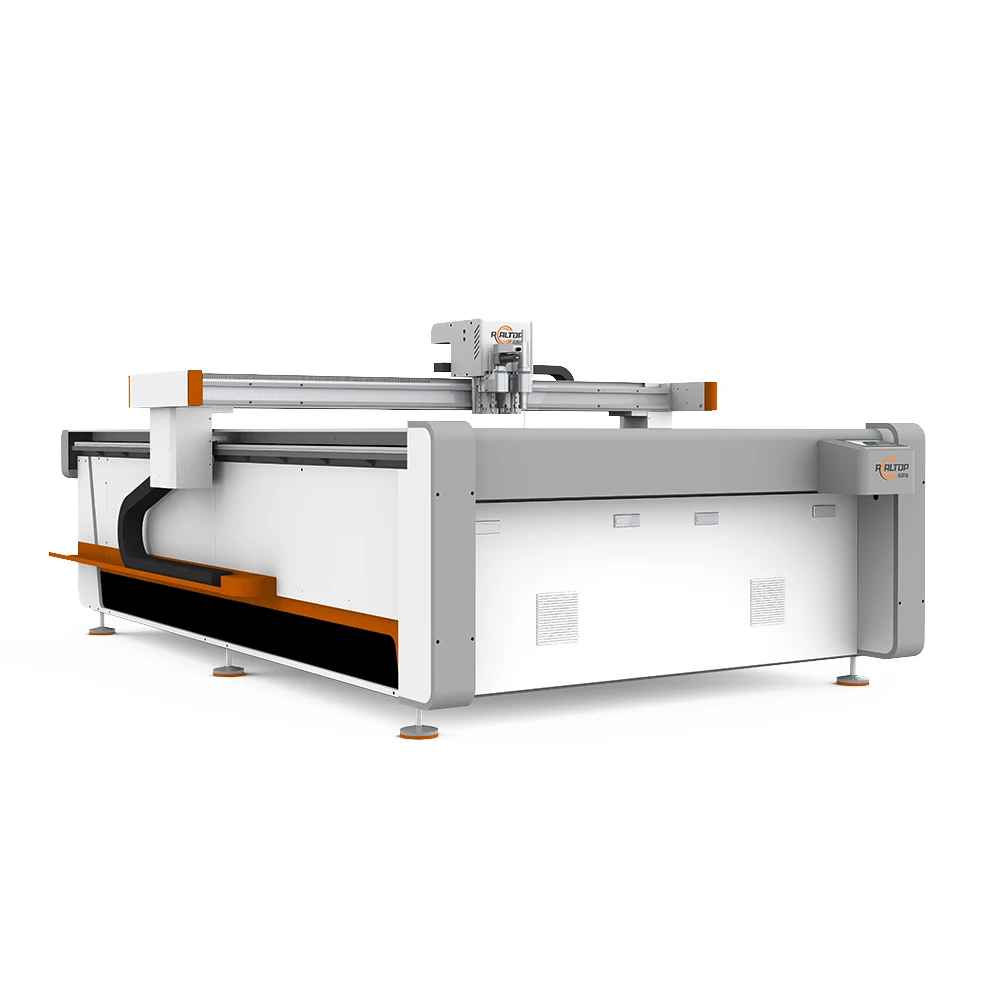
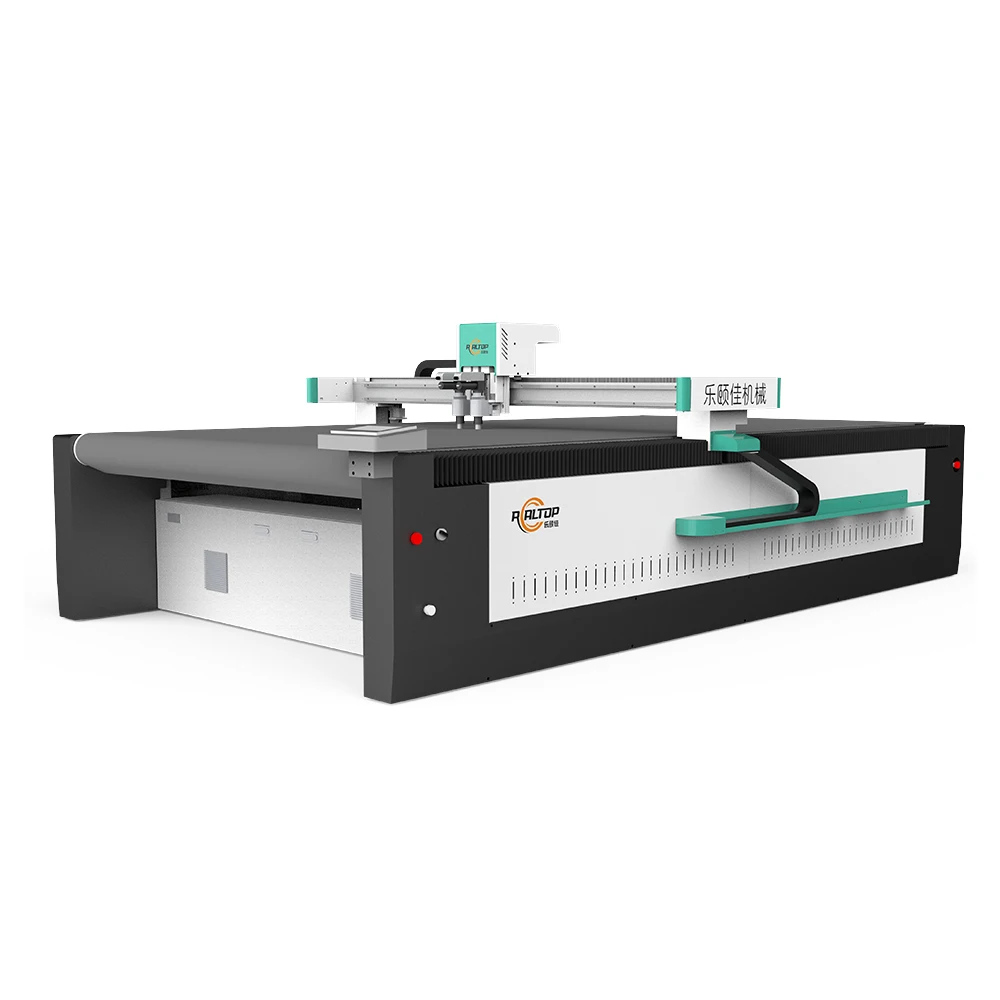
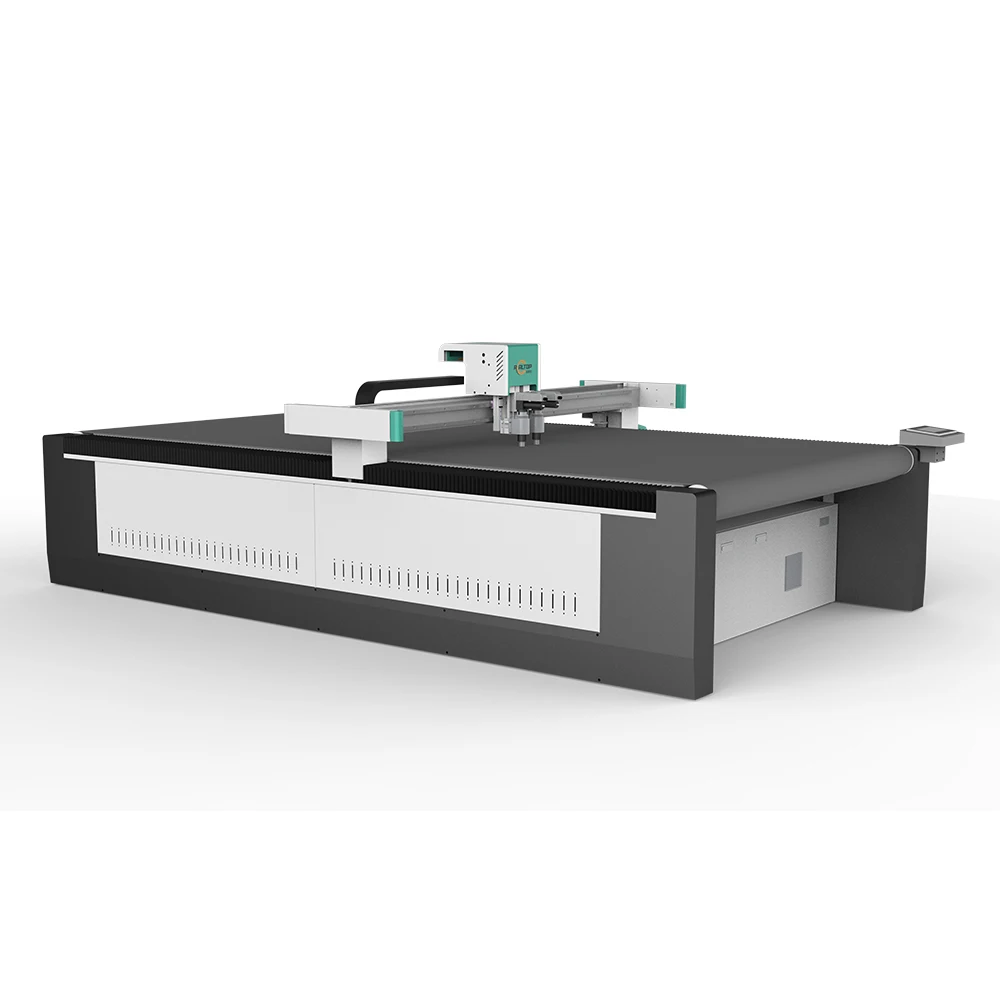
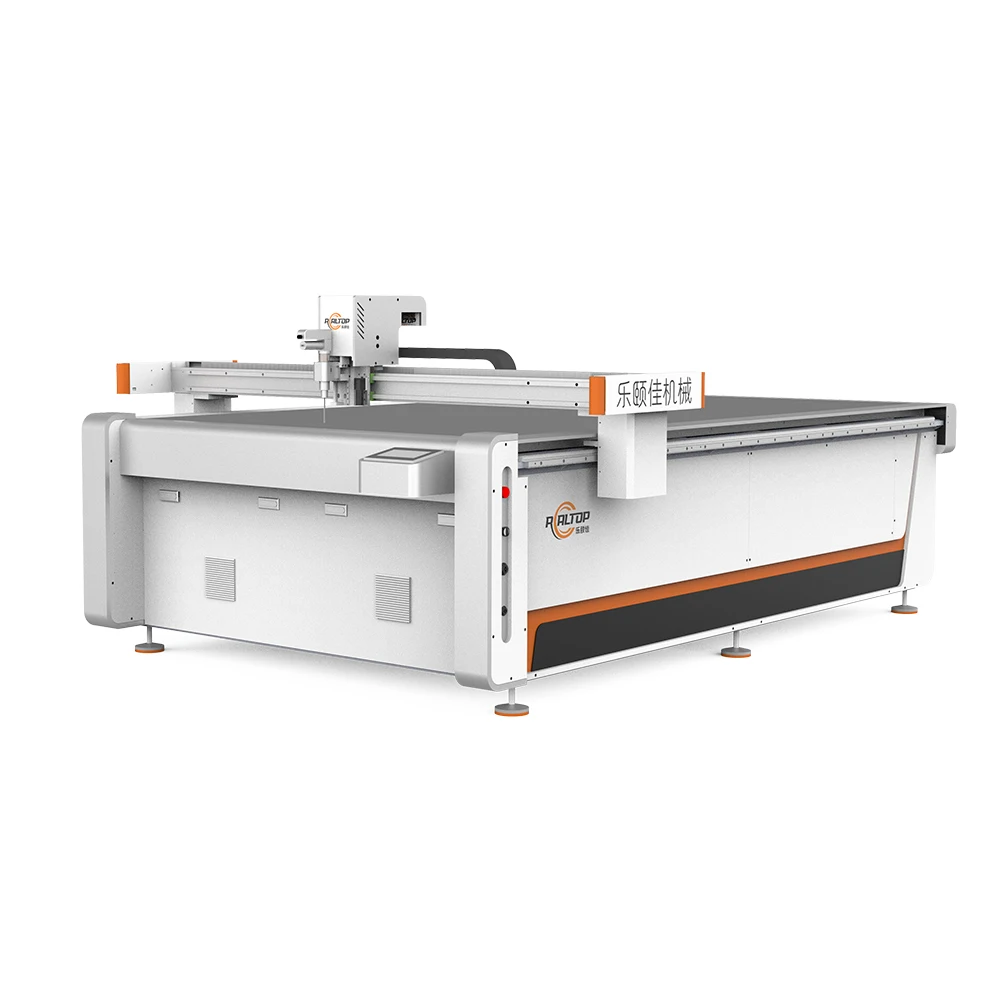
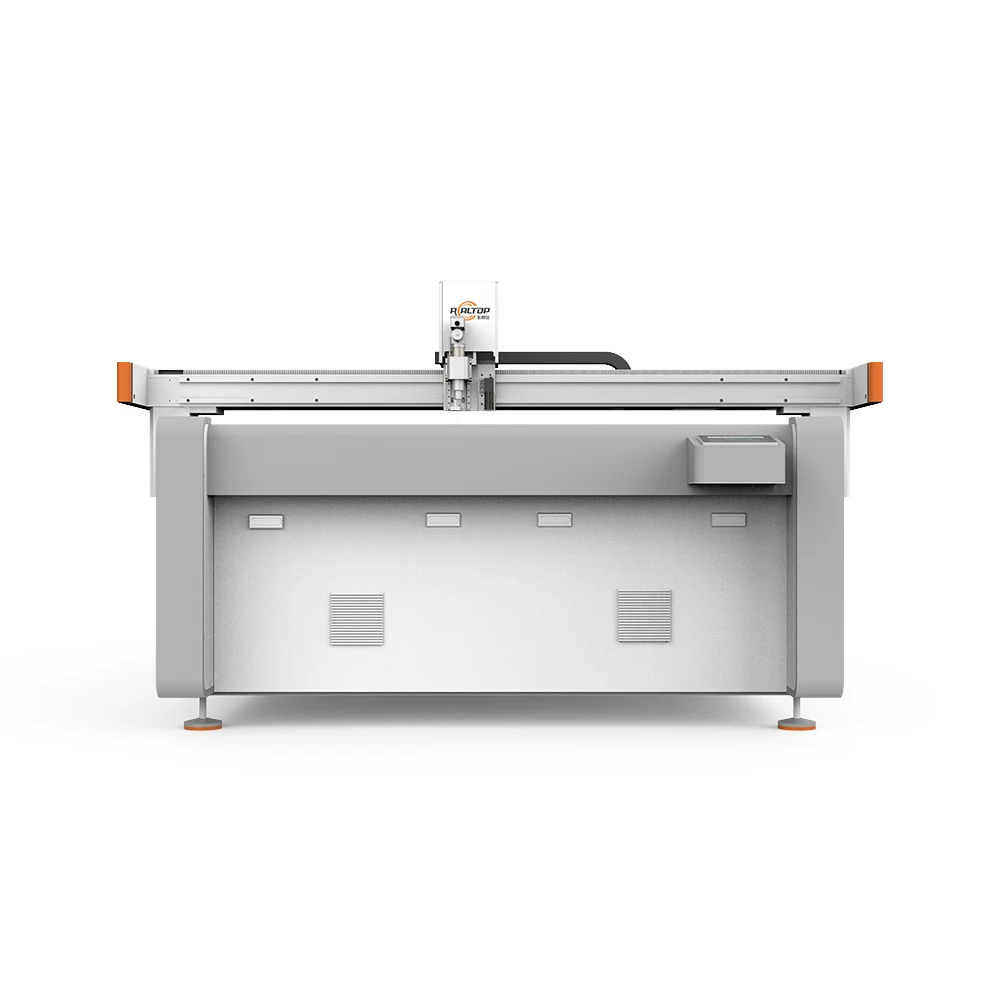
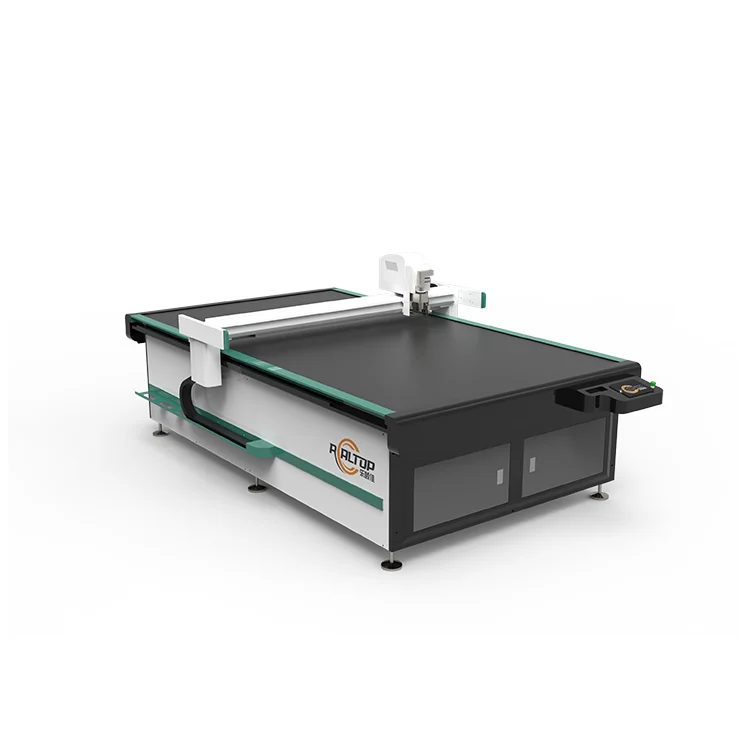
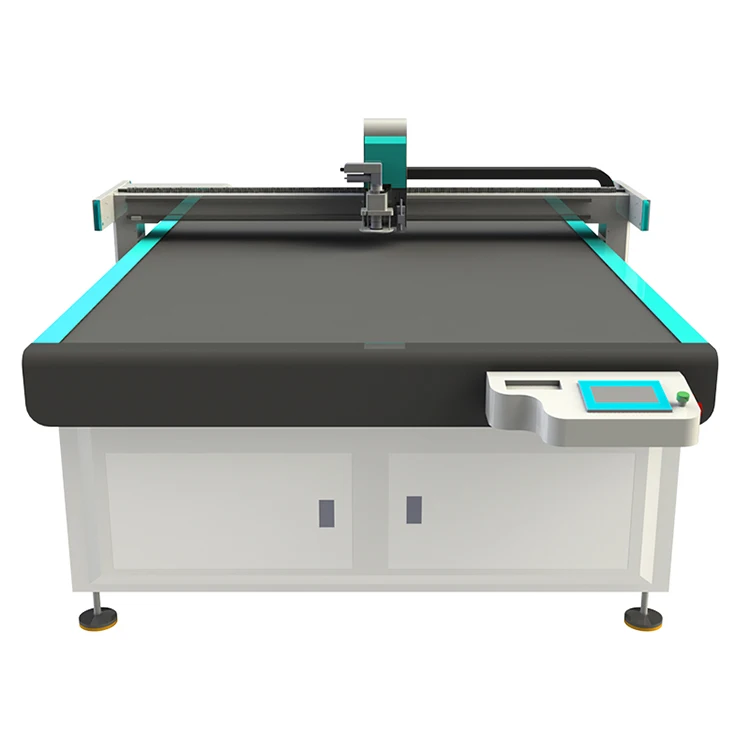
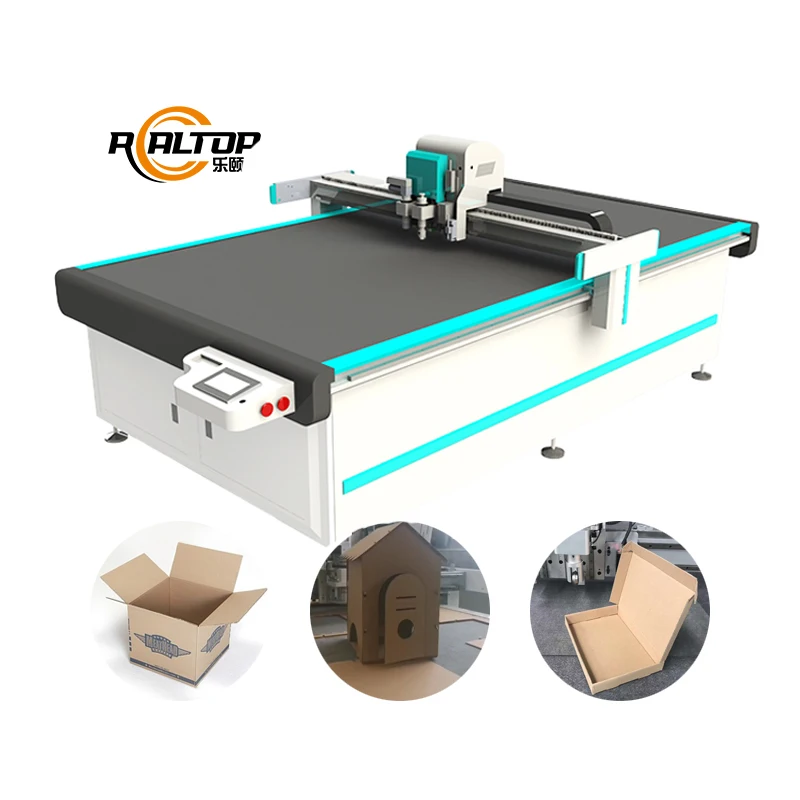
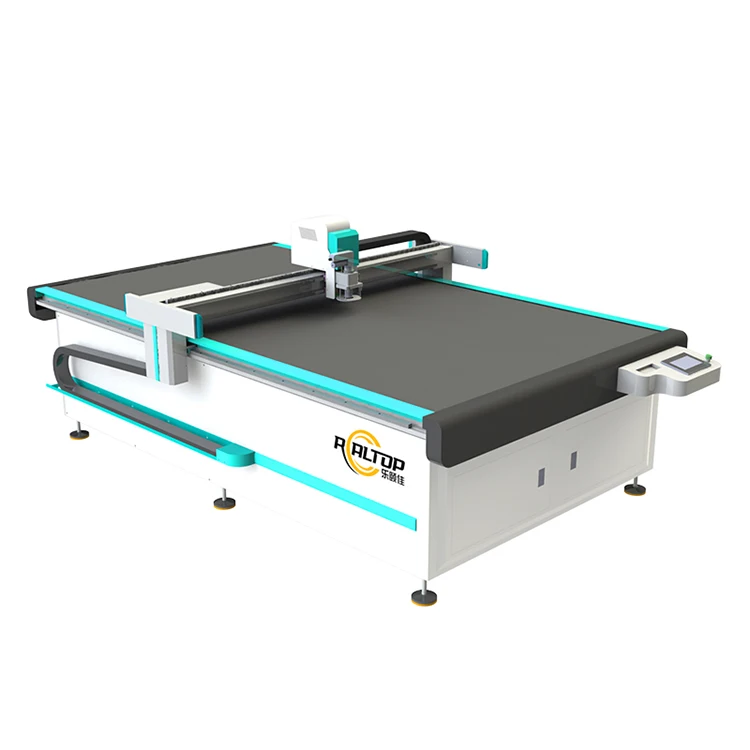
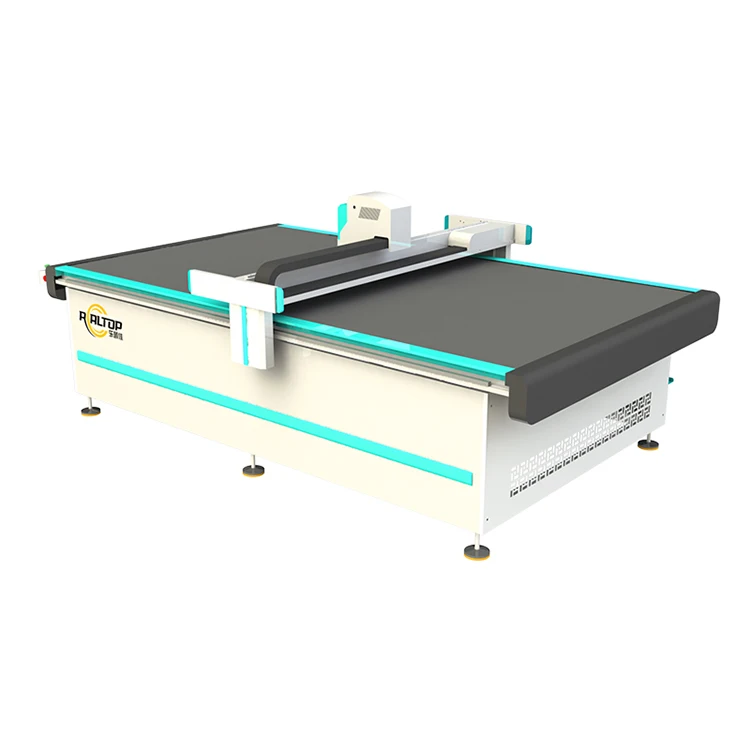
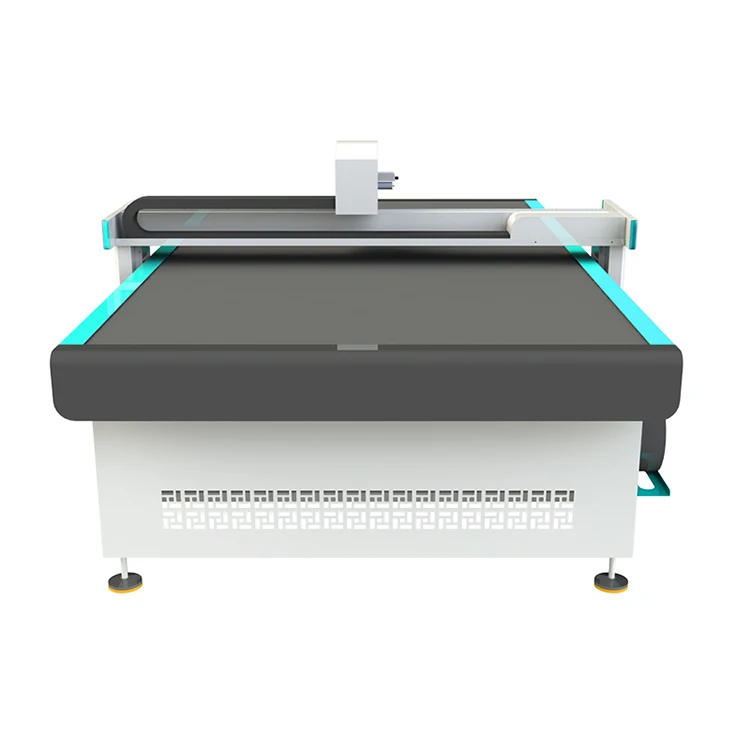
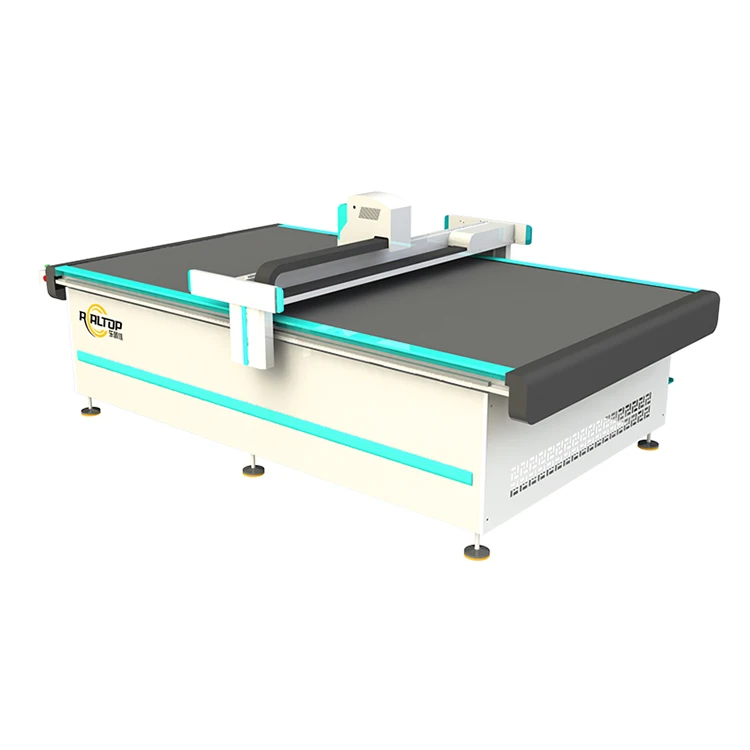
| Product Type | CNC Oscillating Knife Cutting Machine |
| Working Area | 1600×2500 mm |
| Machine Size | 3450×2300×1250 mm |
| Rated Power | 9 kW |
| Vacuum Pump | 7.5 kW |
| Cutting Thickness | Up to 100 mm (varies with material) |
| Translational Velocity | 800–2000 mm/s |
| Cutting Speed | 200–800 mm/s (depends on material density and blade selection) |
| Repeated Accuracy | ≤0.1 mm |
| Transmission System | Digital servo motor, linear guide, synchronous belt, ball screw |
| Servo Motor Brand | Delta (optional Panasonic) |
| Servo Motor IP Rating | IP67 |
| Linear Guide | Taiwan Hiwin rail |
| Vacuum Table | Magnesium-aluminum alloy, PVDF powder spraying, anodic and hard oxidation |
| Conveyor Belt | Germany imported |
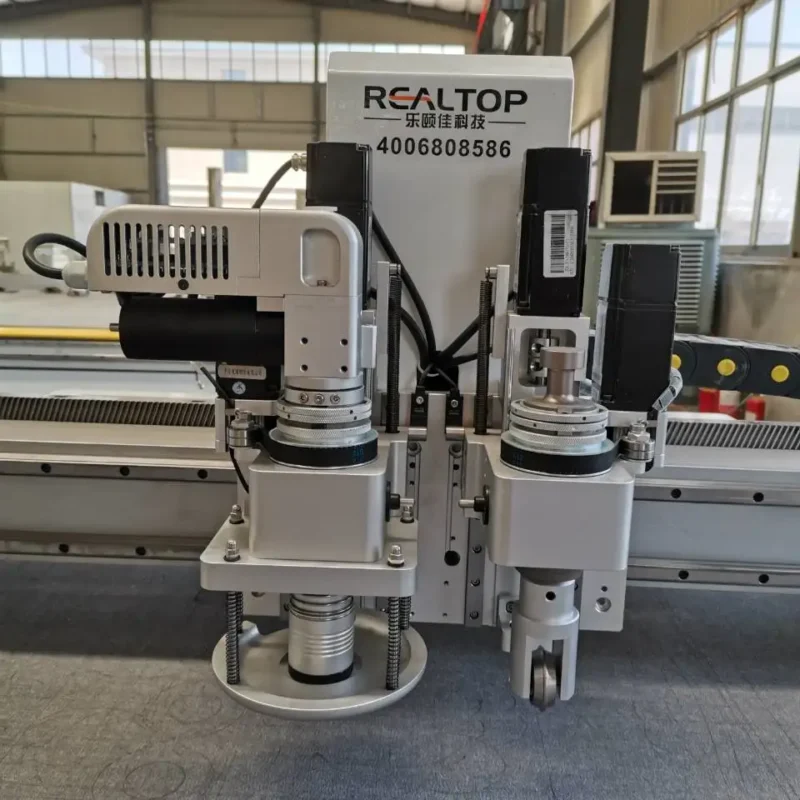
| Tool Head Options | Oscillating knife, pneumatic knife, high-power vibrating knife, circular knife, V cutting knife, drag knife, creasing wheel, dotted line knife, punching, brush |
| CCD Camera Options | Small CCD mark-point positioning / panoramic camera recognition / projection positioning |
| Instruction System | HP-GL compatible format |
| Voltage | 380V ±10% |
| Safety Device | Infrared sensors |
| Frame | Thick-walled seamless steel structure, high-temperature tempering, CNC machining center finish |
| Standards | CE declaration where applicable |
Application Suitability
| Application | Material or Output |
|---|---|
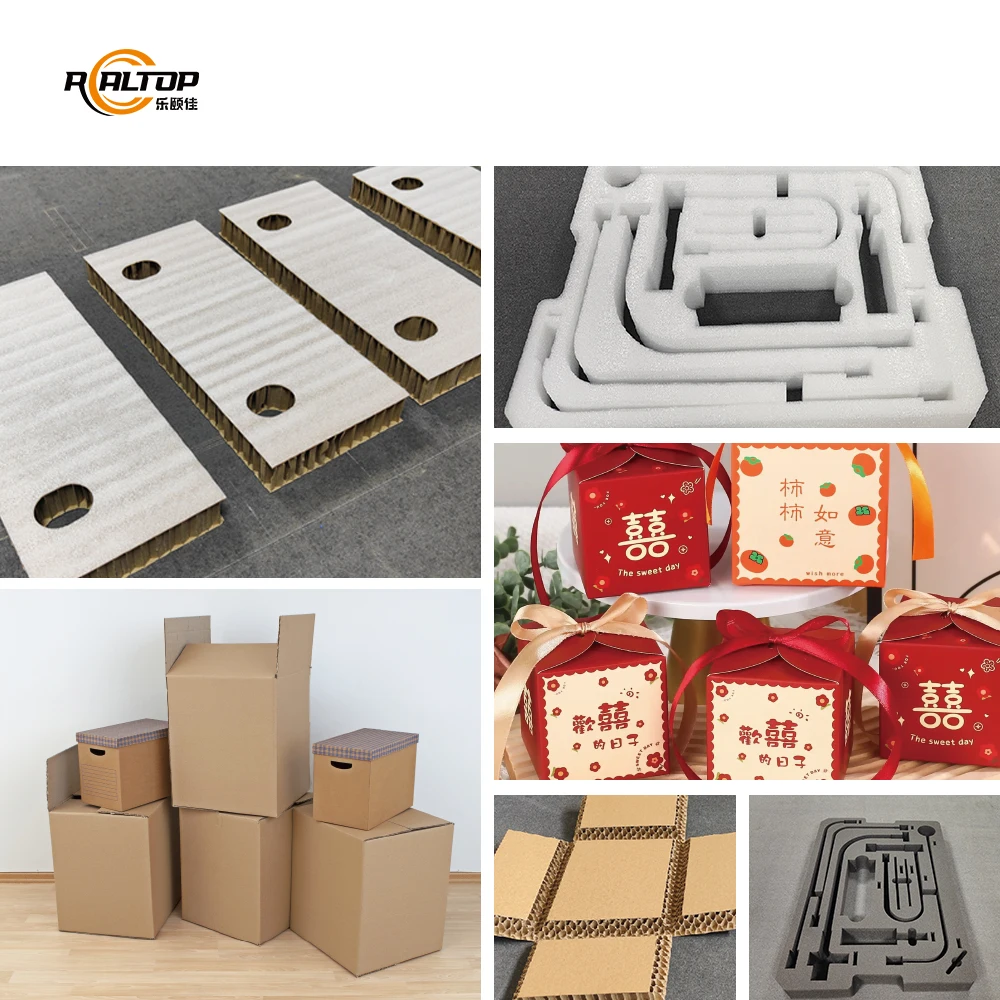
| Composite panel fabrication | Glass-fiber reinforced PVC, foam-core laminates, sandwich boards |
| Automotive interior components | PU foam sheets, leather-wrapped composite panels, sound insulation layers |
| Footwear and leather goods | Sponge composite leather, flexible PVC sheets, synthetic leather with textile backing |
| Gasket and seal production | Rubber sheets, silicone composites, cork-rubber blends |
| Signage and soft film graphics | PVC flex banner, acrylic film overlays, self-adhesive vinyl on composite substrates |
Why Material Thickness Changes the Cutting Strategy
When a CNC oscillating knife cutting machine manufacturer quotes a working area, that number says nothing about whether the blade can shear through a 15 mm foam-core composite without delaminating the top skin. Configuration must start from the material cross-section, not the table dimension.
I have watched buyers specify a 1600×2500 mm bed and assume the machine handles any sheet that fits. Six weeks later, the oscillating head stalls halfway through a glass-fiber PVC stack, the edge delaminates, and the vacuum zone loses grip on small off-cuts. The fix is never a bigger table. It is the correct tool head, the right vacuum zoning, and a blade that matches the material’s shear strength rather than its thickness alone [NEED_CITE: composite delamination failure modes in oscillating knife cutting].
Matching Blade Type to Composite Layer Structure
A composite is never one material; it is a stack of layers that respond differently to lateral blade force. Oscillating knife heads slice through foam and textile interlayers cleanly, while drag knives handle dense PVC top skins without tearing the weave. The RT-D2516/RT-S2516 offers oscillating knife, pneumatic knife, high-power vibrating knife, circular knife, V cutting knife, and drag knife on a single multifunctional head. Selecting the correct tool for each composite stack eliminates ragged edges that downstream lamination presses will reject.
Vacuum Zoning and Small-Part Hold-Down
Large-format composite sheets stay flat under full-table suction, but once nesting software cuts a gasket contour and leaves a 60×40 mm off-cut, that piece lifts, shifts, and jams the blade. The magnesium-aluminum alloy table on this CNC flatbed digital cutting table for sale is divided into suction zones controlled independently. The 7.5 kW vacuum pump maintains negative pressure across active zones while inactive zones close, keeping small composite parts locked during the final pass.
Specs That Determine Real Output Quality
The 1600×2500 mm working area accommodates full composite sheets common in automotive interior and signage supply chains. The IP67-rated Delta servo motors resist dust ingress from glass-fiber and foam particulates, which accumulate inside cabinet enclosures on lesser machines and cause positional drift over a shift. Repeated accuracy at ≤0.1 mm means a nesting pattern cut at the start of a production run aligns with the pattern cut hours later, a requirement when composite panels go into multi-piece assemblies. The thick-walled seamless steel frame, finished on a CNC machining center after high-temperature tempering, resists deflection under the lateral forces an oscillating knife exerts on high-density composites. HP-GL format compatibility lets buyers import files from their existing CAD workflow without conversion middleware [NEED_CITE: HP-GL compatibility across composite nesting software platforms].
The Cost of Skipping Material Trials
A composite that cuts cleanly at sample thickness may tear or delaminate at production thickness. Without a trial on the buyer’s actual sheet, the tool head selection is a guess. I have seen a customer receive a machine configured for soft PVC film, then load glass-fiber reinforced rigid composite onto the bed. The oscillating knife edge wore through within a shift, edges frayed, and the production line stalled waiting for replacement blades and a new tool head recommendation. The fix required shipping a high-power vibrating knife assembly and re-running vacuum zoning tests, all after the machine was already installed overseas [NEED_CITE: tooling mismatch consequences in composite cutting].
What Buyers Gain by Sourcing Here
In-house design covers both knife and laser cutting, so a composite fabricator can evaluate which method suits the material before committing to one technology. Tool head and vacuum table configurations are specified per material sample, not picked from a default menu. CCD camera contour recognition options — small mark-point, panoramic, and projection — support printed composite sheets where registration accuracy determines whether a cut contour aligns with a printed graphic. Software format and nesting workflow compatibility are confirmed before order placement. Voltage, control language, and plug type are documented and verified prior to shipment, preventing on-site wiring delays.
Documentation & Verification
- Machine specification sheet listing working area, tool head options, and vacuum zoning map
- Sample cutting report on buyer’s own composite material before order confirmation
- Electrical schematic with 380V ±10% wiring diagram and dedicated circuit requirements
- Software licence and HP-GL file format compatibility note for buyer’s nesting workflow
- Factory test record with repeated accuracy measurement on buyer-specified composite stock
- Spare parts list matched to selected tool head and blade type
Installation, Commissioning & Support
- 3450×2300×1250 mm machine footprint requires level concrete floor rated for 9 kW plus 7.5 kW vacuum pump load
- 380V ±10% dedicated circuit with correct phase rotation verified before servo motor commissioning
- Delta or Panasonic servo motor IP67 seals inspected after transit before first power-on
- Vacuum table zoning tested with buyer’s composite off-cut sizes to confirm suction distribution
- Operator training covers tool head changeover procedure across oscillating, drag, and pneumatic knife options
- Hiwin linear guide rail lubrication schedule and belt tension check intervals documented
Preparing Your Inquiry
Send the composite material type, layer structure, total thickness, and sheet dimensions so the tool head and vacuum zoning can be matched before quotation. Confirm the local voltage supply, frequency, and preferred control language. If printed contour cutting is required, share a sample graphic file so CCD camera positioning can be tested against your registration marks [NEED_CITE: CCD registration accuracy requirements for printed composite cutting].
Frequently Asked Questions
Q: Should I choose oscillating knife or laser for my composite material?
A: Oscillating knife is preferred for layered composites containing textile, foam, or glass-fiber interlayers because the blade shears each layer without melting edges. Laser suits single-material synthetics where edge sealing is beneficial. We test both methods on your sample material to confirm which delivers acceptable edge quality and throughput before you commit.
Q: Which tool head handles PVC film composites versus glass-fiber reinforced panels?
A: Soft PVC film composites cut cleanly with a standard oscillating knife. Glass-fiber reinforced rigid panels require a high-power vibrating knife to maintain blade life and edge integrity. The multifunctional head accepts both, and tool selection is confirmed during sample cutting on your actual material before shipment.
Q: How does CCD camera positioning help when cutting printed composite sheets?
A: CCD options include small mark-point, panoramic, and projection positioning. Each tracks printed registration marks to align cut contours with graphics. The correct option depends on your print density, mark size, and production speed. We verify contour tracking accuracy on your printed composite samples before finalizing the camera specification.
Q: What voltage and control language options are available for international installations?
A: The standard supply is 380V ±10%, configurable for destination market requirements. Control language and plug type are confirmed during the order process and documented in the electrical schematic. Buyers should provide local voltage, frequency, and language preference before quotation to avoid post-shipment modifications.
Q: How do I confirm the machine handles my composite thickness and sheet size?
A: Provide material type, layer composition, total thickness, and maximum sheet dimensions with your inquiry. We run sample cutting on your actual material using the proposed tool head and vacuum zoning configuration, then share a cutting report before you commit to an order.
In-house knife and laser design — buyers specify the cutting method that actually matches the composite, rather than forcing every material through a single blade or beam.
Technical Specifications
| Parameter | Value |
|---|---|
| Model | RT-D2516/RT-S2516 |
| Product Type | CNC Oscillating Knife Cutting Machine |
| Working Area | 1600×2500 mm |
| Machine Size | 3450×2300×1250 mm |
| Rated Power | 9 kW |
| Vacuum Pump | 7.5 kW |
| Cutting Thickness | Up to 100 mm (varies with material) |
| Translational Velocity | 800–2000 mm/s |
| Cutting Speed | 200–800 mm/s (depends on material density and blade selection) |
| Repeated Accuracy | ≤0.1 mm |
| Transmission System | Digital servo motor, linear guide, synchronous belt, ball screw |
| Servo Motor Brand | Delta (optional Panasonic) |
| Servo Motor IP Rating | IP67 |
| Linear Guide | Taiwan Hiwin rail |
| Vacuum Table | Magnesium-aluminum alloy, PVDF powder spraying, anodic and hard oxidation |
| Conveyor Belt | Germany imported |
| Tool Head Options | Oscillating knife, pneumatic knife, high-power vibrating knife, circular knife, V cutting knife, drag knife, creasing wheel, dotted line knife, punching, brush |
| CCD Camera Options | Small CCD mark-point positioning / panoramic camera recognition / projection positioning |
| Instruction System | HP-GL compatible format |
| Voltage | 380V ±10% |
| Safety Device | Infrared sensors |
| Frame | Thick-walled seamless steel structure, high-temperature tempering, CNC machining center finish |
| Standards | CE declaration where applicable |
Application Suitability
| Application | Material or Output |
|---|---|
| Composite panel fabrication | Glass-fiber reinforced PVC, foam-core laminates, sandwich boards |
| Automotive interior components | PU foam sheets, leather-wrapped composite panels, sound insulation layers |
| Footwear and leather goods | Sponge composite leather, flexible PVC sheets, synthetic leather with textile backing |
| Gasket and seal production | Rubber sheets, silicone composites, cork-rubber blends |
| Signage and soft film graphics | PVC flex banner, acrylic film overlays, self-adhesive vinyl on composite substrates |
Why Material Thickness Changes the Cutting Strategy
When a CNC oscillating knife cutting machine manufacturer quotes a working area, that number says nothing about whether the blade can shear through a 15 mm foam-core composite without delaminating the top skin. Configuration must start from the material cross-section, not the table dimension.
I have watched buyers specify a 1600×2500 mm bed and assume the machine handles any sheet that fits. Six weeks later, the oscillating head stalls halfway through a glass-fiber PVC stack, the edge delaminates, and the vacuum zone loses grip on small off-cuts. The fix is never a bigger table. It is the correct tool head, the right vacuum zoning, and a blade that matches the material’s shear strength rather than its thickness alone [NEED_CITE: composite delamination failure modes in oscillating knife cutting].
Matching Blade Type to Composite Layer Structure
A composite is never one material; it is a stack of layers that respond differently to lateral blade force. Oscillating knife heads slice through foam and textile interlayers cleanly, while drag knives handle dense PVC top skins without tearing the weave. The RT-D2516/RT-S2516 offers oscillating knife, pneumatic knife, high-power vibrating knife, circular knife, V cutting knife, and drag knife on a single multifunctional head. Selecting the correct tool for each composite stack eliminates ragged edges that downstream lamination presses will reject.
Vacuum Zoning and Small-Part Hold-Down
Large-format composite sheets stay flat under full-table suction, but once nesting software cuts a gasket contour and leaves a 60×40 mm off-cut, that piece lifts, shifts, and jams the blade. The magnesium-aluminum alloy table on this CNC flatbed digital cutting table for sale is divided into suction zones controlled independently. The 7.5 kW vacuum pump maintains negative pressure across active zones while inactive zones close, keeping small composite parts locked during the final pass.
Specs That Determine Real Output Quality
The 1600×2500 mm working area accommodates full composite sheets common in automotive interior and signage supply chains. The IP67-rated Delta servo motors resist dust ingress from glass-fiber and foam particulates, which accumulate inside cabinet enclosures on lesser machines and cause positional drift over a shift. Repeated accuracy at ≤0.1 mm means a nesting pattern cut at the start of a production run aligns with the pattern cut hours later, a requirement when composite panels go into multi-piece assemblies. The thick-walled seamless steel frame, finished on a CNC machining center after high-temperature tempering, resists deflection under the lateral forces an oscillating knife exerts on high-density composites. HP-GL format compatibility lets buyers import files from their existing CAD workflow without conversion middleware [NEED_CITE: HP-GL compatibility across composite nesting software platforms].
The Cost of Skipping Material Trials
A composite that cuts cleanly at sample thickness may tear or delaminate at production thickness. Without a trial on the buyer’s actual sheet, the tool head selection is a guess. I have seen a customer receive a machine configured for soft PVC film, then load glass-fiber reinforced rigid composite onto the bed. The oscillating knife edge wore through within a shift, edges frayed, and the production line stalled waiting for replacement blades and a new tool head recommendation. The fix required shipping a high-power vibrating knife assembly and re-running vacuum zoning tests, all after the machine was already installed overseas [NEED_CITE: tooling mismatch consequences in composite cutting].
What Buyers Gain by Sourcing Here
In-house design covers both knife and laser cutting, so a composite fabricator can evaluate which method suits the material before committing to one technology. Tool head and vacuum table configurations are specified per material sample, not picked from a default menu. CCD camera contour recognition options — small mark-point, panoramic, and projection — support printed composite sheets where registration accuracy determines whether a cut contour aligns with a printed graphic. Software format and nesting workflow compatibility are confirmed before order placement. Voltage, control language, and plug type are documented and verified prior to shipment, preventing on-site wiring delays.
Documentation & Verification
- Machine specification sheet listing working area, tool head options, and vacuum zoning map
- Sample cutting report on buyer’s own composite material before order confirmation
- Electrical schematic with 380V ±10% wiring diagram and dedicated circuit requirements
- Software licence and HP-GL file format compatibility note for buyer’s nesting workflow
- Factory test record with repeated accuracy measurement on buyer-specified composite stock
- Spare parts list matched to selected tool head and blade type
Installation, Commissioning & Support
- 3450×2300×1250 mm machine footprint requires level concrete floor rated for 9 kW plus 7.5 kW vacuum pump load
- 380V ±10% dedicated circuit with correct phase rotation verified before servo motor commissioning
- Delta or Panasonic servo motor IP67 seals inspected after transit before first power-on
- Vacuum table zoning tested with buyer’s composite off-cut sizes to confirm suction distribution
- Operator training covers tool head changeover procedure across oscillating, drag, and pneumatic knife options
- Hiwin linear guide rail lubrication schedule and belt tension check intervals documented
Preparing Your Inquiry
Send the composite material type, layer structure, total thickness, and sheet dimensions so the tool head and vacuum zoning can be matched before quotation. Confirm the local voltage supply, frequency, and preferred control language. If printed contour cutting is required, share a sample graphic file so CCD camera positioning can be tested against your registration marks [NEED_CITE: CCD registration accuracy requirements for printed composite cutting].
Frequently Asked Questions
Q: Should I choose oscillating knife or laser for my composite material?
A: Oscillating knife is preferred for layered composites containing textile, foam, or glass-fiber interlayers because the blade shears each layer without melting edges. Laser suits single-material synthetics where edge sealing is beneficial. We test both methods on your sample material to confirm which delivers acceptable edge quality and throughput before you commit.
Q: Which tool head handles PVC film composites versus glass-fiber reinforced panels?
A: Soft PVC film composites cut cleanly with a standard oscillating knife. Glass-fiber reinforced rigid panels require a high-power vibrating knife to maintain blade life and edge integrity. The multifunctional head accepts both, and tool selection is confirmed during sample cutting on your actual material before shipment.
Q: How does CCD camera positioning help when cutting printed composite sheets?
A: CCD options include small mark-point, panoramic, and projection positioning. Each tracks printed registration marks to align cut contours with graphics. The correct option depends on your print density, mark size, and production speed. We verify contour tracking accuracy on your printed composite samples before finalizing the camera specification.
Q: What voltage and control language options are available for international installations?
A: The standard supply is 380V ±10%, configurable for destination market requirements. Control language and plug type are confirmed during the order process and documented in the electrical schematic. Buyers should provide local voltage, frequency, and language preference before quotation to avoid post-shipment modifications.
Q: How do I confirm the machine handles my composite thickness and sheet size?
A: Provide material type, layer composition, total thickness, and maximum sheet dimensions with your inquiry. We run sample cutting on your actual material using the proposed tool head and vacuum zoning configuration, then share a cutting report before you commit to an order.
商品评价
There are no reviews yet.