

Fast Delivery
Quick, reliable shipping to any location.

Free & easy returns
Return this item by mail or in store within 90 days for a full refund.
Material-Driven Configuration — Every tool head and table setting is matched to the buyer’s actual sample rather than a generic material category.
Technical Specifications
| Parameter | Value |
|---|---|
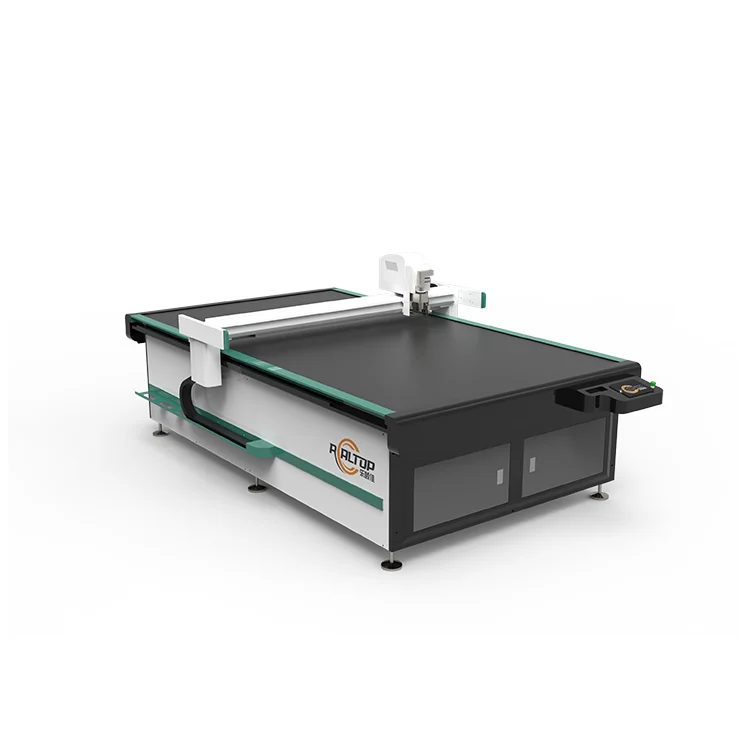
| Model | RT-D2516/RT-S2516 |
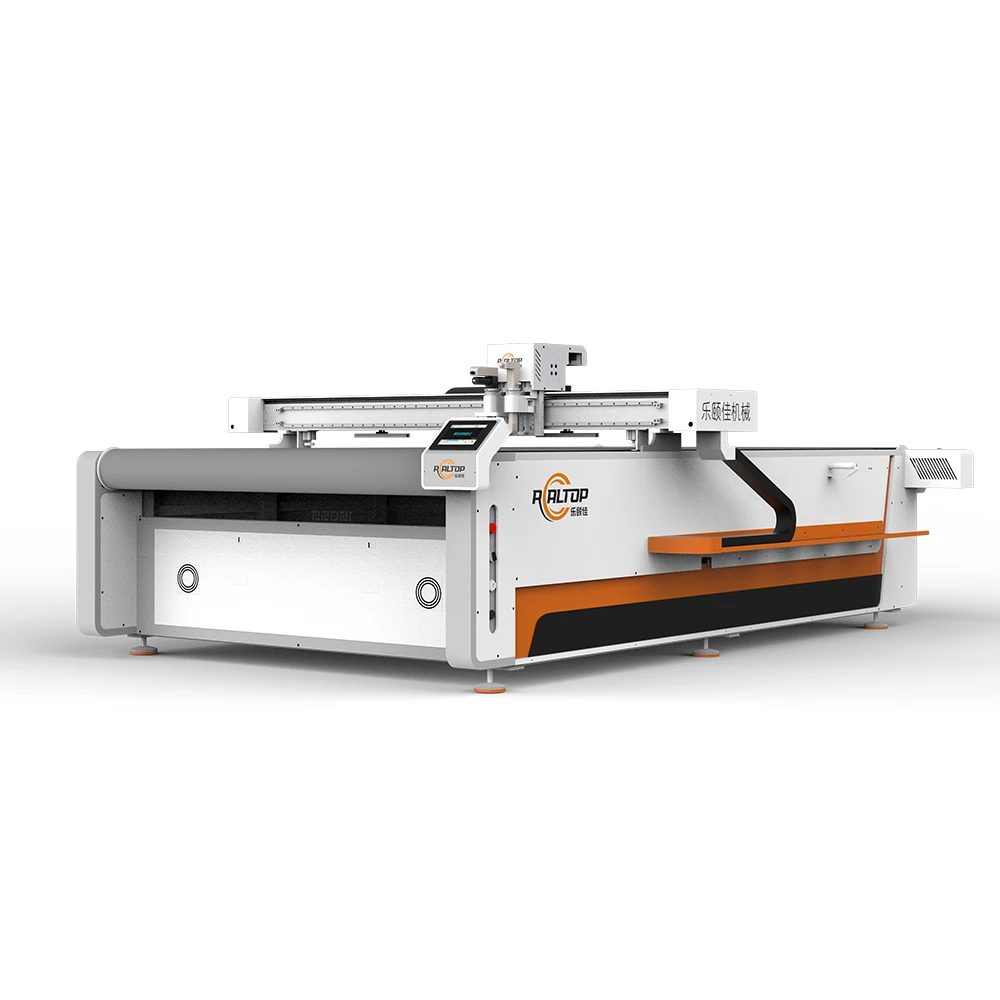
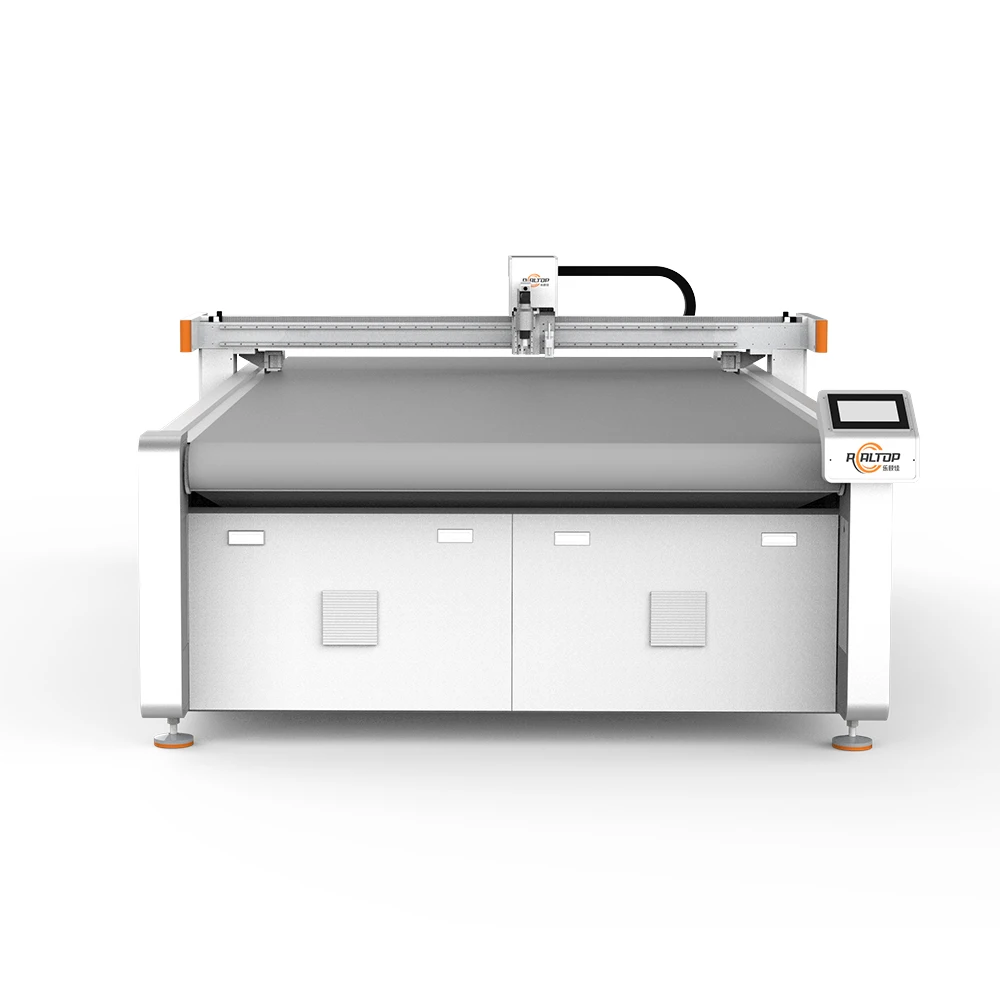
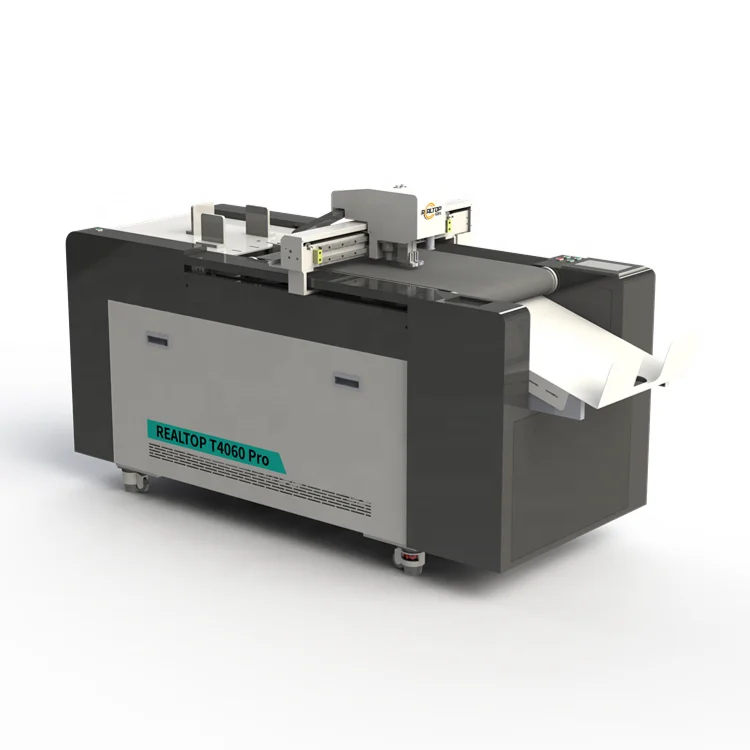
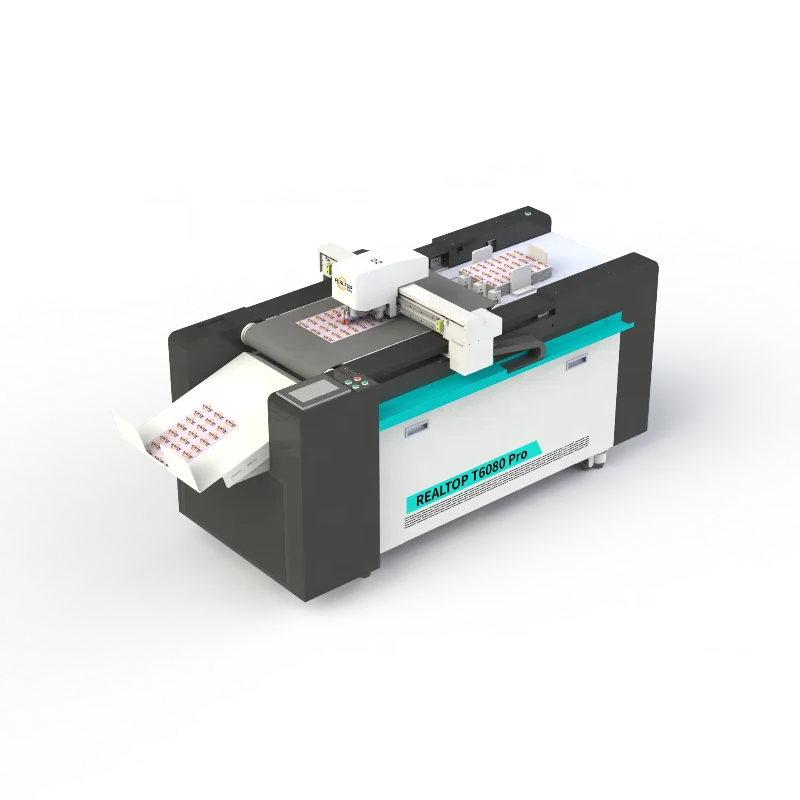
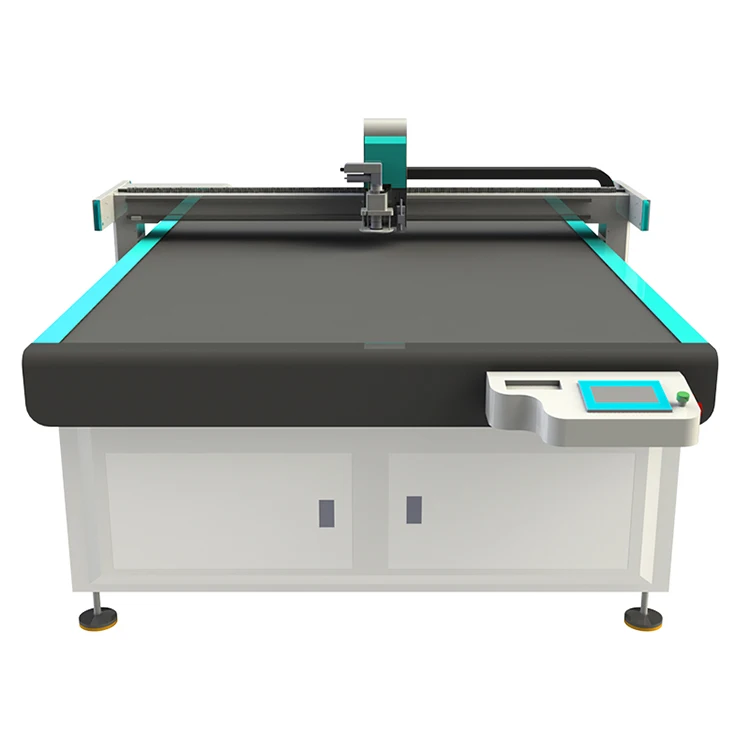
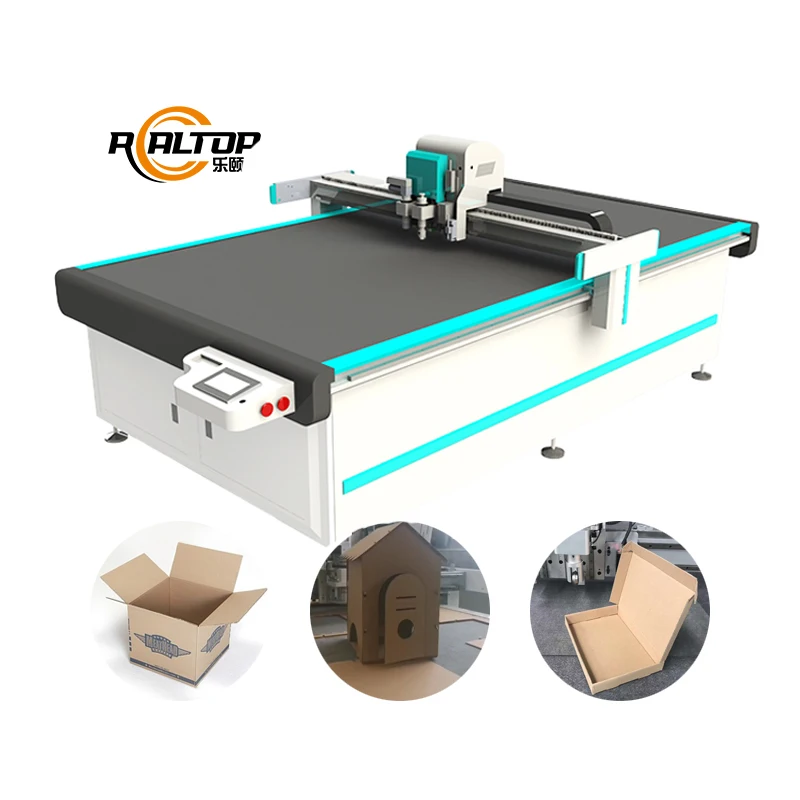
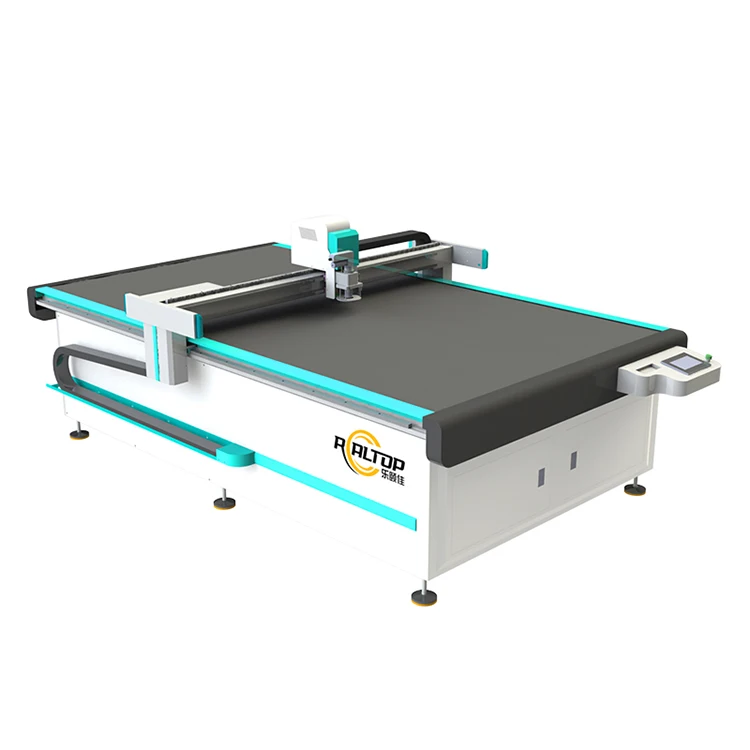
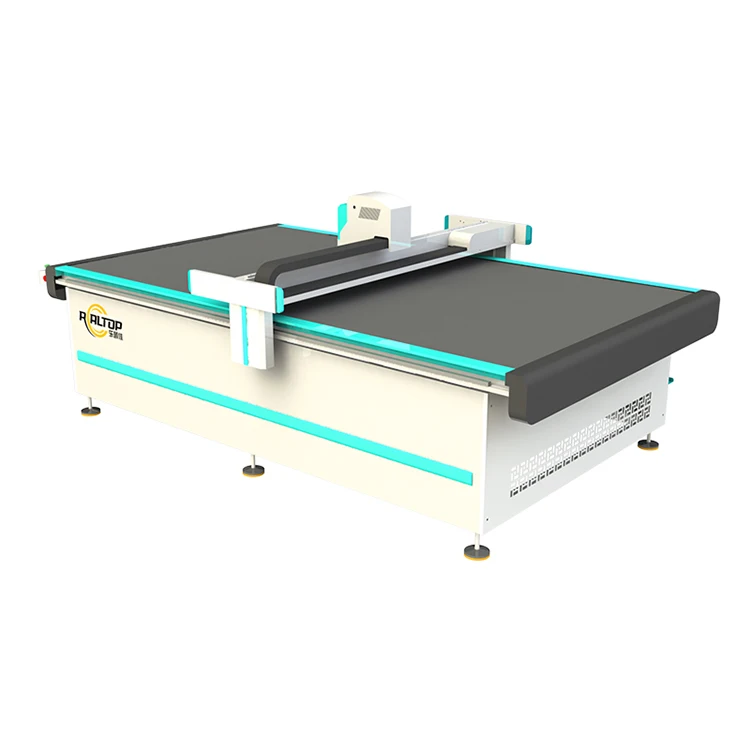
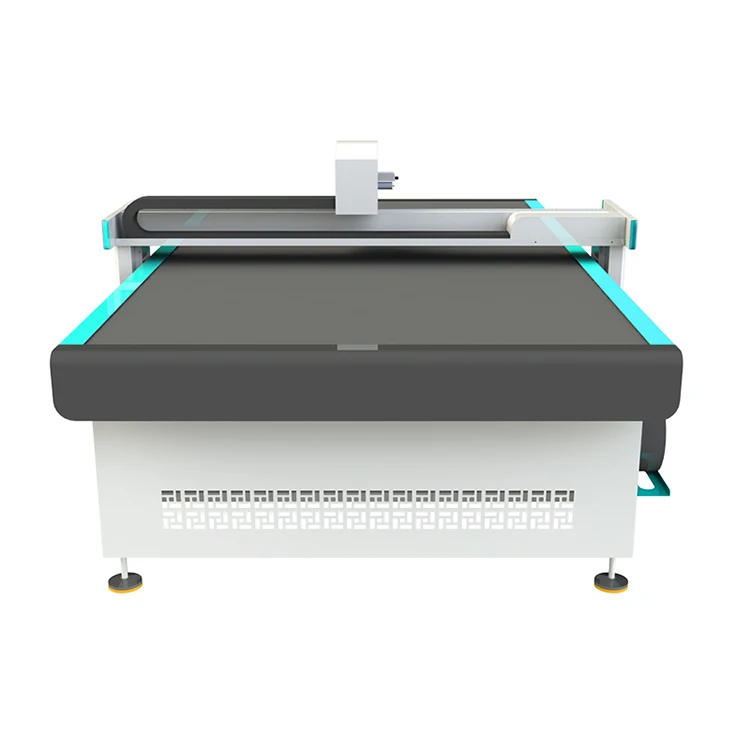
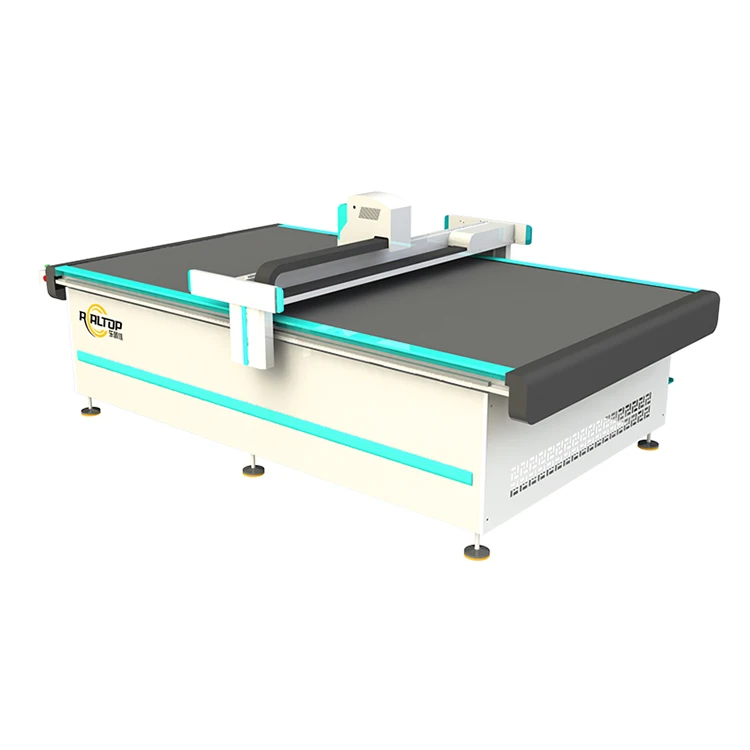
| Product Type | CNC Oscillating Knife Cutting Machine |
| Working Area | 1600×2500 mm |
| Machine Size | 3450×2300×1250 mm |
| Rated Power | 9 kW |
| Voltage | 380V ±10% (frequency to be confirmed: 50/60 Hz) |
| Translational Velocity | 800–2000 mm/s |
| Cutting Speed | 200–800 mm/s (varies according to material type and thickness) |
| Cutting Thickness | ≤100 mm (material dependent) |
| Repeated Accuracy | ≤0.1 mm |
| Transmission System | Digital servo motor, linear guide, synchronous belt, ball screw |
| Servo Motor Brand | Delta or Panasonic (optional) |
| Vacuum Pump | 7.5 kW |
| Vacuum Table | Magnesium-aluminum alloy, fluorocarbon PVDF powder spraying, anodic oxidation |
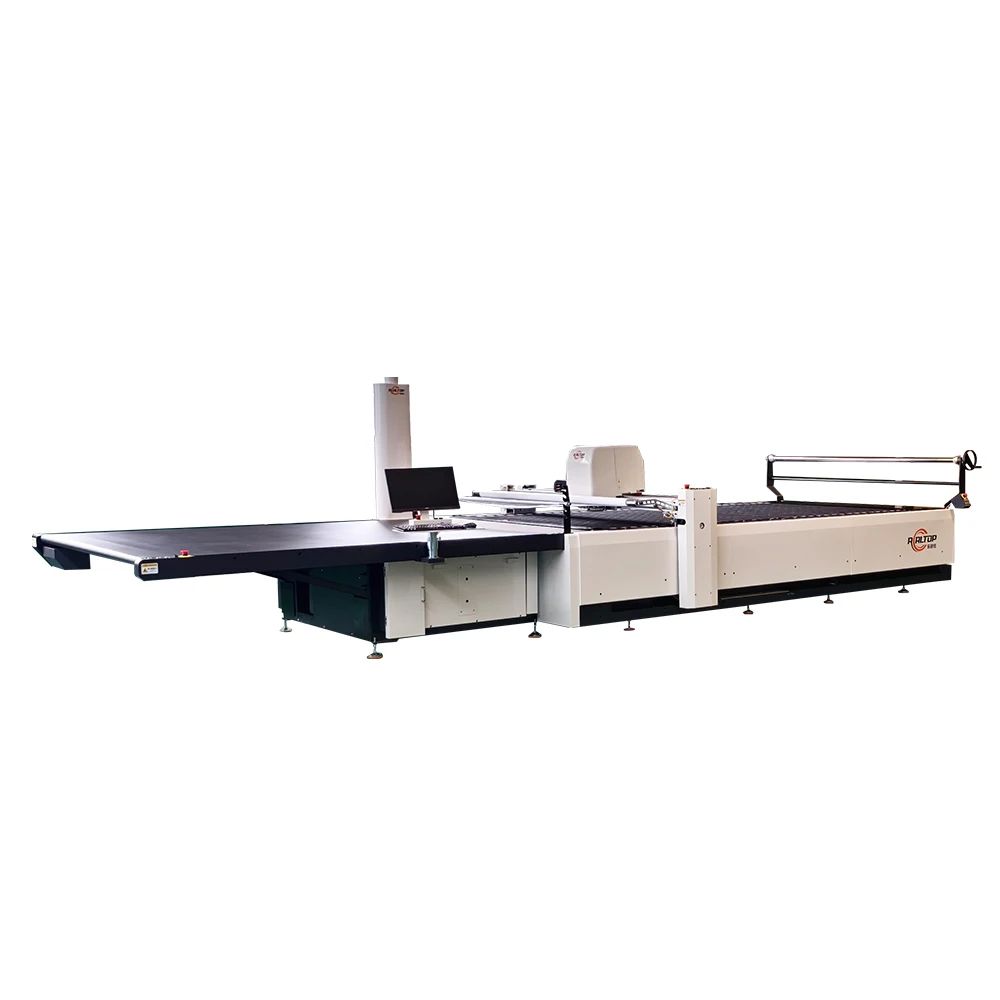
| Table Type Options | Flat working table or auto feeding table |
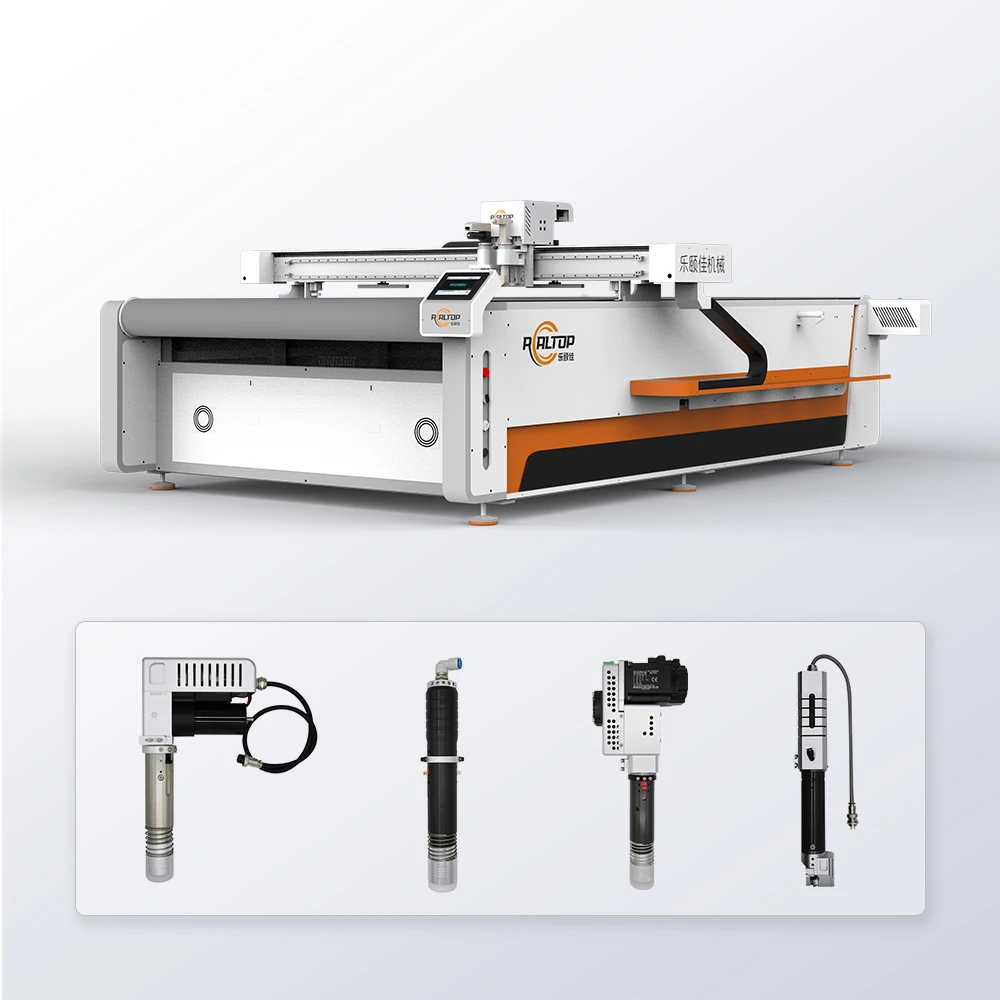
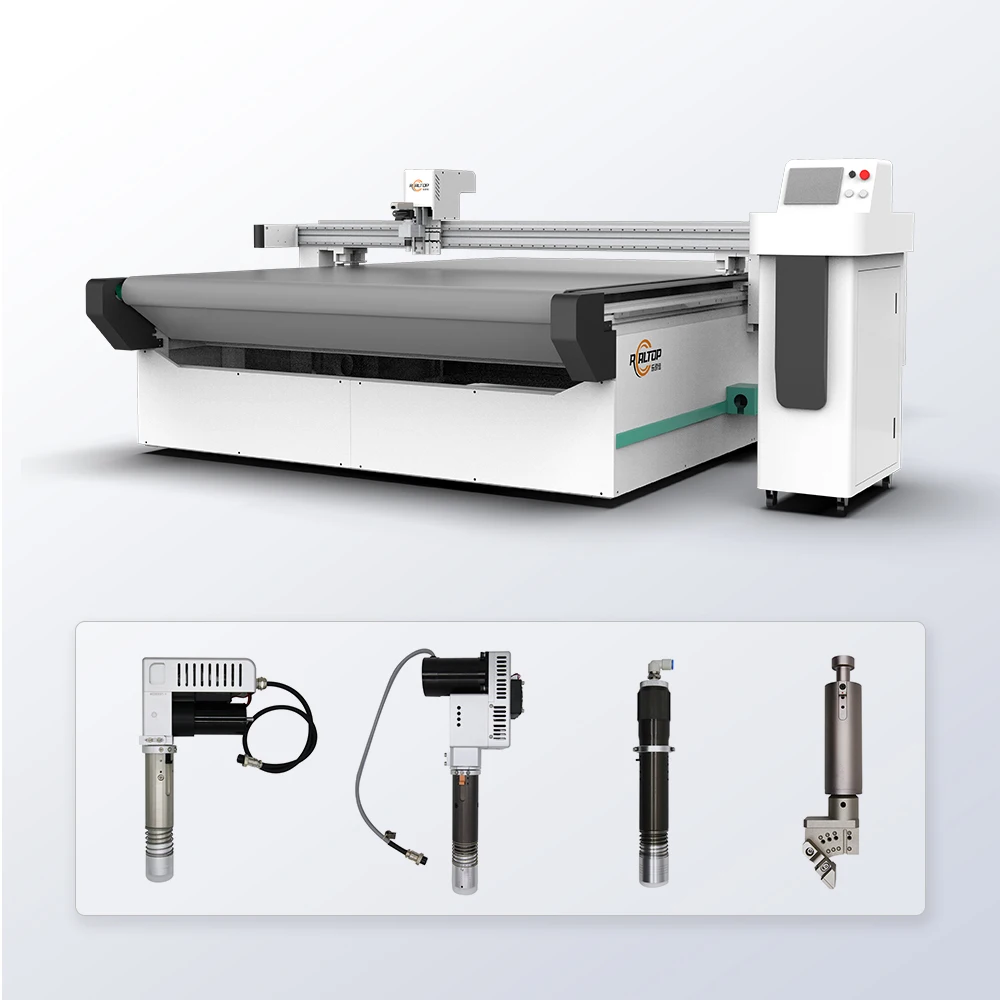
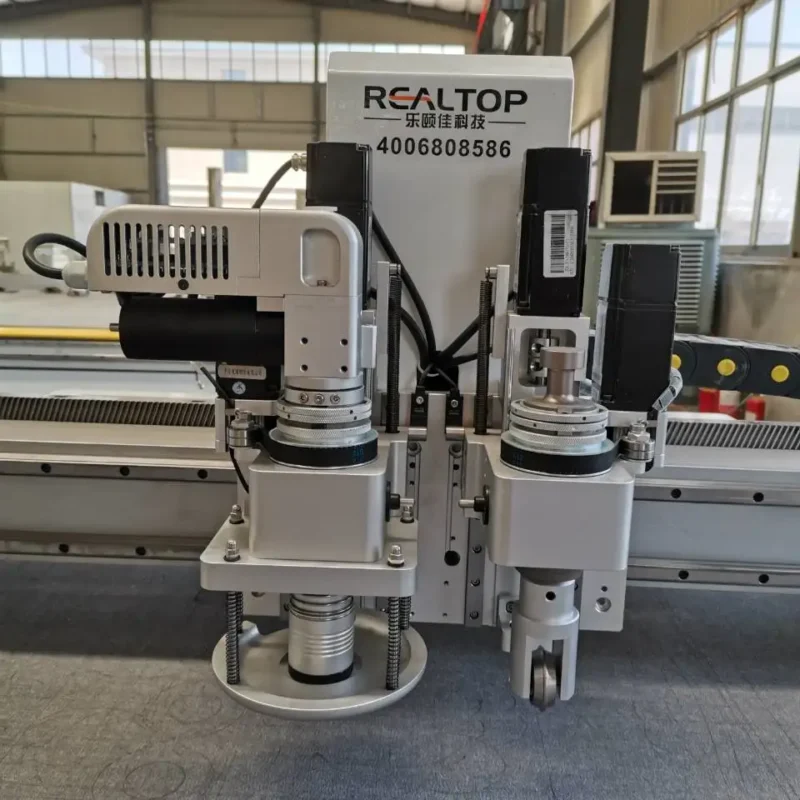
| Tool Head Types | Swiss imported knife (vibration full cutting, vibration half cutting, cursor location); optional heads include oscillating knife, pneumatic knife, high-power vibrating knife, circular knife, V-cutting knife, drag knife, creasing wheel, dotted line knife, punching, brush |
| Visual Positioning Options | Small CCD camera mark point positioning, panoramic camera recognition, projection positioning |
| Control System | Touch screen control panel, multi-language supported |
| Language Options | English, Russian, Italian, Chinese; special languages customizable |
| Software Compatibility | PLT, DXF, AI, HP-GL compatible format |
| Safety Device | Infrared sensors, anti-collision on both sides of beam, emergency stop |
| Conveyor Belt | Germany imported (basis to be confirmed) |
| Guide Rail | Taiwan Hiwin rail (basis to be confirmed) |
| Assembly State | Fully assembled |
| Frame Construction | Thick-walled seamless steel structure, high-temperature tempering, CNC machining center finished |
| Standards | ISO, CE declaration where applicable |
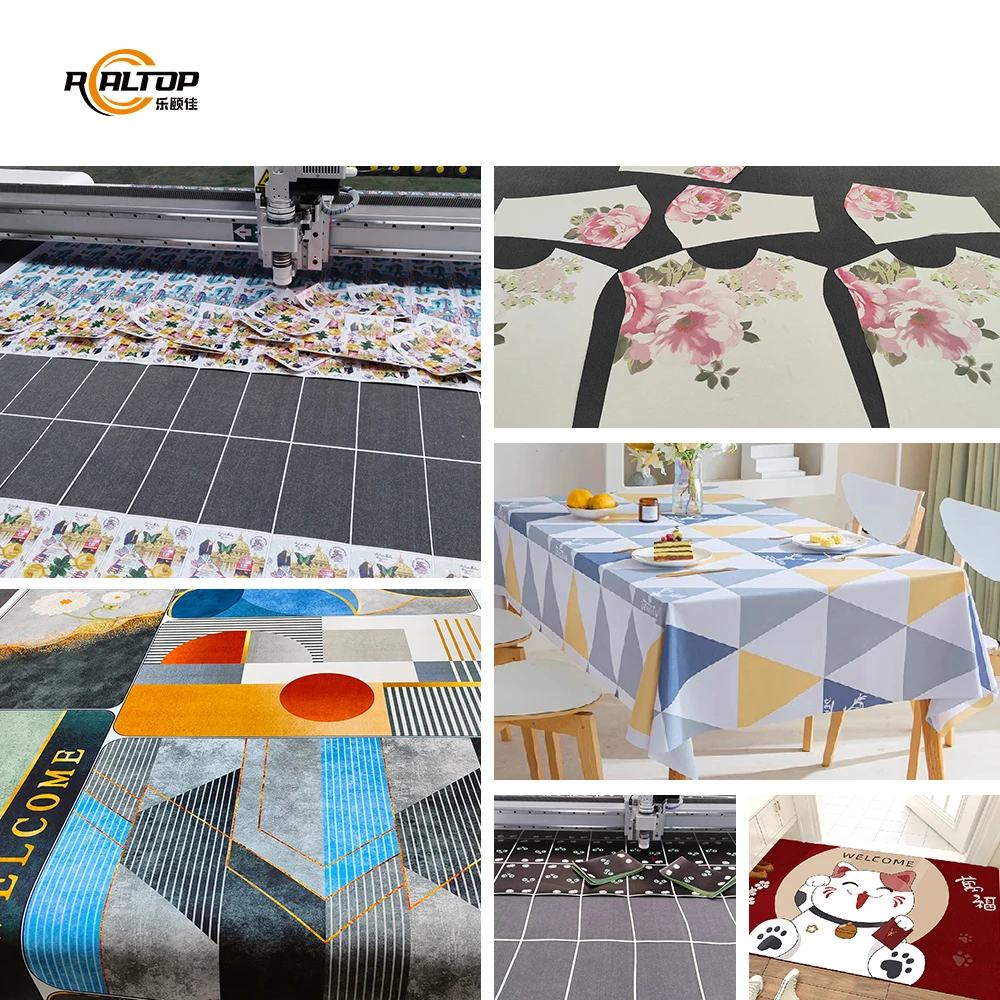
Application Suitability
| Application | Material or Output |
|---|---|
| Automotive interior trimming | Leather, synthetic leather, coated composite fabrics |
| Garment and footwear cutting | Clothing cloth, shoe material, non-woven fabric |
| Soft home furnishings | Carpet, sponge, PU, EVA, fabric panels |
| Gasket and sealing production | Rubber, PTFE, ETFE, gasket material |
| Packaging and carton sample making | Cardboard, corrugated cardboard, plastic box |
| Graphic advertising and printing | Sticker, film, PVC, vinyl |
| Sports and outdoor products | XPE, carbon fiber prepreg, composite materials |
| Luggage and bag manufacturing | Luggage material, PU, heavy-duty textile |
Why "200–800 mm/s" Means Nothing Without the Material Name
Cutting speed is a function of material density, layer count, and tool head selection — never a standalone number.
I have watched buyers compare cutting speed across quotations as if every machine were slicing the same fabric. A 1600×2500 mm CNC oscillating knife cutting machine manufacturer will quote a range because 800 mm/s might hold for a single layer of non-woven fabric while 200 mm/s is realistic for a 20 mm stack of bonded foam [NEED_CITE: typical cutting speed variance across material densities]. The real question is whether the machine maintains edge quality at the speed your specific material demands.
Tool Head Range and Material Matching
The RT-D2516/RT-S2516 supports over a dozen tool head options from Swiss imported knives to creasing wheels and pneumatic knives. A leather goods producer cutting 2 mm cowhide needs a high-frequency oscillating knife for clean edges, while a carton sample maker cutting 3 mm corrugated board benefits from a drag knife paired with a creasing wheel in a single tool holder. This CNC oscillating knife cutting machine manufacturer configures the tool head array based on sample testing before the order is finalized.
Visual Positioning for Printed Contour Work
Small CCD camera mark point positioning and panoramic camera recognition serve different production realities. Mark point positioning suits sheet-fed jobs where printed registration marks are consistent and predictable. Panoramic recognition handles roll-fed or nested layouts where the camera must locate contours across the entire 1600×2500 mm working area [NEED_CITE: CCD positioning accuracy standards for digital cutting tables]. Projection positioning overlays the cut path onto the material surface, letting the operator verify alignment before the knife engages.
What the Frame and Vacuum Table Actually Control
The thick-walled seamless steel frame undergoes high-temperature tempering and CNC machining center finishing, which prevents the gantry from deflecting when the oscillating knife hits dense composite materials at full stroke. The 7.5 kW vacuum pump pulls through a magnesium-aluminum alloy table with PVDF coating and anodic oxidation. This combination matters when cutting small gasket parts under 50 mm: insufficient vacuum zoning lets lightweight pieces lift off the table mid-cut, producing dimensional errors that exceed the ≤0.1 mm repeated accuracy specification.
What Happens When You Skip the Sample Test
A buyer once specified a machine purely on working area, assuming any oscillating knife would handle their coated composite fabric. The standard knife frequency crushed the coating layer instead of shearing it cleanly, and the vacuum pressure was too high for the material’s surface texture, leaving suction marks. Two weeks of remote parameter adjustment followed before production ran acceptably [NEED_CITE: material-specific cutting parameter validation requirements]. This CNC oscillating knife cutting machine manufacturer now requires a physical sample of the buyer’s actual material before confirming tool head and table configuration.
Why Source This Machine Here
In-house design covers both knife and laser cutting technologies, so the buyer can match the cutting method to the material rather than forcing one process to cover everything. Tool head and table configuration is specified per material and production volume, not selected from a fixed catalogue page. CCD camera positioning is tested with the buyer’s actual printed sheets before shipment. Software compatibility with PLT, DXF, AI, and HP-GL formats is verified against the buyer’s existing nesting workflow. Voltage, control language, and documentation are customized to the destination market. Sample cutting on the buyer’s own material is completed before commitment.
Documentation & Verification
- Machine specification sheet listing confirmed tool head and table configuration for your material
- Electrical schematic and voltage confirmation matched to your facility’s power supply
- Sample cutting report on your actual fabric, leather, or composite material
- Software licence and file format compatibility note covering PLT, DXF, AI, HP-GL
- Factory test record documenting repeated accuracy and cutting speed on your specified material
- Operation and maintenance manual in your selected control language
Installation, Commissioning & Support
- 3450×2300×1250 mm machine size requires clear floor space plus operator access on three sides
- 9 kW rated power plus 7.5 kW vacuum pump demand a dedicated circuit at 380V ±10%
- Machine ships fully assembled; foundation leveling and anchor bolt installation on arrival
- First-run parameter tuning covers oscillation frequency, vacuum zoning, and cutting depth per material
- Touch screen control panel training available in English, Russian, Italian, Chinese, or customized language
- Spare parts list includes Swiss knife blades, vacuum table seals, and synchronous belt segments
Before You Request a Quotation
Send your actual material sample — not a catalogue name, but a physical swatch with the coating, backing, and thickness you will run in production. Specify your daily volume and whether you need single-layer or multi-layer cutting. Confirm your facility voltage, frequency, and preferred control language. State your existing design software and file formats so we verify compatibility before the order is placed.
Frequently Asked Questions
Q: How do I choose between oscillating knife and laser cutting for my material?
A: Oscillating knife suits fabrics, leather, foam, and gasket materials where edge sealing is not required and mechanical shearing produces a clean cut. Laser is preferred for acrylic, wood, and synthetics where the beam seals the edge to prevent fraying. This CNC oscillating knife cutting machine manufacturer produces both technologies in-house, so the recommendation is based on your material sample rather than a single product line.
Q: Which tool head configuration matches my material and production volume?
A: High-frequency oscillating knives handle thin fabrics and leather at higher speeds. Pneumatic knives suit thicker foam and sponge. Creasing wheels pair with drag knives for carton sample making. The configuration is confirmed after sample cutting on your actual material, not selected from a generic chart.
Q: How do I verify the working area covers my sheet size and nesting layout?
A: The RT-D2516/RT-S2516 provides a 1600×2500 mm working area. Confirm your maximum sheet dimensions and whether your nesting software requires clearance beyond the cut boundary. If your material arrives in rolls, the auto feeding table option extends usable length beyond the fixed table.
Q: What visual positioning options are available for printed contour cutting?
A: Small CCD camera mark point positioning reads registration marks on sheet-fed jobs. Panoramic camera recognition scans the full table for nested contour work. Projection positioning overlays the cut path on the material for operator verification. The right option depends on your print layout and registration mark placement.
Q: How do I confirm voltage, language, and software compatibility before ordering?
A: Provide your facility voltage and frequency, preferred control language, and the file formats your design team uses. The electrical schematic, touch screen language setting, and software compatibility with PLT, DXF, AI, or HP-GL are all confirmed in writing before production begins [NEED_CITE: pre-shipment specification confirmation procedures].
Material-Driven Configuration — Every tool head and table setting is matched to the buyer’s actual sample rather than a generic material category.
Technical Specifications
| Parameter | Value |
|---|---|
| Model | RT-D2516/RT-S2516 |
| Product Type | CNC Oscillating Knife Cutting Machine |
| Working Area | 1600×2500 mm |
| Machine Size | 3450×2300×1250 mm |
| Rated Power | 9 kW |
| Voltage | 380V ±10% (frequency to be confirmed: 50/60 Hz) |
| Translational Velocity | 800–2000 mm/s |
| Cutting Speed | 200–800 mm/s (varies according to material type and thickness) |
| Cutting Thickness | ≤100 mm (material dependent) |
| Repeated Accuracy | ≤0.1 mm |
| Transmission System | Digital servo motor, linear guide, synchronous belt, ball screw |
| Servo Motor Brand | Delta or Panasonic (optional) |
| Vacuum Pump | 7.5 kW |
| Vacuum Table | Magnesium-aluminum alloy, fluorocarbon PVDF powder spraying, anodic oxidation |
| Table Type Options | Flat working table or auto feeding table |
| Tool Head Types | Swiss imported knife (vibration full cutting, vibration half cutting, cursor location); optional heads include oscillating knife, pneumatic knife, high-power vibrating knife, circular knife, V-cutting knife, drag knife, creasing wheel, dotted line knife, punching, brush |
| Visual Positioning Options | Small CCD camera mark point positioning, panoramic camera recognition, projection positioning |
| Control System | Touch screen control panel, multi-language supported |
| Language Options | English, Russian, Italian, Chinese; special languages customizable |
| Software Compatibility | PLT, DXF, AI, HP-GL compatible format |
| Safety Device | Infrared sensors, anti-collision on both sides of beam, emergency stop |
| Conveyor Belt | Germany imported (basis to be confirmed) |
| Guide Rail | Taiwan Hiwin rail (basis to be confirmed) |
| Assembly State | Fully assembled |
| Frame Construction | Thick-walled seamless steel structure, high-temperature tempering, CNC machining center finished |
| Standards | ISO, CE declaration where applicable |
Application Suitability
| Application | Material or Output |
|---|---|
| Automotive interior trimming | Leather, synthetic leather, coated composite fabrics |
| Garment and footwear cutting | Clothing cloth, shoe material, non-woven fabric |
| Soft home furnishings | Carpet, sponge, PU, EVA, fabric panels |
| Gasket and sealing production | Rubber, PTFE, ETFE, gasket material |
| Packaging and carton sample making | Cardboard, corrugated cardboard, plastic box |
| Graphic advertising and printing | Sticker, film, PVC, vinyl |
| Sports and outdoor products | XPE, carbon fiber prepreg, composite materials |
| Luggage and bag manufacturing | Luggage material, PU, heavy-duty textile |
Why "200–800 mm/s" Means Nothing Without the Material Name
Cutting speed is a function of material density, layer count, and tool head selection — never a standalone number.
I have watched buyers compare cutting speed across quotations as if every machine were slicing the same fabric. A 1600×2500 mm CNC oscillating knife cutting machine manufacturer will quote a range because 800 mm/s might hold for a single layer of non-woven fabric while 200 mm/s is realistic for a 20 mm stack of bonded foam [NEED_CITE: typical cutting speed variance across material densities]. The real question is whether the machine maintains edge quality at the speed your specific material demands.
Tool Head Range and Material Matching
The RT-D2516/RT-S2516 supports over a dozen tool head options from Swiss imported knives to creasing wheels and pneumatic knives. A leather goods producer cutting 2 mm cowhide needs a high-frequency oscillating knife for clean edges, while a carton sample maker cutting 3 mm corrugated board benefits from a drag knife paired with a creasing wheel in a single tool holder. This CNC oscillating knife cutting machine manufacturer configures the tool head array based on sample testing before the order is finalized.
Visual Positioning for Printed Contour Work
Small CCD camera mark point positioning and panoramic camera recognition serve different production realities. Mark point positioning suits sheet-fed jobs where printed registration marks are consistent and predictable. Panoramic recognition handles roll-fed or nested layouts where the camera must locate contours across the entire 1600×2500 mm working area [NEED_CITE: CCD positioning accuracy standards for digital cutting tables]. Projection positioning overlays the cut path onto the material surface, letting the operator verify alignment before the knife engages.
What the Frame and Vacuum Table Actually Control
The thick-walled seamless steel frame undergoes high-temperature tempering and CNC machining center finishing, which prevents the gantry from deflecting when the oscillating knife hits dense composite materials at full stroke. The 7.5 kW vacuum pump pulls through a magnesium-aluminum alloy table with PVDF coating and anodic oxidation. This combination matters when cutting small gasket parts under 50 mm: insufficient vacuum zoning lets lightweight pieces lift off the table mid-cut, producing dimensional errors that exceed the ≤0.1 mm repeated accuracy specification.
What Happens When You Skip the Sample Test
A buyer once specified a machine purely on working area, assuming any oscillating knife would handle their coated composite fabric. The standard knife frequency crushed the coating layer instead of shearing it cleanly, and the vacuum pressure was too high for the material’s surface texture, leaving suction marks. Two weeks of remote parameter adjustment followed before production ran acceptably [NEED_CITE: material-specific cutting parameter validation requirements]. This CNC oscillating knife cutting machine manufacturer now requires a physical sample of the buyer’s actual material before confirming tool head and table configuration.
Why Source This Machine Here
In-house design covers both knife and laser cutting technologies, so the buyer can match the cutting method to the material rather than forcing one process to cover everything. Tool head and table configuration is specified per material and production volume, not selected from a fixed catalogue page. CCD camera positioning is tested with the buyer’s actual printed sheets before shipment. Software compatibility with PLT, DXF, AI, and HP-GL formats is verified against the buyer’s existing nesting workflow. Voltage, control language, and documentation are customized to the destination market. Sample cutting on the buyer’s own material is completed before commitment.
Documentation & Verification
- Machine specification sheet listing confirmed tool head and table configuration for your material
- Electrical schematic and voltage confirmation matched to your facility’s power supply
- Sample cutting report on your actual fabric, leather, or composite material
- Software licence and file format compatibility note covering PLT, DXF, AI, HP-GL
- Factory test record documenting repeated accuracy and cutting speed on your specified material
- Operation and maintenance manual in your selected control language
Installation, Commissioning & Support
- 3450×2300×1250 mm machine size requires clear floor space plus operator access on three sides
- 9 kW rated power plus 7.5 kW vacuum pump demand a dedicated circuit at 380V ±10%
- Machine ships fully assembled; foundation leveling and anchor bolt installation on arrival
- First-run parameter tuning covers oscillation frequency, vacuum zoning, and cutting depth per material
- Touch screen control panel training available in English, Russian, Italian, Chinese, or customized language
- Spare parts list includes Swiss knife blades, vacuum table seals, and synchronous belt segments
Before You Request a Quotation
Send your actual material sample — not a catalogue name, but a physical swatch with the coating, backing, and thickness you will run in production. Specify your daily volume and whether you need single-layer or multi-layer cutting. Confirm your facility voltage, frequency, and preferred control language. State your existing design software and file formats so we verify compatibility before the order is placed.
Frequently Asked Questions
Q: How do I choose between oscillating knife and laser cutting for my material?
A: Oscillating knife suits fabrics, leather, foam, and gasket materials where edge sealing is not required and mechanical shearing produces a clean cut. Laser is preferred for acrylic, wood, and synthetics where the beam seals the edge to prevent fraying. This CNC oscillating knife cutting machine manufacturer produces both technologies in-house, so the recommendation is based on your material sample rather than a single product line.
Q: Which tool head configuration matches my material and production volume?
A: High-frequency oscillating knives handle thin fabrics and leather at higher speeds. Pneumatic knives suit thicker foam and sponge. Creasing wheels pair with drag knives for carton sample making. The configuration is confirmed after sample cutting on your actual material, not selected from a generic chart.
Q: How do I verify the working area covers my sheet size and nesting layout?
A: The RT-D2516/RT-S2516 provides a 1600×2500 mm working area. Confirm your maximum sheet dimensions and whether your nesting software requires clearance beyond the cut boundary. If your material arrives in rolls, the auto feeding table option extends usable length beyond the fixed table.
Q: What visual positioning options are available for printed contour cutting?
A: Small CCD camera mark point positioning reads registration marks on sheet-fed jobs. Panoramic camera recognition scans the full table for nested contour work. Projection positioning overlays the cut path on the material for operator verification. The right option depends on your print layout and registration mark placement.
Q: How do I confirm voltage, language, and software compatibility before ordering?
A: Provide your facility voltage and frequency, preferred control language, and the file formats your design team uses. The electrical schematic, touch screen language setting, and software compatibility with PLT, DXF, AI, or HP-GL are all confirmed in writing before production begins [NEED_CITE: pre-shipment specification confirmation procedures].
商品评价
There are no reviews yet.