

Fast Delivery
Quick, reliable shipping to any location.

Free & easy returns
Return this item by mail or in store within 90 days for a full refund.
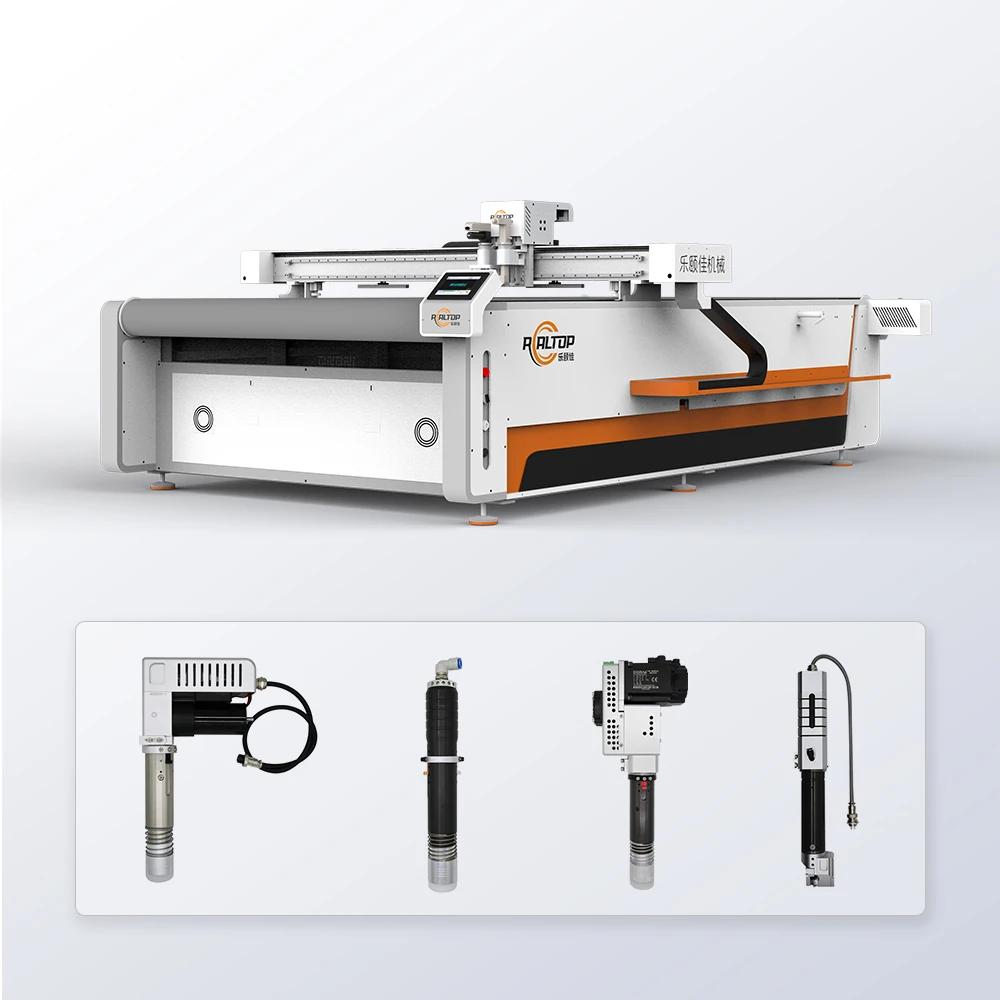
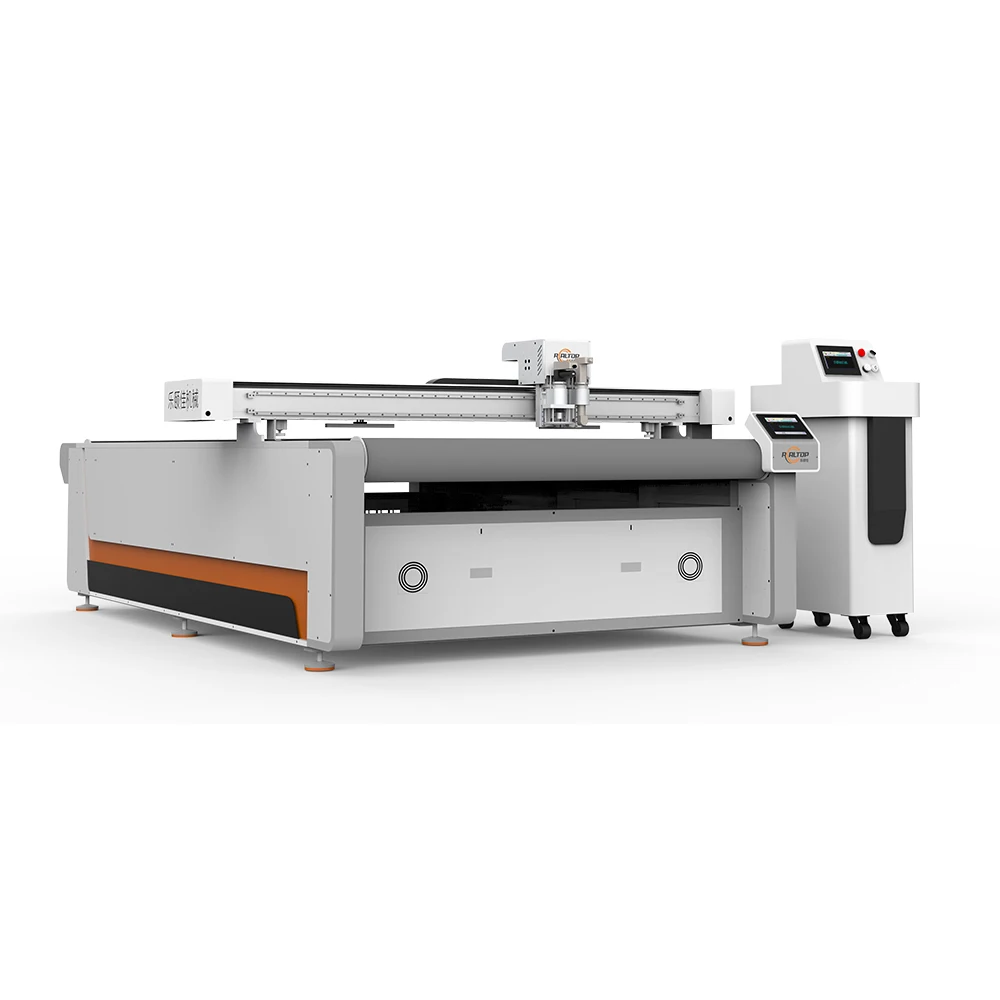
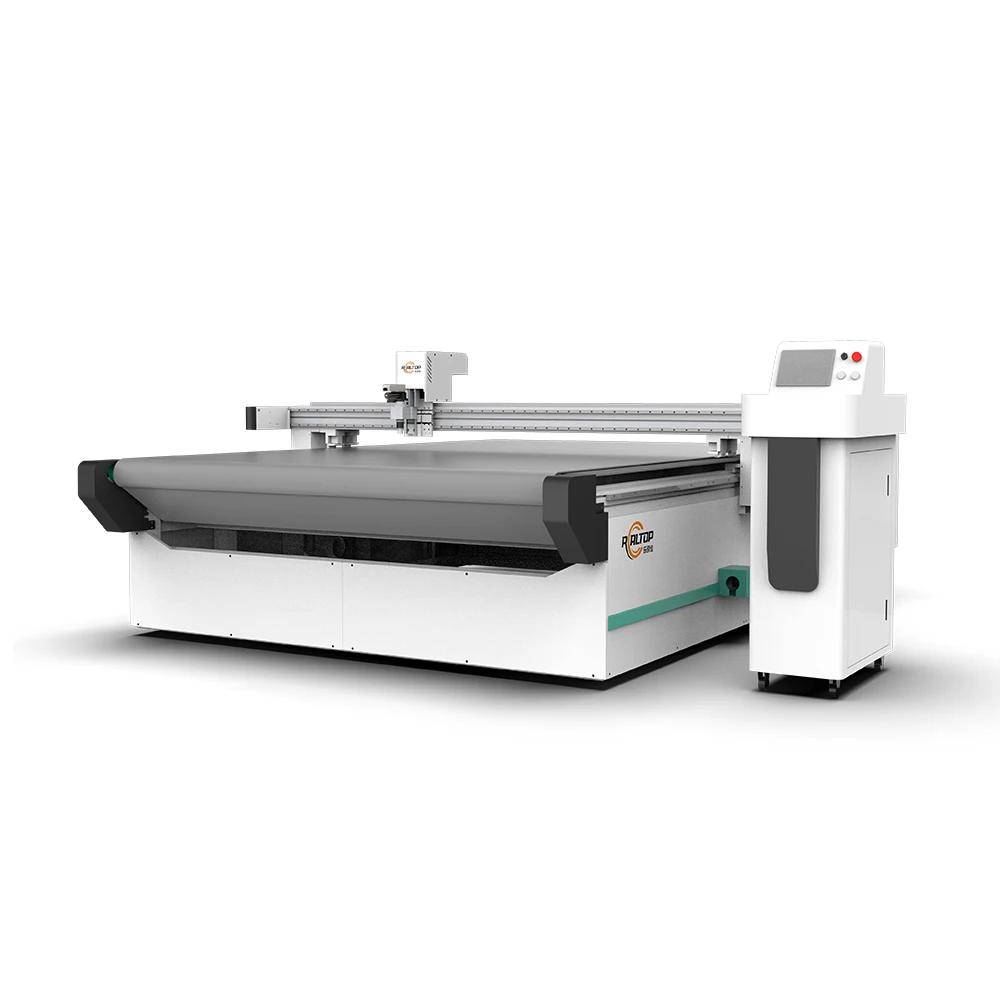
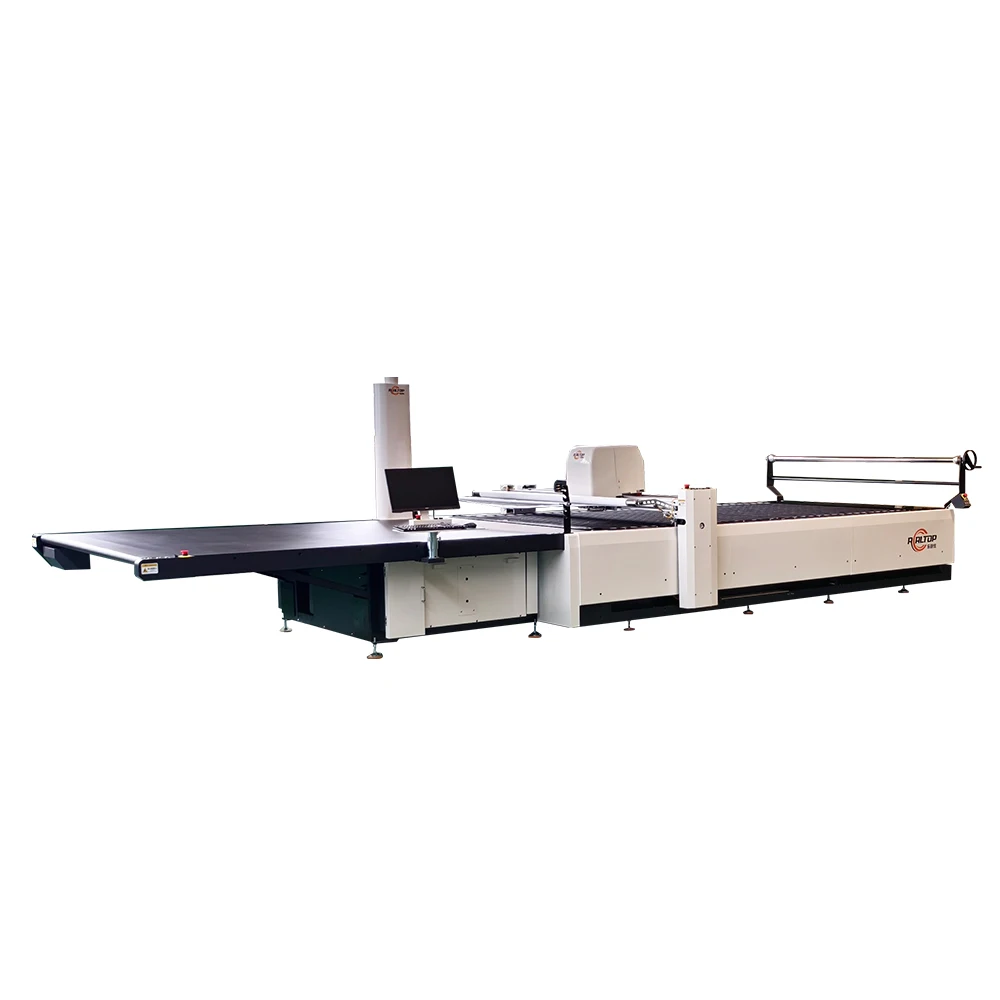
Customized Tool Head and Table Configuration — Seven interchangeable heads and aluminum bellows vacuum table zoning are matched to your fabric weight and roll width before the CNC fabric cutting machine manufacturer builds your line.
Technical Specifications
| Parameter | Value |
|---|---|
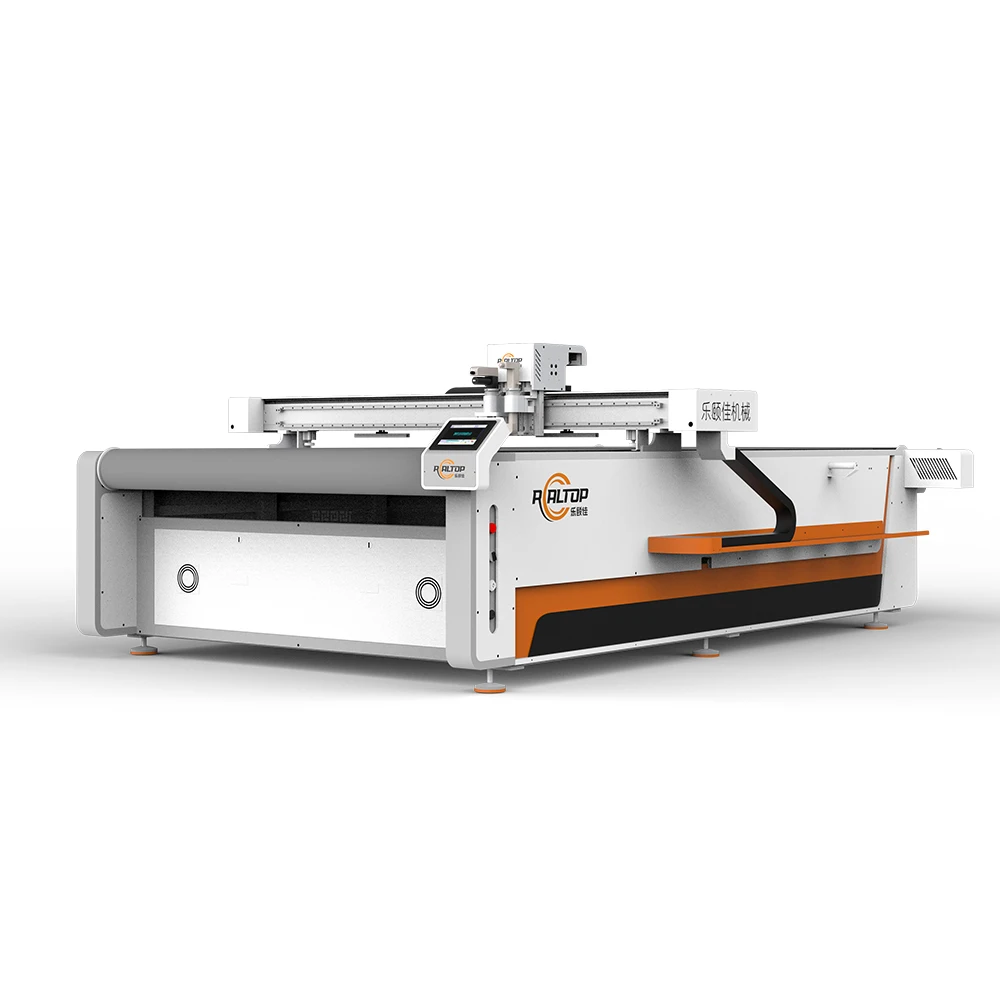
| Product Type | CNC Oscillating Knife Cutting Machine |
| Working Area | 1600×2500 mm |
| Tool Head Options | Oscillating knife, Driven rotary knife, Creasing wheel, Kiss cutting tool, Pneumatic knife, Milling tool, V groove knife |
| Cutting Speed | 0–2000 mm/s |
| Cutting Thickness | ≤ 30 mm (basis not stated in source — confirm material type / density / layer count) |
| Cutting Accuracy | ±0.1 mm |
| Vacuum Pump Power | 9 kW |
| Vacuum Table | Aluminum bellows vacuum table |
| Control System | PLC control panel |
| Servo Motor Options | Panasonic, Delta, Dorna |
| File Formats Supported | PLT, DXF, AI, PDF |
| Voltage Options | 110V / 220V / 380V (frequency not specified in source) |
| Language Options | English, Russian, Italian, Chinese (special languages customizable) |
| Safety Devices | Infrared sensor device, emergency stop device |
| Machine Dimensions (L×W×H) | 3300×2100×1350 mm |
| Standards | CE (implied by certification image in source — verify certificate scope) |
Application Suitability
| Application | Material or Output |
|---|---|
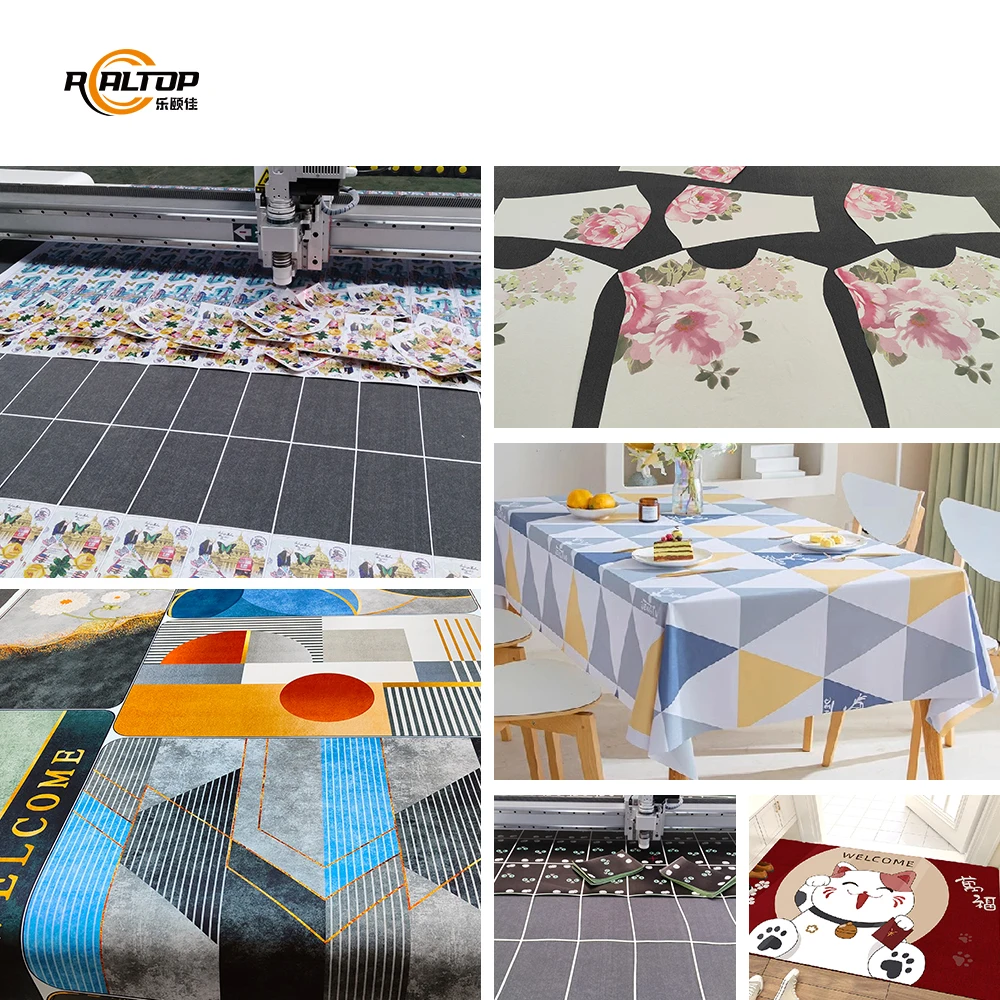
| Apparel Manufacturing | Suits, knitwear, lace, complex multi-layer fabrics |
| Automotive Interiors | Seat fabrics, carpets, PVC mats |
| Home Textiles | Sofa fabrics, curtains, rugs, heavy drapery materials |
| Composite Processing | Carbon fiber prepreg, aramid, specialty layered materials |
| General Soft Goods | Cardboard, carton, EVA, leather, acrylic, foam, PTFE, rubber |
Why Cutting Thickness Claims Fail When the Material Changes
Specified cutting depth only holds true when the material density, coating, and layer count match the test conditions.
I once watched a production line stall because the sample was cut on plain polyester, but the actual order called for TPU-coated composite fabric. The oscillation frequency that sliced cleanly through the test material simply dragged and frayed the coated layers. A CNC fabric cutting machine manufacturer must confirm cutting thickness against your specific roll stock, not a generic reference fabric, before the tool head and vacuum settings are locked in [NEED_CITE: material coating effects on oscillating knife cut quality].
The Knife Catalogue Matters More Than the Bed Size
Buyers often start by filtering on working area alone, assuming any machine with a 1600×2500 mm bed will handle their fabric. The real variable is the tool head. This platform offers seven options — from a driven rotary knife for continuous single-ply rolls to a pneumatic knife for dense, multi-layer layups. Selecting the wrong head on a CNC fabric cutting machine is the fastest route to ragged edges, delaminated coatings, or crushed foam cores that fail downstream inspection.
Vacuum Zoning and the Small Part Problem
A 9 kW vacuum pump sounds adequate on paper, but full-surface suction is not the same as targeted hold. The aluminum bellows vacuum table on this system allows zone isolation so that small nested pieces — collar stays, gussets, label panels — stay flat instead of lifting into the knife path. Without zoning, the air bleeds through uncovered areas and the remaining suction on the small part drops below the threshold needed to resist blade drag [NEED_CITE: vacuum table zoning principles in digital cutting].
Reading the Specs That Actually Affect Your Output
Cutting accuracy of ±0.1 mm is achieved through servo-driven motion; the Panasonic, Delta, or Dorna servo options each carry different torque curves that affect cornering behaviour on tight pattern pieces. The PLC control panel interprets PLT, DXF, AI, and PDF files, but file compatibility must be verified against your existing nesting software before the order is placed. Voltage flexibility across 110V, 220V, and 380V means the unit can be configured for the destination market, yet frequency (50 or 60 Hz) must also be confirmed — a mismatch there will alter motor speeds and vacuum pump performance from day one.
The Hidden Cost of Skipping the Material Sample
Sending a roll of your actual fabric for a cutting test seems obvious, yet many buyers skip it to save two weeks on lead time. The consequence arrives on the production floor: the knife frequency that worked on the manufacturer’s sample material tears through your coated composite, the vacuum zones are set for a larger panel size, and the nesting software rejects your preferred file format. Resolving these issues remotely means production downtime while parameters are adjusted one version at a time [NEED_CITE: remote commissioning challenges in industrial equipment].
Why Procurement Through This Channel Works
In-house design covers both knife and laser cutting methods, so you are not forced into one technology when your material portfolio spans woven textiles and acrylic signage stock. Tool head and table configurations are specified per material type and daily volume rather than sold as a fixed package. CCD camera positioning is available for printed contour work and is tested against your actual registration marks before acceptance. Software compatibility — file formats, nesting workflows, output licensing — is confirmed at the quotation stage. Voltage, plug type, and control language are documented and locked before the machine enters assembly, eliminating the most common arrival-day surprises.
Documentation & Verification
- Machine specification sheet with confirmed tool head list and vacuum zone layout
- Electrical schematic matching destination voltage and frequency requirements
- Sample cutting report produced on your roll fabric with proposed knife settings
- Software licence and file format compatibility note for your nesting workflow
- Factory test record documenting cutting accuracy across the full working area
- Spare parts list covering blades, belts, and vacuum table seals
Installation, Commissioning & Support
- Floor space planning based on the 3300×2100 mm machine footprint plus roll feed clearance
- Dedicated circuit sizing for the 9 kW vacuum pump alongside PLC and servo loads
- Machine arrives fully assembled; utility connections and vacuum hose routing handled on-site
- First-run parameter tuning performed on your fabric roll to establish baseline knife frequency
- Operator training covers tool head changeover, vacuum zone switching, and file import workflow
- Consumable blade stock and vacuum seal spares included for initial production period
What to Send With Your Inquiry
Provide the exact fabric type, coating specification, and single-layer or multi-layer cutting requirement along with your daily linear meter target. Confirm the destination voltage and frequency, preferred control language, and any existing nesting software that must integrate with the PLC. If printed contour cutting is part of your workflow, share a sample print file so the CCD recognition system can be validated against your registration marks before the machine ships.
Frequently Asked Questions
Q: How do I choose between oscillating knife, driven rotary knife, and pneumatic knife for my fabric?
A: The driven rotary knife suits continuous single-ply roll cutting where edge sealing is not required. The oscillating knife handles multi-layer layups and complex contours across woven and knit textiles. The pneumatic knife is reserved for dense, compressible materials like thick foam or felt where downward blade pressure must exceed what the standard oscillating head delivers. Your material sample test determines the final selection.
Q: What working area sizes and multi-head configurations are available?
A: The 1600×2500 mm bed is the standard configuration for roll-fed fabric processing. The machine family includes compact and large-format options, and multi-head setups can be specified to double cutting throughput on repetitive pattern pieces. Each configuration changes vacuum pump sizing and servo motor specification, so working area must be discussed alongside production volume.
Q: How is CCD camera contour recognition specified and tested?
A: The CCD system is added as a tool head option and calibrated to detect printed registration marks on your specific material. Testing uses your actual print files at production cutting speed to confirm the camera tracks contours without drift. If mark contrast or print distortion causes recognition failures, the issue is caught during the sample cutting phase rather than after installation.
Q: What voltage, plug, and language options are confirmed before shipment?
A: Voltage is configurable across 110V, 220V, and 380V, with frequency confirmed to match the destination grid. Plug type follows the local standard. The PLC control panel language defaults to English, Russian, Italian, or Chinese, with custom language panels available on request. All three parameters — voltage, plug, and language — are documented on the electrical schematic before the machine enters final assembly.










商品评价
There are no reviews yet.