


Fast Delivery
Quick, reliable shipping to any location.

Free & easy returns
Return this item by mail or in store within 90 days for a full refund.
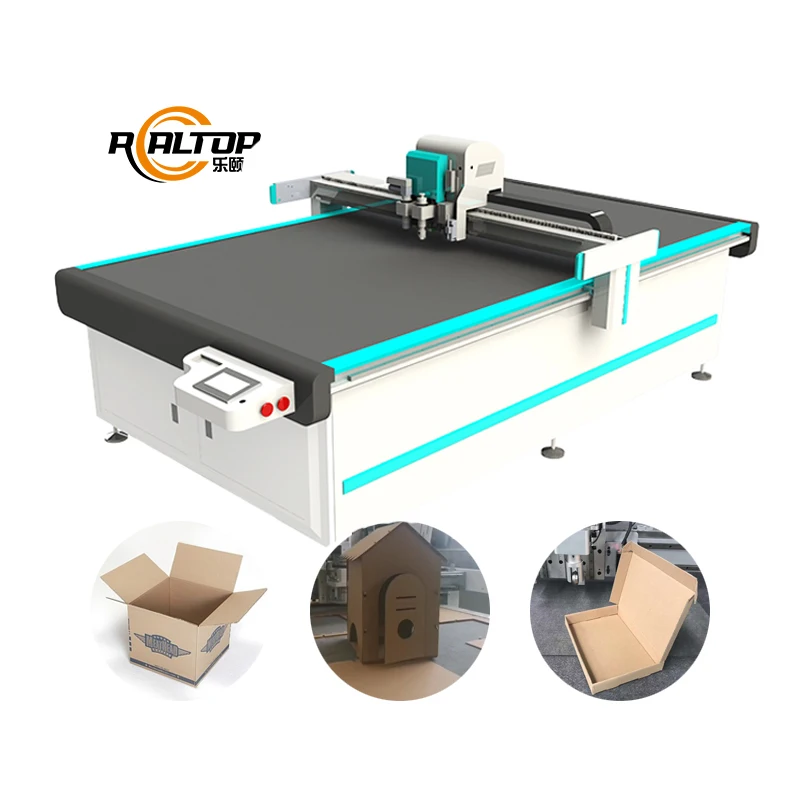
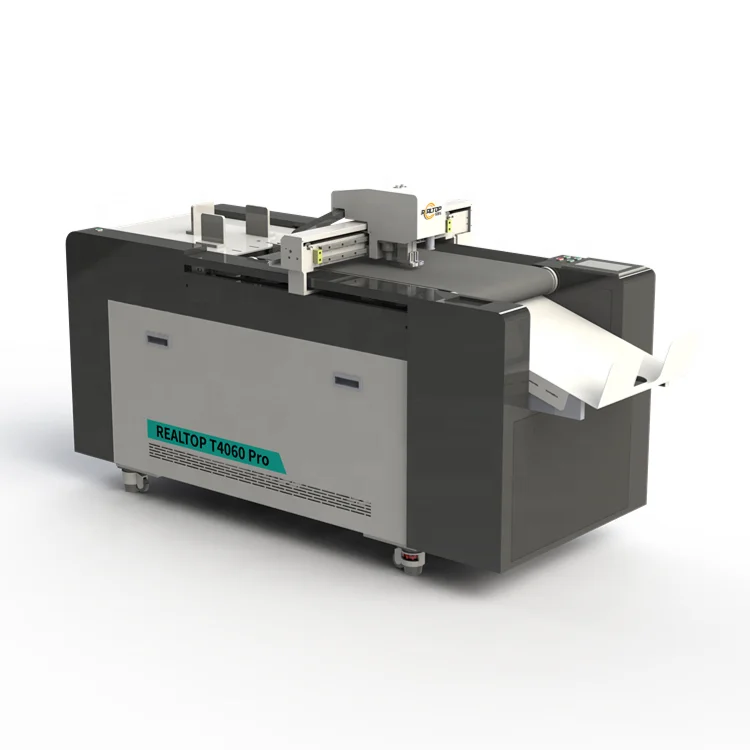
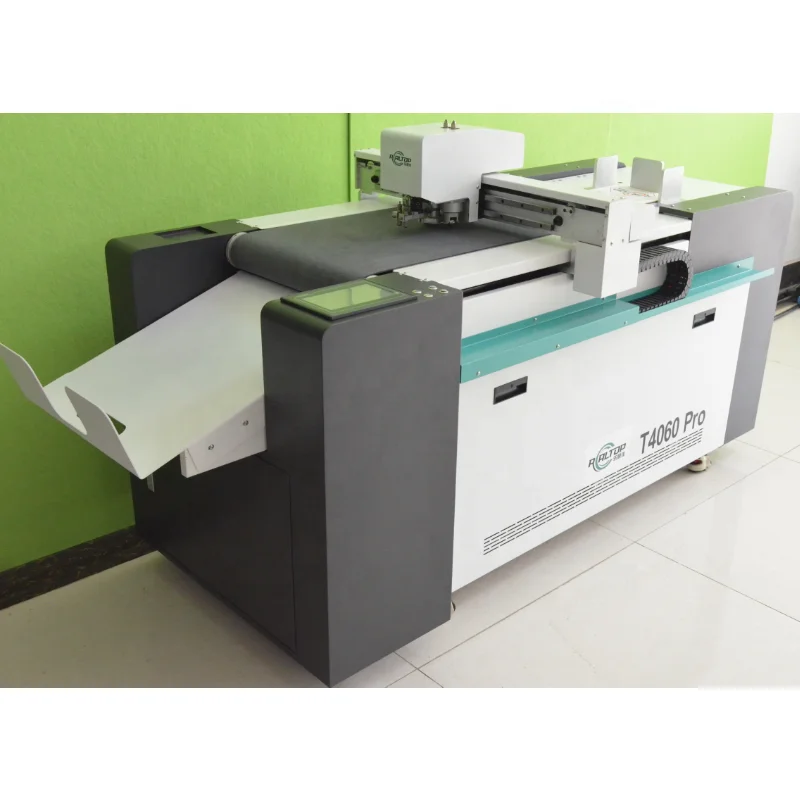
Complete Cutting Range — The Realtop-2516 anchors a manufacturer-backed equipment catalogue that spans oscillating knife and laser cutting, allowing buyers to compare methods before narrowing down.
Technical Specifications
| Parameter | Value |
|---|---|
| Model | Realtop-2516 |
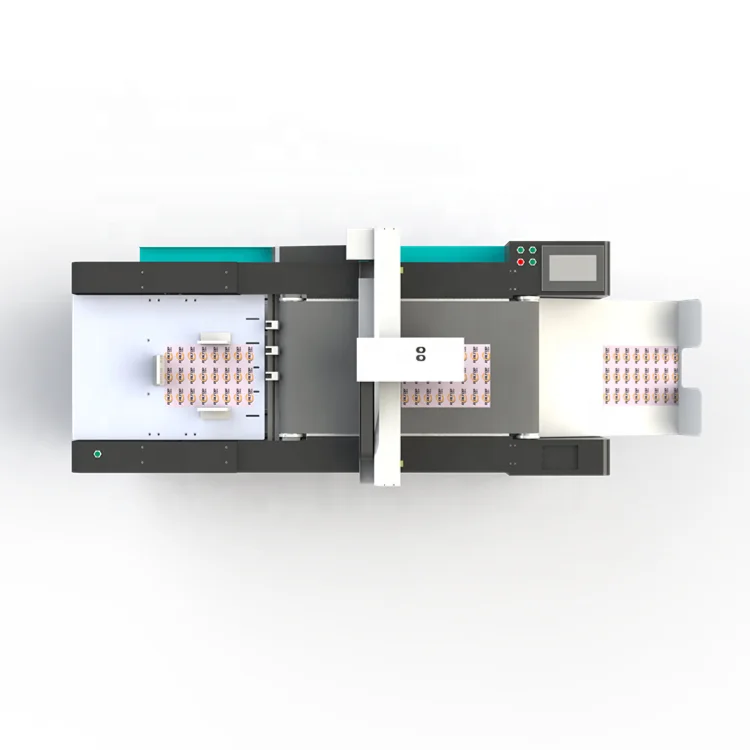
| Product Type | CNC Digital Flatbed Cutting Machine |
| Working Area | 2500 × 1600 mm |
| Control System | CNC |
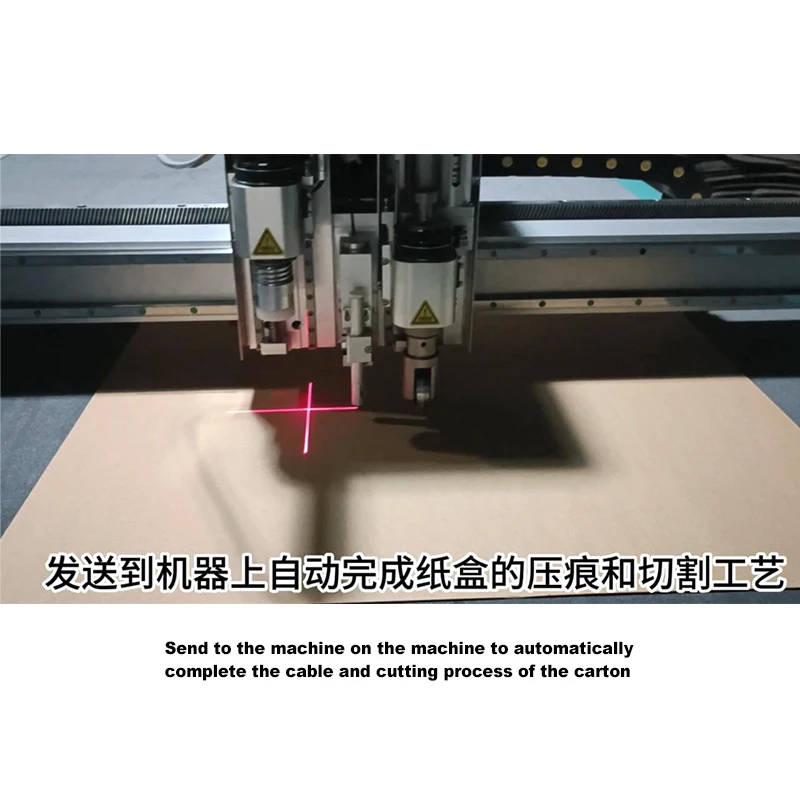
| Tool Head Options | Oscillating knife, drag knife, creasing wheel (configuration dependent on material) |
| CCD Camera Positioning | Available |
| Vacuum Table | Available |
| Assembly State | Flatbed digital cutting system |
| Language Options | Configurable (basis to be confirmed) |
| Training | Free training offered; overseas engineering support subject to terms |
Application Suitability
| Application | Material or Output |
|---|---|
| Corrugated Box Prototyping | Single, double, and multi-layer corrugated board |
| Packaging Sample Making | Folding carton stock, greyboard, and honeycomb paper |
| Short-Run Production | Die-cut style boxes without physical dies |
| Non-Metal Sheet Processing | Leather, foam, gasket, and textile fabrics |
Why a Specified Working Area Might Still Fail Your Material
A flatbed sized correctly for your sheets can still stall if the tooling cannot overcome the material density.
I remember a packaging line in Dubai that halted for four days. They ordered a machine based purely on bed dimensions to handle 2500 x 1600 mm sheets, but the five-layer reinforced corrugated they actually ran was far denser than the sample material used during testing. The knife head could not penetrate, leaving crushed edges and ragged cuts. Selecting a CNC digital flatbed cutting machine manufacturer that tests your actual stock before finalizing the tooling configuration prevents this kind of line stoppage. [NEED_CITE: material density variation in corrugated packaging grades]
Mapping the Equipment Range to the Job
The value of looking at the full catalogue is seeing exactly where this 2516 format fits. A buyer producing small batch folding cartons might not need a larger bed, but they might realize that a different cutting method entirely, such as laser for certain synthetic packaging inserts, yields a cleaner edge. Viewing the oscillating knife, drag knife, and creasing wheel options side by side within the same family helps align the tool head with the specific board flute and thickness requirement, rather than forcing a single approach onto every job.
Knife Versus Laser in the Same Catalogue
Packaging producers often commit to knife cutting without evaluating whether a laser system handles their specific non-metal substrates more effectively. The catalogue approach lets you compare edge sealing on synthetics against the mechanical cut of an oscillating knife on thick corrugated. This side-by-side evaluation ensures the cutting method matches the material science, not just the sheet size. [NEED_CITE: thermal versus mechanical cutting edge quality on composites]
Decoding the Configuration for Board Processing
The 2500 × 1600 mm working area accommodates standard packaging sheet formats, but the vacuum table zoning determines whether small offcuts stay flat or lift into the knife path during high-speed travel. An oscillating knife handles thick, multi-layer flutes where a drag knife would deflect, while a creasing wheel is essential for clean fold lines on carton stock. CCD camera contour recognition becomes necessary when cutting pre-printed board, tracking registration marks to align the cut path with the graphics. Software compatibility with your existing nesting workflow ensures file formats translate without manual redraws.
The Hidden Cost of Skipped Material Trials
When a machine arrives and the vacuum zoning proves insufficient for the buyer’s small part geometry, the material lifts during cutting, ruining the batch and risking tool damage. If the control language or voltage was not locked down before shipment, commissioning stalls while waiting for transformers or interface patches. These issues all stem from skipping the step where the manufacturer runs the buyer’s actual material on the factory floor before the crate is sealed. [NEED_CITE: voltage and plug type verification before industrial equipment export]
Why Source From This Manufacturing Setup
The in-house design and production cover both knife and laser technologies, so the buyer matches the cutting method to the material rather than forcing one method. Tool head and table configurations are specified per material and production volume, not guessed from a brochure. Software compatibility is confirmed before the order is finalized, preventing file format dead ends. Sample cutting on the buyer’s own corrugated or packaging board is conducted before commitment, proving edge quality and throughput. Voltage, language, and machine specifications are customized to the destination facility.
Documentation & Verification
- Machine specification sheet confirming the 2516 working area and tooling setup
- Electrical schematic and voltage confirmation matching your facility supply
- Tool head and vacuum table configuration list tied to your material grade
- Sample cutting report generated on your actual corrugated board stock
- Factory test record and packing photographs taken before crate sealing
Installation, Commissioning & Support
- Foundation and floor leveling requirements verified for the 2516 frame footprint
- Dedicated circuit installed matching the confirmed voltage and frequency spec
- Assembly of the flatbed frame and vacuum table zoning on site
- First-run parameter tuning using your specific board thickness and flute profile
- Operator training on the configured CNC interface and tool head changes
- Spare parts list covering oscillating knife blades and vacuum seals
Structuring the Inquiry for a Packaging Line
To evaluate whether this format covers your daily volume, the inquiry should include the specific corrugated flute type, maximum board thickness, and target sheet dimensions. Confirm your local voltage and frequency standards, as well as the control language required for your operators. If you run pre-printed packaging, specify whether CCD contour tracking is needed to align cuts with existing graphics.
Frequently Asked Questions
Q: How does the 2516 format compare to other working area sizes in the catalogue?
A: The 2516 format is positioned for standard packaging sheet sizes and prototyping volumes. Buyers running oversized signage or continuous roll-fed textile production typically look at larger formats within the same manufacturer range. Comparing bed sizes against your daily sheet utilization helps avoid paying for unused table area or choking your workflow with a bed that is too small.
Q: Knife versus laser: which method suits corrugated cardboard?
A: Mechanical knife cutting with an oscillating head is generally preferred for corrugated cardboard because it avoids the thermal burn marks and soot that a laser would leave on paper-based fibers. Laser systems in this catalogue are typically reserved for edge-sealing synthetics or engraving non-paper packaging components. Evaluating both methods side by side ensures the right technology for the specific substrate.
Q: Is CCD camera positioning included for printed contour work?
A: CCD camera positioning is available as a configuration option for cutting pre-printed carton and packaging stock. The camera tracks printed registration marks to align the cut path with the graphics, which is essential for high-quality folding cartons. The system capability and software integration are confirmed during the pre-order testing phase.
Complete Cutting Range — The Realtop-2516 anchors a manufacturer-backed equipment catalogue that spans oscillating knife and laser cutting, allowing buyers to compare methods before narrowing down.
Technical Specifications
| Parameter | Value |
|---|---|
| Model | Realtop-2516 |
| Product Type | CNC Digital Flatbed Cutting Machine |
| Working Area | 2500 × 1600 mm |
| Control System | CNC |
| Tool Head Options | Oscillating knife, drag knife, creasing wheel (configuration dependent on material) |
| CCD Camera Positioning | Available |
| Vacuum Table | Available |
| Assembly State | Flatbed digital cutting system |
| Language Options | Configurable (basis to be confirmed) |
| Training | Free training offered; overseas engineering support subject to terms |
Application Suitability
| Application | Material or Output |
|---|---|
| Corrugated Box Prototyping | Single, double, and multi-layer corrugated board |
| Packaging Sample Making | Folding carton stock, greyboard, and honeycomb paper |
| Short-Run Production | Die-cut style boxes without physical dies |
| Non-Metal Sheet Processing | Leather, foam, gasket, and textile fabrics |
Why a Specified Working Area Might Still Fail Your Material
A flatbed sized correctly for your sheets can still stall if the tooling cannot overcome the material density.
I remember a packaging line in Dubai that halted for four days. They ordered a machine based purely on bed dimensions to handle 2500 x 1600 mm sheets, but the five-layer reinforced corrugated they actually ran was far denser than the sample material used during testing. The knife head could not penetrate, leaving crushed edges and ragged cuts. Selecting a CNC digital flatbed cutting machine manufacturer that tests your actual stock before finalizing the tooling configuration prevents this kind of line stoppage. [NEED_CITE: material density variation in corrugated packaging grades]
Mapping the Equipment Range to the Job
The value of looking at the full catalogue is seeing exactly where this 2516 format fits. A buyer producing small batch folding cartons might not need a larger bed, but they might realize that a different cutting method entirely, such as laser for certain synthetic packaging inserts, yields a cleaner edge. Viewing the oscillating knife, drag knife, and creasing wheel options side by side within the same family helps align the tool head with the specific board flute and thickness requirement, rather than forcing a single approach onto every job.
Knife Versus Laser in the Same Catalogue
Packaging producers often commit to knife cutting without evaluating whether a laser system handles their specific non-metal substrates more effectively. The catalogue approach lets you compare edge sealing on synthetics against the mechanical cut of an oscillating knife on thick corrugated. This side-by-side evaluation ensures the cutting method matches the material science, not just the sheet size. [NEED_CITE: thermal versus mechanical cutting edge quality on composites]
Decoding the Configuration for Board Processing
The 2500 × 1600 mm working area accommodates standard packaging sheet formats, but the vacuum table zoning determines whether small offcuts stay flat or lift into the knife path during high-speed travel. An oscillating knife handles thick, multi-layer flutes where a drag knife would deflect, while a creasing wheel is essential for clean fold lines on carton stock. CCD camera contour recognition becomes necessary when cutting pre-printed board, tracking registration marks to align the cut path with the graphics. Software compatibility with your existing nesting workflow ensures file formats translate without manual redraws.
The Hidden Cost of Skipped Material Trials
When a machine arrives and the vacuum zoning proves insufficient for the buyer’s small part geometry, the material lifts during cutting, ruining the batch and risking tool damage. If the control language or voltage was not locked down before shipment, commissioning stalls while waiting for transformers or interface patches. These issues all stem from skipping the step where the manufacturer runs the buyer’s actual material on the factory floor before the crate is sealed. [NEED_CITE: voltage and plug type verification before industrial equipment export]
Why Source From This Manufacturing Setup
The in-house design and production cover both knife and laser technologies, so the buyer matches the cutting method to the material rather than forcing one method. Tool head and table configurations are specified per material and production volume, not guessed from a brochure. Software compatibility is confirmed before the order is finalized, preventing file format dead ends. Sample cutting on the buyer’s own corrugated or packaging board is conducted before commitment, proving edge quality and throughput. Voltage, language, and machine specifications are customized to the destination facility.
Documentation & Verification
- Machine specification sheet confirming the 2516 working area and tooling setup
- Electrical schematic and voltage confirmation matching your facility supply
- Tool head and vacuum table configuration list tied to your material grade
- Sample cutting report generated on your actual corrugated board stock
- Factory test record and packing photographs taken before crate sealing
Installation, Commissioning & Support
- Foundation and floor leveling requirements verified for the 2516 frame footprint
- Dedicated circuit installed matching the confirmed voltage and frequency spec
- Assembly of the flatbed frame and vacuum table zoning on site
- First-run parameter tuning using your specific board thickness and flute profile
- Operator training on the configured CNC interface and tool head changes
- Spare parts list covering oscillating knife blades and vacuum seals
Structuring the Inquiry for a Packaging Line
To evaluate whether this format covers your daily volume, the inquiry should include the specific corrugated flute type, maximum board thickness, and target sheet dimensions. Confirm your local voltage and frequency standards, as well as the control language required for your operators. If you run pre-printed packaging, specify whether CCD contour tracking is needed to align cuts with existing graphics.
Frequently Asked Questions
Q: How does the 2516 format compare to other working area sizes in the catalogue?
A: The 2516 format is positioned for standard packaging sheet sizes and prototyping volumes. Buyers running oversized signage or continuous roll-fed textile production typically look at larger formats within the same manufacturer range. Comparing bed sizes against your daily sheet utilization helps avoid paying for unused table area or choking your workflow with a bed that is too small.
Q: Knife versus laser: which method suits corrugated cardboard?
A: Mechanical knife cutting with an oscillating head is generally preferred for corrugated cardboard because it avoids the thermal burn marks and soot that a laser would leave on paper-based fibers. Laser systems in this catalogue are typically reserved for edge-sealing synthetics or engraving non-paper packaging components. Evaluating both methods side by side ensures the right technology for the specific substrate.
Q: Is CCD camera positioning included for printed contour work?
A: CCD camera positioning is available as a configuration option for cutting pre-printed carton and packaging stock. The camera tracks printed registration marks to align the cut path with the graphics, which is essential for high-quality folding cartons. The system capability and software integration are confirmed during the pre-order testing phase.










商品评价
There are no reviews yet.