




Fast Delivery
Quick, reliable shipping to any location.

Free & easy returns
Return this item by mail or in store within 90 days for a full refund.
Full-Catalogue Hub — positioning the RT-D2516/RT-S2516 within the broader flatbed range so buyers can compare knife, laser, and CCD contour options against their actual material mix before committing.
Technical Specifications
| Parameter | Value |
|---|---|
| Model | RT-D2516/RT-S2516 |
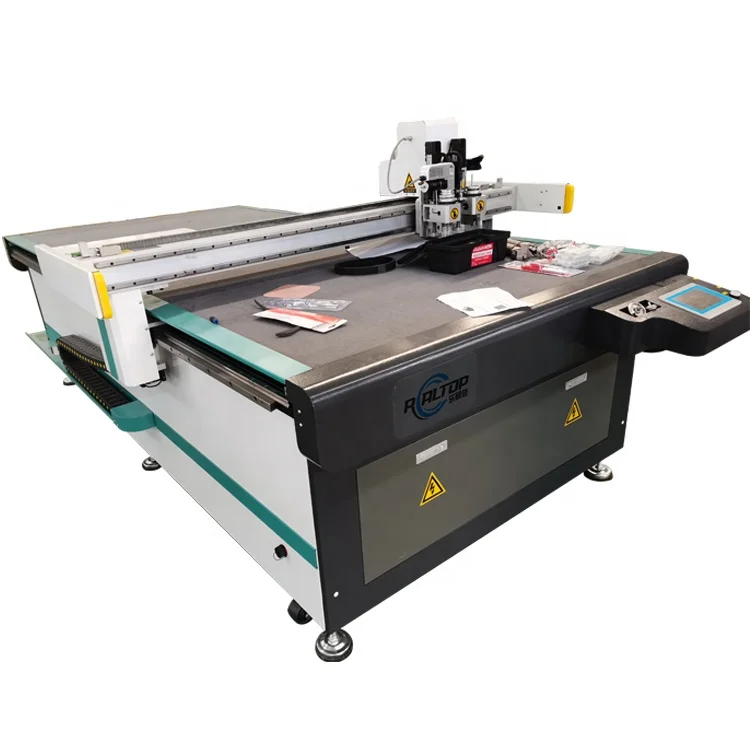
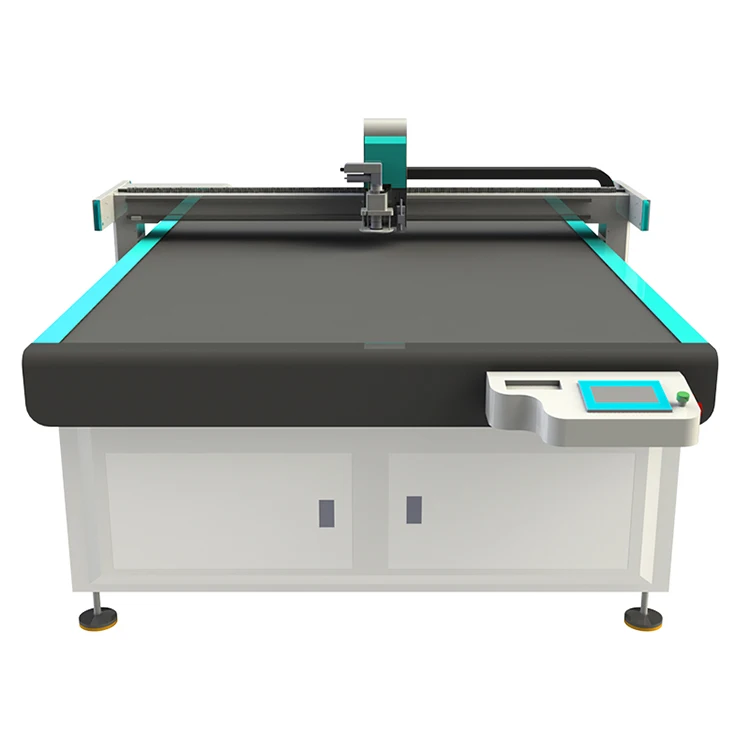
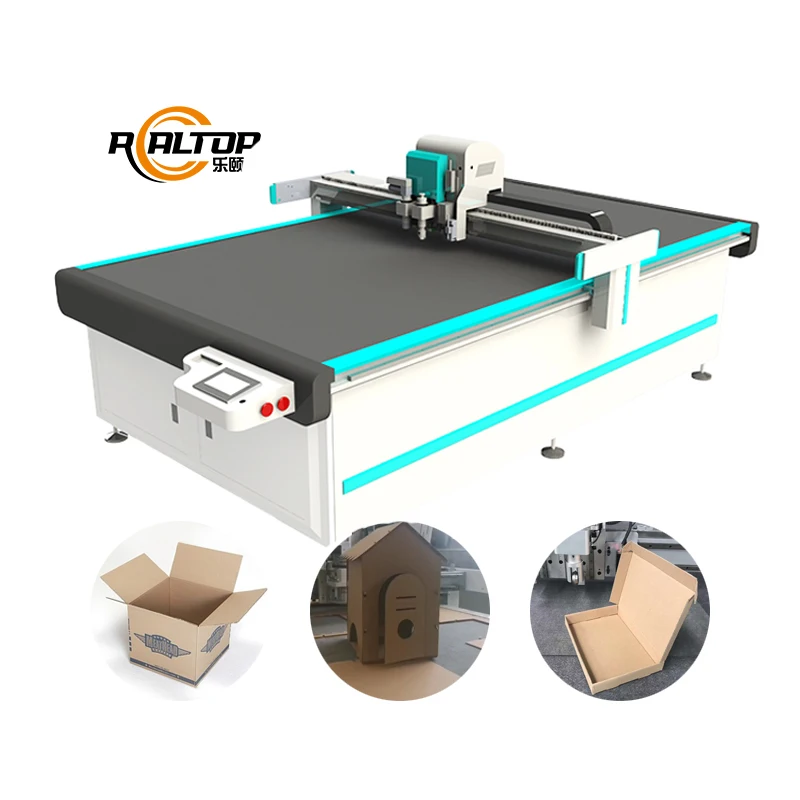
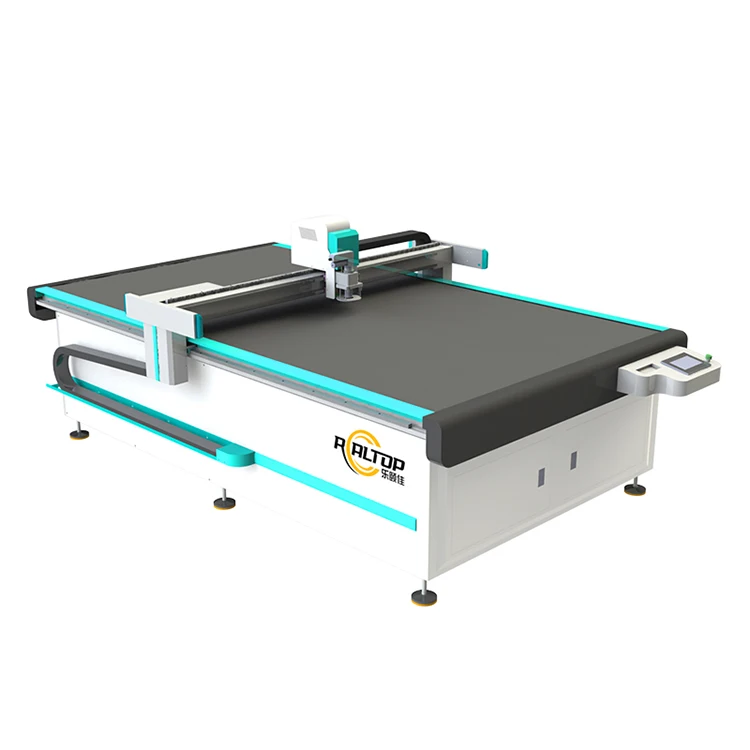
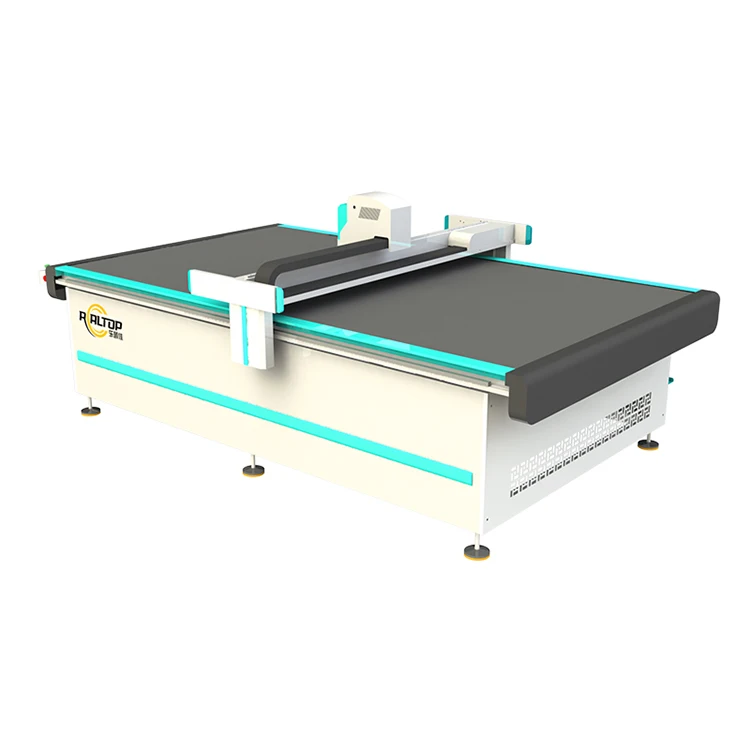
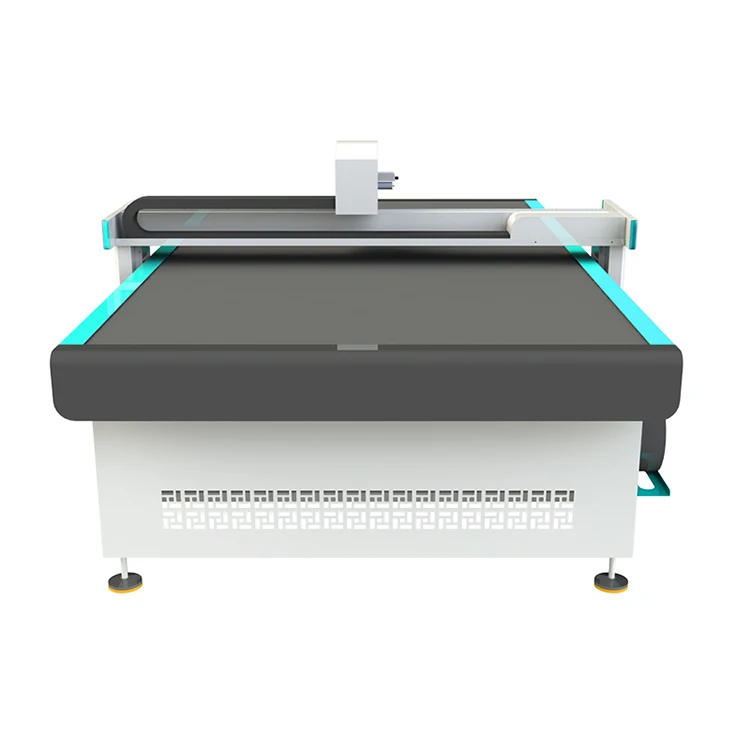
| Product Type | CNC Digital Flatbed Cutting Machine |
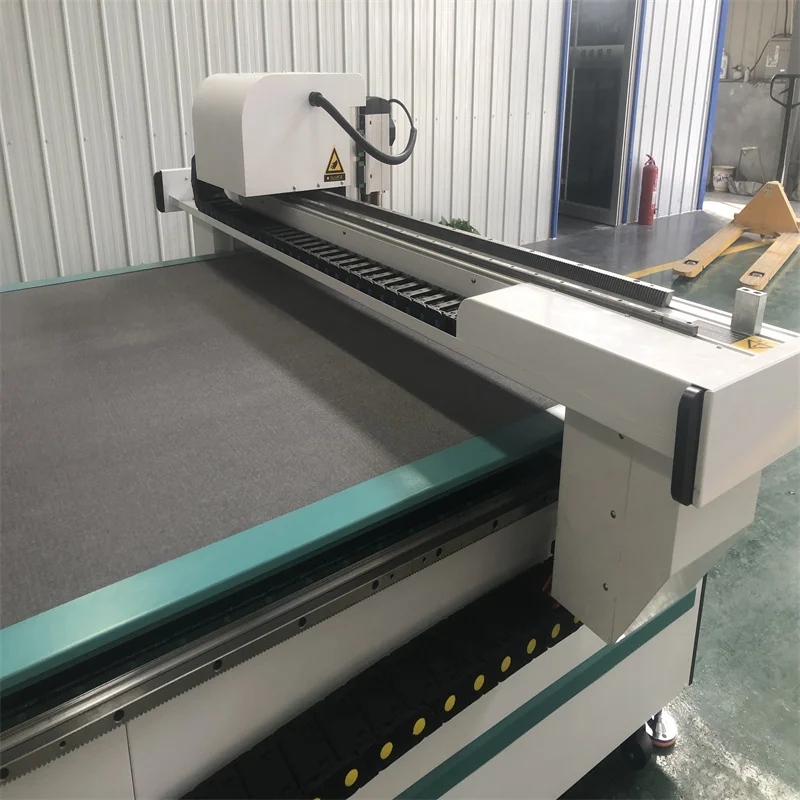
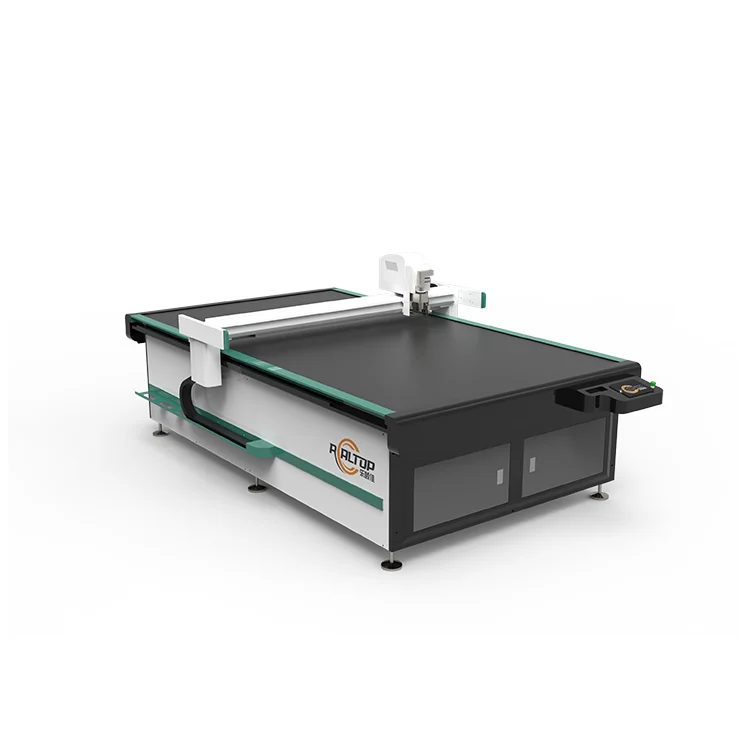
| Working Area | 1600×2500mm |
| Machine Overall Dimensions | 3450×2300×1250mm |
| Rated Power | 9 kW (source value — verify against manufacturer catalog) |
| Working Table | Flat vacuum table with 7.5 kW vacuum pump |
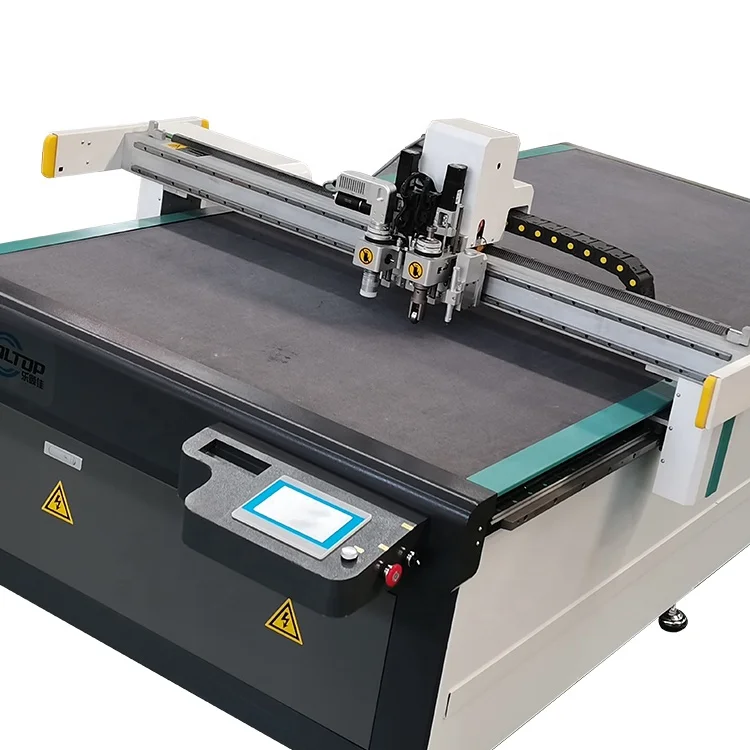
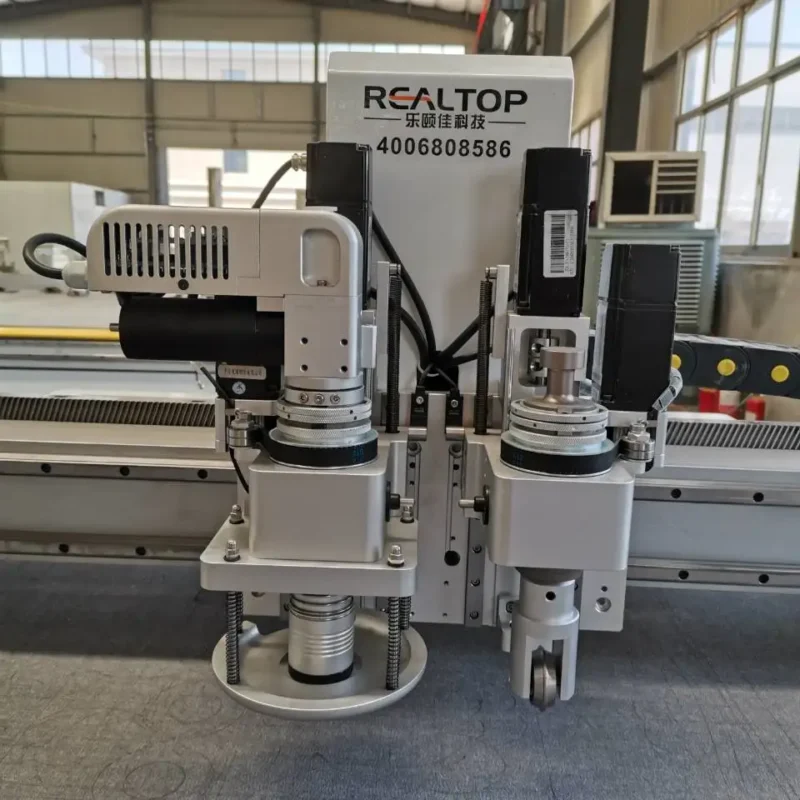
| Tool Head Configuration | Multi-functional head (Swiss imported oscillating knife with full cutting, half cutting, and cursor location) |
| Translational Velocity | 800-1200mm/s |
| Cutting Speed | 200-800mm/s (according to different cutting materials — basis not stated in source — confirm material type / thickness) |
| Repeated Accuracy | ≤0.1mm |
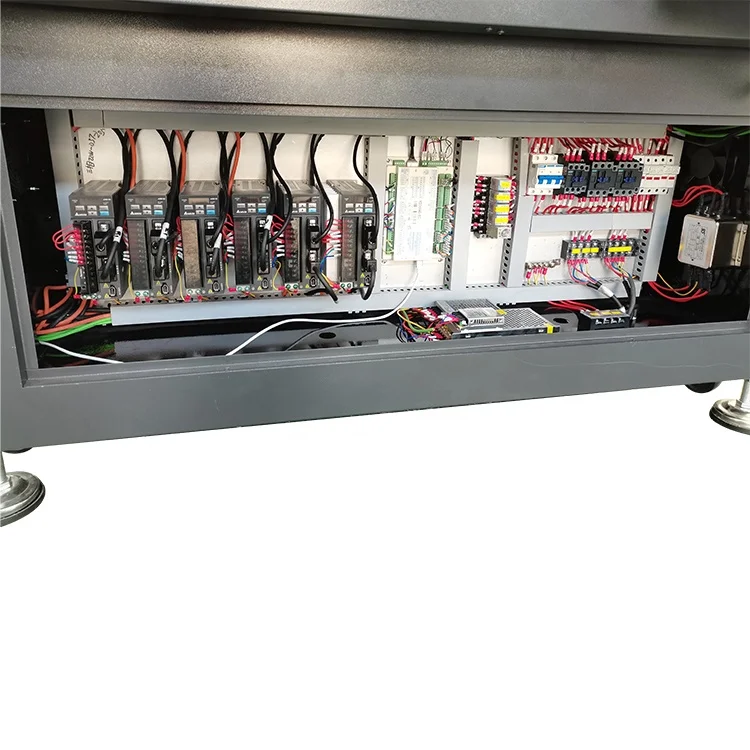
| Transmission System | Digital servo motor (Yaskawa), linear guide (Taiwan Hiwin), synchronous belt, ball screw |
| Instruction System | HP-GL compatible format |
| Voltage | 380V±10% (frequency not specified in source) |
| Conveyor System | Germany imported conveyor belt, auto feeding |
| Safety Device | Infrared sensors |
| Pneumatic Cutting Tool Max Thickness | up to 70mm (basis not stated in source — confirm material type / density) |
| Standards | CE |
Application Suitability
| Application | Material or Output |
|---|---|
| Corrugated carton box making | Single, double, and triple-wall corrugated board |
| Packaging sample making | Grey board, white card stock, art paper |
| Sticker and label cutting | Self-adhesive vinyl, PVC film, reflective sheeting |
| Gift box and display production | Foam board, honeycomb paper, corrugated plastic |
| Flexible material processing | Leather, clothing textiles, sponge composite leather, soft glass, silicone, rubber |
Why a Flatbed Cutting Table for Sale Must Be Specified Beyond Working Area
A machine chosen only by bed size regularly fails when the material thickness or density exceeds what the selected tool head can handle.
I have walked into packaging workshops in Latin America where the machine arrived with the correct 1600×2500mm footprint but the wrong creasing wheel for the local recycled board stock. The flutes crushed instead of folding, and the sample boxes fell apart during assembly. The buyer had approved the purchase based on working area alone, never asking which tool heads were installed or what board profile each tool could process [NEED_CITE: packaging board flute profiles and creasing requirements].
When sourcing a CNC digital cutting machine manufacturer, the conversation has to cover material type, flute profile, sheet thickness, and daily volume before a bed size is even discussed. The RT-D2516/RT-S2516 sits in the mid-large format range, suited to operations running standard corrugated sheets up to the bed boundary, but the tool head configuration and vacuum zoning determine whether it actually produces usable samples on your specific stock.
Where the RT-D2516/RT-S2516 Sits in the Machine Family
This model fills the 1600×2500mm oscillating-knife position in the Realtop flatbed range. Smaller format units handle sticker and label runs where sheet size stays compact, while larger beds serve full-size corrugated sheets or multi-layer fabric lays. The RT-D2516/RT-S2516 targets packaging sample makers and carton producers whose sheet dimensions fall within the 1600×2500mm envelope and who need creasing alongside cutting on the same bed.
Buyers surveying the full catalogue should map their sheet sizes and material mix against this model first, then compare it to CCD-equipped contour machines for printed sticker work or to CO2 laser alternatives where edge sealing on synthetics matters more than mechanical creasing.
Knife Versus Laser: Matching Method to Material in the Catalogue
Oscillating knife cutting handles corrugated board, grey board, and thick foam without burning edges or releasing fumes. Laser cutting seals edges on textiles and acrylic but chars corrugated flutes and leaves soot on grey board. A buyer running both packaging samples and acrylic signage may need one of each, which is why evaluating the full range matters before locking in a single machine [NEED_CITE: mechanical knife versus CO2 laser cutting on corrugated and synthetic materials].
The RT-D2516/RT-S2516 is configured for knife work. Its Swiss imported oscillating knife supports full cut, half cut, and cursor location, covering the crease-and-cut workflow that packaging sample makers require. If your production mix includes acrylic letters or textile appliqué, the laser side of the catalogue addresses those jobs separately.
What the Core Specs Mean for Packaging Production
The Yaskawa digital servo and Taiwan Hiwin linear guide combination delivers ≤0.1mm repeatability across the full 1600×2500mm bed. For packaging sample making, this tolerance means crease lines align with cut edges on repeated runs, which matters when a folding carton must close consistently across dozens of prototypes.
The 7.5 kW vacuum pump and flat vacuum table hold corrugated sheets flat during cutting. Recycled board with higher moisture content tends to curl at the edges, and insufficient vacuum zoning lets small die-cut parts lift during the final pass. The Germany imported conveyor belt and auto-feeding system support continuous sheet handling, reducing the manual load-and-unload cycle between sheets.
The HP-GL compatible instruction system integrates with common packaging and graphic design workflows. File format compatibility should still be confirmed against your specific nesting software before the order is placed, because HP-GL alone does not guarantee seamless import of every DXF or PLT variant [NEED_CITE: HP-GL file format compatibility with packaging CAD software].
The Hidden Cost of a Misconfigured Tool Head
A buyer who specifies the RT-D2516/RT-S2516 without confirming the creasing wheel diameter for their flute profile will receive a machine that cuts cleanly but produces broken creases on heavier board. The oscillating knife handles the outline, but the crease quality depends on matching the wheel to the board caliper and flute type.
Vacuum table zoning is another configuration detail that causes problems when overlooked. Small packaging inserts and sticker shapes lift off the bed if the vacuum zones are too broad for the part size, producing ragged edges or tool deflection. Requesting the table zoning layout before shipment prevents this issue from surfacing during installation.
Why Source the Full Range Here
In-house design and production cover both knife and laser cutting technologies, so a buyer can compare methods side by side against the same material stack rather than forcing one technology to do every job.
Tool head and table configuration are specified per material and production volume, meaning the creasing wheel, oscillating knife, and vacuum zoning are matched to your board profile before the machine is built.
CCD camera positioning is available on contour-capable models within the range for buyers whose work includes printed sticker and label cutting alongside plain board packaging.
Software compatibility is confirmed against your file format and nesting workflow before the order is finalized, preventing a situation where the machine arrives but cannot open your existing design files.
Sample cutting on your own corrugated board, grey board, or sticker stock is available before commitment, so edge quality and crease depth are verified on your actual material rather than on standard test stock.
Documentation & Verification
- Machine specification sheet confirming working area, tool head list, and vacuum table zoning layout
- Electrical schematic and voltage confirmation matched to your local 380V supply frequency
- Sample cutting report on your corrugated board or sticker stock showing crease depth and edge quality
- Tool head and table configuration list detailing oscillating knife, creasing wheel, and cursor tools
- Software licence and file format compatibility note for your existing HP-GL or DXF workflow
- Factory test record documenting repeatability measurement across the 1600×2500mm bed before dispatch
Installation, Commissioning & Support
- 3450×2300×1250mm overall dimensions require adequate workshop clearance for conveyor feeding on both ends
- 9 kW rated power plus 7.5 kW vacuum pump demand a dedicated circuit at the confirmed 380V±10% supply
- Machine ships in assembled sections; the flat vacuum table and conveyor belt require on-site alignment
- First-run commissioning includes tool head calibration for your board thickness and crease depth settings
- Operator training covers HP-GL file import, nesting workflow, and vacuum zone adjustment for small parts
- Spare parts list covers oscillating knife blades, creasing wheels, and conveyor belt segments
Before You Request a Quote
Provide your material type, flute profile or board caliper, maximum sheet dimensions, and daily sample volume so the configuration can be matched accurately. Specify your local voltage and frequency, the plug type required, and the control language your operators will use. If you run a specific CAD or nesting software, share the file format to confirm compatibility before the order stage.
Frequently Asked Questions
Q: Knife cutting or laser cutting — which method handles corrugated board and stickers better?
A: Oscillating knife cutting is the standard for corrugated board and grey board because it produces clean mechanical cuts without burning edges or generating fumes. Laser cutting works well for acrylic and textiles where edge sealing matters. For sticker and vinyl contour cutting, a knife with CCD camera positioning tracks printed marks, while laser cutting can leave melted edges on certain vinyl films.
Q: How does the RT-D2516/RT-S2516 compare to CCD contour and large-format models in the range?
A: The RT-D2516/RT-S2516 occupies the 1600×2500mm knife-cutting position, suited to packaging sample making and corrugated carton production. CCD-equipped models add printed contour recognition for sticker and label work. Larger format beds handle full-size sheets or multi-layer fabric. Buyers should map their sheet sizes and material mix before selecting a single model from the family.
Q: What voltage and control language details are confirmed before shipment?
A: Voltage, plug type, frequency, and control interface language must be confirmed before the machine enters production. The standard voltage is 380V±10%, but target markets have different frequency and plug standards. Confirming these details at the order stage prevents a situation where the machine arrives with the wrong electrical configuration or an interface your operators cannot read.
Q: How is the vacuum table configured to prevent small packaging parts from lifting?
A: The flat vacuum table is backed by a 7.5 kW vacuum pump, and the zoning layout should match the typical part sizes in your production. Small die-cut shapes lift when vacuum zones are too broad, so requesting the table zoning drawing before shipment allows you to verify that the zone segmentation fits your packaging sample geometry.
Q: Does the system import existing DXF, PLT, or HP-GL design files?
A: The instruction system is HP-GL compatible, which covers many packaging CAD workflows. However, specific DXF or PLT variants may require format conversion. Sharing a sample design file with the manufacturer before ordering allows them to confirm import compatibility and identify any nesting software adjustments needed for your production pipeline.
Full-Catalogue Hub — positioning the RT-D2516/RT-S2516 within the broader flatbed range so buyers can compare knife, laser, and CCD contour options against their actual material mix before committing.
Technical Specifications
| Parameter | Value |
|---|---|
| Model | RT-D2516/RT-S2516 |
| Product Type | CNC Digital Flatbed Cutting Machine |
| Working Area | 1600×2500mm |
| Machine Overall Dimensions | 3450×2300×1250mm |
| Rated Power | 9 kW (source value — verify against manufacturer catalog) |
| Working Table | Flat vacuum table with 7.5 kW vacuum pump |
| Tool Head Configuration | Multi-functional head (Swiss imported oscillating knife with full cutting, half cutting, and cursor location) |
| Translational Velocity | 800-1200mm/s |
| Cutting Speed | 200-800mm/s (according to different cutting materials — basis not stated in source — confirm material type / thickness) |
| Repeated Accuracy | ≤0.1mm |
| Transmission System | Digital servo motor (Yaskawa), linear guide (Taiwan Hiwin), synchronous belt, ball screw |
| Instruction System | HP-GL compatible format |
| Voltage | 380V±10% (frequency not specified in source) |
| Conveyor System | Germany imported conveyor belt, auto feeding |
| Safety Device | Infrared sensors |
| Pneumatic Cutting Tool Max Thickness | up to 70mm (basis not stated in source — confirm material type / density) |
| Standards | CE |
Application Suitability
| Application | Material or Output |
|---|---|
| Corrugated carton box making | Single, double, and triple-wall corrugated board |
| Packaging sample making | Grey board, white card stock, art paper |
| Sticker and label cutting | Self-adhesive vinyl, PVC film, reflective sheeting |
| Gift box and display production | Foam board, honeycomb paper, corrugated plastic |
| Flexible material processing | Leather, clothing textiles, sponge composite leather, soft glass, silicone, rubber |
Why a Flatbed Cutting Table for Sale Must Be Specified Beyond Working Area
A machine chosen only by bed size regularly fails when the material thickness or density exceeds what the selected tool head can handle.
I have walked into packaging workshops in Latin America where the machine arrived with the correct 1600×2500mm footprint but the wrong creasing wheel for the local recycled board stock. The flutes crushed instead of folding, and the sample boxes fell apart during assembly. The buyer had approved the purchase based on working area alone, never asking which tool heads were installed or what board profile each tool could process [NEED_CITE: packaging board flute profiles and creasing requirements].
When sourcing a CNC digital cutting machine manufacturer, the conversation has to cover material type, flute profile, sheet thickness, and daily volume before a bed size is even discussed. The RT-D2516/RT-S2516 sits in the mid-large format range, suited to operations running standard corrugated sheets up to the bed boundary, but the tool head configuration and vacuum zoning determine whether it actually produces usable samples on your specific stock.
Where the RT-D2516/RT-S2516 Sits in the Machine Family
This model fills the 1600×2500mm oscillating-knife position in the Realtop flatbed range. Smaller format units handle sticker and label runs where sheet size stays compact, while larger beds serve full-size corrugated sheets or multi-layer fabric lays. The RT-D2516/RT-S2516 targets packaging sample makers and carton producers whose sheet dimensions fall within the 1600×2500mm envelope and who need creasing alongside cutting on the same bed.
Buyers surveying the full catalogue should map their sheet sizes and material mix against this model first, then compare it to CCD-equipped contour machines for printed sticker work or to CO2 laser alternatives where edge sealing on synthetics matters more than mechanical creasing.
Knife Versus Laser: Matching Method to Material in the Catalogue
Oscillating knife cutting handles corrugated board, grey board, and thick foam without burning edges or releasing fumes. Laser cutting seals edges on textiles and acrylic but chars corrugated flutes and leaves soot on grey board. A buyer running both packaging samples and acrylic signage may need one of each, which is why evaluating the full range matters before locking in a single machine [NEED_CITE: mechanical knife versus CO2 laser cutting on corrugated and synthetic materials].
The RT-D2516/RT-S2516 is configured for knife work. Its Swiss imported oscillating knife supports full cut, half cut, and cursor location, covering the crease-and-cut workflow that packaging sample makers require. If your production mix includes acrylic letters or textile appliqué, the laser side of the catalogue addresses those jobs separately.
What the Core Specs Mean for Packaging Production
The Yaskawa digital servo and Taiwan Hiwin linear guide combination delivers ≤0.1mm repeatability across the full 1600×2500mm bed. For packaging sample making, this tolerance means crease lines align with cut edges on repeated runs, which matters when a folding carton must close consistently across dozens of prototypes.
The 7.5 kW vacuum pump and flat vacuum table hold corrugated sheets flat during cutting. Recycled board with higher moisture content tends to curl at the edges, and insufficient vacuum zoning lets small die-cut parts lift during the final pass. The Germany imported conveyor belt and auto-feeding system support continuous sheet handling, reducing the manual load-and-unload cycle between sheets.
The HP-GL compatible instruction system integrates with common packaging and graphic design workflows. File format compatibility should still be confirmed against your specific nesting software before the order is placed, because HP-GL alone does not guarantee seamless import of every DXF or PLT variant [NEED_CITE: HP-GL file format compatibility with packaging CAD software].
The Hidden Cost of a Misconfigured Tool Head
A buyer who specifies the RT-D2516/RT-S2516 without confirming the creasing wheel diameter for their flute profile will receive a machine that cuts cleanly but produces broken creases on heavier board. The oscillating knife handles the outline, but the crease quality depends on matching the wheel to the board caliper and flute type.
Vacuum table zoning is another configuration detail that causes problems when overlooked. Small packaging inserts and sticker shapes lift off the bed if the vacuum zones are too broad for the part size, producing ragged edges or tool deflection. Requesting the table zoning layout before shipment prevents this issue from surfacing during installation.
Why Source the Full Range Here
In-house design and production cover both knife and laser cutting technologies, so a buyer can compare methods side by side against the same material stack rather than forcing one technology to do every job.
Tool head and table configuration are specified per material and production volume, meaning the creasing wheel, oscillating knife, and vacuum zoning are matched to your board profile before the machine is built.
CCD camera positioning is available on contour-capable models within the range for buyers whose work includes printed sticker and label cutting alongside plain board packaging.
Software compatibility is confirmed against your file format and nesting workflow before the order is finalized, preventing a situation where the machine arrives but cannot open your existing design files.
Sample cutting on your own corrugated board, grey board, or sticker stock is available before commitment, so edge quality and crease depth are verified on your actual material rather than on standard test stock.
Documentation & Verification
- Machine specification sheet confirming working area, tool head list, and vacuum table zoning layout
- Electrical schematic and voltage confirmation matched to your local 380V supply frequency
- Sample cutting report on your corrugated board or sticker stock showing crease depth and edge quality
- Tool head and table configuration list detailing oscillating knife, creasing wheel, and cursor tools
- Software licence and file format compatibility note for your existing HP-GL or DXF workflow
- Factory test record documenting repeatability measurement across the 1600×2500mm bed before dispatch
Installation, Commissioning & Support
- 3450×2300×1250mm overall dimensions require adequate workshop clearance for conveyor feeding on both ends
- 9 kW rated power plus 7.5 kW vacuum pump demand a dedicated circuit at the confirmed 380V±10% supply
- Machine ships in assembled sections; the flat vacuum table and conveyor belt require on-site alignment
- First-run commissioning includes tool head calibration for your board thickness and crease depth settings
- Operator training covers HP-GL file import, nesting workflow, and vacuum zone adjustment for small parts
- Spare parts list covers oscillating knife blades, creasing wheels, and conveyor belt segments
Before You Request a Quote
Provide your material type, flute profile or board caliper, maximum sheet dimensions, and daily sample volume so the configuration can be matched accurately. Specify your local voltage and frequency, the plug type required, and the control language your operators will use. If you run a specific CAD or nesting software, share the file format to confirm compatibility before the order stage.
Frequently Asked Questions
Q: Knife cutting or laser cutting — which method handles corrugated board and stickers better?
A: Oscillating knife cutting is the standard for corrugated board and grey board because it produces clean mechanical cuts without burning edges or generating fumes. Laser cutting works well for acrylic and textiles where edge sealing matters. For sticker and vinyl contour cutting, a knife with CCD camera positioning tracks printed marks, while laser cutting can leave melted edges on certain vinyl films.
Q: How does the RT-D2516/RT-S2516 compare to CCD contour and large-format models in the range?
A: The RT-D2516/RT-S2516 occupies the 1600×2500mm knife-cutting position, suited to packaging sample making and corrugated carton production. CCD-equipped models add printed contour recognition for sticker and label work. Larger format beds handle full-size sheets or multi-layer fabric. Buyers should map their sheet sizes and material mix before selecting a single model from the family.
Q: What voltage and control language details are confirmed before shipment?
A: Voltage, plug type, frequency, and control interface language must be confirmed before the machine enters production. The standard voltage is 380V±10%, but target markets have different frequency and plug standards. Confirming these details at the order stage prevents a situation where the machine arrives with the wrong electrical configuration or an interface your operators cannot read.
Q: How is the vacuum table configured to prevent small packaging parts from lifting?
A: The flat vacuum table is backed by a 7.5 kW vacuum pump, and the zoning layout should match the typical part sizes in your production. Small die-cut shapes lift when vacuum zones are too broad, so requesting the table zoning drawing before shipment allows you to verify that the zone segmentation fits your packaging sample geometry.
Q: Does the system import existing DXF, PLT, or HP-GL design files?
A: The instruction system is HP-GL compatible, which covers many packaging CAD workflows. However, specific DXF or PLT variants may require format conversion. Sharing a sample design file with the manufacturer before ordering allows them to confirm import compatibility and identify any nesting software adjustments needed for your production pipeline.
商品评价
There are no reviews yet.