

Fast Delivery
Quick, reliable shipping to any location.

Free & easy returns
Return this item by mail or in store within 90 days for a full refund.
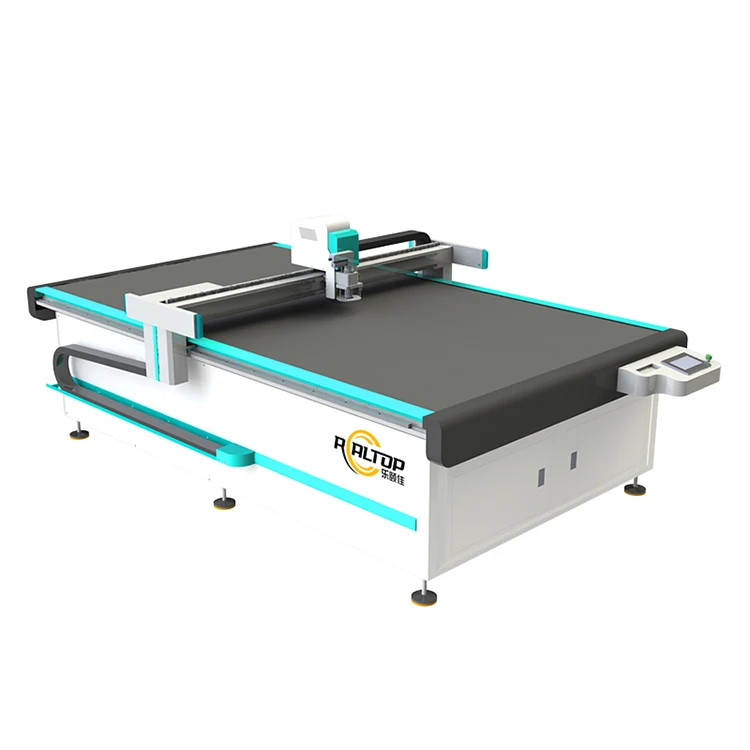
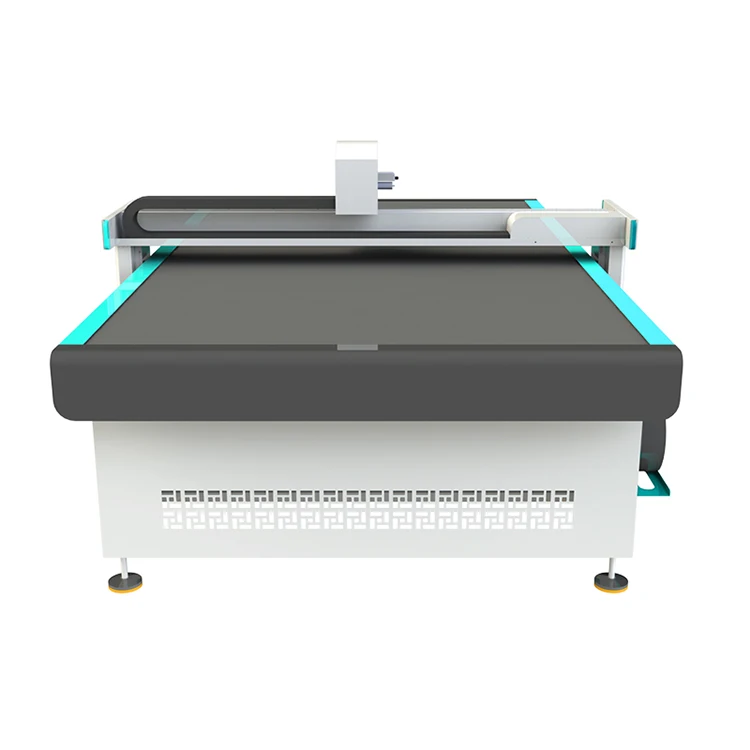
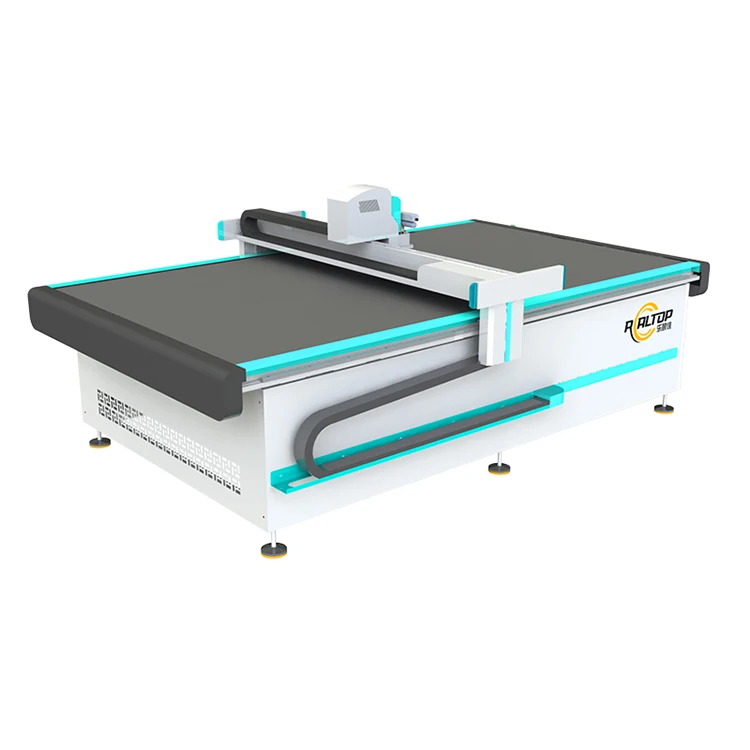
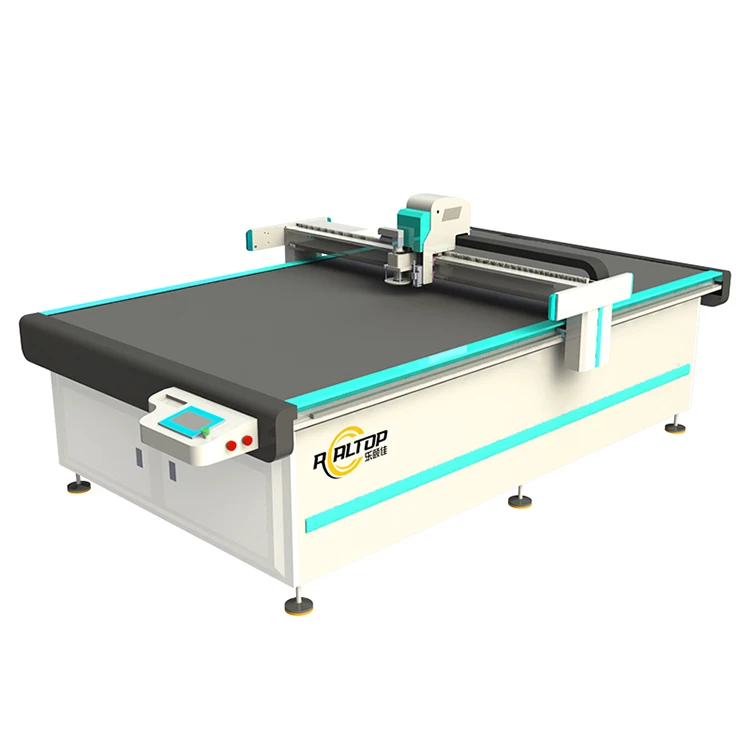
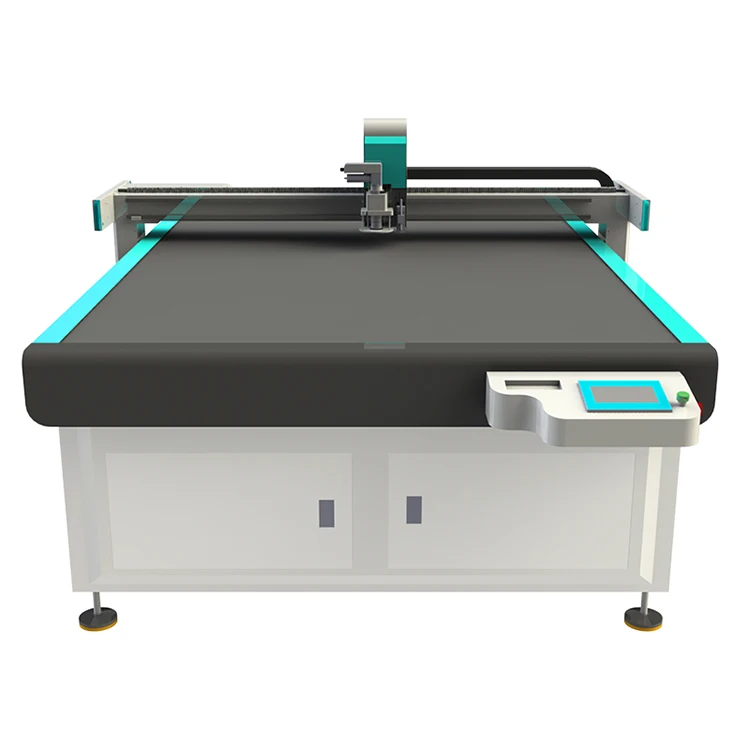
Multi-Tool Head Platform — A single work cycle combines oscillating knife, drag knife, punching, creasing and marking tools, configured per leather thickness and composite density rather than forcing one cutting method across all automotive interior materials.
Technical Specifications
| Parameter | Value |
|---|---|
| Model | RT-D2516/RT-S2516 |
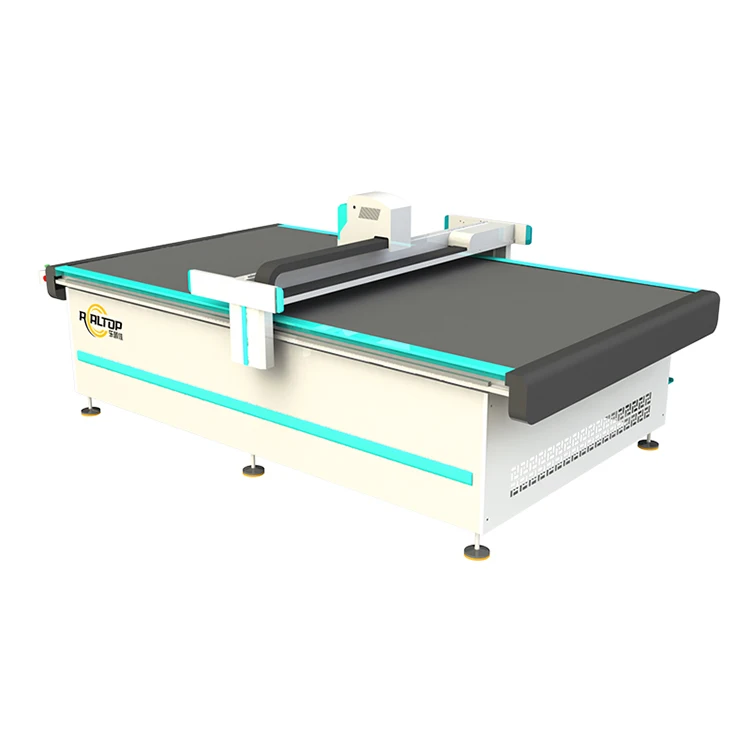
| Product Type | CNC Oscillating Knife Cutting Machine for Automotive Interiors |
| Working Area | 1600 × 2500 mm |
| Overall Dimensions | 3450 × 2300 × 1250 mm |
| Rated Power | 9 kW |
| Voltage | 380V ±10% (other voltages configurable) |
| Control System | CNC (HP-GL compatible format) |
| Transmission System | Digital servo motor, linear guide, synchronous belt, ball screw |
| Servo Motor Brand | Delta (Panasonic optional) |
| Translational Velocity | 800–1200 mm/s |
| Cutting Thickness | 20–80 mm (basis not stated in source — confirm material type and density) |
| Repeated Accuracy | ≤0.1 mm |
| Vacuum Pump | 7.5 kW, aviation aluminum shell with built-in silencer |
| Vacuum Table | Magnesium-aluminum alloy, fluorocarbon PVDF powder coating, anodic oxidation |
| Table Type | Flat working table (conveyor belt optional — Germany imported) |
| Rail | Taiwan Hiwin |
| Available Tool Heads | Oscillating knife, pneumatic knife, high-power vibrating knife, circular knife, V-cutting knife, drag knife, creasing wheel, dotted line knife, punching, brush |
| Visual Positioning | Small CCD camera mark-point positioning, panoramic camera recognition, projection positioning |
| Safety Devices | Infrared induction blocking, anti-collision sensors, emergency stop with in-situ resume |
| Auto Feeding | Yes |
| Language Options | English, Russian, Italian, Chinese (special languages customizable) |
| Warranty | 1 year (domestic and international) |
| Certification | CE declared |
Application Suitability
| Application | Material or Output |
|---|---|
| Car seat leather cutting | Genuine leather, synthetic leather, sponge composite leather with flaw detection |
| Automotive interior trim | PVC, soft glass, silicone, rubber gaskets |
| Irregular hide contour cutting | Natural hides with automatic flaw avoidance and outline extraction |
| Multi-process single setup | Full cutting, kiss cutting, slot milling, punching, inkjet marking, drawing marking |
Why Tool Head Specification Must Precede the Purchase Order
Matching the blade to the composite layer stack prevents ragged edges and crushed foam that no amount of post-processing can fix.
When a buyer specifies a CNC car interior cutting machine manufacturer based on working area alone, the conversation often stops at table size. Yet automotive leather rarely arrives as a single homogeneous sheet. Seat covers typically involve a top grain layer bonded to a foam backing, sometimes with a scrim fabric in between. An oscillating knife that slices cleanly through 2 mm synthetic leather may crush and tear when it hits a 6 mm sponge composite at production speed [NEED_CITE: automotive interior material layer structures]. I have watched a cutting line lose nearly half its expected output because the knife was chosen for the face material while ignoring the backing density entirely.
The Knife Selection Matrix for Leather and Composites
A multi-tool head platform allows the cutting method to follow the material rather than the other way around. For thin synthetic leather used in headliners and door panel inserts, a high-frequency oscillating knife produces a clean edge without fraying. When the same production run includes sponge composite seat leather, switching to a pneumatic knife or high-power vibrating knife maintains edge integrity through the foam layer. The Swiss-imported knife system on this platform supports vibration full cutting, half cutting and cursor location within a single cycle, so a seat cover pattern can be through-cut while a stitching allowance is kiss-cut without manual tool changes.
Vision Systems for Irregular Hides
Natural leather hides arrive in unpredictable shapes with scars, brand marks and thin spots that must be routed around. The small CCD camera handles mark-point positioning for printed contour work on synthetic materials, while the panoramic camera recognition system scans the full hide outline and detects flaws before the nesting software places patterns [NEED_CITE: leather hide scanning and flaw detection methods]. This means the nesting algorithm works around real defect boundaries rather than assuming a rectangular sheet, improving material yield on expensive automotive-grade hides.
Reading the Specification Sheet Like a Production Manager
The 7.5 kW vacuum pump paired with a magnesium-aluminum alloy table is not just a power number — it determines whether small, intricate pieces like armrest inserts stay flat during high-speed cutting. The PVDF powder coating and hard oxidation treatment resist adhesive buildup from pre-laminated materials. Translational velocity of 800–1200 mm/s is achievable with servo-driven linear guides, but actual cutting speed depends on the thickness and density of the composite stack being processed. The repeated accuracy of ≤0.1 mm ensures that pattern pieces cut hours apart will still align during the sewing and assembly stages downstream.
What Happens When the Configuration Is Guesswork
Choosing a drag knife for a 5 mm sponge composite leather produces crushed edges that fail visual inspection. Insufficient vacuum zoning lets small interior trim pieces lift and shift mid-cut, creating scrap rather than finished parts. A control system set to the wrong language slows operator response to fault codes during a production run [NEED_CITE: CNC machine operator interface language and fault response]. These are not machine defects — they are specification mismatches that surface only after the equipment is installed on the factory floor.
Why Buyers Source This Equipment Here
In-house design covers both knife and laser cutting technologies, so a buyer processing both leather and acrylic interior trim can match the cutting method to each material. Tool head and table configurations are specified per the actual material sample and production volume the buyer provides, not pulled from a default catalog page. CCD camera positioning options are confirmed against the buyer’s print registration method before the order is placed. Software compatibility with existing nesting workflows is verified through file import tests. Voltage, plug type and control panel language are locked in before production begins, not discovered at customs clearance.
Documentation & Verification
- Machine specification sheet listing every tool head and table zone configuration for your material
- Electrical schematic confirming voltage, frequency and plug type for your facility
- Sample cutting report on your actual leather or composite material before shipment
- Factory test record documenting accuracy and speed on your specified material stack
- Software licence and HP-GL file format compatibility confirmation note
- Spare parts list matched to the tool heads installed on your machine
Installation, Commissioning & Support
- 3450 × 2300 × 1250 mm footprint requires level concrete floor with clearance for material loading
- 9 kW rated power demands a dedicated 380V ±10% circuit with proper grounding
- Machine ships fully assembled; verify doorway and overhead clearance before delivery
- First-run commissioning includes vacuum zone mapping to your smallest pattern pieces
- Operator training covers tool head changeover, CCD calibration and nesting import workflow
- Oscillating knife blades and vacuum table seals included in initial spare parts kit
What to Include in Your Inquiry
Send actual material samples — including the full composite stack with backing and scrim — along with the thickest and thinnest materials in your production range. Specify your local voltage, frequency and plug type, along with the preferred control panel language. If you are running an existing nesting software, provide sample files so format compatibility is confirmed before the order is finalized.
Frequently Asked Questions
Q: How do I determine which tool head to use for my leather and composite materials?
A: Send representative samples of every material in your production mix, including the thickest sponge composite and the thinnest synthetic leather. The tool head recommendation is based on actual test cuts through each layer, evaluating edge quality, foam compression and cutting speed. This prevents the common mistake of specifying a blade for the face material while ignoring the backing density.
Q: What vision system options handle irregular natural leather hides?
A: The platform offers small CCD mark-point positioning for printed contours on synthetic materials, and panoramic camera recognition that scans full hide outlines with automatic flaw detection. The panoramic system maps scars and thin spots, allowing the nesting software to route patterns around defects. This reduces waste on expensive automotive-grade hides compared to manual defect marking.
Q: Can the voltage and control language be matched to my target market?
A: Standard configuration is 380V ±10%, but other voltages and frequencies are configurable for different export markets. Control panel language options include English, Russian, Italian and Chinese, with special languages available on request. Voltage, plug type and language must be confirmed before production to avoid customs and commissioning delays.
Q: How is the vacuum table configured to hold small automotive interior parts?
A: The magnesium-aluminum alloy table is divided into independent suction zones that can be activated selectively. This ensures small pieces like armrest covers and console trim inserts remain flat without excessive vacuum bleed from unused areas. Zone configuration is mapped during commissioning based on your actual pattern library and smallest part dimensions.










商品评价
There are no reviews yet.