



Fast Delivery
Quick, reliable shipping to any location.

Free & easy returns
Return this item by mail or in store within 90 days for a full refund.
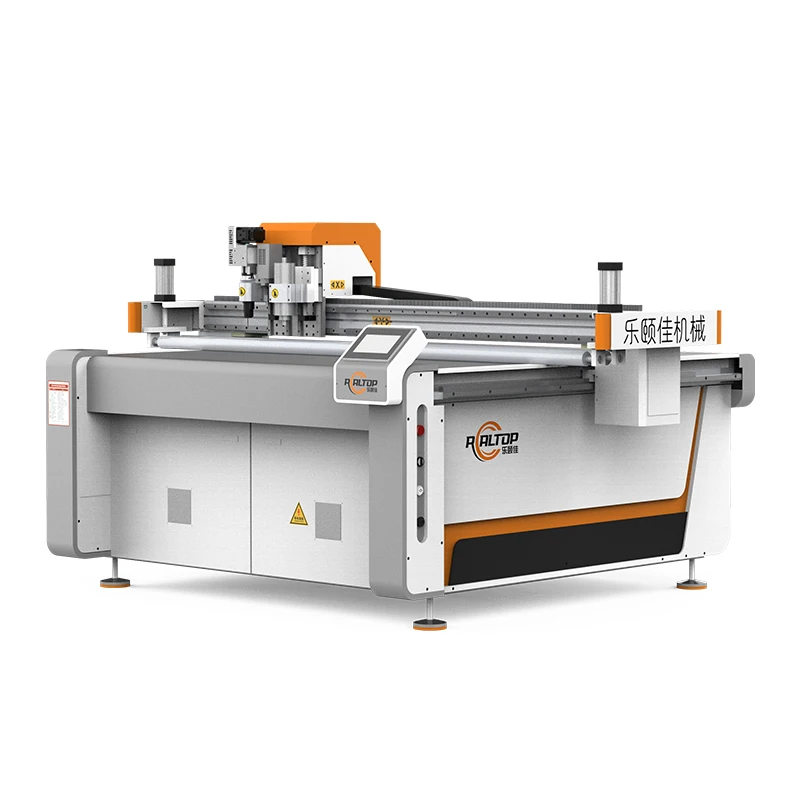
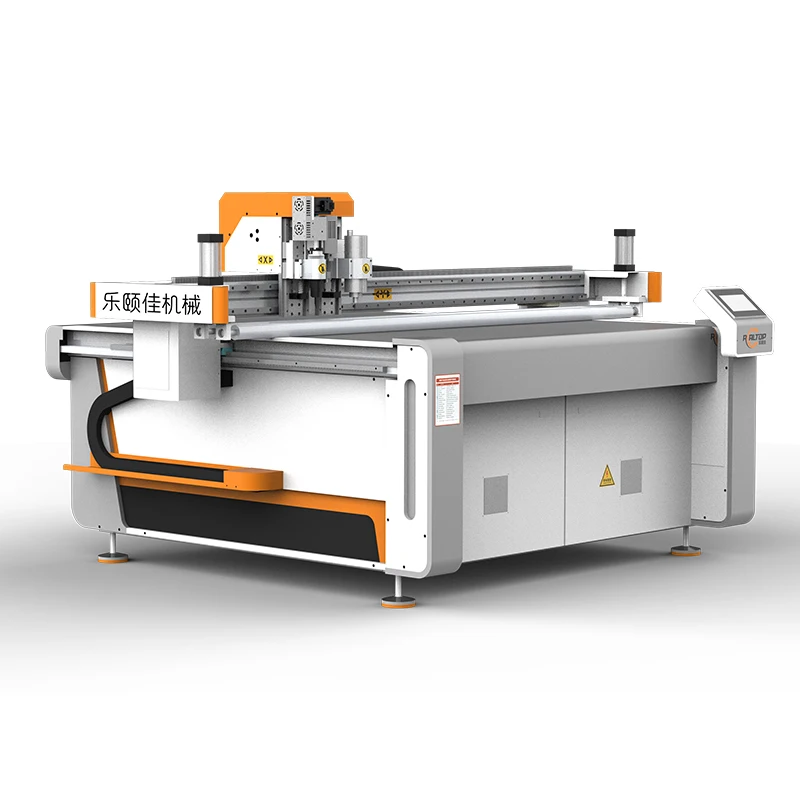
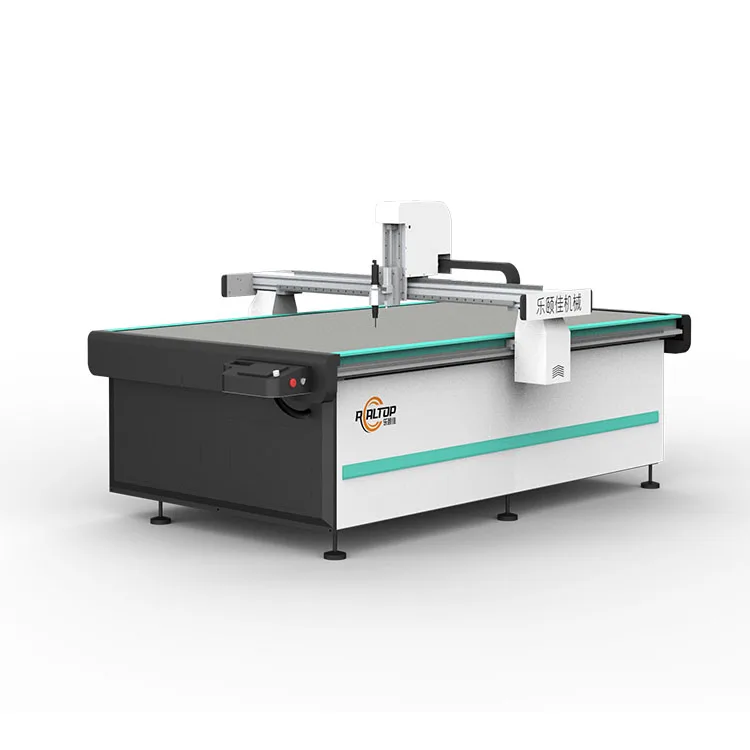
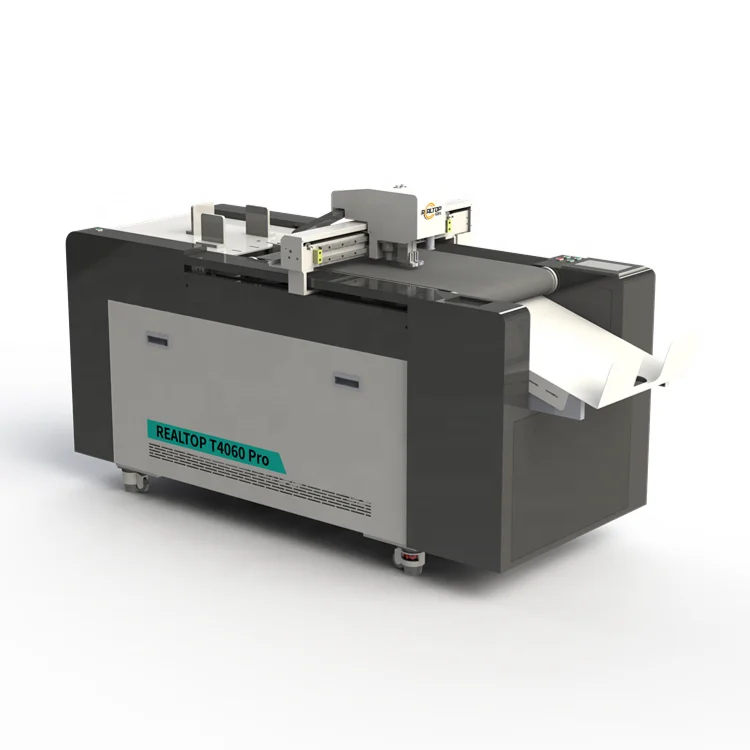
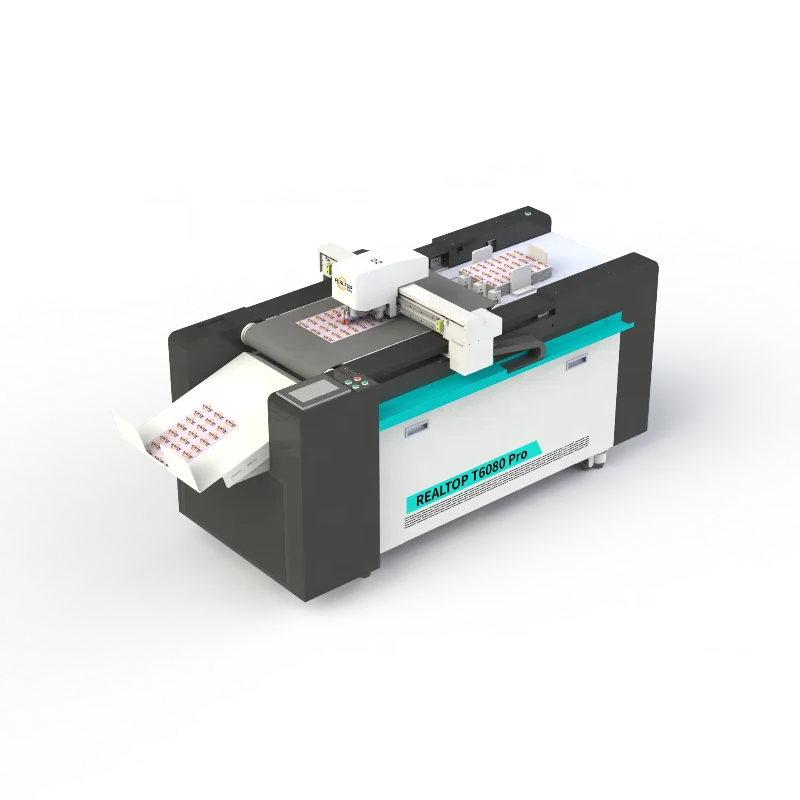
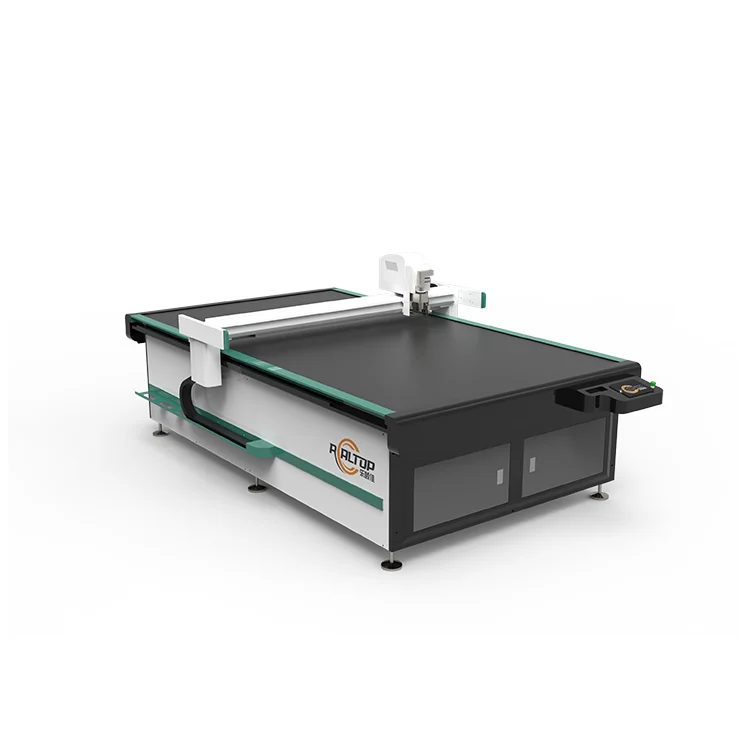
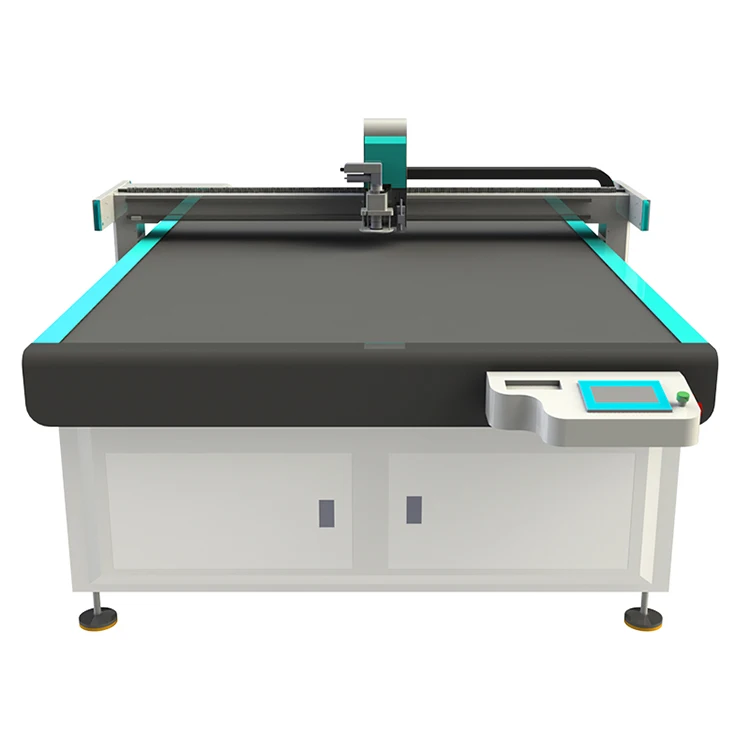
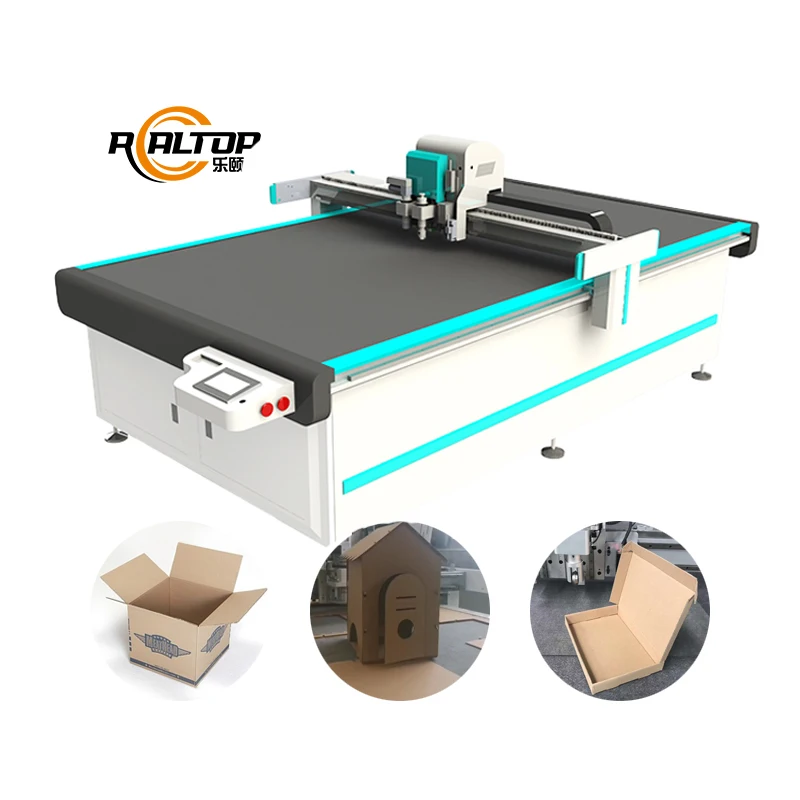
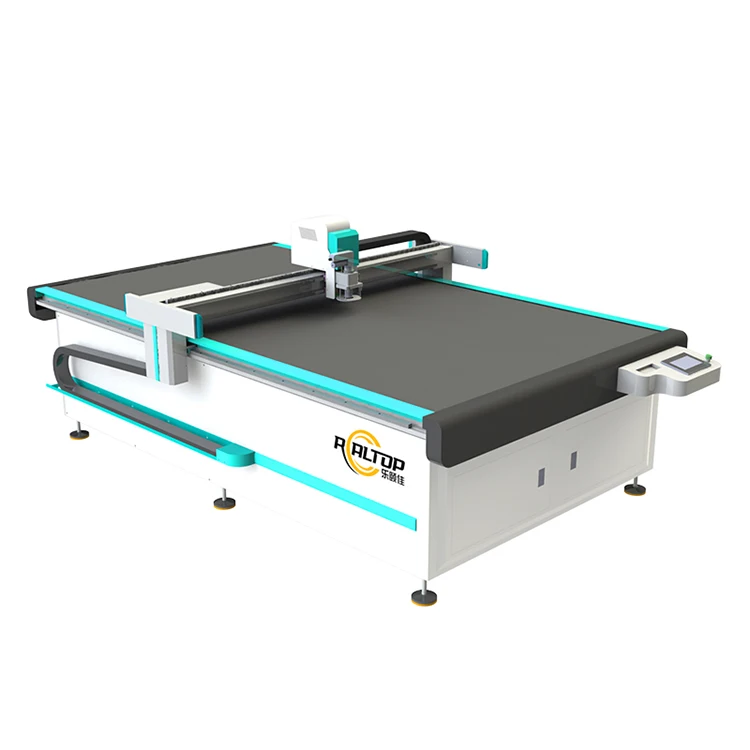
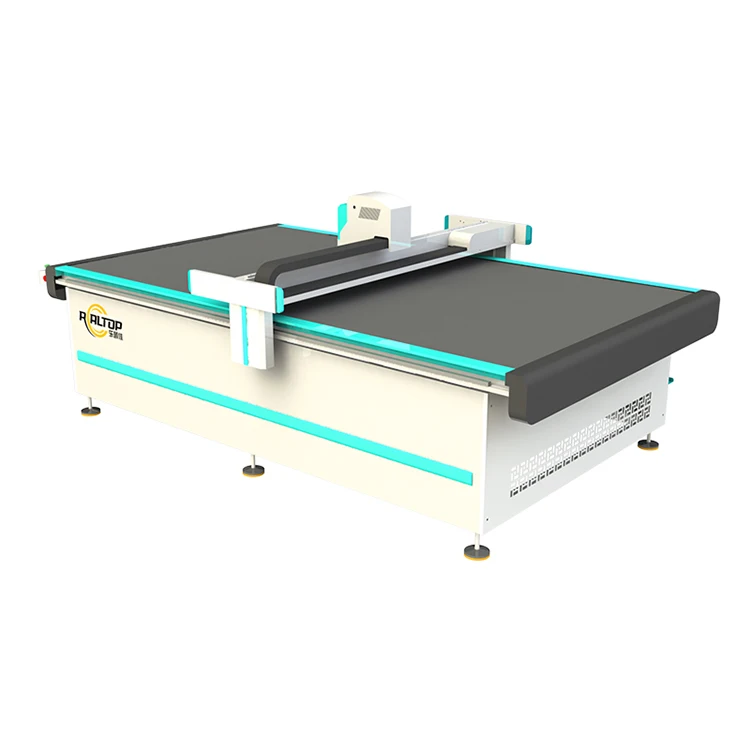
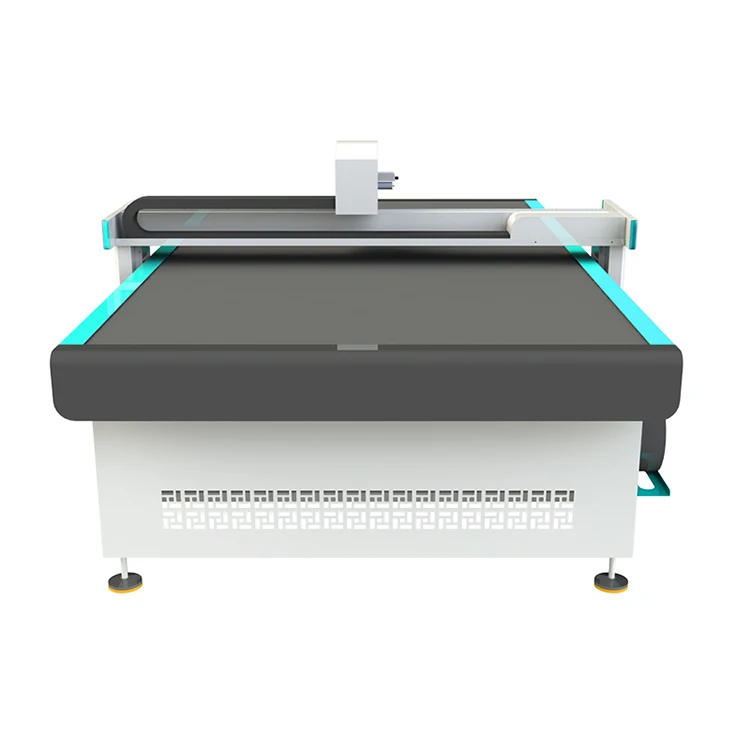
Complete Catalogue Range — From oscillating knife to drag knife and pneumatic configurations, the RT-D2516/RT-S2516 series covers composite cutting methods matched to material density rather than forcing a single approach across prepreg, foam, and multi-layer laminates.
Technical Specifications
| Parameter | Value |
|---|---|
| Model | RT-D2516/RT-S2516 |
| Product Type | CNC Oscillating Knife Cutting Machine for Composites |
| Working Area | 1600×2500 mm |
| Machine Size | 3450×2300×1250 mm |
| Rated Power | 9 kW |
| Translational Velocity | 800–2000 mm/s |
| Cutting Speed | 200–800 mm/s (varies with material type and thickness) |
| Cutting Thickness | ≤100 mm (basis not stated in source — confirm material type and density) |
| Repeated Accuracy | ≤0.1 mm |
| Transmission System | Digital servo motor, linear guide, synchronous belt, imported ball screw |
| Servo Motor Brand | Delta or Panasonic (optional), IP67 waterproof protection |
| Vacuum Table | Magnesium-aluminum alloy, fluorocarbon PVDF powder spraying, anodic and hard oxidation |
| Vacuum Pump | 7.5 kW, integrated aviation aluminum shell, built-in silencer sponge |
| Visual Positioning Options | Small CCD camera mark point positioning, panoramic camera recognition, projection positioning |
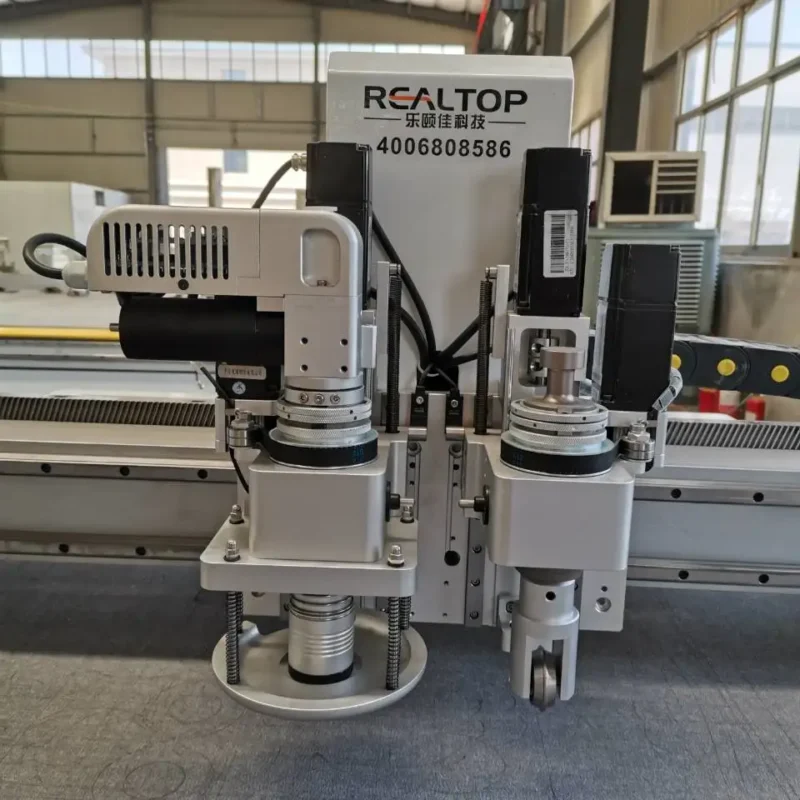
| Multifunctional Tool Head | Swiss imported knife with vibration full cutting, half cutting, cursor location; options include oscillating knife, pneumatic knife, high-power vibrating knife, circular knife, V-cutting knife, drag knife, creasing wheel, dotted line knife, punching, brush |
| Frame Construction | Thick-walled seamless steel structure, high-temperature tempering, CNC machining center finished |
| Feeding System | Germany imported conveyor belt, auto feeding |
| Linear Rail | Taiwan Hiwin |
| Voltage | 380V±10% |
| Instruction Format | HP-GL compatible |
| Assembly State | Fully assembled |
| Standards | CE declaration where applicable (source value — verify against manufacturer catalog) |
Application Suitability
| Application | Material or Output |
|---|---|
| Acoustic panel layup cutting | Carbon fiber prepreg sheets, resin-impregnated fabric |
| Automotive interior fabrication | Multi-layer composite laminates, leather-wrapped foam panels |
| Gasket and seal production | Rubber, silicone, soft glass, composite fiber sheets |
| Packaging sample making | Corrugated board, honeycomb composite, foam inserts |
| Signage and display fabrication | PVC foam board, acrylic-backed composite, lightweight rigid sheets |
| Footwear and leather goods | Sponge composite leather, natural and synthetic leather hides |
Why the Wrong Tool Head Wastes More Material Than You Think
Specified a CNC Oscillating Knife Cutting Machine manufacturer on working area alone, only to find ragged edges on prepreg or crushed foam cores? The tool head must match the material’s density and layer structure, not just the sheet dimensions.
Early in my field service years, a workshop in the Yangtze Delta region ordered a cutting system for carbon fiber prepreg used in acoustic panels. The vacuum table zoning had not been adjusted for their small, irregular part geometries. On the first run, the prepreg lifted at the edges mid-cut, delaminating an entire sheet. I spent two days on-site rewriting the zone logic before production could resume. That kind of failure does not show up in a brochure. [NEED_CITE:]
Matching Knife Type to Composite Density
The RT-D2516/RT-S2516 platform supports a Swiss imported oscillating knife system alongside pneumatic, drag, and high-power vibrating knife options. Each knife type interacts differently with composite materials — an oscillating knife slices cleanly through prepreg without dragging resin, while a drag knife suits thinner gasket materials where edge burnishing is acceptable. A Composites CNC Cutting Machine for sale becomes genuinely useful only when the tool head is specified against the buyer’s actual material stack, not selected from a default list.
Vacuum Table Zoning for Small and Irregular Parts
The magnesium-aluminum alloy table with fluorocarbon PVDF coating provides a flat, corrosion-resistant cutting surface. More critically, zoned vacuum suction must align with the smallest part in the nesting layout. When cutting acoustic panel components — many of which are narrow, curved, or under 100 mm across — insufficient zoning means vacuum bleed across idle zones reduces hold-down force exactly where it matters. The 7.5 kW pump with integrated silencer sponge maintains suction pressure without excessive workshop noise, but the zoning configuration is what determines real holding performance on composite layups. [NEED_CITE:]
Reading the Specs That Actually Matter
The 9 kW rated power covers the servo drives, spindle oscillation, and vacuum system combined — this is a typical load for a machine in this working area class. Repeated accuracy of ≤0.1 mm across the 1600×2500 mm bed depends on the imported ball screw and Taiwan Hiwin linear rails maintaining alignment under continuous cutting loads. The thick-walled seamless steel frame, subjected to high-temperature tempering and finished on a CNC machining center, resists the torsional stress that causes bed distortion over extended production runs. Cutting speed ranges from 200 to 800 mm/s depending on material — carbon fiber prepreg typically runs at the lower end of that band to prevent delamination, while softer foams and rubber gasket stock allow higher feed rates. IP67-rated servo motors from Delta or Panasonic protect against dust ingress common in composite fabrication environments.
The Hidden Cost of Skipping Configuration Verification
Choosing a tool head based on catalog defaults rather than material testing produces consequences that compound across every production shift. Ragged edges on prepreg mean the layup technician must trim manually before curing — adding labor and introducing dimensional drift. Crushed foam cores from an incorrectly specified oscillation frequency compromise the acoustic performance of finished panels. A vacuum table configured for large-format signage cannot hold small gasket profiles without re-zoning, and discovering this after installation means production downtime while the table is reconfigured. [NEED_CITE:] These are not edge cases; they represent the most frequent service calls on composite cutting equipment in my experience.
What Distinguishes This Equipment Range
In-house design covers both knife and laser cutting technologies under one roof, so a buyer evaluating composite materials can compare methods side by side rather than being locked into one approach. Tool head and table configurations are specified per material type and production volume, not sold as a standard package. CCD camera positioning is available in small-format mark point, panoramic recognition, and projection variants — each suited to different registration workflows. Software compatibility with the buyer’s existing nesting files and HP-GL format is confirmed before the order enters production. Sample cutting on the buyer’s actual prepreg or composite stock is performed before commitment, providing a physical basis for configuration decisions.
Documentation & Verification
- Machine specification sheet listing confirmed tool head and vacuum zone configuration for your material
- Electrical schematic and 380V±10% voltage confirmation matching your facility supply
- Sample cutting report on your carbon fiber prepreg or composite stock with edge quality photographs
- Factory test record documenting repeated accuracy and cutting speed on your specified material
- Software license and HP-GL file format compatibility note for your nesting workflow
- Spare parts list covering Swiss knife blades, vacuum seals, and servo drive components
Installation, Commissioning & Support
- Requires a level floor pad to support the 3450×2300×1250 mm machine footprint and dynamic cutting loads
- Dedicated 380V±10% circuit with capacity for 9 kW rated draw plus vacuum pump startup surge
- Ships fully assembled — positioned by forklift, no on-site frame assembly required
- First-run parameter tuning on your composite material, including vacuum zone mapping and knife oscillation frequency
- Operator training covering tool head changes between oscillating, drag, and pneumatic knife configurations
- Routine maintenance schedule for Hiwin rail lubrication, ball screw inspection, and vacuum pump filter replacement
Before You Send an Inquiry
Provide your material type, thickness, and maximum sheet dimensions so the tool head and vacuum table can be matched to your actual production requirements. Specify your daily cutting volume and whether your nesting software outputs HP-GL compatible files or requires format conversion. Confirm your facility voltage, frequency, and preferred control language before the quotation stage.
Frequently Asked Questions
Q: Which knife tool head suits carbon fiber prepreg versus other composites?
A: Carbon fiber prepreg typically requires the Swiss imported oscillating knife with vibration full cutting to slice cleanly through resin-impregnated fibers without dragging or delamination. Softer composites like foam or rubber gasket stock may suit a drag knife or circular knife instead. The correct tool head is determined by sample cutting on your specific material before configuration is finalized.
Q: How does vacuum table zoning affect small composite part cutting?
A: When cutting small or irregular acoustic panel components, vacuum suction must be concentrated in active zones beneath nested parts. Bleed across idle zones reduces hold-down force and allows prepreg lift during cutting. The magnesium-aluminum alloy table supports zoned configuration, but the zone map must match your actual nesting layout to prevent material movement on the RT-D2516/RT-S2516 bed.
Q: Can the CCD camera track printed marks at production speed?
A: The system offers small CCD mark point positioning, panoramic camera recognition, and projection positioning as options. Tracking reliability at cutting speed depends on mark contrast, print quality, and ambient lighting in your workshop. Request a sample cutting report with CCD contour recognition on your printed composite sheets to verify registration accuracy before ordering.
Q: Knife versus laser — which method fits my composite material?
A: Oscillating knife cutting produces no heat-affected zone, which is critical for prepreg where thermal exposure can initiate premature resin cure. Laser cutting suits thinner synthetics where edge sealing is beneficial. REALTOP designs both knife and laser platforms, allowing material-based comparison rather than defaulting to a single method. The choice depends on your composite composition and edge quality requirements.
Q: What working area size fits my composite sheet format and volume?
A: The RT-D2516/RT-S2516 provides a 1600×2500 mm cutting bed, accommodating standard composite sheet formats. High-volume production may benefit from conveyor-fed systems with auto feeding, while sample making and low-volume runs suit the fixed flat table. Daily output targets and sheet dimensions determine whether this working area or a larger format is appropriate.
Complete Catalogue Range — From oscillating knife to drag knife and pneumatic configurations, the RT-D2516/RT-S2516 series covers composite cutting methods matched to material density rather than forcing a single approach across prepreg, foam, and multi-layer laminates.
Technical Specifications
| Parameter | Value |
|---|---|
| Model | RT-D2516/RT-S2516 |
| Product Type | CNC Oscillating Knife Cutting Machine for Composites |
| Working Area | 1600×2500 mm |
| Machine Size | 3450×2300×1250 mm |
| Rated Power | 9 kW |
| Translational Velocity | 800–2000 mm/s |
| Cutting Speed | 200–800 mm/s (varies with material type and thickness) |
| Cutting Thickness | ≤100 mm (basis not stated in source — confirm material type and density) |
| Repeated Accuracy | ≤0.1 mm |
| Transmission System | Digital servo motor, linear guide, synchronous belt, imported ball screw |
| Servo Motor Brand | Delta or Panasonic (optional), IP67 waterproof protection |
| Vacuum Table | Magnesium-aluminum alloy, fluorocarbon PVDF powder spraying, anodic and hard oxidation |
| Vacuum Pump | 7.5 kW, integrated aviation aluminum shell, built-in silencer sponge |
| Visual Positioning Options | Small CCD camera mark point positioning, panoramic camera recognition, projection positioning |
| Multifunctional Tool Head | Swiss imported knife with vibration full cutting, half cutting, cursor location; options include oscillating knife, pneumatic knife, high-power vibrating knife, circular knife, V-cutting knife, drag knife, creasing wheel, dotted line knife, punching, brush |
| Frame Construction | Thick-walled seamless steel structure, high-temperature tempering, CNC machining center finished |
| Feeding System | Germany imported conveyor belt, auto feeding |
| Linear Rail | Taiwan Hiwin |
| Voltage | 380V±10% |
| Instruction Format | HP-GL compatible |
| Assembly State | Fully assembled |
| Standards | CE declaration where applicable (source value — verify against manufacturer catalog) |
Application Suitability
| Application | Material or Output |
|---|---|
| Acoustic panel layup cutting | Carbon fiber prepreg sheets, resin-impregnated fabric |
| Automotive interior fabrication | Multi-layer composite laminates, leather-wrapped foam panels |
| Gasket and seal production | Rubber, silicone, soft glass, composite fiber sheets |
| Packaging sample making | Corrugated board, honeycomb composite, foam inserts |
| Signage and display fabrication | PVC foam board, acrylic-backed composite, lightweight rigid sheets |
| Footwear and leather goods | Sponge composite leather, natural and synthetic leather hides |
Why the Wrong Tool Head Wastes More Material Than You Think
Specified a CNC Oscillating Knife Cutting Machine manufacturer on working area alone, only to find ragged edges on prepreg or crushed foam cores? The tool head must match the material’s density and layer structure, not just the sheet dimensions.
Early in my field service years, a workshop in the Yangtze Delta region ordered a cutting system for carbon fiber prepreg used in acoustic panels. The vacuum table zoning had not been adjusted for their small, irregular part geometries. On the first run, the prepreg lifted at the edges mid-cut, delaminating an entire sheet. I spent two days on-site rewriting the zone logic before production could resume. That kind of failure does not show up in a brochure. [NEED_CITE:]
Matching Knife Type to Composite Density
The RT-D2516/RT-S2516 platform supports a Swiss imported oscillating knife system alongside pneumatic, drag, and high-power vibrating knife options. Each knife type interacts differently with composite materials — an oscillating knife slices cleanly through prepreg without dragging resin, while a drag knife suits thinner gasket materials where edge burnishing is acceptable. A Composites CNC Cutting Machine for sale becomes genuinely useful only when the tool head is specified against the buyer’s actual material stack, not selected from a default list.
Vacuum Table Zoning for Small and Irregular Parts
The magnesium-aluminum alloy table with fluorocarbon PVDF coating provides a flat, corrosion-resistant cutting surface. More critically, zoned vacuum suction must align with the smallest part in the nesting layout. When cutting acoustic panel components — many of which are narrow, curved, or under 100 mm across — insufficient zoning means vacuum bleed across idle zones reduces hold-down force exactly where it matters. The 7.5 kW pump with integrated silencer sponge maintains suction pressure without excessive workshop noise, but the zoning configuration is what determines real holding performance on composite layups. [NEED_CITE:]
Reading the Specs That Actually Matter
The 9 kW rated power covers the servo drives, spindle oscillation, and vacuum system combined — this is a typical load for a machine in this working area class. Repeated accuracy of ≤0.1 mm across the 1600×2500 mm bed depends on the imported ball screw and Taiwan Hiwin linear rails maintaining alignment under continuous cutting loads. The thick-walled seamless steel frame, subjected to high-temperature tempering and finished on a CNC machining center, resists the torsional stress that causes bed distortion over extended production runs. Cutting speed ranges from 200 to 800 mm/s depending on material — carbon fiber prepreg typically runs at the lower end of that band to prevent delamination, while softer foams and rubber gasket stock allow higher feed rates. IP67-rated servo motors from Delta or Panasonic protect against dust ingress common in composite fabrication environments.
The Hidden Cost of Skipping Configuration Verification
Choosing a tool head based on catalog defaults rather than material testing produces consequences that compound across every production shift. Ragged edges on prepreg mean the layup technician must trim manually before curing — adding labor and introducing dimensional drift. Crushed foam cores from an incorrectly specified oscillation frequency compromise the acoustic performance of finished panels. A vacuum table configured for large-format signage cannot hold small gasket profiles without re-zoning, and discovering this after installation means production downtime while the table is reconfigured. [NEED_CITE:] These are not edge cases; they represent the most frequent service calls on composite cutting equipment in my experience.
What Distinguishes This Equipment Range
In-house design covers both knife and laser cutting technologies under one roof, so a buyer evaluating composite materials can compare methods side by side rather than being locked into one approach. Tool head and table configurations are specified per material type and production volume, not sold as a standard package. CCD camera positioning is available in small-format mark point, panoramic recognition, and projection variants — each suited to different registration workflows. Software compatibility with the buyer’s existing nesting files and HP-GL format is confirmed before the order enters production. Sample cutting on the buyer’s actual prepreg or composite stock is performed before commitment, providing a physical basis for configuration decisions.
Documentation & Verification
- Machine specification sheet listing confirmed tool head and vacuum zone configuration for your material
- Electrical schematic and 380V±10% voltage confirmation matching your facility supply
- Sample cutting report on your carbon fiber prepreg or composite stock with edge quality photographs
- Factory test record documenting repeated accuracy and cutting speed on your specified material
- Software license and HP-GL file format compatibility note for your nesting workflow
- Spare parts list covering Swiss knife blades, vacuum seals, and servo drive components
Installation, Commissioning & Support
- Requires a level floor pad to support the 3450×2300×1250 mm machine footprint and dynamic cutting loads
- Dedicated 380V±10% circuit with capacity for 9 kW rated draw plus vacuum pump startup surge
- Ships fully assembled — positioned by forklift, no on-site frame assembly required
- First-run parameter tuning on your composite material, including vacuum zone mapping and knife oscillation frequency
- Operator training covering tool head changes between oscillating, drag, and pneumatic knife configurations
- Routine maintenance schedule for Hiwin rail lubrication, ball screw inspection, and vacuum pump filter replacement
Before You Send an Inquiry
Provide your material type, thickness, and maximum sheet dimensions so the tool head and vacuum table can be matched to your actual production requirements. Specify your daily cutting volume and whether your nesting software outputs HP-GL compatible files or requires format conversion. Confirm your facility voltage, frequency, and preferred control language before the quotation stage.
Frequently Asked Questions
Q: Which knife tool head suits carbon fiber prepreg versus other composites?
A: Carbon fiber prepreg typically requires the Swiss imported oscillating knife with vibration full cutting to slice cleanly through resin-impregnated fibers without dragging or delamination. Softer composites like foam or rubber gasket stock may suit a drag knife or circular knife instead. The correct tool head is determined by sample cutting on your specific material before configuration is finalized.
Q: How does vacuum table zoning affect small composite part cutting?
A: When cutting small or irregular acoustic panel components, vacuum suction must be concentrated in active zones beneath nested parts. Bleed across idle zones reduces hold-down force and allows prepreg lift during cutting. The magnesium-aluminum alloy table supports zoned configuration, but the zone map must match your actual nesting layout to prevent material movement on the RT-D2516/RT-S2516 bed.
Q: Can the CCD camera track printed marks at production speed?
A: The system offers small CCD mark point positioning, panoramic camera recognition, and projection positioning as options. Tracking reliability at cutting speed depends on mark contrast, print quality, and ambient lighting in your workshop. Request a sample cutting report with CCD contour recognition on your printed composite sheets to verify registration accuracy before ordering.
Q: Knife versus laser — which method fits my composite material?
A: Oscillating knife cutting produces no heat-affected zone, which is critical for prepreg where thermal exposure can initiate premature resin cure. Laser cutting suits thinner synthetics where edge sealing is beneficial. REALTOP designs both knife and laser platforms, allowing material-based comparison rather than defaulting to a single method. The choice depends on your composite composition and edge quality requirements.
Q: What working area size fits my composite sheet format and volume?
A: The RT-D2516/RT-S2516 provides a 1600×2500 mm cutting bed, accommodating standard composite sheet formats. High-volume production may benefit from conveyor-fed systems with auto feeding, while sample making and low-volume runs suit the fixed flat table. Daily output targets and sheet dimensions determine whether this working area or a larger format is appropriate.
商品评价
There are no reviews yet.