





Fast Delivery
Quick, reliable shipping to any location.

Free & easy returns
Return this item by mail or in store within 90 days for a full refund.
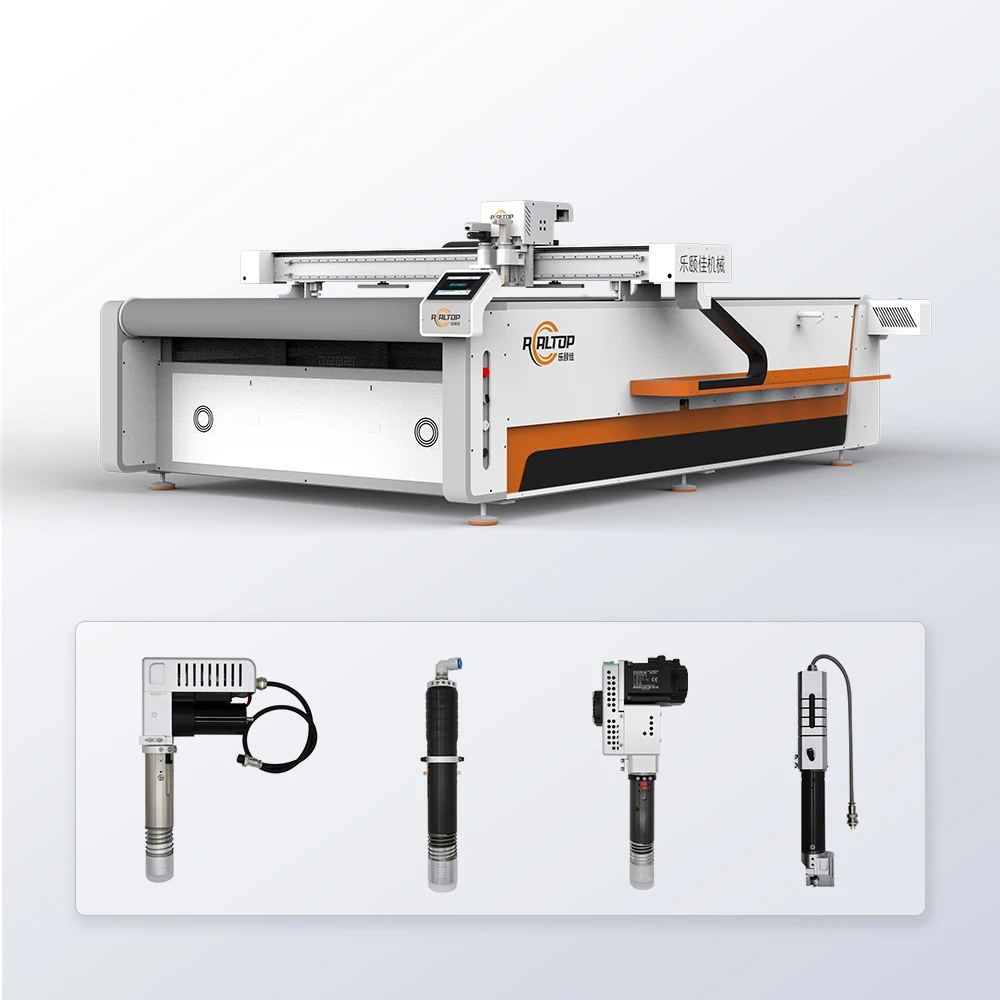
Precision-Driven Configuration — We specify the cutting tool, table type, and vacuum zoning based on your actual material sample before any machine leaves the factory.
Technical Specifications
| Parameter | Value |
|---|---|
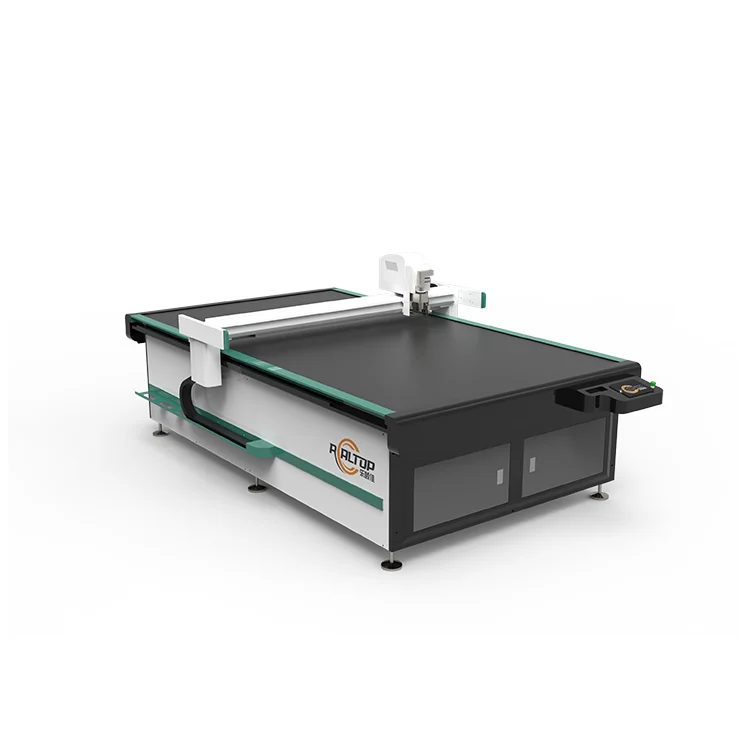
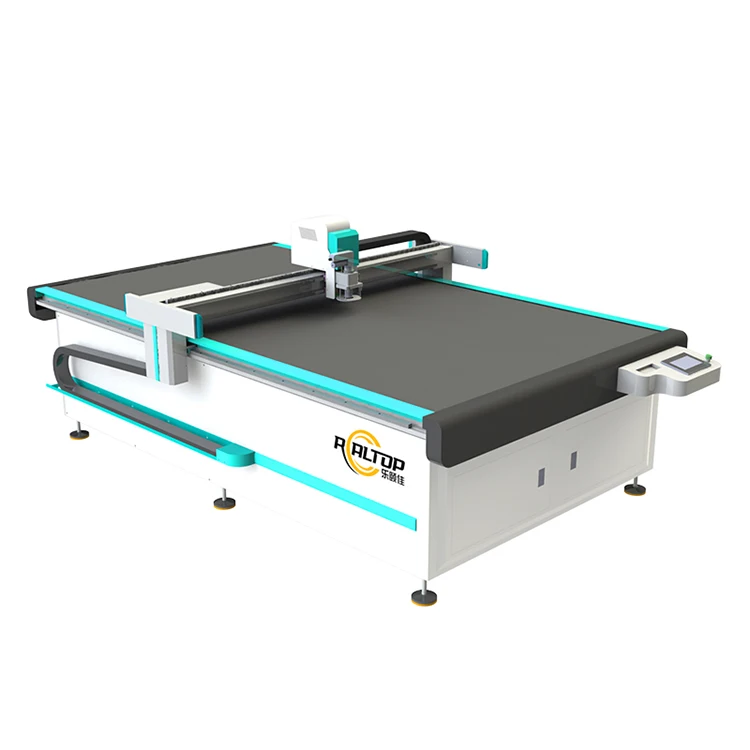
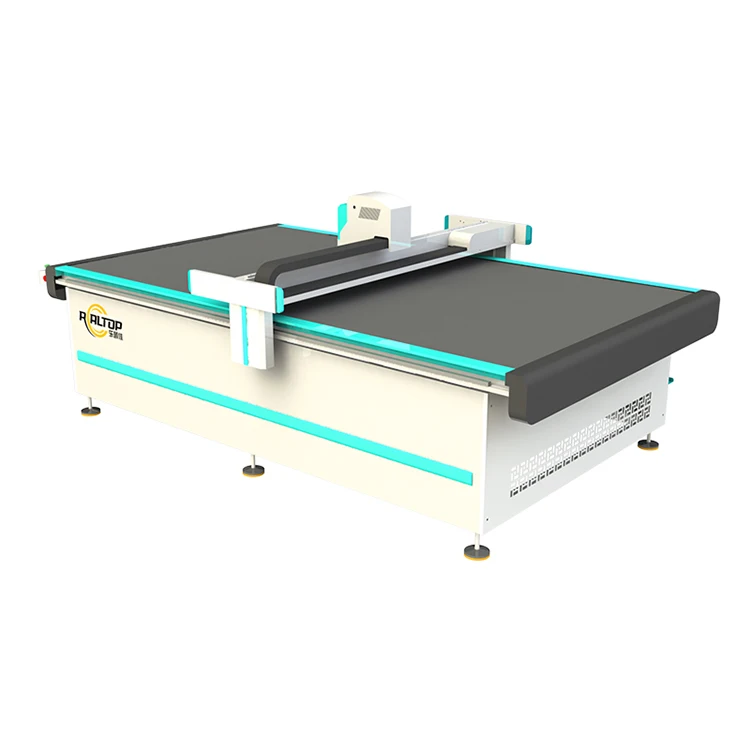
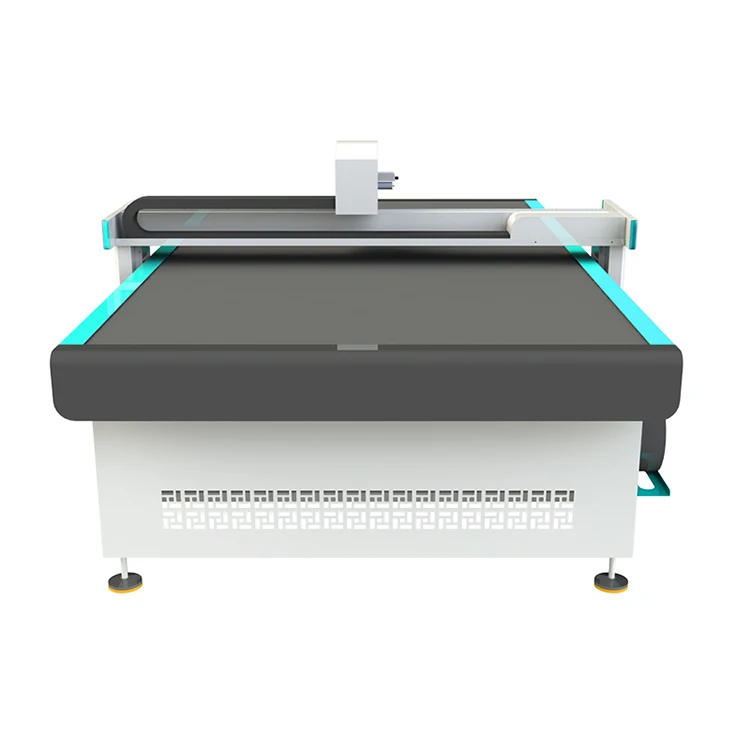
| Product Type | Cloth CNC Cutting Machine |
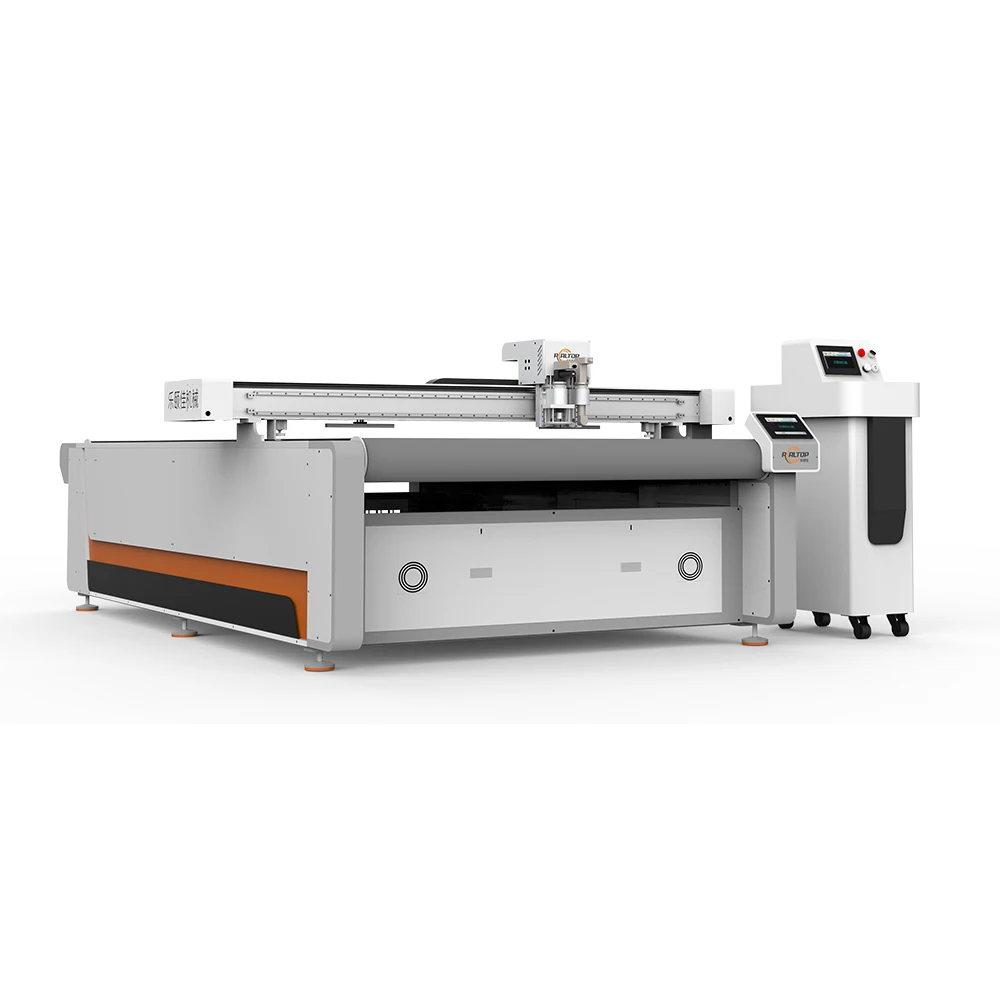
| Model | RT-D2516 / RT-S2516 |
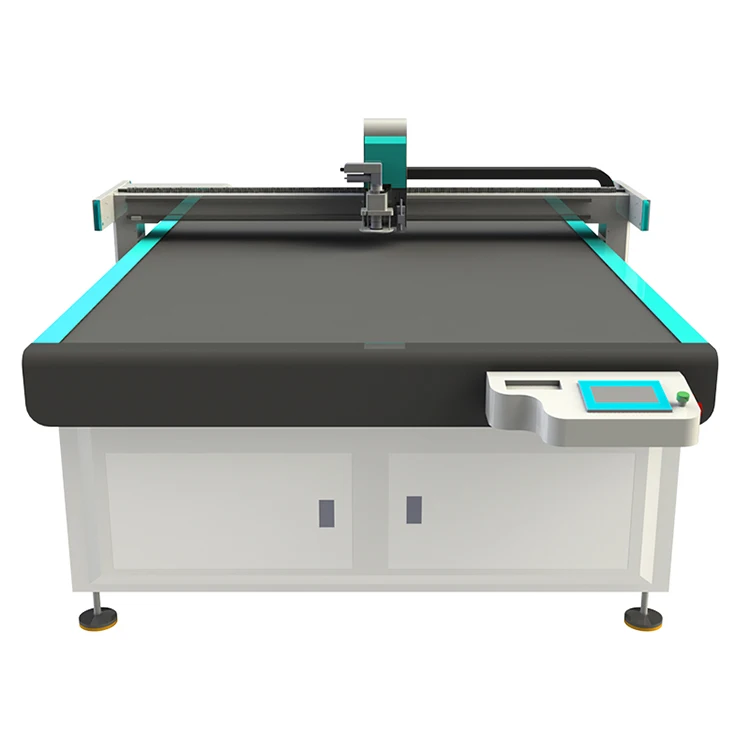
| Working Area | 1600 × 2500 mm |
| Machine Dimensions | 3450 × 2300 × 1250 mm |
| Rated Power | 9 kW |
| Vacuum Pump | 7.5 kW |
| Table Type | Flat working table / Auto-feeding table |
| Translational Velocity | 800 – 2000 mm/s |
| Cutting Speed | 200 – 800 mm/s (basis not stated in source) |
| Repeated Accuracy | ≤ 0.1 mm |
| Servo Motor | Delta (Panasonic optional) |
| Linear Guide | Taiwan Hiwin rail |
| Conveyor Belt | German imported |
| Vacuum Platform | Aluminum air box platform (integrated or split box) |
| Control Panel | Touch screen, multiple language support |
| Instruction System | HP-GL compatible |
| Software | Auto typesetting; supports PLT, DXF, AI formats |
| Voltage | 380V ± 10% |
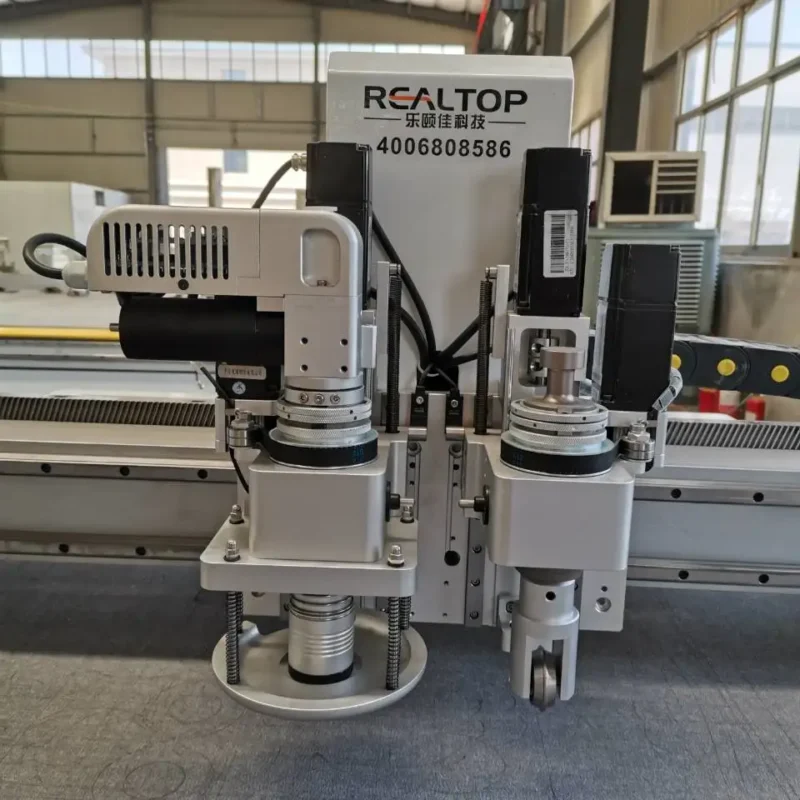
| Tool Head Options | Oscillating knife, pneumatic knife, high-power vibrating knife, circular knife, V-cutting knife, drag knife, creasing wheel, dotted line knife, punching, brush |
| Visual Positioning Options | Small CCD camera mark point, panoramic camera recognition, projection positioning |
| Safety Device | Infrared sensors |
Application Suitability
| Application | Material or Output |
|---|---|
| Automotive floor mats | Multi-layer composite PVC, rubber, and carpet with foam backing |
| Window tinted film | PET and dyed film rolls, contour cut via CCD mark point positioning |
| Soft home furnishings | Upholstery fabric, velvet, linen, and sponge composite leather |
| Footwear and bags | Genuine leather, synthetic PU, EVA foam, and non-woven lining |
| Gaskets and sealing pads | Rubber sheet, PTFE, ETFE, and composite gasket stock |
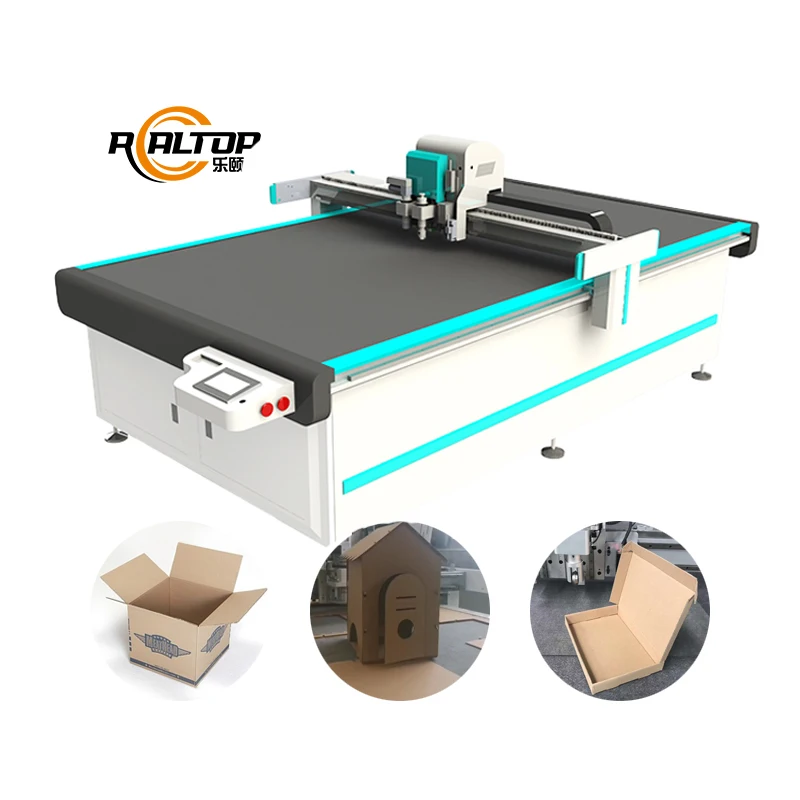
| Packaging samples | Corrugated cardboard, plastic box sheet, and sticker film |
What a Working Area Alone Will Not Tell You
Many buyers specify a CNC cutting machine manufacturer based on table dimensions, then discover the selected tool head cannot handle their material thickness. The cutting method must match the material structure, not just the sheet size.
I once watched a production line stall because a standard oscillating knife head could not penetrate three layers of composite PVC with a fleece backing. The machine had the correct footprint but the wrong tool configuration. When sourcing a CNC oscillating knife cutting machine for sale, verifying the knife type against your specific laminate stack prevents weeks of lost output [NEED_CITE: material-knife compatibility standards in composite cutting].
Matching the Cutting Tool to the Material Stack
The RT-D2516 and RT-S2516 platforms support ten distinct tool head options. An oscillating knife handles single-ply textiles and thin foams cleanly, while a high-power vibrating knife cuts through multi-layer sponge composite leather or dense rubber gaskets. For creasing corrugated cardboard or scoring plastic box sheet, a dedicated creasing wheel replaces the blade entirely. Selecting the correct head avoids ragged edges, crushed foam cores, and excessive blade wear that accumulates across long production runs.
Auto-Feeding and Vacuum Zoning for Continuous Runs
When processing roll goods like window tinted film or bulk carpet, the auto-feeding table and German-imported conveyor belt advance material continuously without manual repositioning. The 7.5 kW vacuum pump paired with the aluminum air box platform holds flexible materials flat during cutting. Small parts such as gaskets or shoe components require adequate vacuum zoning; without it, thin film and lightweight fabric lift off the table at cutting speed, shifting the cut line by millimeters [NEED_CITE: vacuum hold-down requirements for flexible sheet processing].
Why Voltage, Language, and Software Compatibility Must Come First
The control panel supports multiple languages, and the software imports PLT, DXF, and AI files directly. However, a 380V ± 10% machine shipped to a region running 220V three-phase will not operate without a step-up transformer. Confirming the local voltage, plug type, and operator language before production avoids costly rewiring and reprogramming on arrival. The touch screen interface simplifies daily operation, but only if the menu language matches the operator’s working terms.
The Cost of an Unverified Configuration
Choosing a drag knife for thick composite automotive mat material produces incomplete cuts and forces operators to finish edges by hand. Under-specifying the vacuum pump allows lightweight film to drift during panoramic camera contour recognition, throwing off registration on printed graphics. These issues compound over long shifts, where each misaligned cut wastes material and adds rework time to an already tight schedule [NEED_CITE: typical waste rates from incorrect tooling in flexible material cutting].
Why Source This Equipment Through Realtop
Realtop designs and manufactures both knife and laser cutting systems in-house, so you compare cutting methods against your material rather than defaulting to one technology. Every tool head and table configuration is specified per material sample before the order is finalized. The CCD camera mark point and panoramic recognition options are tested against your printed graphics at production speed to confirm contour accuracy. Voltage, plug standard, and control language are locked in before production begins, and a sample cutting report on your own material accompanies the documentation package.
Documentation & Verification
- Machine specification sheet listing confirmed tool head and table configuration
- Electrical schematic with 380V ± 10% circuit and load verification
- Sample cutting report produced on your fabric, film, or composite material
- CE declaration documentation where applicable to destination market
- Software licence with PLT, DXF, and AI format compatibility confirmation
Installation, Commissioning & Support
- Dedicated circuit required for combined 9 kW machine and 7.5 kW vacuum pump load
- Flat concrete floor needed to support 3450 × 2300 mm footprint without leveling shims
- Split-box vacuum platform option reduces shipping dimensions for container transport
- First-run parameter tuning performed on your supplied material roll or sheet stock
- Operator training covers touch screen language setup and tool head changeover procedure
- Spare parts list identifies high-wear blades, conveyor belt sections, and vacuum seals
Preparing Your Inquiry
To match the correct configuration, share your material type, layer count, and total thickness along with maximum sheet or roll width. Specify your daily cutting volume and whether you process single sheets or continuous rolls. Confirm your workshop voltage, frequency, and preferred control language so the electrical and software setup is finalized before the machine enters production.
Frequently Asked Questions
Q: How do I choose between an oscillating knife and a vibrating knife for my material?
A: An oscillating knife suits single-ply fabric and thin film where edge sealing is not required. A high-power vibrating knife penetrates multi-layer composites, dense foam, and thick rubber gaskets that an oscillating blade cannot fully shear. We test both heads on your material sample to confirm clean penetration and edge quality before recommending one.
Q: What does the CCD camera positioning actually do during production?
A: The small CCD camera reads printed mark points on your material to align contour cuts, while the panoramic camera captures the entire printed area for full-field recognition. This is essential for cutting pre-printed window tinted film, textile graphics, or packaging where the cut path must follow a printed outline at full machine speed.
Q: Can the machine handle small gasket parts without them shifting on the table?
A: The aluminum air box vacuum platform with split-box configuration provides zoned suction across the 1600 × 2500 mm working area. Adequate zoning holds small, lightweight parts flat during cutting. We configure the vacuum zones based on your smallest part dimensions to prevent lift at cutting speed.
Q: Will my existing DXF and AI files work with the included software?
A: The software imports PLT, DXF, and AI formats and includes auto-typesetting for material nesting. We verify compatibility with your specific file versions and nesting workflow before order confirmation, so there are no format conversion issues when the machine arrives at your facility.
Precision-Driven Configuration — We specify the cutting tool, table type, and vacuum zoning based on your actual material sample before any machine leaves the factory.
Technical Specifications
| Parameter | Value |
|---|---|
| Product Type | Cloth CNC Cutting Machine |
| Model | RT-D2516 / RT-S2516 |
| Working Area | 1600 × 2500 mm |
| Machine Dimensions | 3450 × 2300 × 1250 mm |
| Rated Power | 9 kW |
| Vacuum Pump | 7.5 kW |
| Table Type | Flat working table / Auto-feeding table |
| Translational Velocity | 800 – 2000 mm/s |
| Cutting Speed | 200 – 800 mm/s (basis not stated in source) |
| Repeated Accuracy | ≤ 0.1 mm |
| Servo Motor | Delta (Panasonic optional) |
| Linear Guide | Taiwan Hiwin rail |
| Conveyor Belt | German imported |
| Vacuum Platform | Aluminum air box platform (integrated or split box) |
| Control Panel | Touch screen, multiple language support |
| Instruction System | HP-GL compatible |
| Software | Auto typesetting; supports PLT, DXF, AI formats |
| Voltage | 380V ± 10% |
| Tool Head Options | Oscillating knife, pneumatic knife, high-power vibrating knife, circular knife, V-cutting knife, drag knife, creasing wheel, dotted line knife, punching, brush |
| Visual Positioning Options | Small CCD camera mark point, panoramic camera recognition, projection positioning |
| Safety Device | Infrared sensors |
Application Suitability
| Application | Material or Output |
|---|---|
| Automotive floor mats | Multi-layer composite PVC, rubber, and carpet with foam backing |
| Window tinted film | PET and dyed film rolls, contour cut via CCD mark point positioning |
| Soft home furnishings | Upholstery fabric, velvet, linen, and sponge composite leather |
| Footwear and bags | Genuine leather, synthetic PU, EVA foam, and non-woven lining |
| Gaskets and sealing pads | Rubber sheet, PTFE, ETFE, and composite gasket stock |
| Packaging samples | Corrugated cardboard, plastic box sheet, and sticker film |
What a Working Area Alone Will Not Tell You
Many buyers specify a CNC cutting machine manufacturer based on table dimensions, then discover the selected tool head cannot handle their material thickness. The cutting method must match the material structure, not just the sheet size.
I once watched a production line stall because a standard oscillating knife head could not penetrate three layers of composite PVC with a fleece backing. The machine had the correct footprint but the wrong tool configuration. When sourcing a CNC oscillating knife cutting machine for sale, verifying the knife type against your specific laminate stack prevents weeks of lost output [NEED_CITE: material-knife compatibility standards in composite cutting].
Matching the Cutting Tool to the Material Stack
The RT-D2516 and RT-S2516 platforms support ten distinct tool head options. An oscillating knife handles single-ply textiles and thin foams cleanly, while a high-power vibrating knife cuts through multi-layer sponge composite leather or dense rubber gaskets. For creasing corrugated cardboard or scoring plastic box sheet, a dedicated creasing wheel replaces the blade entirely. Selecting the correct head avoids ragged edges, crushed foam cores, and excessive blade wear that accumulates across long production runs.
Auto-Feeding and Vacuum Zoning for Continuous Runs
When processing roll goods like window tinted film or bulk carpet, the auto-feeding table and German-imported conveyor belt advance material continuously without manual repositioning. The 7.5 kW vacuum pump paired with the aluminum air box platform holds flexible materials flat during cutting. Small parts such as gaskets or shoe components require adequate vacuum zoning; without it, thin film and lightweight fabric lift off the table at cutting speed, shifting the cut line by millimeters [NEED_CITE: vacuum hold-down requirements for flexible sheet processing].
Why Voltage, Language, and Software Compatibility Must Come First
The control panel supports multiple languages, and the software imports PLT, DXF, and AI files directly. However, a 380V ± 10% machine shipped to a region running 220V three-phase will not operate without a step-up transformer. Confirming the local voltage, plug type, and operator language before production avoids costly rewiring and reprogramming on arrival. The touch screen interface simplifies daily operation, but only if the menu language matches the operator’s working terms.
The Cost of an Unverified Configuration
Choosing a drag knife for thick composite automotive mat material produces incomplete cuts and forces operators to finish edges by hand. Under-specifying the vacuum pump allows lightweight film to drift during panoramic camera contour recognition, throwing off registration on printed graphics. These issues compound over long shifts, where each misaligned cut wastes material and adds rework time to an already tight schedule [NEED_CITE: typical waste rates from incorrect tooling in flexible material cutting].
Why Source This Equipment Through Realtop
Realtop designs and manufactures both knife and laser cutting systems in-house, so you compare cutting methods against your material rather than defaulting to one technology. Every tool head and table configuration is specified per material sample before the order is finalized. The CCD camera mark point and panoramic recognition options are tested against your printed graphics at production speed to confirm contour accuracy. Voltage, plug standard, and control language are locked in before production begins, and a sample cutting report on your own material accompanies the documentation package.
Documentation & Verification
- Machine specification sheet listing confirmed tool head and table configuration
- Electrical schematic with 380V ± 10% circuit and load verification
- Sample cutting report produced on your fabric, film, or composite material
- CE declaration documentation where applicable to destination market
- Software licence with PLT, DXF, and AI format compatibility confirmation
Installation, Commissioning & Support
- Dedicated circuit required for combined 9 kW machine and 7.5 kW vacuum pump load
- Flat concrete floor needed to support 3450 × 2300 mm footprint without leveling shims
- Split-box vacuum platform option reduces shipping dimensions for container transport
- First-run parameter tuning performed on your supplied material roll or sheet stock
- Operator training covers touch screen language setup and tool head changeover procedure
- Spare parts list identifies high-wear blades, conveyor belt sections, and vacuum seals
Preparing Your Inquiry
To match the correct configuration, share your material type, layer count, and total thickness along with maximum sheet or roll width. Specify your daily cutting volume and whether you process single sheets or continuous rolls. Confirm your workshop voltage, frequency, and preferred control language so the electrical and software setup is finalized before the machine enters production.
Frequently Asked Questions
Q: How do I choose between an oscillating knife and a vibrating knife for my material?
A: An oscillating knife suits single-ply fabric and thin film where edge sealing is not required. A high-power vibrating knife penetrates multi-layer composites, dense foam, and thick rubber gaskets that an oscillating blade cannot fully shear. We test both heads on your material sample to confirm clean penetration and edge quality before recommending one.
Q: What does the CCD camera positioning actually do during production?
A: The small CCD camera reads printed mark points on your material to align contour cuts, while the panoramic camera captures the entire printed area for full-field recognition. This is essential for cutting pre-printed window tinted film, textile graphics, or packaging where the cut path must follow a printed outline at full machine speed.
Q: Can the machine handle small gasket parts without them shifting on the table?
A: The aluminum air box vacuum platform with split-box configuration provides zoned suction across the 1600 × 2500 mm working area. Adequate zoning holds small, lightweight parts flat during cutting. We configure the vacuum zones based on your smallest part dimensions to prevent lift at cutting speed.
Q: Will my existing DXF and AI files work with the included software?
A: The software imports PLT, DXF, and AI formats and includes auto-typesetting for material nesting. We verify compatibility with your specific file versions and nesting workflow before order confirmation, so there are no format conversion issues when the machine arrives at your facility.
商品评价
There are no reviews yet.