

Fast Delivery
Quick, reliable shipping to any location.

Free & easy returns
Return this item by mail or in store within 90 days for a full refund.
Tool Head Versus Material Match — A buyer cutting 3mm reinforced silicone needs a different oscillating frequency and blade geometry than one processing 20mm cork-rubber composite, and this platform lets you specify the exact knife configuration rather than accepting a default setup.
Technical Specifications
| Parameter | Value |
|---|---|
| Model | RT-D2516/RT-S2516 |
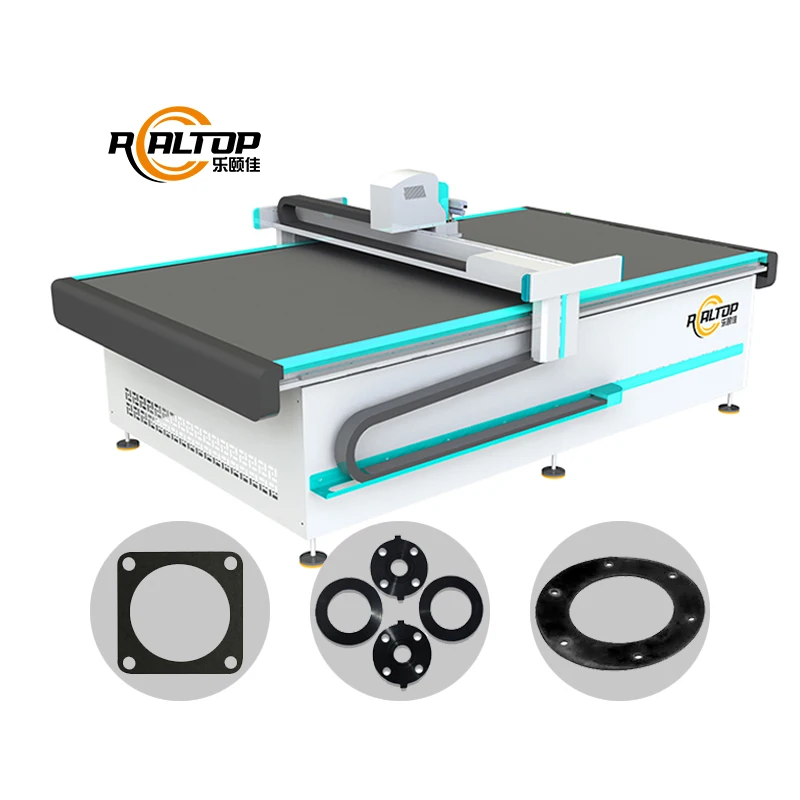
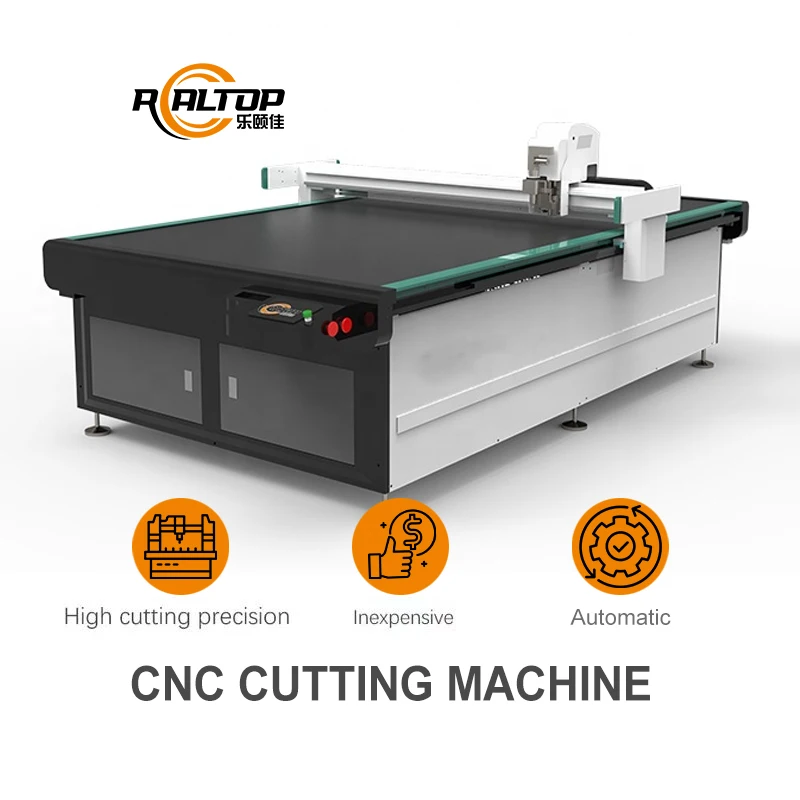
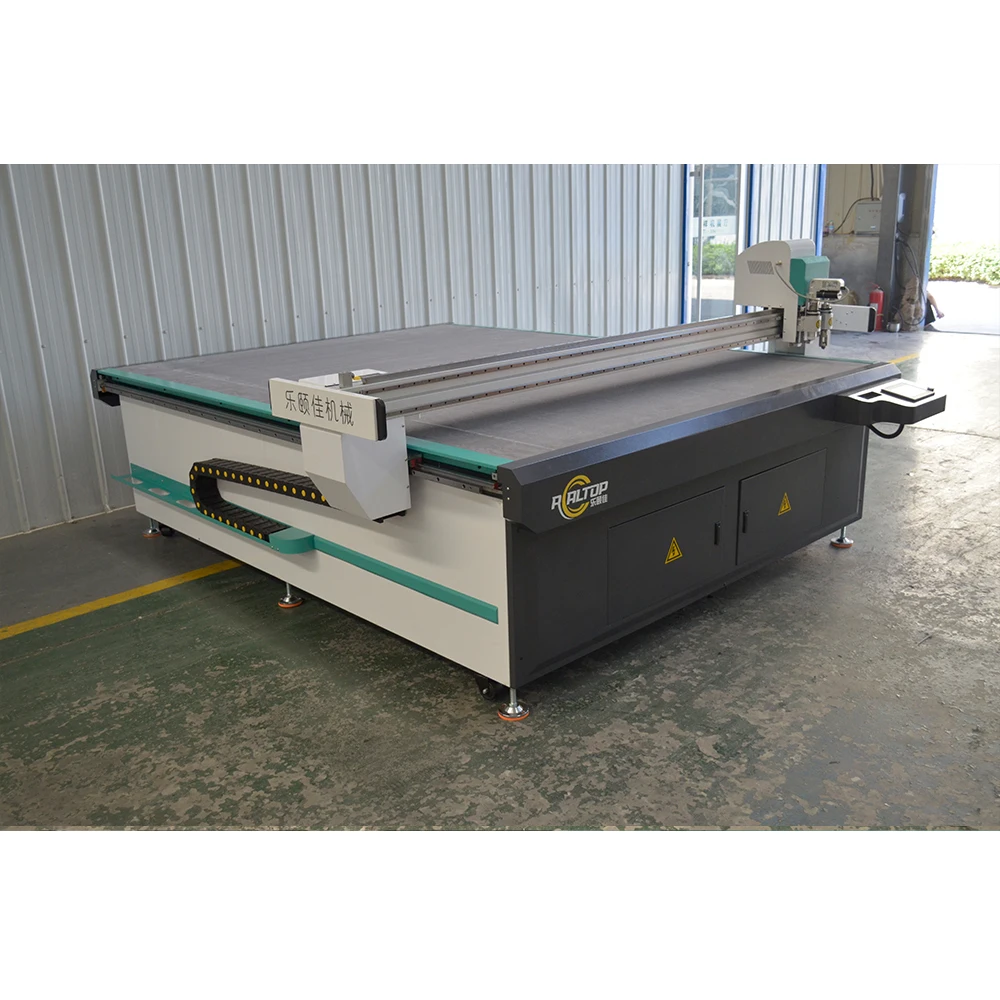
| Product Type | CNC Oscillating Knife Gasket Cutting Machine |
| Working Area | 1600 × 2500 mm |
| Machine Size | 3450 × 2300 × 1250 mm |
| Rated Power | 9 kW |
| Table Type | Magnesium-aluminum alloy vacuum adsorption table with fluorocarbon PVDF powder spraying, anodic oxidation and hard oxidation |
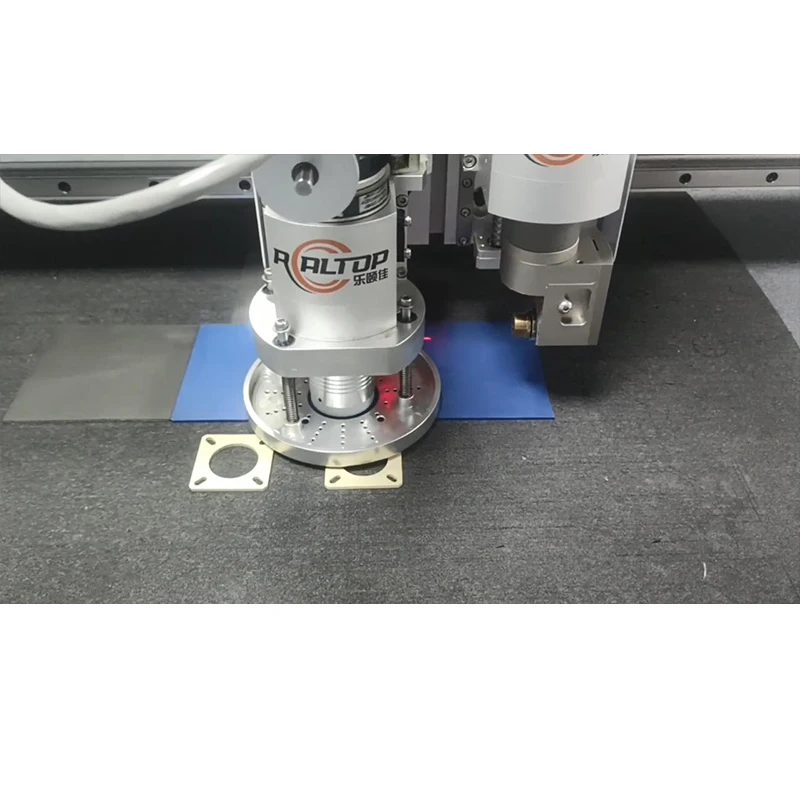
| Multifunctional Head | Swiss imported knife with vibration full cutting, vibration half cutting and cursor location function |
| Tool Head Options | Oscillating knife, pneumatic knife, high-power vibrating knife, circular knife, V cutting knife, drag knife, creasing wheel, dotted line knife, punching, brush |
| Visual Positioning | Small CCD camera mark point positioning, panoramic camera recognition positioning, projection positioning |
| Safety Device | Infrared sensors, anti-collision on both sides of beam, emergency stop button |
| Translational Velocity | 800–1200 mm/s |
| Cutting Thickness | 20 mm–80 mm depending on material type and density (basis to be confirmed) |
| Repeated Accuracy | ≤0.1 mm |
| Transmission System | Imported digital servo motor, linear guide, synchronous belt, ball screw |
| Instruction System | HP-GL compatible format |
| Voltage | 380V ± 10% |
| Servo Motor Brand | Delta (Panasonic optional) |
| Conveyor Belt | Germany imported |
| Vacuum Pump | 7.5 kW, integrated aviation aluminum shell with built-in silencer sponge |
| Servo Motor Protection Level | IP67 |
| Language Options | English, Russian, Italian, Chinese (special languages customizable) |
| Certification | CE declaration where applicable |
Application Suitability
| Application | Material or Output |
|---|---|
| Industrial gasket and sealing pad production | Silicone sheet, rubber, PTFE, cork, fiber-reinforced composites |
| Automotive interior sealing components | EPDM foam, neoprene, closed-cell sponge rubber |
| Flange and pipe gasket fabrication | Non-asbestos fiber sheets, aramid-bound composite materials |
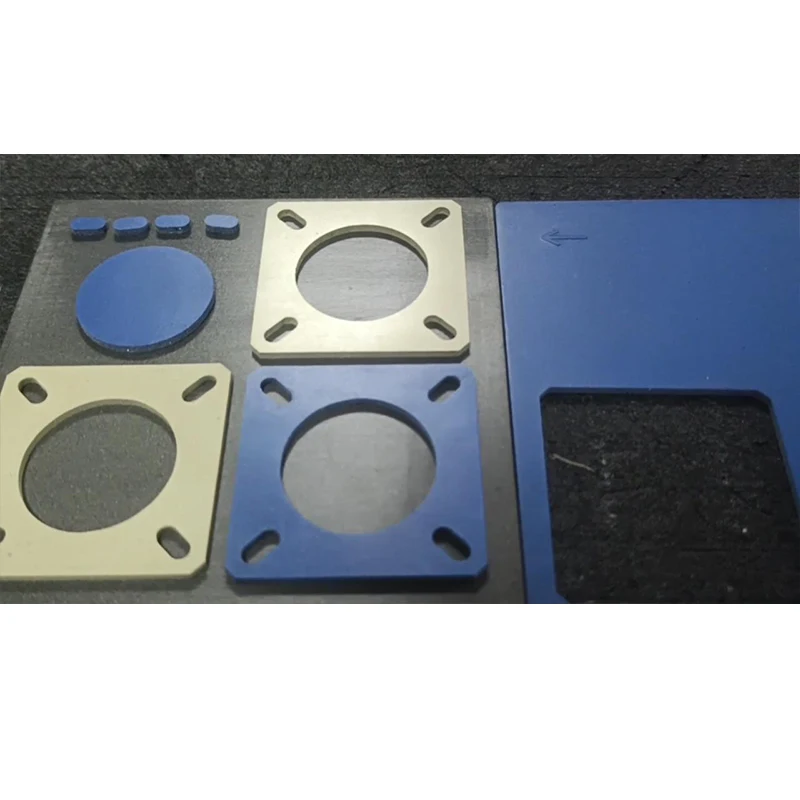
| Electrical insulation gasket cutting | PVC sheet, soft glass, silicone-coated fiberglass |
| Packaging sample making and signage prototyping | Corrugated board, foam board, adhesive vinyl on carrier sheet |
Why "Working Area" Alone Fails Gasket Buyers
Most CNC Oscillating Knife Cutting Table manufacturer catalogues lead with bed size and leave tool head selection to chance. A 1600 × 2500 mm table handles the sheet, but the wrong blade angle on reinforced silicone produces frayed edges that fail compression testing.
I once watched a batch of gaskets cut on a machine specified purely by table dimensions get rejected at assembly. The fiber mesh inside the silicone tore instead of shearing because the oscillating frequency was too low for the reinforcement layer. That line produced scrap for two days before the right high-power vibrating knife head was swapped in. [NEED_CITE: material-specific tool head selection standards for CNC knife cutting]
The RT-D2516/RT-S2516 platform addresses this by offering ten distinct tool head options — from standard oscillating knife to V cutting knife and punching — matched to your exact gasket material composition before the machine ships.
Matching Knife Geometry to Gasket Composition
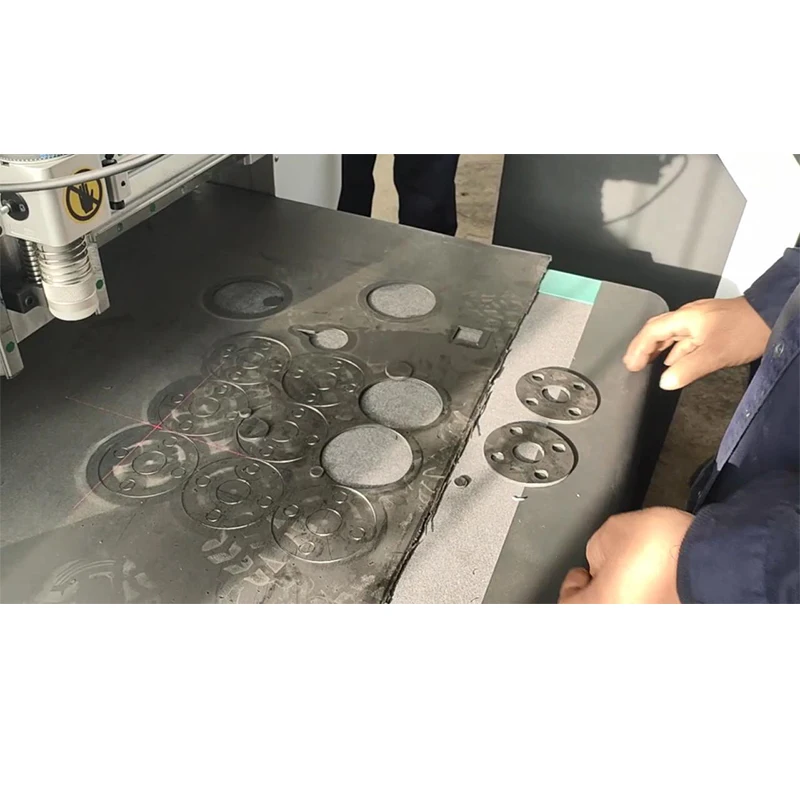
Gasket materials range from soft sponge rubber to dense fiber-reinforced composites, and each demands a specific cutting action. The Swiss imported multifunctional head on this CNC Oscillating Knife Cutting Table manufacturer platform provides vibration full cutting, vibration half cutting, and cursor location in a single mount. For thin PTFE sheets, a drag knife delivers clean sheared edges. For 30mm cork-rubber, the high-power vibrating knife at adjusted stroke frequency prevents the delamination that plagues static blade setups.
Vacuum Zoning and Small Part Hold-Down
Gasket production often involves nesting dozens of small flange seals on a single sheet. The magnesium-aluminum alloy vacuum table with fluorocarbon PVDF coating provides zoned suction across the 1600 × 2500 mm surface. When cutting parts smaller than 50 mm across, isolated zones maintain negative pressure under each nested cluster so pieces stay flat through the final cut pass rather than lifting into the blade path. [NEED_CITE: vacuum table zoning requirements for precision flatbed cutting]
Specifying Beyond the Brochure Numbers
The translational velocity range of 800–1200 mm/s applies to travel moves; actual cutting speed depends on material resistance and required edge quality. Repeated accuracy of ≤0.1 mm holds when the linear guide and ball screw transmission operate within thermal equilibrium — relevant for shops running multi-shift production where ambient temperature fluctuates. The 7.5 kW vacuum pump with integrated silencer sponge reduces floor noise compared to open-exhaust pump setups, a practical consideration for enclosed gasket fabrication cells. The 380V ± 10% input requirement and Delta servo motors (Panasonic optional) define the electrical infrastructure your facility must support. Servo motor IP67 protection rating matters when cutting operations generate fine particulate from composite gasket materials.
The Cost of Skipping Material Trials
Buyers who commit without a sample cutting report on their own material discover edge quality problems after installation. Ragged edges on fiber-reinforced silicone mean every gasket must be hand-trimmed before it passes quality inspection. CCD contour recognition that tracks printed marks during sample trials but loses registration at production speed causes misaligned cuts across the entire sheet run. [NEED_CITE: contour recognition accuracy standards for printed material cutting]
Why Source This Platform Here
In-house design covers both knife and laser cutting methods, so a buyer processing silicone gaskets alongside acrylic templates can match each material to its correct technology. Tool head and vacuum table configuration gets specified per material type and daily production volume rather than selected from a default package. CCD camera positioning — both mark point and panoramic — is validated against your actual printed gasket sheets before order confirmation. Software compatibility with your existing HP-GL format files and nesting workflow is confirmed so your current CAD library imports without conversion loss. Voltage, control language, and plug type are locked in before production begins, avoiding the field rewiring that delays commissioning.
Documentation & Verification
- Machine specification sheet listing confirmed tool head and vacuum table zoning layout
- Electrical schematic with voltage, plug type, and servo motor wiring verified for your market
- Sample cutting report on your gasket material showing edge quality and achievable thickness
- Software licence and HP-GL file format compatibility note before shipment
- Factory test record documenting full travel cycle and vacuum hold-down performance
- Spare parts list covering blades, vacuum seals, and conveyor belt sections
Installation, Commissioning & Support
- 9 kW total power draw requires dedicated circuit separate from vacuum pump 7.5 kW load
- Machine footprint 3450 × 2300 mm needs clearance on all sides for maintenance access
- Vacuum table leveling checked against magnesium-aluminum alloy frame flatness tolerance on arrival
- Delta servo motor parameters tuned to your material feed resistance during first-run commissioning
- Operator training covers tool head changeover procedure across oscillating, drag, and V cutting configurations
- CCD panoramic camera calibration performed on your printed gasket sheet stock at production speed
Requesting a Configuration Quote
Provide your gasket material type, sheet thickness range, and largest part dimension so the correct tool head and vacuum zone layout can be specified. Confirm your facility voltage, frequency, and preferred control language. If you run printed contour gaskets, supply a sample sheet for CCD recognition testing before order confirmation.
Frequently Asked Questions
Q: Should I cut gaskets with an oscillating knife or a laser?
A: Knife cutting produces clean mechanical edges with no heat-affected zone, which matters for silicone and rubber gaskets that must maintain compression seal integrity. Laser cuts acrylic templates and thin fabric gaskets well but can discolor or harden rubber edges. This platform supports both methods so you choose by material rather than forcing one technology across all jobs.
Q: How do I pick the right tool head for my gasket thickness?
A: Thin PTFE and PVC sheets under 3 mm work well with a drag knife. Medium-density rubber between 5 mm and 15 mm suits a standard oscillating knife. Fiber-reinforced silicone and dense cork composites above 20 mm need the high-power vibrating knife at reduced stroke frequency. A sample cut on your exact material confirms the selection before the machine ships.
Q: Will CCD contour recognition work at my production speed?
A: The panoramic camera and mark point CCD both track printed registration marks, but performance depends on mark contrast, ambient lighting, and sheet feed rate. Testing on your printed gasket stock at your target translational velocity confirms whether mark tracking holds across the full 1600 × 2500 mm cutting area.
Q: What if my facility runs a different voltage standard?
A: The platform ships configured to 380V ± 10% by default, but voltage, plug type, and control panel language are confirmed before production. Electrical schematics are provided matching your local standard so your electrician can prepare the dedicated circuit and verify phase rotation before the machine arrives.
Q: Where does this model sit in the full range for gasket production?
A: The RT-D2516/RT-S2516 covers standard gasket sheet sizes for small-to-medium batch producers. Higher-volume operations cutting full rolls of automotive sealing material would move to a conveyor-fed multi-layer digital cutting system. The tool head selection and software compatibility remain consistent across the range, so workflow knowledge transfers directly.










商品评价
There are no reviews yet.