

Fast Delivery
Quick, reliable shipping to any location.

Free & easy returns
Return this item by mail or in store within 90 days for a full refund.
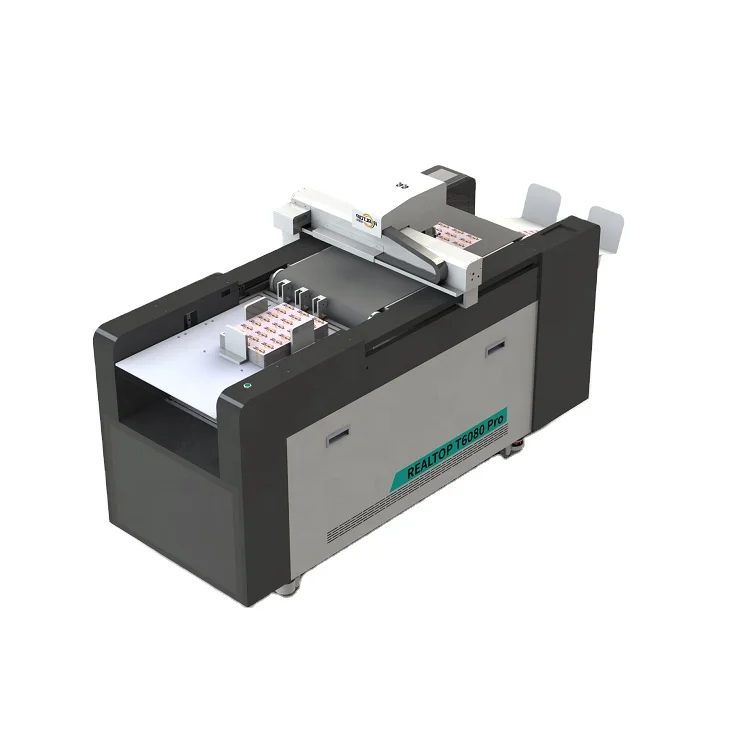
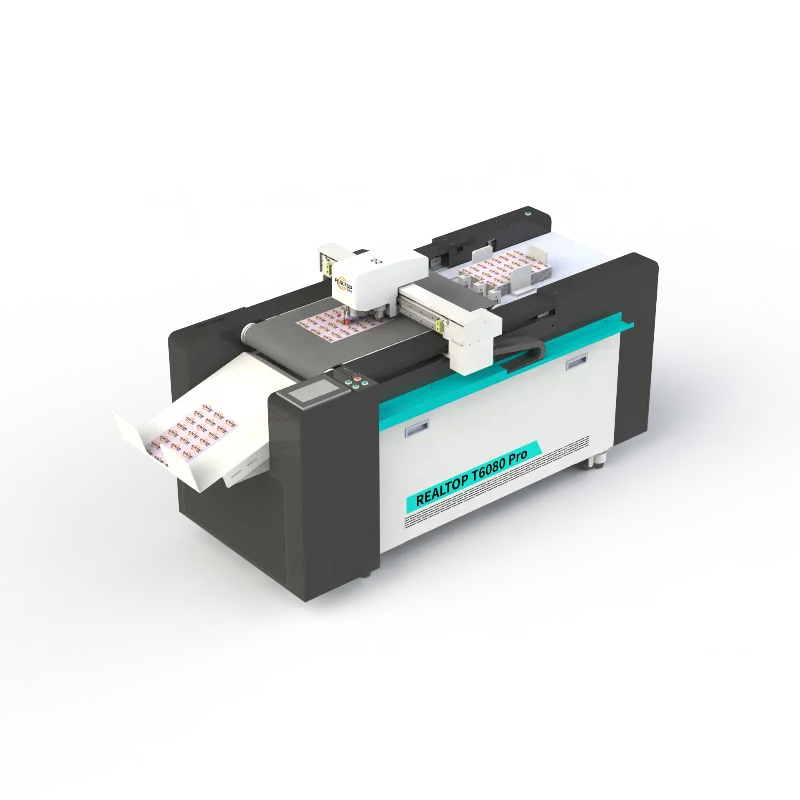
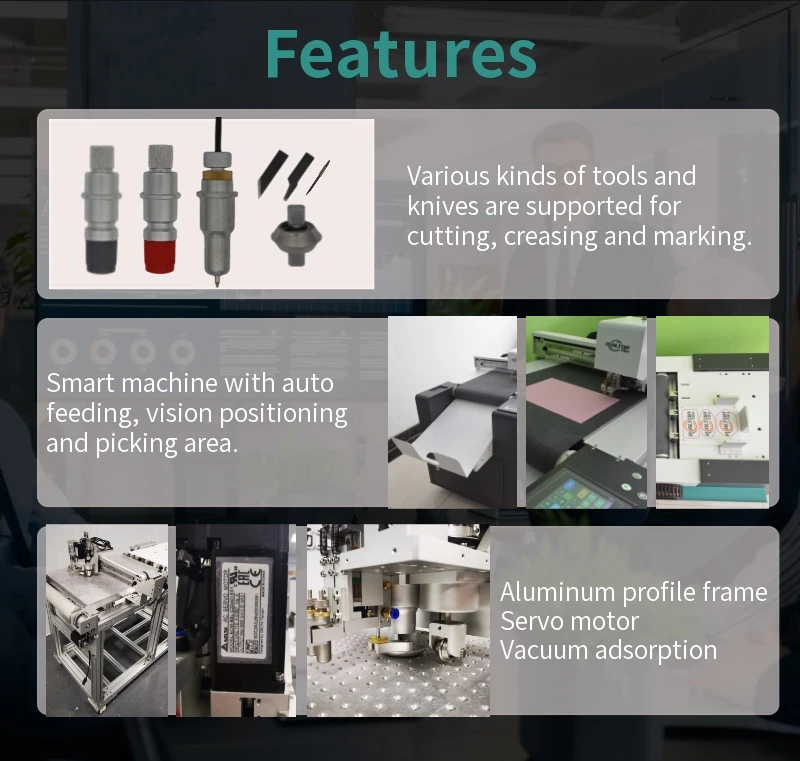
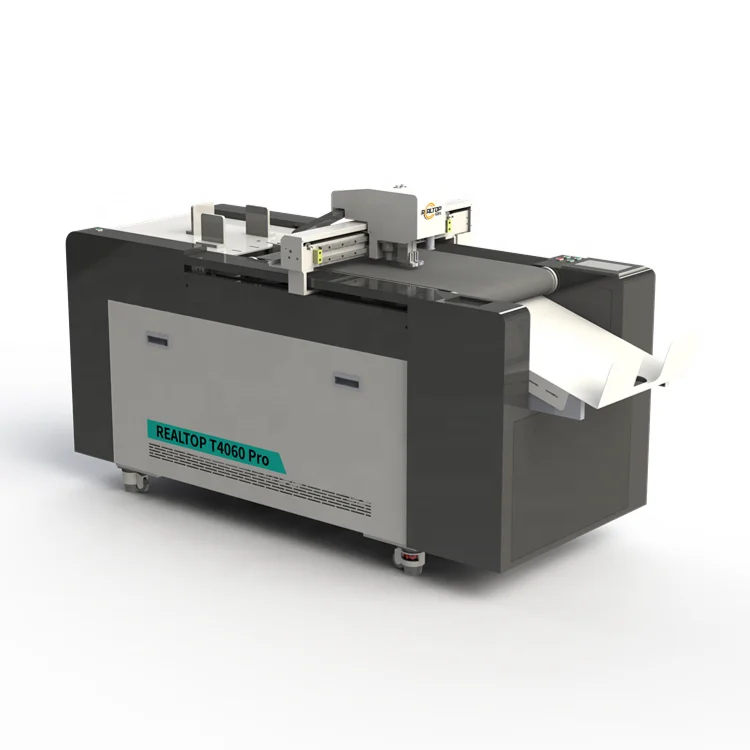
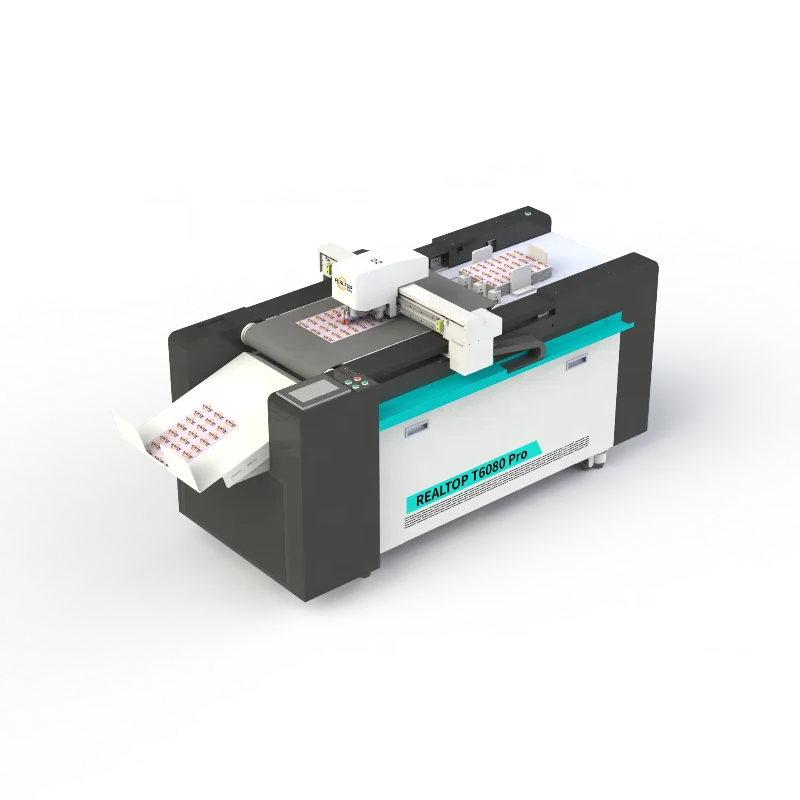
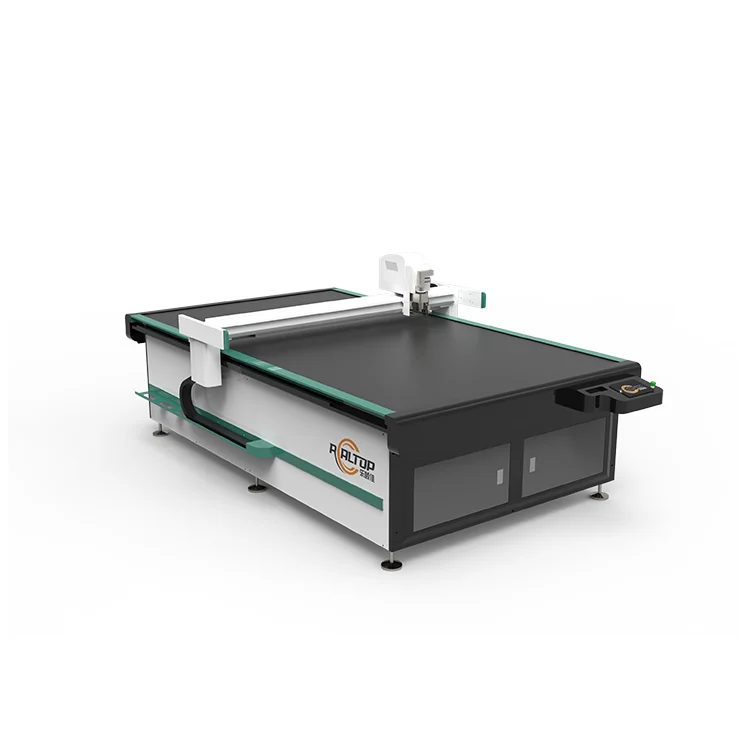
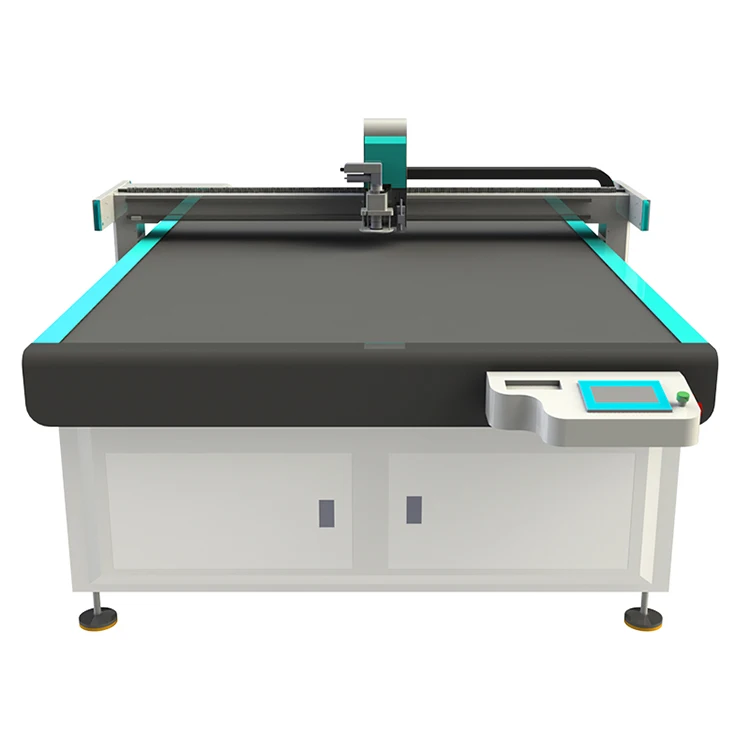
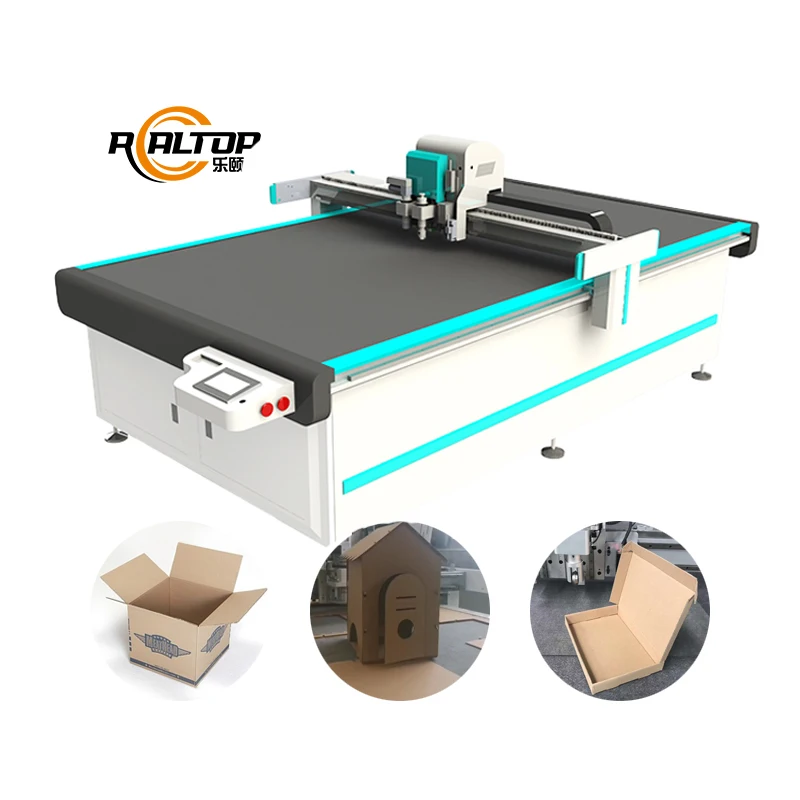
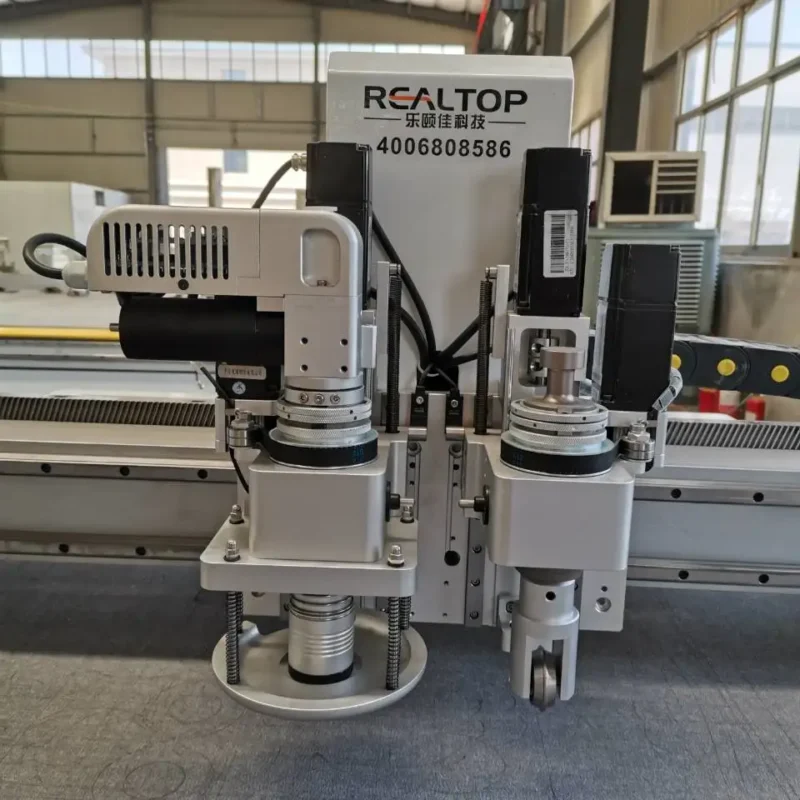
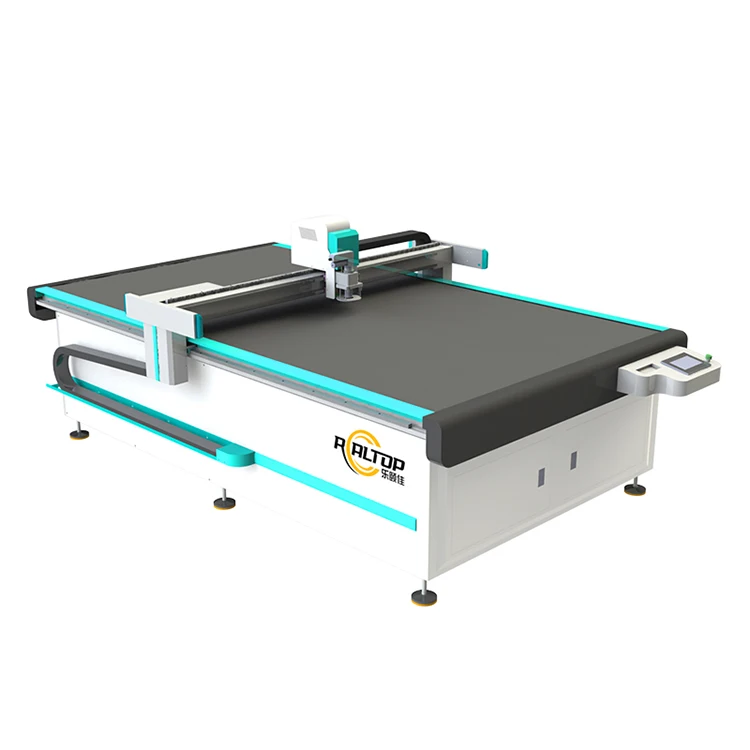
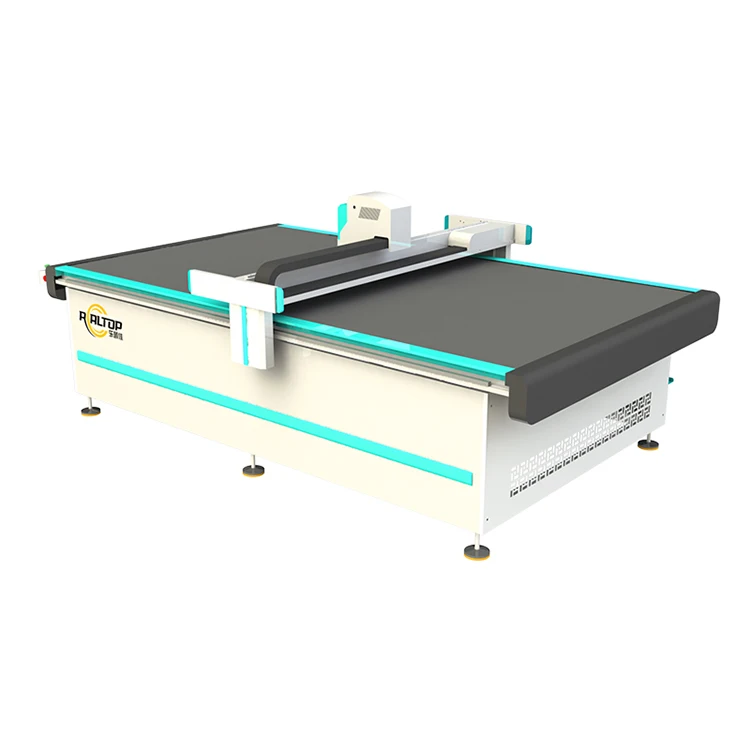
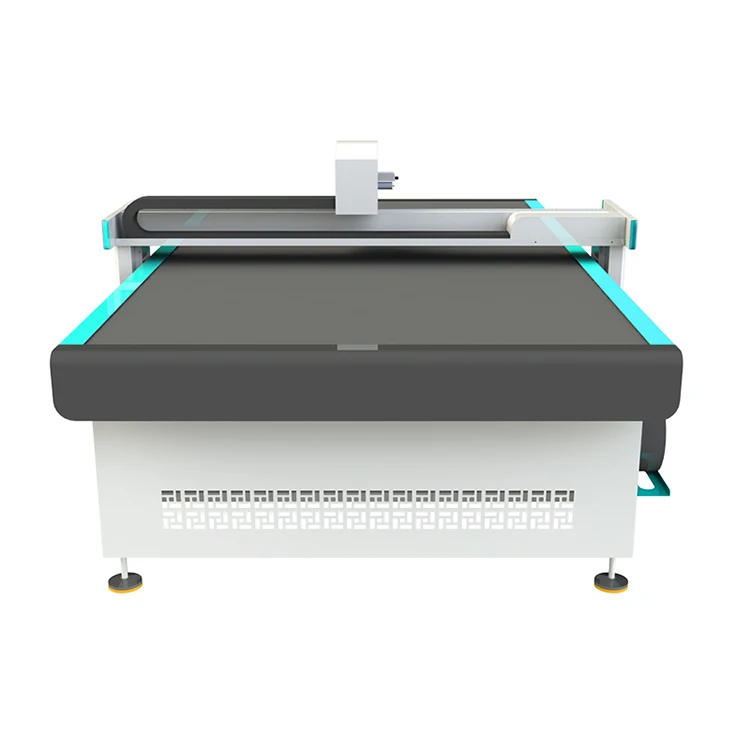
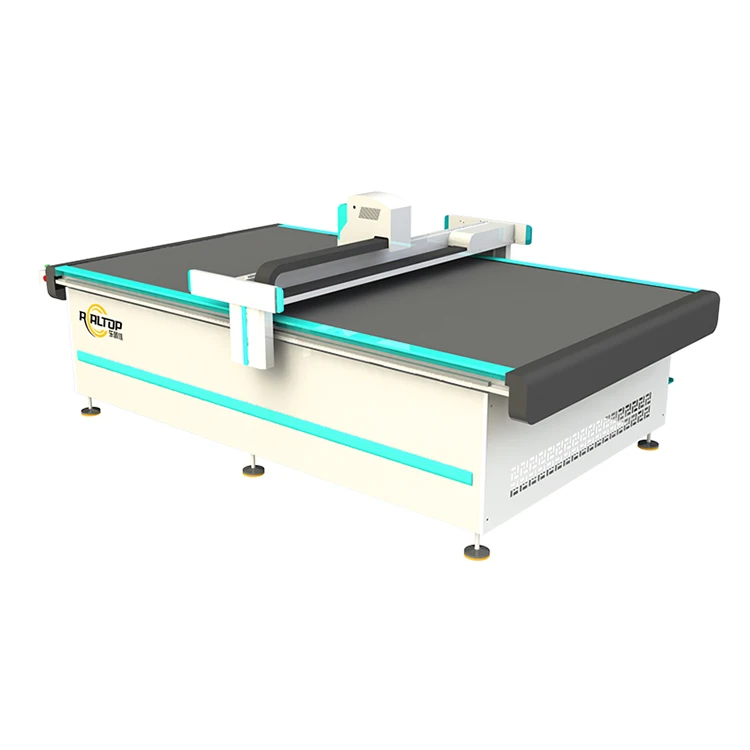
Tool Head Flexibility — a single CNC oscillating knife cutting machine for sale can be configured with oscillating, drag, or creasing tools to match your specific PVC and vinyl stock rather than forcing one blade type across every job.
Technical Specifications
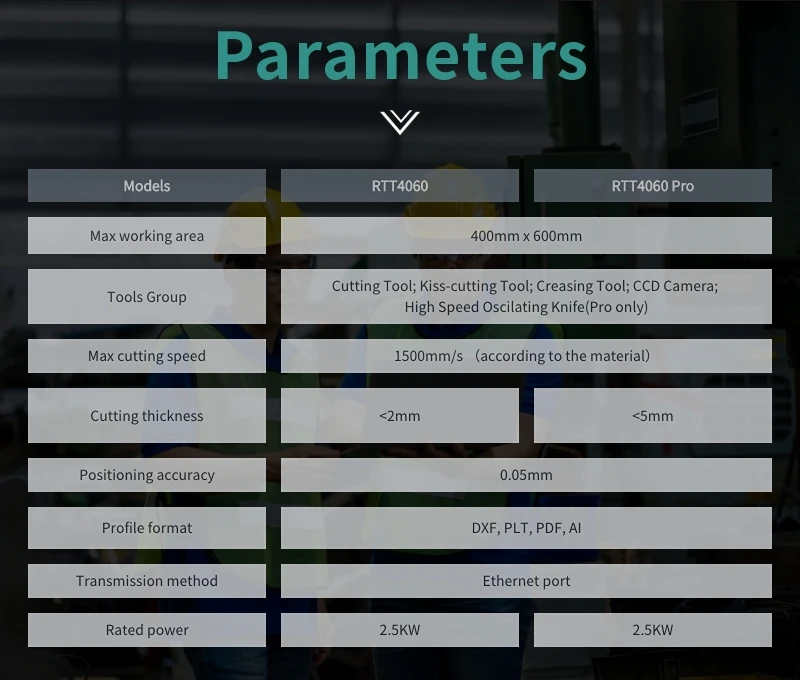
| Parameter | Value |
|---|---|
| Product Type | CNC Oscillating Knife Cutting Machine |
| Working Area | Configurable based on sheet size and production volume (basis to be confirmed) |
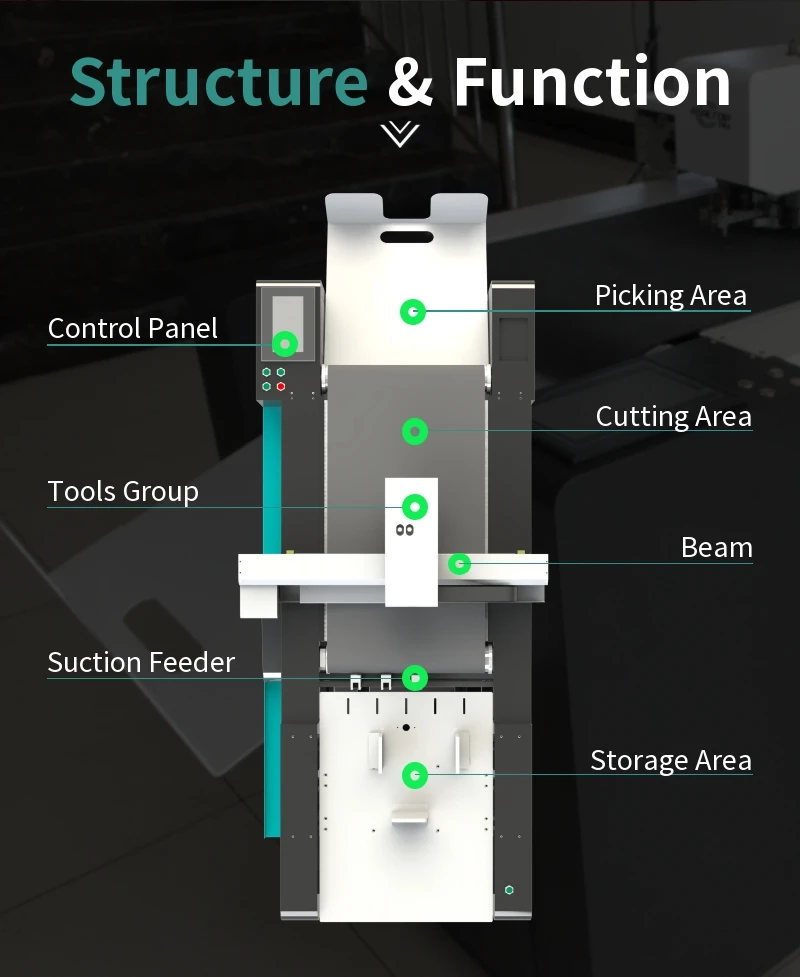
| Tool Head Type | Multifunctional cutting head: Oscillating knife, drag knife, punching, marking |
| Control System | CNC with automatic nesting and layout calculation |
| Software Compatibility | Accepts standard vector formats; nesting software included (basis to be confirmed) |
| Vacuum Table | Zoned vacuum absorption for material hold-down (basis to be confirmed) |
| Warranty | 12 months for the whole machine |
| OEM/ODM | Supported |
| Lead Time | 7-10 working days (subject to customization and order volume) |
Application Suitability
| Application | Material or Output |
|---|---|
| Advertising and Signage Production | PVC sheets, vinyl films, self-adhesive stickers, and acrylic boards |
| Packaging and Carton Sample Making | Corrugated paper, cardboard, paper honeycomb, and greyboard |
| Automotive Interior Fabrication | Leather, synthetic fabrics, gasket materials, and foam composites |
| Garment and Footwear Manufacturing | Textiles, non-woven fabrics, PU, EVA, and footwear materials |
| Composite and Foam Fabrication | Glass fiber, carbon fiber, sponge, XPE, and rubber sheets |
Why Material Composition Dictates Your CNC Oscillating Knife Cutting Machine for Sale
Specifying a cutter based solely on working area or price leaves out the most critical variable: what is actually in your material.
A standard PVC sheet cuts cleanly with a high-frequency oscillating knife, but a PVC composite reinforced with glass fiber will dull that same blade within hours, leaving ragged edges and forcing unplanned downtime. The cutting depth and edge quality you see in a factory demo rarely match production reality if the tool head is not matched to the material’s abrasiveness and density [NEED_CITE: material composition effects on cutting tool wear rates].
Matching Tool Heads to Material Behavior
The multifunctional cutting head on this system allows for oscillating, drag, and creasing tools to be deployed depending on the job. An oscillating knife handles semi-rigid PVC and foam board cleanly, while a drag knife is reserved for thin vinyl films where blade drag is sufficient. Selecting the wrong tool for a given substrate is a frequent cause of edge degradation that buyers do not anticipate until production begins.
The Role of Vacuum Zoning in Small-Part Cutting
Vacuum hold-down is critical when cutting small signage letters or intricate gasket shapes. If the vacuum table is not zoned properly, small cut parts lift during the final pass, causing dimensional inaccuracy and potential damage to the cutting head. The zoning configuration must be specified based on your typical part geometry, not just the overall sheet size [NEED_CITE: vacuum zoning requirements for CNC cutting tables].
Navigating the Complete Cutting Equipment Range
When sourcing from a full catalogue, buyers can compare knife cutting against laser cutting for the same material. PVC sheet, for example, can be processed by either method, but knife cutting avoids the burnt edges and toxic fume extraction requirements associated with CO2 lasers on chlorine-based materials. This decision point is where a complete range from one manufacturer becomes valuable.
Software and Nesting Integration
The automatic nesting and layout calculation system directly affects material yield, especially when working with expensive composite sheets. Before committing to a CNC oscillating knife cutting machine for sale, buyers should confirm that the software accepts their existing design files and integrates with their nesting workflow without requiring manual re-drawing.
How Specification Gaps Surface on the Factory Floor
When voltage, plug type, or control language are not confirmed before shipment, the machine arrives but cannot run. A 380V machine shipped to a 220V workshop requires a transformer that adds cost and complexity. Similarly, control interfaces in a language the operators cannot read leads to setting errors that compound over every shift [NEED_CITE: voltage and frequency standards by export market].
Why Procurement from a Dual-Technology Manufacturer Matters
- Knife and laser under one roof: Buyers can compare cutting methods side-by-side for their material rather than being locked into a single technology by the manufacturer’s product range.
- Material-specific configuration: Tool head, blade type, and vacuum zoning are specified based on your actual stock, not a default setup.
- Sample cutting before commitment: A cutting report on your own material verifies edge quality, blade life, and cutting speed before the order is placed.
- CCD camera positioning confirmed at speed: Contour recognition is tested at production speed on printed marks, not just in a slow demo.
Documentation & Verification
- Machine specification sheet confirming working area, tool head type, and voltage for your market
- Sample cutting report generated on your specific PVC or composite material before shipment
- Software licence and file format compatibility note matching your existing design workflow
- Electrical schematic with confirmed voltage and frequency for your local grid
- Factory test record documenting cutting accuracy across the full work area
Installation, Commissioning & Support
- Dedicated power circuit matching the machine’s voltage and rated power to avoid voltage drop during operation
- Floor leveling and anchoring based on overall dimensions and weight to maintain positioning accuracy
- Control language set to your operators’ preference during commissioning
- Tool head calibration and vacuum zone testing on your material during on-site training
- Spare blade and tool head inventory specified based on your material abrasiveness and daily volume
Structuring Your Inquiry for an Accurate Configuration
To receive a quotation that reflects your actual production needs rather than a generic configuration, provide the material type, thickness range, typical sheet size, and daily cutting volume. Specify your local voltage, frequency, and plug type, along with the control language your operators use. If your material contains fillers like glass fiber or if you work with printed contours requiring camera positioning, state this upfront so the tool head and CCD system are sized accordingly.
Frequently Asked Questions
Q: How do I decide between an oscillating knife and a CO2 laser for PVC sheet?
A: Knife cutting avoids the burnt edges and chlorine fumes that CO2 lasers produce on PVC. For thicker PVC boards and clean, sealed-edge requirements on synthetics, the oscillating knife is preferred. Laser is typically reserved for acrylic or wood where edge sealing is desired. The choice depends on material composition and edge quality requirements.
Q: What vacuum zone configuration do I need for small signage parts?
A: Small parts require dense vacuum zoning so that individual letters or gaskets remain held down after being cut free from the surrounding material. A single-zone vacuum table is insufficient for this work. The zone layout should be specified based on your smallest typical part size.
Q: Which tool head handles glass-fiber reinforced PVC composites?
A: Standard oscillating knives wear rapidly on abrasive composites. A heavier-duty oscillating tool or a specialized blade for composite materials is required. The tool head must be specified based on a sample cutting test with your actual reinforced stock.
Q: Can the CCD camera track printed registration marks at full production speed?
A: Camera positioning systems vary in their ability to track marks at speed. Before ordering, request a sample cutting report that demonstrates contour recognition performance at your target production speed on your printed material, not just in a static demonstration.
Q: How is voltage and language customization handled before shipment?
A: Voltage, frequency, plug type, and control interface language must be confirmed at the quotation stage. The electrical schematic and a voltage confirmation document are issued before production begins to prevent the machine from arriving with incompatible power or unreadable controls.
Tool Head Flexibility — a single CNC oscillating knife cutting machine for sale can be configured with oscillating, drag, or creasing tools to match your specific PVC and vinyl stock rather than forcing one blade type across every job.
Technical Specifications
| Parameter | Value |
|---|---|
| Product Type | CNC Oscillating Knife Cutting Machine |
| Working Area | Configurable based on sheet size and production volume (basis to be confirmed) |
| Tool Head Type | Multifunctional cutting head: Oscillating knife, drag knife, punching, marking |
| Control System | CNC with automatic nesting and layout calculation |
| Software Compatibility | Accepts standard vector formats; nesting software included (basis to be confirmed) |
| Vacuum Table | Zoned vacuum absorption for material hold-down (basis to be confirmed) |
| Warranty | 12 months for the whole machine |
| OEM/ODM | Supported |
| Lead Time | 7-10 working days (subject to customization and order volume) |
Application Suitability
| Application | Material or Output |
|---|---|
| Advertising and Signage Production | PVC sheets, vinyl films, self-adhesive stickers, and acrylic boards |
| Packaging and Carton Sample Making | Corrugated paper, cardboard, paper honeycomb, and greyboard |
| Automotive Interior Fabrication | Leather, synthetic fabrics, gasket materials, and foam composites |
| Garment and Footwear Manufacturing | Textiles, non-woven fabrics, PU, EVA, and footwear materials |
| Composite and Foam Fabrication | Glass fiber, carbon fiber, sponge, XPE, and rubber sheets |
Why Material Composition Dictates Your CNC Oscillating Knife Cutting Machine for Sale
Specifying a cutter based solely on working area or price leaves out the most critical variable: what is actually in your material.
A standard PVC sheet cuts cleanly with a high-frequency oscillating knife, but a PVC composite reinforced with glass fiber will dull that same blade within hours, leaving ragged edges and forcing unplanned downtime. The cutting depth and edge quality you see in a factory demo rarely match production reality if the tool head is not matched to the material’s abrasiveness and density [NEED_CITE: material composition effects on cutting tool wear rates].
Matching Tool Heads to Material Behavior
The multifunctional cutting head on this system allows for oscillating, drag, and creasing tools to be deployed depending on the job. An oscillating knife handles semi-rigid PVC and foam board cleanly, while a drag knife is reserved for thin vinyl films where blade drag is sufficient. Selecting the wrong tool for a given substrate is a frequent cause of edge degradation that buyers do not anticipate until production begins.
The Role of Vacuum Zoning in Small-Part Cutting
Vacuum hold-down is critical when cutting small signage letters or intricate gasket shapes. If the vacuum table is not zoned properly, small cut parts lift during the final pass, causing dimensional inaccuracy and potential damage to the cutting head. The zoning configuration must be specified based on your typical part geometry, not just the overall sheet size [NEED_CITE: vacuum zoning requirements for CNC cutting tables].
Navigating the Complete Cutting Equipment Range
When sourcing from a full catalogue, buyers can compare knife cutting against laser cutting for the same material. PVC sheet, for example, can be processed by either method, but knife cutting avoids the burnt edges and toxic fume extraction requirements associated with CO2 lasers on chlorine-based materials. This decision point is where a complete range from one manufacturer becomes valuable.
Software and Nesting Integration
The automatic nesting and layout calculation system directly affects material yield, especially when working with expensive composite sheets. Before committing to a CNC oscillating knife cutting machine for sale, buyers should confirm that the software accepts their existing design files and integrates with their nesting workflow without requiring manual re-drawing.
How Specification Gaps Surface on the Factory Floor
When voltage, plug type, or control language are not confirmed before shipment, the machine arrives but cannot run. A 380V machine shipped to a 220V workshop requires a transformer that adds cost and complexity. Similarly, control interfaces in a language the operators cannot read leads to setting errors that compound over every shift [NEED_CITE: voltage and frequency standards by export market].
Why Procurement from a Dual-Technology Manufacturer Matters
- Knife and laser under one roof: Buyers can compare cutting methods side-by-side for their material rather than being locked into a single technology by the manufacturer’s product range.
- Material-specific configuration: Tool head, blade type, and vacuum zoning are specified based on your actual stock, not a default setup.
- Sample cutting before commitment: A cutting report on your own material verifies edge quality, blade life, and cutting speed before the order is placed.
- CCD camera positioning confirmed at speed: Contour recognition is tested at production speed on printed marks, not just in a slow demo.
Documentation & Verification
- Machine specification sheet confirming working area, tool head type, and voltage for your market
- Sample cutting report generated on your specific PVC or composite material before shipment
- Software licence and file format compatibility note matching your existing design workflow
- Electrical schematic with confirmed voltage and frequency for your local grid
- Factory test record documenting cutting accuracy across the full work area
Installation, Commissioning & Support
- Dedicated power circuit matching the machine’s voltage and rated power to avoid voltage drop during operation
- Floor leveling and anchoring based on overall dimensions and weight to maintain positioning accuracy
- Control language set to your operators’ preference during commissioning
- Tool head calibration and vacuum zone testing on your material during on-site training
- Spare blade and tool head inventory specified based on your material abrasiveness and daily volume
Structuring Your Inquiry for an Accurate Configuration
To receive a quotation that reflects your actual production needs rather than a generic configuration, provide the material type, thickness range, typical sheet size, and daily cutting volume. Specify your local voltage, frequency, and plug type, along with the control language your operators use. If your material contains fillers like glass fiber or if you work with printed contours requiring camera positioning, state this upfront so the tool head and CCD system are sized accordingly.
Frequently Asked Questions
Q: How do I decide between an oscillating knife and a CO2 laser for PVC sheet?
A: Knife cutting avoids the burnt edges and chlorine fumes that CO2 lasers produce on PVC. For thicker PVC boards and clean, sealed-edge requirements on synthetics, the oscillating knife is preferred. Laser is typically reserved for acrylic or wood where edge sealing is desired. The choice depends on material composition and edge quality requirements.
Q: What vacuum zone configuration do I need for small signage parts?
A: Small parts require dense vacuum zoning so that individual letters or gaskets remain held down after being cut free from the surrounding material. A single-zone vacuum table is insufficient for this work. The zone layout should be specified based on your smallest typical part size.
Q: Which tool head handles glass-fiber reinforced PVC composites?
A: Standard oscillating knives wear rapidly on abrasive composites. A heavier-duty oscillating tool or a specialized blade for composite materials is required. The tool head must be specified based on a sample cutting test with your actual reinforced stock.
Q: Can the CCD camera track printed registration marks at full production speed?
A: Camera positioning systems vary in their ability to track marks at speed. Before ordering, request a sample cutting report that demonstrates contour recognition performance at your target production speed on your printed material, not just in a static demonstration.
Q: How is voltage and language customization handled before shipment?
A: Voltage, frequency, plug type, and control interface language must be confirmed at the quotation stage. The electrical schematic and a voltage confirmation document are issued before production begins to prevent the machine from arriving with incompatible power or unreadable controls.
商品评价
There are no reviews yet.