
Automatic Hot Knife Cutting Machine for PVC Film – Full Range
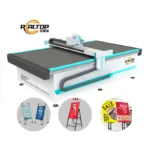
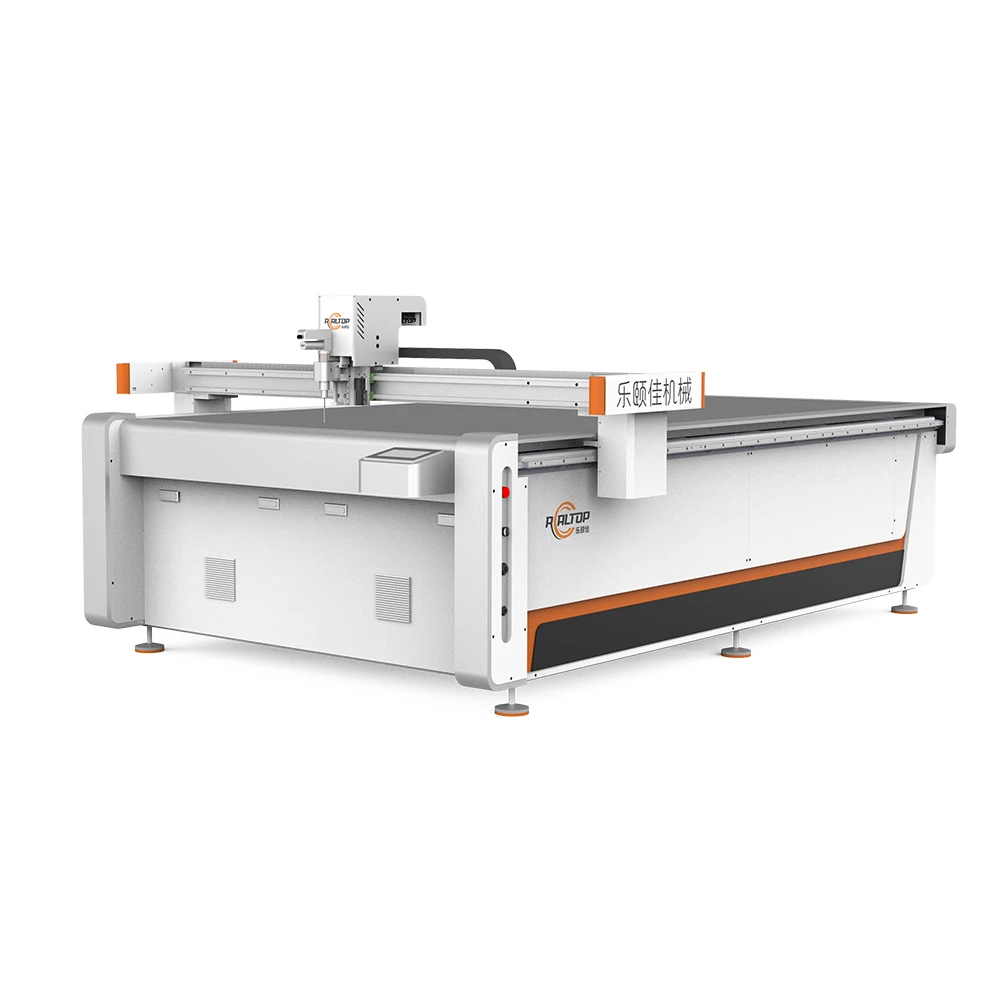
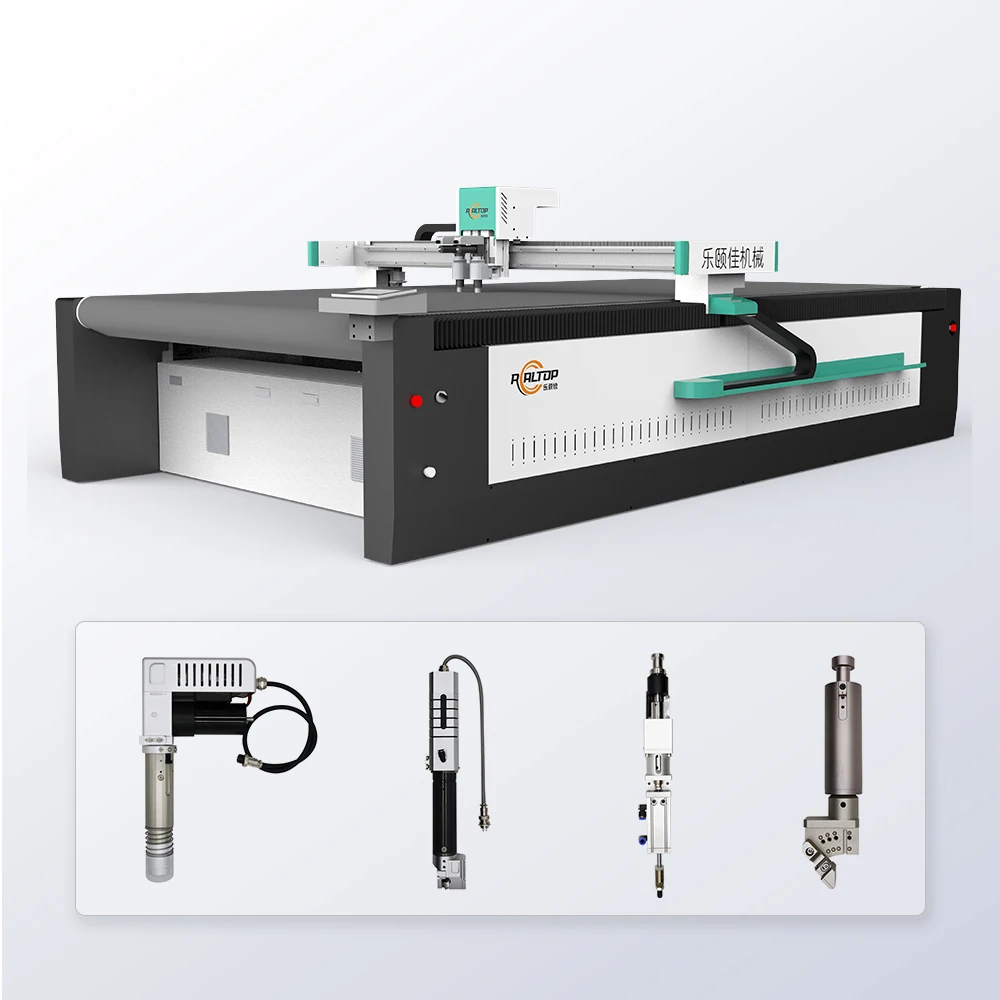
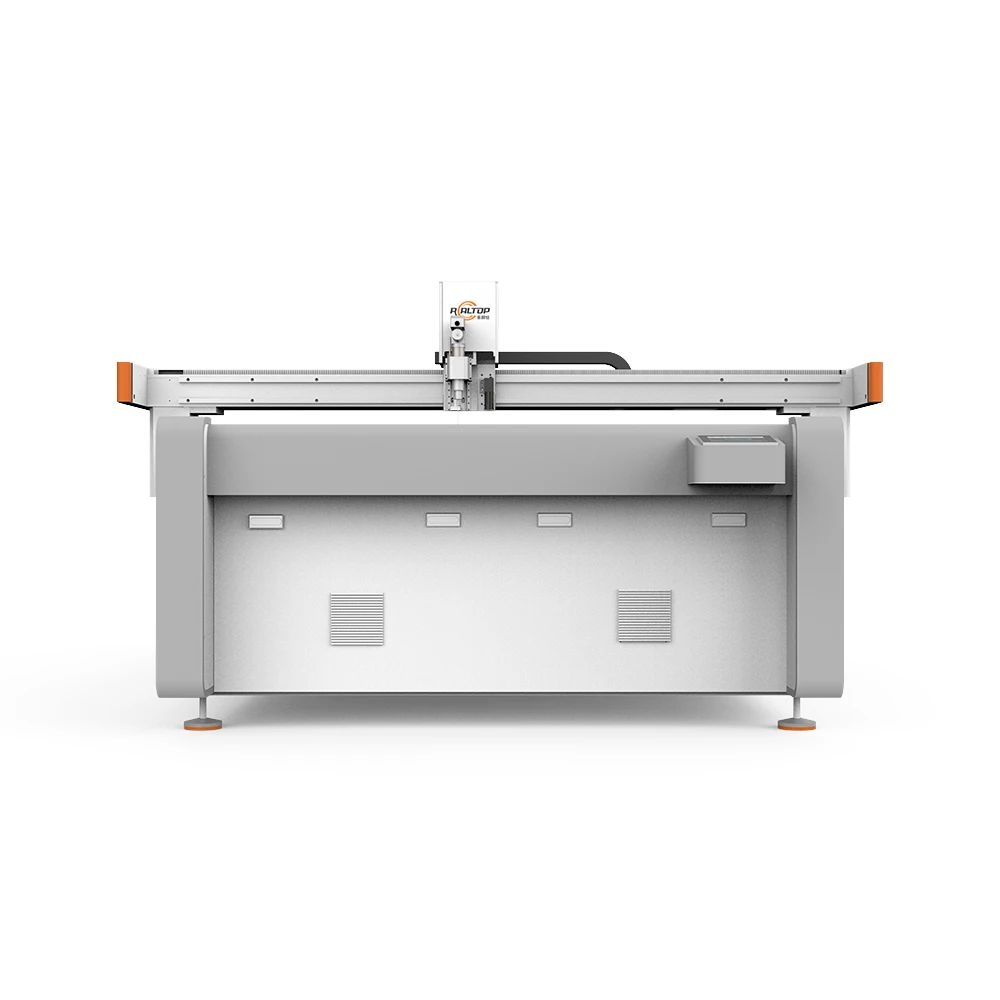
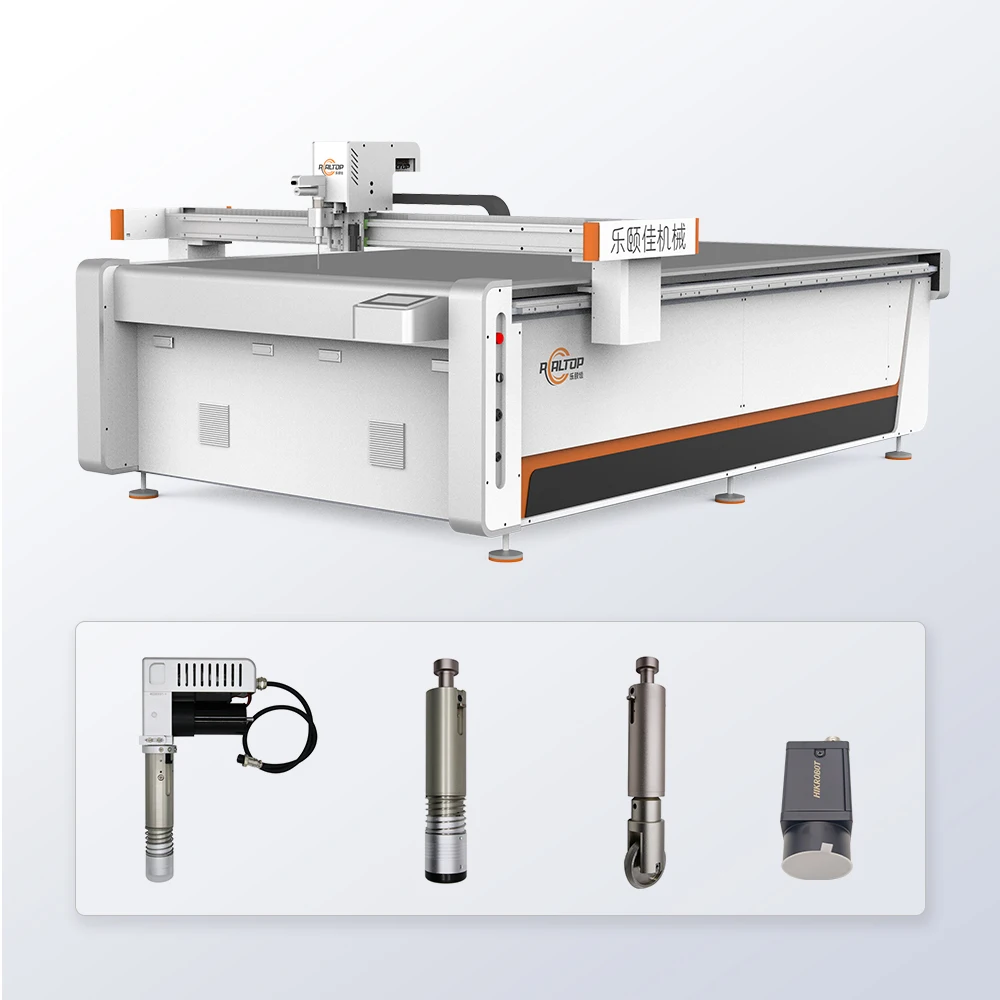
1625 CNC Oscillating Knife Cutting Machine, 1600×2500mm working area, PLC control panel — configured for advertising printing materials including PVC film, vinyl and acrylic board with seven interchangeable tool heads covering oscillating knife, driven rotary knife, creasing wheel, kiss cutting, pneumatic knife, milling and V-groove options.
- Vacuum table with 9KW pump holds sheet materials flat across the full bed during cutting at speeds up to 2000 mm/s
- Supports PLT, DXF, AI and PDF profile formats with control language available in English, Russian, Italian, Chinese or custom
- Cutting accuracy of ±0.1 mm for repeatable contour work on signage and display graphics
Sample cutting on your own PVC film or vinyl stock is available before order confirmation, with voltage, plug type and software language matched to your destination market.
You’re now subscribed to price tracking for this product. We’ll notify you if the price drops.

Fast Delivery
Quick, reliable shipping to any location.

Free & easy returns
Return this item by mail or in store within 90 days for a full refund.
In-house knife technology integration — the 1625 CNC oscillating knife cutting machine offers interchangeable tooling to match cutting methods precisely to your specific material family and thickness range.
Technical Specifications
| Parameter | Value |
|---|---|
| Model | 1625 |
| Product Type | CNC Oscillating Knife Cutting Machine |
| Working Area | 1600 * 2500 mm |
| Tool Head Options | Oscillating knife, Driven rotary knife, Creasing wheel, Kiss cutting tool, Pneumatic knife, Milling tool, V-groove knife |
| Cutting Speed | 0 – 2000 mm/s |
| Cutting Thickness | ≤ 30mm (basis not stated in source) |
| Cutting Accuracy | ±0.1 mm |
| Vacuum Pump Power | 9 kW |
| Voltage Options | 110V, 220V, 380V |
| Control System | PLC control panel |
| Profile Formats | PLT, DXF, AI, PDF |
| Safety Devices | Infrared sensor, Emergency stop |
| Machine Dimensions | 3300 2100 1350 mm |
| Software Languages | English, Russian, Italian, Chinese, customizable |
| Vacuum Table Type | Aluminum bellows vacuum table |
| Servo Motor Brands | Panasonic, Delta, Dorna |
Application Suitability
| Application | Material or Output |
|---|---|
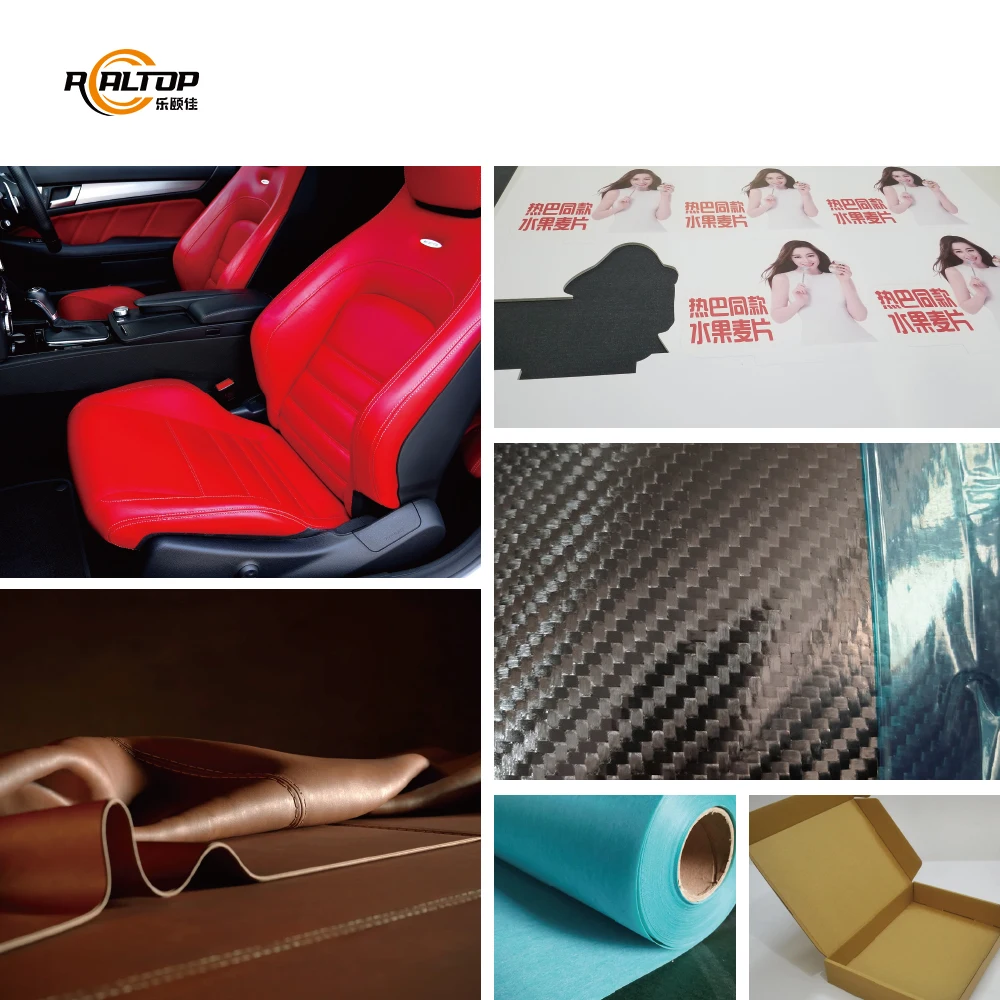
| Advertising & Signage | PVC film, acrylic board, vinyl cutting |
| Composites Processing | Carbon fiber prepreg, aramid honeycomb, fiberglass cloth, G10 epoxy boards |
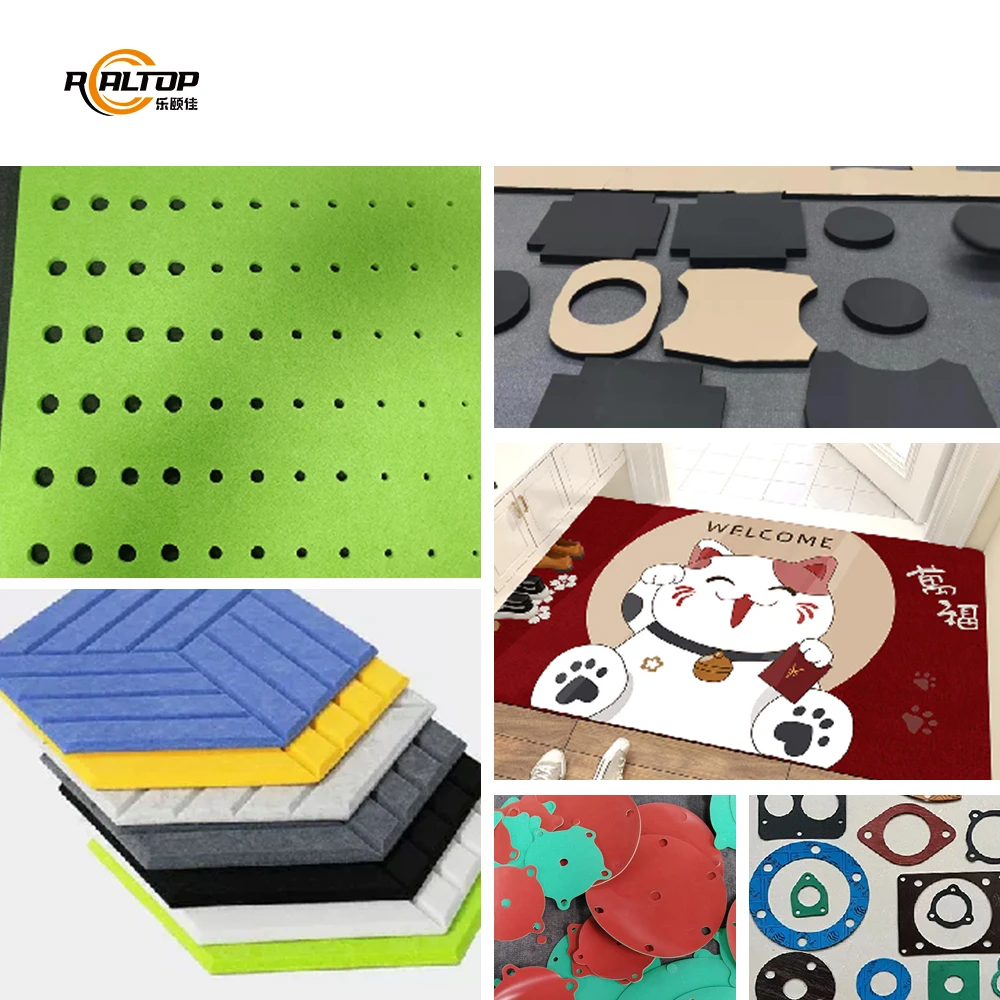
| Automotive Interiors | Acoustic felt, carpets, sealing strips, seat foam |
| Aerospace Components | Wing/tail skin panels, thermal/acoustic insulation pads, honeycomb core |
| Wind Power & Energy | Fiberglass/carbon fiber cloth, vacuum infusion mesh, PET/PVC foam core |
| Packaging Sample Making | Cardboard, corrugated board, carton sample production |
Why the "Working Area" Trap Ruins Material Processing
A machine specified on bed size alone, then found unable to handle the actual material thickness.
I spent years on the assembly floor in Shandong before moving into technical sales, and the most expensive mistakes happen when buyers focus on the 1600×2500mm footprint without matching the tool head to their real production material. A sign maker orders a unit expecting to cut 1.5mm acrylic composite boards, but the standard oscillating knife was configured for 0.3mm PVC film. The result is ragged edges, crushed foam cores, and a machine that sits idle while they source a different solution. The CNC oscillating knife cutting machine full catalogue exists to map each configuration to material type, thickness, and volume class before commitment [NEED_CITE: industrial cutting tool selection by material hardness].
Mapping the Complete Cutting Technology Range
The full catalogue view covers both oscillating knife and laser cutting technologies across all material families, allowing buyers to survey the complete range before narrowing to the right cutting method. The 1625 model sits in the mid-to-large format sheet processing category, where seven interchangeable tool heads cover everything from soft fabric to rigid composites. This breadth means you compare options across the CNC oscillating knife cutting machine full catalogue rather than forcing one method onto materials it was never designed to handle.
Tool Head Selection by Material and Edge Quality
Different materials demand different cutting mechanics. The oscillating knife handles flexible fabrics and foams without fraying, while the driven rotary knife cuts through thicker composite stacks with cleaner edge definition. The creasing wheel scores cardboard for folding without penetrating the surface, and the V-groove knife creates precise channels for signage and packaging structural work. Each tool head mounts to the same gantry system, so production facilities can reconfigure as job requirements shift [NEED_CITE: CNC knife tooling specifications for composite materials].
Reading the Specs That Actually Matter in Production
The 9kW vacuum pump paired with an aluminum bellows table addresses material hold-down across the full 1600×2500mm bed area, preventing lift during high-speed cuts on lightweight films and fabrics. The ±0.1mm cutting accuracy holds tolerances for nesting layouts where material yield directly impacts per-part cost. PLC control with multi-language support and compatibility with PLT, DXF, AI, and PDF formats means the machine integrates into existing design workflows without requiring operators to learn proprietary software. Servo motor options from Panasonic, Delta, or Dorna provide the motion control precision needed for contour work and repeat jobs [NEED_CITE: servo motor performance standards in CNC cutting equipment].
The Hidden Cost of Wrong Configuration Choices
When the vacuum table zoning proves insufficient for small parts, material lifts during cutting and ruins the sheet. When CCD contour recognition is promised but the system cannot track printed marks at production speed, registration errors pile up across the batch. When voltage, plug type, and control language are not confirmed before shipment, the machine arrives and sits in a crate while electricians source transformers and translators rework the interface. These failures are not machine defects—they are specification gaps that surface only after installation [NEED_CITE: CNC machine installation voltage and frequency requirements].
Why Source From This Manufacturing Base
In-house design and production cover both knife and laser cutting technologies, so buyers match the cutting method to the material rather than forcing one approach. Tool head and table configuration are specified per material type and production volume, not sold as a universal package. CCD camera positioning is available for printed contour work where registration accuracy matters. Software compatibility is confirmed before order, not discovered during setup. Voltage, language, and specification customization happens at the factory, not as a field modification. Sample cutting runs on the buyer’s own material before commitment, so edge quality and throughput are verified against real production requirements.
Documentation & Verification
- Machine specification sheet confirming working area, tool head configuration, and cutting thickness per material
- Sample cutting report on buyer’s own material before commitment
- Electrical schematic and voltage confirmation matched to destination market
- Software licence and file format compatibility note for workflow integration
- Factory test record documenting motion accuracy and vacuum performance
- Operation and maintenance manual in specified control language
Installation, Commissioning & Support
- Floor space requirement accounts for 3300×2100mm footprint plus operator access zones
- Dedicated electrical circuit sized for 9kW vacuum pump plus servo and control loads
- Machine ships partially assembled with gantry and table requiring on-site alignment
- First-run commissioning includes vacuum zone testing and tool head calibration
- Operator training covers PLC interface, file import workflow, and tool change procedures
- Spare parts list identifies consumable blades, vacuum seals, and servo components
- Daily maintenance checklist specifies vacuum filter inspection and rail lubrication intervals
What We Need to Quote Accurately
Send material type, thickness range, and maximum sheet dimensions so we configure the correct tool head and vacuum zoning. Specify daily production volume and whether you need CCD contour recognition for printed graphics. Confirm local voltage, frequency, and plug type, plus the control language your operators require.
Frequently Asked Questions
Q: Oscillating knife versus laser—which cutting method fits which material?
A: Oscillating knife cuts fabrics, foams, composites, and thick materials without thermal edge effects, preserving material properties. Laser cuts acrylic, wood, and thin synthetics with sealed edges and higher detail resolution. The choice depends on material composition, thickness, and whether edge sealing or cold-cutting is required for your application.
Q: How do I match working area and tool head to my sheet size and material?
A: Working area must accommodate your largest sheet plus clamping margins. Tool head selection depends on material hardness, thickness, and edge quality requirements. Flexible fabrics need oscillating knife, rigid composites need milling or pneumatic knife, and cardboard needs creasing wheel. Provide your material samples for configuration testing.
Q: What file formats and nesting workflows are supported?
A: The system imports PLT, DXF, AI, and PDF formats directly. Nesting software compatibility depends on your existing workflow—confirm your file export format and nesting preferences before order so we verify integration and provide the correct software licence and configuration.
Q: What electrical and language specs need confirming before shipment?
A: Voltage (110V, 220V, or 380V), frequency, and plug type must match your facility. Control panel language options include English, Russian, Italian, Chinese, or custom translation. Confirm these specifications during quotation so the machine arrives ready for installation without field modifications.










商品评价
There are no reviews yet.