


Fast Delivery
Quick, reliable shipping to any location.

Free & easy returns
Return this item by mail or in store within 90 days for a full refund.
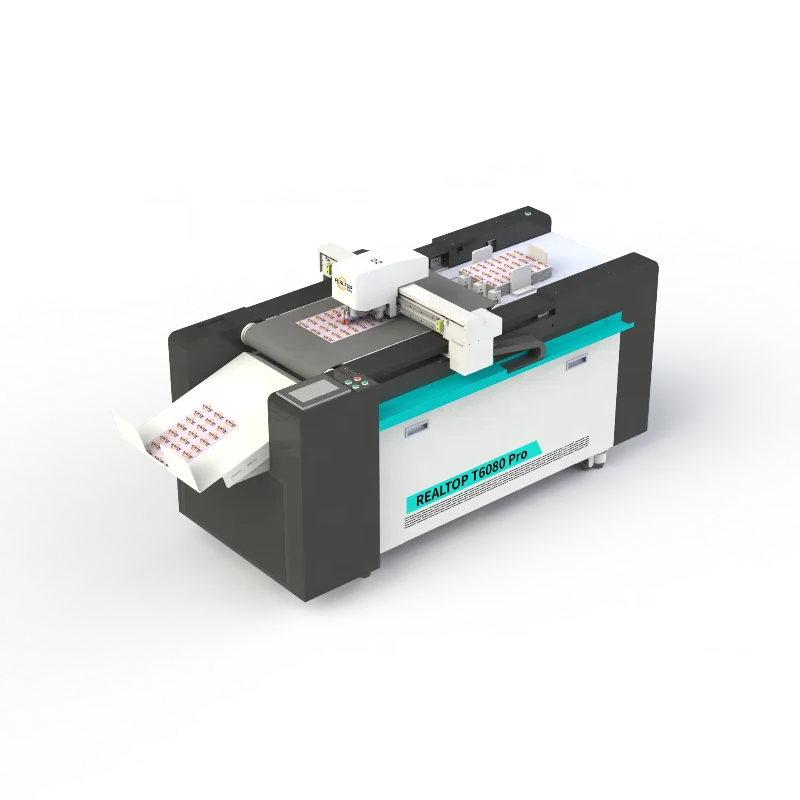
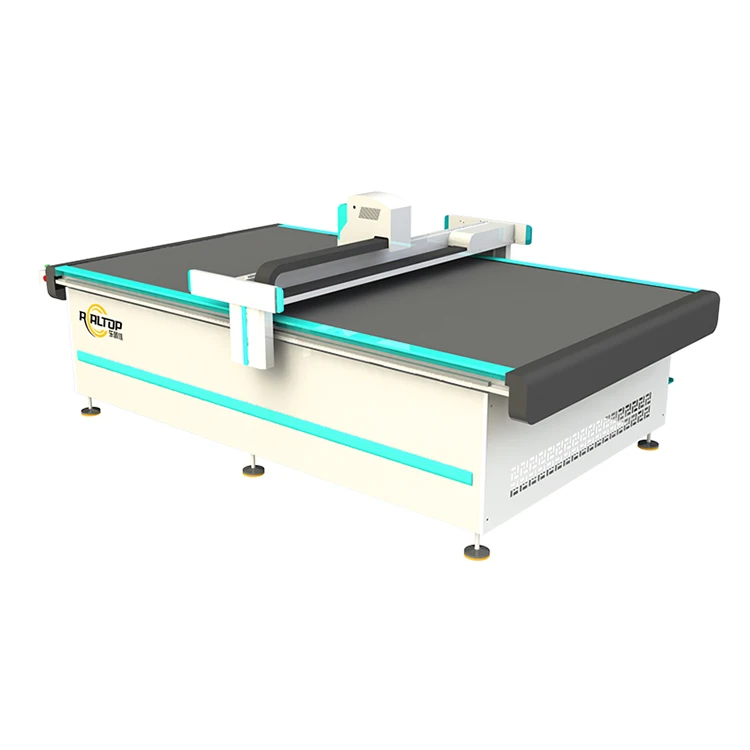
Sample-Cut Validation — we run your actual paper stock on the RTT6080 before configuration, so tool selection matches the adhesive coating and fiber density rather than a generic catalog assumption.
Technical Specifications
| Parameter | Value |
|---|---|
| Model | RTT6080 / RTT6080 Pro |
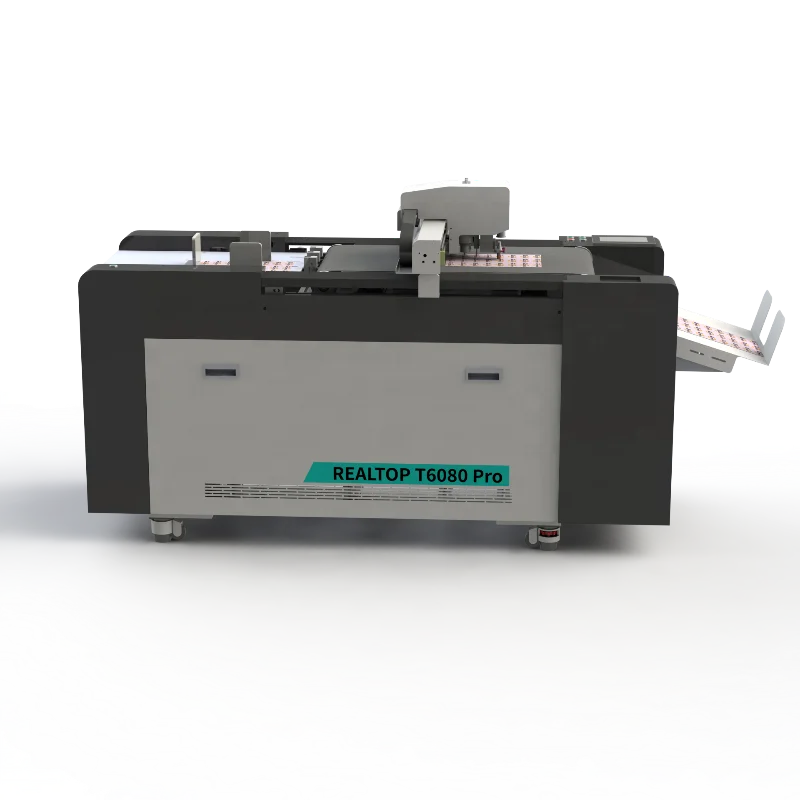
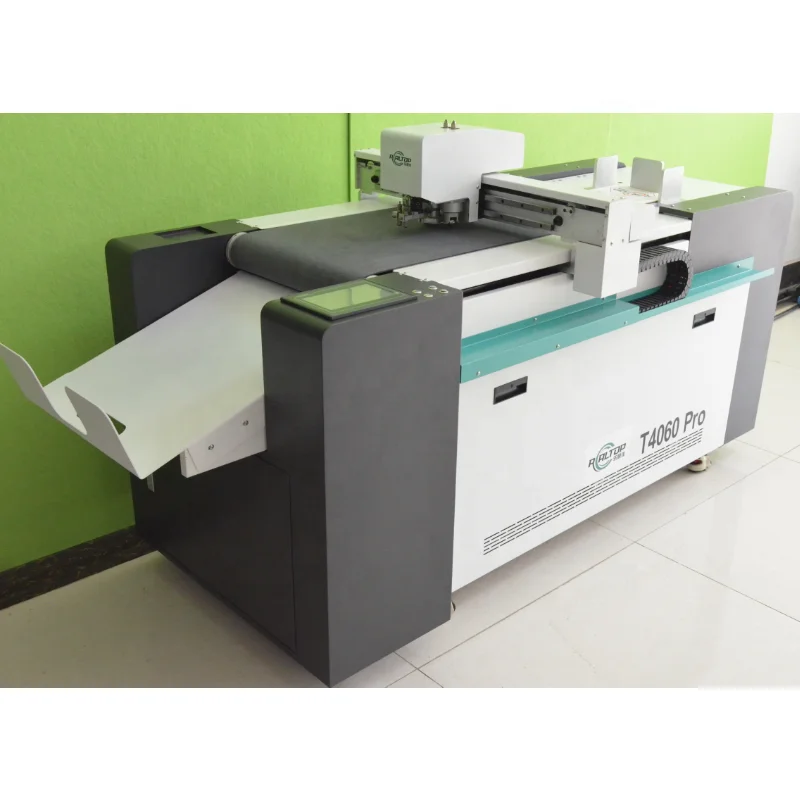
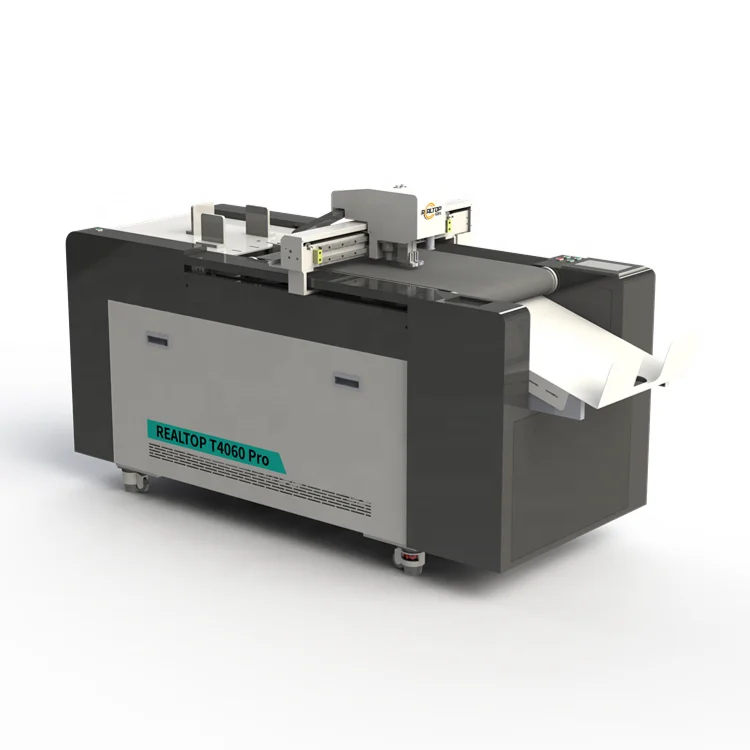
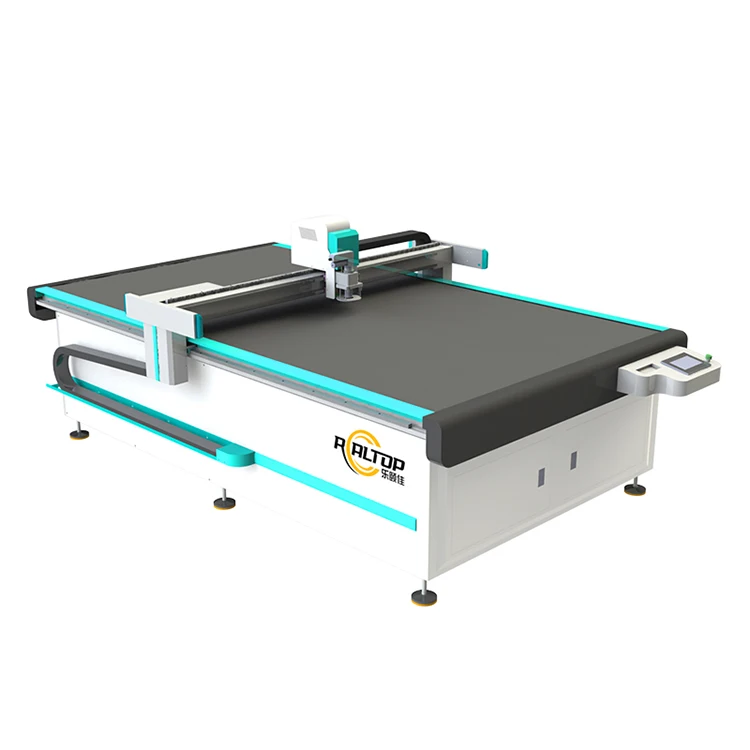
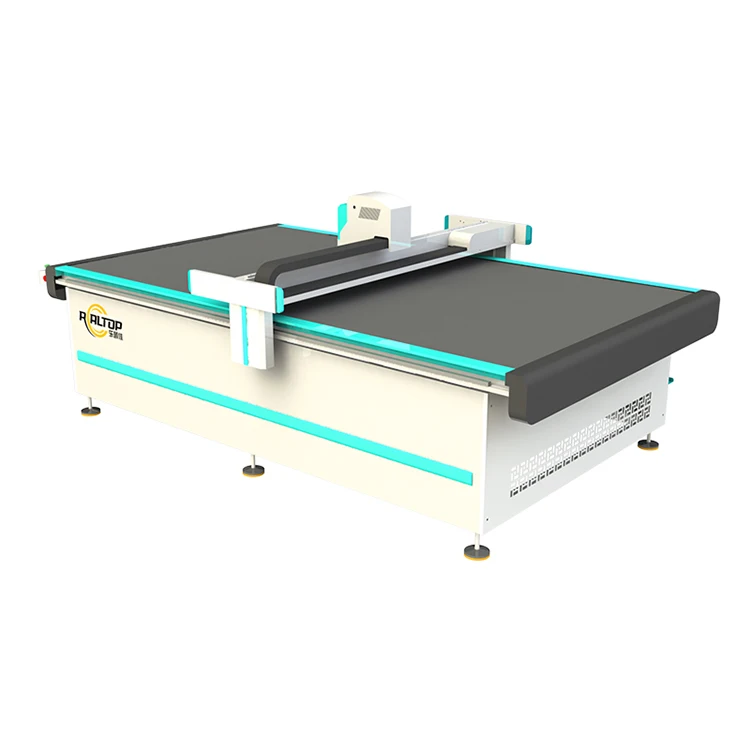
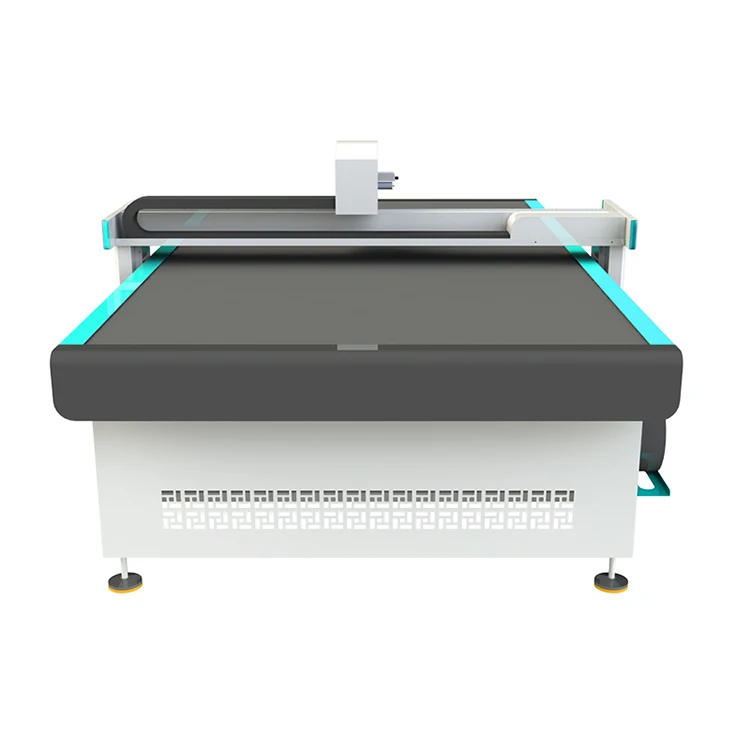
| Product Type | CNC Digital Flatbed Cutting Machine |
| Max Working Area | 600 mm × 800 mm |
| Cutting Thickness | ≤ 2 mm (RTT6080); ≤ 5 mm (RTT6080 Pro) |
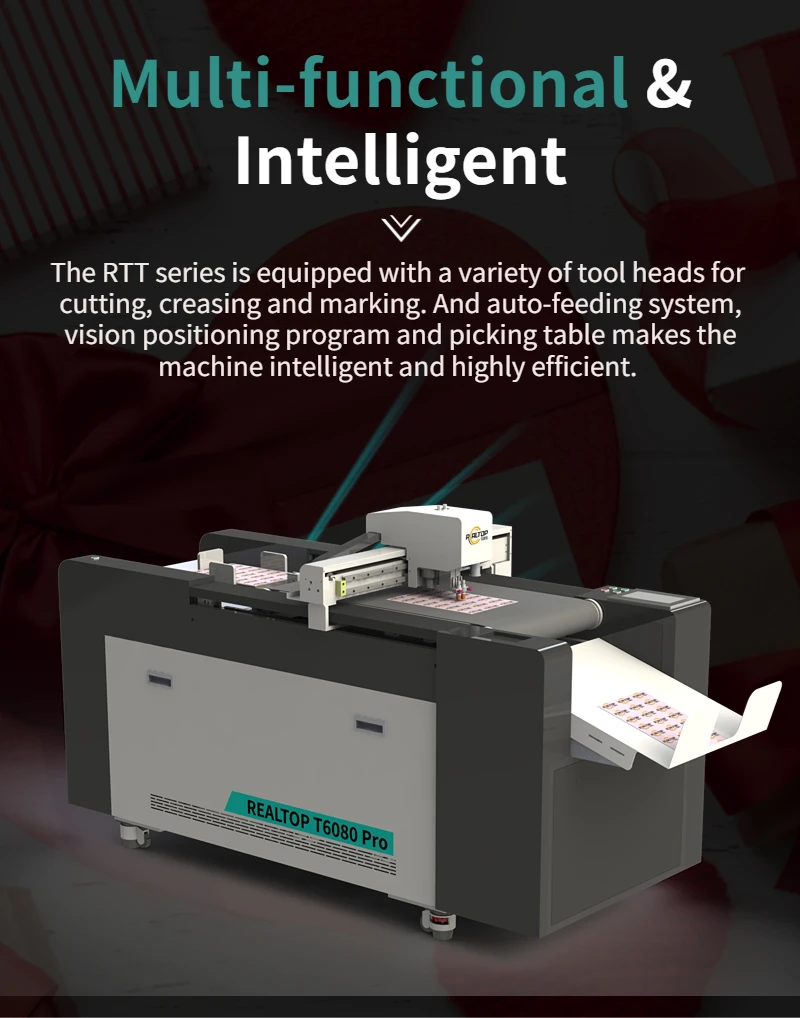
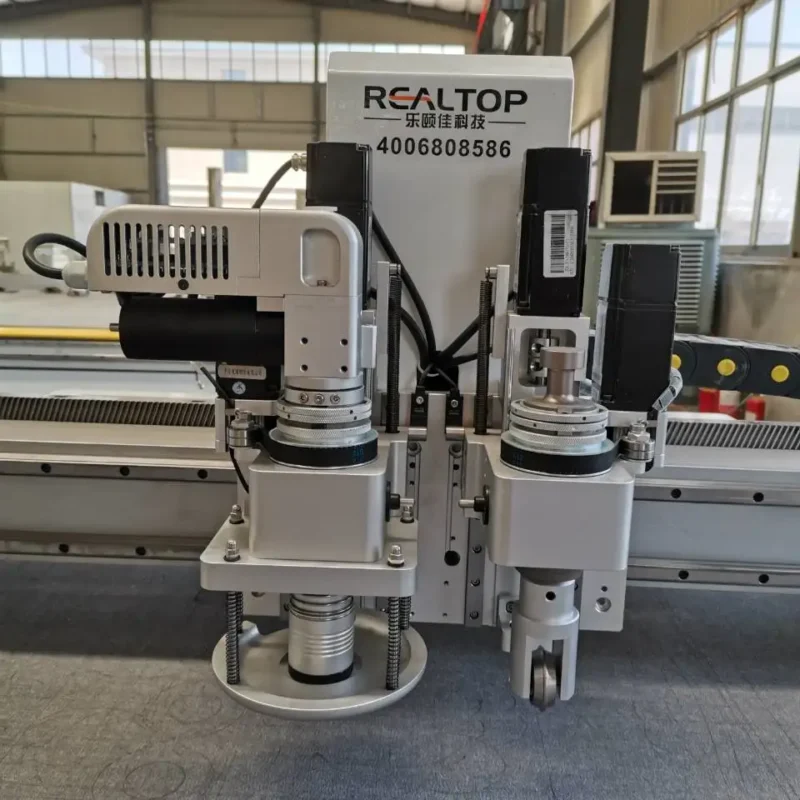
| Tool Group | Cutting tool, kiss cutting tool, creasing tool, CCD camera; high speed oscillating knife (Pro model) |
| Max Cutting Speed | 1500 mm/s (basis not stated in source — confirm material / thickness) |
| Positioning Accuracy | ± 0.05 mm |
| Compatible File Formats | DXF, PLT, PDF, AI |
| Transfer Method | Ethernet port |
| Rated Power | 3.2 kW |
| Voltage & Frequency | 220 V / 380 V, 50 Hz |
| Control System | CNC |
| CCD Camera | Yes (contour recognition) |
| Certification | CE |
Application Suitability
| Application | Material or Output |
|---|---|
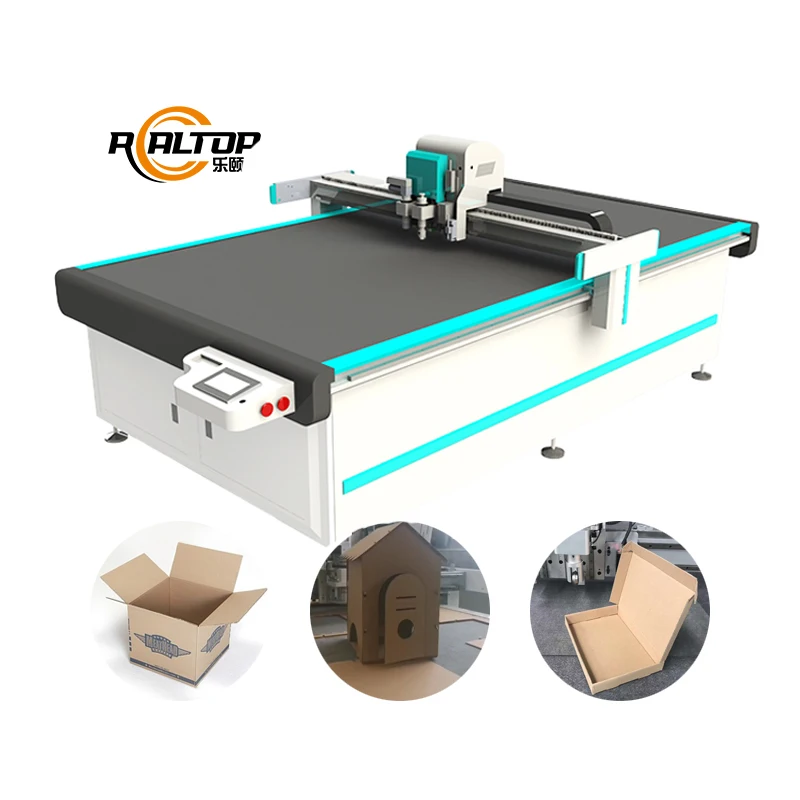
| Packaging sample making and carton prototyping | Art board, kraft paper, corrugated sheets up to working area |
| A4 paper die cutting and short-run sheet processing | Standard copy paper, coated card stock |
| Small-format box structure validation | Single-face corrugated, greyboard, folding carton stock |
| Thin non-metal gasket contour cutting | Rubber sheet, PTFE film, compressed fiber, foam under cutting thickness limit |
Why Material Thickness Decides Between RTT6080 and RTT6080 Pro Before Anything Else
The cutting thickness ceiling is the single most consequential spec on a CNC digital flatbed cutting machine for sale, and it dictates the tool group that will actually work.
I spent years on the assembly floor watching machines get selected by working area alone. A buyer would specify a 600 × 800 table because their sheet size fit, then send over a 4 mm laminated board sample that the base model simply could not penetrate cleanly. The oscillating knife on the standard RTT6080 is engineered for stocks at or below 2 mm, and forcing it deeper produces frayed edges and premature blade wear. The RTT6080 Pro addresses this with a reinforced tool head path and a high speed oscillating knife rated for up to 5 mm, but that capacity only matters if you confirm your thickest production material before the build starts [NEED_CITE: tool head deflection under varying material resistance].
Knife, Crease, and Contour on One Compact Table
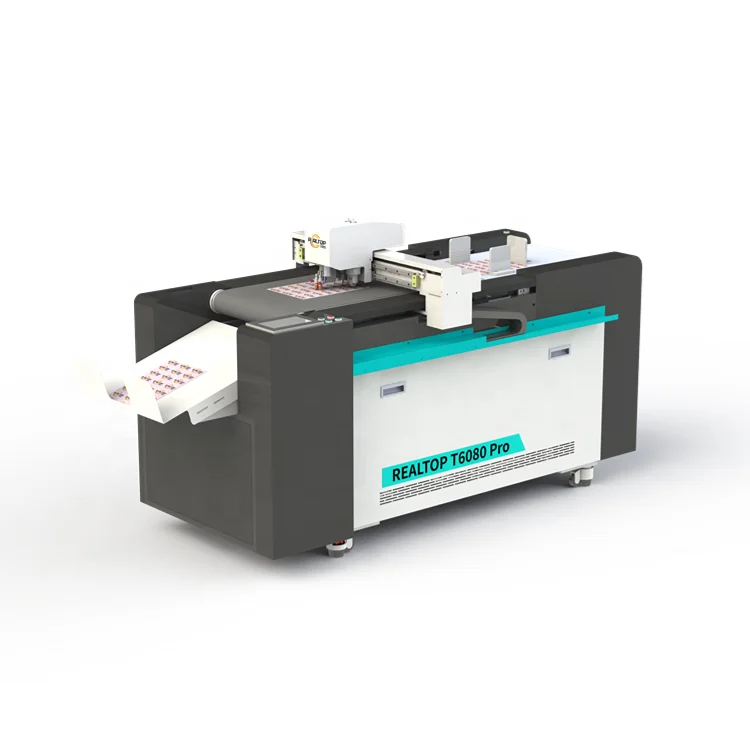
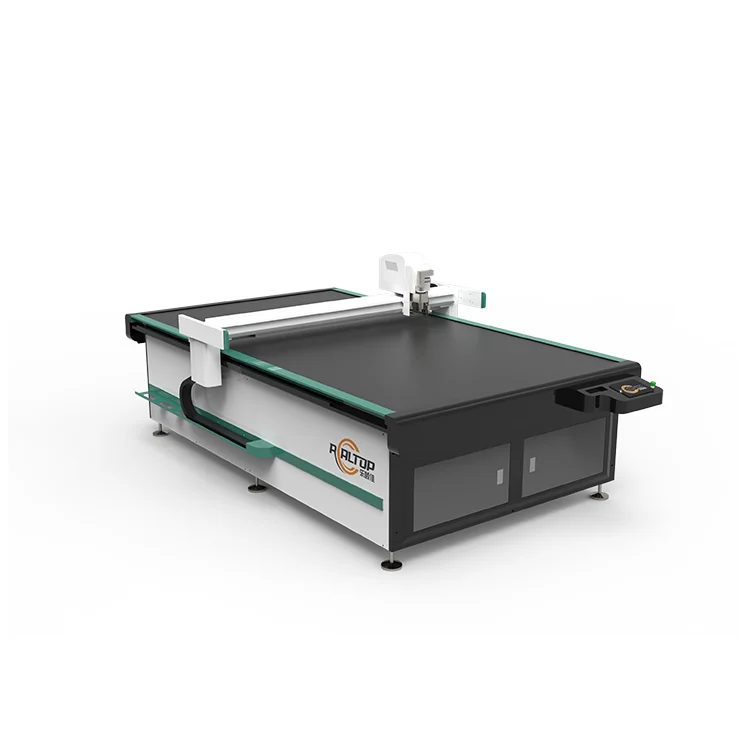
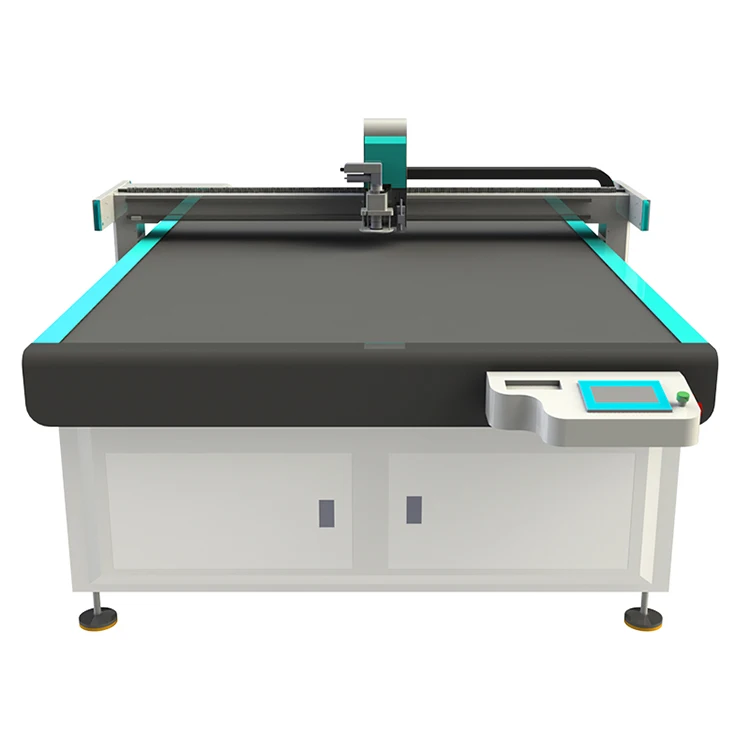
A CNC digital flatbed cutting machine for sale in this format class typically asks the buyer to choose between cutting and creasing. The RTT6080 tool group keeps both on the same gantry, so a packaging sample maker can score a fold line and cut the perimeter in a single cycle without re-fixturing the sheet. The kiss cutting tool adds the ability to cut through a face layer while leaving the liner intact, which matters for label and gasket prototypes that arrive at the next production stage already backed.
CCD Camera Contour Recognition for Printed Stock
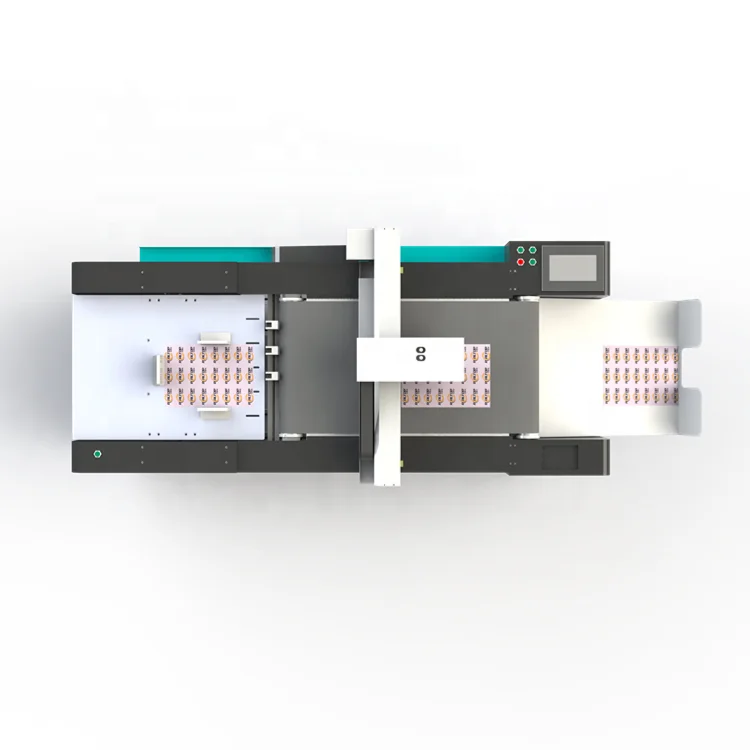
The onboard CCD camera reads printed registration marks and adjusts the cut path in real time. This is relevant when a packaging designer sends a pre-printed sheet that needs contour trimming, or when an advertising producer runs vinyl decals that have already passed through a digital printer. The recognition cycle compensates for the minor stretch and skew that occur during printing, keeping the cut line aligned to the graphic rather than to the original file geometry [NEED_CITE: print registration drift on digital press output].
Spec Interpretation: What the Numbers Mean on the Production Floor
The 0.05 mm positioning accuracy matters most when multiple cut passes must align — such as a crease line that must register exactly to a cut edge for a fold-flat carton. At this tolerance the mechanical drive and encoder resolution are matched so that a tool change or a second pass does not introduce a visible step on the finished sample.
The 3.2 kW rated power covers the servo drives, vacuum pump, spindle motor for the oscillating knife, and the control cabinet simultaneously. Buyers whose workshops run on single-phase 220 V supplies should confirm that the local electrical infrastructure can sustain the full load without voltage sag, which would otherwise affect servo holding torque during directional changes [NEED_CITE: voltage sag impact on servo-driven cutting tables].
The Ethernet transfer method keeps the RTT6080 off the USB workflow entirely. A shop that nests files on a networked workstation sends the cut path directly over LAN, eliminating the drive-by-data problem that plagues USB-dependent machines in environments where multiple operators share one cutting table.
File format compatibility across DXF, PLT, PDF, and AI means that a buyer’s existing design output — whether from a CAD package or an Illustrator-based art department — can feed the machine without an intermediate conversion step that risks altering curve geometry or layer assignments.
The Cost of Skipping a Material Test Cut
When a buyer commits to a configuration without sending physical stock, the tool head gets chosen on paper weight alone. Laminated art board behaves differently from uncoated kraft of the same caliper: the adhesive layer grips the knife and generates heat that dulls the edge within hours rather than days. Vacuum table zoning that works for a full A3 sheet may leave small kiss-cut parts lifting at the edges if the zone layout does not match the nesting pattern [NEED_CITE: vacuum hold-down requirements for small die-cut parts]. These mismatches surface after delivery, when reconfiguration means waiting for replacement tooling and losing production days.
Why Procurement Through This Range Works Differently
The RTT6080 sits in a catalog that spans oscillating knife, drag knife, and laser cutting, so the recommendation is driven by the material rather than by pushing one technology. A buyer cutting acrylic signage will be directed to a CO2 laser platform, while a buyer cutting corrugated packaging samples lands here on the knife table.
Every configuration ships with a tool head and table setup matched to the buyer’s stated material and thickness, documented in a configuration list that travels with the machine. The CCD camera calibration is verified on a printed test sheet during the factory test, not assumed from the component datasheet.
Sample cutting on the buyer’s own stock is standard procedure before the order is finalized, producing a cut report that records tool type, pressure, speed, and edge quality on the actual material. This report becomes the baseline for future reorders of consumable tooling.
Software file format compatibility is confirmed against the buyer’s design workflow before shipment, so that DXF layer mappings or PLT pen assignments behave as expected on first power-up. Voltage, plug type, and control language are locked in during the specification confirmation step rather than discovered at uncrating.
Documentation & Verification
- Machine specification sheet listing RTT6080 and RTT6080 Pro tool head assignments
- Electrical schematic confirming 220 V or 380 V wiring before dispatch
- Sample cutting report run on your supplied paper or gasket stock
- Tool head and vacuum table zoning configuration list per your nesting layout
- Software licence note with DXF, PLT, PDF, and AI layer mapping verification
- Factory test record documenting positioning accuracy and CCD tracking pass
Installation, Commissioning & Support
- Dedicated 3.2 kW circuit with appropriate breaker rating for the confirmed voltage
- Level floor surface required across the 600 × 800 mm footprint to prevent frame twist
- Ethernet drop at the machine location for direct LAN file transfer
- First-run parameter tuning on your material to calibrate knife pressure and vacuum zones
- Operator training covering CCD camera mark teaching and file import workflow
- Spare oscillating knife blades and creasing wheels included per your tool group
What to Share Before Requesting a Quotation
Send the exact material type, caliper, and whether the surface is coated or laminated, along with the largest sheet dimension you will process and your typical daily volume. Confirm your workshop supply voltage and frequency, the plug standard required at destination, and whether your design files originate from a CAD package or a graphic design tool. If you have printed stock that needs contour cutting, include a sample so the CCD camera can be validated against your actual registration mark size and contrast.
Frequently Asked Questions
Q: How do I decide between the RTT6080 and the RTT6080 Pro for my material?
A: The standard RTT6080 handles materials up to 2 mm thick with its cutting, kiss cutting, and creasing tool group. The RTT6080 Pro extends that ceiling to 5 mm and adds a high speed oscillating knife for denser stocks. Measure your thickest production material and choose accordingly — a 3 mm laminated board, for example, requires the Pro configuration to maintain clean edges.
Q: Under what conditions does the machine reach its stated maximum cutting speed?
A: The 1500 mm/s figure depends on the material type, thickness, and cut geometry involved. Thin, unreinforced paper in a simple outline will allow higher traverse rates, while dense corrugated or intricate nested shapes require reduced speed to preserve edge quality. A sample cut on your stock establishes the practical speed for your production mix.
Q: Can the CCD camera track printed marks at full production throughput?
A: The CCD camera performs contour recognition by reading registration marks on the printed sheet, adjusting the cut path for any skew introduced during printing. Its reliability depends on mark contrast, size, and the lighting conditions at the table surface. We validate tracking on your printed sample during the factory test before shipment.
Q: What voltage options are available and how do I confirm the right one?
A: The machine is configurable for 220 V or 380 V at 50 Hz. The correct choice depends on your facility’s supply infrastructure and local electrical standards. Voltage and plug type must be confirmed before production so the transformer and cabinet wiring match your workshop — changes after build require rewiring and retesting.
Q: Can I send my own material for a test cut before placing the order?
A: Yes. We run a sample cut on your supplied paper, card, or gasket stock and document the tool selection, cutting parameters, and edge result in a written report. This lets you evaluate cut quality and creasing registration on your actual production material before committing to a configuration and lead time.
Sample-Cut Validation — we run your actual paper stock on the RTT6080 before configuration, so tool selection matches the adhesive coating and fiber density rather than a generic catalog assumption.
Technical Specifications
| Parameter | Value |
|---|---|
| Model | RTT6080 / RTT6080 Pro |
| Product Type | CNC Digital Flatbed Cutting Machine |
| Max Working Area | 600 mm × 800 mm |
| Cutting Thickness | ≤ 2 mm (RTT6080); ≤ 5 mm (RTT6080 Pro) |
| Tool Group | Cutting tool, kiss cutting tool, creasing tool, CCD camera; high speed oscillating knife (Pro model) |
| Max Cutting Speed | 1500 mm/s (basis not stated in source — confirm material / thickness) |
| Positioning Accuracy | ± 0.05 mm |
| Compatible File Formats | DXF, PLT, PDF, AI |
| Transfer Method | Ethernet port |
| Rated Power | 3.2 kW |
| Voltage & Frequency | 220 V / 380 V, 50 Hz |
| Control System | CNC |
| CCD Camera | Yes (contour recognition) |
| Certification | CE |
Application Suitability
| Application | Material or Output |
|---|---|
| Packaging sample making and carton prototyping | Art board, kraft paper, corrugated sheets up to working area |
| A4 paper die cutting and short-run sheet processing | Standard copy paper, coated card stock |
| Small-format box structure validation | Single-face corrugated, greyboard, folding carton stock |
| Thin non-metal gasket contour cutting | Rubber sheet, PTFE film, compressed fiber, foam under cutting thickness limit |
Why Material Thickness Decides Between RTT6080 and RTT6080 Pro Before Anything Else
The cutting thickness ceiling is the single most consequential spec on a CNC digital flatbed cutting machine for sale, and it dictates the tool group that will actually work.
I spent years on the assembly floor watching machines get selected by working area alone. A buyer would specify a 600 × 800 table because their sheet size fit, then send over a 4 mm laminated board sample that the base model simply could not penetrate cleanly. The oscillating knife on the standard RTT6080 is engineered for stocks at or below 2 mm, and forcing it deeper produces frayed edges and premature blade wear. The RTT6080 Pro addresses this with a reinforced tool head path and a high speed oscillating knife rated for up to 5 mm, but that capacity only matters if you confirm your thickest production material before the build starts [NEED_CITE: tool head deflection under varying material resistance].
Knife, Crease, and Contour on One Compact Table
A CNC digital flatbed cutting machine for sale in this format class typically asks the buyer to choose between cutting and creasing. The RTT6080 tool group keeps both on the same gantry, so a packaging sample maker can score a fold line and cut the perimeter in a single cycle without re-fixturing the sheet. The kiss cutting tool adds the ability to cut through a face layer while leaving the liner intact, which matters for label and gasket prototypes that arrive at the next production stage already backed.
CCD Camera Contour Recognition for Printed Stock
The onboard CCD camera reads printed registration marks and adjusts the cut path in real time. This is relevant when a packaging designer sends a pre-printed sheet that needs contour trimming, or when an advertising producer runs vinyl decals that have already passed through a digital printer. The recognition cycle compensates for the minor stretch and skew that occur during printing, keeping the cut line aligned to the graphic rather than to the original file geometry [NEED_CITE: print registration drift on digital press output].
Spec Interpretation: What the Numbers Mean on the Production Floor
The 0.05 mm positioning accuracy matters most when multiple cut passes must align — such as a crease line that must register exactly to a cut edge for a fold-flat carton. At this tolerance the mechanical drive and encoder resolution are matched so that a tool change or a second pass does not introduce a visible step on the finished sample.
The 3.2 kW rated power covers the servo drives, vacuum pump, spindle motor for the oscillating knife, and the control cabinet simultaneously. Buyers whose workshops run on single-phase 220 V supplies should confirm that the local electrical infrastructure can sustain the full load without voltage sag, which would otherwise affect servo holding torque during directional changes [NEED_CITE: voltage sag impact on servo-driven cutting tables].
The Ethernet transfer method keeps the RTT6080 off the USB workflow entirely. A shop that nests files on a networked workstation sends the cut path directly over LAN, eliminating the drive-by-data problem that plagues USB-dependent machines in environments where multiple operators share one cutting table.
File format compatibility across DXF, PLT, PDF, and AI means that a buyer’s existing design output — whether from a CAD package or an Illustrator-based art department — can feed the machine without an intermediate conversion step that risks altering curve geometry or layer assignments.
The Cost of Skipping a Material Test Cut
When a buyer commits to a configuration without sending physical stock, the tool head gets chosen on paper weight alone. Laminated art board behaves differently from uncoated kraft of the same caliper: the adhesive layer grips the knife and generates heat that dulls the edge within hours rather than days. Vacuum table zoning that works for a full A3 sheet may leave small kiss-cut parts lifting at the edges if the zone layout does not match the nesting pattern [NEED_CITE: vacuum hold-down requirements for small die-cut parts]. These mismatches surface after delivery, when reconfiguration means waiting for replacement tooling and losing production days.
Why Procurement Through This Range Works Differently
The RTT6080 sits in a catalog that spans oscillating knife, drag knife, and laser cutting, so the recommendation is driven by the material rather than by pushing one technology. A buyer cutting acrylic signage will be directed to a CO2 laser platform, while a buyer cutting corrugated packaging samples lands here on the knife table.
Every configuration ships with a tool head and table setup matched to the buyer’s stated material and thickness, documented in a configuration list that travels with the machine. The CCD camera calibration is verified on a printed test sheet during the factory test, not assumed from the component datasheet.
Sample cutting on the buyer’s own stock is standard procedure before the order is finalized, producing a cut report that records tool type, pressure, speed, and edge quality on the actual material. This report becomes the baseline for future reorders of consumable tooling.
Software file format compatibility is confirmed against the buyer’s design workflow before shipment, so that DXF layer mappings or PLT pen assignments behave as expected on first power-up. Voltage, plug type, and control language are locked in during the specification confirmation step rather than discovered at uncrating.
Documentation & Verification
- Machine specification sheet listing RTT6080 and RTT6080 Pro tool head assignments
- Electrical schematic confirming 220 V or 380 V wiring before dispatch
- Sample cutting report run on your supplied paper or gasket stock
- Tool head and vacuum table zoning configuration list per your nesting layout
- Software licence note with DXF, PLT, PDF, and AI layer mapping verification
- Factory test record documenting positioning accuracy and CCD tracking pass
Installation, Commissioning & Support
- Dedicated 3.2 kW circuit with appropriate breaker rating for the confirmed voltage
- Level floor surface required across the 600 × 800 mm footprint to prevent frame twist
- Ethernet drop at the machine location for direct LAN file transfer
- First-run parameter tuning on your material to calibrate knife pressure and vacuum zones
- Operator training covering CCD camera mark teaching and file import workflow
- Spare oscillating knife blades and creasing wheels included per your tool group
What to Share Before Requesting a Quotation
Send the exact material type, caliper, and whether the surface is coated or laminated, along with the largest sheet dimension you will process and your typical daily volume. Confirm your workshop supply voltage and frequency, the plug standard required at destination, and whether your design files originate from a CAD package or a graphic design tool. If you have printed stock that needs contour cutting, include a sample so the CCD camera can be validated against your actual registration mark size and contrast.
Frequently Asked Questions
Q: How do I decide between the RTT6080 and the RTT6080 Pro for my material?
A: The standard RTT6080 handles materials up to 2 mm thick with its cutting, kiss cutting, and creasing tool group. The RTT6080 Pro extends that ceiling to 5 mm and adds a high speed oscillating knife for denser stocks. Measure your thickest production material and choose accordingly — a 3 mm laminated board, for example, requires the Pro configuration to maintain clean edges.
Q: Under what conditions does the machine reach its stated maximum cutting speed?
A: The 1500 mm/s figure depends on the material type, thickness, and cut geometry involved. Thin, unreinforced paper in a simple outline will allow higher traverse rates, while dense corrugated or intricate nested shapes require reduced speed to preserve edge quality. A sample cut on your stock establishes the practical speed for your production mix.
Q: Can the CCD camera track printed marks at full production throughput?
A: The CCD camera performs contour recognition by reading registration marks on the printed sheet, adjusting the cut path for any skew introduced during printing. Its reliability depends on mark contrast, size, and the lighting conditions at the table surface. We validate tracking on your printed sample during the factory test before shipment.
Q: What voltage options are available and how do I confirm the right one?
A: The machine is configurable for 220 V or 380 V at 50 Hz. The correct choice depends on your facility’s supply infrastructure and local electrical standards. Voltage and plug type must be confirmed before production so the transformer and cabinet wiring match your workshop — changes after build require rewiring and retesting.
Q: Can I send my own material for a test cut before placing the order?
A: Yes. We run a sample cut on your supplied paper, card, or gasket stock and document the tool selection, cutting parameters, and edge result in a written report. This lets you evaluate cut quality and creasing registration on your actual production material before committing to a configuration and lead time.
商品评价
There are no reviews yet.