

Fast Delivery
Quick, reliable shipping to any location.

Free & easy returns
Return this item by mail or in store within 90 days for a full refund.
Complete Cutting Range — A single manufacturer offering both oscillating knife and laser systems lets you match the cutting technology to the specific automotive interior material rather than forcing one method across all components.
Technical Specifications
| Parameter | Value |
|---|---|
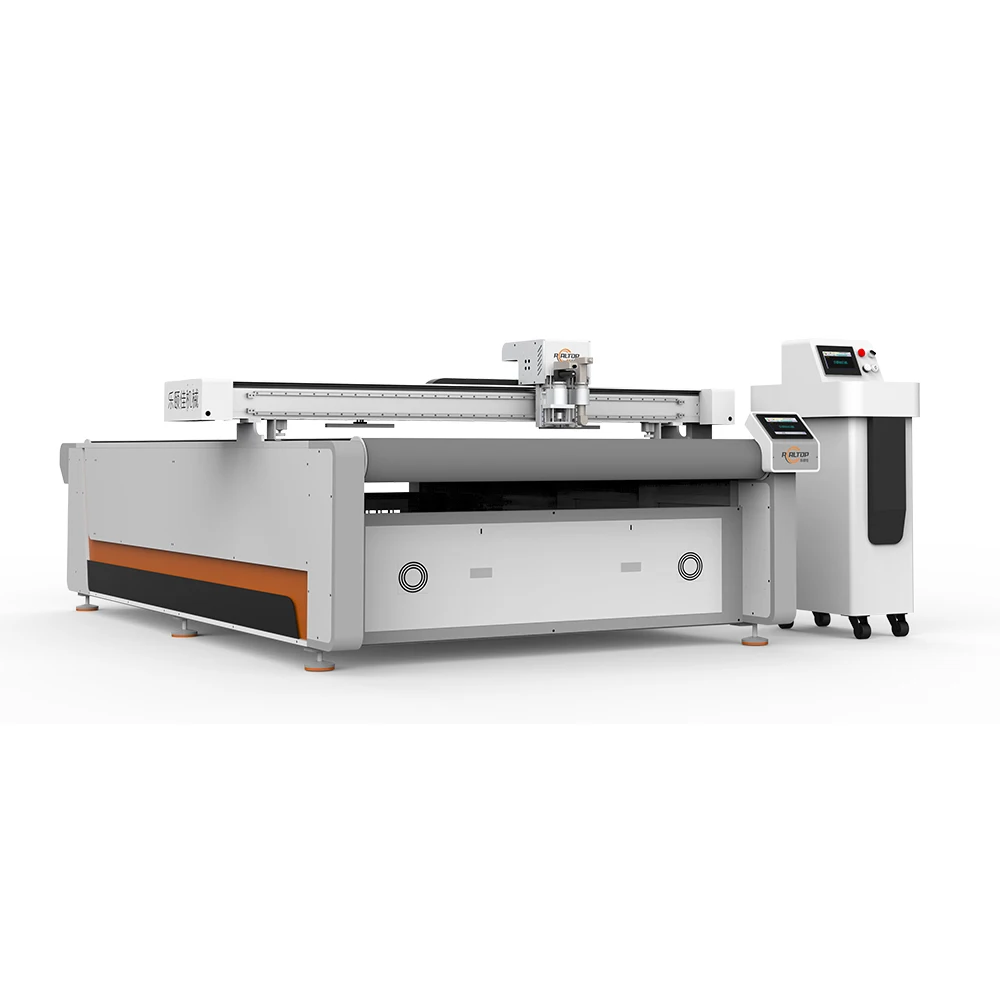
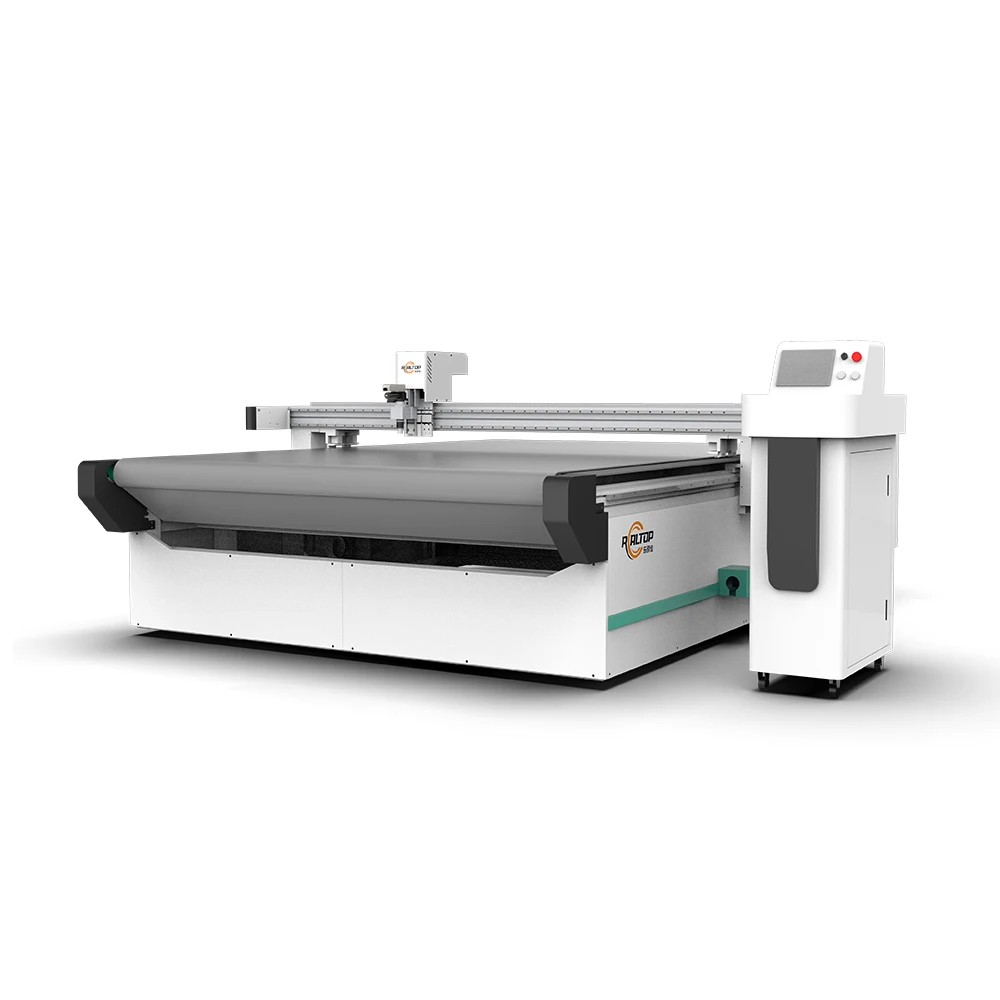
| Model | RT-D2516 / RT-S2516 |
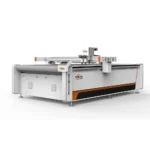
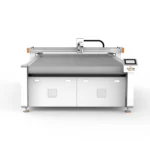
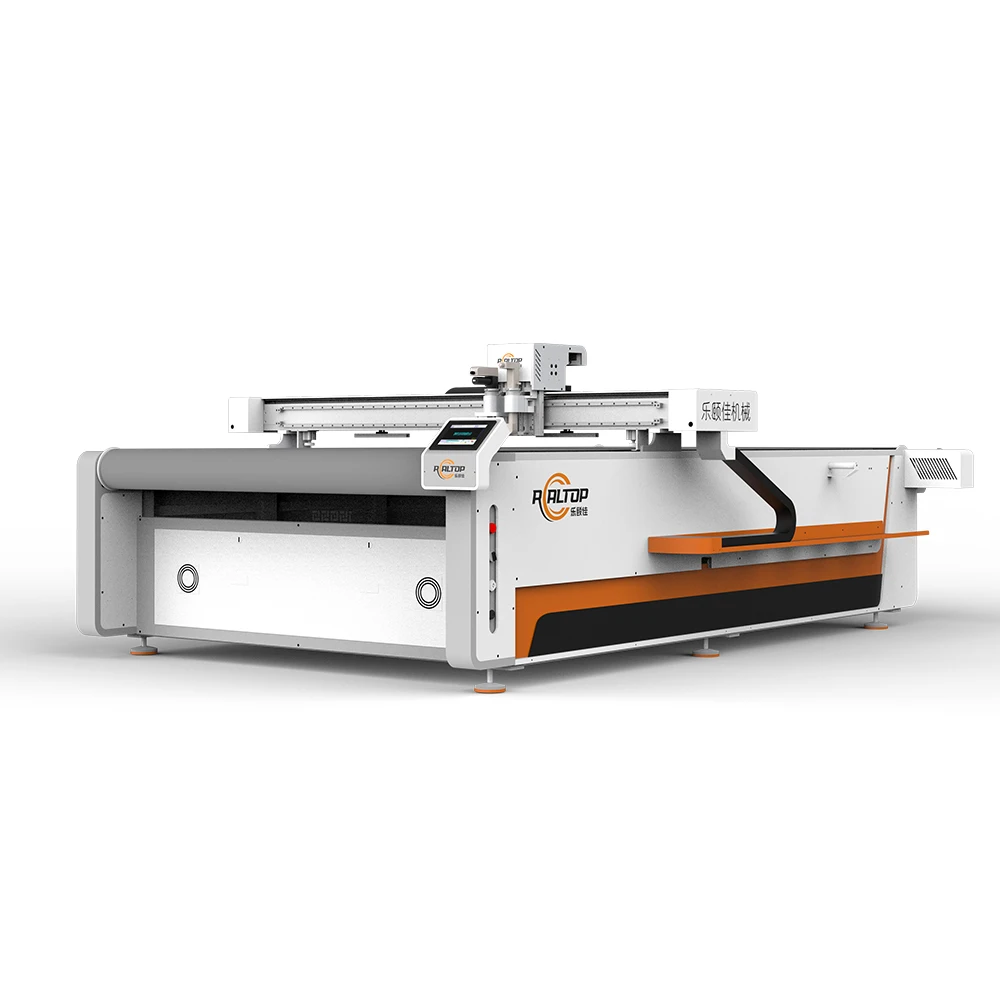
| Working Area | 1600 × 2500 mm |
| Machine Size | 3450 × 2300 × 1250 mm |
| Rated Power | 9 kW |
| Voltage | 380V ±10% (frequency to confirm: 50/60Hz) |
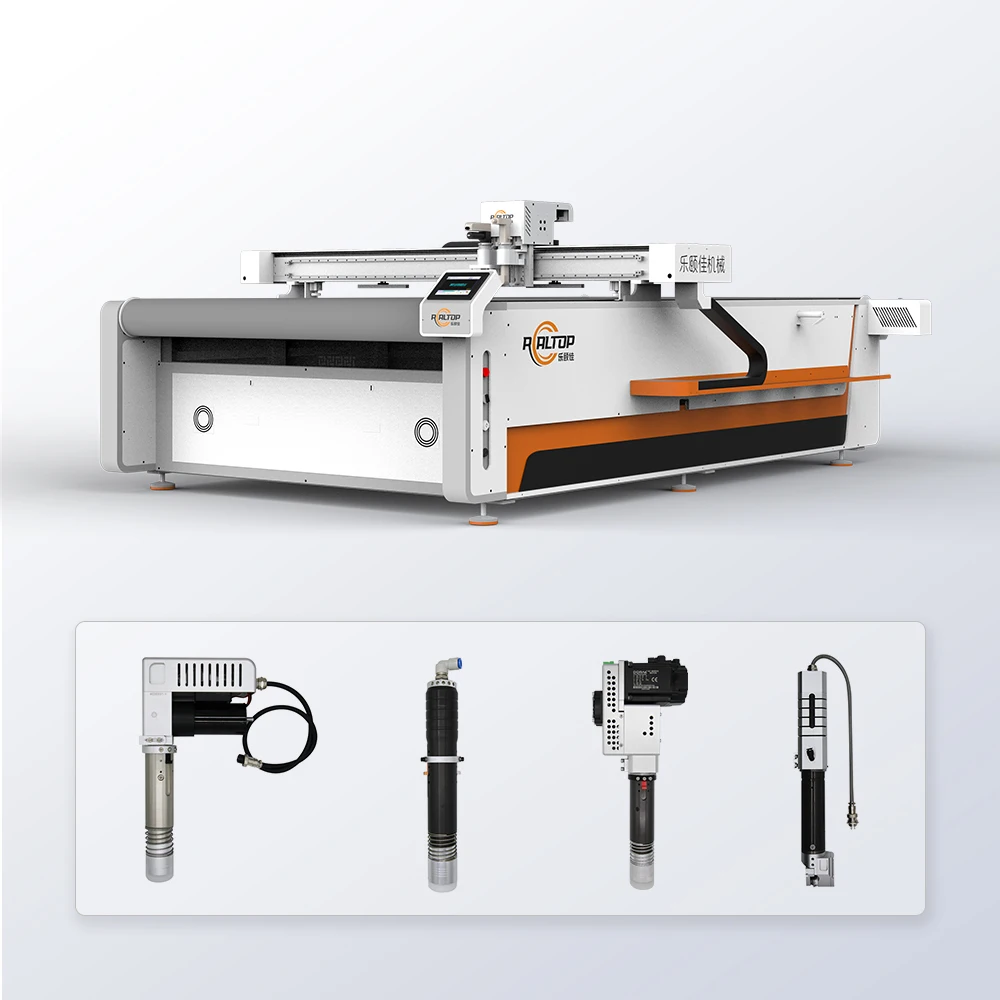
| Tool Head Options | Swiss imported knife, oscillating knife, pneumatic knife, high-power vibrating knife, circular knife, V-cut, drag knife, creasing wheel, dotted line knife, punching, brush |
| Visual Positioning | Small CCD camera mark point, panoramic camera recognition, projection positioning |
| Cutting Thickness | ≤100 mm (basis not stated in source — confirm material, density, layer count) |
| Translational Velocity | 800–2000 mm/s |
| Cutting Speed | 200–800 mm/s (basis not stated in source — confirm material and thickness) |
| Repeated Accuracy | ≤0.1 mm |
| Transmission System | Digital servo motor (Delta or Panasonic, IP67), linear guide, synchronous belt, ball screw; Taiwan Hiwin rail |
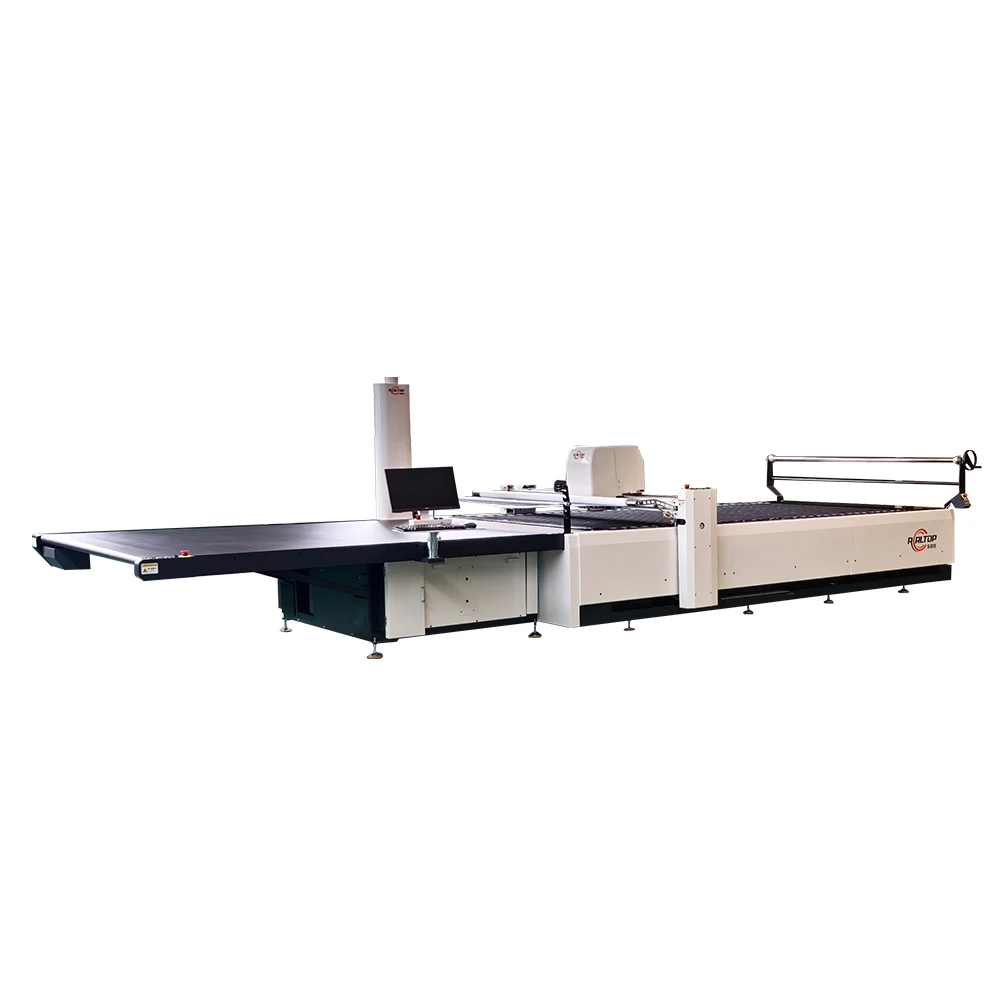
| Work Table | Magnesium-aluminum alloy vacuum adsorption (flat or auto-feeding), PVDF powder coating, anodic and hard oxidation; 7.5 kW vacuum pump |
| Safety Devices | Infrared induction blocking, anti-collision, emergency stop |
| Software Compatibility | PLT, DXF, AI file formats; HP-GL compatible instruction system |
| Frame Construction | Welded thick-walled seamless steel, high-temperature tempering, CNC machining center finished |
| Language Options | English, Russian, Italian, Chinese (special languages customizable) |
| Warranty | 1 year |
| Assembly State | Fully assembled before shipment |
Application Suitability
| Application | Material or Output |
|---|---|
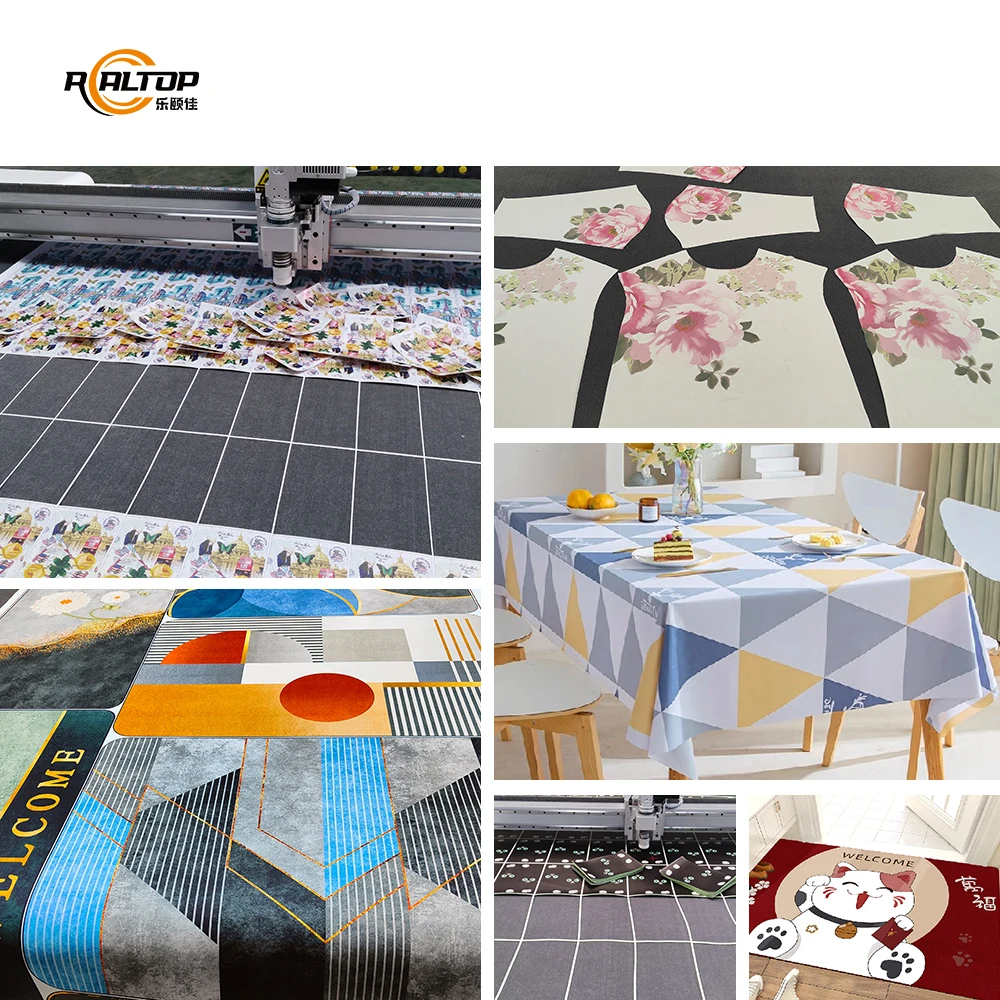
| Automotive floor mats and carpets | Multi-layer composite carpets, sound-insulation cotton, coil materials |
| Seat upholstery and headliners | Automotive leather, synthetic textile, foam-backed fabric |
| Gaskets and seals | Rubber, silicone, EVA, XPE, PTFE, non-woven gasket sheets |
| Interior trim panels | PVC sheet, soft glass, PU foam, composite board |
| Trunk liners and side panels | Corrugated board, corrugated plastic, carbon fiber prepreg |
| Soft furnishings and home textile | Curtain fabric, sofa textile, carpet patterns |
Why Material Thickness Defines the Machine — Not the Working Area Alone
When a buyer specifies a CNC oscillating knife cutting machine manufacturer by bed size alone, the most common failure is discovering mid-production that the tool head cannot penetrate the actual material stack. The cutting method and tool head must be matched to your material type, density, and layer count before the order is placed.
I have seen automotive interior shops order a 1600×2500 mm table, then find that their multi-layer carpet and sound-insulation composite — sometimes running 50 mm or more in total thickness — simply crushes under a standard oscillating knife. The edge comes out ragged, the vacuum table loses grip on the top layers, and throughput drops because every second cut requires manual clearing. That is not a machine defect; it is a specification mismatch [NEED_CITE: material density and layer-count impact on oscillating knife cutting depth]. A high-power vibrating knife or pneumatic knife head handles those composites differently, and the choice should be validated on your own sample before the build begins.
Matching the Tool Head to Automotive Interior Materials
Automotive interior production involves a wider material range than most single-industry cutting operations. You move from thin synthetic leather for seat covers to dense rubber gaskets and layered carpet-soundproofing stacks, often on the same machine in the same shift. Each of these demands a different tool head from the available range — oscillating, pneumatic, high-power vibrating, drag knife, or V-cut — and the CNC oscillating knife cutting machine manufacturer must confirm which head handles your thickest and most abrasive material before quoting.
Vacuum Table Zoning and the Small-Part Problem
A 7.5 kW vacuum pump behind a magnesium-aluminum alloy table provides strong hold-down across the full 1600×2500 mm area, but gasket cutting and intricate automotive trim shapes produce small off-cuts that lift if the table zoning is too coarse. Zoned vacuum adsorption lets the operator activate only the sectors under the current cutting path, concentrating suction where it matters. This is especially important when cutting thin film, sticker, or PTFE gasket material where edge lift produces miscuts [NEED_CITE: vacuum table zoning standards for CNC digital cutting tables].
Reading the Specs That Actually Matter
The 9 kW rated power covers the servo drives, vacuum pump, and cutting head simultaneously, so confirm that the electrical supply at your facility can sustain continuous draw at 380V ±10% without tripping upstream breakers. The Delta or Panasonic IP67 servo motors paired with Taiwan Hiwin linear rails give a repeated accuracy of ≤0.1 mm — relevant when nesting automotive gaskets with tight tolerances for assembly-line fit. Translational velocity of 800–2000 mm/s governs non-cutting travel between shapes, while actual cutting speed of 200–800 mm/s depends entirely on the material and thickness being processed. The welded thick-walled steel frame with high-temperature tempering resists vibration during high-speed oscillation, which directly affects edge quality on layered composites.
The Hidden Cost of a Wrong Configuration Choice
Choosing a standard oscillating knife for a material that needs a high-power vibrating or pneumatic head does not just slow production — it degrades edge quality to the point where downstream assembly rejects the part. Ragged carpet edges on a car floor mat mean rework or scrap, and that cost compounds across every shift [NEED_CITE: automotive interior OEM quality standards for cut-edge finish]. Similarly, specifying a flat table for roll-stock carpet when an auto-feeding conveyor table would have allowed continuous nesting increases loading time and cuts effective machine utilization noticeably.
Why Source This Range from One Manufacturer
Realtop designs and builds both knife and laser cutting systems in-house, so a buyer producing car seat leather on a CO2 laser and carpet gaskets on an oscillating knife deals with one service and spare-parts channel. Tool head and table configurations are specified per material and validated by sample cutting on the buyer’s own stock before commitment. CCD camera and panoramic camera positioning options are confirmed against the buyer’s printed contour requirements at production speed. Software file format compatibility — PLT, DXF, AI — and nesting workflow integration are verified before the order enters production. Voltage, control language, and plug type are documented and locked in at the quotation stage [NEED_CITE: CE machinery directive requirements for industrial cutting equipment].
Documentation & Verification
- Machine specification sheet listing confirmed tool heads, vacuum zoning layout, and voltage for your facility
- Electrical schematic matching your local 380V ±10% or customized supply before shipment
- Sample cutting report on your specific automotive carpet, leather, or gasket material with edge and depth results
- Software licence and file format compatibility note verified against your existing PLT, DXF, or AI nesting files
- Factory test record documenting repeated accuracy and cutting speed on your material before dispatch
Installation, Commissioning & Support
- Fully assembled 3450×2300×1250 mm frame requires floor space planning and level concrete substrate
- 9 kW rated power needs a dedicated circuit with voltage confirmation at 380V ±10% before energizing
- 7.5 kW vacuum pump requires separate ducting and exhaust routing away from the cutting area
- Touch screen control panel configured in your chosen language (English, Russian, Italian, Chinese, or custom) at first power-on
- Spare parts list covering knife blades, vacuum cups, and servo motor consumables provided at handover
What We Need to Move Forward
Send the specific automotive interior materials you cut — type, thickness, layer count, and whether they come in rolls or sheets — along with your daily volume target. Confirm your facility voltage and frequency, preferred control language, and whether your nesting software outputs PLT, DXF, or AI. If printed contour cutting is part of your workflow, share a sample printed sheet so CCD or panoramic camera tracking can be tested on your actual registration marks.
Frequently Asked Questions
Q: How do I choose between oscillating knife and laser for my automotive interior material?
A: Oscillating knife suits thick, layered materials like carpet-soundproofing composites and rubber gaskets where a laser would char or melt the edge. Laser works better for thin synthetic leather and textile where edge sealing is required. The choice depends on your material stack, thickness, and edge-quality specification — sample cutting on your own material confirms the right method.
Q: What working area and table type fits my roll or sheet stock?
A: The 1600×2500 mm working area handles standard automotive interior sheet sizes. A flat table suits rigid sheets and pre-cut blanks, while an auto-feeding conveyor table allows continuous roll-fed cutting for carpet and textile, reducing loading time between nests.
Q: Which tool head produces a clean edge on thick multi-layer carpet?
A: Thick multi-layer composites generally require a high-power vibrating knife or pneumatic knife head rather than a standard oscillating knife. The correct head depends on total stack thickness and material density — validated by sample cutting before the machine build is finalized.
Q: Does the CCD camera track printed marks accurately at production speed?
A: Both the small CCD mark-point camera and panoramic camera recognition systems are available for printed contour work. Tracking accuracy at production speed depends on mark contrast, print registration consistency, and cutting path complexity. We test on your printed sample to confirm before quoting.
Q: Can the software import my existing DXF, AI, or PLT files?
A: The system supports PLT, DXF, and AI file formats through HP-GL compatible instruction sets. Auto typesetting software is included for nesting. Compatibility with your specific nesting workflow and file export settings is confirmed during the pre-order sample and software verification stage.










商品评价
There are no reviews yet.