

Fast Delivery
Quick, reliable shipping to any location.

Free & easy returns
Return this item by mail or in store within 90 days for a full refund.
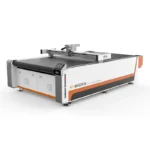
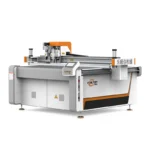
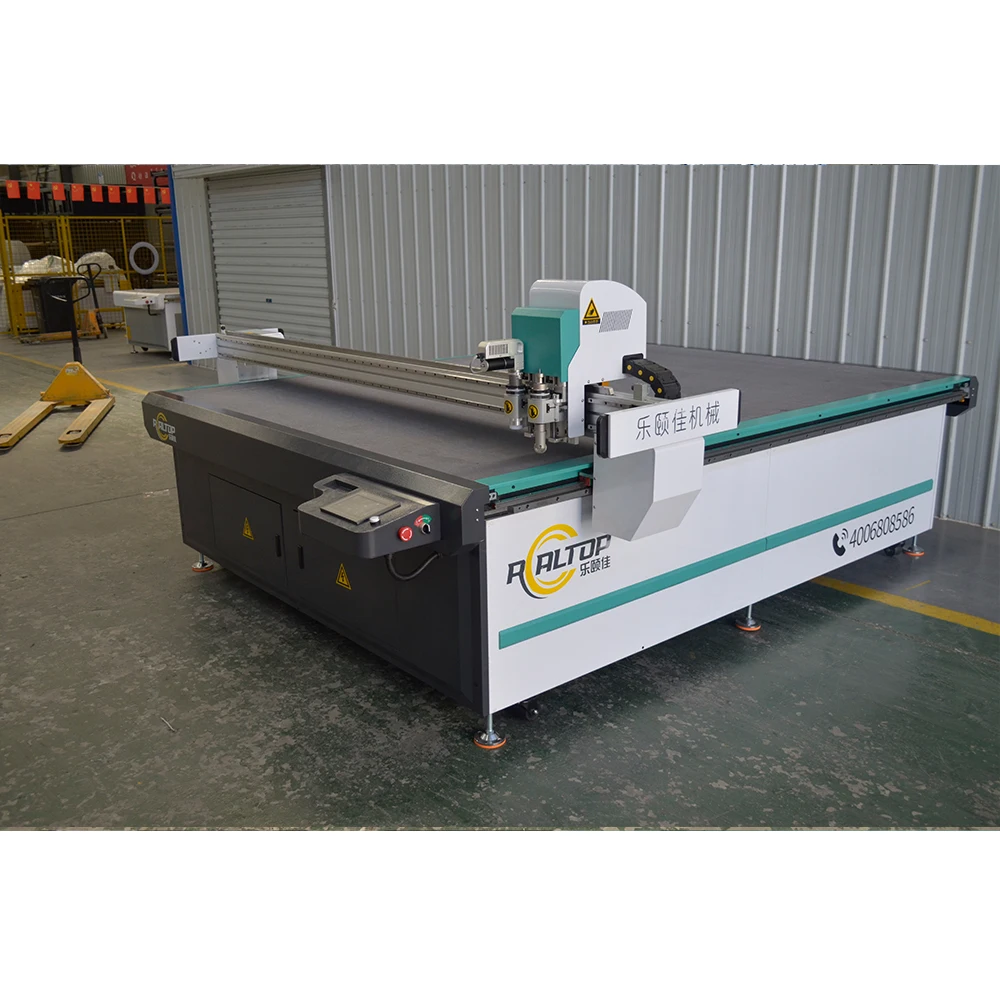
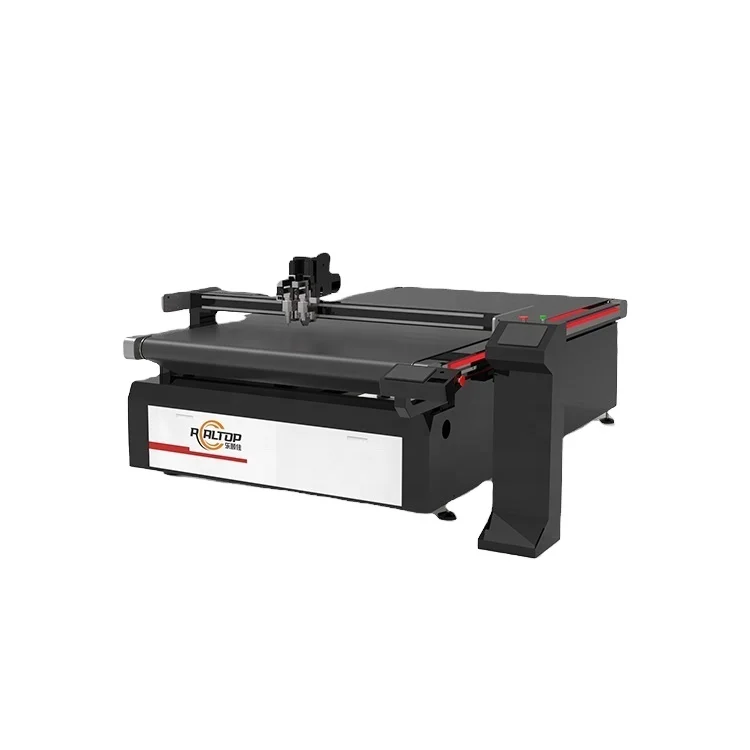
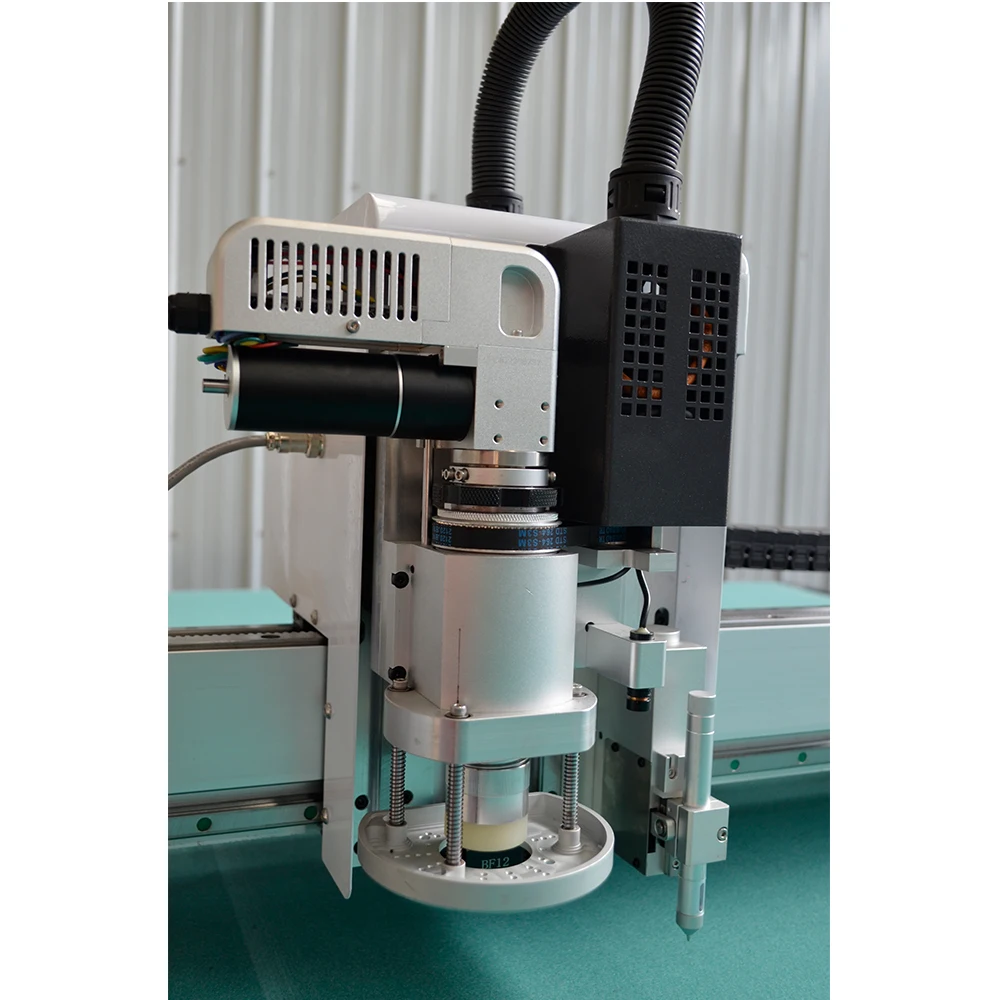
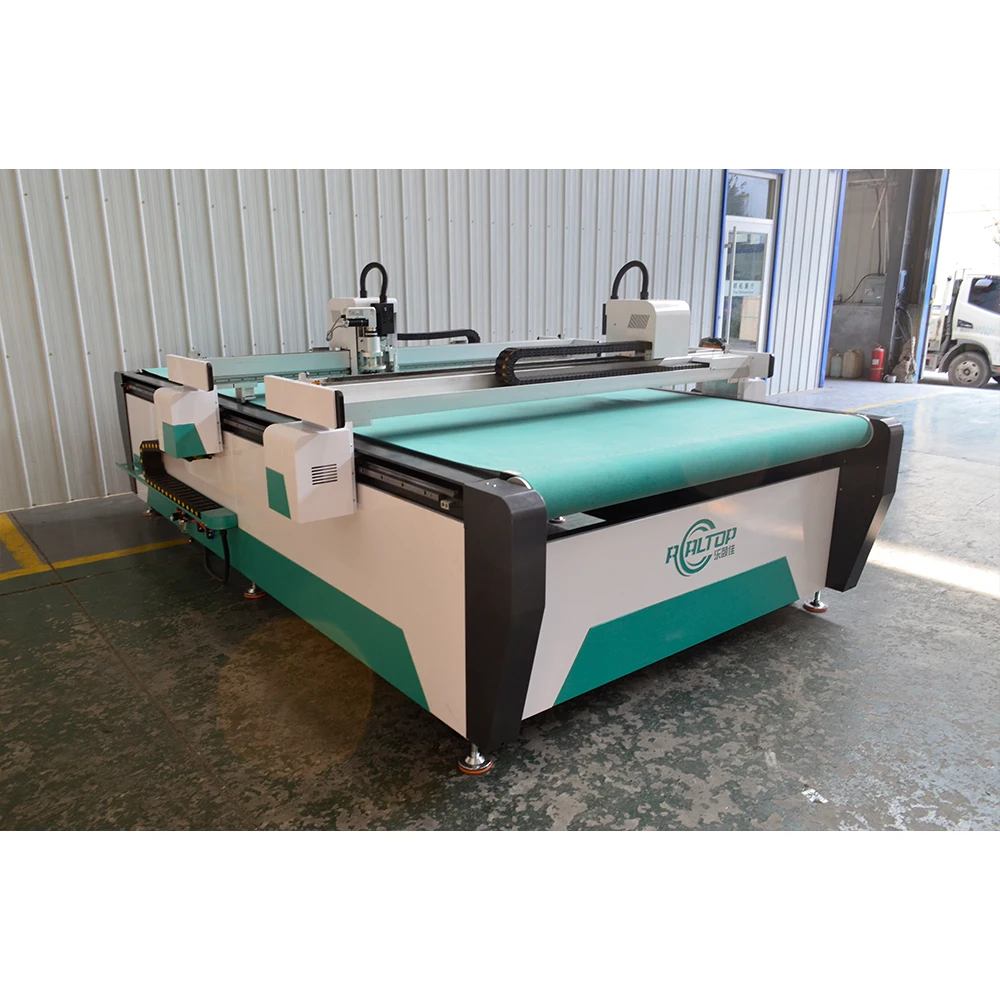
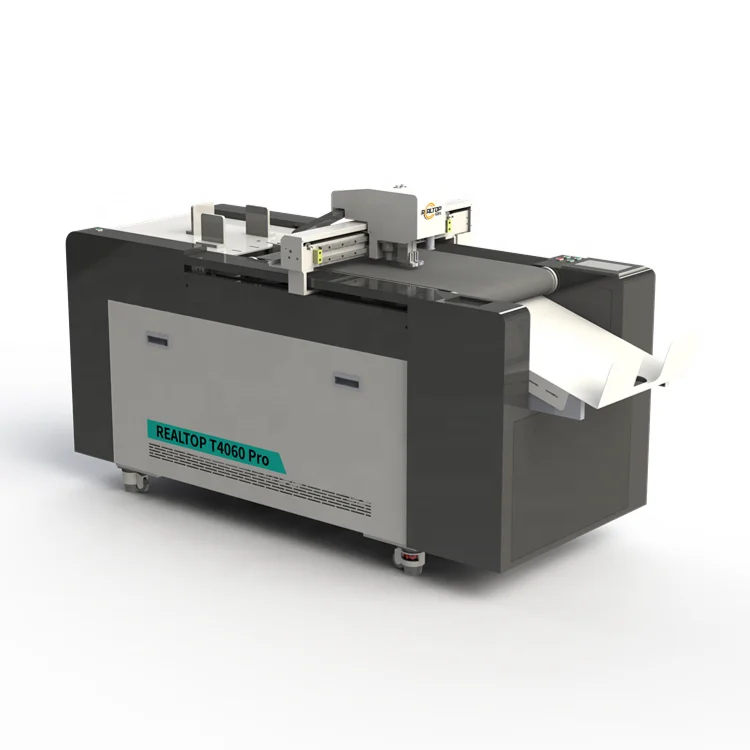
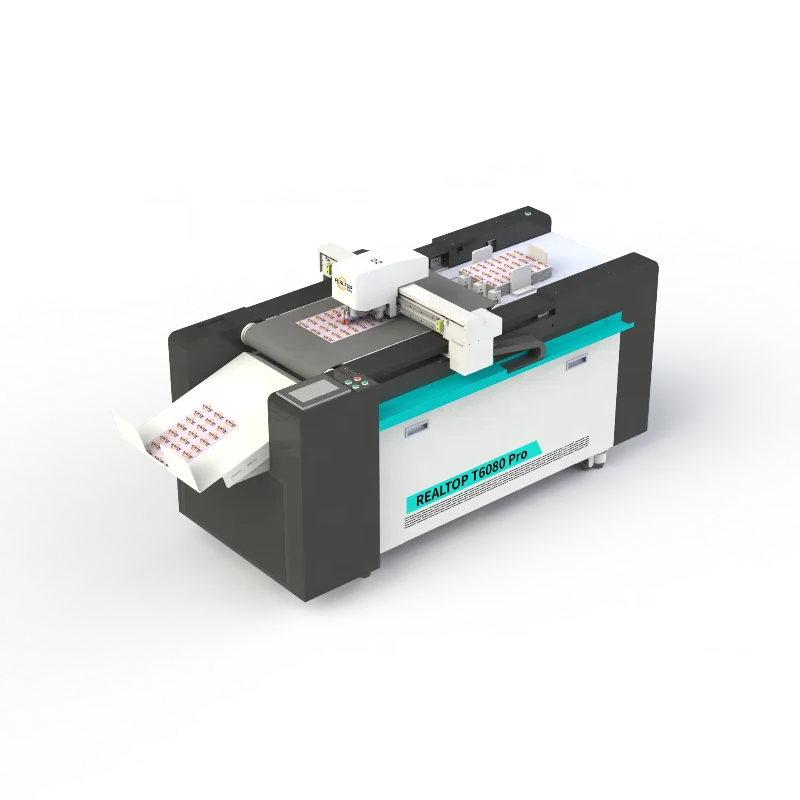
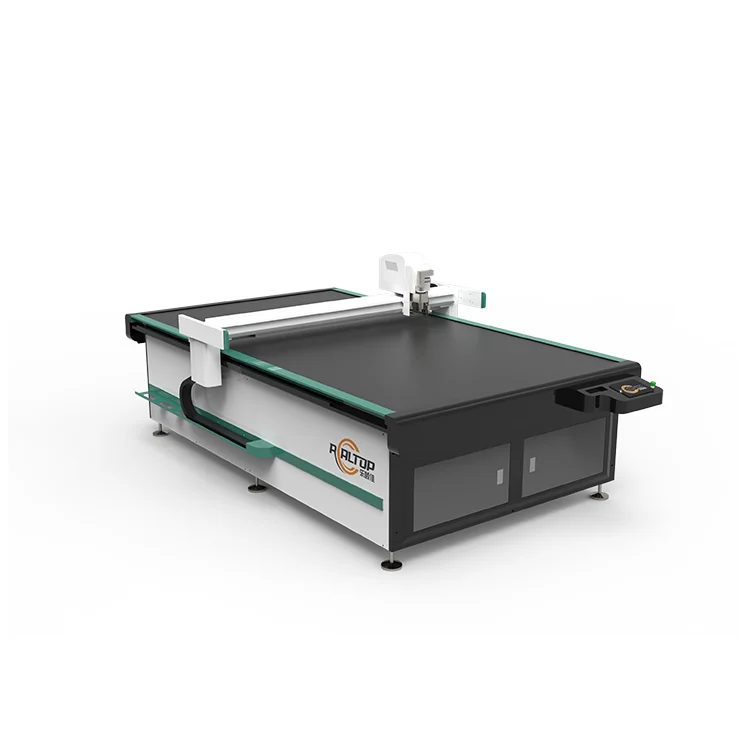
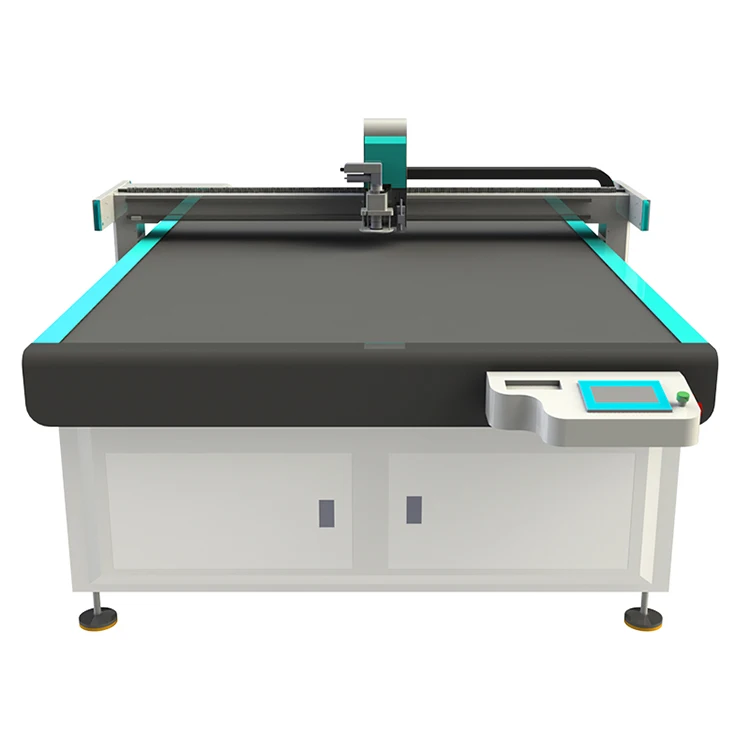
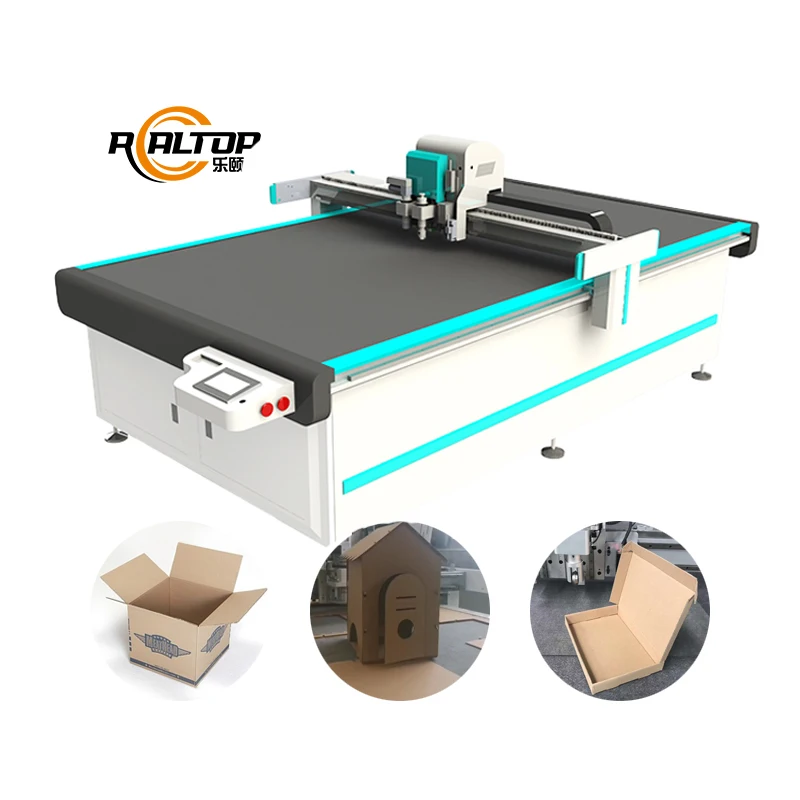
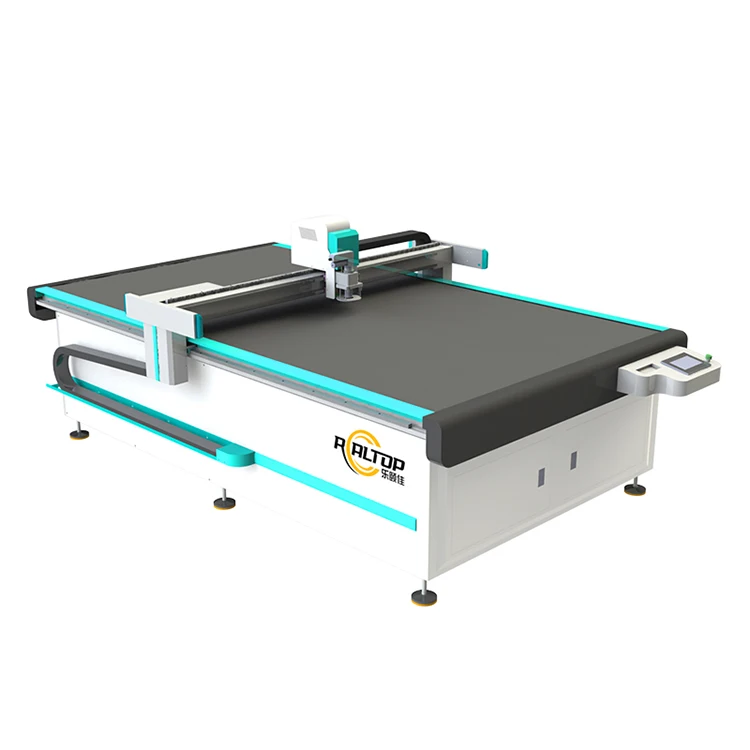
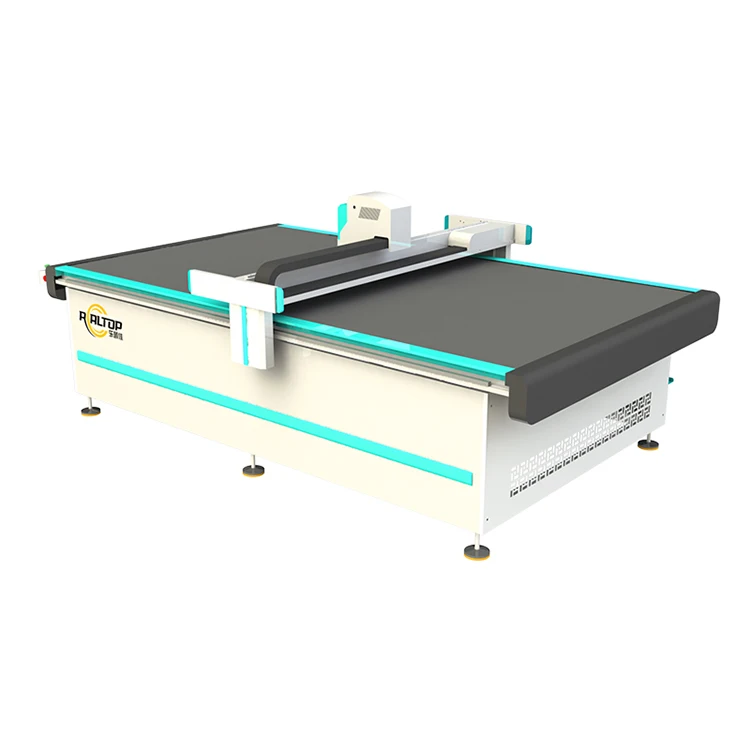
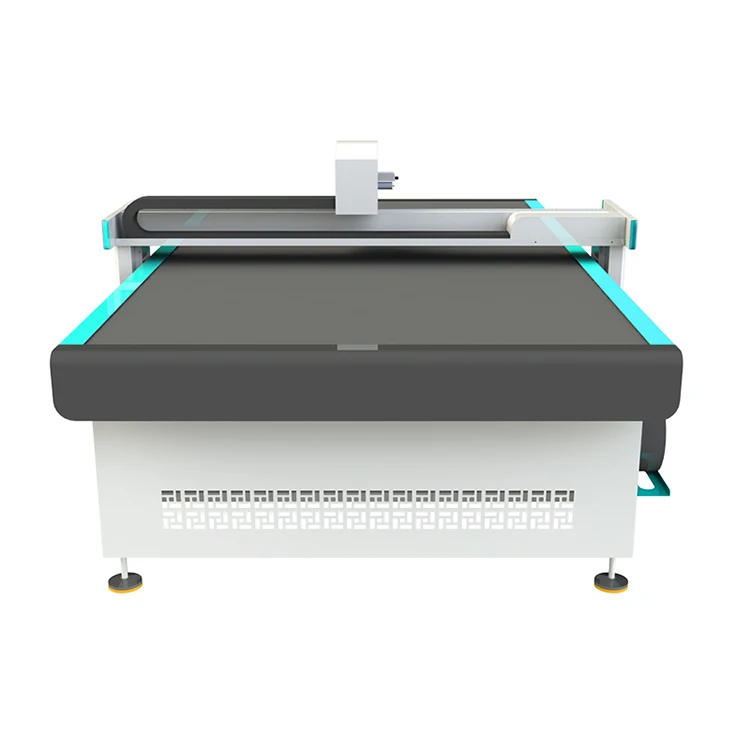
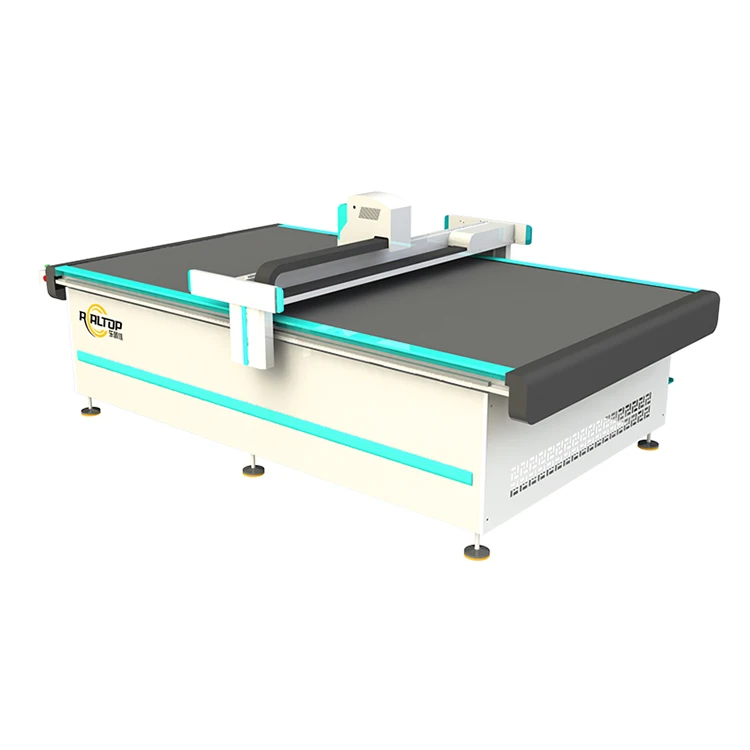
Swiss Knife Integration — the RT-D2516/RT-S2516 pairs an imported oscillating tool with a multi-zone vacuum bed to cut flexible sheet stock without crushing or fraying.
Technical Specifications
| Parameter | Value |
|---|---|
| Model | RT-D2516/RT-S2516 |
| Product Type | CNC Oscillating Knife Cutting Machine |
| Working Area | 1600×2500mm |
| Machine Size | 3450×2300×1250mm |
| Rated Power | 9kW |
| Voltage | 380V±10% |
| Vacuum Pump | 7.5kW |
| Translational Velocity | 800-2000mm/s |
| Cutting Speed | 200-800mm/s (varies with material density and thickness) |
| Cutting Thickness | ≤100mm (varies with material) |
| Table Type | Flat working table or auto feeding table |
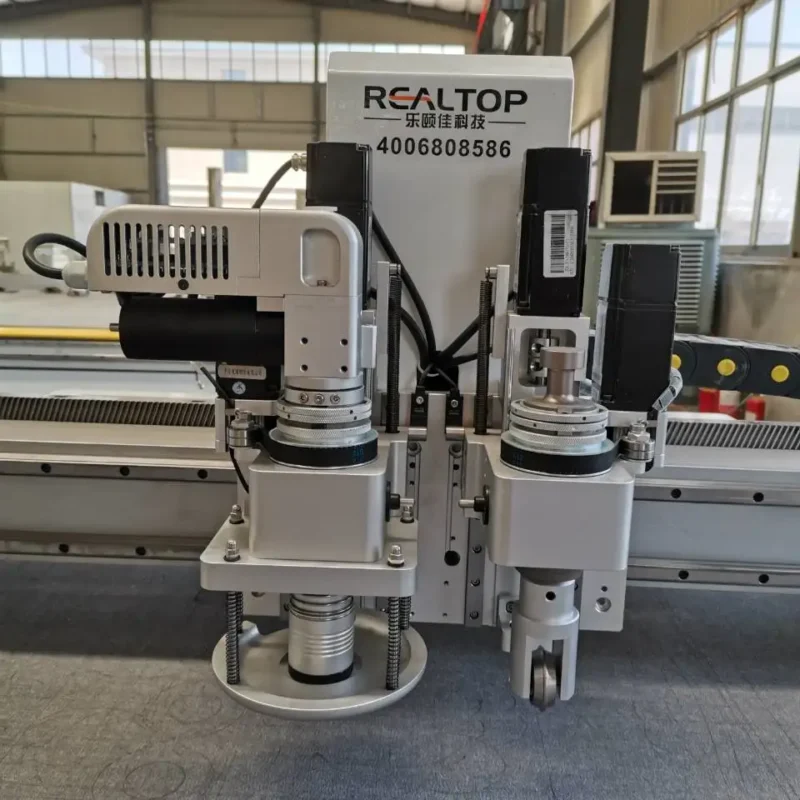
| Multifunctional Head | Swiss imported knife with full cut, half cut and cursor location |
| Servo Motor Options | Delta (China) or Panasonic (Japan) |
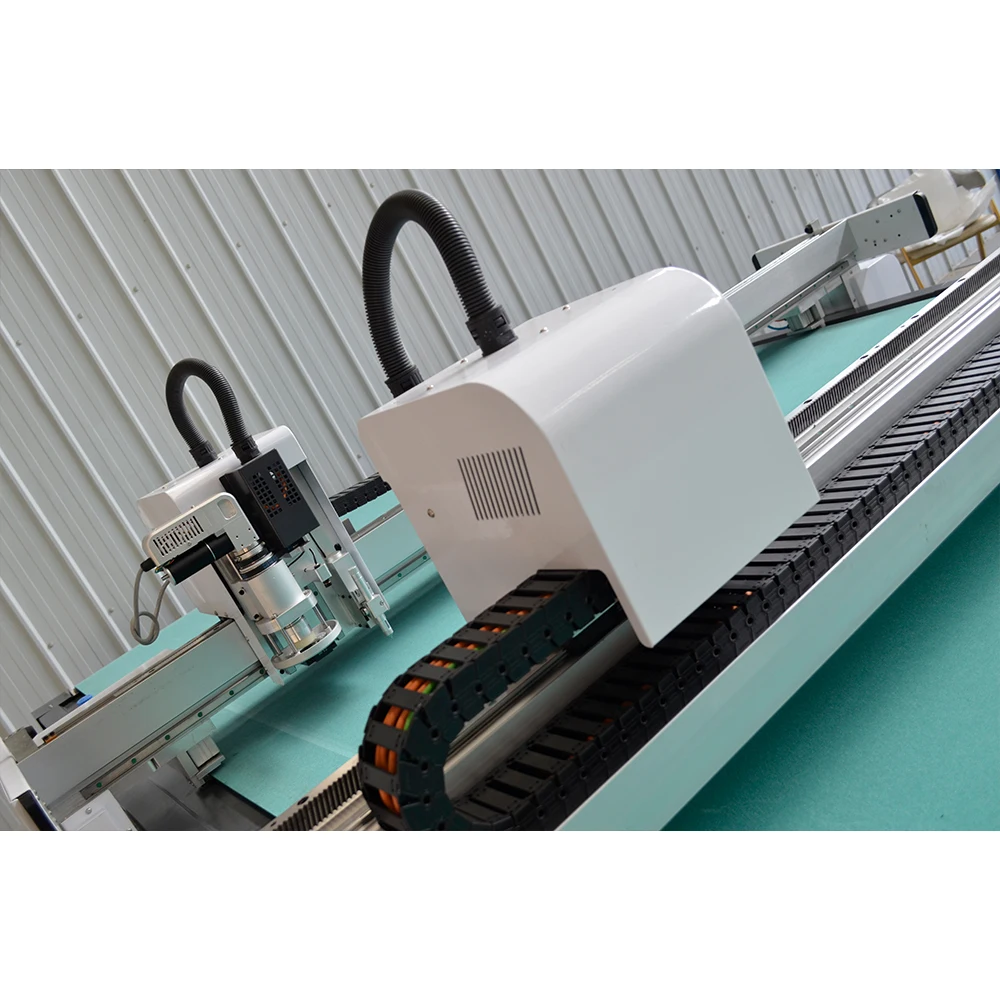
| Transmission System | Digital servo motor, linear guide, synchronous belt, ball screw |
| Vacuum Platform | Aluminum air box, integrated or split box |
| Safety Device | Infrared sensors, anti-collision, emergency stop |
| Instruction System | HP-GL compatible format |
| Software | Auto typesetting; supports PLT, DXF, AI file formats |
| Repeated Accuracy | ≤0.1mm |
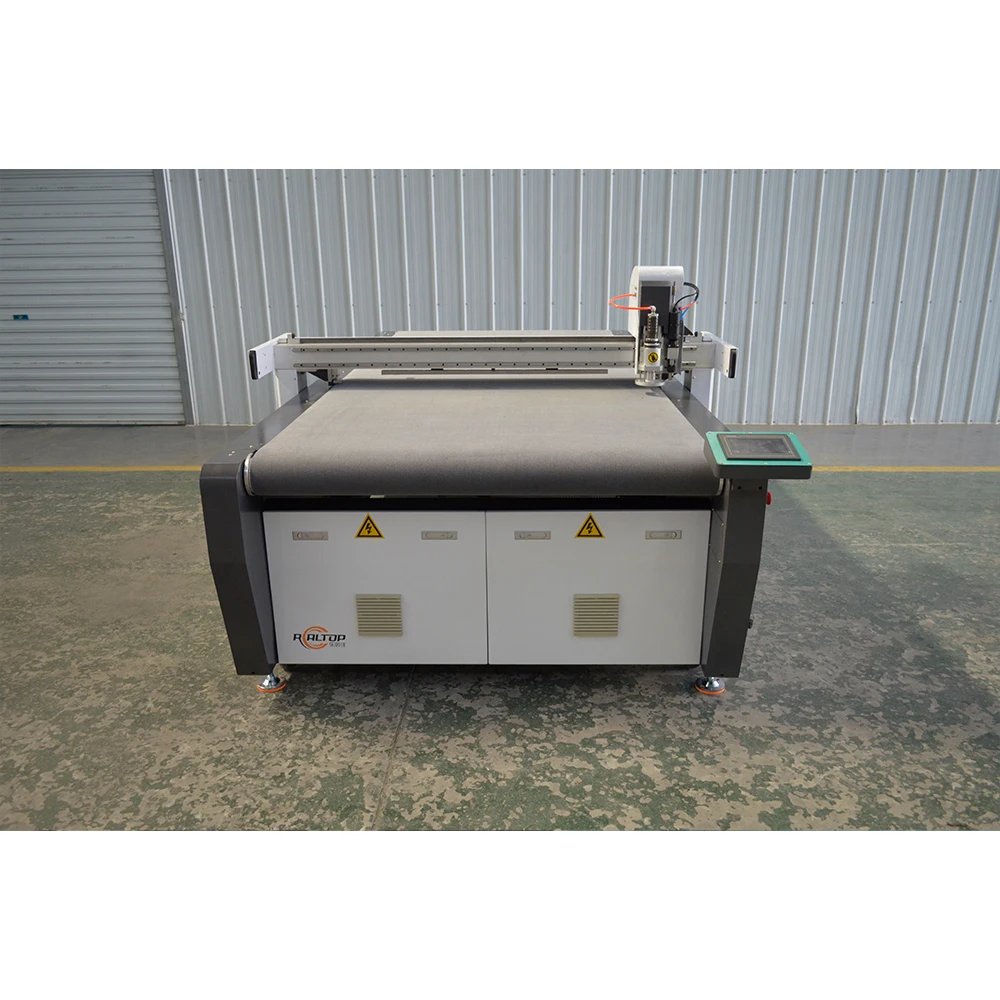
| Control Panel | Touch screen, multiple language supported |
| Assembly State | Fully assembled |
Application Suitability
| Application | Material or Output |
|---|---|
| Automotive interior trimming | EVA, XPE, sponge composite leather, PU foam |
| Garment and footwear production | Fabric, textile, non-woven fabric, leather |
| Carpet and floor mat fabrication | Carpet, rubber, fiberglass, composite sheets |
| Packaging and carton sample making | Corrugated cardboard, cardboard, sticker, film |
| Gasket and sealing pad production | PTFE, ETFE, PP, PE, PVC soft glass, silicon |
| Graphic advertising and signage | Vinyl, foam board, PVC sheet, corrugated board |
Why Material Thickness Changes the Machine Configuration
A working area alone does not guarantee the cutter will handle your sheet stock at full depth. When buyers specify a flatbed table based only on bed dimensions, the knife penetration and vacuum hold-down are often mismatched to the actual material being fed. A 25mm EVA foam block demands different oscillation amplitude and suction zoning than a 2mm woven textile, and the gap between them is where ragged edges, incomplete cuts and material lift typically surface [NEED_CITE: oscillating knife amplitude selection by material density]. I have watched a standard setup slice cleanly through virgin EVA, then tear through recycled-content stock because the hardness variance was never tested beforehand. That is why sample cutting on your exact material remains the most reliable step before any configuration is locked in.
Matching the Full Range to Your Cutting Method
This catalogue exists because forcing every material through a single cutting technology creates compromises. Oscillating knife cutting handles flexible and semi-rigid sheets — fabrics, foams, gaskets, composites — where a laser would melt edges or produce fumes. The RT-D2516/RT-S2516 sits in the mid-to-large format segment, covering sheet sizes common in automotive interior, garment and signage workshops. Buyers surveying a CNC oscillating knife cutting machine for sale can use this range to locate where knife technology ends and laser technology begins, then select the tool head and table type accordingly.
How Knife, Table and Vacuum Work Together
The Swiss imported oscillating knife delivers high-frequency vertical strokes that shear through compressible materials without crushing them. Underneath, the aluminum air box vacuum platform — available in integrated or split box design — holds the sheet flat so the knife tracks the programmed path without the material shifting. When the split box configuration is selected, operators can activate only the zones covered by the workpiece, concentrating suction on smaller parts that would otherwise lift during high-speed translation. The auto feeding table option extends continuous cutting to roll-fed textiles and vinyl, where a flat table would require manual sheet loading between each cycle [NEED_CITE: vacuum zoning impact on small part hold-down during digital cutting].
Reading the Specifications Against Your Material
The 1600×2500mm working area accommodates standard sheet formats in automotive mat, garment and packaging production, while the 100mm maximum cutting thickness applies to softer materials like foam and sponge — denser composites and rubber reduce usable depth considerably. Translational velocity reaches 2000mm/s for rapid positioning, but actual cutting speed sits between 200 and 800mm/s depending on material resistance and layer count. The choice between Delta and Panasonic servo motors affects long-term positional repeatability, which is measured here at ≤0.1mm. Software accepts PLT, DXF and AI files with automatic nesting typesetting, meaning existing design workflows in Illustrator or CAD environments can feed the cutter directly without re-drawing.
The Cost of Skipping a Material Trial
Configuring a cutting machine around a datasheet rather than a physical sample creates downstream waste. The wrong knife frequency on multi-layer fabric leaves fused edges that require secondary trimming. Insufficient vacuum zoning on a split sheet of corrugated board causes corner lift, and the CCD — if specified — loses registration marks mid-cut. I have seen entire production runs scrapped because the machine was quoted on peak laser power instead of continuous output, and the real cutting depth fell short of the buyer’s gasket thickness. Every one of these outcomes traces back to a configuration decision made without the buyer’s actual material on the table.
Why Source from This Production Line
In-house design covers both knife and laser technologies within the same factory, so the recommendation is based on your material rather than a single product push. Tool head and table configurations are specified per material type and daily volume, not sold as a fixed package. CCD camera positioning is available for printed contour work, and software compatibility with your file format is confirmed before the order is released. Voltage, plug type and control language are customized to the destination market. Sample cutting on your own material is completed and documented before any commitment is made, giving you a physical reference rather than a brochure promise [NEED_CITE: material sample testing protocol before machine commitment].
Documentation & Verification
- Machine specification sheet listing the exact RT-D2516/RT-S2516 configuration and tool head selection
- Electrical schematic and voltage confirmation matched to your facility’s 380V or alternative supply
- Sample cutting report on your material documenting edge quality, cutting speed and thickness achieved
- Tool head and vacuum table configuration list tied to your material type and daily volume
- Software licence and file format compatibility note for PLT, DXF and AI workflow integration
- Factory test record with packing photographs before dispatch
Installation, Commissioning & Support
- Flat concrete floor required; machine footprint 3450×2300mm plus operator clearance on three sides
- Dedicated 380V±10% circuit with capacity for 9kW rated power plus 7.5kW vacuum pump
- Fully assembled delivery; rigging and placement only, no on-site structural assembly needed
- First-run parameter tuning on your material including knife frequency, vacuum zone mapping and feed rate
- Touch screen operator training in selected language covering nesting, file import and tool change
- Spare knife blades and wearable vacuum seals included; wear schedule documented in manual
Preparing Your Inquiry
To configure the right flatbed cutter for your production, share the material type, maximum thickness, sheet dimensions and daily volume you plan to run. Confirm your facility voltage, frequency and the control language your operators need. If your workflow depends on a specific file format or nesting software, include a sample file so compatibility can be verified before the quotation stage. Send a roll or sheet of your actual material so the sample cutting report reflects your real conditions.
Frequently Asked Questions
Q: How do I decide between oscillating knife and laser for my material?
A: Oscillating knife suits compressible and flexible materials — fabric, foam, gasket, leather — where a laser would melt edges or generate fumes. Laser fits acrylic, wood and sheet metal where a sealed or fused edge is acceptable. This range covers both, so the method is matched to the material rather than forcing one technology across every application.
Q: Where does the RT-D2516/RT-S2516 sit in the machine family by working area and volume?
A: The 1600×2500mm bed covers mid-to-large sheet formats typical in automotive interior, garment and packaging production. It is suited to workshops running standard sheet sizes at moderate daily volumes. Compact formats serve smaller signage and sample making; larger beds handle roll-fed textile and high-volume composite cutting.
Q: Which tool head is specified for fabric versus foam versus gasket?
A: Fabric typically uses a high-frequency oscillating knife for clean shearing without fraying. Foam requires adjusted amplitude to avoid crushing, and denser gasket materials like PTFE use a slower stroke with higher downward force. The multifunctional head on this machine supports Swiss imported knife options configured to your specific material during the sample cutting stage.
Q: How are voltage, plug and control language confirmed before shipment?
A: Voltage and plug type are matched to your facility supply — the standard is 380V±10%, but alternatives are configurable. The control panel touch screen supports English, Russian, Italian, Chinese and customizable languages. All three are documented in the electrical schematic and confirmed before production begins so the machine arrives ready to connect.
Q: How do I arrange sample cutting on my own material before ordering?
A: Send a representative sheet or roll of the material you plan to cut, including any recycled-content variants. The sample cutting report documents edge quality, achievable cutting speed, thickness result and recommended tool head configuration. This report serves as the basis for the final machine specification before commitment.
Swiss Knife Integration — the RT-D2516/RT-S2516 pairs an imported oscillating tool with a multi-zone vacuum bed to cut flexible sheet stock without crushing or fraying.
Technical Specifications
| Parameter | Value |
|---|---|
| Model | RT-D2516/RT-S2516 |
| Product Type | CNC Oscillating Knife Cutting Machine |
| Working Area | 1600×2500mm |
| Machine Size | 3450×2300×1250mm |
| Rated Power | 9kW |
| Voltage | 380V±10% |
| Vacuum Pump | 7.5kW |
| Translational Velocity | 800-2000mm/s |
| Cutting Speed | 200-800mm/s (varies with material density and thickness) |
| Cutting Thickness | ≤100mm (varies with material) |
| Table Type | Flat working table or auto feeding table |
| Multifunctional Head | Swiss imported knife with full cut, half cut and cursor location |
| Servo Motor Options | Delta (China) or Panasonic (Japan) |
| Transmission System | Digital servo motor, linear guide, synchronous belt, ball screw |
| Vacuum Platform | Aluminum air box, integrated or split box |
| Safety Device | Infrared sensors, anti-collision, emergency stop |
| Instruction System | HP-GL compatible format |
| Software | Auto typesetting; supports PLT, DXF, AI file formats |
| Repeated Accuracy | ≤0.1mm |
| Control Panel | Touch screen, multiple language supported |
| Assembly State | Fully assembled |
Application Suitability
| Application | Material or Output |
|---|---|
| Automotive interior trimming | EVA, XPE, sponge composite leather, PU foam |
| Garment and footwear production | Fabric, textile, non-woven fabric, leather |
| Carpet and floor mat fabrication | Carpet, rubber, fiberglass, composite sheets |
| Packaging and carton sample making | Corrugated cardboard, cardboard, sticker, film |
| Gasket and sealing pad production | PTFE, ETFE, PP, PE, PVC soft glass, silicon |
| Graphic advertising and signage | Vinyl, foam board, PVC sheet, corrugated board |
Why Material Thickness Changes the Machine Configuration
A working area alone does not guarantee the cutter will handle your sheet stock at full depth. When buyers specify a flatbed table based only on bed dimensions, the knife penetration and vacuum hold-down are often mismatched to the actual material being fed. A 25mm EVA foam block demands different oscillation amplitude and suction zoning than a 2mm woven textile, and the gap between them is where ragged edges, incomplete cuts and material lift typically surface [NEED_CITE: oscillating knife amplitude selection by material density]. I have watched a standard setup slice cleanly through virgin EVA, then tear through recycled-content stock because the hardness variance was never tested beforehand. That is why sample cutting on your exact material remains the most reliable step before any configuration is locked in.
Matching the Full Range to Your Cutting Method
This catalogue exists because forcing every material through a single cutting technology creates compromises. Oscillating knife cutting handles flexible and semi-rigid sheets — fabrics, foams, gaskets, composites — where a laser would melt edges or produce fumes. The RT-D2516/RT-S2516 sits in the mid-to-large format segment, covering sheet sizes common in automotive interior, garment and signage workshops. Buyers surveying a CNC oscillating knife cutting machine for sale can use this range to locate where knife technology ends and laser technology begins, then select the tool head and table type accordingly.
How Knife, Table and Vacuum Work Together
The Swiss imported oscillating knife delivers high-frequency vertical strokes that shear through compressible materials without crushing them. Underneath, the aluminum air box vacuum platform — available in integrated or split box design — holds the sheet flat so the knife tracks the programmed path without the material shifting. When the split box configuration is selected, operators can activate only the zones covered by the workpiece, concentrating suction on smaller parts that would otherwise lift during high-speed translation. The auto feeding table option extends continuous cutting to roll-fed textiles and vinyl, where a flat table would require manual sheet loading between each cycle [NEED_CITE: vacuum zoning impact on small part hold-down during digital cutting].
Reading the Specifications Against Your Material
The 1600×2500mm working area accommodates standard sheet formats in automotive mat, garment and packaging production, while the 100mm maximum cutting thickness applies to softer materials like foam and sponge — denser composites and rubber reduce usable depth considerably. Translational velocity reaches 2000mm/s for rapid positioning, but actual cutting speed sits between 200 and 800mm/s depending on material resistance and layer count. The choice between Delta and Panasonic servo motors affects long-term positional repeatability, which is measured here at ≤0.1mm. Software accepts PLT, DXF and AI files with automatic nesting typesetting, meaning existing design workflows in Illustrator or CAD environments can feed the cutter directly without re-drawing.
The Cost of Skipping a Material Trial
Configuring a cutting machine around a datasheet rather than a physical sample creates downstream waste. The wrong knife frequency on multi-layer fabric leaves fused edges that require secondary trimming. Insufficient vacuum zoning on a split sheet of corrugated board causes corner lift, and the CCD — if specified — loses registration marks mid-cut. I have seen entire production runs scrapped because the machine was quoted on peak laser power instead of continuous output, and the real cutting depth fell short of the buyer’s gasket thickness. Every one of these outcomes traces back to a configuration decision made without the buyer’s actual material on the table.
Why Source from This Production Line
In-house design covers both knife and laser technologies within the same factory, so the recommendation is based on your material rather than a single product push. Tool head and table configurations are specified per material type and daily volume, not sold as a fixed package. CCD camera positioning is available for printed contour work, and software compatibility with your file format is confirmed before the order is released. Voltage, plug type and control language are customized to the destination market. Sample cutting on your own material is completed and documented before any commitment is made, giving you a physical reference rather than a brochure promise [NEED_CITE: material sample testing protocol before machine commitment].
Documentation & Verification
- Machine specification sheet listing the exact RT-D2516/RT-S2516 configuration and tool head selection
- Electrical schematic and voltage confirmation matched to your facility’s 380V or alternative supply
- Sample cutting report on your material documenting edge quality, cutting speed and thickness achieved
- Tool head and vacuum table configuration list tied to your material type and daily volume
- Software licence and file format compatibility note for PLT, DXF and AI workflow integration
- Factory test record with packing photographs before dispatch
Installation, Commissioning & Support
- Flat concrete floor required; machine footprint 3450×2300mm plus operator clearance on three sides
- Dedicated 380V±10% circuit with capacity for 9kW rated power plus 7.5kW vacuum pump
- Fully assembled delivery; rigging and placement only, no on-site structural assembly needed
- First-run parameter tuning on your material including knife frequency, vacuum zone mapping and feed rate
- Touch screen operator training in selected language covering nesting, file import and tool change
- Spare knife blades and wearable vacuum seals included; wear schedule documented in manual
Preparing Your Inquiry
To configure the right flatbed cutter for your production, share the material type, maximum thickness, sheet dimensions and daily volume you plan to run. Confirm your facility voltage, frequency and the control language your operators need. If your workflow depends on a specific file format or nesting software, include a sample file so compatibility can be verified before the quotation stage. Send a roll or sheet of your actual material so the sample cutting report reflects your real conditions.
Frequently Asked Questions
Q: How do I decide between oscillating knife and laser for my material?
A: Oscillating knife suits compressible and flexible materials — fabric, foam, gasket, leather — where a laser would melt edges or generate fumes. Laser fits acrylic, wood and sheet metal where a sealed or fused edge is acceptable. This range covers both, so the method is matched to the material rather than forcing one technology across every application.
Q: Where does the RT-D2516/RT-S2516 sit in the machine family by working area and volume?
A: The 1600×2500mm bed covers mid-to-large sheet formats typical in automotive interior, garment and packaging production. It is suited to workshops running standard sheet sizes at moderate daily volumes. Compact formats serve smaller signage and sample making; larger beds handle roll-fed textile and high-volume composite cutting.
Q: Which tool head is specified for fabric versus foam versus gasket?
A: Fabric typically uses a high-frequency oscillating knife for clean shearing without fraying. Foam requires adjusted amplitude to avoid crushing, and denser gasket materials like PTFE use a slower stroke with higher downward force. The multifunctional head on this machine supports Swiss imported knife options configured to your specific material during the sample cutting stage.
Q: How are voltage, plug and control language confirmed before shipment?
A: Voltage and plug type are matched to your facility supply — the standard is 380V±10%, but alternatives are configurable. The control panel touch screen supports English, Russian, Italian, Chinese and customizable languages. All three are documented in the electrical schematic and confirmed before production begins so the machine arrives ready to connect.
Q: How do I arrange sample cutting on my own material before ordering?
A: Send a representative sheet or roll of the material you plan to cut, including any recycled-content variants. The sample cutting report documents edge quality, achievable cutting speed, thickness result and recommended tool head configuration. This report serves as the basis for the final machine specification before commitment.
商品评价
There are no reviews yet.