


Fast Delivery
Quick, reliable shipping to any location.

Free & easy returns
Return this item by mail or in store within 90 days for a full refund.
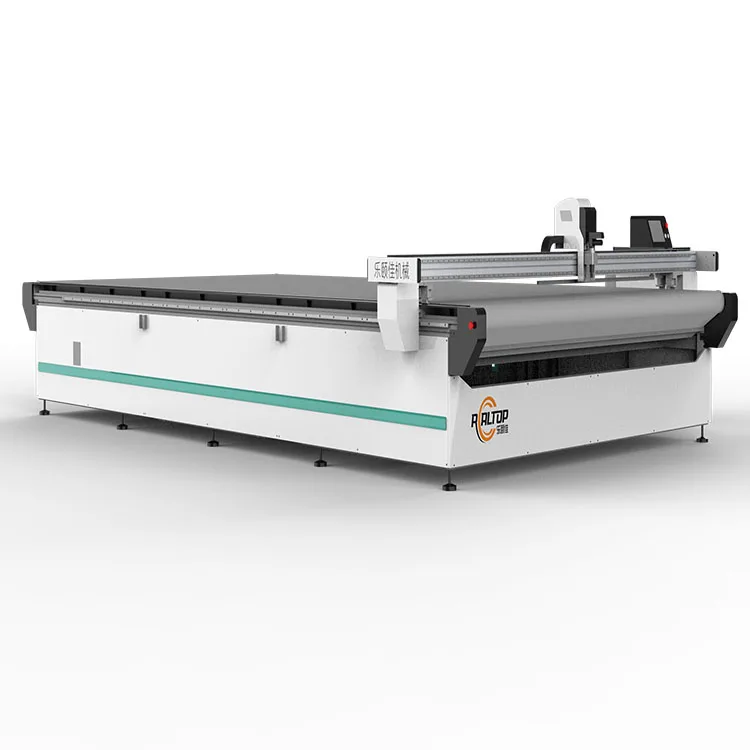
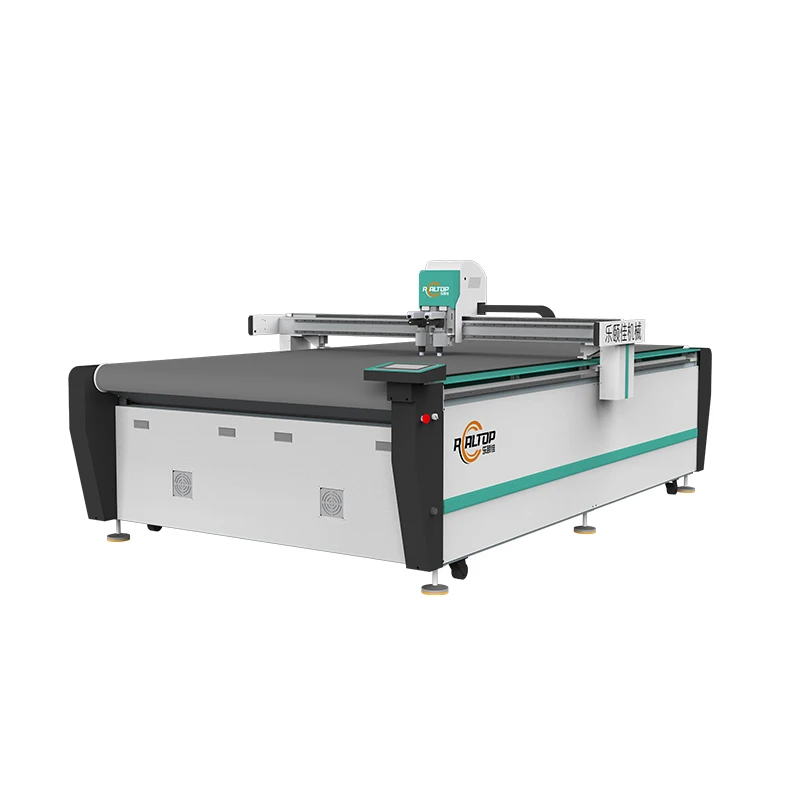
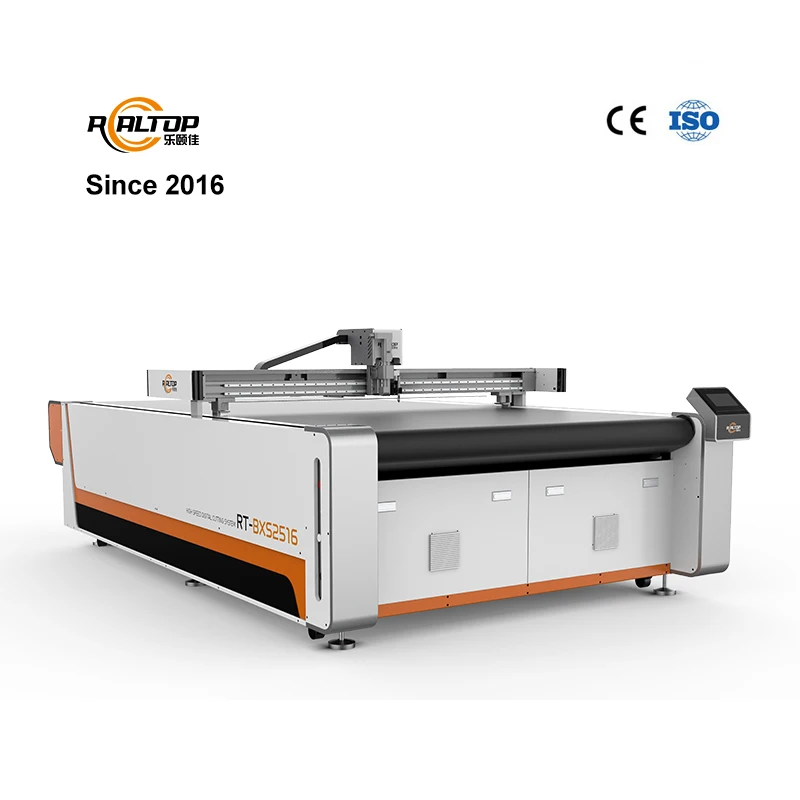
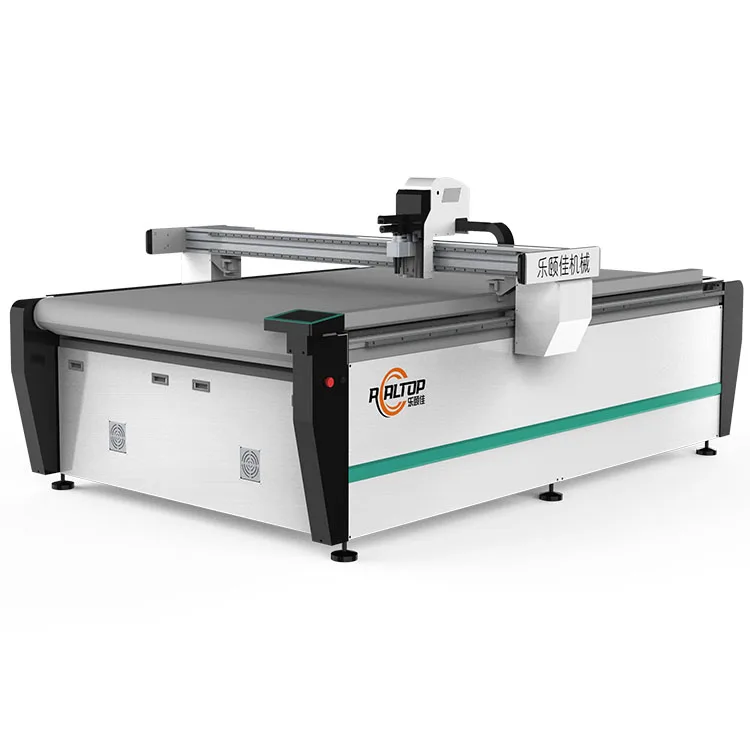
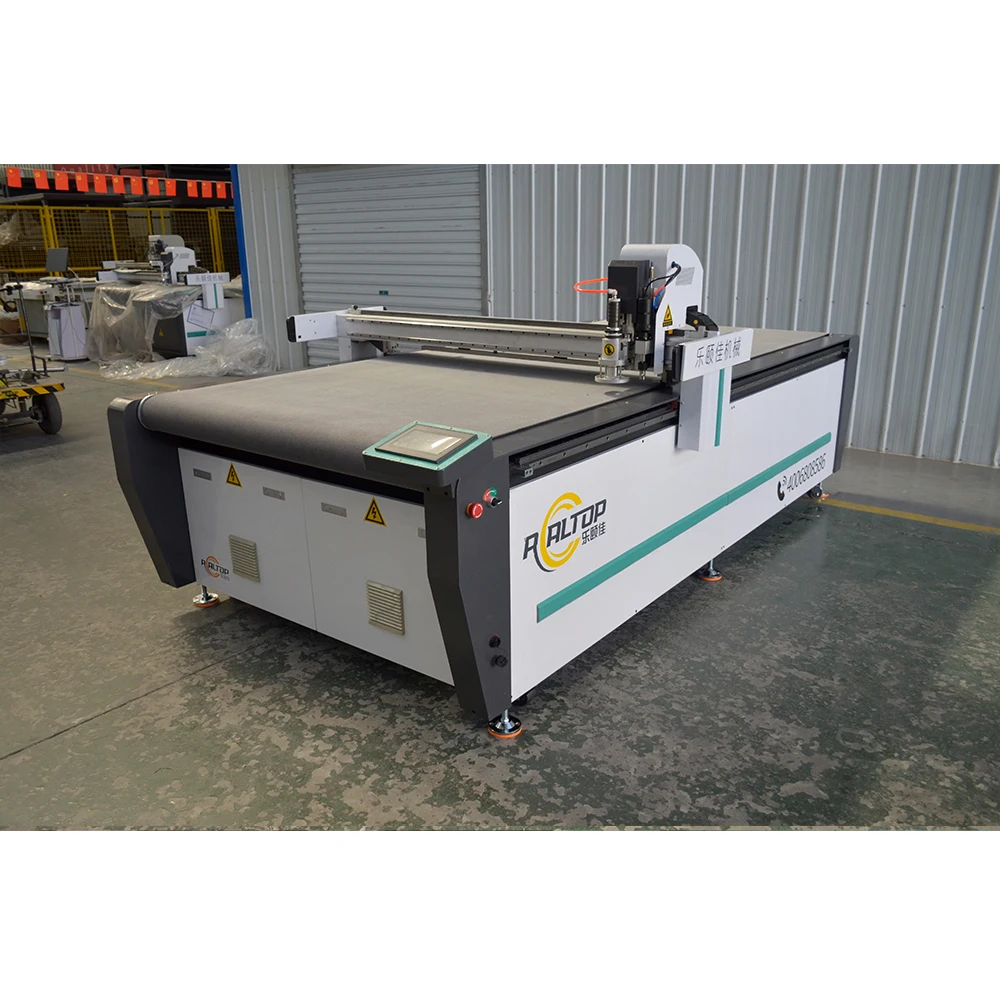
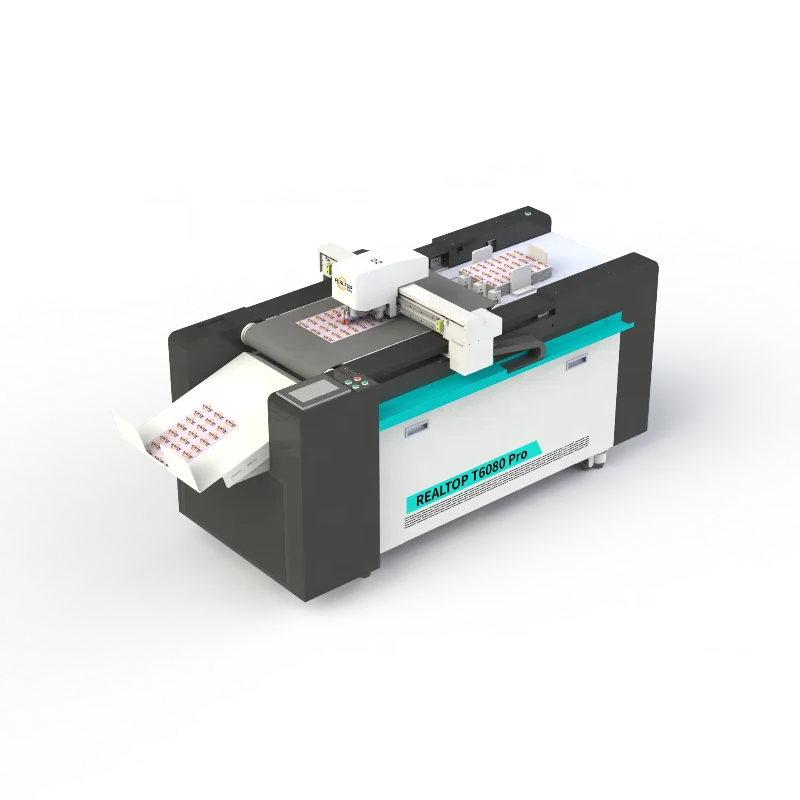
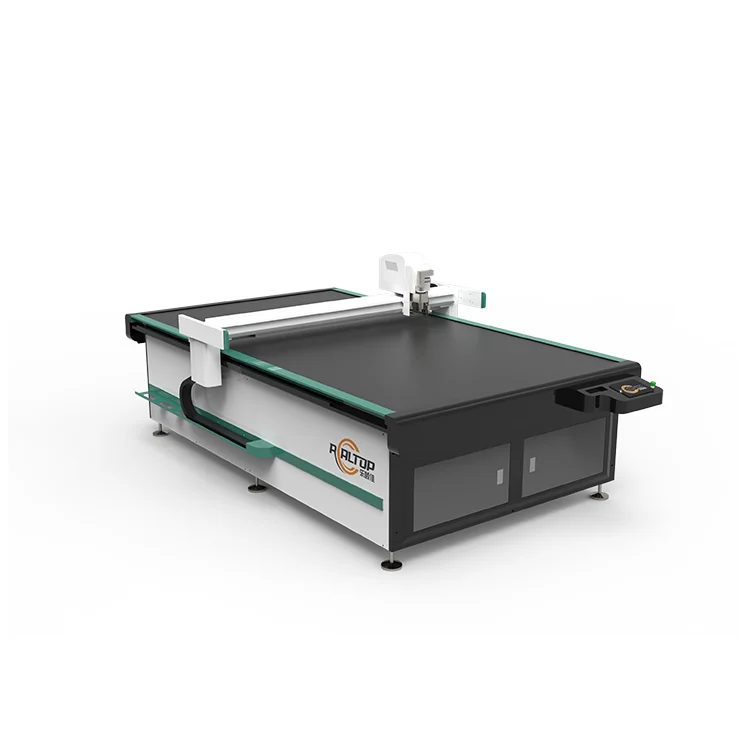
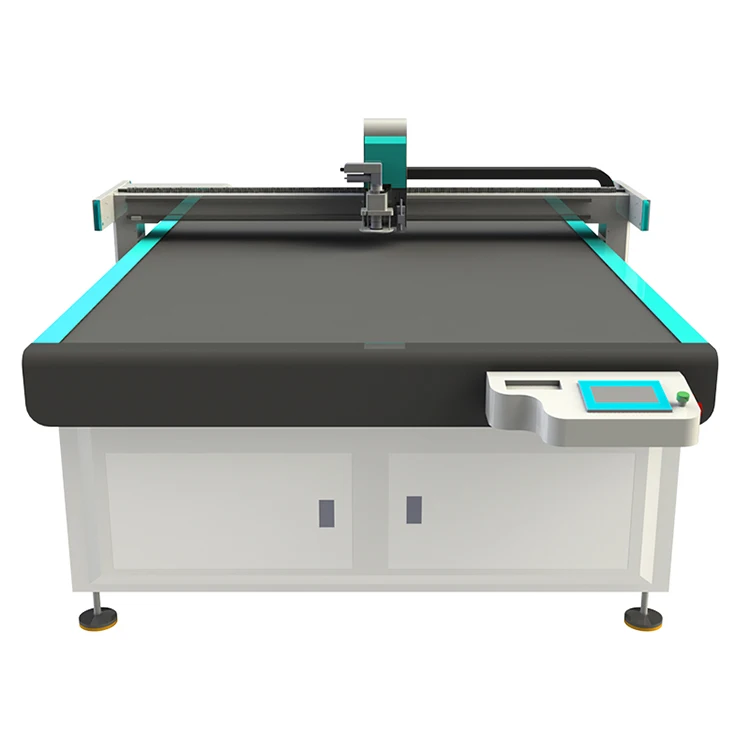
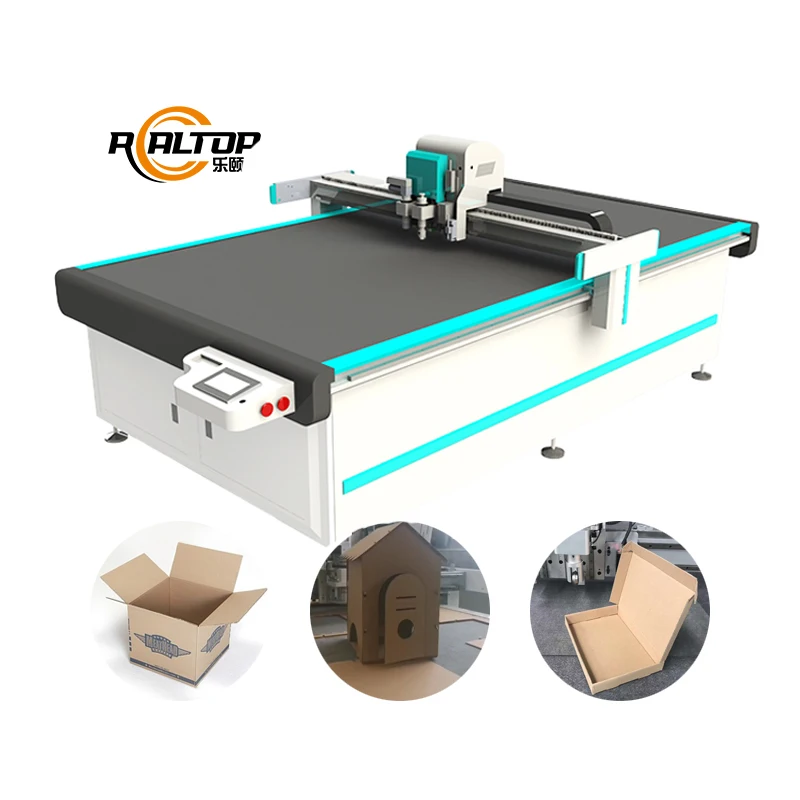
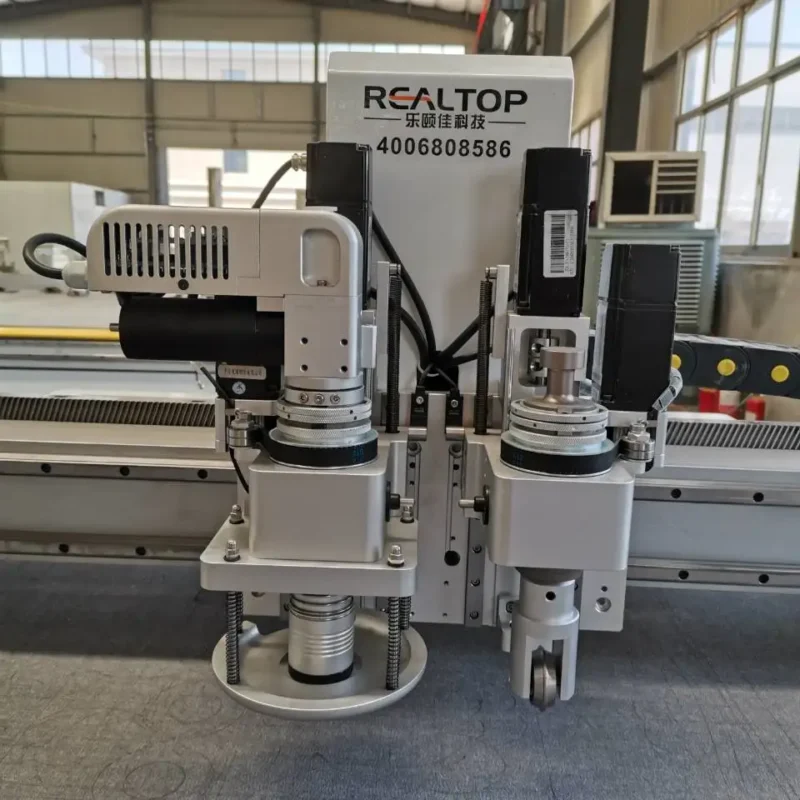
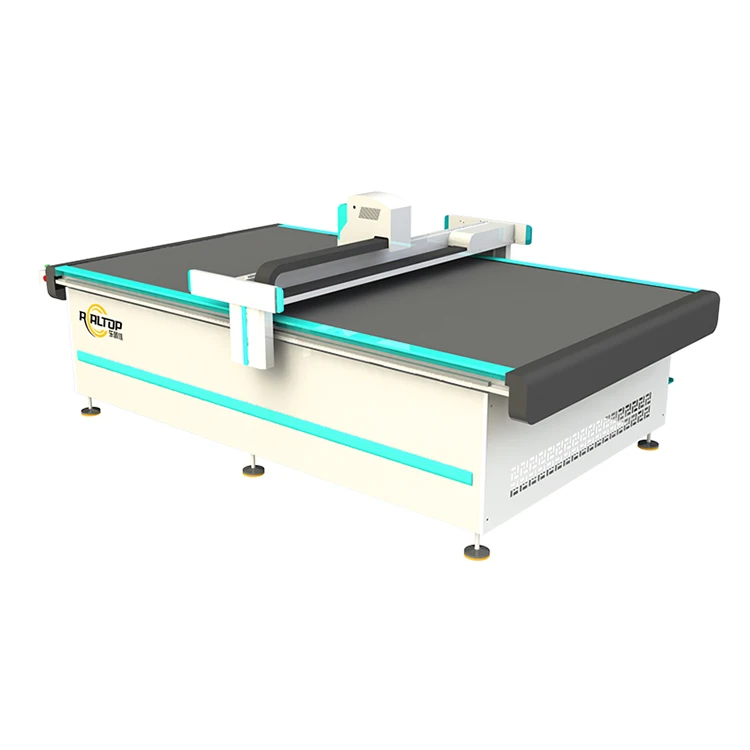
Tool Head Configured Per Material — every RT-D2516/RT-S2516 ships with a cutting head and vacuum zone map matched to your fabric, leather or composite stock, not a generic default.
Technical Specifications
| Parameter | Value |
|---|---|
| Model | RT-D2516/RT-S2516 |
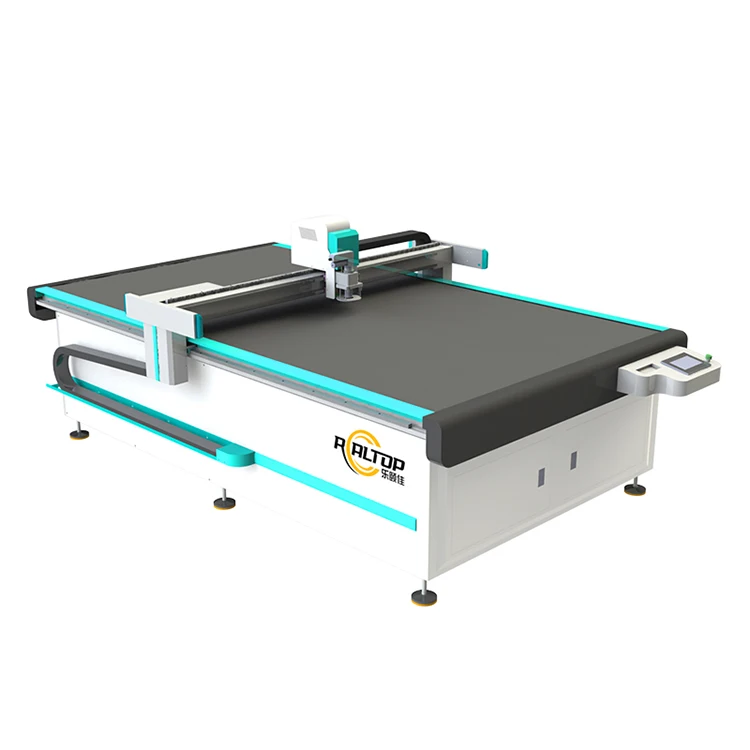
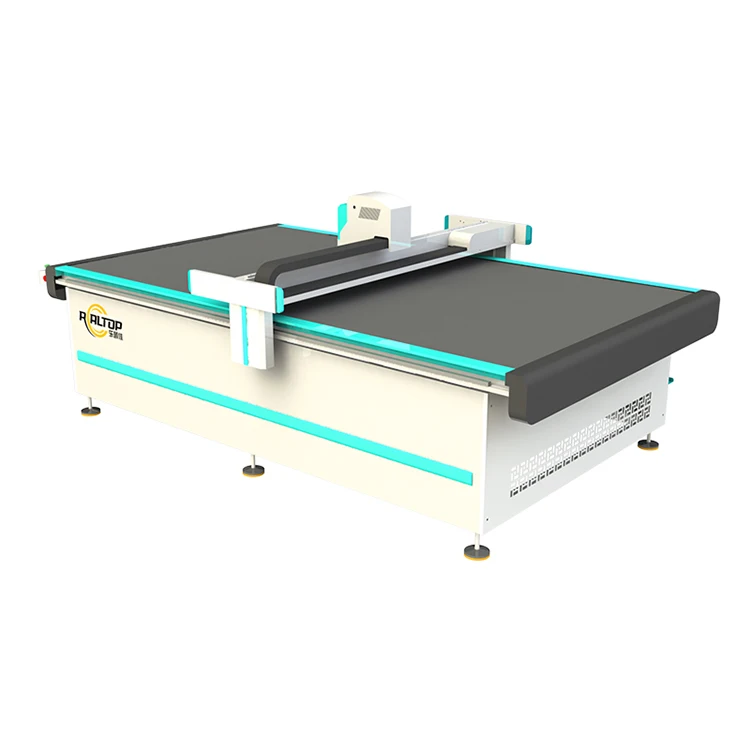
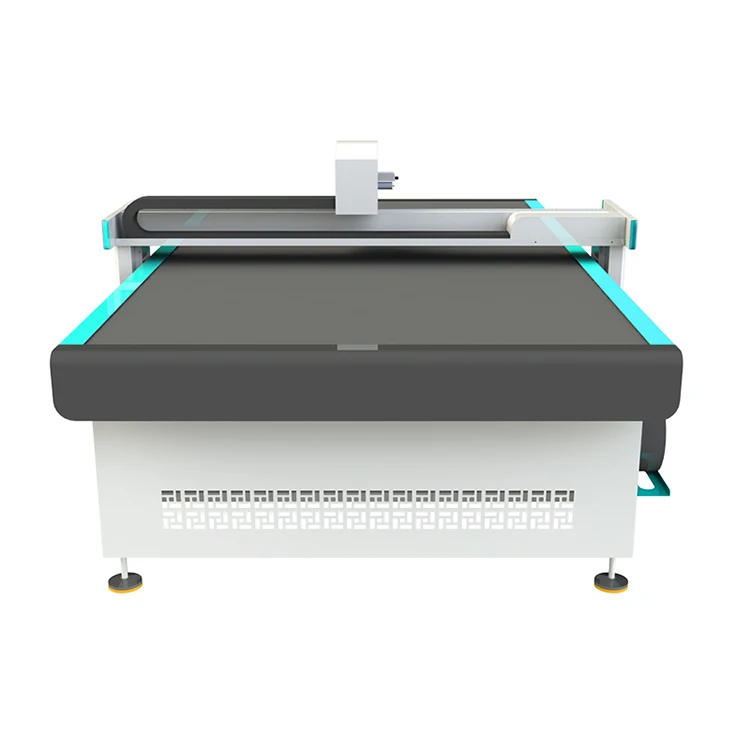
| Product Type | CNC Fabric Cutter / Automatic Knife Cutting Machine |
| Working Area | 1600 × 2500 mm |
| Machine Size | 3450 × 2300 × 1250 mm |
| Rated Power | 9 kW |
| Table Options | Flat working table or auto-feeding conveyor |
| Tool Head Options | Oscillating knife, pneumatic knife, high-power vibrating knife, circular knife, V-cutting knife, drag knife, creasing wheel, dotted line knife, punching, brush |
| Swiss Knife Functions | Vibration full cutting, vibration half cutting, cursor location |
| Translational Velocity | 800–2000 mm/s |
| Cutting Speed | 200–800 mm/s (varies with material) |
| Cutting Thickness | ≤100 mm (varies with material) (basis to be confirmed) |
| Repeated Accuracy | ≤0.1 mm |
| Transmission System | Digital servo motor, linear guide, synchronous belt, imported ball screw |
| Servo Motor Options | Delta (China) or Panasonic (Japan) |
| Guide Rail | Taiwan Hiwin |
| Vacuum Table Surface | Magnesium-aluminum alloy with fluorocarbon PVDF coating, anodic oxidation |
| Vacuum Pump | 7.5 kW, aviation aluminum shell, built-in silencer |
| Conveyor Belt | Germany imported |
| Visual Positioning Options | Small CCD camera mark point, panoramic camera recognition, projection positioning |
| Instruction System | HP-GL compatible format |
| Supported File Formats | PLT, DXF, AI |
| Control Panel | Touch screen, multi-language |
| Language Options | English, Russian, Italian, Chinese (customizable) |
| Voltage | 380V ±10% |
| Safety Devices | Infrared sensors, anti-collision, emergency stop |
Application Suitability
| Application | Material or Output |
|---|---|
| Garment and Footwear | Multi-layer woven fabric, knit textile, leather, shoe uppers, non-woven lining |
| Automotive Interiors | Composite leather, sponge-backed fabric, seat cover panels, gasket sheets |
| Soft Home Furnishings | Upholstery textile, curtain cloth, carpet, floor mat foam |
| Luggage and Bags | PU leather, PVC sheet, composite panel, reinforced fabric |
| Advertising and Printing | Vinyl film, sticker sheet, flexible banner, corrugated display board |
| Sports and Outdoor | Neoprene, EVA foam, XPE padding, PTFE membrane |
| Sealing and Gaskets | Rubber sheet, silicone, fiberglass, PTFE, ETFE |
| Packaging Samples | Cardboard, corrugated board, foam board |
Why "Working Area Only" Specifications Fail in Fabric Cutting
The cutting head and vacuum zoning determine real throughput more than table dimensions ever will.
I have sat with buyers who specified a machine purely on its 1600 × 2500 mm bed size, only to discover during commissioning that the single oscillating knife head they received could not shear through their eight-layer coated polyester stack cleanly. The edge frayed, the vacuum hold-down let small pattern pieces drift, and the daily output fell well short of what the cutting speed figure on the brochure suggested [NEED_CITE: CNC cutting machine hold-down requirements for multi-layer fabric]. The automatic knife cutting machine for sale in this range avoids that trap by making the tool head, vacuum pump capacity and table zoning a deliberate configuration choice, not an afterthought.
Mapping the Complete Cutting Equipment Line
The RT-D2516/RT-S2516 sits within a broader catalogue that spans knife-based flatbed cutters and laser systems. A CNC fabric cutter manufacturer must present both families because a buyer processing acrylic signage needs an entirely different energy source than one cutting garment leather. This page covers the knife cutting side, where mechanical shearing preserves the edge integrity of woven, non-woven and composite flexible materials without thermal sealing or discoloration.
Knife Head Selection Across Material Types
Each tool head addresses a distinct failure mode. The oscillating knife handles thick foam and multi-layer cloth stacks by vibrating at high frequency to reduce drag. The drag knife suits single-layer vinyl and sticker films where contour accuracy matters more than depth. The creasing wheel scores corrugated board and carton stock without severing the outer liner [NEED_CITE: oscillating knife versus drag knife cutting mechanics for flexible materials]. Choosing incorrectly means ragged edges on one material or excessive blade wear on another.
What the Specification Sheet Actually Means for Your Floor
The 7.5 kW vacuum pump with its aviation aluminum shell and built-in silencer is not a cosmetic upgrade — it determines whether small cut pieces stay flat or lift into the knife path during high-speed contour work. Taiwan Hiwin linear guides paired with imported ball screws sustain the ≤0.1 mm repeatability claim across long production runs, which matters when nesting software places pattern pieces within millimeters of each other. The 380V ±10% supply requirement means buyers in regions with unstable grids must confirm transformer capacity before the machine leaves the factory, not after it arrives and trips the workshop breaker.
The Cost of Skipping Material Trials Before Order
When a buyer commits without a sample cutting report on their actual stock, the consequences surface during installation. A tool head that handled the demo polyester smoothly may crush the buyer’s coated composite foam, leaving compressed edges that fail downstream sewing or bonding. Vacuum zones sized for large automotive panels leave small gasket pieces floating free, forcing operators to tape masks by hand and destroying any throughput advantage the auto-feeding table was meant to deliver [NEED_CITE: vacuum table zoning effects on small part retention during CNC knife cutting]. These are not warranty issues — they are configuration errors that could have been caught with a single material trial.
What This Manufacturer Builds Into the Machine
Realtop designs and produces both knife and laser cutting systems in-house, so a buyer comparing methods gets an honest recommendation rather than a forced fit to one technology. The RT-D2516/RT-S2516 configuration is specified per material type and production volume, documented in a tool head and table list before the order is confirmed. CCD camera positioning, panoramic recognition and projection options are all available for printed contour work, and software compatibility with the buyer’s existing PLT, DXF or AI files is verified before production begins. Voltage, control language and plug type are locked in at the quotation stage. Every unit undergoes a factory test on the buyer’s material with a recorded report before crating.
Documentation & Verification
- Machine specification sheet confirming working area, tool head list and voltage for your market
- Electrical schematic with 380V ±10% wiring diagram and servo motor brand confirmation
- Tool head and vacuum table configuration list matched to your material thickness and part size
- Sample cutting report on your own fabric, leather or composite stock with edge quality photographs
- Factory test record showing repeatability measurement on your file format before dispatch
- Operation manual, software license and spare parts list in your chosen control language
Installation, Commissioning & Support
- Floor space of at least 3450 × 2300 mm plus operator access on three sides for the RT-D2516/RT-S2516
- Dedicated 380V circuit with confirmed ±10% stability and correct phase rotation before power-on
- Machine ships as a single assembled frame; vacuum pump and conveyor belt require on-site connection
- First-run parameter setting includes vacuum zone mapping, knife depth calibration and CCD mark registration
- Operator training covers nesting software import, tool head changeover and emergency stop procedures
- Spare blade stock, conveyor belt section and silencer sponge included in the initial parts kit
Starting the Configuration Conversation
Share the material types you cut most often, including composition, thickness range and whether they arrive in rolls or sheets. Specify your daily volume in linear meters or piece count so the flat table versus auto-feeding choice can be sized correctly. Confirm your workshop voltage, frequency and the control language your operators need. If you work with printed materials, describe whether registration marks or full panoramic recognition fits your existing workflow.
Frequently Asked Questions
Q: How do I choose between oscillating knife and drag knife for my material?
A: Oscillating knives vibrate at high frequency to shear through multi-layer stacks and thick foam without dragging the fabric. Drag knives suit single-layer films, vinyl and sticker sheets where contour precision outweighs depth. The correct choice depends on your thickest regular material and whether edge compression is acceptable. A sample cut on your stock confirms the match before order.
Q: What is the practical difference between flat table and auto-feeding configurations?
A: A flat table suits batch production where operators load and unload sheets manually, fitting lower-volume or mixed-material workshops. The auto-feeding conveyor pulls roll material continuously, letting the CNC fabric cutter manufacturer configure the line for sustained output on a single fabric type. Your daily volume and material format determine which configuration earns its floor space.
Q: Should I choose CCD mark point positioning or panoramic camera recognition?
A: CCD mark point positioning reads printed reference marks to align cuts on pre-printed fabric, suitable for badge, label and appliqué work. Panoramic recognition scans the entire printed area and compensates for stretch or distortion across large patterns. The right system depends on whether your printing process holds consistent registration or introduces variable distortion across the sheet width.
Q: Can the voltage and control language be customized for my market?
A: The standard configuration runs on 380V ±10%, and servo motor selection between Delta and Panasonic is confirmed at order. Control panel language options include English, Russian, Italian and Chinese, with other languages customizable. Voltage, plug type and frequency must match your workshop supply and are locked into the electrical schematic before production starts.
Q: What is the typical lead time for a customized configuration?
A: Standard flat-table configurations with common tool heads ship within typical multi-week lead times. Orders requiring auto-feeding conveyors, panoramic camera systems or non-standard voltage arrangements enter a longer production schedule because the conveyor belt and electrical cabinet are assembled to order. The exact timeline is confirmed at quotation once all configuration items are locked.
Tool Head Configured Per Material — every RT-D2516/RT-S2516 ships with a cutting head and vacuum zone map matched to your fabric, leather or composite stock, not a generic default.
Technical Specifications
| Parameter | Value |
|---|---|
| Model | RT-D2516/RT-S2516 |
| Product Type | CNC Fabric Cutter / Automatic Knife Cutting Machine |
| Working Area | 1600 × 2500 mm |
| Machine Size | 3450 × 2300 × 1250 mm |
| Rated Power | 9 kW |
| Table Options | Flat working table or auto-feeding conveyor |
| Tool Head Options | Oscillating knife, pneumatic knife, high-power vibrating knife, circular knife, V-cutting knife, drag knife, creasing wheel, dotted line knife, punching, brush |
| Swiss Knife Functions | Vibration full cutting, vibration half cutting, cursor location |
| Translational Velocity | 800–2000 mm/s |
| Cutting Speed | 200–800 mm/s (varies with material) |
| Cutting Thickness | ≤100 mm (varies with material) (basis to be confirmed) |
| Repeated Accuracy | ≤0.1 mm |
| Transmission System | Digital servo motor, linear guide, synchronous belt, imported ball screw |
| Servo Motor Options | Delta (China) or Panasonic (Japan) |
| Guide Rail | Taiwan Hiwin |
| Vacuum Table Surface | Magnesium-aluminum alloy with fluorocarbon PVDF coating, anodic oxidation |
| Vacuum Pump | 7.5 kW, aviation aluminum shell, built-in silencer |
| Conveyor Belt | Germany imported |
| Visual Positioning Options | Small CCD camera mark point, panoramic camera recognition, projection positioning |
| Instruction System | HP-GL compatible format |
| Supported File Formats | PLT, DXF, AI |
| Control Panel | Touch screen, multi-language |
| Language Options | English, Russian, Italian, Chinese (customizable) |
| Voltage | 380V ±10% |
| Safety Devices | Infrared sensors, anti-collision, emergency stop |
Application Suitability
| Application | Material or Output |
|---|---|
| Garment and Footwear | Multi-layer woven fabric, knit textile, leather, shoe uppers, non-woven lining |
| Automotive Interiors | Composite leather, sponge-backed fabric, seat cover panels, gasket sheets |
| Soft Home Furnishings | Upholstery textile, curtain cloth, carpet, floor mat foam |
| Luggage and Bags | PU leather, PVC sheet, composite panel, reinforced fabric |
| Advertising and Printing | Vinyl film, sticker sheet, flexible banner, corrugated display board |
| Sports and Outdoor | Neoprene, EVA foam, XPE padding, PTFE membrane |
| Sealing and Gaskets | Rubber sheet, silicone, fiberglass, PTFE, ETFE |
| Packaging Samples | Cardboard, corrugated board, foam board |
Why "Working Area Only" Specifications Fail in Fabric Cutting
The cutting head and vacuum zoning determine real throughput more than table dimensions ever will.
I have sat with buyers who specified a machine purely on its 1600 × 2500 mm bed size, only to discover during commissioning that the single oscillating knife head they received could not shear through their eight-layer coated polyester stack cleanly. The edge frayed, the vacuum hold-down let small pattern pieces drift, and the daily output fell well short of what the cutting speed figure on the brochure suggested [NEED_CITE: CNC cutting machine hold-down requirements for multi-layer fabric]. The automatic knife cutting machine for sale in this range avoids that trap by making the tool head, vacuum pump capacity and table zoning a deliberate configuration choice, not an afterthought.
Mapping the Complete Cutting Equipment Line
The RT-D2516/RT-S2516 sits within a broader catalogue that spans knife-based flatbed cutters and laser systems. A CNC fabric cutter manufacturer must present both families because a buyer processing acrylic signage needs an entirely different energy source than one cutting garment leather. This page covers the knife cutting side, where mechanical shearing preserves the edge integrity of woven, non-woven and composite flexible materials without thermal sealing or discoloration.
Knife Head Selection Across Material Types
Each tool head addresses a distinct failure mode. The oscillating knife handles thick foam and multi-layer cloth stacks by vibrating at high frequency to reduce drag. The drag knife suits single-layer vinyl and sticker films where contour accuracy matters more than depth. The creasing wheel scores corrugated board and carton stock without severing the outer liner [NEED_CITE: oscillating knife versus drag knife cutting mechanics for flexible materials]. Choosing incorrectly means ragged edges on one material or excessive blade wear on another.
What the Specification Sheet Actually Means for Your Floor
The 7.5 kW vacuum pump with its aviation aluminum shell and built-in silencer is not a cosmetic upgrade — it determines whether small cut pieces stay flat or lift into the knife path during high-speed contour work. Taiwan Hiwin linear guides paired with imported ball screws sustain the ≤0.1 mm repeatability claim across long production runs, which matters when nesting software places pattern pieces within millimeters of each other. The 380V ±10% supply requirement means buyers in regions with unstable grids must confirm transformer capacity before the machine leaves the factory, not after it arrives and trips the workshop breaker.
The Cost of Skipping Material Trials Before Order
When a buyer commits without a sample cutting report on their actual stock, the consequences surface during installation. A tool head that handled the demo polyester smoothly may crush the buyer’s coated composite foam, leaving compressed edges that fail downstream sewing or bonding. Vacuum zones sized for large automotive panels leave small gasket pieces floating free, forcing operators to tape masks by hand and destroying any throughput advantage the auto-feeding table was meant to deliver [NEED_CITE: vacuum table zoning effects on small part retention during CNC knife cutting]. These are not warranty issues — they are configuration errors that could have been caught with a single material trial.
What This Manufacturer Builds Into the Machine
Realtop designs and produces both knife and laser cutting systems in-house, so a buyer comparing methods gets an honest recommendation rather than a forced fit to one technology. The RT-D2516/RT-S2516 configuration is specified per material type and production volume, documented in a tool head and table list before the order is confirmed. CCD camera positioning, panoramic recognition and projection options are all available for printed contour work, and software compatibility with the buyer’s existing PLT, DXF or AI files is verified before production begins. Voltage, control language and plug type are locked in at the quotation stage. Every unit undergoes a factory test on the buyer’s material with a recorded report before crating.
Documentation & Verification
- Machine specification sheet confirming working area, tool head list and voltage for your market
- Electrical schematic with 380V ±10% wiring diagram and servo motor brand confirmation
- Tool head and vacuum table configuration list matched to your material thickness and part size
- Sample cutting report on your own fabric, leather or composite stock with edge quality photographs
- Factory test record showing repeatability measurement on your file format before dispatch
- Operation manual, software license and spare parts list in your chosen control language
Installation, Commissioning & Support
- Floor space of at least 3450 × 2300 mm plus operator access on three sides for the RT-D2516/RT-S2516
- Dedicated 380V circuit with confirmed ±10% stability and correct phase rotation before power-on
- Machine ships as a single assembled frame; vacuum pump and conveyor belt require on-site connection
- First-run parameter setting includes vacuum zone mapping, knife depth calibration and CCD mark registration
- Operator training covers nesting software import, tool head changeover and emergency stop procedures
- Spare blade stock, conveyor belt section and silencer sponge included in the initial parts kit
Starting the Configuration Conversation
Share the material types you cut most often, including composition, thickness range and whether they arrive in rolls or sheets. Specify your daily volume in linear meters or piece count so the flat table versus auto-feeding choice can be sized correctly. Confirm your workshop voltage, frequency and the control language your operators need. If you work with printed materials, describe whether registration marks or full panoramic recognition fits your existing workflow.
Frequently Asked Questions
Q: How do I choose between oscillating knife and drag knife for my material?
A: Oscillating knives vibrate at high frequency to shear through multi-layer stacks and thick foam without dragging the fabric. Drag knives suit single-layer films, vinyl and sticker sheets where contour precision outweighs depth. The correct choice depends on your thickest regular material and whether edge compression is acceptable. A sample cut on your stock confirms the match before order.
Q: What is the practical difference between flat table and auto-feeding configurations?
A: A flat table suits batch production where operators load and unload sheets manually, fitting lower-volume or mixed-material workshops. The auto-feeding conveyor pulls roll material continuously, letting the CNC fabric cutter manufacturer configure the line for sustained output on a single fabric type. Your daily volume and material format determine which configuration earns its floor space.
Q: Should I choose CCD mark point positioning or panoramic camera recognition?
A: CCD mark point positioning reads printed reference marks to align cuts on pre-printed fabric, suitable for badge, label and appliqué work. Panoramic recognition scans the entire printed area and compensates for stretch or distortion across large patterns. The right system depends on whether your printing process holds consistent registration or introduces variable distortion across the sheet width.
Q: Can the voltage and control language be customized for my market?
A: The standard configuration runs on 380V ±10%, and servo motor selection between Delta and Panasonic is confirmed at order. Control panel language options include English, Russian, Italian and Chinese, with other languages customizable. Voltage, plug type and frequency must match your workshop supply and are locked into the electrical schematic before production starts.
Q: What is the typical lead time for a customized configuration?
A: Standard flat-table configurations with common tool heads ship within typical multi-week lead times. Orders requiring auto-feeding conveyors, panoramic camera systems or non-standard voltage arrangements enter a longer production schedule because the conveyor belt and electrical cabinet are assembled to order. The exact timeline is confirmed at quotation once all configuration items are locked.
商品评价
There are no reviews yet.