

Fast Delivery
Quick, reliable shipping to any location.

Free & easy returns
Return this item by mail or in store within 90 days for a full refund.
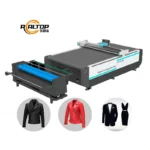
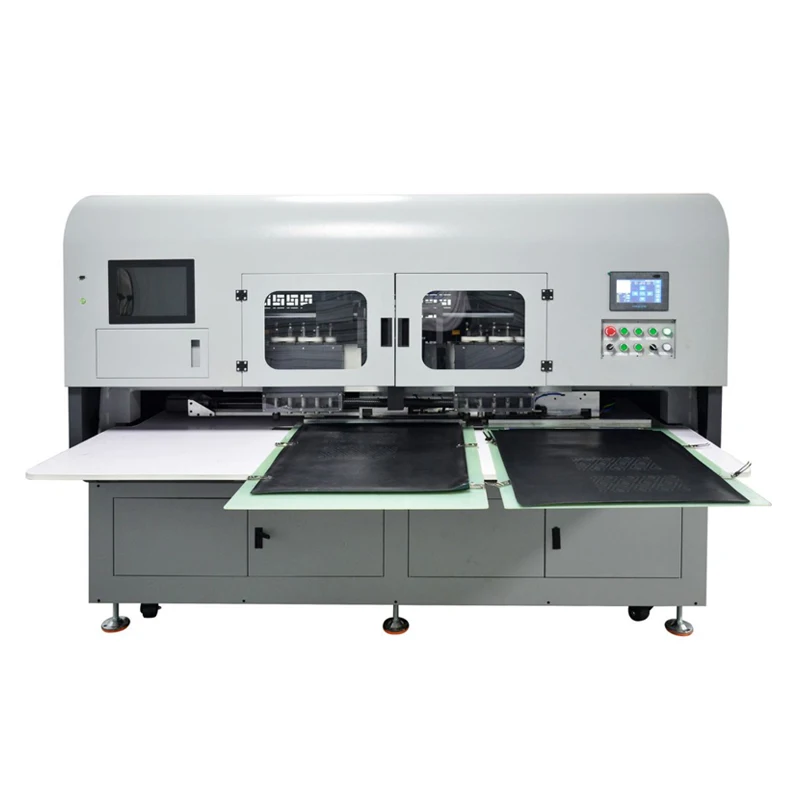
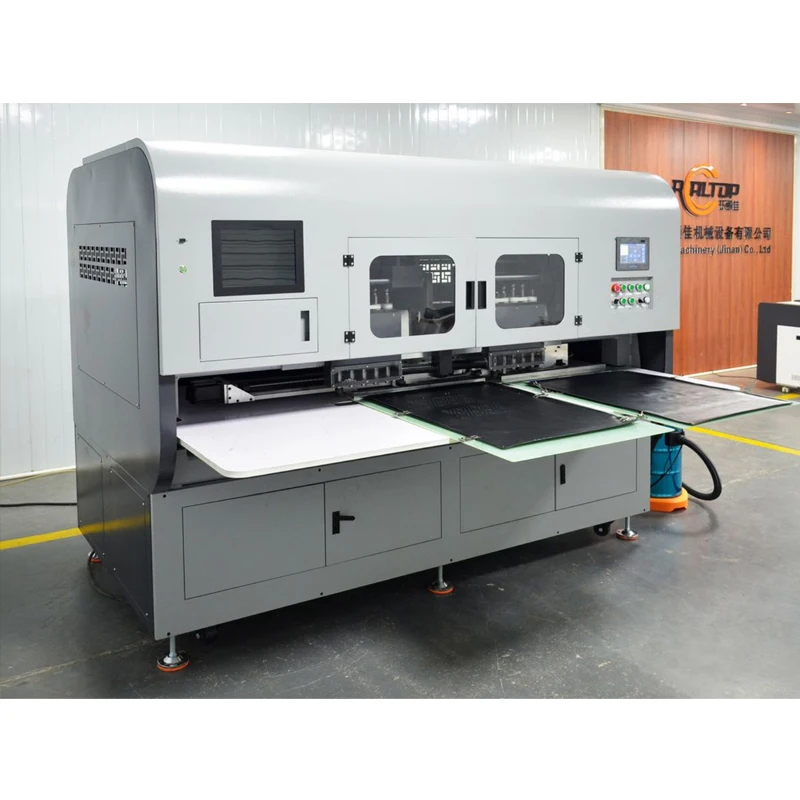
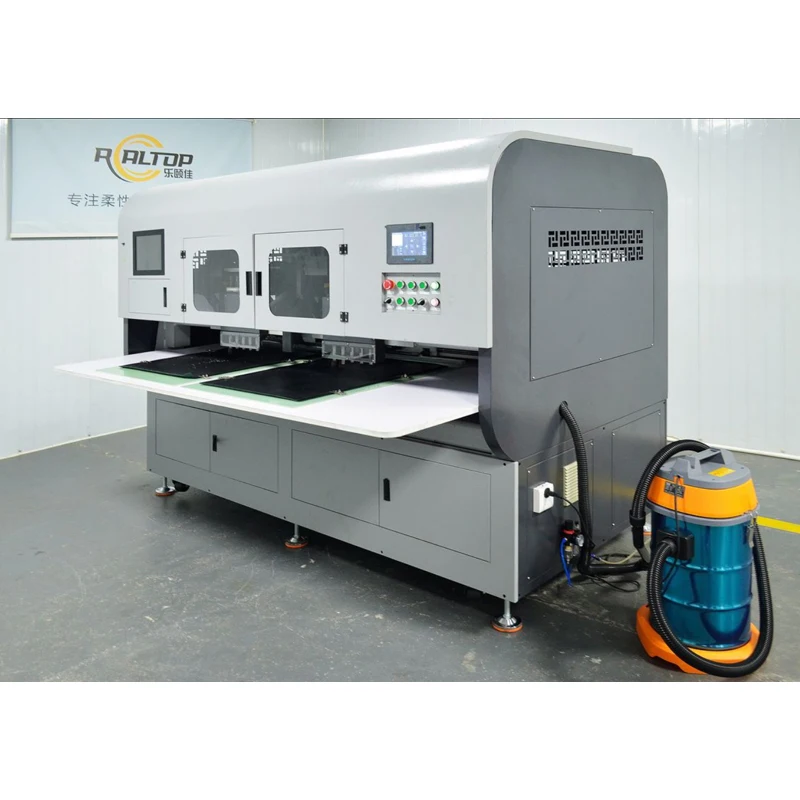
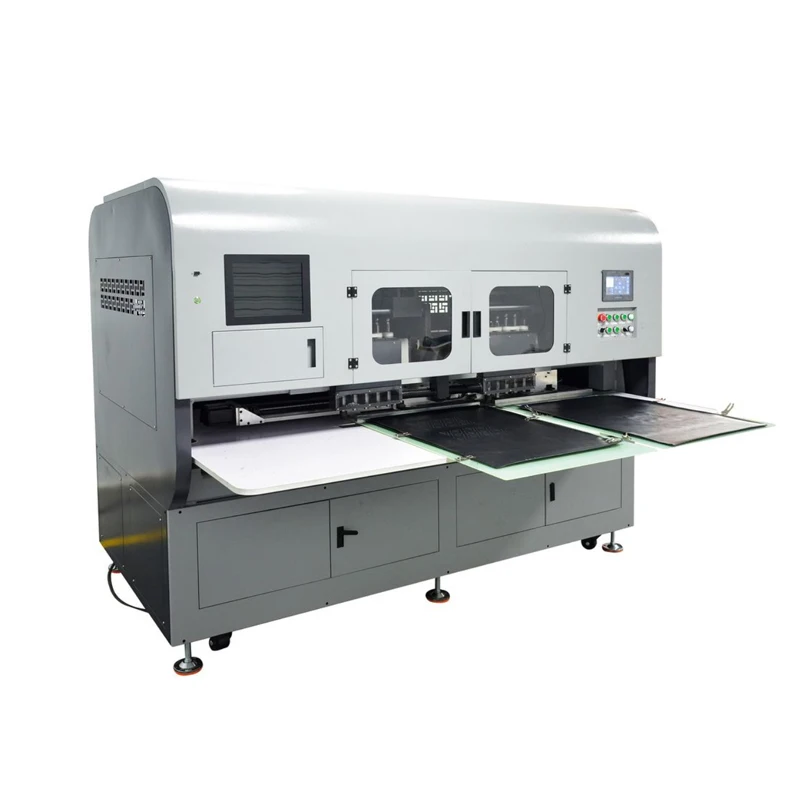
Complete Cutting Range — the RT-A2 CNC punching machine fits into a broader equipment portfolio where oscillating knife, drag knife, and laser cutting each handle different leather processes, allowing buyers to match the method to the job rather than force one technology.
Technical Specifications
| Parameter | Value |
|---|---|
| Model | RT-A2 |
| Product Type | CNC Leather Punching Machine |
| Punching Area | 600×500 mm |
| Material Thickness Range | 1–6 mm |
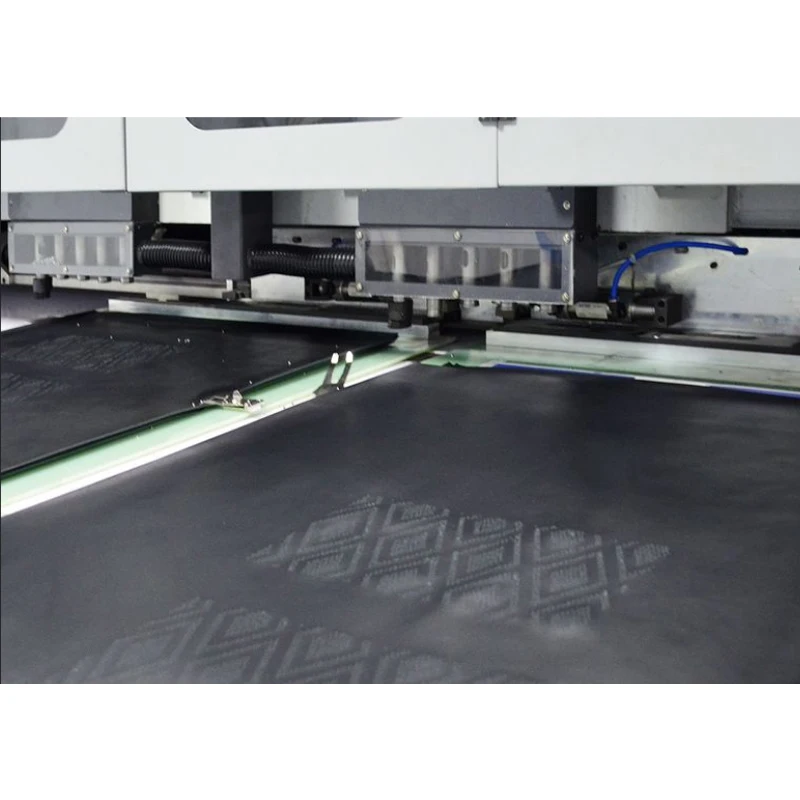
| Pore Size Range | 0.8–12 mm |
| Punching Accuracy | ±0.1 mm |
| Equipment Tolerances | ±0.02 mm |
| Punching Speed | 900 holes/min (basis not stated in source — confirm material type, thickness and hole pattern) |
| Machine Dimensions (L×W×H) | 1800×1510×1600 mm |
| Net Weight | 1000 kg |
| Voltage & Frequency | 220V, 50/60Hz |
| Rated Power | 1.5 kW |
| Compressed Air Pressure | 5–6 bar |
| Control System | NC system |
| Optional Punch Jigs | 12 |
| Dust Collection | Independent dust collecting system |
| Key Features | Smart cutter function, auxiliary leather positioning and laying function, break-point memory function |
Application Suitability
| Application | Material or Output |
|---|---|
| Car seat and headrest leather punching | Automotive upholstery leather, 1–4 mm thickness, dense hole patterns for ventilation and stitching |
| Steering wheel cover production | Thin to mid-weight leather, small pore diameters for wrap-around stitching alignment |
| Shoe upper perforation | Shoe upper leather and synthetic leather, decorative and functional hole arrays |
| Bag and luggage panel punching | Garment and bag leather, medium thickness, mixed hole sizes for hardware attachment and design |
| Sofa and furniture upholstery | Thick upholstery leather up to 6 mm, wider spacing patterns for cushion panels |
| Dedicated punching workshops | Mixed leather goods runs requiring frequent jig changes across different hole specifications |
Why the Voltage Question Should Come Before the Quotation
A 1.5 kW punching machine running on mismatched frequency will punch inaccurately or burn out its compressor motor within weeks.
When sourcing a CNC punching machine manufacturer for export markets, buyers often focus on punching area and speed while the electrical specification gets confirmed as an afterthought. I spent years on the procurement side in Southeast Asia before moving into technical support, and one lesson came at a high cost. A leather punching line shipped to a Vietnamese factory was wired for a voltage standard that did not match the local supply. The entire line sat idle for three weeks while a step-down transformer was sourced and installed. The RT-A2 is specified at 220V, 50/60Hz, which covers most Southeast Asian and Middle Eastern grids, but industrial zones within the same country can run different frequency standards [NEED_CITE: voltage and frequency standards by export market]. Confirming the exact supply at the installation point — not just the country-level standard — should happen before the order is placed, not after the crate arrives.
Punching Area and Thickness Envelope
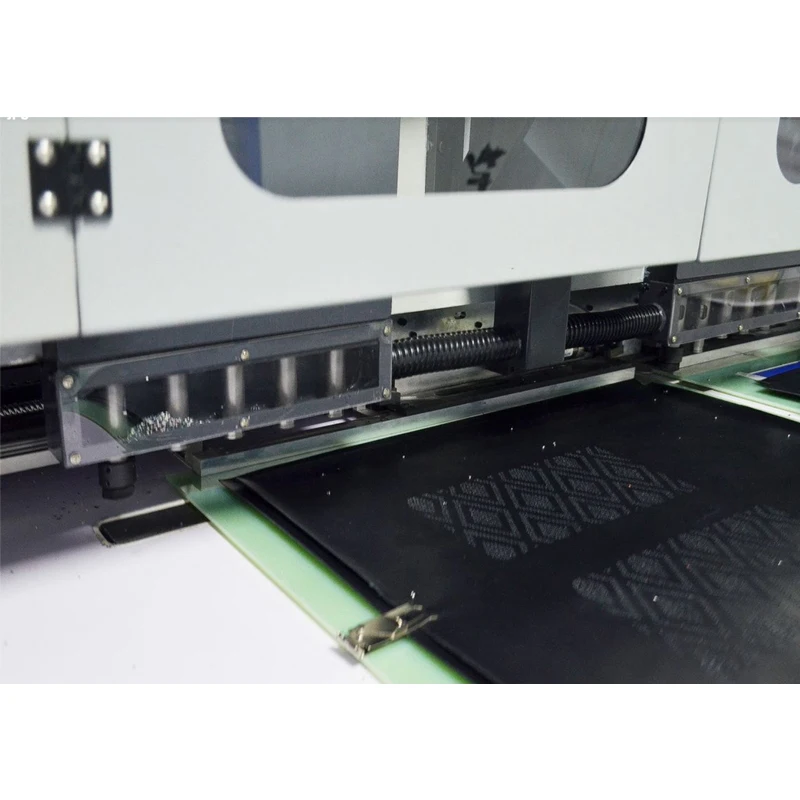
The RT-A2 offers a 600×500 mm punching area designed for leather panels that are cut to size before punching. This working envelope suits shoe uppers, bag panels, steering wheel covers, and automotive seat sections where individual pieces rather than full hides are processed. The 1–6 mm thickness range covers most garment, footwear, and upholstery leathers in a single setup. When evaluating any CNC punching machine manufacturer, the punching area should be checked against the largest panel the buyer processes, not just the average piece size.
Hole Size Versatility and Jig Configuration
With a pore size range from 0.8 to 12 mm and 12 optional punch jigs, the RT-A2 handles both fine decorative perforation and larger holes for hardware attachment or ventilation. The jig system allows workshops to switch between hole specifications without extended downtime. This matters for contract punching shops that run different customer jobs on the same shift. The NC system stores job parameters so that repeat orders pull up the same jig assignment and hole pattern without manual re-setup [NEED_CITE: NC system programming and job memory in leather punching equipment].
How Accuracy and Tolerance Affect Leather Goods Assembly
The RT-A2 specifies ±0.1 mm punching accuracy with ±0.02 mm equipment tolerance. In leather goods production, hole position directly affects stitching alignment, hardware fit, and panel-to-panel consistency across a batch. A steering wheel cover with holes off by even a fraction of a millimeter will not wrap cleanly, and car seat panels that do not align at every stitch point get rejected at final inspection. These tolerance figures should be verified on the buyer’s own material during factory testing, because leather density and backing composition can influence actual punching results.
The Cost of Skipping a Material Test
One of the more common issues in leather punching equipment procurement is specifying a machine based on punching area and speed alone, then discovering the unit struggles with the buyer’s actual material thickness or leather composition. Synthetic leather with a heavy PU backing behaves differently under the punch than chrome-tanned cowhide. Dense automotive upholstery leather at 5–6 mm requires more air pressure and a different jig profile than soft garment leather at 1.5 mm. When the material is not tested before shipment, the buyer absorbs the cost of adjustments on-site — and production does not start until those adjustments are made [NEED_CITE: material testing protocols in CNC punching machine procurement].
Where Punching Fits in the REALTOP Equipment Range
The REALTOP catalogue covers oscillating knife cutting, drag knife cutting, laser cutting, and CNC punching as distinct processes. Punching is the right method when the leather panel requires holes — for stitching guides, ventilation perforation, or hardware mounting. Oscillating knife cutting handles the outline cutting and internal cutouts where no holes are needed. CO2 laser cutting works on synthetics where sealed edges are required. Rather than forcing one cutting method to do every job, the full range lets production managers assign each process to the operation it handles best. This CNC punching machine manufacturer approach means a leather goods factory can source punching and cutting from the same technical team, keeping file formats, nesting workflows, and maintenance support consistent across machines.
Why Source the RT-A2 from This Manufacturer
In-house design and production cover both knife and laser cutting alongside punching, so the engineering team understands where each process belongs. Tool head and table configuration are specified per material and production volume, not sold as a one-size machine. Software compatibility is confirmed before the order, so the buyer’s existing DXF or PLT files load without conversion issues. Voltage, frequency, and control language customization are addressed during the quotation stage rather than discovered at commissioning. Sample punching on the buyer’s own leather is offered before commitment, providing physical proof that the machine handles the specific material.
Documentation & Verification
- Machine specification sheet confirming punching area, thickness range, accuracy, and compressed air requirements
- Electrical schematic with voltage and frequency matching the buyer’s local 220V, 50/60Hz supply
- Factory test record demonstrating punching accuracy and speed on the buyer’s reference leather
- Spare parts list covering punch jigs and consumable tooling for ongoing maintenance
- NC system programming manual with file format compatibility note for the buyer’s workflow
Installation, Commissioning & Support
- Floor space allocation for the 1800×1510 mm machine footprint plus operator access and material staging area
- Dedicated 220V circuit with correct frequency confirmed at the installation point before delivery
- Compressed air line rated for 5–6 bar connected to the punching head with independent dust collection ducted separately
- First-run calibration of punching accuracy on the buyer’s leather at target thickness before production starts
- Punch jig changeover training covering all 12 optional jigs and NC system job memory setup
- Routine maintenance schedule for punch tooling inspection and dust collection filter replacement
Before You Send an Inquiry
To match the RT-A2 to your production line, share the leather types and thicknesses you punch most often, along with the hole size range and pattern density your products require. Confirm the exact voltage and frequency at your workshop — a photo of your main distribution board label helps. If you run existing CAD or nesting software, send a sample file so compatibility can be checked before the order. Specify whether you need sample punching on your own material before making a commitment.
Frequently Asked Questions
Q: How should punching speed claims be interpreted for different leather types?
A: The RT-A2 lists 900 holes per minute, but actual speed depends on material thickness, leather density, and hole pattern complexity. Thicker automotive upholstery leather at 5–6 mm will punch slower than thin garment leather at 1–2 mm. Request a factory test on your specific material to see real cycle times under your production conditions.
Q: Is the 220V, 50/60Hz specification compatible with all export markets?
A: This voltage covers most Southeast Asian, Middle Eastern, and many other markets. However, some industrial zones operate on different standards even within the same country. Confirm your exact supply at the installation point and share the electrical specification with the CNC punching machine manufacturer before the order is finalized.
Q: When should a buyer choose punching over oscillating knife cutting for leather?
A: Punching is the correct process when the product requires holes for stitching, ventilation, or hardware mounting. Oscillating knife cutting handles outline cutting and internal cutouts. Many leather goods factories use both methods on different stages of production. The right choice depends on the specific operation, not the material alone.
Q: Can punch jigs be customized for specific hole patterns?
A: The RT-A2 supports 12 optional punch jigs across a 0.8–12 mm pore size range. Custom jig configurations can be discussed during the quotation stage. Providing your hole pattern drawings and sample products allows the engineering team to confirm jig compatibility before production.
Q: Is sample punching available before placing an order?
A: Yes. Buyers can send their own leather material for a punching test that demonstrates accuracy, speed, and edge quality under real conditions. The sample report documents punching parameters and results on your specific material, giving a factual basis for the purchase decision.
Complete Cutting Range — the RT-A2 CNC punching machine fits into a broader equipment portfolio where oscillating knife, drag knife, and laser cutting each handle different leather processes, allowing buyers to match the method to the job rather than force one technology.
Technical Specifications
| Parameter | Value |
|---|---|
| Model | RT-A2 |
| Product Type | CNC Leather Punching Machine |
| Punching Area | 600×500 mm |
| Material Thickness Range | 1–6 mm |
| Pore Size Range | 0.8–12 mm |
| Punching Accuracy | ±0.1 mm |
| Equipment Tolerances | ±0.02 mm |
| Punching Speed | 900 holes/min (basis not stated in source — confirm material type, thickness and hole pattern) |
| Machine Dimensions (L×W×H) | 1800×1510×1600 mm |
| Net Weight | 1000 kg |
| Voltage & Frequency | 220V, 50/60Hz |
| Rated Power | 1.5 kW |
| Compressed Air Pressure | 5–6 bar |
| Control System | NC system |
| Optional Punch Jigs | 12 |
| Dust Collection | Independent dust collecting system |
| Key Features | Smart cutter function, auxiliary leather positioning and laying function, break-point memory function |
Application Suitability
| Application | Material or Output |
|---|---|
| Car seat and headrest leather punching | Automotive upholstery leather, 1–4 mm thickness, dense hole patterns for ventilation and stitching |
| Steering wheel cover production | Thin to mid-weight leather, small pore diameters for wrap-around stitching alignment |
| Shoe upper perforation | Shoe upper leather and synthetic leather, decorative and functional hole arrays |
| Bag and luggage panel punching | Garment and bag leather, medium thickness, mixed hole sizes for hardware attachment and design |
| Sofa and furniture upholstery | Thick upholstery leather up to 6 mm, wider spacing patterns for cushion panels |
| Dedicated punching workshops | Mixed leather goods runs requiring frequent jig changes across different hole specifications |
Why the Voltage Question Should Come Before the Quotation
A 1.5 kW punching machine running on mismatched frequency will punch inaccurately or burn out its compressor motor within weeks.
When sourcing a CNC punching machine manufacturer for export markets, buyers often focus on punching area and speed while the electrical specification gets confirmed as an afterthought. I spent years on the procurement side in Southeast Asia before moving into technical support, and one lesson came at a high cost. A leather punching line shipped to a Vietnamese factory was wired for a voltage standard that did not match the local supply. The entire line sat idle for three weeks while a step-down transformer was sourced and installed. The RT-A2 is specified at 220V, 50/60Hz, which covers most Southeast Asian and Middle Eastern grids, but industrial zones within the same country can run different frequency standards [NEED_CITE: voltage and frequency standards by export market]. Confirming the exact supply at the installation point — not just the country-level standard — should happen before the order is placed, not after the crate arrives.
Punching Area and Thickness Envelope
The RT-A2 offers a 600×500 mm punching area designed for leather panels that are cut to size before punching. This working envelope suits shoe uppers, bag panels, steering wheel covers, and automotive seat sections where individual pieces rather than full hides are processed. The 1–6 mm thickness range covers most garment, footwear, and upholstery leathers in a single setup. When evaluating any CNC punching machine manufacturer, the punching area should be checked against the largest panel the buyer processes, not just the average piece size.
Hole Size Versatility and Jig Configuration
With a pore size range from 0.8 to 12 mm and 12 optional punch jigs, the RT-A2 handles both fine decorative perforation and larger holes for hardware attachment or ventilation. The jig system allows workshops to switch between hole specifications without extended downtime. This matters for contract punching shops that run different customer jobs on the same shift. The NC system stores job parameters so that repeat orders pull up the same jig assignment and hole pattern without manual re-setup [NEED_CITE: NC system programming and job memory in leather punching equipment].
How Accuracy and Tolerance Affect Leather Goods Assembly
The RT-A2 specifies ±0.1 mm punching accuracy with ±0.02 mm equipment tolerance. In leather goods production, hole position directly affects stitching alignment, hardware fit, and panel-to-panel consistency across a batch. A steering wheel cover with holes off by even a fraction of a millimeter will not wrap cleanly, and car seat panels that do not align at every stitch point get rejected at final inspection. These tolerance figures should be verified on the buyer’s own material during factory testing, because leather density and backing composition can influence actual punching results.
The Cost of Skipping a Material Test
One of the more common issues in leather punching equipment procurement is specifying a machine based on punching area and speed alone, then discovering the unit struggles with the buyer’s actual material thickness or leather composition. Synthetic leather with a heavy PU backing behaves differently under the punch than chrome-tanned cowhide. Dense automotive upholstery leather at 5–6 mm requires more air pressure and a different jig profile than soft garment leather at 1.5 mm. When the material is not tested before shipment, the buyer absorbs the cost of adjustments on-site — and production does not start until those adjustments are made [NEED_CITE: material testing protocols in CNC punching machine procurement].
Where Punching Fits in the REALTOP Equipment Range
The REALTOP catalogue covers oscillating knife cutting, drag knife cutting, laser cutting, and CNC punching as distinct processes. Punching is the right method when the leather panel requires holes — for stitching guides, ventilation perforation, or hardware mounting. Oscillating knife cutting handles the outline cutting and internal cutouts where no holes are needed. CO2 laser cutting works on synthetics where sealed edges are required. Rather than forcing one cutting method to do every job, the full range lets production managers assign each process to the operation it handles best. This CNC punching machine manufacturer approach means a leather goods factory can source punching and cutting from the same technical team, keeping file formats, nesting workflows, and maintenance support consistent across machines.
Why Source the RT-A2 from This Manufacturer
In-house design and production cover both knife and laser cutting alongside punching, so the engineering team understands where each process belongs. Tool head and table configuration are specified per material and production volume, not sold as a one-size machine. Software compatibility is confirmed before the order, so the buyer’s existing DXF or PLT files load without conversion issues. Voltage, frequency, and control language customization are addressed during the quotation stage rather than discovered at commissioning. Sample punching on the buyer’s own leather is offered before commitment, providing physical proof that the machine handles the specific material.
Documentation & Verification
- Machine specification sheet confirming punching area, thickness range, accuracy, and compressed air requirements
- Electrical schematic with voltage and frequency matching the buyer’s local 220V, 50/60Hz supply
- Factory test record demonstrating punching accuracy and speed on the buyer’s reference leather
- Spare parts list covering punch jigs and consumable tooling for ongoing maintenance
- NC system programming manual with file format compatibility note for the buyer’s workflow
Installation, Commissioning & Support
- Floor space allocation for the 1800×1510 mm machine footprint plus operator access and material staging area
- Dedicated 220V circuit with correct frequency confirmed at the installation point before delivery
- Compressed air line rated for 5–6 bar connected to the punching head with independent dust collection ducted separately
- First-run calibration of punching accuracy on the buyer’s leather at target thickness before production starts
- Punch jig changeover training covering all 12 optional jigs and NC system job memory setup
- Routine maintenance schedule for punch tooling inspection and dust collection filter replacement
Before You Send an Inquiry
To match the RT-A2 to your production line, share the leather types and thicknesses you punch most often, along with the hole size range and pattern density your products require. Confirm the exact voltage and frequency at your workshop — a photo of your main distribution board label helps. If you run existing CAD or nesting software, send a sample file so compatibility can be checked before the order. Specify whether you need sample punching on your own material before making a commitment.
Frequently Asked Questions
Q: How should punching speed claims be interpreted for different leather types?
A: The RT-A2 lists 900 holes per minute, but actual speed depends on material thickness, leather density, and hole pattern complexity. Thicker automotive upholstery leather at 5–6 mm will punch slower than thin garment leather at 1–2 mm. Request a factory test on your specific material to see real cycle times under your production conditions.
Q: Is the 220V, 50/60Hz specification compatible with all export markets?
A: This voltage covers most Southeast Asian, Middle Eastern, and many other markets. However, some industrial zones operate on different standards even within the same country. Confirm your exact supply at the installation point and share the electrical specification with the CNC punching machine manufacturer before the order is finalized.
Q: When should a buyer choose punching over oscillating knife cutting for leather?
A: Punching is the correct process when the product requires holes for stitching, ventilation, or hardware mounting. Oscillating knife cutting handles outline cutting and internal cutouts. Many leather goods factories use both methods on different stages of production. The right choice depends on the specific operation, not the material alone.
Q: Can punch jigs be customized for specific hole patterns?
A: The RT-A2 supports 12 optional punch jigs across a 0.8–12 mm pore size range. Custom jig configurations can be discussed during the quotation stage. Providing your hole pattern drawings and sample products allows the engineering team to confirm jig compatibility before production.
Q: Is sample punching available before placing an order?
A: Yes. Buyers can send their own leather material for a punching test that demonstrates accuracy, speed, and edge quality under real conditions. The sample report documents punching parameters and results on your specific material, giving a factual basis for the purchase decision.










商品评价
There are no reviews yet.