

Fast Delivery
Quick, reliable shipping to any location.

Free & easy returns
Return this item by mail or in store within 90 days for a full refund.
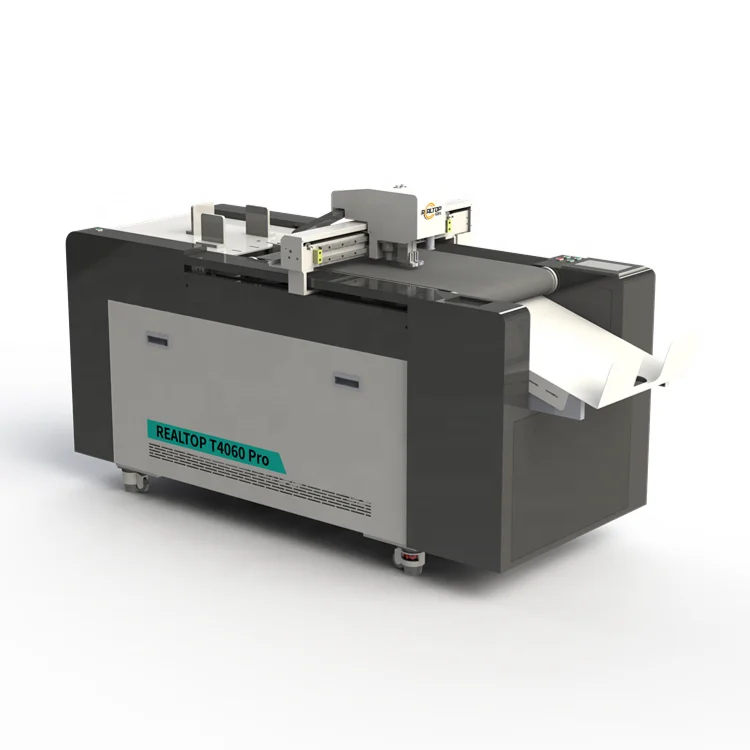
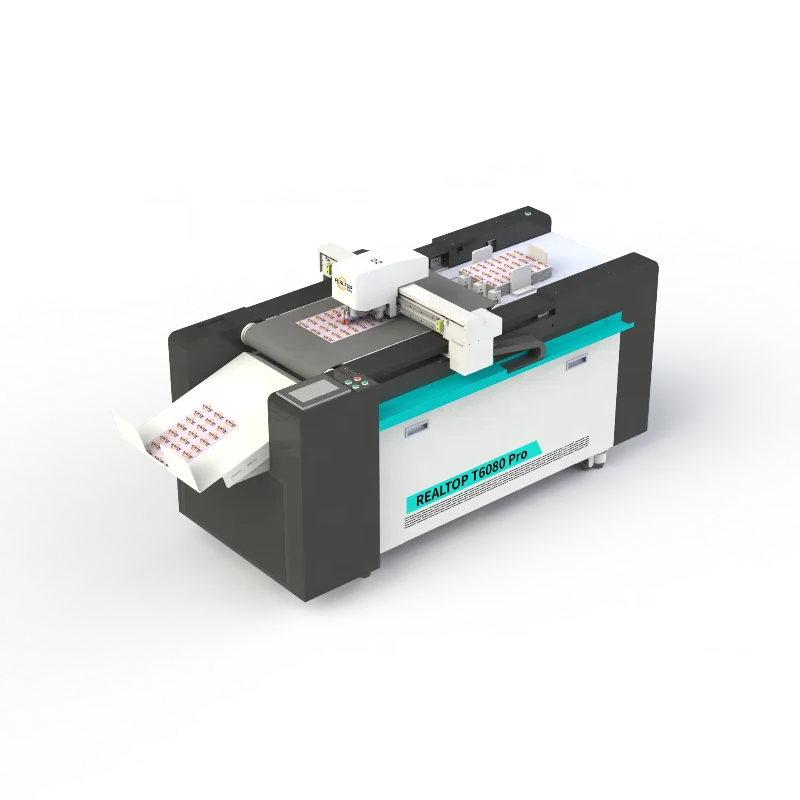
Complete Cutting Range Matched to Your Material — A single source for both oscillating knife and laser platforms lets packaging converters select the exact cutting method for corrugated flute, greyboard, or foam rather than forcing one technology across every substrate.
Technical Specifications
| Parameter | Value |
|---|---|
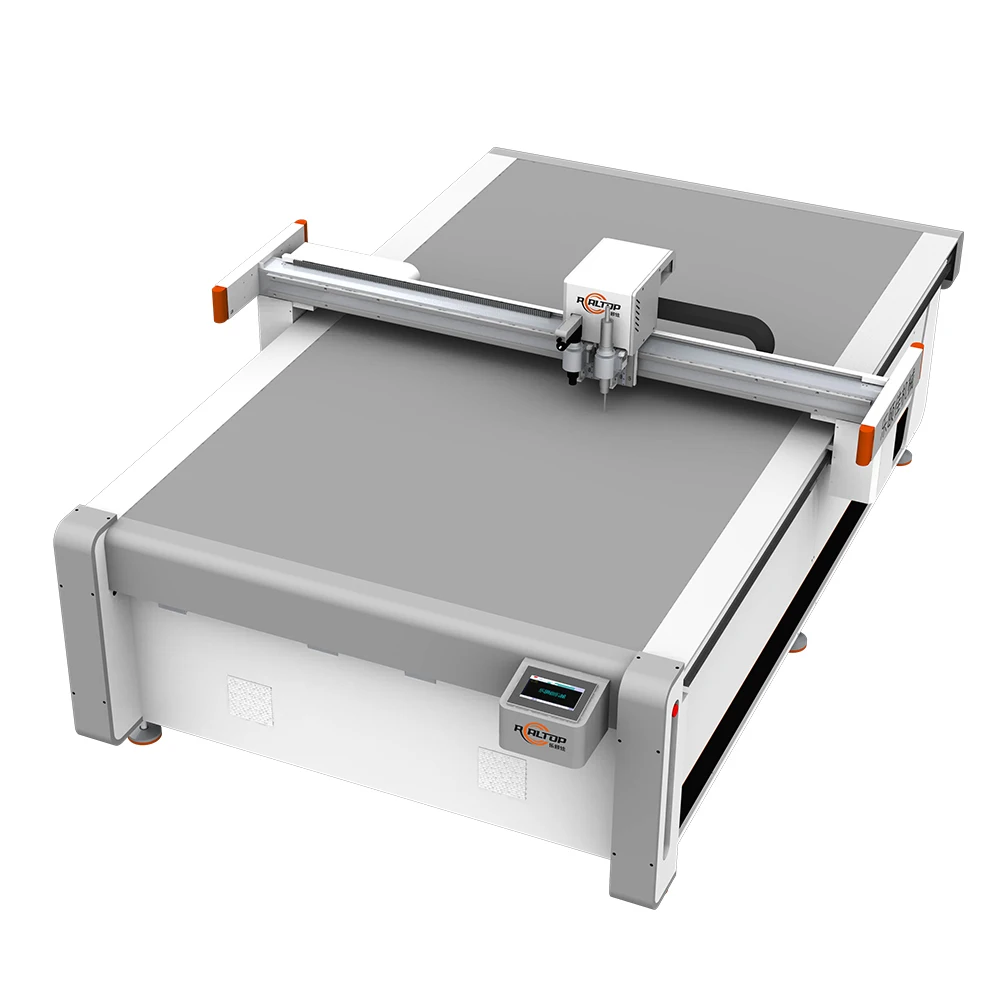
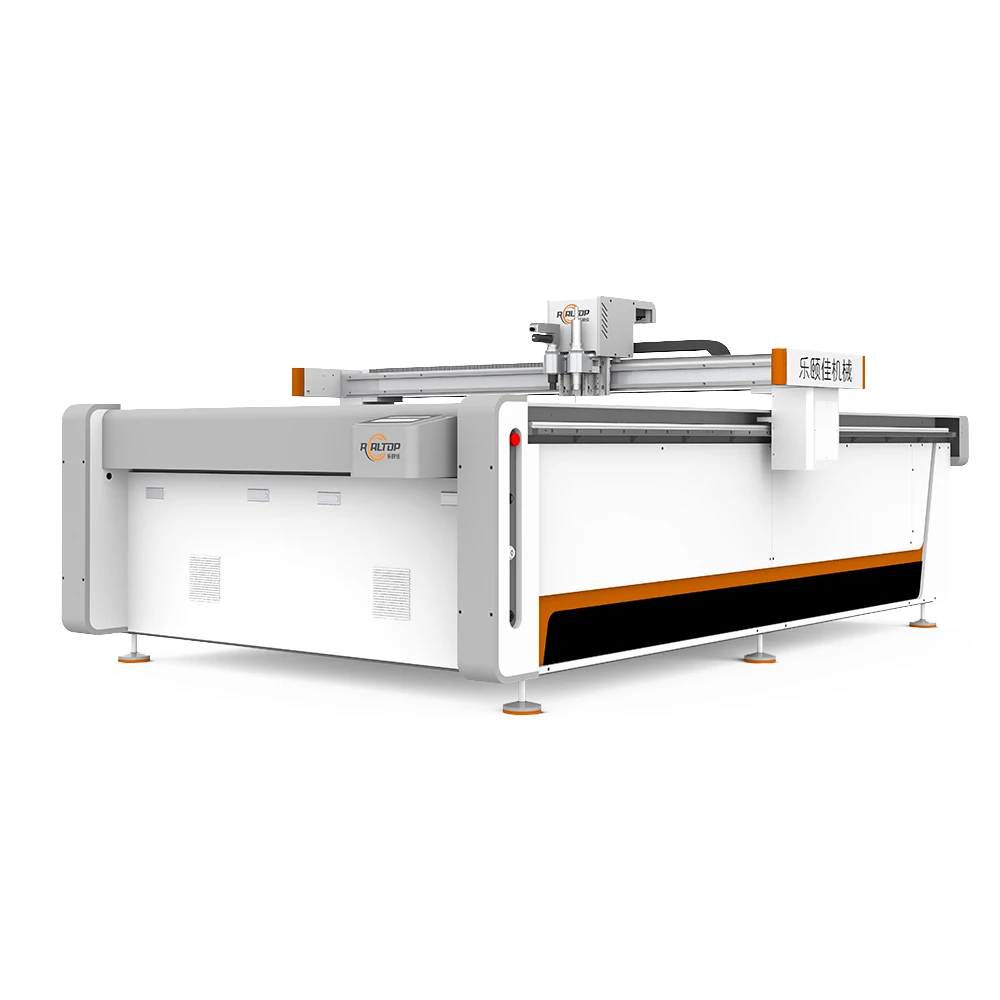
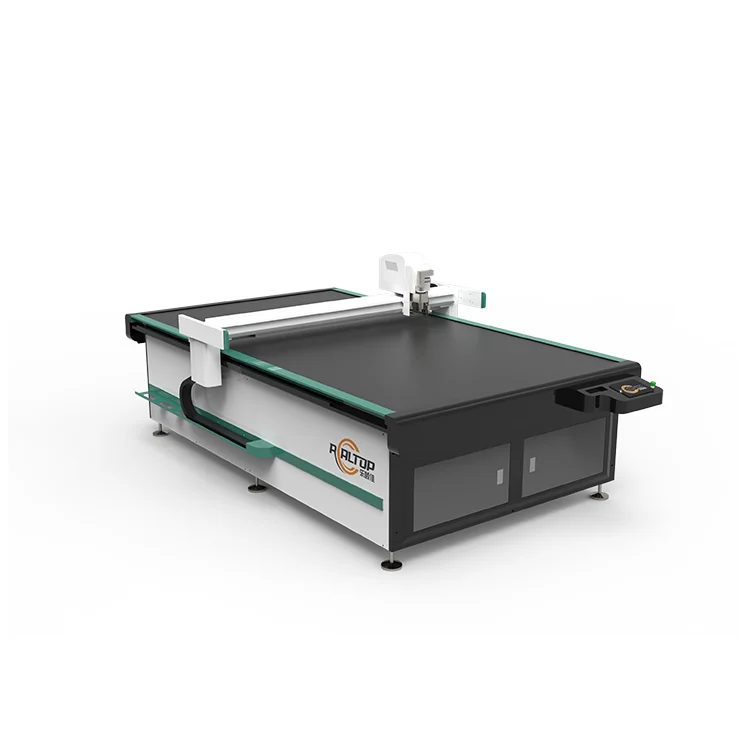
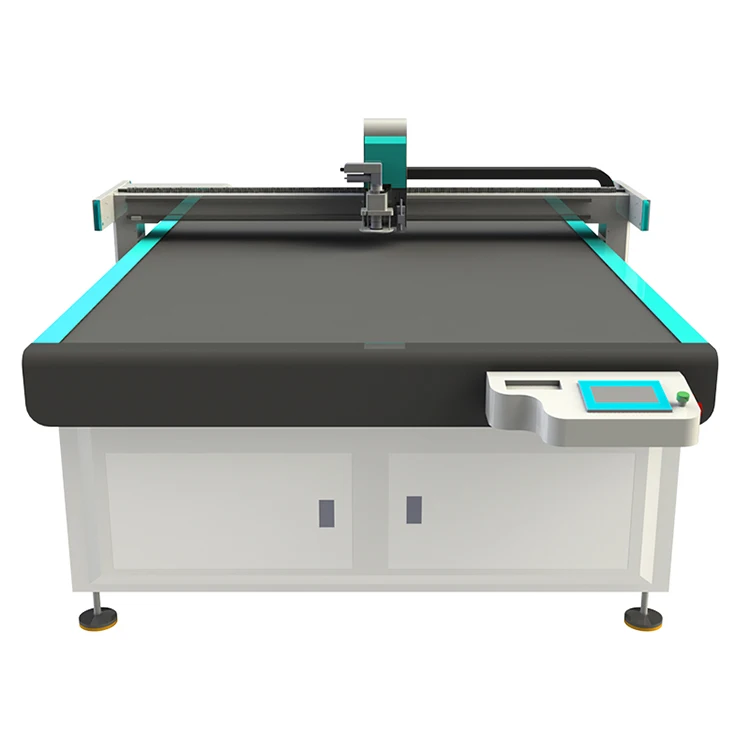
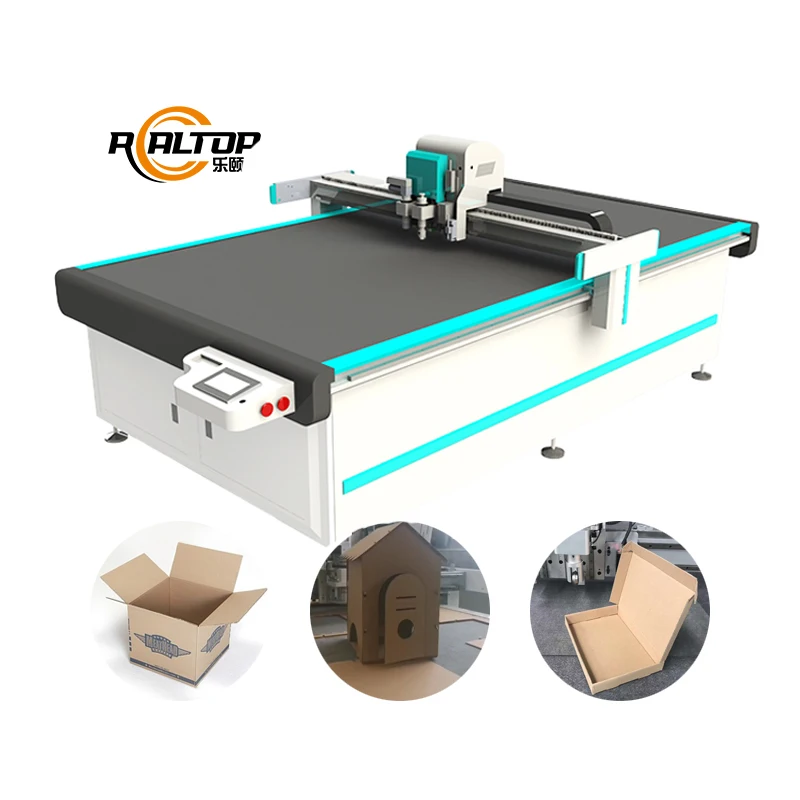
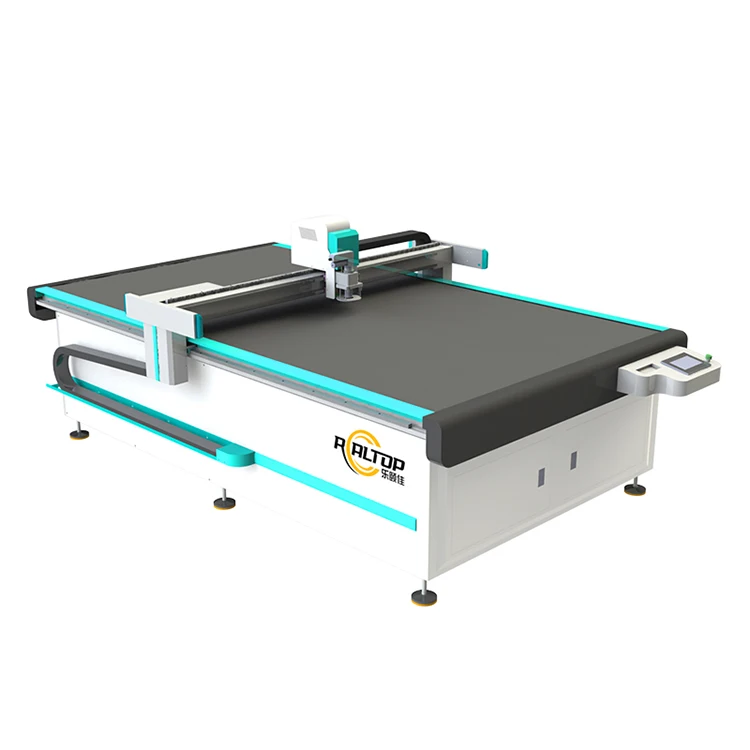
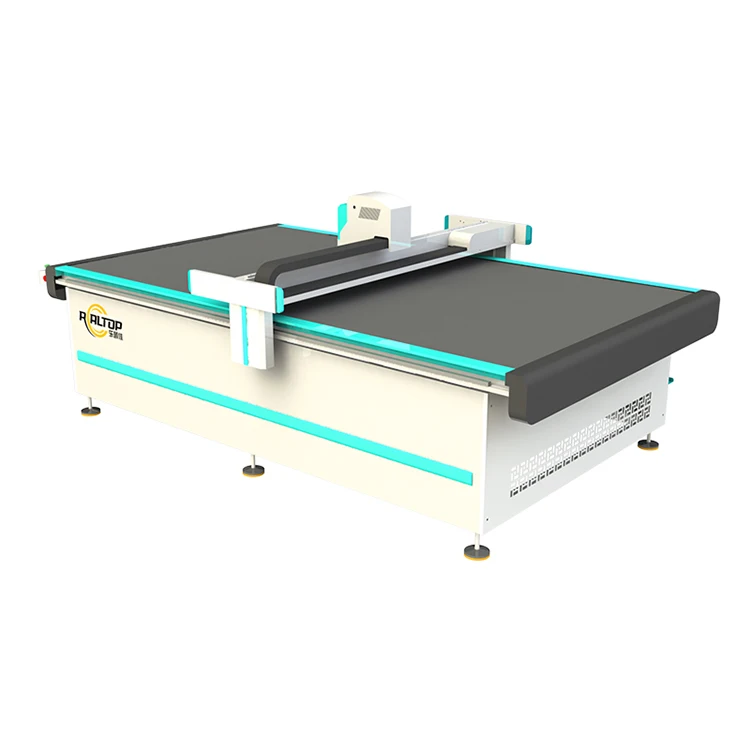
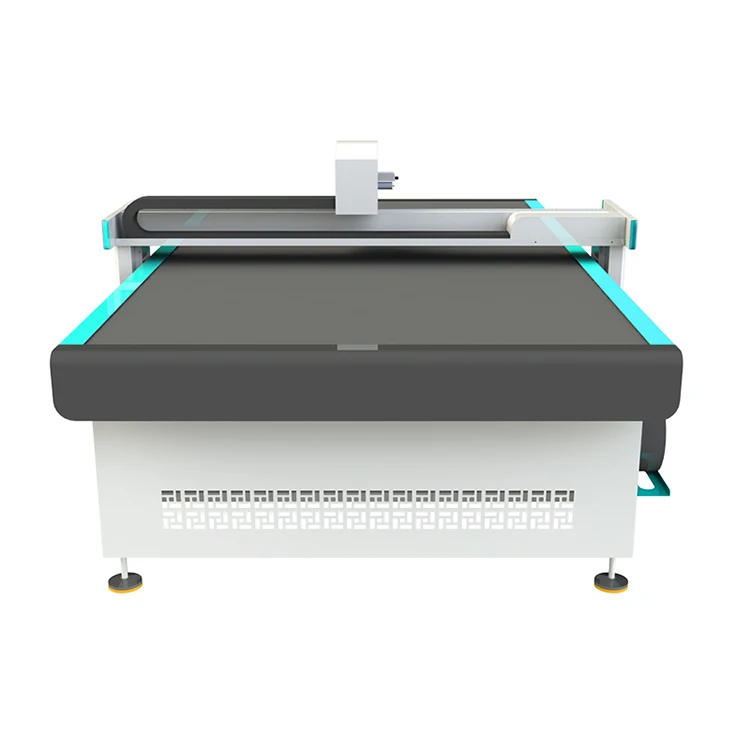
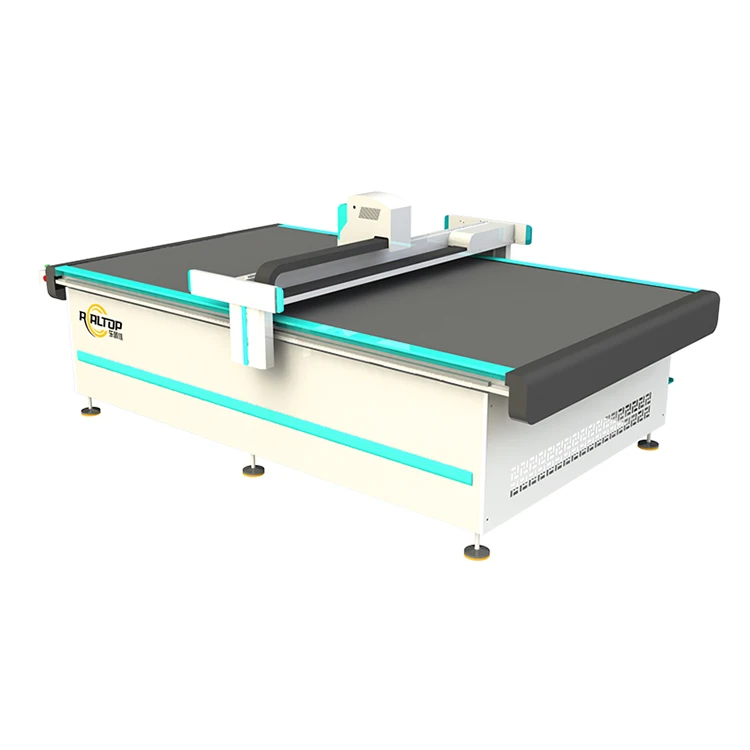
| Product Type | CNC Oscillating Knife Cutting Machine |
| Working Area | 1600 × 2500 mm |
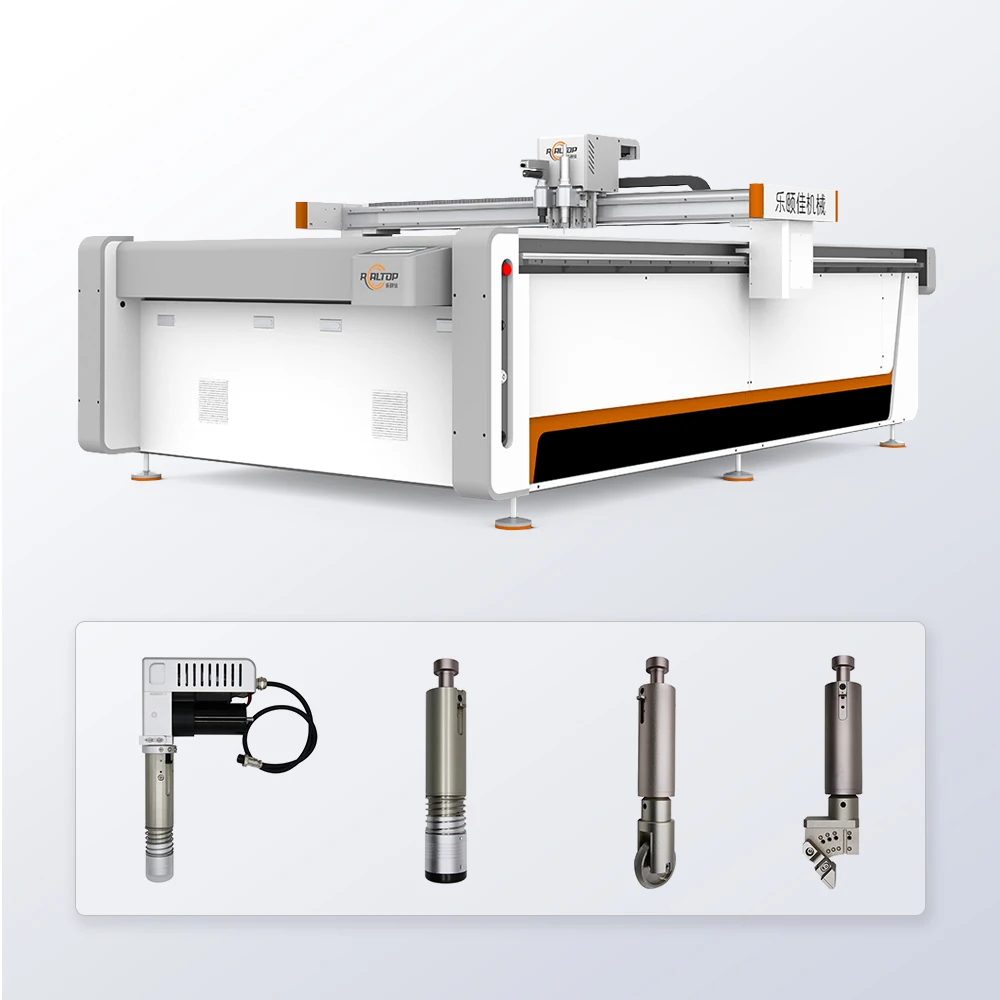
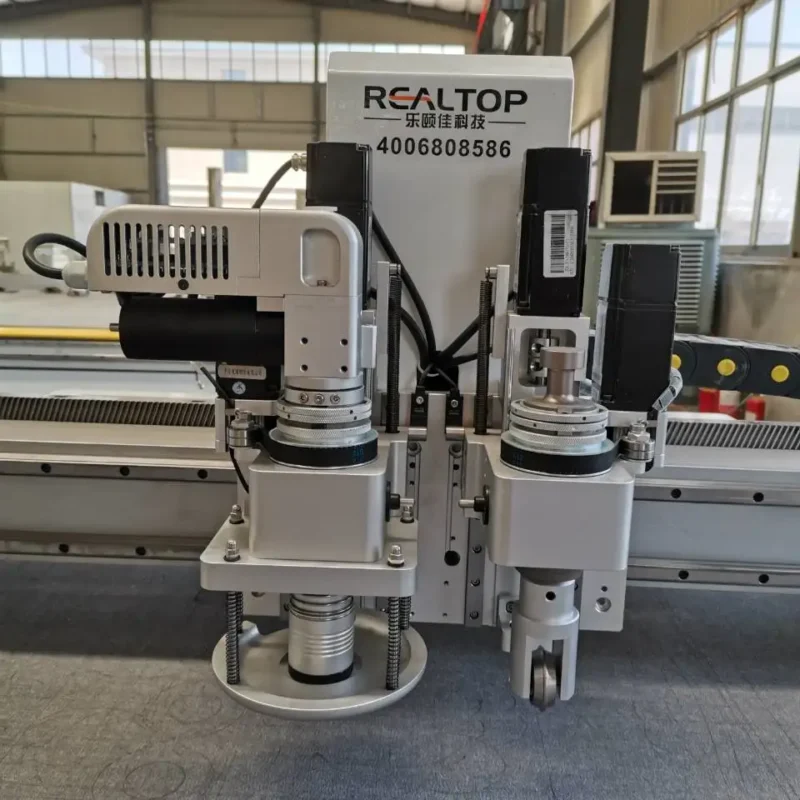
| Tool Head Options | Oscillating knife, Driven rotary knife, Creasing wheel, Kiss cutting tool, Pneumatic knife, Milling tool, V-groove knife |
| Cutting Speed | 0–1500 mm/s |
| Cutting Thickness | ≤ 40 mm (basis not stated in source — confirm block format / material / thickness) |
| Cutting Accuracy | ±0.1 mm |
| Vacuum Pump Power | 9 kW |
| Voltage Options | 110V, 220V, 380V (rated or peak not specified in source) |
| Control System | PLC control panel with intuitive interface |
| Software & File Formats | PLT, DXF, AI, PDF; dedicated packaging box structure design software included |
| Servo Motor Options | Panasonic, Delta, Dorna (source value — verify against manufacturer catalog) |
| Vacuum Table | Aluminum bellows vacuum table |
| Safety Devices | Infrared sensor, emergency stop |
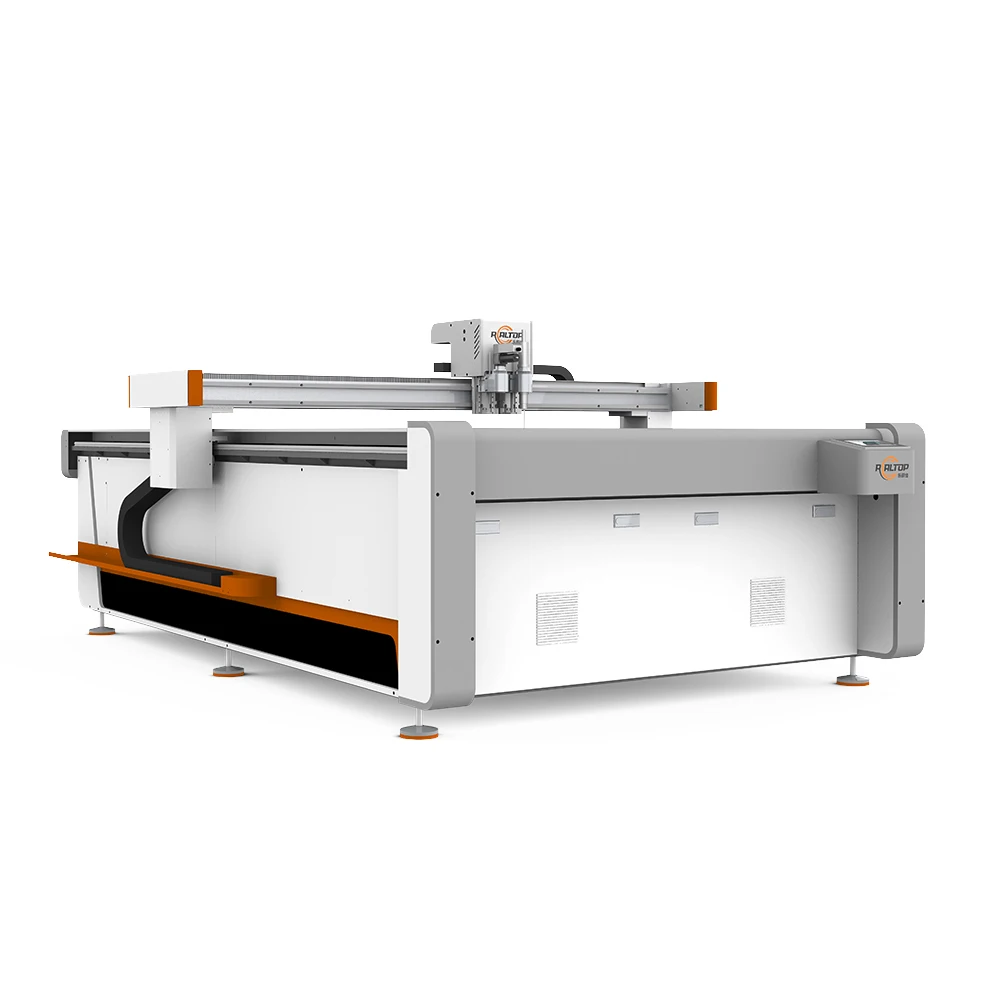
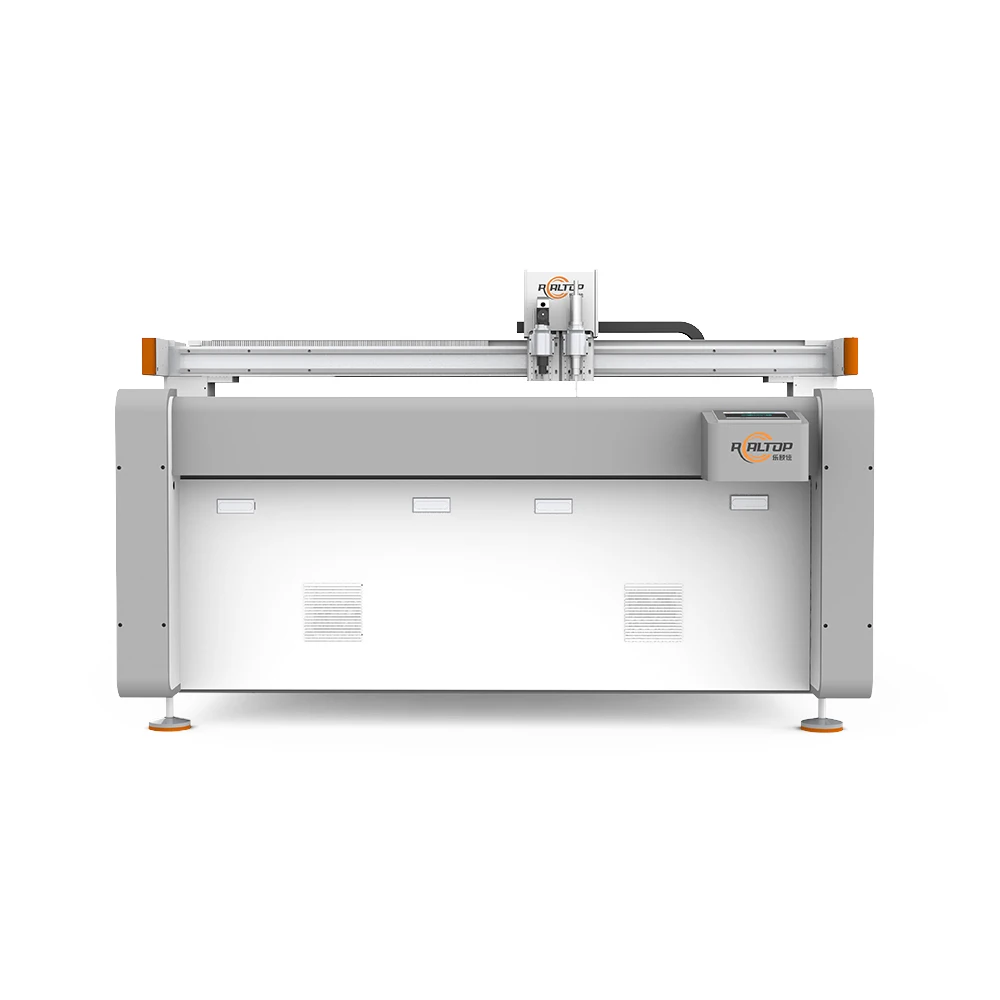
| Machine Size | 3300 × 2100 × 1350 mm |
| Language Options | English, Russian, Italian, Chinese; special languages customizable |
Application Suitability
| Application | Material or Output |
|---|---|
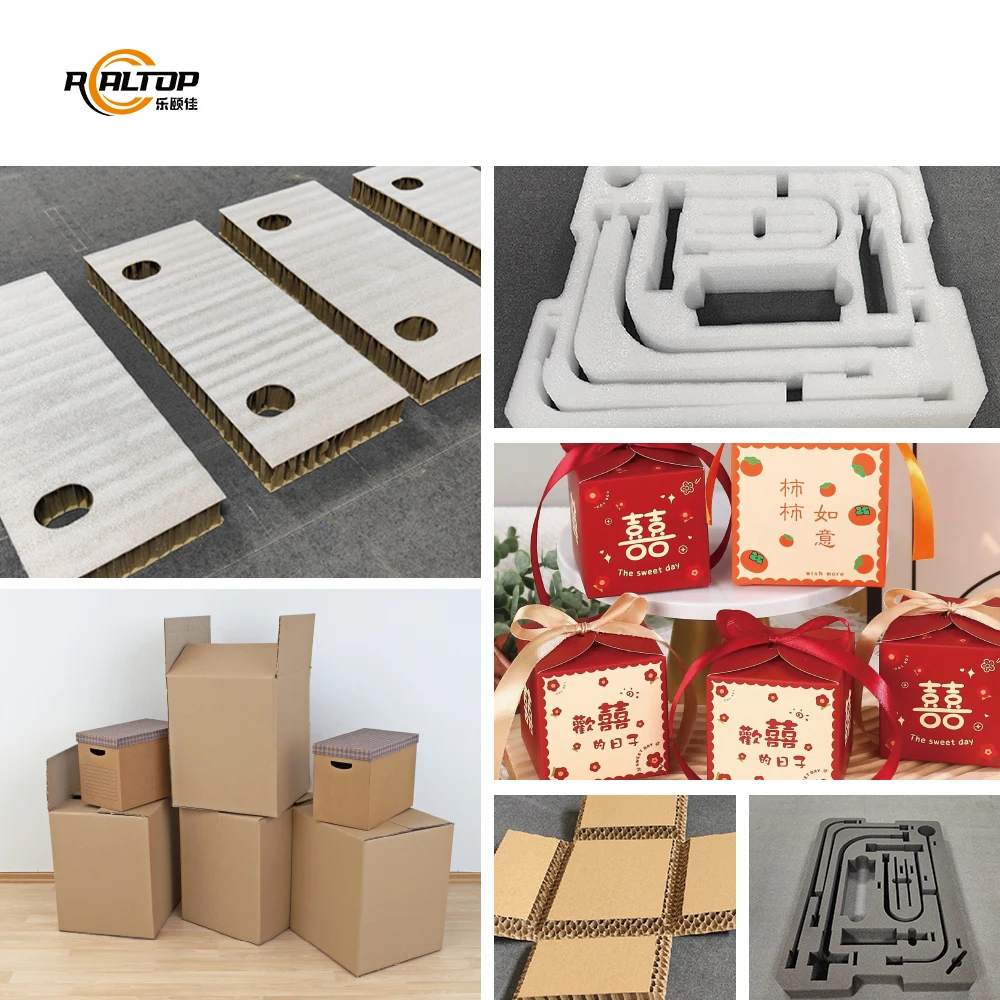
| Corrugated box prototyping and short-run production | E-flute, B-flute, BC-flute corrugated cardboard |
| Carton sample making and structural mock-ups | Greyboard, cardstock, art paper, specialty paper |
| Protective insert cutting for shipping boxes | EVA foam, EPE foam, PU foam |
| Non-packaging flatbed cutting on the same table | Thin PVC/PET sheets, velvet, non-woven fabric, leather, composite panels |
Why "Working Area" Alone Will Not Save You From the Wrong Machine
A 1600 × 2500 mm table solves the sheet-size question but tells you nothing about whether the tool head can handle five-layer reinforced flute.
I have watched converters in Jinan’s packaging district commit to a CNC oscillating knife cutting table for sale based purely on bed dimensions, only to discover during their first production week that the knife chatters on reinforced corrugated and leaves ragged fibre on every crease line. The real specification gap is not the table size — it is the relationship between material density, flute count, and the tool head that was never matched before the order was placed [NEED_CITE: typical corrugated flute thickness and density variation across packaging grades]. When the wrong head meets a dense substrate, the result is not a minor edge-quality issue; it is a line full of rejected blanks and a production schedule that slips before the first shift ends.
Mapping Knife and Laser Across the Packaging Catalogue
The decision between an oscillating knife platform and a laser cutter is rarely about which technology is universally better. For corrugated, greyboard, and foam inserts, the CNC cutting machine manufacturer offers knife heads that slice and crease in a single pass without thermal edge effects. For thin plastic window patches or fabric liners inside premium packaging, a CO2 laser seals the edge as it cuts. Having both families under one roof means a converter can match the cutting method to the specific substrate in the job queue instead of buying two separate machines from two separate vendors.
From Sample Table to Volume Production Line
A flatbed digital cutting table at this working area sits at the transition point between prototype sampling and small-batch production [NEED_CITE: packaging industry shift from die-cutting to digital for short runs]. Converters running hundreds of unique SKUs per month — custom mailer boxes, limited-edition retail cartons, trade-show packaging — benefit from zero-die digital cutting that eliminates die storage and die-change downtime. For those volumes, the dedicated packaging box structure design software and multi-format file import let the design team go from structural CAD to a cut-and-creased sample without leaving the same software environment.
Reading the Specs That Actually Matter for Corrugated
The 9 kW vacuum pump paired with an aluminum bellows table is significant because corrugated sheets are never perfectly flat; the pump must pull air through an uneven surface to hold the board down during high-speed oscillating cuts. Without adequate hold-down, small parts lift and the knife tears rather than slices. The seven tool-head options — oscillating knife, driven rotary knife, creasing wheel, kiss cutting, pneumatic knife, milling, and V-groove knife — allow a single machine to cut the outer profile, score the fold lines, and mill a ventilation slot in one setup. Cutting accuracy of ±0.1 mm ensures that crease lines land exactly where the structural design software placed them, which is critical when a glued carton must fold square on a packing line.
What Happens When the Tool Head Is Chosen Blindly
A creasing wheel set to the wrong pressure on BC-flute will crush the flute rather than score it, leaving a visible dent on the printed outside face. An oscillating knife that lacks the stroke length for a 40 mm foam insert will compress the top layers while leaving the bottom uncut, producing a tapered edge that does not sit flush inside the shipping carton [NEED_CITE: common tool-head mismatch symptoms in digital packaging converting]. These failures are not caught in the sample stage because the sample is usually a simple single-flute board; they appear only when production shifts to the heavier or thicker material in the actual order book.
Why Buyers Start — and Stay — With This Range
In-house design and production of both knife and laser platforms mean the CNC cutting machine manufacturer can recommend the right cutting method per material rather than pushing a single technology. Tool head and table configuration are specified against the buyer’s actual flute type and daily volume, not a generic brochure setting. CCD camera positioning is available for printed contour work on pre-printed carton stock. Software compatibility — file format, nesting workflow, and language — is confirmed before the order is placed, not discovered during installation. Sample cutting on the buyer’s own corrugated or foam material is completed before commitment, so edge quality and crease accuracy are verified on the real substrate.
Documentation & Verification
- Machine specification sheet listing the exact tool heads and vacuum zoning matched to your flute type
- Electrical schematic and voltage confirmation matching your facility supply before shipment
- Sample cutting report produced on your own corrugated or foam stock before order commitment
- Software licence with file format compatibility note for your existing structural design workflow
- Operation and maintenance manual with language matched to your floor operators
- Factory test record documenting cutting accuracy and crease depth on your specified material
Installation, Commissioning & Support
- Floor space of at least 3.5 × 2.5 m clear around the 3300 × 2100 mm frame for sheet loading access
- Dedicated electrical circuit matching confirmed voltage (110V / 220V / 380V) with correct breaker rating for the 9 kW pump plus servo drives
- Vacuum table levelling and belt tensioning calibrated on-site before first production cut
- PLC control panel configured in your operator language during commissioning
- Tool head changeover training covering all seven head types delivered to your floor team
- Spare parts list including oscillating knife blades, creasing wheels, and vacuum seals provided at handover
How to Start a Proper Equipment Conversation
Send the exact material specification — flute profile, board grade, foam density, or composite layup — along with your largest sheet dimension and the thickness range you run most often. Confirm the local voltage and frequency at your facility, the preferred control language, and whether your design team works in PLT, DXF, AI, or another format. If your current workflow includes nesting software or a structural design package, share the file type so compatibility can be verified before a quotation is issued. Request a sample cut on your own material before the order is finalised.
Frequently Asked Questions
Q: How do I choose between knife cutting and laser cutting for my packaging material?
A: Knife cutting handles corrugated, greyboard, and foam without thermal damage and adds creasing in the same pass. Laser cutting suits thin plastics, fabric liners, and engraving on premium surfaces. The CNC cutting machine manufacturer offers both, so the choice follows the material rather than the available machine.
Q: How does this machine range map across different production volumes?
A: Compact tables serve prototyping labs producing dozens of unique samples per day. The 1600 × 2500 mm format covers short-run custom packaging where die costs are unjustifiable. Large-format and multi-head configurations address higher-volume production where throughput demands exceed single-table capacity.
Q: Which tool head should I specify for multi-layer corrugated versus single-layer cardstock?
A: Multi-layer corrugated typically requires an oscillating knife with adequate stroke and a separate creasing wheel for score lines. Single-layer cardstock can use a drag knife or kiss cutting tool. Confirming your exact flute profile and board weight before ordering ensures the right head combination is fitted.
Q: Will the software accept my existing packaging design files?
A: The included software imports PLT, DXF, AI, and PDF formats, and the dedicated packaging structure design package covers common box styles. Compatibility with your current nesting workflow is verified before the order is placed to avoid file-conversion delays at commissioning.
Q: What voltage and language options are available across the machine range?
A: Voltage is configurable across 110V, 220V, and 380V to match your facility supply. The PLC control panel supports English, Russian, Italian, and Chinese, with other languages available on request. Confirming both parameters before shipment prevents on-site electrical rework and operator confusion.
Complete Cutting Range Matched to Your Material — A single source for both oscillating knife and laser platforms lets packaging converters select the exact cutting method for corrugated flute, greyboard, or foam rather than forcing one technology across every substrate.
Technical Specifications
| Parameter | Value |
|---|---|
| Product Type | CNC Oscillating Knife Cutting Machine |
| Working Area | 1600 × 2500 mm |
| Tool Head Options | Oscillating knife, Driven rotary knife, Creasing wheel, Kiss cutting tool, Pneumatic knife, Milling tool, V-groove knife |
| Cutting Speed | 0–1500 mm/s |
| Cutting Thickness | ≤ 40 mm (basis not stated in source — confirm block format / material / thickness) |
| Cutting Accuracy | ±0.1 mm |
| Vacuum Pump Power | 9 kW |
| Voltage Options | 110V, 220V, 380V (rated or peak not specified in source) |
| Control System | PLC control panel with intuitive interface |
| Software & File Formats | PLT, DXF, AI, PDF; dedicated packaging box structure design software included |
| Servo Motor Options | Panasonic, Delta, Dorna (source value — verify against manufacturer catalog) |
| Vacuum Table | Aluminum bellows vacuum table |
| Safety Devices | Infrared sensor, emergency stop |
| Machine Size | 3300 × 2100 × 1350 mm |
| Language Options | English, Russian, Italian, Chinese; special languages customizable |
Application Suitability
| Application | Material or Output |
|---|---|
| Corrugated box prototyping and short-run production | E-flute, B-flute, BC-flute corrugated cardboard |
| Carton sample making and structural mock-ups | Greyboard, cardstock, art paper, specialty paper |
| Protective insert cutting for shipping boxes | EVA foam, EPE foam, PU foam |
| Non-packaging flatbed cutting on the same table | Thin PVC/PET sheets, velvet, non-woven fabric, leather, composite panels |
Why "Working Area" Alone Will Not Save You From the Wrong Machine
A 1600 × 2500 mm table solves the sheet-size question but tells you nothing about whether the tool head can handle five-layer reinforced flute.
I have watched converters in Jinan’s packaging district commit to a CNC oscillating knife cutting table for sale based purely on bed dimensions, only to discover during their first production week that the knife chatters on reinforced corrugated and leaves ragged fibre on every crease line. The real specification gap is not the table size — it is the relationship between material density, flute count, and the tool head that was never matched before the order was placed [NEED_CITE: typical corrugated flute thickness and density variation across packaging grades]. When the wrong head meets a dense substrate, the result is not a minor edge-quality issue; it is a line full of rejected blanks and a production schedule that slips before the first shift ends.
Mapping Knife and Laser Across the Packaging Catalogue
The decision between an oscillating knife platform and a laser cutter is rarely about which technology is universally better. For corrugated, greyboard, and foam inserts, the CNC cutting machine manufacturer offers knife heads that slice and crease in a single pass without thermal edge effects. For thin plastic window patches or fabric liners inside premium packaging, a CO2 laser seals the edge as it cuts. Having both families under one roof means a converter can match the cutting method to the specific substrate in the job queue instead of buying two separate machines from two separate vendors.
From Sample Table to Volume Production Line
A flatbed digital cutting table at this working area sits at the transition point between prototype sampling and small-batch production [NEED_CITE: packaging industry shift from die-cutting to digital for short runs]. Converters running hundreds of unique SKUs per month — custom mailer boxes, limited-edition retail cartons, trade-show packaging — benefit from zero-die digital cutting that eliminates die storage and die-change downtime. For those volumes, the dedicated packaging box structure design software and multi-format file import let the design team go from structural CAD to a cut-and-creased sample without leaving the same software environment.
Reading the Specs That Actually Matter for Corrugated
The 9 kW vacuum pump paired with an aluminum bellows table is significant because corrugated sheets are never perfectly flat; the pump must pull air through an uneven surface to hold the board down during high-speed oscillating cuts. Without adequate hold-down, small parts lift and the knife tears rather than slices. The seven tool-head options — oscillating knife, driven rotary knife, creasing wheel, kiss cutting, pneumatic knife, milling, and V-groove knife — allow a single machine to cut the outer profile, score the fold lines, and mill a ventilation slot in one setup. Cutting accuracy of ±0.1 mm ensures that crease lines land exactly where the structural design software placed them, which is critical when a glued carton must fold square on a packing line.
What Happens When the Tool Head Is Chosen Blindly
A creasing wheel set to the wrong pressure on BC-flute will crush the flute rather than score it, leaving a visible dent on the printed outside face. An oscillating knife that lacks the stroke length for a 40 mm foam insert will compress the top layers while leaving the bottom uncut, producing a tapered edge that does not sit flush inside the shipping carton [NEED_CITE: common tool-head mismatch symptoms in digital packaging converting]. These failures are not caught in the sample stage because the sample is usually a simple single-flute board; they appear only when production shifts to the heavier or thicker material in the actual order book.
Why Buyers Start — and Stay — With This Range
In-house design and production of both knife and laser platforms mean the CNC cutting machine manufacturer can recommend the right cutting method per material rather than pushing a single technology. Tool head and table configuration are specified against the buyer’s actual flute type and daily volume, not a generic brochure setting. CCD camera positioning is available for printed contour work on pre-printed carton stock. Software compatibility — file format, nesting workflow, and language — is confirmed before the order is placed, not discovered during installation. Sample cutting on the buyer’s own corrugated or foam material is completed before commitment, so edge quality and crease accuracy are verified on the real substrate.
Documentation & Verification
- Machine specification sheet listing the exact tool heads and vacuum zoning matched to your flute type
- Electrical schematic and voltage confirmation matching your facility supply before shipment
- Sample cutting report produced on your own corrugated or foam stock before order commitment
- Software licence with file format compatibility note for your existing structural design workflow
- Operation and maintenance manual with language matched to your floor operators
- Factory test record documenting cutting accuracy and crease depth on your specified material
Installation, Commissioning & Support
- Floor space of at least 3.5 × 2.5 m clear around the 3300 × 2100 mm frame for sheet loading access
- Dedicated electrical circuit matching confirmed voltage (110V / 220V / 380V) with correct breaker rating for the 9 kW pump plus servo drives
- Vacuum table levelling and belt tensioning calibrated on-site before first production cut
- PLC control panel configured in your operator language during commissioning
- Tool head changeover training covering all seven head types delivered to your floor team
- Spare parts list including oscillating knife blades, creasing wheels, and vacuum seals provided at handover
How to Start a Proper Equipment Conversation
Send the exact material specification — flute profile, board grade, foam density, or composite layup — along with your largest sheet dimension and the thickness range you run most often. Confirm the local voltage and frequency at your facility, the preferred control language, and whether your design team works in PLT, DXF, AI, or another format. If your current workflow includes nesting software or a structural design package, share the file type so compatibility can be verified before a quotation is issued. Request a sample cut on your own material before the order is finalised.
Frequently Asked Questions
Q: How do I choose between knife cutting and laser cutting for my packaging material?
A: Knife cutting handles corrugated, greyboard, and foam without thermal damage and adds creasing in the same pass. Laser cutting suits thin plastics, fabric liners, and engraving on premium surfaces. The CNC cutting machine manufacturer offers both, so the choice follows the material rather than the available machine.
Q: How does this machine range map across different production volumes?
A: Compact tables serve prototyping labs producing dozens of unique samples per day. The 1600 × 2500 mm format covers short-run custom packaging where die costs are unjustifiable. Large-format and multi-head configurations address higher-volume production where throughput demands exceed single-table capacity.
Q: Which tool head should I specify for multi-layer corrugated versus single-layer cardstock?
A: Multi-layer corrugated typically requires an oscillating knife with adequate stroke and a separate creasing wheel for score lines. Single-layer cardstock can use a drag knife or kiss cutting tool. Confirming your exact flute profile and board weight before ordering ensures the right head combination is fitted.
Q: Will the software accept my existing packaging design files?
A: The included software imports PLT, DXF, AI, and PDF formats, and the dedicated packaging structure design package covers common box styles. Compatibility with your current nesting workflow is verified before the order is placed to avoid file-conversion delays at commissioning.
Q: What voltage and language options are available across the machine range?
A: Voltage is configurable across 110V, 220V, and 380V to match your facility supply. The PLC control panel supports English, Russian, Italian, and Chinese, with other languages available on request. Confirming both parameters before shipment prevents on-site electrical rework and operator confusion.
商品评价
There are no reviews yet.