

Fast Delivery
Quick, reliable shipping to any location.

Free & easy returns
Return this item by mail or in store within 90 days for a full refund.
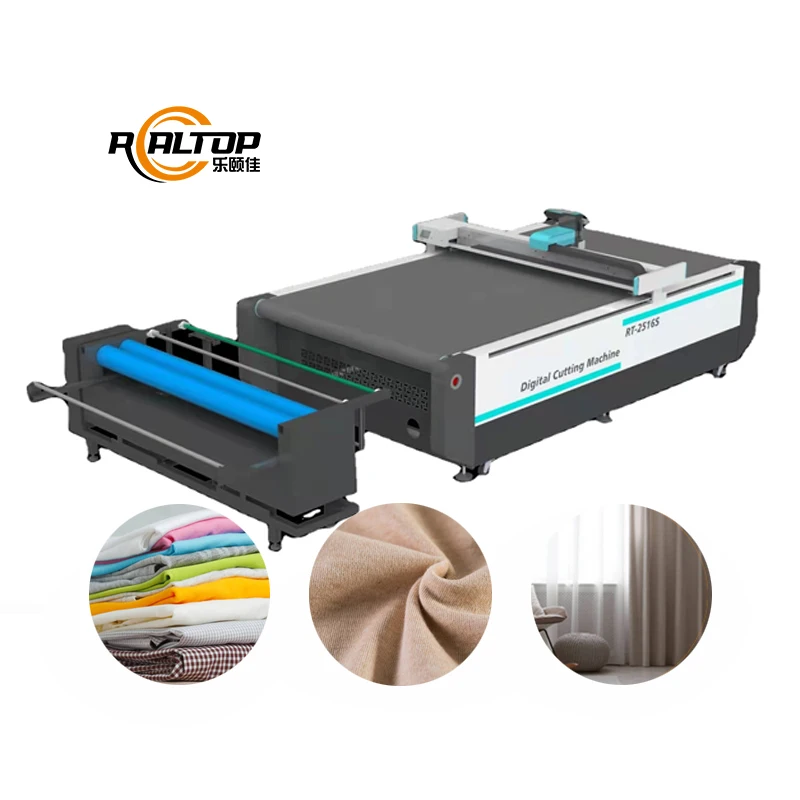
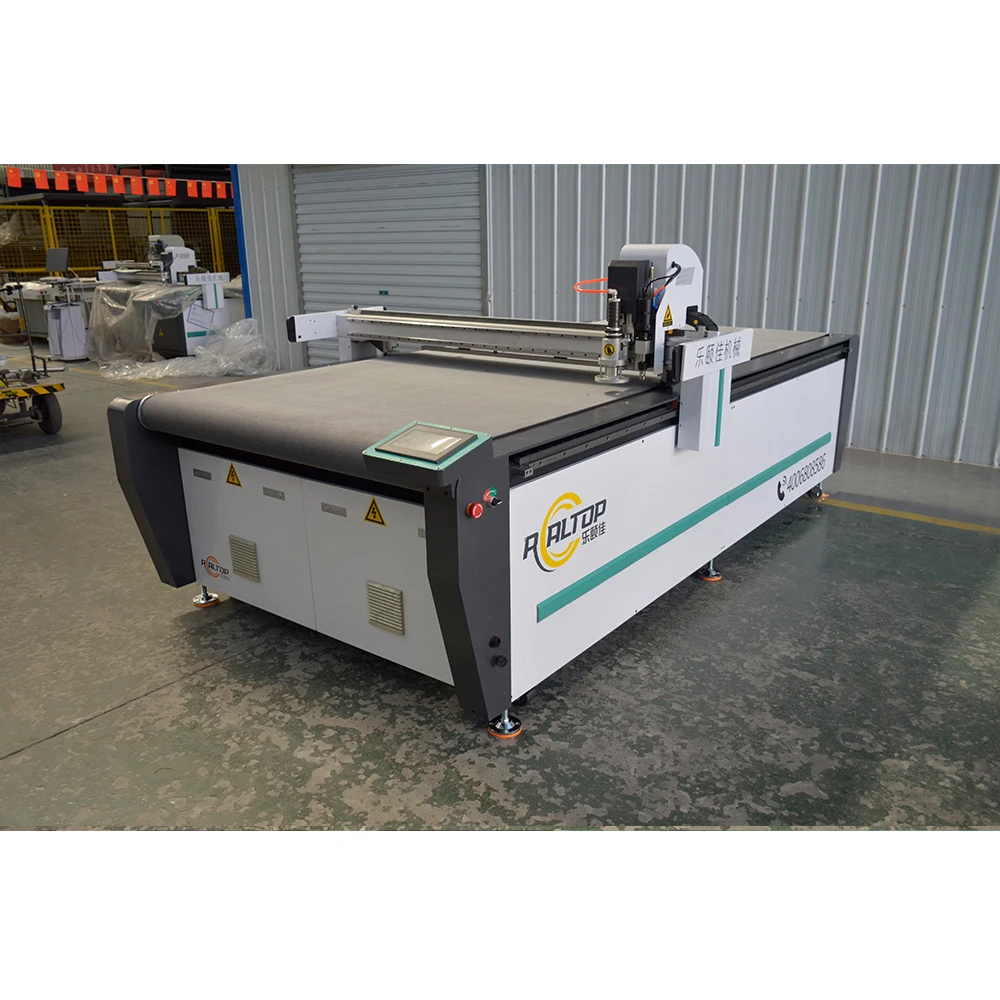
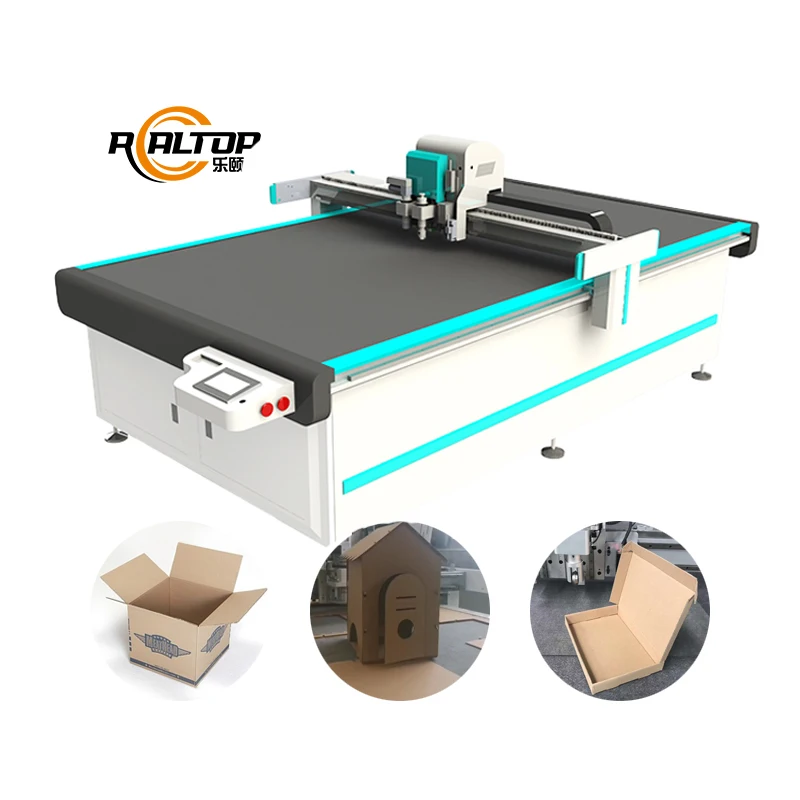
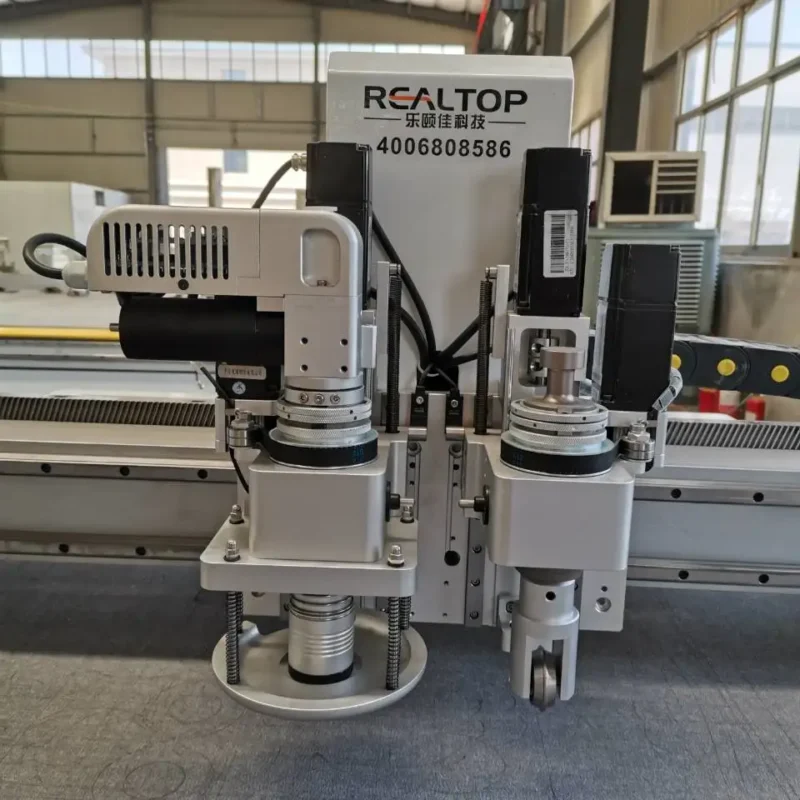
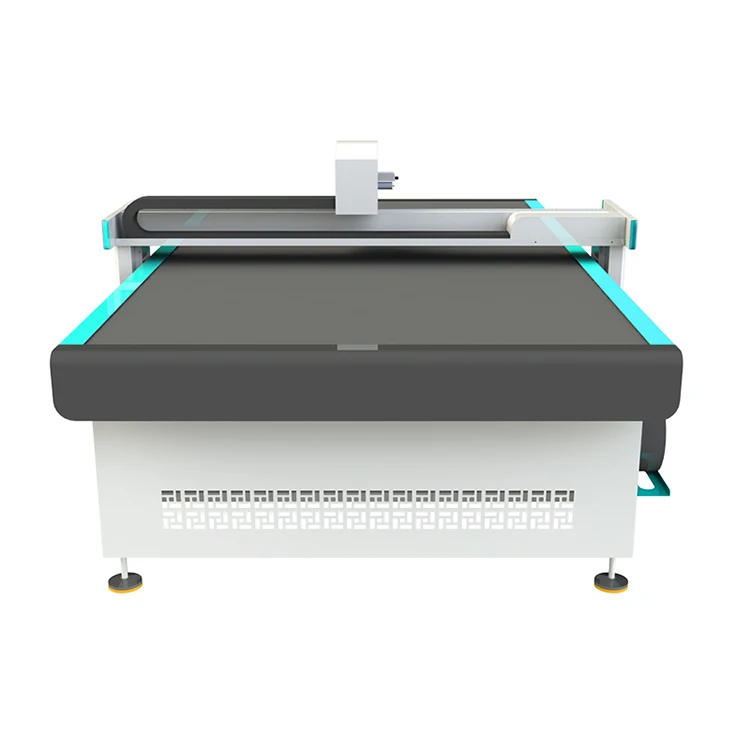
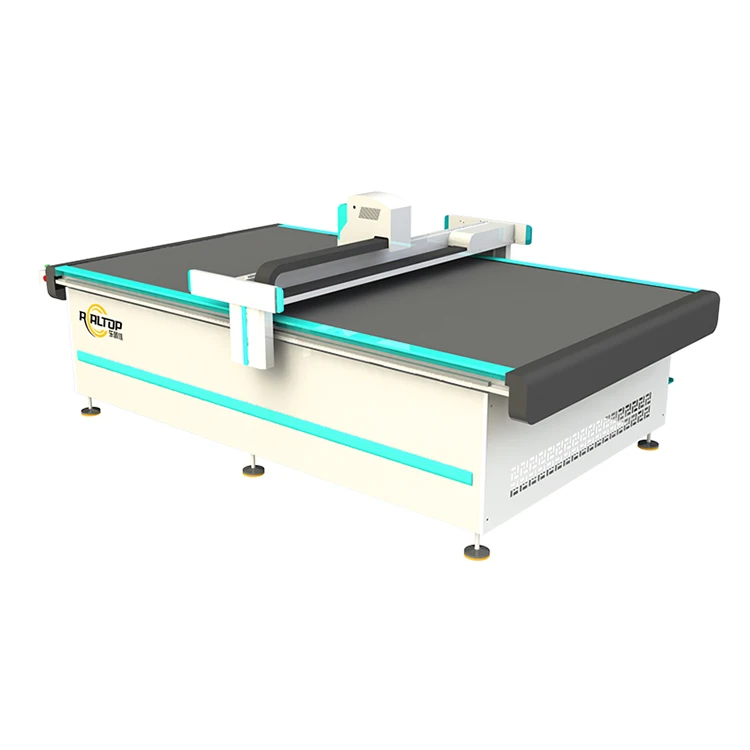
Tool Head Configuration Matched To Material — REALTOP configures the oscillating knife assembly per fabric type and ply count before the RT-D2516/RT-S2516 leaves the factory, rather than shipping a default head and hoping it works on arrival.
Technical Specifications
| Parameter | Value |
|---|---|
| Model | RT-D2516 / RT-S2516 |
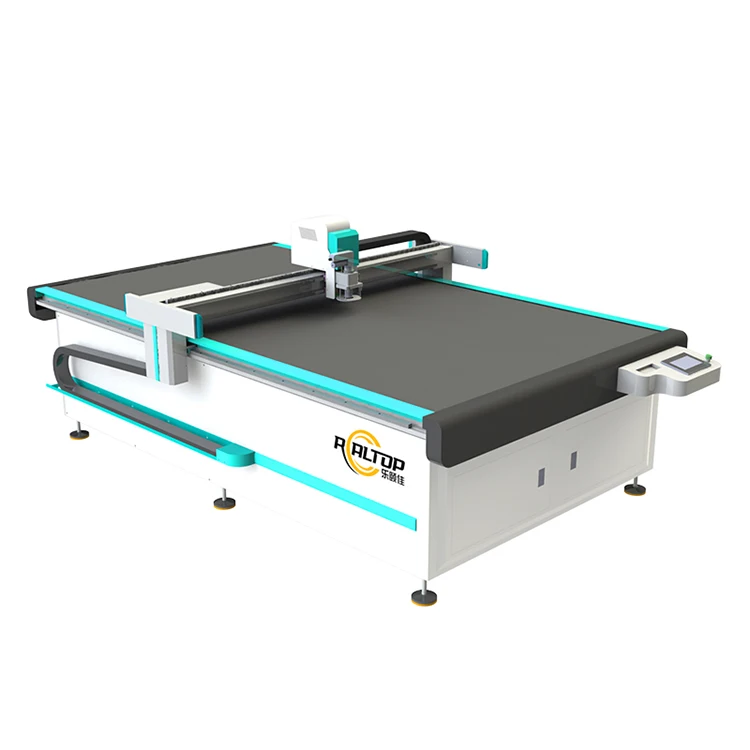
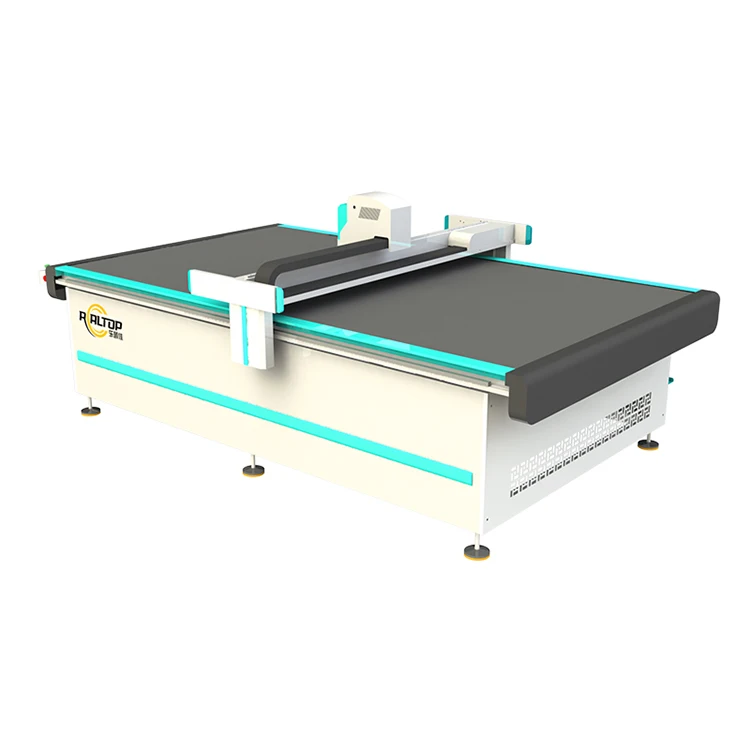
| Product Type | CNC Oscillating Knife Cutting Machine |
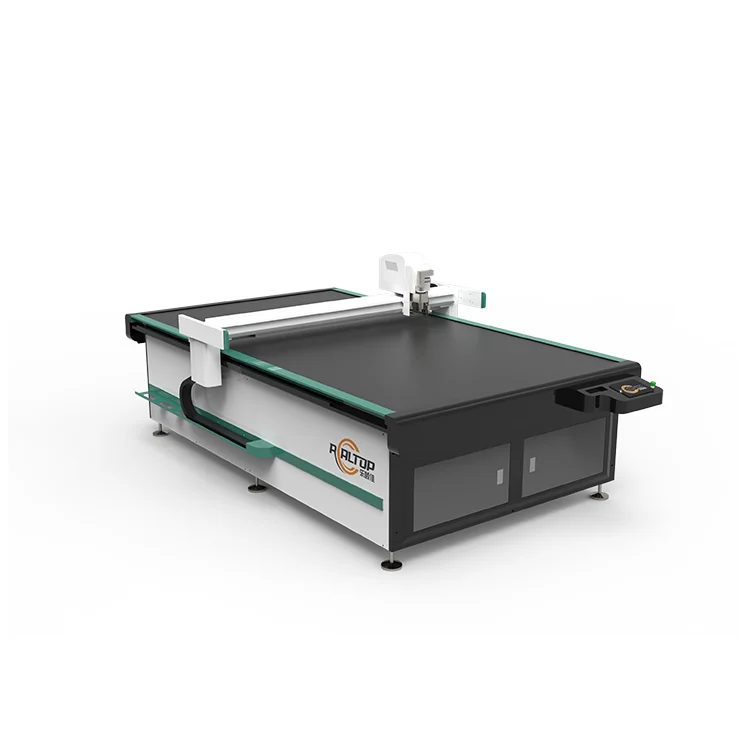
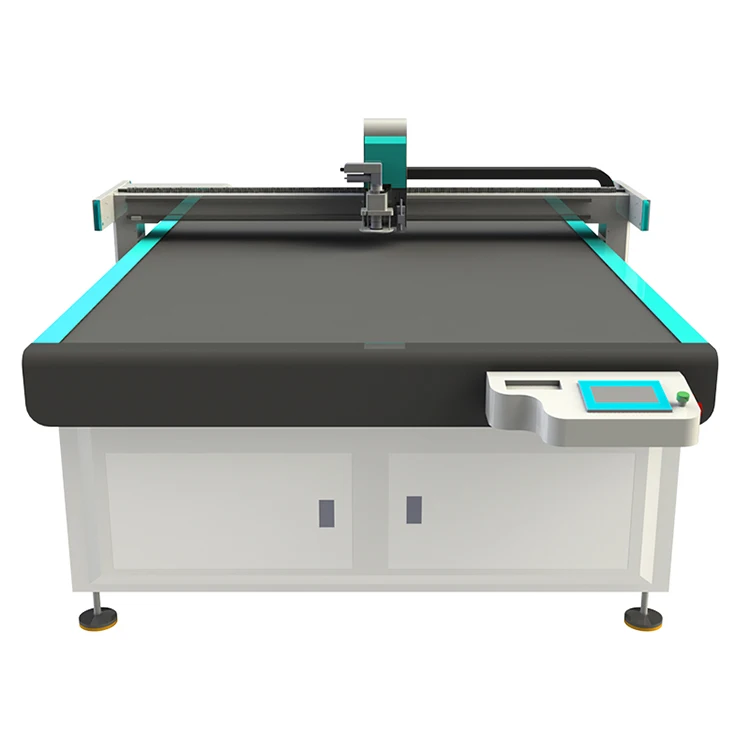
| Working Area | 1600×2500 mm |
| Overall Dimensions (L×W×H) | 3450×2300×1250 mm |
| Rated Power | 9 kW |
| Voltage | 380V ±10% (frequency 50/60 Hz to be confirmed) |
| Table Type | Flat working table with vacuum suction and auto feeding |
| Multifunctional Tool Head | Swiss imported knife with vibration full cutting, vibration half cutting, and cursor location |
| Compatible Tools | Round knife, marking pen, auto feeder |
| Translational Velocity | 800–1200 mm/s |
| Cutting Thickness | ≤50 mm (varies according to different cutting materials) |
| Repeatability | ≤0.1 mm |
| Transmission System | Digital servo motor, linear guide, synchronous belt, ball screw; rack and pinion drive |
| Servo Motor | Panasonic |
| Guide Rail | Taiwan Hiwin |
| Conveyor Belt | Germany imported |
| Vacuum Pump | 7.5 kW |
| Safety Device | Infrared sensors |
| Control / Instruction Format | HP-GL compatible |
| Software Language Options | English, Russian, Italian, Chinese (special languages customizable) |
| Assembly State | Fully assembled |
| Certification | CE |
Application Suitability
| Application | Material or Output |
|---|---|
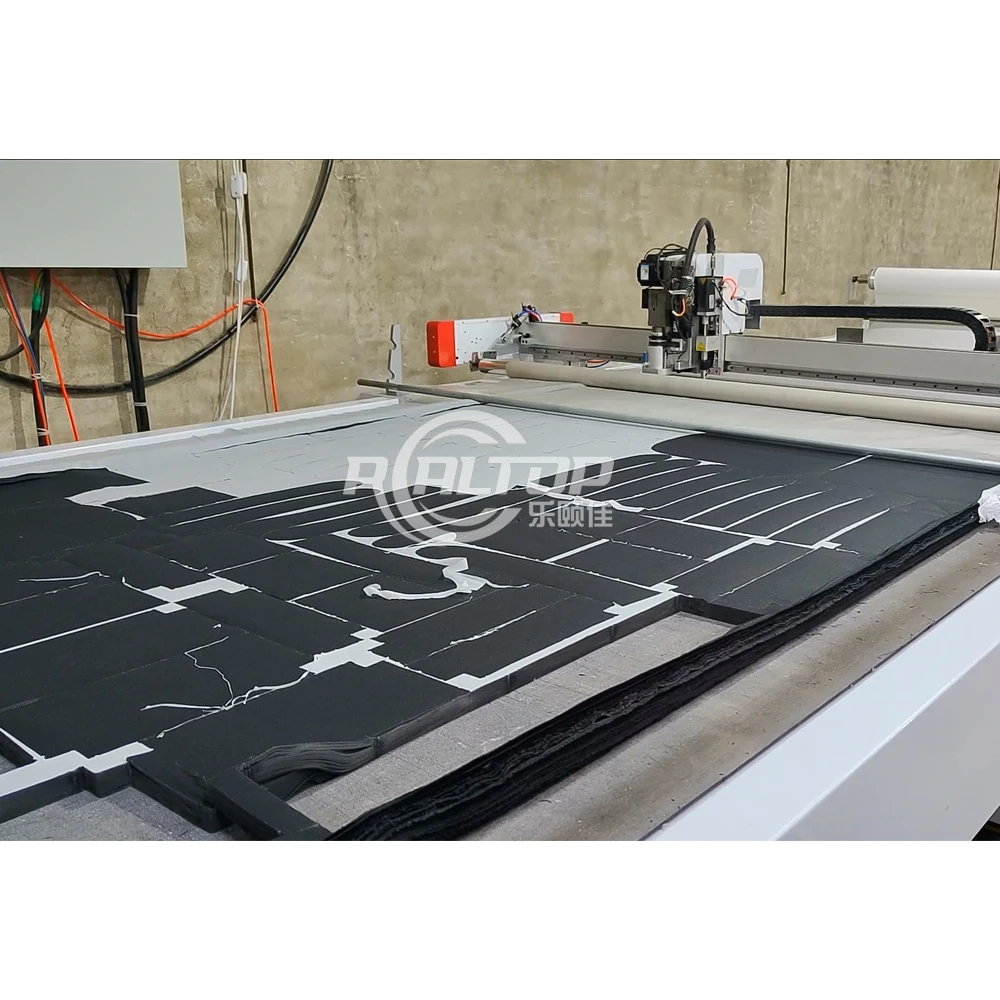
| Garment and fashion fabric cutting | Single-layer and multi-layer woven, knit, and technical textiles |
| Leather and synthetic leather processing | Genuine hides, PU, PVC leather for footwear and bags |
| Automotive interior textiles | Seat covers, headliners, door panel inserts, sponge composite leather |
| Home furnishing textiles | Upholstery fabrics, curtain panels, cushion covers |
| Gasket and seal production | Silicone, rubber, soft glass, and composite sheet materials |
| Packaging sample making | Corrugated board, folding carton stock |
Why "Working Area" Alone Fails at the Cutting Table
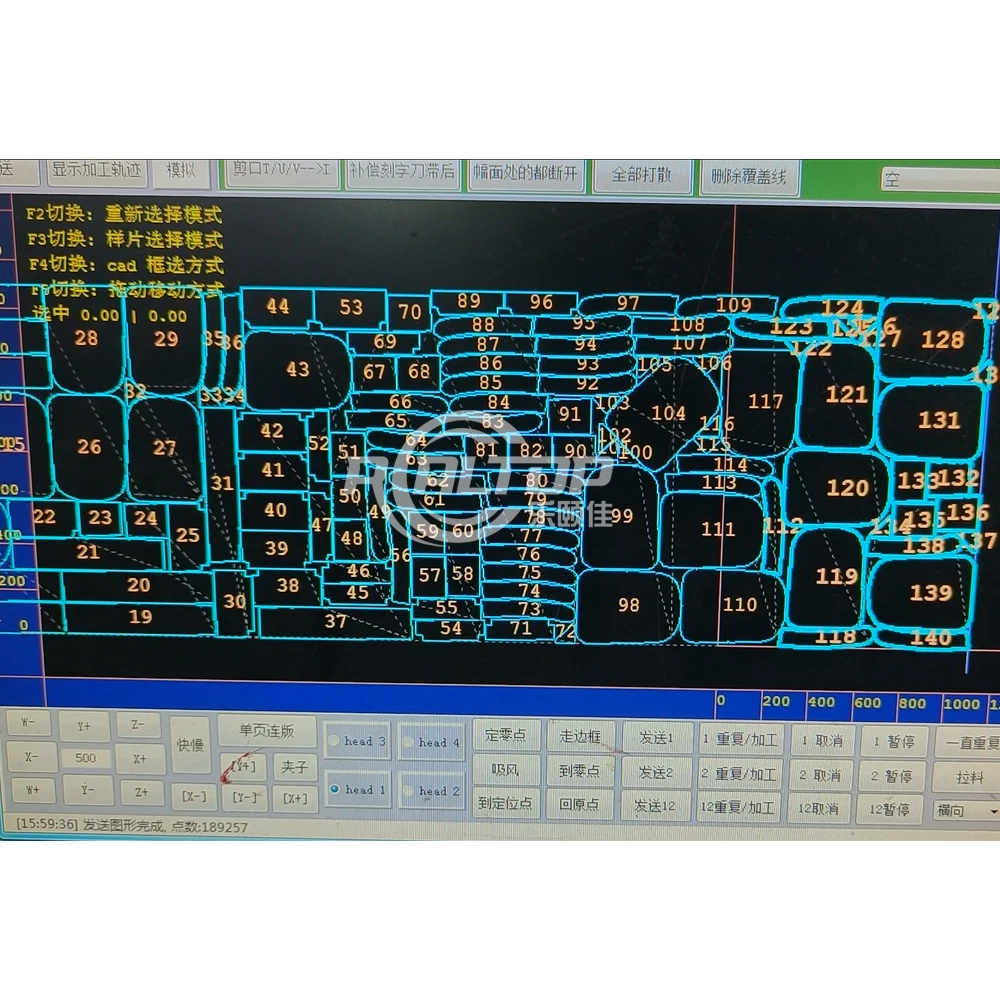
A machine specified on table size alone, then found unable to handle the material thickness at the buyer’s actual ply count — this is one of the most common specification failures in fabric cutting procurement. The RT-D2516/RT-S2516 requires material thickness, ply count, and fabric composition before configuration is locked. Buyers who only quote working area end up with a vacuum table that cannot hold small nested pieces or a knife frequency that drags through high-elasticity blends. A CNC oscillating knife cutting machine manufacturer must confirm these three variables together, not sequentially [NEED_CITE: fabric cutting specification practices across garment and automotive interior sectors].
The translational velocity of 800–1200 mm/s is achievable on standard woven textiles at single or low ply counts. When the material shifts to high-stretch knits, silicone sheets, or sponge composites, the effective cutting speed must drop to maintain edge quality. Buyers evaluating the RT-D2516/RT-S2516 against their daily volume should plan for material-dependent cycle behaviour rather than assuming the maximum translational velocity applies universally across their material range.
Matching Knife Frequency to the Fabric Stack
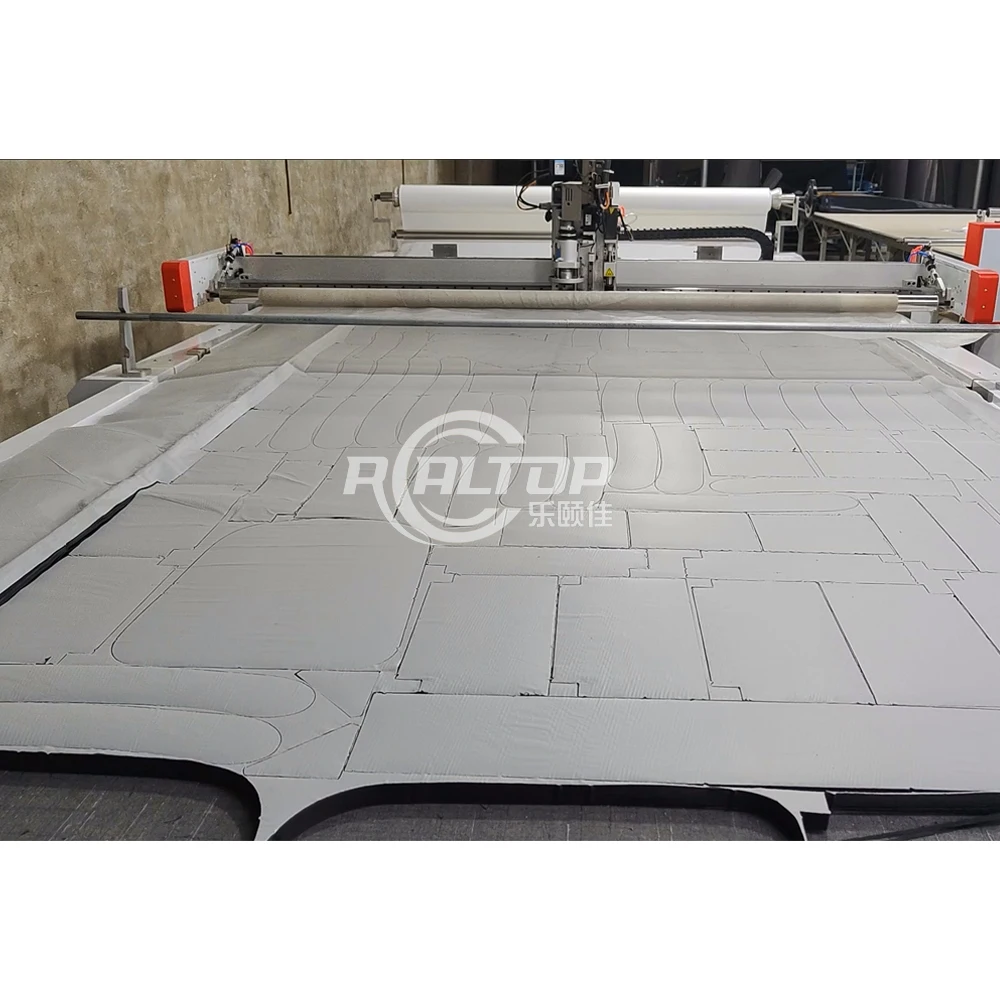
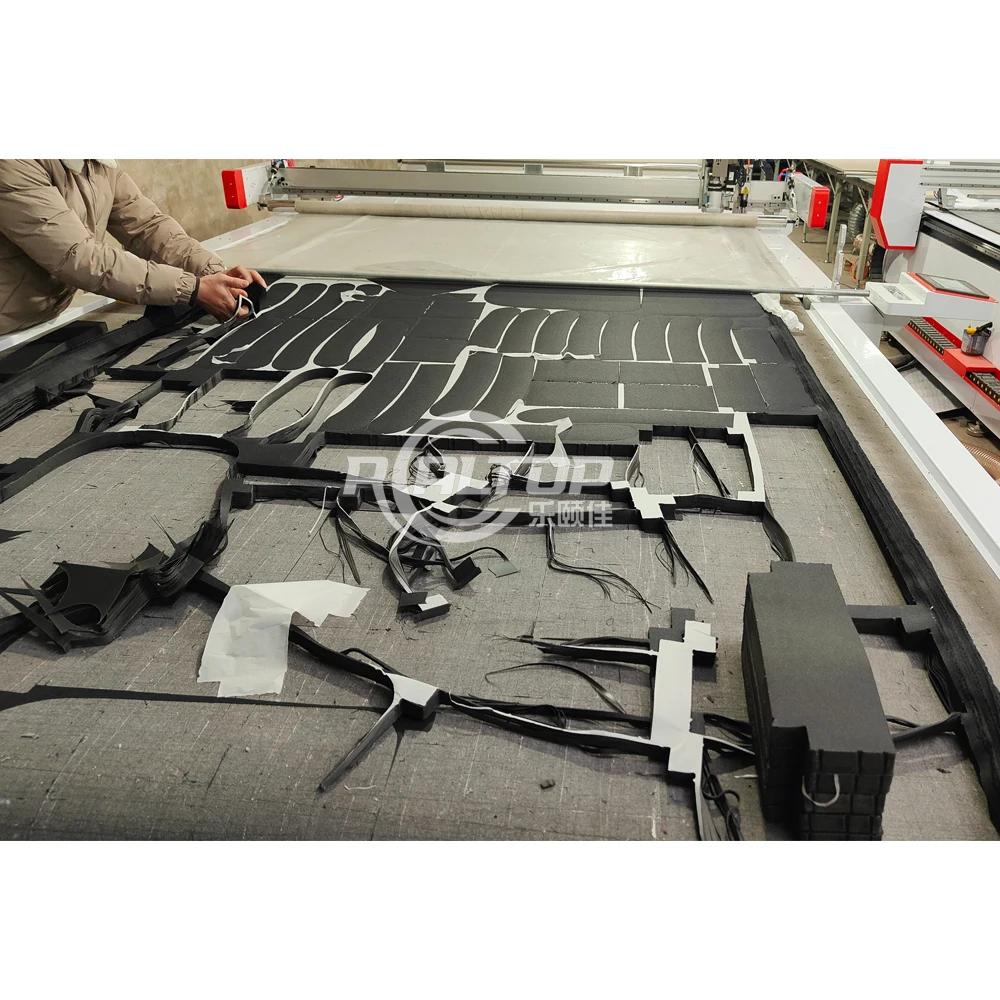
The Swiss imported oscillating knife head on this platform supports full cutting, half cutting, and cursor location within the same tool holder assembly. For garment manufacturers running multi-layer cotton or polyester stacks, full-cut oscillation delivers clean edges through the entire ply depth. For leather or synthetic leather where only a kiss-cut or perforation is needed, the half-cut function preserves the backing layer. The modular tool holder design accepts a round knife, marking pen, and auto feeder as field-swappable tools, so the head assembly itself does not require replacement when production shifts between material categories.
Rack and Pinion Drive Across the 1600×2500 mm Envelope
A synchronous belt drive can introduce positional drift on long-axis travel once the table exceeds roughly two metres. The RT-D2516/RT-S2516 uses a rack and pinion drive combined with Taiwan Hiwin linear guides and Panasonic digital servo motors to maintain ≤0.1 mm repeatability across the full working area [NEED_CITE: linear motion accuracy standards for CNC flatbed cutting tables]. This matters directly when nested patterns on a 1600×2500 mm sheet must register with printed marks or when repeat orders must match earlier production tolerances. A CNC oscillating knife cutting machine manufacturer specifying this drive configuration is addressing the positional accuracy that garment pattern nesting and automotive interior panel cutting both demand at scale.
How Vacuum Zoning and Pump Capacity Interact
The 7.5 kW vacuum pump paired with the flat working table is sized to hold material flat during high-speed knife travel. However, vacuum effectiveness depends on zone configuration relative to the smallest part being cut. When a nesting layout contains small gusset pieces or collar components surrounded by larger panels, insufficient zoning allows the vacuum to pull primarily through the open areas around the part, and the small piece lifts during the knife pass. The auto feeding conveyor system moves material forward for continuous cutting cycles, but the conveyor belt must maintain contact with the vacuum surface throughout the feed stroke. Buyers should request confirmation of how many independent vacuum zones are configured on their table build and whether the zone boundaries align with their typical nesting layouts [NEED_CITE: vacuum table zoning requirements for nested small-part cutting].
What the Specs Mean on the Shop Floor
The 9 kW rated power and separate 7.5 kW vacuum pump mean the RT-D2516/RT-S2516 requires a dedicated circuit capable of supporting the combined draw at 380V ±10%. Voltage must be confirmed against the buyer’s local supply — frequency at 50 or 60 Hz needs explicit verification before shipment, as it affects both servo motor tuning and vacuum pump performance. The HP-GL compatible control format allows integration with nesting software that already outputs in this instruction language, but buyers running proprietary nesting workflows should confirm file import compatibility before the order is finalised. The infrared sensor safety device halts knife motion when an operator crosses the table perimeter, a requirement that aligns with CE machinery directive expectations for industrial cutting equipment. The fully assembled delivery state means the machine arrives ready for power connection and vacuum duct attachment rather than requiring on-site frame assembly, reducing commissioning time at the buyer’s facility.
The Hidden Cost of Skipping a Material Test Run
I once supplied a cutting table to a sportswear producer where the sample ran perfectly on standard polyester. The customer’s actual production material was a high-elasticity spandex blend, and the knife oscillation frequency could not keep pace — an entire roll was pulled and frayed before the line was stopped. That experience shapes how every RT-D2516/RT-S2516 order is handled now: the buyer’s own material runs on the machine before configuration is confirmed. Skipping this step means discovering edge quality problems, ply shifting, or vacuum lift only after the machine is installed and production deadlines are already pressing. A CNC oscillating knife cutting machine manufacturer that will not run the buyer’s material before commitment is asking the buyer to absorb all of the configuration risk [NEED_CITE: material-specific cutting test requirements in industrial procurement].
Why Buyers Cross-Reference the Full Cutting Equipment Range
The RT-D2516/RT-S2516 sits within a complete catalogue that spans both oscillating knife and laser cutting platforms, so buyers can evaluate which method genuinely suits their material rather than forcing one approach across every application. Fabric that frays under knife cutting may seal cleanly under CO2 laser, while thick sponge composites that melt under laser heat cut cleanly with an oscillating knife. In-house design and production covering both technologies means the recommendation is based on material behaviour, not on which machine type the factory happens to specialise in. Tool head and table configuration are specified per material and production volume, with CCD camera positioning available for printed contour work where applicable. Software compatibility is confirmed against the buyer’s existing nesting workflow before the order progresses. Voltage, plug type, and control language are customised to the destination market, and a sample cutting report on the buyer’s own material accompanies the quotation.
Documentation & Verification
- Machine specification sheet confirming RT-D2516/RT-S2516 tool head and vacuum zone configuration
- Electrical schematic with voltage, frequency, and circuit requirements matched to buyer’s supply
- Sample cutting report produced on the buyer’s submitted fabric or composite material
- Factory test record documenting repeatability measurement before dispatch
- Software licence and HP-GL file format compatibility note for the buyer’s nesting workflow
- Spare parts list covering consumable knives, belts, and vacuum seals
Installation, Commissioning & Support
- Dedicated 380V circuit sized for combined 9 kW machine and 7.5 kW vacuum pump load
- Fully assembled delivery — machine requires power connection and vacuum duct attachment only
- First-run parameter setting adjusted to buyer’s confirmed material thickness and type
- Operator training covers tool change between oscillating knife, round knife, and marking pen
- Software language configured to operator preference from available options before training begins
- Consumable knife and vacuum seal inventory included for initial production period
Sending the Right Information With Your Enquiry
To move from catalogue review to a firm configuration, provide the material type, maximum ply count or sheet thickness, and typical sheet dimensions you process daily. Specify your local voltage and frequency supply so the servo motors and vacuum pump are tuned correctly at the factory. Confirm the software language your operators require and whether your current nesting workflow outputs in HP-GL or another instruction format.
Frequently Asked Questions
Q: How do I decide between oscillating knife and laser cutting for my fabric or composite material?
A: The RT-D2516/RT-S2516 handles fabric, leather, sponge composite, and rubber through mechanical knife oscillation, which avoids the thermal edge sealing or melting that a CO2 laser produces. Materials that require a sealed edge, such as certain synthetics, may suit laser cutting better. Running a sample on both platforms using your actual material is the most reliable way to decide.
Q: What cutting thickness can this machine handle across different material types?
A: The specification states up to 50 mm, but achievable thickness depends on material density and compressibility. A dense rubber sheet and a multi-layer fabric stack of the same nominal thickness behave very differently under the knife. Submit your material for a sample cut to confirm the effective depth and edge quality for your specific application.
Q: How does vacuum table zoning affect cutting of small nested pieces?
A: If vacuum zones are larger than the smallest part in your nesting layout, suction pulls through the open areas around the piece and the material lifts during knife travel. Zone configuration should match your typical nesting pattern. Request the table zone diagram and confirm it against your smallest production part before the order is finalised.
Q: Which software file formats are compatible, and can the control language be customised?
A: The control system accepts HP-GL compatible instruction formats. If your nesting software outputs in a different format, compatibility must be verified before shipment. The software interface is available in English, Russian, Italian, and Chinese, with other languages configurable to match your operator requirements.
Q: What test documentation is provided before the machine ships?
A: A sample cutting report produced on your submitted material accompanies the quotation, showing edge quality and cutting behaviour. A factory test record documenting repeatability measurements is completed before dispatch. The electrical schematic confirms voltage and frequency matching to your facility supply.
Tool Head Configuration Matched To Material — REALTOP configures the oscillating knife assembly per fabric type and ply count before the RT-D2516/RT-S2516 leaves the factory, rather than shipping a default head and hoping it works on arrival.
Technical Specifications
| Parameter | Value |
|---|---|
| Model | RT-D2516 / RT-S2516 |
| Product Type | CNC Oscillating Knife Cutting Machine |
| Working Area | 1600×2500 mm |
| Overall Dimensions (L×W×H) | 3450×2300×1250 mm |
| Rated Power | 9 kW |
| Voltage | 380V ±10% (frequency 50/60 Hz to be confirmed) |
| Table Type | Flat working table with vacuum suction and auto feeding |
| Multifunctional Tool Head | Swiss imported knife with vibration full cutting, vibration half cutting, and cursor location |
| Compatible Tools | Round knife, marking pen, auto feeder |
| Translational Velocity | 800–1200 mm/s |
| Cutting Thickness | ≤50 mm (varies according to different cutting materials) |
| Repeatability | ≤0.1 mm |
| Transmission System | Digital servo motor, linear guide, synchronous belt, ball screw; rack and pinion drive |
| Servo Motor | Panasonic |
| Guide Rail | Taiwan Hiwin |
| Conveyor Belt | Germany imported |
| Vacuum Pump | 7.5 kW |
| Safety Device | Infrared sensors |
| Control / Instruction Format | HP-GL compatible |
| Software Language Options | English, Russian, Italian, Chinese (special languages customizable) |
| Assembly State | Fully assembled |
| Certification | CE |
Application Suitability
| Application | Material or Output |
|---|---|
| Garment and fashion fabric cutting | Single-layer and multi-layer woven, knit, and technical textiles |
| Leather and synthetic leather processing | Genuine hides, PU, PVC leather for footwear and bags |
| Automotive interior textiles | Seat covers, headliners, door panel inserts, sponge composite leather |
| Home furnishing textiles | Upholstery fabrics, curtain panels, cushion covers |
| Gasket and seal production | Silicone, rubber, soft glass, and composite sheet materials |
| Packaging sample making | Corrugated board, folding carton stock |
Why "Working Area" Alone Fails at the Cutting Table
A machine specified on table size alone, then found unable to handle the material thickness at the buyer’s actual ply count — this is one of the most common specification failures in fabric cutting procurement. The RT-D2516/RT-S2516 requires material thickness, ply count, and fabric composition before configuration is locked. Buyers who only quote working area end up with a vacuum table that cannot hold small nested pieces or a knife frequency that drags through high-elasticity blends. A CNC oscillating knife cutting machine manufacturer must confirm these three variables together, not sequentially [NEED_CITE: fabric cutting specification practices across garment and automotive interior sectors].
The translational velocity of 800–1200 mm/s is achievable on standard woven textiles at single or low ply counts. When the material shifts to high-stretch knits, silicone sheets, or sponge composites, the effective cutting speed must drop to maintain edge quality. Buyers evaluating the RT-D2516/RT-S2516 against their daily volume should plan for material-dependent cycle behaviour rather than assuming the maximum translational velocity applies universally across their material range.
Matching Knife Frequency to the Fabric Stack
The Swiss imported oscillating knife head on this platform supports full cutting, half cutting, and cursor location within the same tool holder assembly. For garment manufacturers running multi-layer cotton or polyester stacks, full-cut oscillation delivers clean edges through the entire ply depth. For leather or synthetic leather where only a kiss-cut or perforation is needed, the half-cut function preserves the backing layer. The modular tool holder design accepts a round knife, marking pen, and auto feeder as field-swappable tools, so the head assembly itself does not require replacement when production shifts between material categories.
Rack and Pinion Drive Across the 1600×2500 mm Envelope
A synchronous belt drive can introduce positional drift on long-axis travel once the table exceeds roughly two metres. The RT-D2516/RT-S2516 uses a rack and pinion drive combined with Taiwan Hiwin linear guides and Panasonic digital servo motors to maintain ≤0.1 mm repeatability across the full working area [NEED_CITE: linear motion accuracy standards for CNC flatbed cutting tables]. This matters directly when nested patterns on a 1600×2500 mm sheet must register with printed marks or when repeat orders must match earlier production tolerances. A CNC oscillating knife cutting machine manufacturer specifying this drive configuration is addressing the positional accuracy that garment pattern nesting and automotive interior panel cutting both demand at scale.
How Vacuum Zoning and Pump Capacity Interact
The 7.5 kW vacuum pump paired with the flat working table is sized to hold material flat during high-speed knife travel. However, vacuum effectiveness depends on zone configuration relative to the smallest part being cut. When a nesting layout contains small gusset pieces or collar components surrounded by larger panels, insufficient zoning allows the vacuum to pull primarily through the open areas around the part, and the small piece lifts during the knife pass. The auto feeding conveyor system moves material forward for continuous cutting cycles, but the conveyor belt must maintain contact with the vacuum surface throughout the feed stroke. Buyers should request confirmation of how many independent vacuum zones are configured on their table build and whether the zone boundaries align with their typical nesting layouts [NEED_CITE: vacuum table zoning requirements for nested small-part cutting].
What the Specs Mean on the Shop Floor
The 9 kW rated power and separate 7.5 kW vacuum pump mean the RT-D2516/RT-S2516 requires a dedicated circuit capable of supporting the combined draw at 380V ±10%. Voltage must be confirmed against the buyer’s local supply — frequency at 50 or 60 Hz needs explicit verification before shipment, as it affects both servo motor tuning and vacuum pump performance. The HP-GL compatible control format allows integration with nesting software that already outputs in this instruction language, but buyers running proprietary nesting workflows should confirm file import compatibility before the order is finalised. The infrared sensor safety device halts knife motion when an operator crosses the table perimeter, a requirement that aligns with CE machinery directive expectations for industrial cutting equipment. The fully assembled delivery state means the machine arrives ready for power connection and vacuum duct attachment rather than requiring on-site frame assembly, reducing commissioning time at the buyer’s facility.
The Hidden Cost of Skipping a Material Test Run
I once supplied a cutting table to a sportswear producer where the sample ran perfectly on standard polyester. The customer’s actual production material was a high-elasticity spandex blend, and the knife oscillation frequency could not keep pace — an entire roll was pulled and frayed before the line was stopped. That experience shapes how every RT-D2516/RT-S2516 order is handled now: the buyer’s own material runs on the machine before configuration is confirmed. Skipping this step means discovering edge quality problems, ply shifting, or vacuum lift only after the machine is installed and production deadlines are already pressing. A CNC oscillating knife cutting machine manufacturer that will not run the buyer’s material before commitment is asking the buyer to absorb all of the configuration risk [NEED_CITE: material-specific cutting test requirements in industrial procurement].
Why Buyers Cross-Reference the Full Cutting Equipment Range
The RT-D2516/RT-S2516 sits within a complete catalogue that spans both oscillating knife and laser cutting platforms, so buyers can evaluate which method genuinely suits their material rather than forcing one approach across every application. Fabric that frays under knife cutting may seal cleanly under CO2 laser, while thick sponge composites that melt under laser heat cut cleanly with an oscillating knife. In-house design and production covering both technologies means the recommendation is based on material behaviour, not on which machine type the factory happens to specialise in. Tool head and table configuration are specified per material and production volume, with CCD camera positioning available for printed contour work where applicable. Software compatibility is confirmed against the buyer’s existing nesting workflow before the order progresses. Voltage, plug type, and control language are customised to the destination market, and a sample cutting report on the buyer’s own material accompanies the quotation.
Documentation & Verification
- Machine specification sheet confirming RT-D2516/RT-S2516 tool head and vacuum zone configuration
- Electrical schematic with voltage, frequency, and circuit requirements matched to buyer’s supply
- Sample cutting report produced on the buyer’s submitted fabric or composite material
- Factory test record documenting repeatability measurement before dispatch
- Software licence and HP-GL file format compatibility note for the buyer’s nesting workflow
- Spare parts list covering consumable knives, belts, and vacuum seals
Installation, Commissioning & Support
- Dedicated 380V circuit sized for combined 9 kW machine and 7.5 kW vacuum pump load
- Fully assembled delivery — machine requires power connection and vacuum duct attachment only
- First-run parameter setting adjusted to buyer’s confirmed material thickness and type
- Operator training covers tool change between oscillating knife, round knife, and marking pen
- Software language configured to operator preference from available options before training begins
- Consumable knife and vacuum seal inventory included for initial production period
Sending the Right Information With Your Enquiry
To move from catalogue review to a firm configuration, provide the material type, maximum ply count or sheet thickness, and typical sheet dimensions you process daily. Specify your local voltage and frequency supply so the servo motors and vacuum pump are tuned correctly at the factory. Confirm the software language your operators require and whether your current nesting workflow outputs in HP-GL or another instruction format.
Frequently Asked Questions
Q: How do I decide between oscillating knife and laser cutting for my fabric or composite material?
A: The RT-D2516/RT-S2516 handles fabric, leather, sponge composite, and rubber through mechanical knife oscillation, which avoids the thermal edge sealing or melting that a CO2 laser produces. Materials that require a sealed edge, such as certain synthetics, may suit laser cutting better. Running a sample on both platforms using your actual material is the most reliable way to decide.
Q: What cutting thickness can this machine handle across different material types?
A: The specification states up to 50 mm, but achievable thickness depends on material density and compressibility. A dense rubber sheet and a multi-layer fabric stack of the same nominal thickness behave very differently under the knife. Submit your material for a sample cut to confirm the effective depth and edge quality for your specific application.
Q: How does vacuum table zoning affect cutting of small nested pieces?
A: If vacuum zones are larger than the smallest part in your nesting layout, suction pulls through the open areas around the piece and the material lifts during knife travel. Zone configuration should match your typical nesting pattern. Request the table zone diagram and confirm it against your smallest production part before the order is finalised.
Q: Which software file formats are compatible, and can the control language be customised?
A: The control system accepts HP-GL compatible instruction formats. If your nesting software outputs in a different format, compatibility must be verified before shipment. The software interface is available in English, Russian, Italian, and Chinese, with other languages configurable to match your operator requirements.
Q: What test documentation is provided before the machine ships?
A: A sample cutting report produced on your submitted material accompanies the quotation, showing edge quality and cutting behaviour. A factory test record documenting repeatability measurements is completed before dispatch. The electrical schematic confirms voltage and frequency matching to your facility supply.
商品评价
There are no reviews yet.