

Fast Delivery
Quick, reliable shipping to any location.

Free & easy returns
Return this item by mail or in store within 90 days for a full refund.
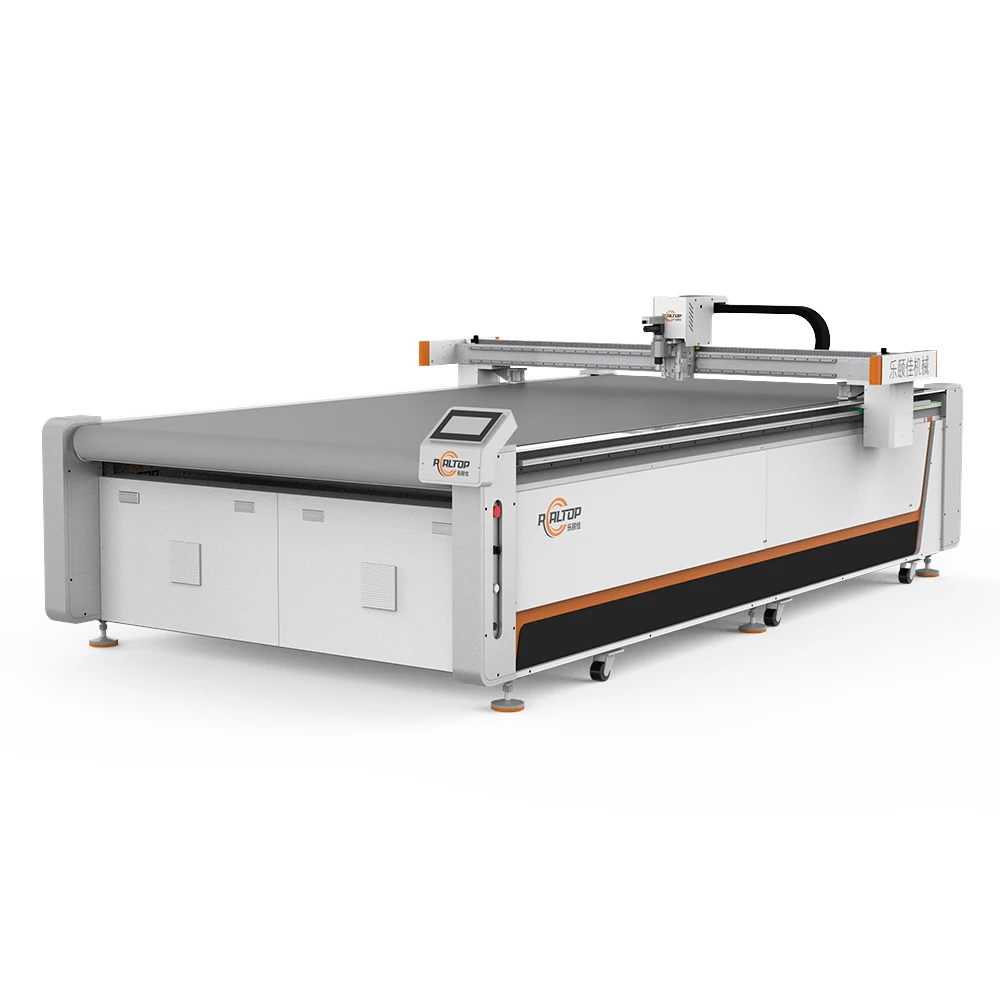
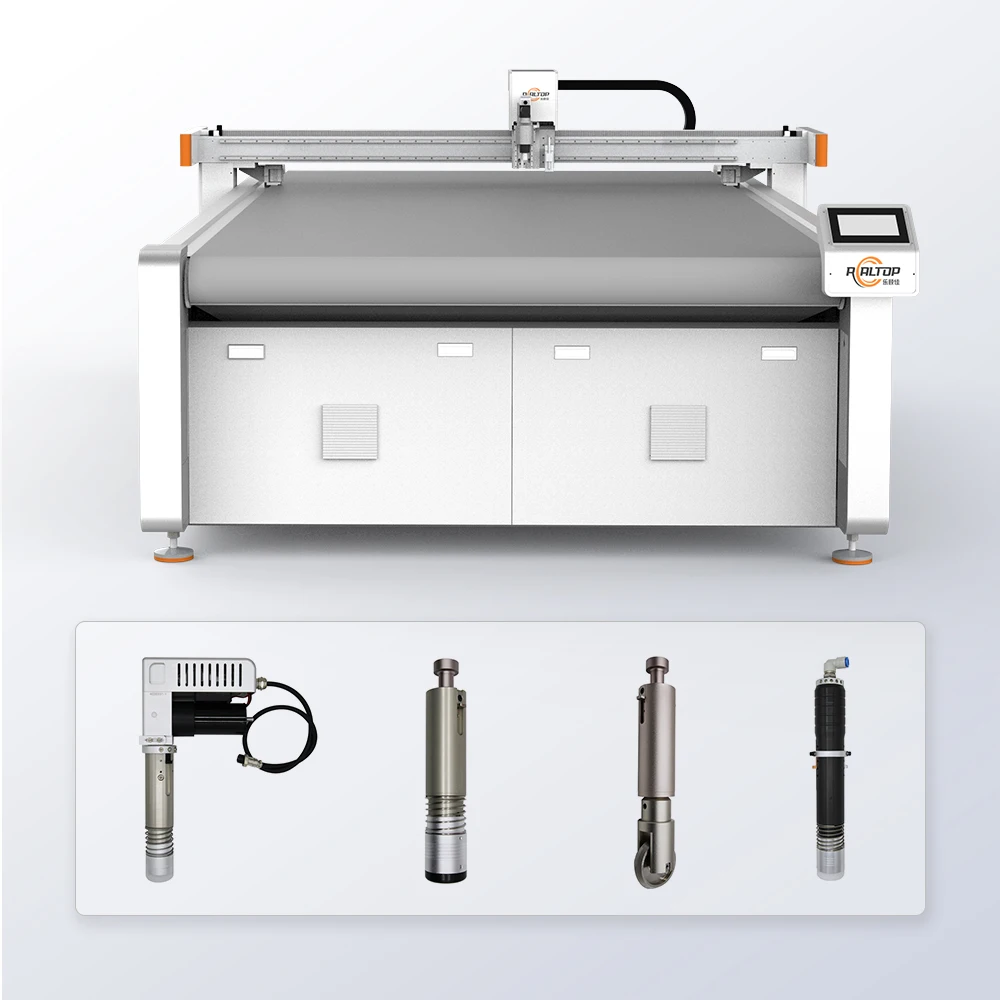
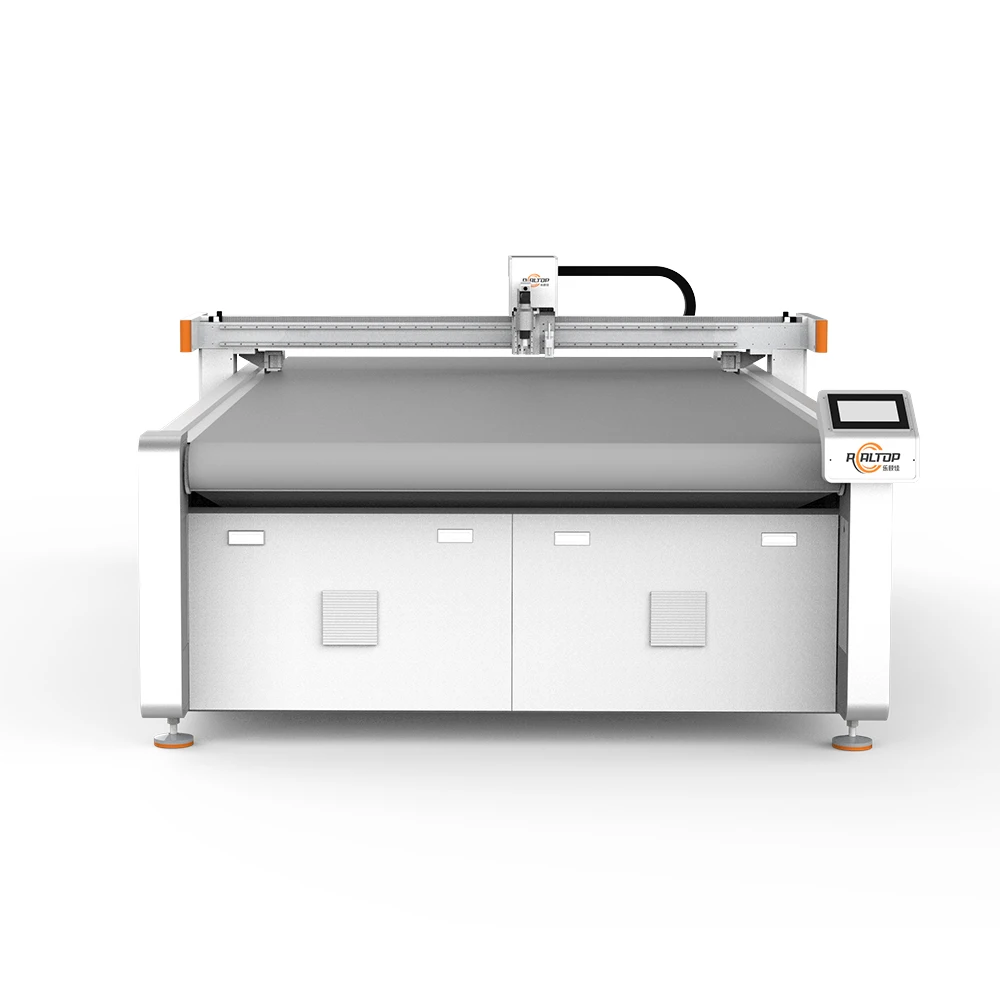
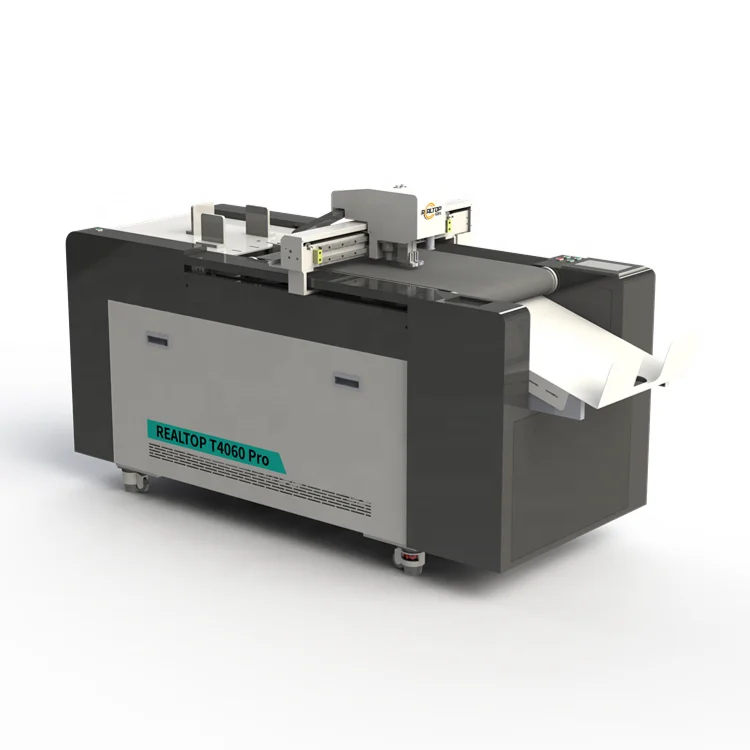
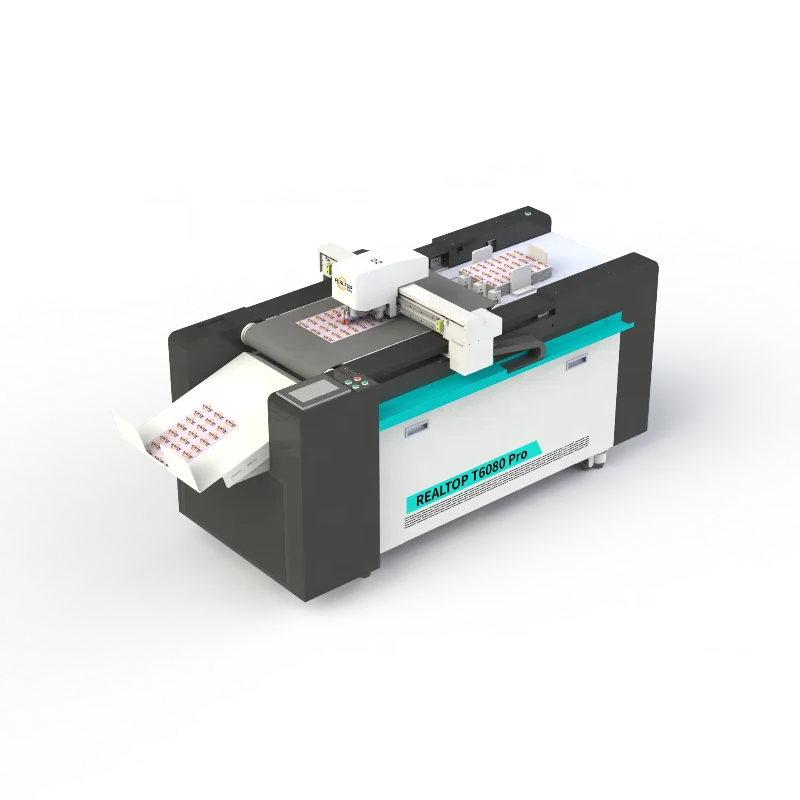
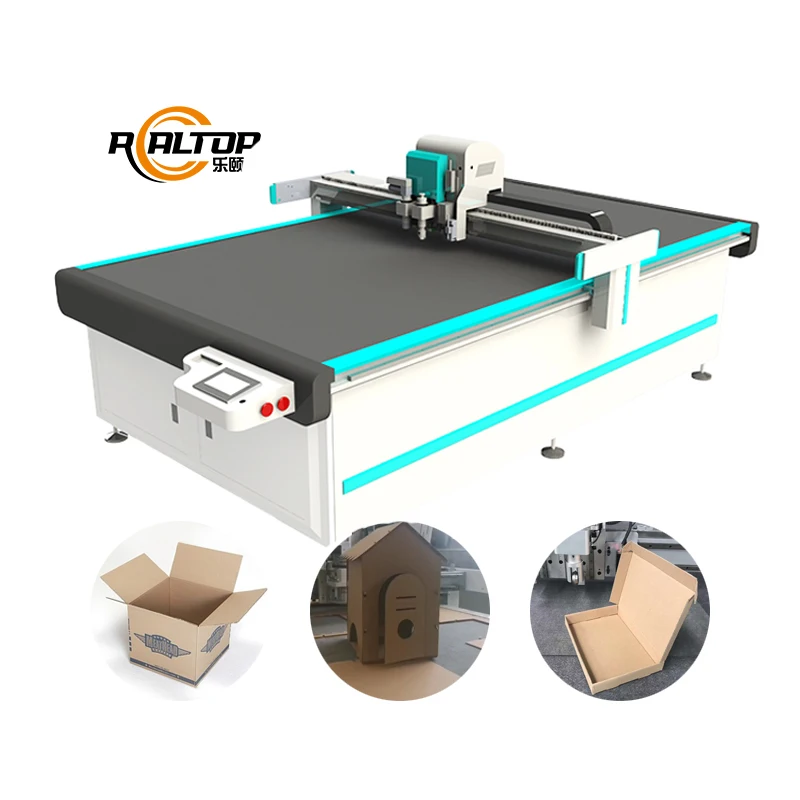
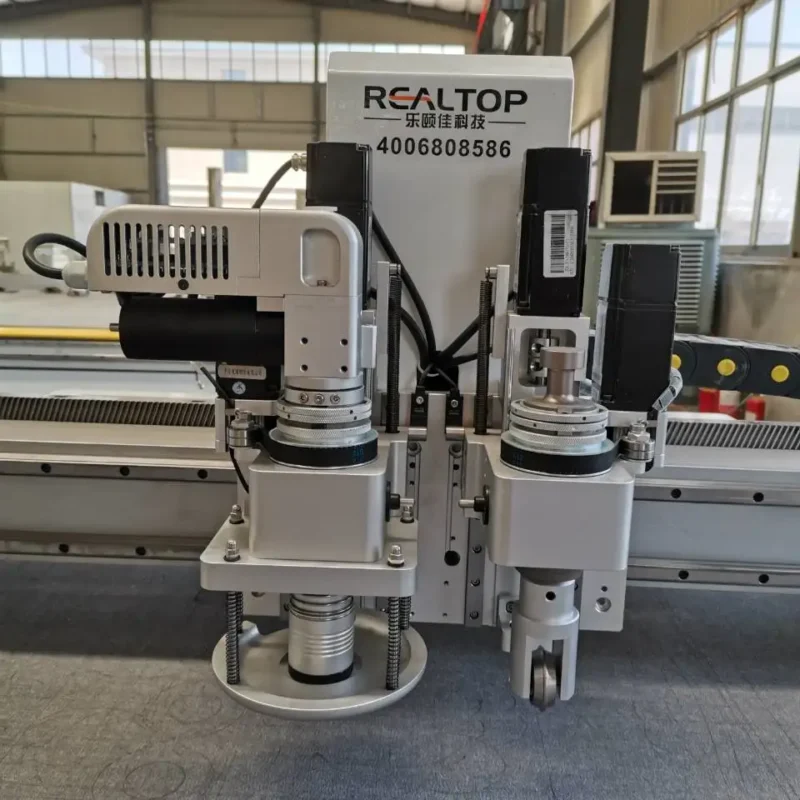
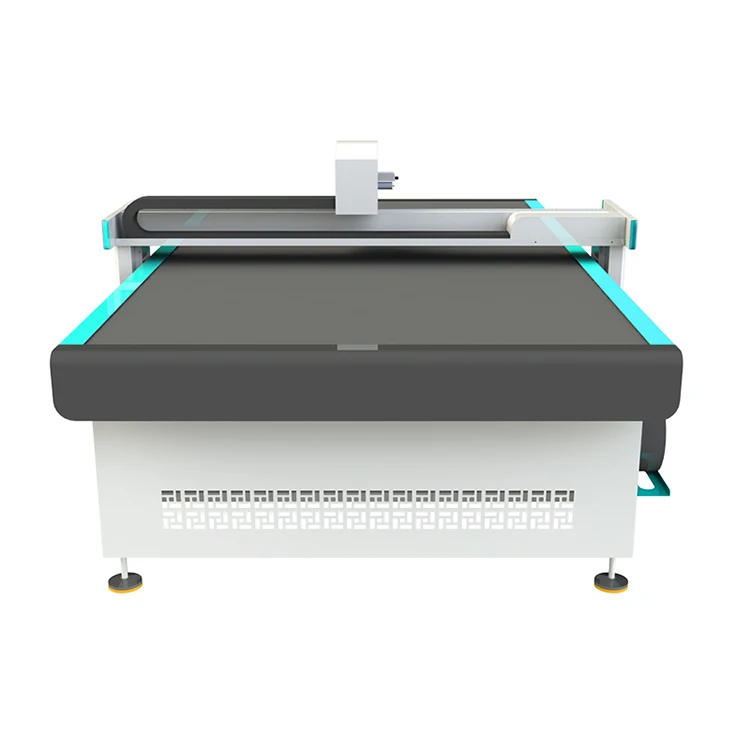
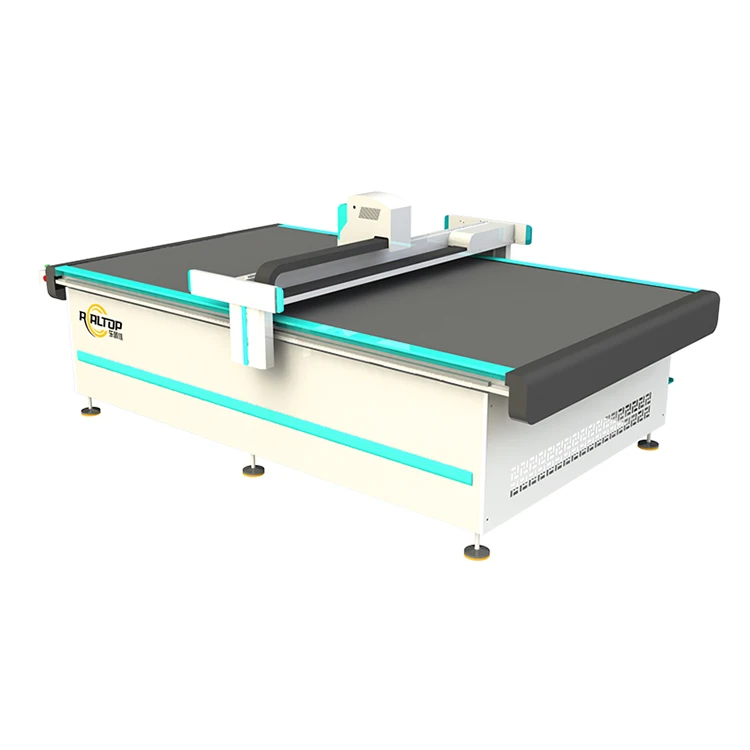
Tool-Head Versatility — This platform supports oscillating knife, drag knife, creasing wheel, and punching heads on one bed, so buyers can configure the system for each material instead of forcing a single cutting method across incompatible jobs.
Technical Specifications
| Parameter | Value |
|---|---|
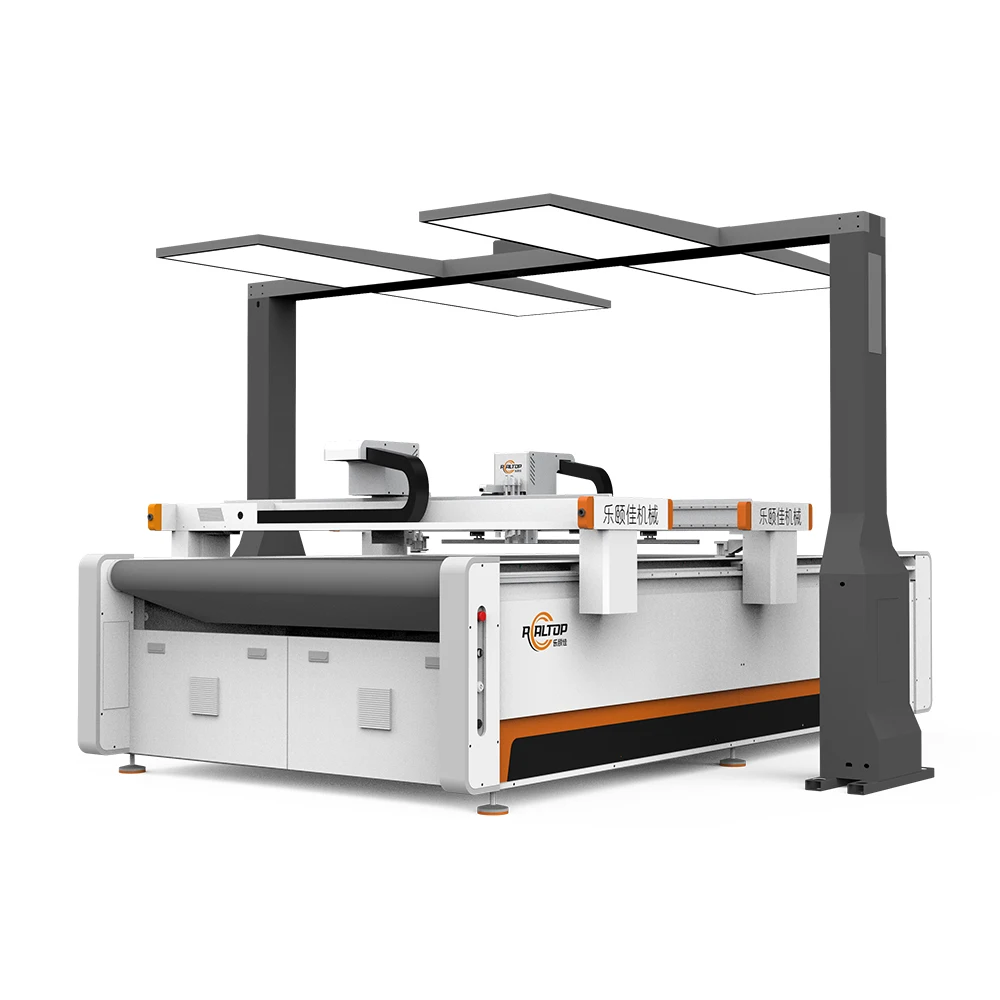
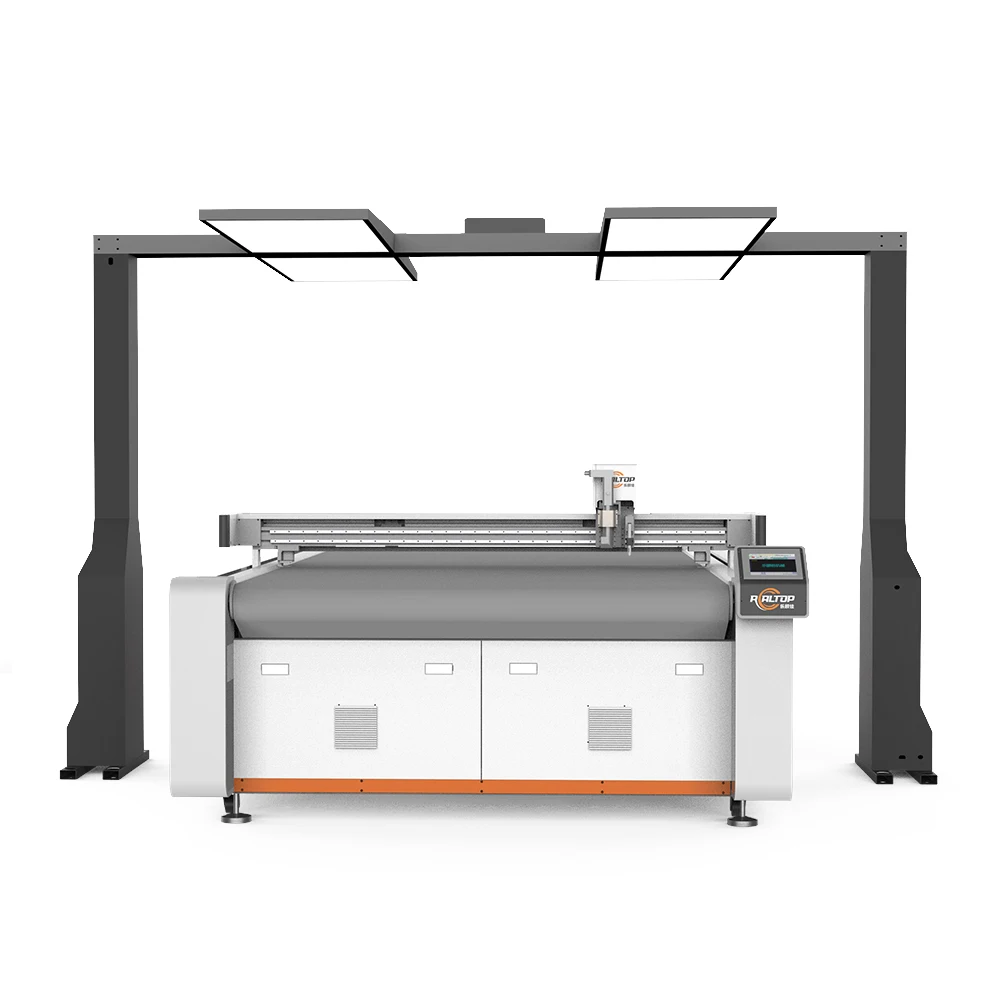
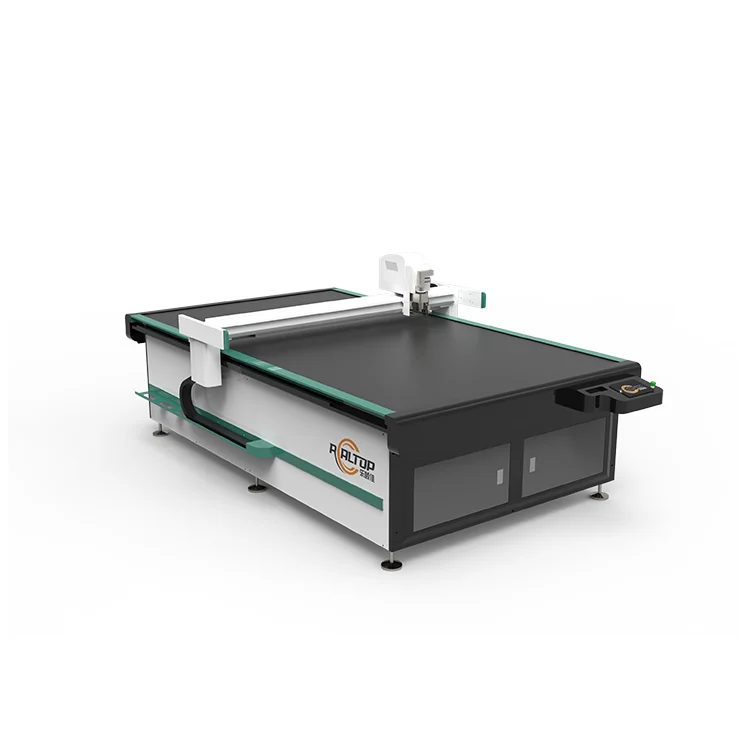
| Product Type | CNC Oscillating Knife Cutting Machine |
| Model | RT-D2516/RT-S2516 |
| Working Area | 1600 × 2500 mm |
| Machine Size | 3450 × 2300 × 1250 mm |
| Rated Power | 9 kW |
| Vacuum Pump | 7.5 kW |
| Voltage | 380V ±10% (frequency to be confirmed) |
| Control System | CNC with HP-GL compatible format |
| Translation Velocity | 800 – 1200 mm/s |
| Cutting Thickness | 20 – 80 mm (basis to be confirmed for each material) |
| Repeated Accuracy | ≤ 0.1 mm |
| Servo Motor | Delta digital servo motor |
| Linear Guide | Taiwan Hiwin rail |
| Transmission | Synchronous belt and ball screw |
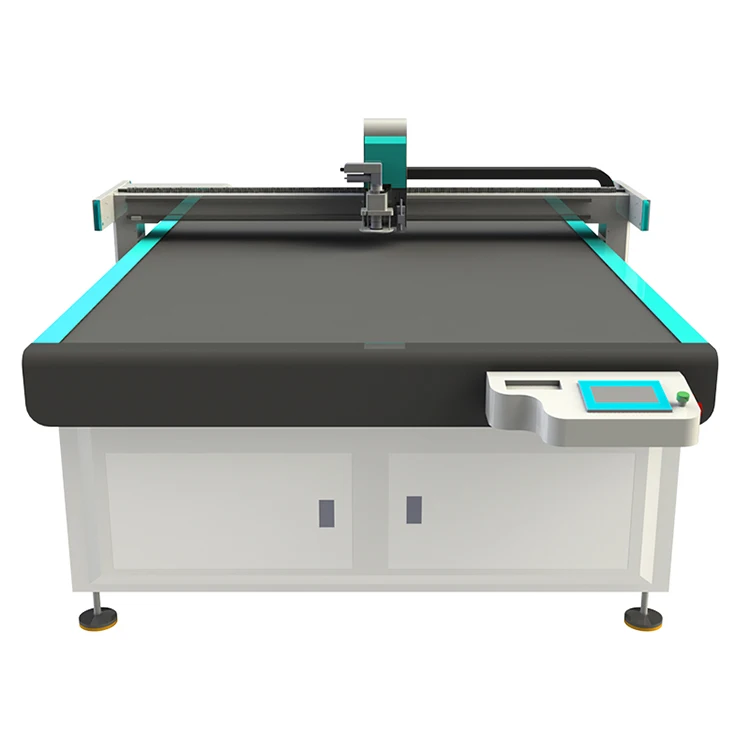
| Tool Heads | Multifunctional: oscillating knife, pneumatic knife, high-power vibrating knife, circular knife, V-cutting knife, drag knife, creasing wheel, dotted line knife, punching, brush |
| Vision System | Small CCD mark-point positioning, panoramic camera recognition, projection positioning (all optional) |
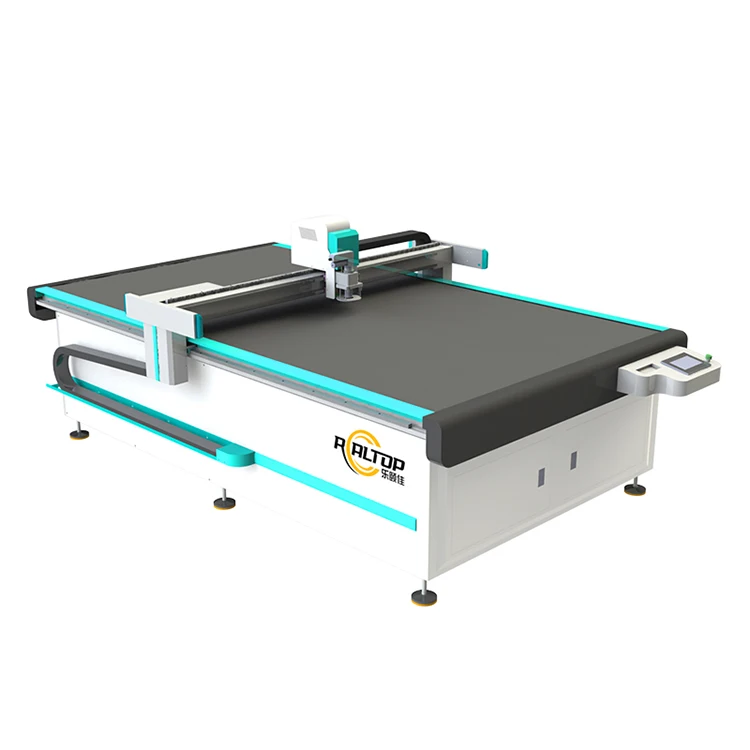
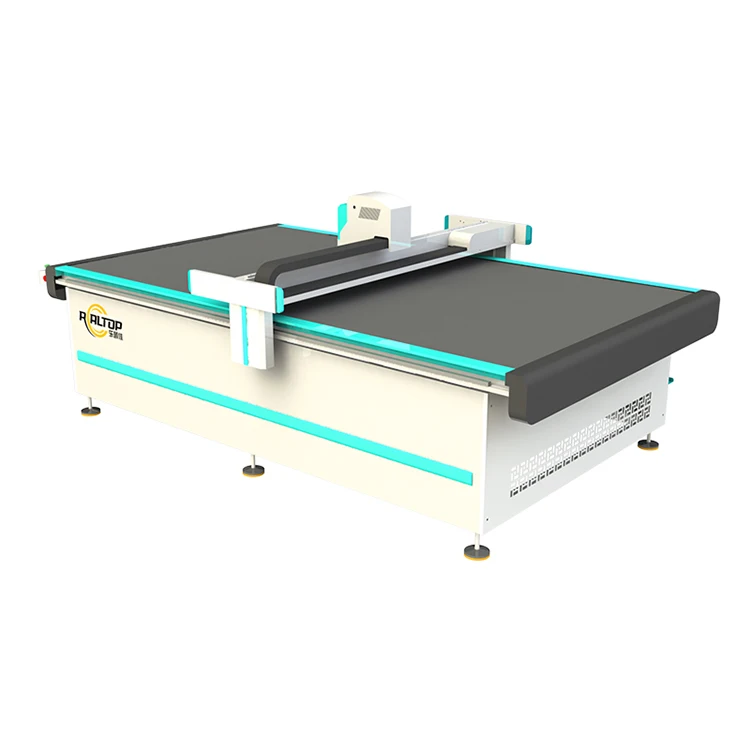
| Working Table | Flat vacuum table, aluminum alloy adsorption, Germany imported conveyor belt |
| Feeding System | Automatic pulling and receiving |
| Safety Device | Infrared sensors |
| Software | Self-developed; one-click import; pattern modules for carton, car foot pad, seat sleeve, clothing fabric |
| Language Options | English, Russian, Italian, Chinese; special languages customizable |
Application Suitability
| Application | Material or Output |
|---|---|
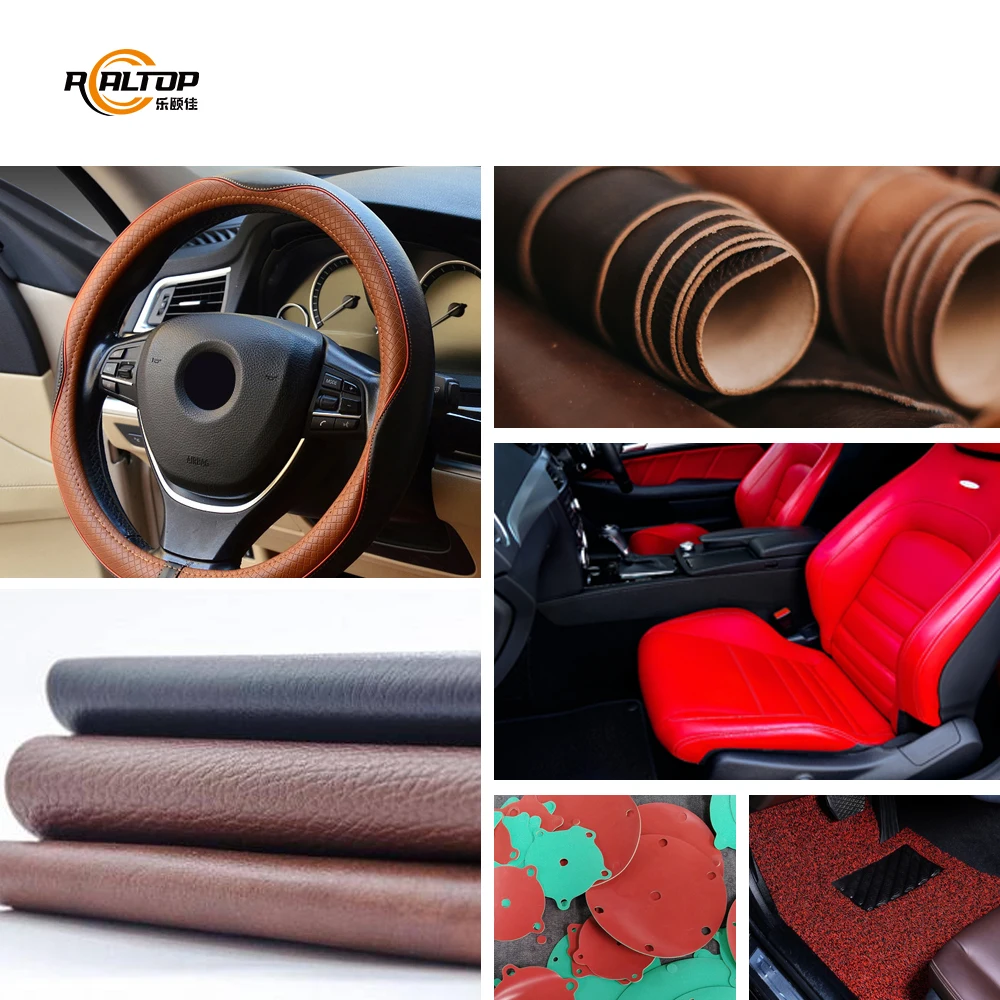
| Shoe upper cutting | Natural leather, synthetic PU, sponge composite leather |
| Garment and textile production | Fabric, non-woven fabric, clothing cloth, carpet |
| Automotive interior fabrication | Car foot pad, seat sleeve, carpet, foam, sealing pads |
| Packaging and carton sample making | Cardboard, corrugated cardboard, plastic box |
| Bags and luggage manufacturing | Luggage material, PU, PVC, composite materials |
| Composite material processing | XPE, EVA, PTFE, ETFE, fiberglass, rubber sheets |
| Soft furnishing and mat production | Sponge, soft glass, silicon, floor mats |
What "20–80 mm Thickness" Actually Means on the Shop Floor
The thickness range only holds when the right tool head is matched to the specific material density.
A cutting depth specification without the material qualifier can mislead. I watched a buyer in Foshan accept a thickness claim at face value, then discover that 80 mm applied to low-density foam — the same machine struggled at 30 mm on a dense rubber gasket compound. The multifunctional tool head on the RT-D2516/RT-S2516 addresses this by letting operators switch between an oscillating knife for soft materials and a high-power vibrating knife for tougher compounds, but the match must be confirmed before the order. [NEED_CITE: material density versus oscillating knife penetration depth].
Choosing the Cutting Method Before Choosing the Machine
This CNC knife cutting machine manufacturer offers both oscillating knife and laser platforms so that the method follows the material, not the other way around. Leather uppers, multi-layer textiles, and foam composites each respond differently to mechanical versus thermal cutting — edge sealing matters on synthetics, while natural leather demands a clean mechanical shear.
The Full Equipment Range at a Glance
From compact single-head knife tables to large-format multi-head systems with automatic feeding, the catalogue spans footwear, garment, automotive, packaging, and composite fabrication. Each configuration tier lists tool head options, vacuum zoning layout, and available vision systems side by side, giving buyers a clear map of which machine family handles their sheet format and volume. [NEED_CITE: CNC digital cutting equipment selection methodology].
Reading the Specs That Matter in Production
Translation velocity of 800–1200 mm/s governs non-cutting travel, but actual throughput depends on contour complexity and the chosen tool head. The Delta servo motor and Taiwan Hiwin linear guide hold repeated accuracy within 0.1 mm, which keeps nested shoe upper patterns dimensionally consistent across a full 1600 × 2500 mm bed. The 7.5 kW vacuum pump paired with the aluminum alloy adsorption table secures flexible leather and fabric without edge lift, while optional panoramic camera recognition tracks printed registration marks for contour cuts on pre-printed carton or textile.
The Cost of Ignoring Vacuum Zoning
When a flat table has only one vacuum zone, small parts near the edge lose suction and shift mid-cut, producing scrap. Buyers sourcing for gasket or shoe upper production — where nesting yields many small pieces — should verify zone count and valve layout against their typical nest pattern. A single-zone table may look adequate on paper yet generate noticeable waste during continuous runs. [NEED_CITE: vacuum table zoning effect on small-part cutting accuracy].
Why Buyers Source from This Manufacturer
In-house design covers both knife and laser cutting technologies, so a buyer can receive a single recommendation matched to material rather than being sold whichever method the supplier happens to build. Tool head and table configurations are specified per material sample and daily volume. CCD camera positioning is validated against the buyer’s actual printed media before order confirmation. Software file format compatibility — from common CAD exports to HP-GL — is confirmed in writing. Voltage, control language, and plug type are locked in before production starts, avoiding field rewiring.
Documentation & Verification
- Machine specification sheet listing every installed tool head and vacuum zone configuration
- Sample cutting report run on your exact leather or composite material with edge-quality photographs
- Electrical schematic confirming 380V ±10% wiring and frequency for the destination market
- Software licence with file format compatibility note covering your existing nesting workflow
- Factory test record documenting repeated accuracy measurements before crate sealing
- Packing photographs showing machine securing and tool head protection
Installation, Commissioning & Support
- Foundation must support the 3450 × 2300 × 1250 mm footprint with level tolerance for the Hiwin rail alignment
- Dedicated 380V ±10% circuit rated for the combined 9 kW machine and 7.5 kW vacuum pump draw
- Machine ships fully assembled; confirm doorway and overhead clearance before delivery day
- First-run parameter tuning covers servo gain, vacuum zoning, and oscillating knife frequency per material
- Operator training addresses tool head changeover, CCD mark-point teaching, and nesting import workflow
- Spare parts list includes Swiss knife blades, conveyor belt segments, and infrared sensor units
Preparing Your Inquiry
Send the actual material type, maximum thickness, and typical sheet dimensions so the correct tool head and vacuum zone layout can be specified. Note your daily volume and whether rolls or flat sheets enter the machine. Confirm the local voltage, frequency, and preferred control language to prevent post-shipment rework.
Frequently Asked Questions
Q: How do I decide between a knife head and a laser for my material?
A: Mechanical knife cutting suits leather, foam, textiles, and composites where a sheared or oscillated edge is required and thermal sealing is unwanted. Laser cutting is chosen for acrylic, wood, and certain synthetics where edge sealing prevents fraying. Submit a sample and the recommended method is confirmed with a test cut report.
Q: Which bed size should I select for my sheet format?
A: The 1600 × 2500 mm working area accommodates most standard leather hides, fabric rolls, and carton sheets. If your raw material arrives in wider rolls or larger rigid panels, a bigger format is available. Provide your sheet dimensions and nesting layout so the correct size is matched.
Q: What tool head combination do I need for mixed-material production?
A: The multifunctional head accepts oscillating knife, drag knife, creasing wheel, punching, and other tools on a single carriage. For a shoe factory cutting leather uppers and foam insoles, an oscillating knife paired with a punching tool may cover both jobs. Confirm the material stack-up and the supplier will list the exact tool set.
Q: How is voltage and language handled for export orders?
A: The default electrical specification is 380V ±10%, but frequency and plug type must be confirmed for each destination. Control software supports English, Russian, Italian, and Chinese, with additional languages configurable. These details are locked in during the specification confirmation stage before production.
Q: Can the vision system keep up at production speed on printed materials?
A: The optional panoramic camera and CCD mark-point positioning are designed for contour recognition on pre-printed carton, textile, and sticker media. Camera capability depends on mark contrast and print quality, so a sample run at target feed rate is performed before the system is approved for your workflow.
Tool-Head Versatility — This platform supports oscillating knife, drag knife, creasing wheel, and punching heads on one bed, so buyers can configure the system for each material instead of forcing a single cutting method across incompatible jobs.
Technical Specifications
| Parameter | Value |
|---|---|
| Product Type | CNC Oscillating Knife Cutting Machine |
| Model | RT-D2516/RT-S2516 |
| Working Area | 1600 × 2500 mm |
| Machine Size | 3450 × 2300 × 1250 mm |
| Rated Power | 9 kW |
| Vacuum Pump | 7.5 kW |
| Voltage | 380V ±10% (frequency to be confirmed) |
| Control System | CNC with HP-GL compatible format |
| Translation Velocity | 800 – 1200 mm/s |
| Cutting Thickness | 20 – 80 mm (basis to be confirmed for each material) |
| Repeated Accuracy | ≤ 0.1 mm |
| Servo Motor | Delta digital servo motor |
| Linear Guide | Taiwan Hiwin rail |
| Transmission | Synchronous belt and ball screw |
| Tool Heads | Multifunctional: oscillating knife, pneumatic knife, high-power vibrating knife, circular knife, V-cutting knife, drag knife, creasing wheel, dotted line knife, punching, brush |
| Vision System | Small CCD mark-point positioning, panoramic camera recognition, projection positioning (all optional) |
| Working Table | Flat vacuum table, aluminum alloy adsorption, Germany imported conveyor belt |
| Feeding System | Automatic pulling and receiving |
| Safety Device | Infrared sensors |
| Software | Self-developed; one-click import; pattern modules for carton, car foot pad, seat sleeve, clothing fabric |
| Language Options | English, Russian, Italian, Chinese; special languages customizable |
Application Suitability
| Application | Material or Output |
|---|---|
| Shoe upper cutting | Natural leather, synthetic PU, sponge composite leather |
| Garment and textile production | Fabric, non-woven fabric, clothing cloth, carpet |
| Automotive interior fabrication | Car foot pad, seat sleeve, carpet, foam, sealing pads |
| Packaging and carton sample making | Cardboard, corrugated cardboard, plastic box |
| Bags and luggage manufacturing | Luggage material, PU, PVC, composite materials |
| Composite material processing | XPE, EVA, PTFE, ETFE, fiberglass, rubber sheets |
| Soft furnishing and mat production | Sponge, soft glass, silicon, floor mats |
What "20–80 mm Thickness" Actually Means on the Shop Floor
The thickness range only holds when the right tool head is matched to the specific material density.
A cutting depth specification without the material qualifier can mislead. I watched a buyer in Foshan accept a thickness claim at face value, then discover that 80 mm applied to low-density foam — the same machine struggled at 30 mm on a dense rubber gasket compound. The multifunctional tool head on the RT-D2516/RT-S2516 addresses this by letting operators switch between an oscillating knife for soft materials and a high-power vibrating knife for tougher compounds, but the match must be confirmed before the order. [NEED_CITE: material density versus oscillating knife penetration depth].
Choosing the Cutting Method Before Choosing the Machine
This CNC knife cutting machine manufacturer offers both oscillating knife and laser platforms so that the method follows the material, not the other way around. Leather uppers, multi-layer textiles, and foam composites each respond differently to mechanical versus thermal cutting — edge sealing matters on synthetics, while natural leather demands a clean mechanical shear.
The Full Equipment Range at a Glance
From compact single-head knife tables to large-format multi-head systems with automatic feeding, the catalogue spans footwear, garment, automotive, packaging, and composite fabrication. Each configuration tier lists tool head options, vacuum zoning layout, and available vision systems side by side, giving buyers a clear map of which machine family handles their sheet format and volume. [NEED_CITE: CNC digital cutting equipment selection methodology].
Reading the Specs That Matter in Production
Translation velocity of 800–1200 mm/s governs non-cutting travel, but actual throughput depends on contour complexity and the chosen tool head. The Delta servo motor and Taiwan Hiwin linear guide hold repeated accuracy within 0.1 mm, which keeps nested shoe upper patterns dimensionally consistent across a full 1600 × 2500 mm bed. The 7.5 kW vacuum pump paired with the aluminum alloy adsorption table secures flexible leather and fabric without edge lift, while optional panoramic camera recognition tracks printed registration marks for contour cuts on pre-printed carton or textile.
The Cost of Ignoring Vacuum Zoning
When a flat table has only one vacuum zone, small parts near the edge lose suction and shift mid-cut, producing scrap. Buyers sourcing for gasket or shoe upper production — where nesting yields many small pieces — should verify zone count and valve layout against their typical nest pattern. A single-zone table may look adequate on paper yet generate noticeable waste during continuous runs. [NEED_CITE: vacuum table zoning effect on small-part cutting accuracy].
Why Buyers Source from This Manufacturer
In-house design covers both knife and laser cutting technologies, so a buyer can receive a single recommendation matched to material rather than being sold whichever method the supplier happens to build. Tool head and table configurations are specified per material sample and daily volume. CCD camera positioning is validated against the buyer’s actual printed media before order confirmation. Software file format compatibility — from common CAD exports to HP-GL — is confirmed in writing. Voltage, control language, and plug type are locked in before production starts, avoiding field rewiring.
Documentation & Verification
- Machine specification sheet listing every installed tool head and vacuum zone configuration
- Sample cutting report run on your exact leather or composite material with edge-quality photographs
- Electrical schematic confirming 380V ±10% wiring and frequency for the destination market
- Software licence with file format compatibility note covering your existing nesting workflow
- Factory test record documenting repeated accuracy measurements before crate sealing
- Packing photographs showing machine securing and tool head protection
Installation, Commissioning & Support
- Foundation must support the 3450 × 2300 × 1250 mm footprint with level tolerance for the Hiwin rail alignment
- Dedicated 380V ±10% circuit rated for the combined 9 kW machine and 7.5 kW vacuum pump draw
- Machine ships fully assembled; confirm doorway and overhead clearance before delivery day
- First-run parameter tuning covers servo gain, vacuum zoning, and oscillating knife frequency per material
- Operator training addresses tool head changeover, CCD mark-point teaching, and nesting import workflow
- Spare parts list includes Swiss knife blades, conveyor belt segments, and infrared sensor units
Preparing Your Inquiry
Send the actual material type, maximum thickness, and typical sheet dimensions so the correct tool head and vacuum zone layout can be specified. Note your daily volume and whether rolls or flat sheets enter the machine. Confirm the local voltage, frequency, and preferred control language to prevent post-shipment rework.
Frequently Asked Questions
Q: How do I decide between a knife head and a laser for my material?
A: Mechanical knife cutting suits leather, foam, textiles, and composites where a sheared or oscillated edge is required and thermal sealing is unwanted. Laser cutting is chosen for acrylic, wood, and certain synthetics where edge sealing prevents fraying. Submit a sample and the recommended method is confirmed with a test cut report.
Q: Which bed size should I select for my sheet format?
A: The 1600 × 2500 mm working area accommodates most standard leather hides, fabric rolls, and carton sheets. If your raw material arrives in wider rolls or larger rigid panels, a bigger format is available. Provide your sheet dimensions and nesting layout so the correct size is matched.
Q: What tool head combination do I need for mixed-material production?
A: The multifunctional head accepts oscillating knife, drag knife, creasing wheel, punching, and other tools on a single carriage. For a shoe factory cutting leather uppers and foam insoles, an oscillating knife paired with a punching tool may cover both jobs. Confirm the material stack-up and the supplier will list the exact tool set.
Q: How is voltage and language handled for export orders?
A: The default electrical specification is 380V ±10%, but frequency and plug type must be confirmed for each destination. Control software supports English, Russian, Italian, and Chinese, with additional languages configurable. These details are locked in during the specification confirmation stage before production.
Q: Can the vision system keep up at production speed on printed materials?
A: The optional panoramic camera and CCD mark-point positioning are designed for contour recognition on pre-printed carton, textile, and sticker media. Camera capability depends on mark contrast and print quality, so a sample run at target feed rate is performed before the system is approved for your workflow.
商品评价
There are no reviews yet.