

Fast Delivery
Quick, reliable shipping to any location.

Free & easy returns
Return this item by mail or in store within 90 days for a full refund.
Full Equipment Range — In-house design covers both knife and laser cutting, letting you match the method to the material instead of forcing one technology across every job.
Technical Specifications
| Parameter | Value |
|---|---|
| Model | 1625 |
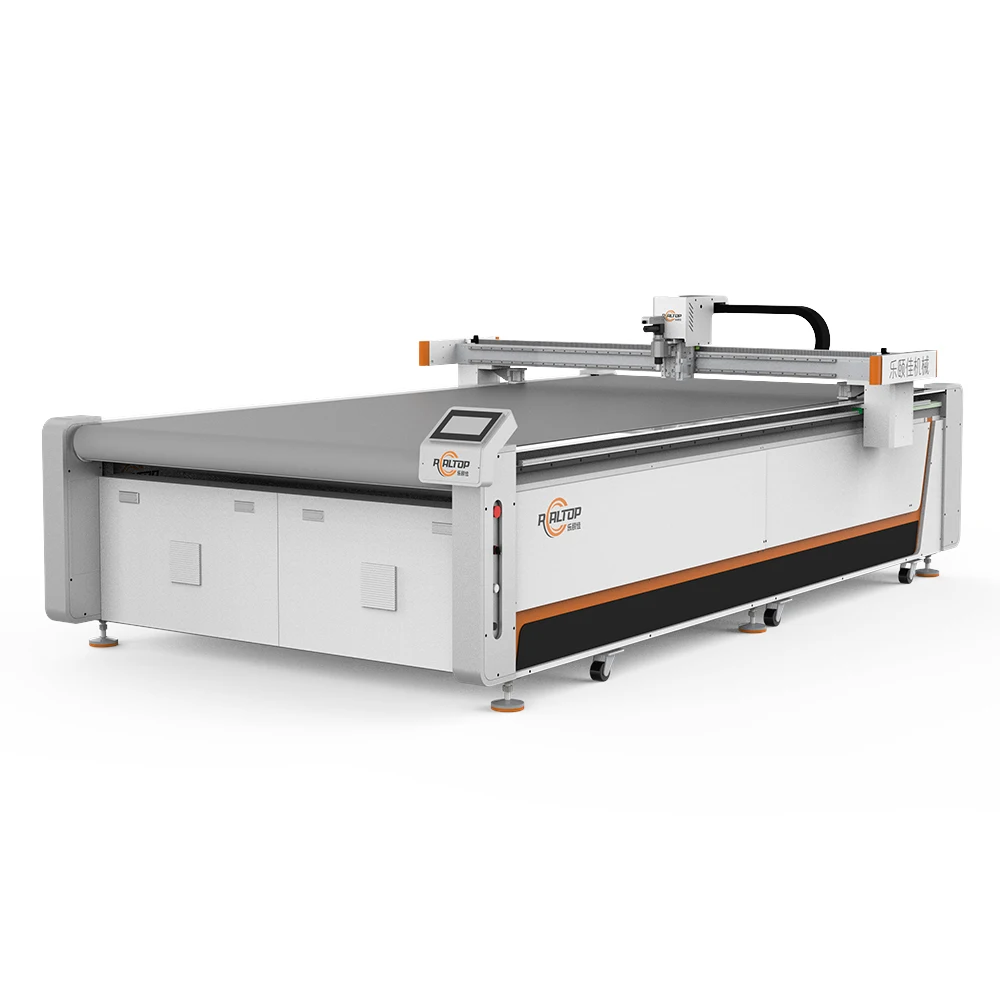
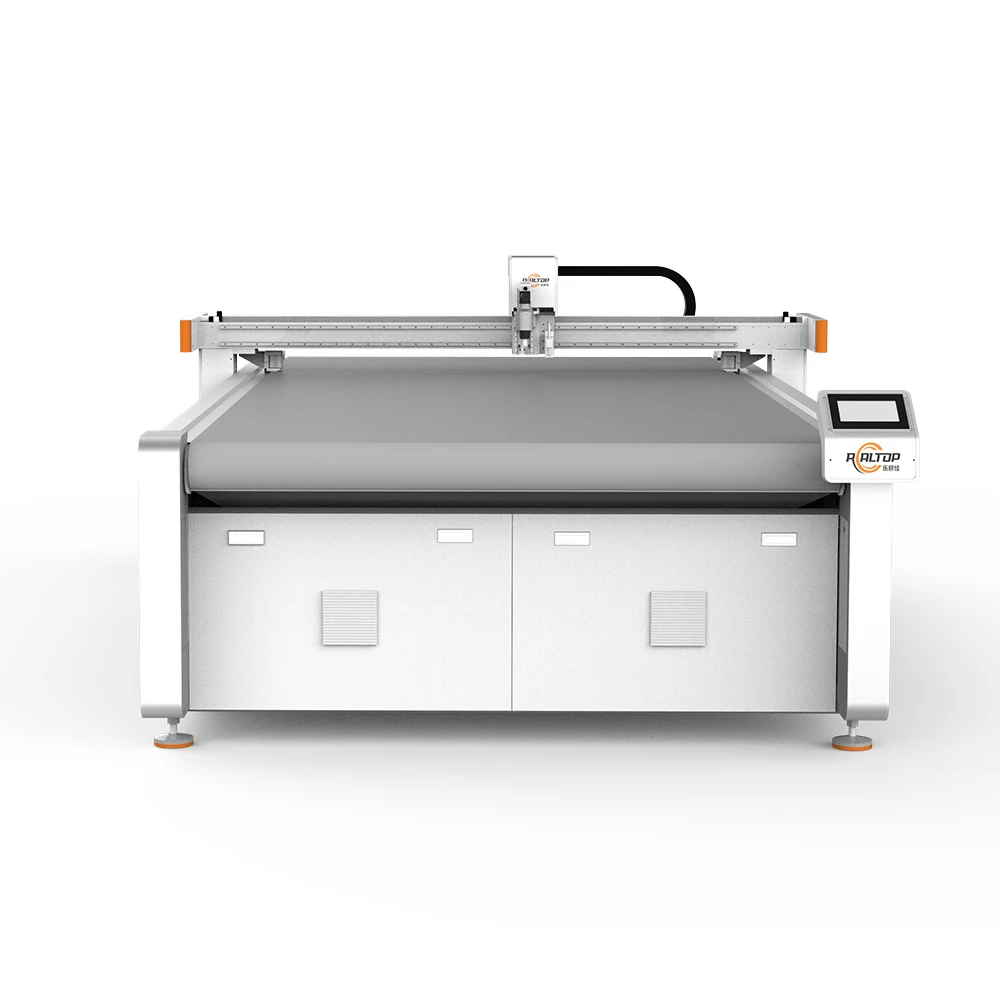
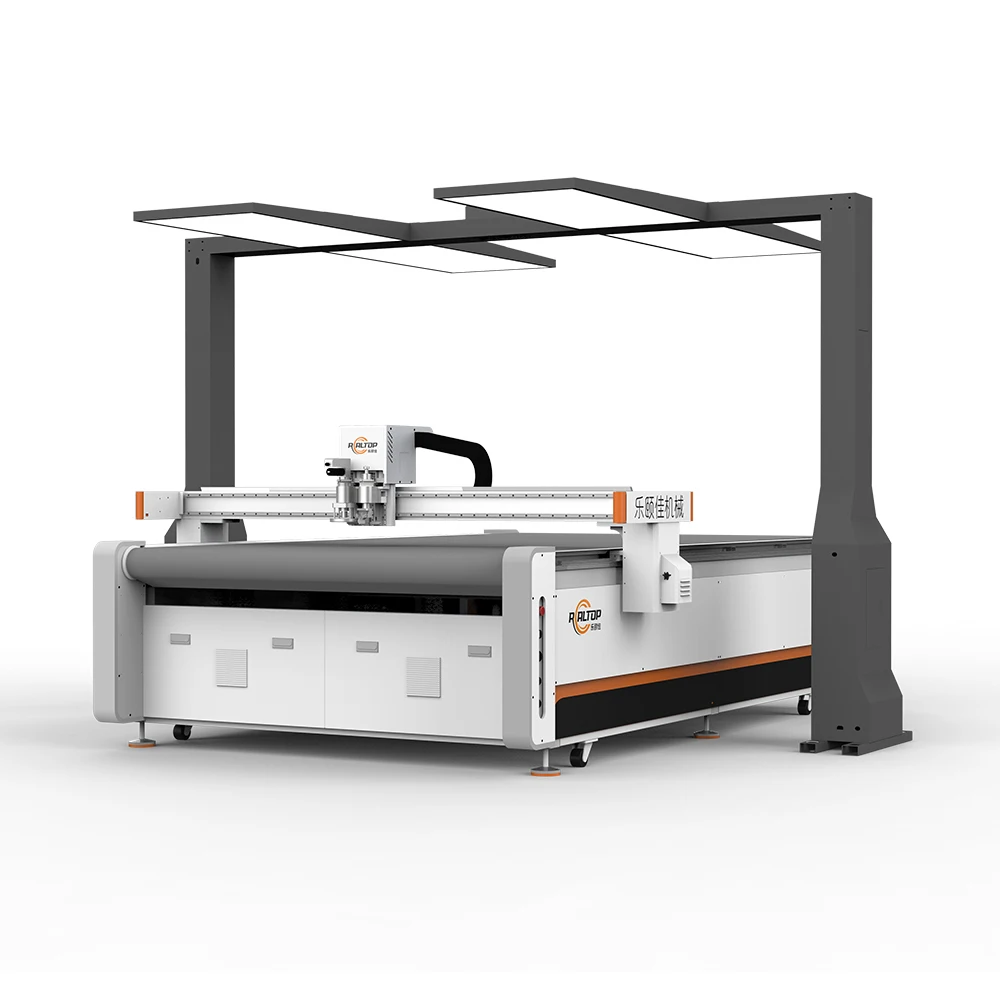
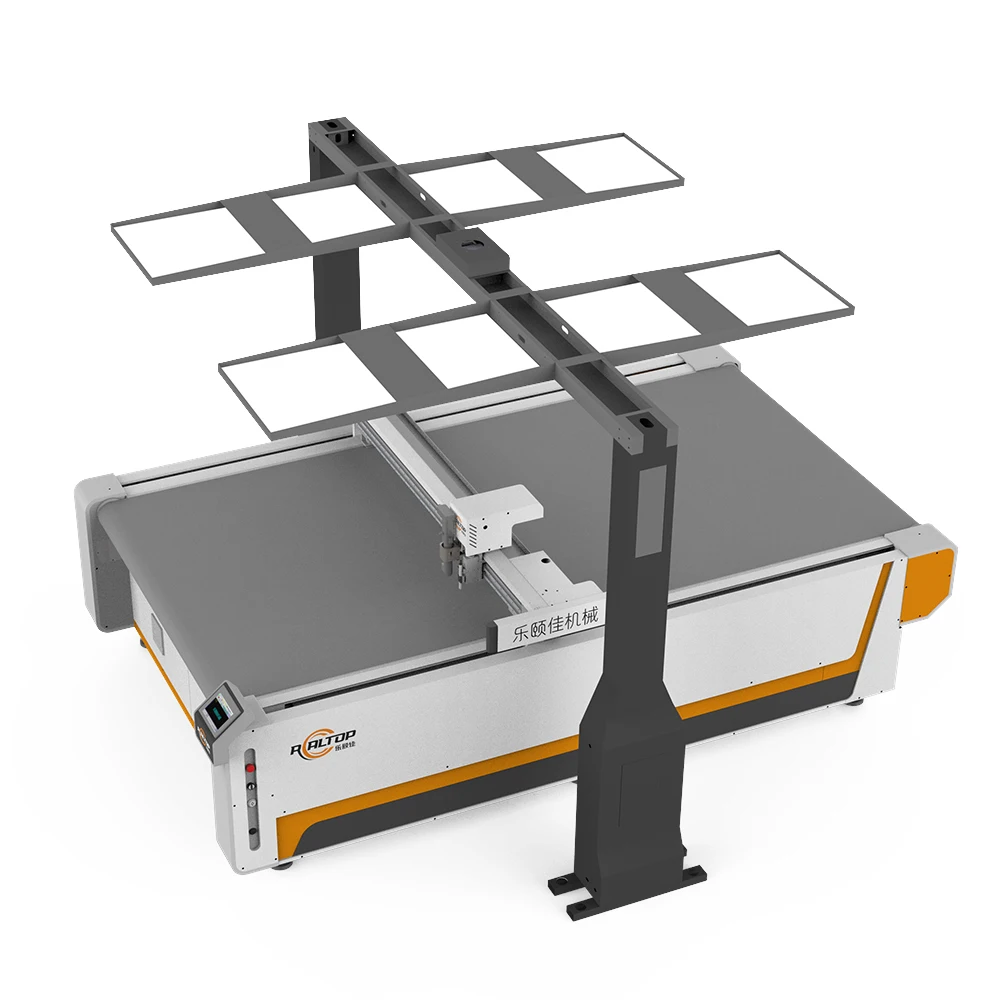
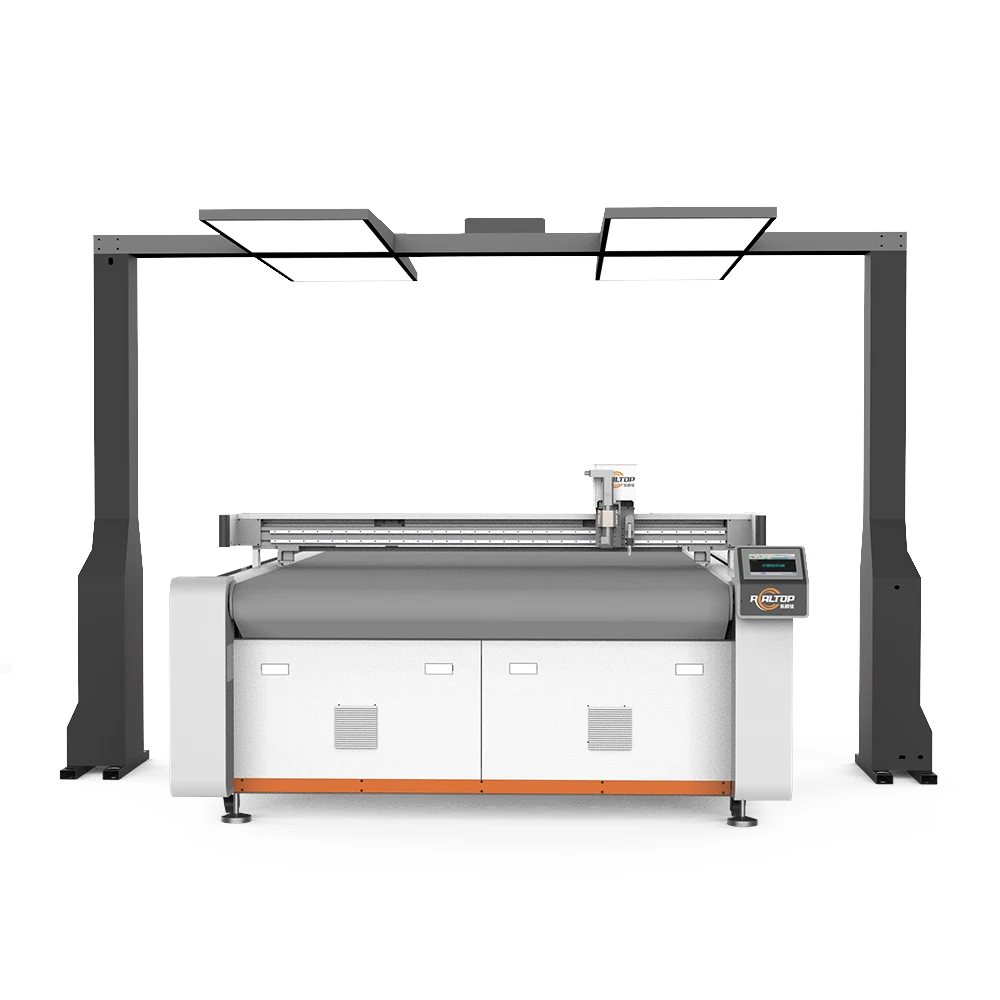
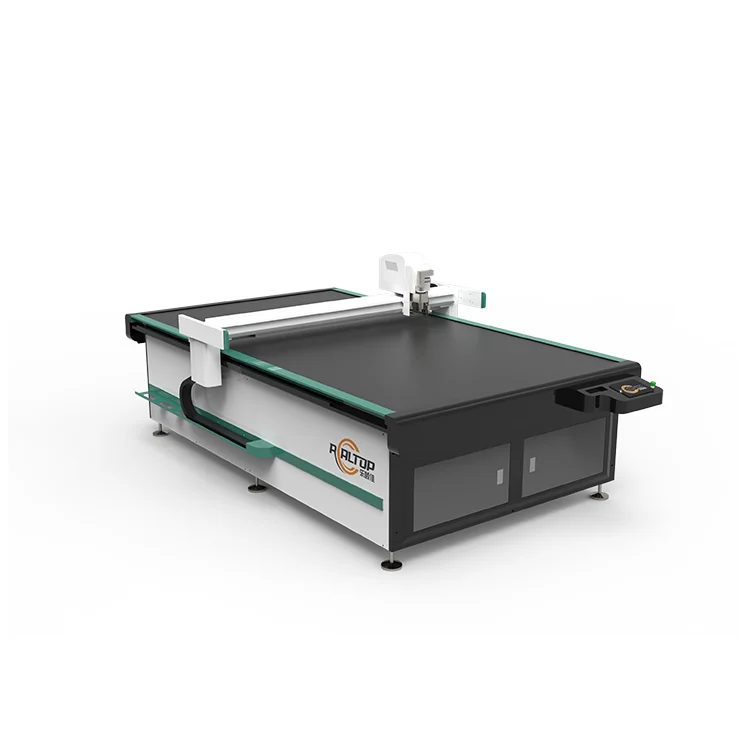
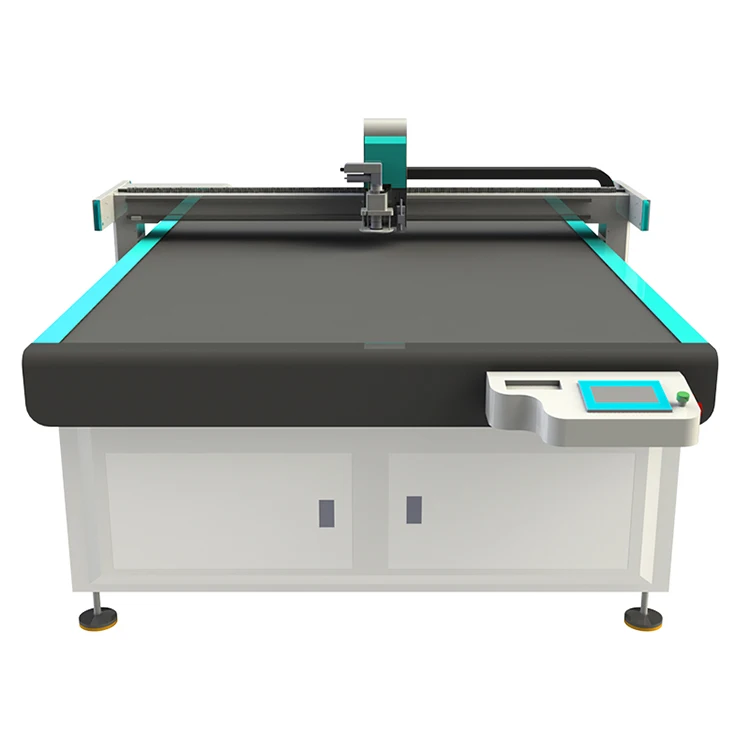
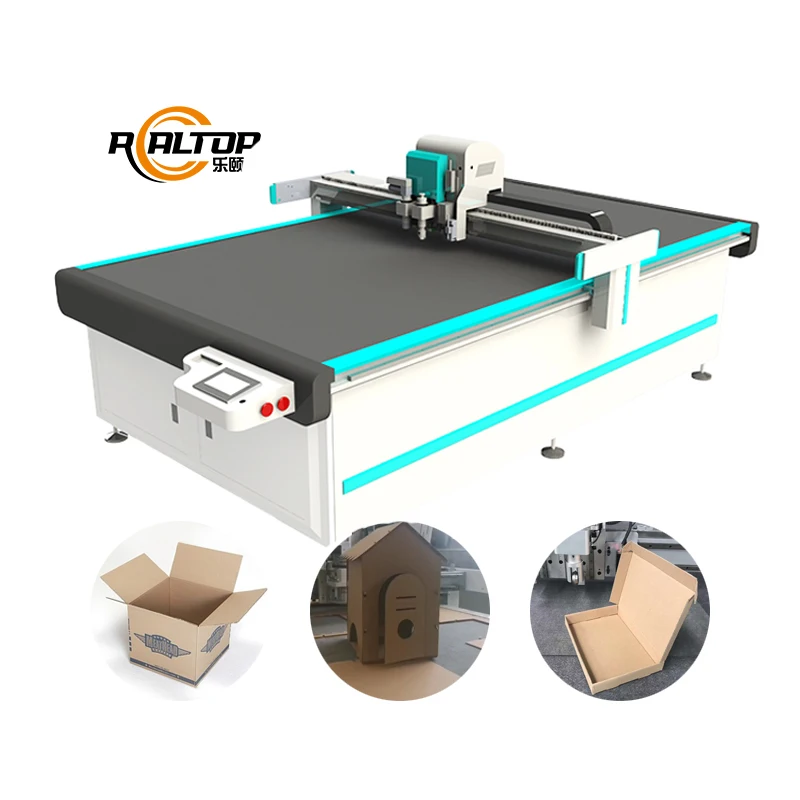
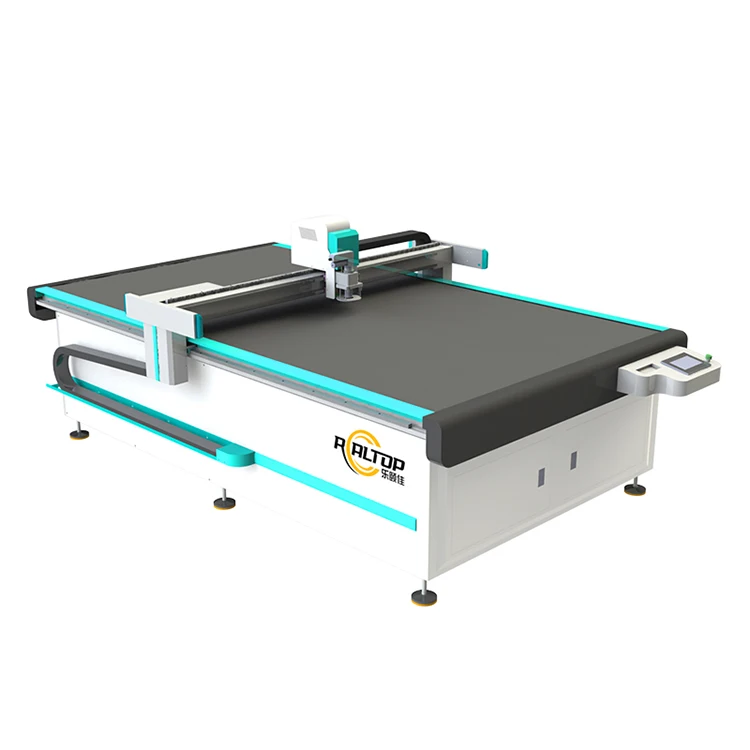
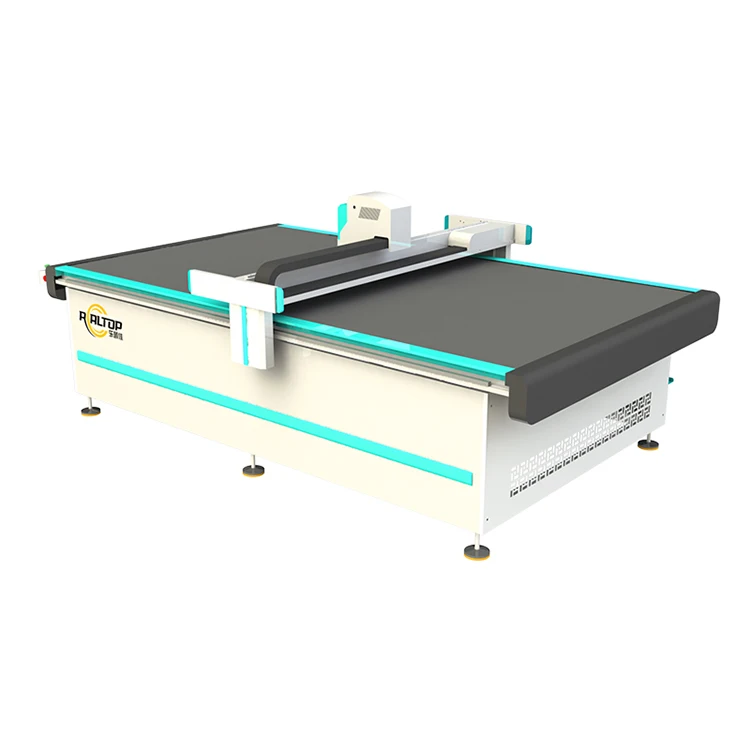
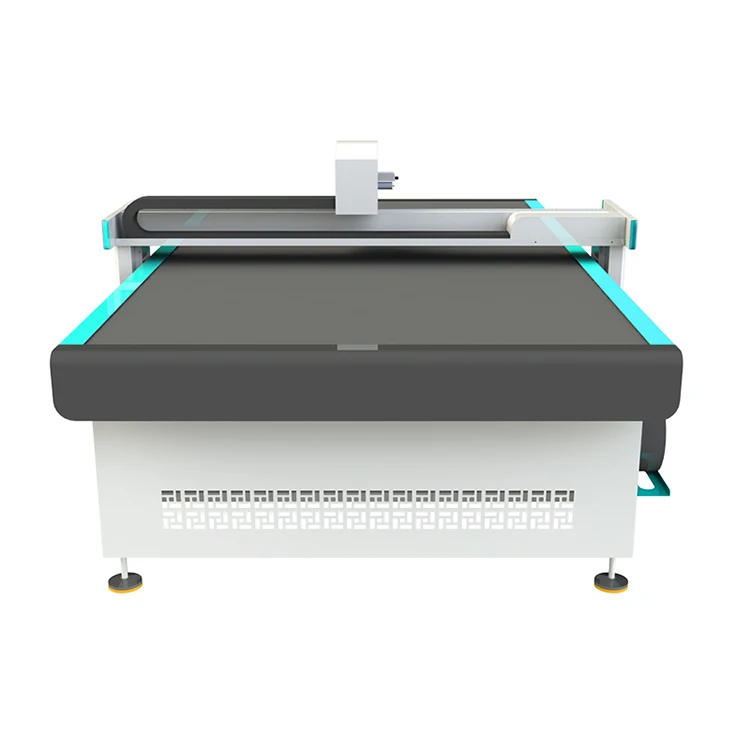
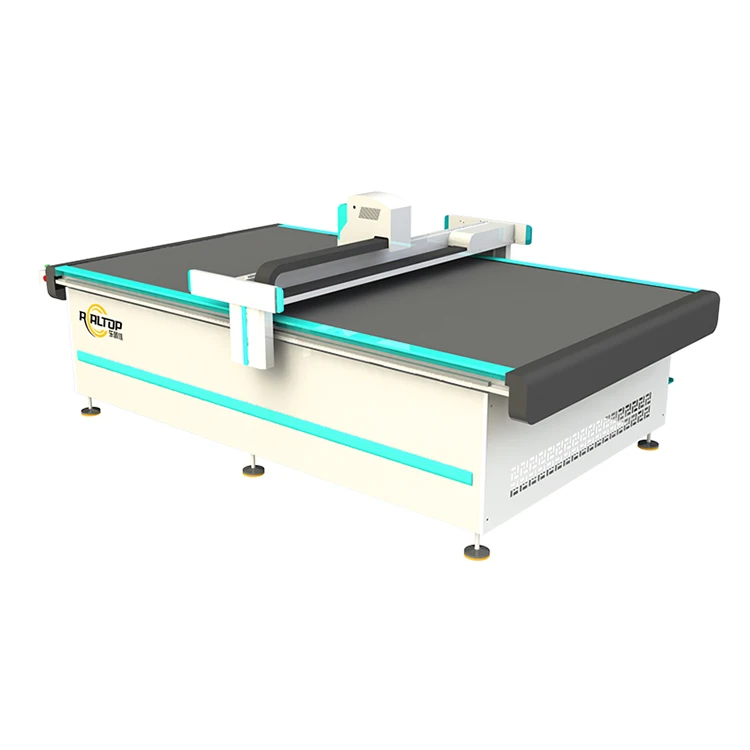
| Product Type | CNC Oscillating Knife Cutting Machine |
| Working Area | 1600×2500 mm |
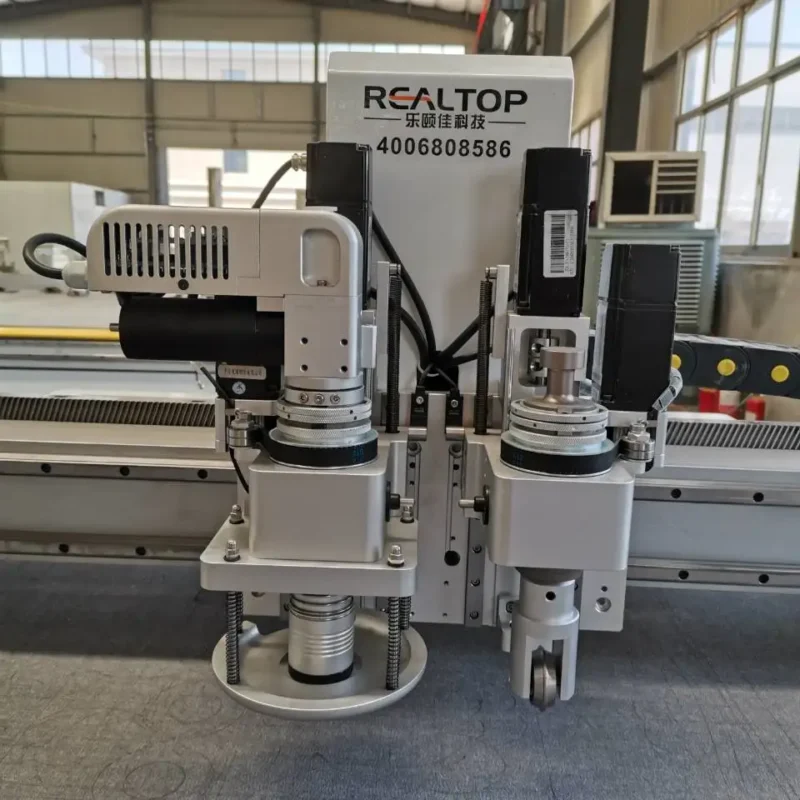
| Tool Head Options | Oscillating knife, Driven rotary knife, Creasing wheel, Kiss cutting tool, Pneumatic knife, Milling tool, V groove knife, CCD camera |
| Cutting Speed | 0–1500 mm/s |
| Cutting Thickness | ≤40 mm (basis not stated in source) |
| Positioning Accuracy | ±0.1 mm |
| Vacuum Pump | 9 kW |
| Voltage Options | 110V / 220V / 380V |
| File Formats | PLT, DXF, AI, PDF |
| Safety Device | Infrared sensor, emergency stop |
| Machine Size (L×W×H) | 3300×2100×1350 mm |
| Control System | PLC control panel with optional display languages |
| Servo Drive Options | Panasonic, Delta, Dorna |
| Vacuum Table | Aluminum bellows vacuum table |
| Machine Frame | Heavy-duty frame with precision-ground surface |
| Certification | CE |
Application Suitability
| Application | Material or Output |
|---|---|
| Packaging sample making | Corrugated cardboard (E-flute, B-flute, BC-flute), greyboard, cardstock, art paper |
| Foam processing | EVA, EPE, PU, Coroplast sheets and blocks |
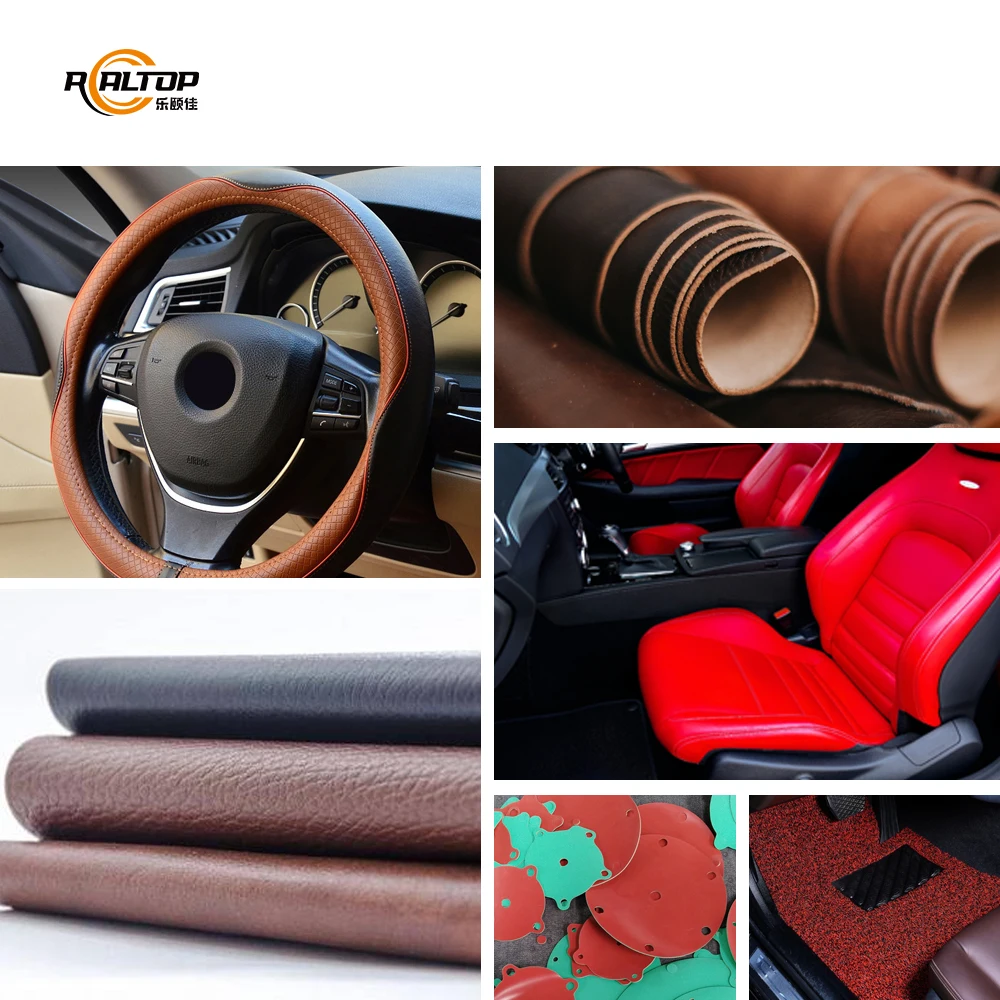
| Leather and synthetic leather | Natural hides, PU/PVC synthetic leather, composite leather with backing layers |
| Garment and footwear | Non-woven fabric, velvet, fleece, textile composites |
| Advertising and signage | PVC foam board, thin acrylic, vinyl sheets, adhesive-backed films |
| Automotive interior and gasket | Rubber mats, foam composites, gasket materials |
| Thin plastic sheets | PVC, PET, and similar flexible plastics |
Why Working Area Alone Decides Nothing About Material Capability
Specifying a CNC oscillating knife cutting machine manufacturer by table size is how buyers end up with a frame that cannot push through their material thickness.
I have watched orders go sideways when the only number on the inquiry was the bed dimension. A 1600×2500 mm working area tells you nothing about whether the oscillating knife motor has enough stroke to cut through a 30 mm EVA foam block, or whether the vacuum pump can hold down small leather pieces during contour cuts. The flatbed digital cutting table for sale in a brochure looks identical whether it is configured for thin vinyl or multi-layer automotive gasket material — the difference only shows up when the blade meets the workpiece [NEED_CITE: common causes of cutting quality complaints in flatbed digital cutting equipment].
Matching Tool Head to Material Across the Full Range
The 1625 platform supports eight distinct tool head options, which means a single machine frame can be configured for kiss cutting thin adhesive films in the morning and V-grooving corrugated board for packaging samples in the afternoon. For leather and synthetic leather work, the oscillating knife handles most PU and PVC composites cleanly, while the driven rotary knife is better suited for continuous contour cutting on natural hides where edge fraying must be avoided.
This is the value of sourcing from a CNC oscillating knife cutting machine manufacturer that builds both the frame and the tooling in-house — you specify the material stack first, and the tool head follows, rather than accepting whatever comes standard on the floor model.
From Compact Signage Shops to High-Volume Fabric Lines
The same 1625 chassis appears in advertising workshops cutting vinyl lettering and in footwear factories nesting shoe uppers from synthetic leather sheets. The difference is in the configuration: a signage producer might need only the oscillating knife plus CCD camera for printed contour recognition, while a garment operation running multi-layer fabric will add the conveyor table option and the driven rotary knife to maintain throughput across long production runs [NEED_CITE: flatbed cutting machine configuration practices for fabric nesting].
Buyers evaluating a CNC digital cutting table for sale should map their daily material mix before narrowing to a tool head list, because the software nesting workflow and the vacuum table zoning both change depending on whether the typical job involves large single sheets or dozens of small parts per nest.
How Core Parameters Translate on the Shop Floor
The ±0.1 mm positioning accuracy matters most when the CCD camera is tracking printed registration marks on pre-printed packaging samples — any drift compounds across a full sheet of carton blanks. The 9 kW vacuum pump paired with the aluminum bellows vacuum table provides the holding force needed for thin, flexible materials like leather and vinyl that tend to lift at the edges during high-speed contour cuts.
Servo drive selection across Panasonic, Delta, and Dorna options lets buyers match their existing maintenance inventory or local service availability. The cutting speed range of 0–1500 mm/s is adjustable through the PLC control panel, where operators set acceleration curves based on material density — rigid corrugated board needs a different ramp profile than soft EVA foam to prevent the blade from dragging at direction changes.
The Configuration Mistakes That Surface After Delivery
Selecting the wrong tool head for a material produces symptoms that are easy to blame on the machine: ragged edges on synthetic leather, crushed cell structure in foam, or delamination in composite gasket sheets. The real problem was a mismatch decided before the order was placed — often because the buyer confirmed working area and skipped the tool head conversation entirely [NEED_CITE: oscillating knife tooling selection guidelines by material type].
Insufficient vacuum table zoning is another recurring issue. Small leather parts lift during cutting when the vacuum zone is sized for full-sheet signage work, and the operator spends more time repositioning material than the machine spends cutting.
What Buying from the Builder Changes
In-house design and production covering both knife and laser technologies means the conversation starts with your material, not with which machine happens to be in stock. The tool head and table configuration are specified per material and production volume before the order is finalized, not swapped after delivery when the first test cut fails.
CCD camera positioning is validated against your actual printed marks at your production speed. Software file format compatibility is confirmed so your existing PLT, DXF, AI, or PDF workflow imports without conversion steps. Voltage, control language, and plug type are locked in before production starts. Sample cutting runs on your own material before any commitment, so edge quality and cutting depth are verified on the actual stock you will be processing.
Documentation & Verification
- Machine specification sheet listing confirmed tool head and vacuum table zoning layout
- Electrical schematic with voltage, frequency, and plug type verified for destination country
- Sample cutting report generated on buyer-supplied leather or composite material
- Software licence documentation with confirmed file format compatibility list
- Factory test record showing positioning accuracy and cutting speed verification before packing
- CE declaration covering the configured machine with selected tool head combination
Installation, Commissioning & Support
- Heavy-duty frame requires level concrete floor; 3300×2100×1350 mm footprint plus operator clearance to plan
- 9 kW vacuum pump and PLC control panel may need dedicated circuit; confirm local voltage at 110V, 220V, or 380V
- Machine ships as single unit; aluminum bellows vacuum table pre-assembled and ground at factory
- First-run commissioning includes CCD camera calibration against buyer’s printed marks and tool head offset setting
- Operator training covers PLC control panel navigation, optional display language setup, and file import workflow
- Spare parts list identifies oscillating knife blades, vacuum seals, and servo-specific consumables by drive brand
What to Include With Your Inquiry
To recommend the correct tool head and table configuration, we need the material type, thickness range, and maximum sheet or roll width you plan to process. Share your typical daily volume and whether your workflow relies on nesting software with file imports or on manual single-piece cutting. Let us know your local voltage and frequency, preferred control panel language, and whether you want sample cuts performed on your own material stock before the order is confirmed.
Frequently Asked Questions
Q: How do I decide between oscillating knife and laser cutting for my material?
A: Knife cutting suits materials where a sealed edge is not required and where fume extraction would be impractical — leather, foam, fabric, and gasket composites fall here. Laser cutting seals synthetic edges and handles detailed engraving on acrylic and wood. We build both technologies, so the recommendation follows your material, not our inventory.
Q: How is cutting thickness capacity verified before I commit?
A: We run sample cuts on your actual material at the thickness you specify and produce a sample cutting report documenting edge quality, cutting speed, and tool head used. The ≤40 mm rating in the specification sheet is a general reference; real capacity depends on material density and layer structure.
Q: Can the CCD camera track my printed marks at full production speed?
A: The CCD camera contour recognition system is tested against your specific printed marks and at the cutting speed you plan to run. Registration mark size, contrast, and spacing all affect tracking reliability, so this verification happens during sample cutting before the order is finalized.
Q: How are voltage and control language confirmed before shipment?
A: The electrical schematic and voltage confirmation document are reviewed and signed off before production starts. The PLC control panel display language is set to your preference, and plug type matches your local standard — all verified on the factory test record before packing.
Q: Will the software accept my existing design files without conversion?
A: The control system accepts PLT, DXF, AI, and PDF formats. Before the order, we confirm compatibility with your specific file versions and nesting workflow through the software licence and file format compatibility note, so no mid-production format issues arise.
Full Equipment Range — In-house design covers both knife and laser cutting, letting you match the method to the material instead of forcing one technology across every job.
Technical Specifications
| Parameter | Value |
|---|---|
| Model | 1625 |
| Product Type | CNC Oscillating Knife Cutting Machine |
| Working Area | 1600×2500 mm |
| Tool Head Options | Oscillating knife, Driven rotary knife, Creasing wheel, Kiss cutting tool, Pneumatic knife, Milling tool, V groove knife, CCD camera |
| Cutting Speed | 0–1500 mm/s |
| Cutting Thickness | ≤40 mm (basis not stated in source) |
| Positioning Accuracy | ±0.1 mm |
| Vacuum Pump | 9 kW |
| Voltage Options | 110V / 220V / 380V |
| File Formats | PLT, DXF, AI, PDF |
| Safety Device | Infrared sensor, emergency stop |
| Machine Size (L×W×H) | 3300×2100×1350 mm |
| Control System | PLC control panel with optional display languages |
| Servo Drive Options | Panasonic, Delta, Dorna |
| Vacuum Table | Aluminum bellows vacuum table |
| Machine Frame | Heavy-duty frame with precision-ground surface |
| Certification | CE |
Application Suitability
| Application | Material or Output |
|---|---|
| Packaging sample making | Corrugated cardboard (E-flute, B-flute, BC-flute), greyboard, cardstock, art paper |
| Foam processing | EVA, EPE, PU, Coroplast sheets and blocks |
| Leather and synthetic leather | Natural hides, PU/PVC synthetic leather, composite leather with backing layers |
| Garment and footwear | Non-woven fabric, velvet, fleece, textile composites |
| Advertising and signage | PVC foam board, thin acrylic, vinyl sheets, adhesive-backed films |
| Automotive interior and gasket | Rubber mats, foam composites, gasket materials |
| Thin plastic sheets | PVC, PET, and similar flexible plastics |
Why Working Area Alone Decides Nothing About Material Capability
Specifying a CNC oscillating knife cutting machine manufacturer by table size is how buyers end up with a frame that cannot push through their material thickness.
I have watched orders go sideways when the only number on the inquiry was the bed dimension. A 1600×2500 mm working area tells you nothing about whether the oscillating knife motor has enough stroke to cut through a 30 mm EVA foam block, or whether the vacuum pump can hold down small leather pieces during contour cuts. The flatbed digital cutting table for sale in a brochure looks identical whether it is configured for thin vinyl or multi-layer automotive gasket material — the difference only shows up when the blade meets the workpiece [NEED_CITE: common causes of cutting quality complaints in flatbed digital cutting equipment].
Matching Tool Head to Material Across the Full Range
The 1625 platform supports eight distinct tool head options, which means a single machine frame can be configured for kiss cutting thin adhesive films in the morning and V-grooving corrugated board for packaging samples in the afternoon. For leather and synthetic leather work, the oscillating knife handles most PU and PVC composites cleanly, while the driven rotary knife is better suited for continuous contour cutting on natural hides where edge fraying must be avoided.
This is the value of sourcing from a CNC oscillating knife cutting machine manufacturer that builds both the frame and the tooling in-house — you specify the material stack first, and the tool head follows, rather than accepting whatever comes standard on the floor model.
From Compact Signage Shops to High-Volume Fabric Lines
The same 1625 chassis appears in advertising workshops cutting vinyl lettering and in footwear factories nesting shoe uppers from synthetic leather sheets. The difference is in the configuration: a signage producer might need only the oscillating knife plus CCD camera for printed contour recognition, while a garment operation running multi-layer fabric will add the conveyor table option and the driven rotary knife to maintain throughput across long production runs [NEED_CITE: flatbed cutting machine configuration practices for fabric nesting].
Buyers evaluating a CNC digital cutting table for sale should map their daily material mix before narrowing to a tool head list, because the software nesting workflow and the vacuum table zoning both change depending on whether the typical job involves large single sheets or dozens of small parts per nest.
How Core Parameters Translate on the Shop Floor
The ±0.1 mm positioning accuracy matters most when the CCD camera is tracking printed registration marks on pre-printed packaging samples — any drift compounds across a full sheet of carton blanks. The 9 kW vacuum pump paired with the aluminum bellows vacuum table provides the holding force needed for thin, flexible materials like leather and vinyl that tend to lift at the edges during high-speed contour cuts.
Servo drive selection across Panasonic, Delta, and Dorna options lets buyers match their existing maintenance inventory or local service availability. The cutting speed range of 0–1500 mm/s is adjustable through the PLC control panel, where operators set acceleration curves based on material density — rigid corrugated board needs a different ramp profile than soft EVA foam to prevent the blade from dragging at direction changes.
The Configuration Mistakes That Surface After Delivery
Selecting the wrong tool head for a material produces symptoms that are easy to blame on the machine: ragged edges on synthetic leather, crushed cell structure in foam, or delamination in composite gasket sheets. The real problem was a mismatch decided before the order was placed — often because the buyer confirmed working area and skipped the tool head conversation entirely [NEED_CITE: oscillating knife tooling selection guidelines by material type].
Insufficient vacuum table zoning is another recurring issue. Small leather parts lift during cutting when the vacuum zone is sized for full-sheet signage work, and the operator spends more time repositioning material than the machine spends cutting.
What Buying from the Builder Changes
In-house design and production covering both knife and laser technologies means the conversation starts with your material, not with which machine happens to be in stock. The tool head and table configuration are specified per material and production volume before the order is finalized, not swapped after delivery when the first test cut fails.
CCD camera positioning is validated against your actual printed marks at your production speed. Software file format compatibility is confirmed so your existing PLT, DXF, AI, or PDF workflow imports without conversion steps. Voltage, control language, and plug type are locked in before production starts. Sample cutting runs on your own material before any commitment, so edge quality and cutting depth are verified on the actual stock you will be processing.
Documentation & Verification
- Machine specification sheet listing confirmed tool head and vacuum table zoning layout
- Electrical schematic with voltage, frequency, and plug type verified for destination country
- Sample cutting report generated on buyer-supplied leather or composite material
- Software licence documentation with confirmed file format compatibility list
- Factory test record showing positioning accuracy and cutting speed verification before packing
- CE declaration covering the configured machine with selected tool head combination
Installation, Commissioning & Support
- Heavy-duty frame requires level concrete floor; 3300×2100×1350 mm footprint plus operator clearance to plan
- 9 kW vacuum pump and PLC control panel may need dedicated circuit; confirm local voltage at 110V, 220V, or 380V
- Machine ships as single unit; aluminum bellows vacuum table pre-assembled and ground at factory
- First-run commissioning includes CCD camera calibration against buyer’s printed marks and tool head offset setting
- Operator training covers PLC control panel navigation, optional display language setup, and file import workflow
- Spare parts list identifies oscillating knife blades, vacuum seals, and servo-specific consumables by drive brand
What to Include With Your Inquiry
To recommend the correct tool head and table configuration, we need the material type, thickness range, and maximum sheet or roll width you plan to process. Share your typical daily volume and whether your workflow relies on nesting software with file imports or on manual single-piece cutting. Let us know your local voltage and frequency, preferred control panel language, and whether you want sample cuts performed on your own material stock before the order is confirmed.
Frequently Asked Questions
Q: How do I decide between oscillating knife and laser cutting for my material?
A: Knife cutting suits materials where a sealed edge is not required and where fume extraction would be impractical — leather, foam, fabric, and gasket composites fall here. Laser cutting seals synthetic edges and handles detailed engraving on acrylic and wood. We build both technologies, so the recommendation follows your material, not our inventory.
Q: How is cutting thickness capacity verified before I commit?
A: We run sample cuts on your actual material at the thickness you specify and produce a sample cutting report documenting edge quality, cutting speed, and tool head used. The ≤40 mm rating in the specification sheet is a general reference; real capacity depends on material density and layer structure.
Q: Can the CCD camera track my printed marks at full production speed?
A: The CCD camera contour recognition system is tested against your specific printed marks and at the cutting speed you plan to run. Registration mark size, contrast, and spacing all affect tracking reliability, so this verification happens during sample cutting before the order is finalized.
Q: How are voltage and control language confirmed before shipment?
A: The electrical schematic and voltage confirmation document are reviewed and signed off before production starts. The PLC control panel display language is set to your preference, and plug type matches your local standard — all verified on the factory test record before packing.
Q: Will the software accept my existing design files without conversion?
A: The control system accepts PLT, DXF, AI, and PDF formats. Before the order, we confirm compatibility with your specific file versions and nesting workflow through the software licence and file format compatibility note, so no mid-production format issues arise.
商品评价
There are no reviews yet.