

Fast Delivery
Quick, reliable shipping to any location.

Free & easy returns
Return this item by mail or in store within 90 days for a full refund.
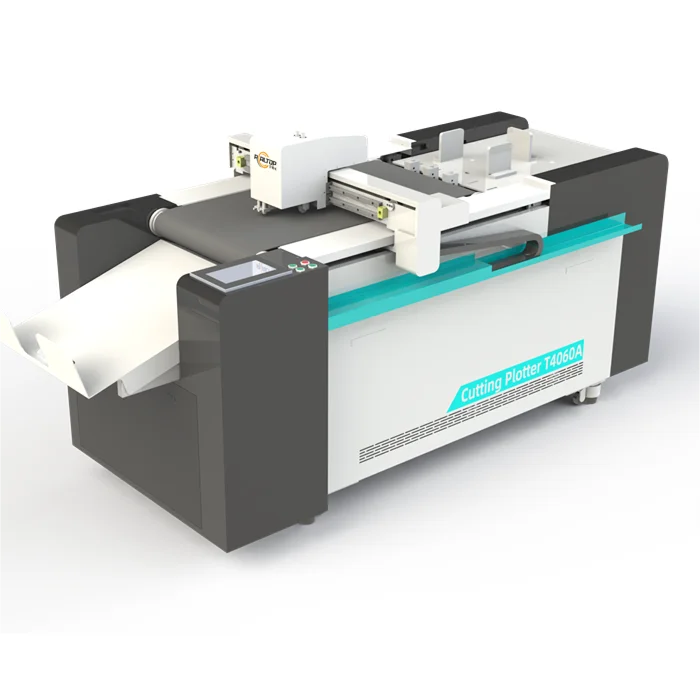
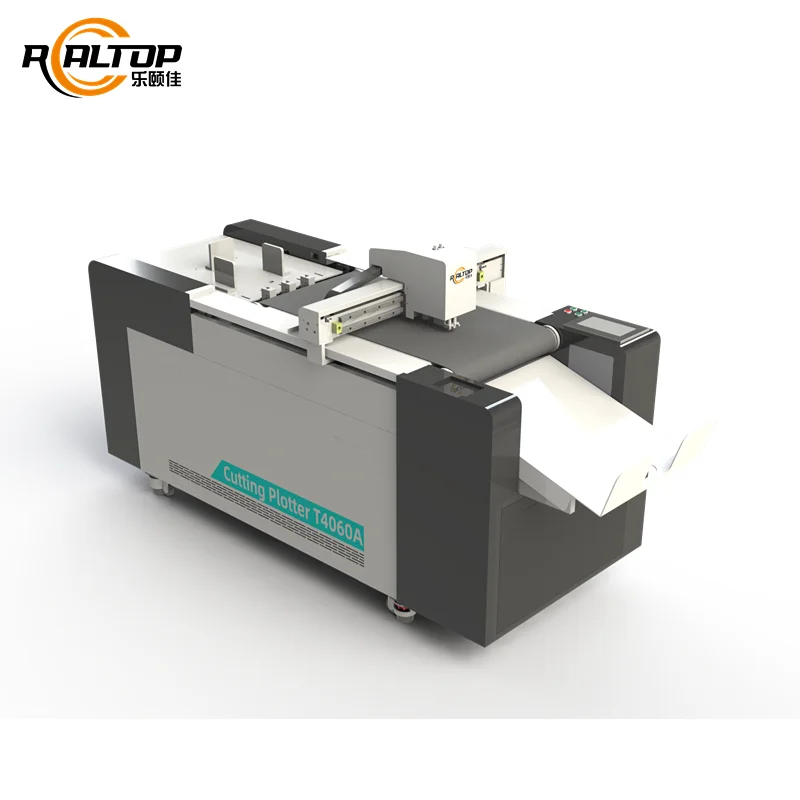
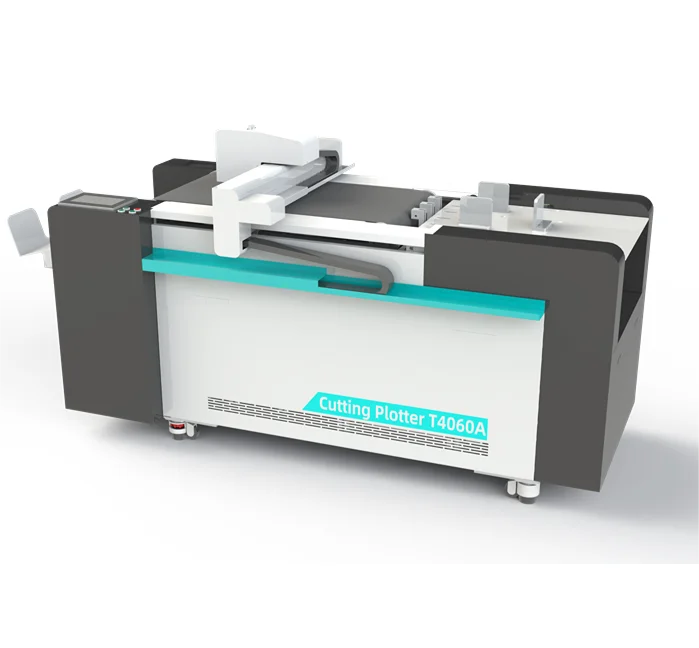
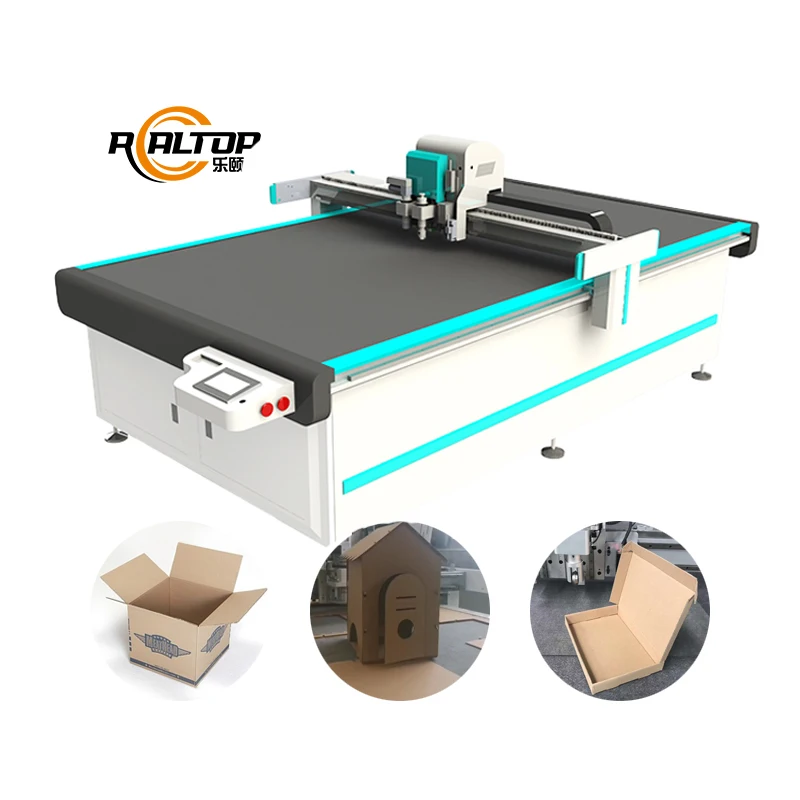
Precise tool head matching — Every RTT4060 configuration pairs a specified creasing, cutting, or oscillating knife head with the exact cardstock or board thickness it is rated to handle, so buyers see the method fit before the machine ships.
Technical Specifications
| Parameter | Value |
|---|---|
| Model | RTT4060 / RTT4060 Pro |
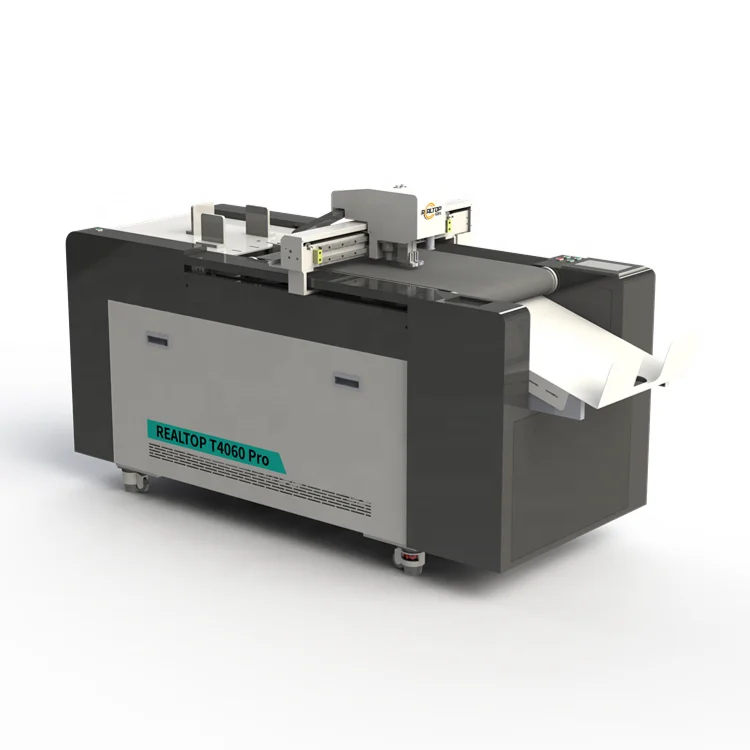
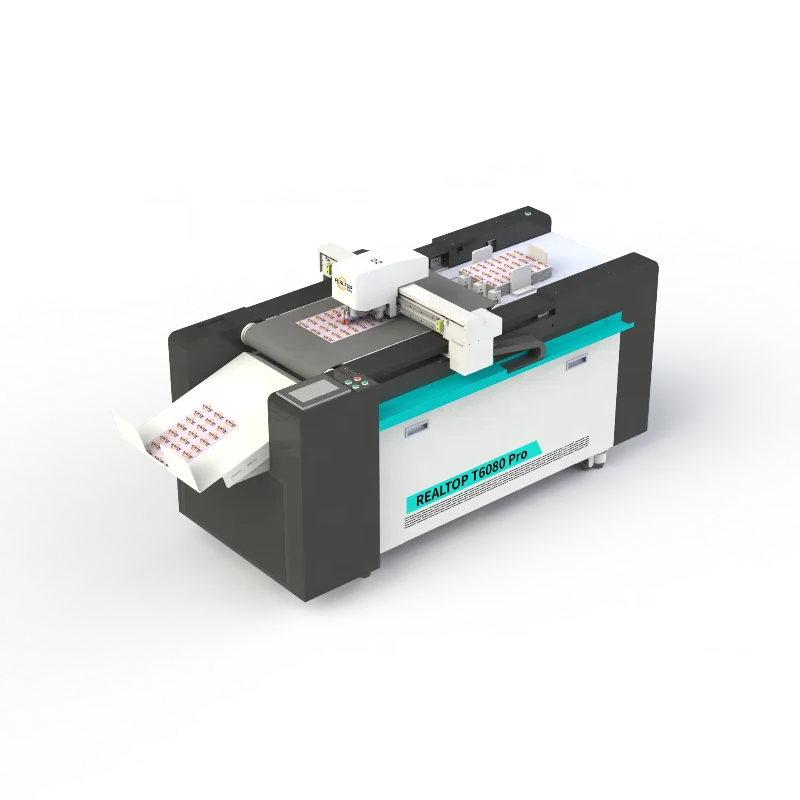
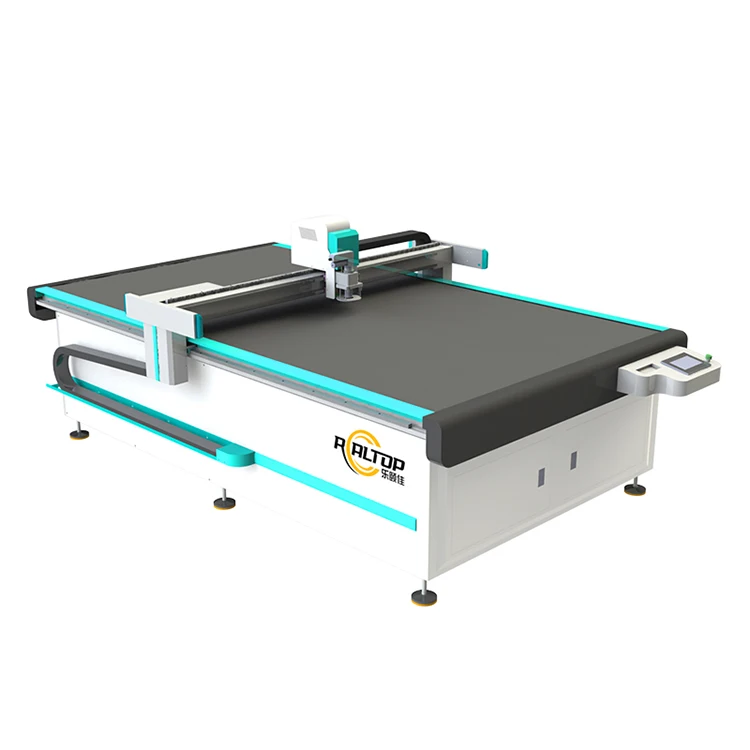
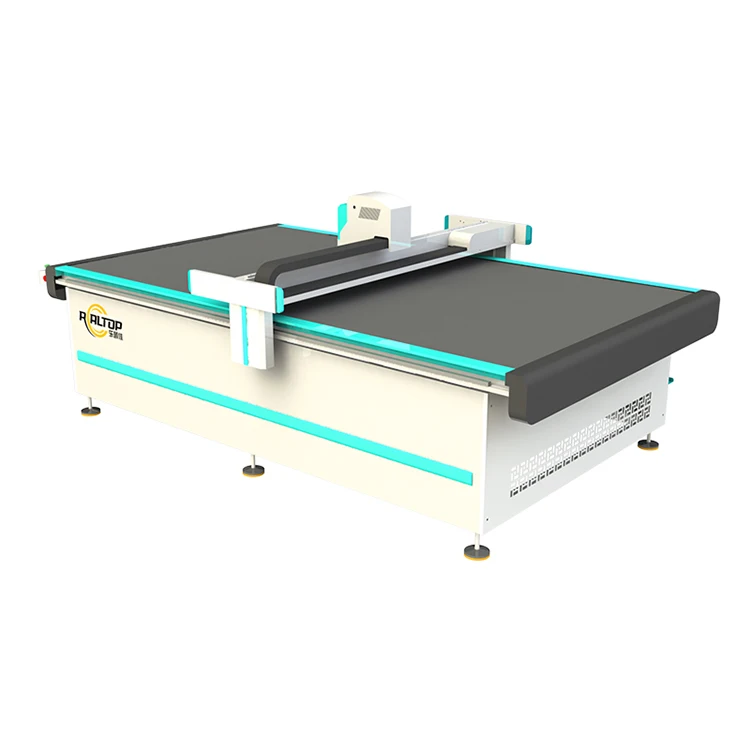
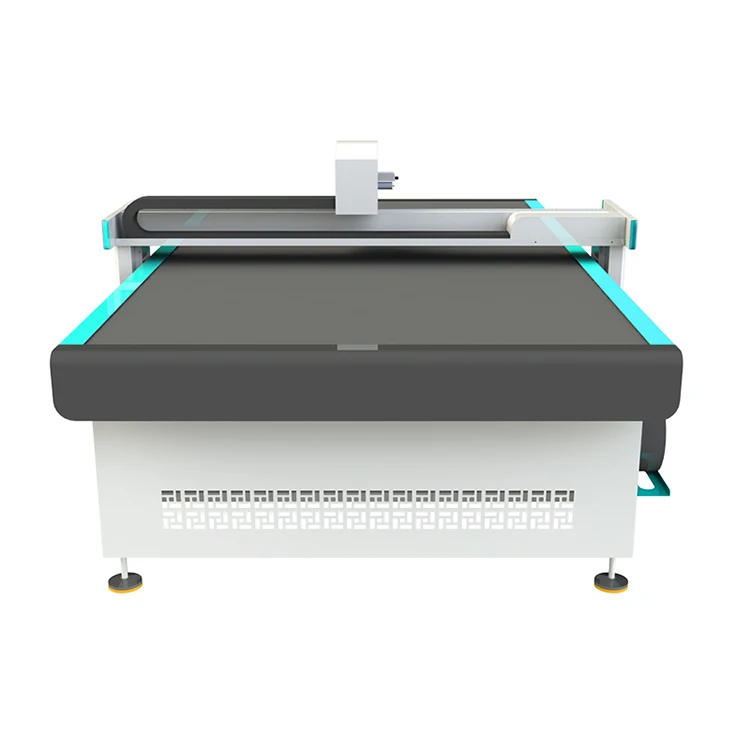
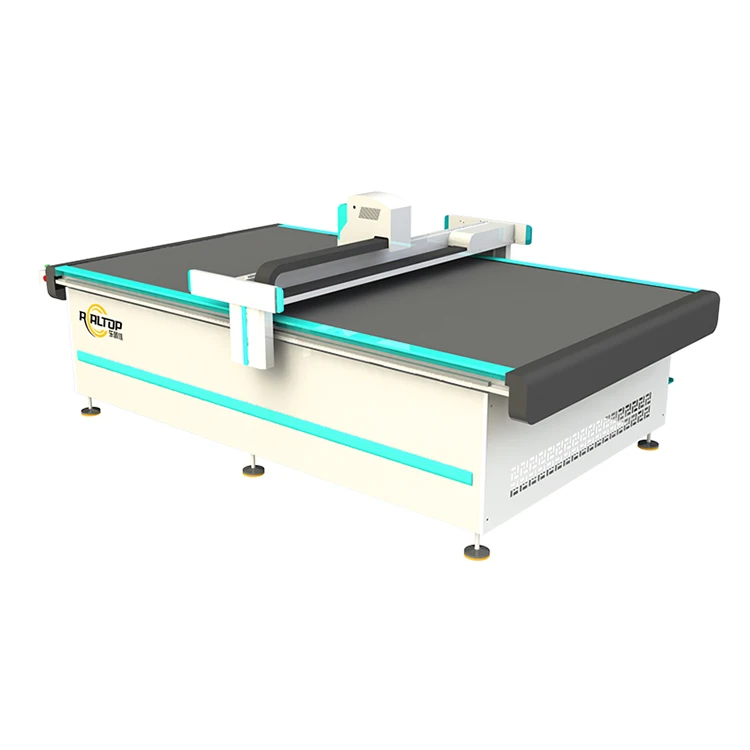
| Product Type | CNC Desktop Creasing Cutting Machine |
| Max Working Area | 400mm × 600mm |
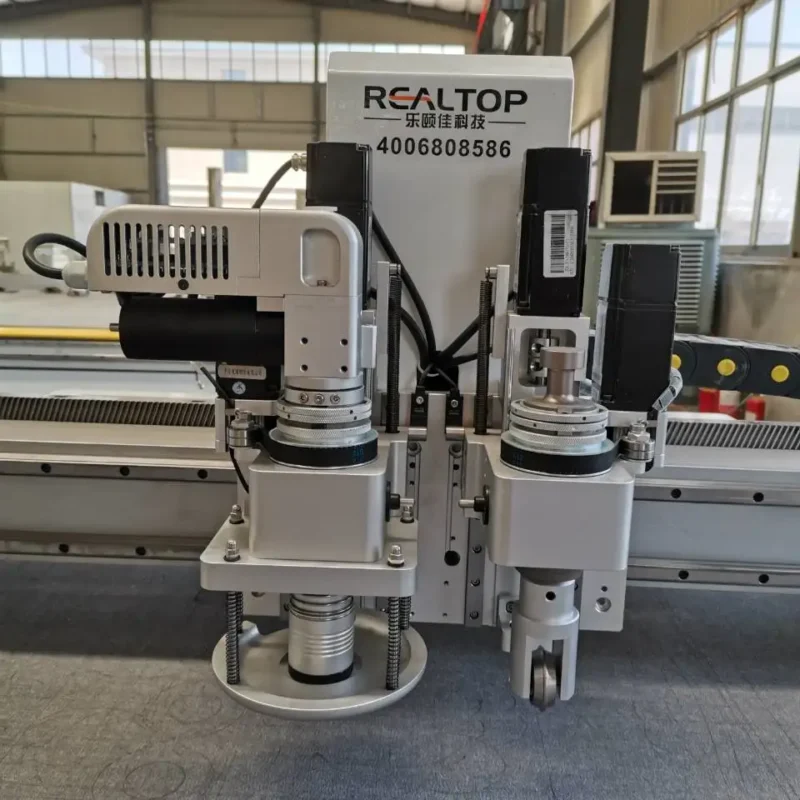
| Tool Head Options | Cutting tool, kiss cutting tool, creasing tool, CCD camera, high speed oscillating knife (Pro model) |
| Max Cutting Speed | 1500 mm/s (according to the material) |
| Cutting Thickness | ≤2mm (RTT4060); ≤5mm (RTT4060 Pro) |
| Positioning Accuracy | 0.05mm |
| File Format Compatibility | DXF, PLT, PDF, AI |
| Transfer Method | Ethernet port |
| Rated Power | 2.5 kW |
| Voltage & Frequency | 220V/380V, 50Hz |
| Control System | CNC |
Application Suitability
| Application | Material or Output |
|---|---|
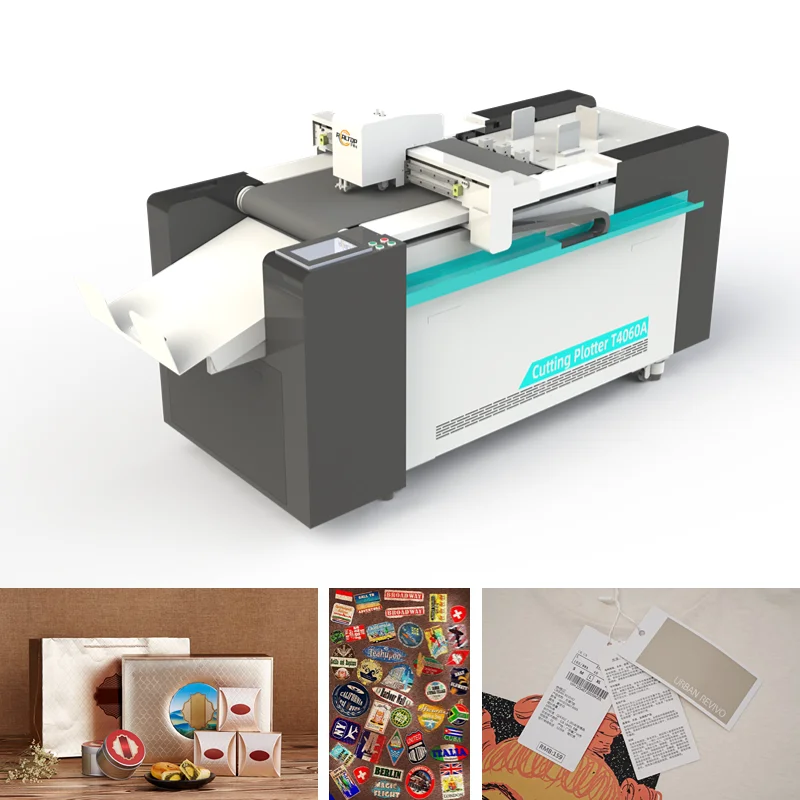
| Paper box and cardstock sample making | Coated and uncoated cardstock, thin corrugated board, folding carton stock |
| Packaging prototype cutting | Grey board, kraft paper, specialty laminated papers up to rated thickness |
| Small-format folding carton and greeting card production | Single-ply cardstock, decorative paper, light chipboard |
| Short-run packaging and display mockups | Thin board, corrugated micro-flute, presentation board materials |
Why Tool Head Selection Matters More Than Working Area
A CNC desktop creasing cutting machine specified only on table size often fails when the creasing tool pressure is insufficient for high-density or laminated specialty papers, resulting in cracked fold lines and ragged edges. Match the tool head to the material density and lamination before confirming the machine model.
I once supplied a compact cutting table to a client producing gift boxes on standard white cardstock. The samples looked fine in our workshop. Then the client switched to a heavy-weight laminated specialty paper for a premium run, and the standard creasing blade simply could not apply enough downward force. The fold lines ghosted, the edges burst on folding, and we spent nearly two weeks reconfiguring the tool head and dialing in pressure parameters [NEED_CITE:]. That episode reshaped how we quote every packaging sample machine — we ask for the actual stock first.
Where Desktop Format Fits in the Cutting Range
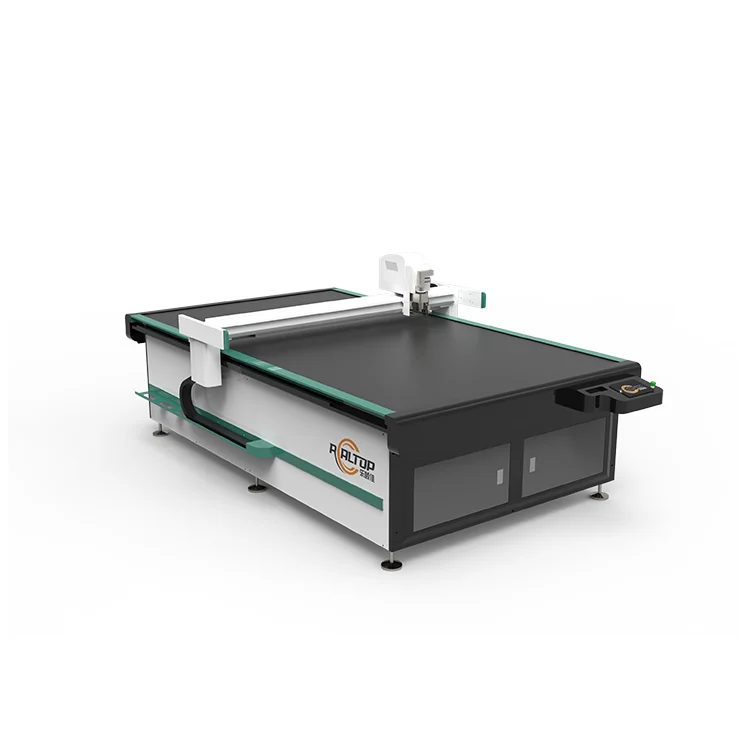
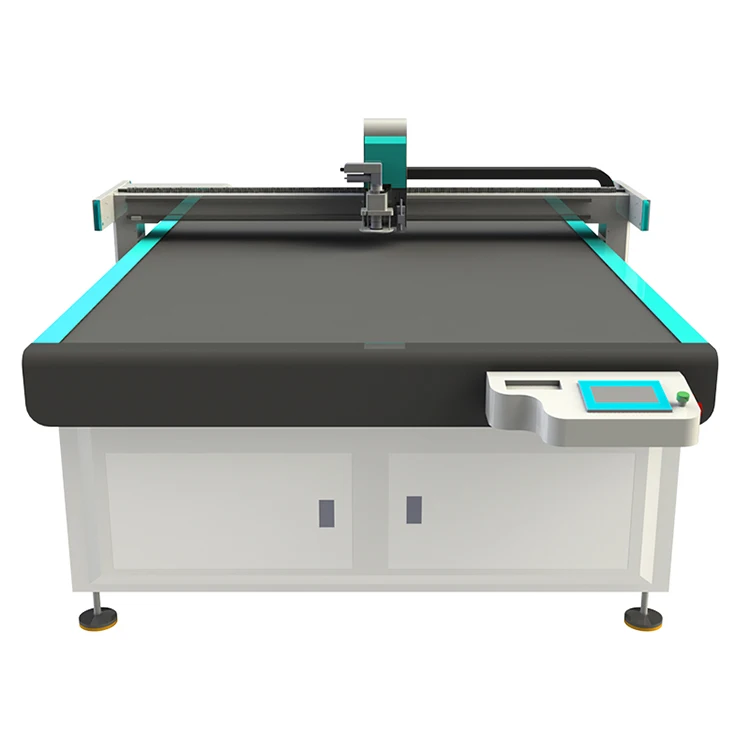
The RTT 4060 series sits at the entry point of the digital cutting catalogue, filling a specific gap for short-run packaging and prototype work. Unlike large-format flatbed knife tables built for continuous fabric or gasket production, this CNC desktop creasing cutting machine handles small-sheet cardstock and thin board where footprint and setup speed matter more than throughput volume. Buyers evaluating their first digital cutting table often start here before scaling to a larger flatbed system as order volumes grow.
Tool Head Range and the Pro Variant Distinction
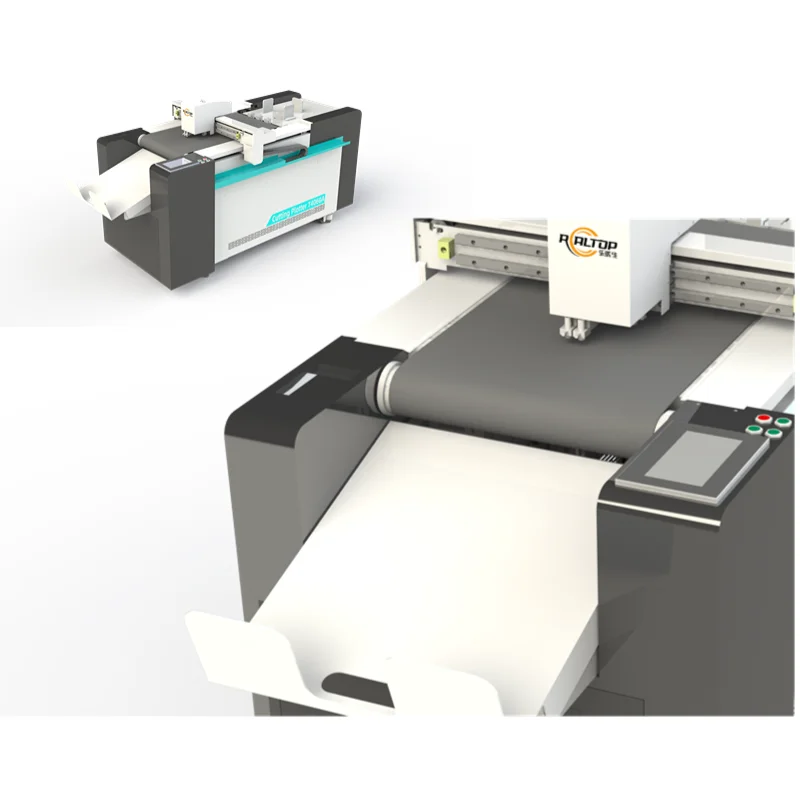
The standard RTT4060 carries cutting, kiss cutting, and creasing tools with an integrated CCD camera for printed contour recognition. The RTT4060 Pro adds a high-speed oscillating knife head, extending the cutting thickness capacity to 5mm. This means the Pro variant can process denser packaging boards and micro-flute corrugated materials that would stall a standard drag blade, giving sample makers a wider material envelope without moving to a full industrial flatbed [NEED_CITE:].
Reading the Specifications for Real-World Performance
Positioning accuracy at 0.05mm directly affects crease-to-cut alignment on printed packaging artwork — if the crease line misses the intended fold position even slightly, the assembled box skews and printed graphics misalign at the panels. The Ethernet file transfer supporting DXF, PLT, PDF, and AI formats means existing design files move straight from Adobe Illustrator or AutoCAD to the machine without intermediate conversion. Dual-voltage capability at 220V/380V allows the machine to connect to either single-phase or three-phase supply, which is critical when shipping to markets with different industrial grid standards. The rated 2.5 kW power draw keeps the machine within standard workshop circuit capacity without requiring dedicated high-amperage wiring [NEED_CITE:].
What Happens When the Configuration Is Wrong
Choosing a machine on working area alone, then discovering the vacuum table zoning cannot hold small greeting card blanks flat during cutting, leads to material lift and scrapped sheets. A creasing wheel specified for 300gsm cardstock will produce shallow, broken fold lines on 600gsm board, and every box in that batch will crack at the spine. These are not warranty claims — they are specification mismatches that surface only when the buyer’s actual material hits the table [NEED_CITE:].
Reasons Buyers Source This Range Through Our Catalogue
We maintain in-house design and production across both knife and laser cutting technologies, so a buyer comparing the RTT 4060 against a CO2 laser engraver can evaluate each method honestly for their specific paper stock. Every tool head and table configuration is specified per material type and production volume rather than offered as a generic package. Software compatibility is confirmed before order — we verify that your DXF or PDF nesting workflow imports cleanly. Sample cutting on your own cardstock or board runs before commitment, not after delivery. Voltage, plug type, and control language are locked in before the machine leaves the factory.
Documentation & Verification
- Machine specification sheet confirming RTT4060 model variant, tool head list, and cutting thickness per material
- Electrical schematic and voltage confirmation aligned to your local 220V or 380V supply
- Software licence and file format compatibility note for DXF, PLT, PDF, and AI workflows
- Sample cutting report produced on your own paper or cardstock stock before dispatch
- Factory test record documenting positioning accuracy and crease quality on your specified material
Installation, Commissioning & Support
- 2.5 kW rated power requires a dedicated circuit matching the confirmed 220V or 380V supply
- 400mm × 600mm working area fits standard workbench surfaces without reinforced flooring
- Ethernet port connection enables direct file transfer from your design workstation on first power-up
- Tool head pressure calibration performed on your supplied cardstock samples during commissioning
- CCD camera contour tracking tested against your printed packaging artwork for registration accuracy
- Spare creasing wheels and cutting blades included based on your material abrasiveness profile
What We Need to Quote the Right Configuration
Send us the exact cardstock or board type you plan to cut, including weight in gsm and whether it carries lamination or coating. Confirm your local voltage and frequency standard so we can configure the electrical system before assembly. Let us know which file format your design team currently outputs so we can verify software compatibility before the order is finalized.
Frequently Asked Questions
Q: How is cutting thickness verified for my specific cardstock or board?
A: The ≤2mm and ≤5mm ratings reflect the mechanical penetration capacity of each tool head variant. We run your actual material on the RTT4060 or RTT4060 Pro before quoting, documenting the cutting depth achieved and the edge quality obtained. Laminated or coated stocks may behave differently than uncoated board at the same weight, which is why sample testing on your stock is standard procedure.
Q: Which tool head should I choose for my paper box and packaging sample materials?
A: Standard cardstock up to approximately 2mm works with the cutting and creasing tools on the base RTT4060. If you process denser board, micro-flute corrugated, or need kiss cutting for peel-off applications, the RTT4060 Pro with its high-speed oscillating knife extends the usable range. We match the head to your thickest regular material, not your occasional sample.
Q: How do I confirm voltage, plug type, and control language before shipment?
A: These are locked during the specification confirmation stage before production begins. We provide an electrical schematic showing the configured voltage and frequency for your market, along with the control interface language. Changing these after the machine ships requires on-site rewiring and software reloading, which is avoidable with upfront confirmation.
Q: Is the CCD camera able to track printed marks at production speed?
A: The CCD camera is designed to read printed registration marks for contour cutting on packaging artwork. Tracking reliability depends on mark contrast, size, and placement relative to the cut path. We test the camera on your actual printed sheets to confirm it reads consistently before the machine is approved for dispatch.
Precise tool head matching — Every RTT4060 configuration pairs a specified creasing, cutting, or oscillating knife head with the exact cardstock or board thickness it is rated to handle, so buyers see the method fit before the machine ships.
Technical Specifications
| Parameter | Value |
|---|---|
| Model | RTT4060 / RTT4060 Pro |
| Product Type | CNC Desktop Creasing Cutting Machine |
| Max Working Area | 400mm × 600mm |
| Tool Head Options | Cutting tool, kiss cutting tool, creasing tool, CCD camera, high speed oscillating knife (Pro model) |
| Max Cutting Speed | 1500 mm/s (according to the material) |
| Cutting Thickness | ≤2mm (RTT4060); ≤5mm (RTT4060 Pro) |
| Positioning Accuracy | 0.05mm |
| File Format Compatibility | DXF, PLT, PDF, AI |
| Transfer Method | Ethernet port |
| Rated Power | 2.5 kW |
| Voltage & Frequency | 220V/380V, 50Hz |
| Control System | CNC |
Application Suitability
| Application | Material or Output |
|---|---|
| Paper box and cardstock sample making | Coated and uncoated cardstock, thin corrugated board, folding carton stock |
| Packaging prototype cutting | Grey board, kraft paper, specialty laminated papers up to rated thickness |
| Small-format folding carton and greeting card production | Single-ply cardstock, decorative paper, light chipboard |
| Short-run packaging and display mockups | Thin board, corrugated micro-flute, presentation board materials |
Why Tool Head Selection Matters More Than Working Area
A CNC desktop creasing cutting machine specified only on table size often fails when the creasing tool pressure is insufficient for high-density or laminated specialty papers, resulting in cracked fold lines and ragged edges. Match the tool head to the material density and lamination before confirming the machine model.
I once supplied a compact cutting table to a client producing gift boxes on standard white cardstock. The samples looked fine in our workshop. Then the client switched to a heavy-weight laminated specialty paper for a premium run, and the standard creasing blade simply could not apply enough downward force. The fold lines ghosted, the edges burst on folding, and we spent nearly two weeks reconfiguring the tool head and dialing in pressure parameters [NEED_CITE:]. That episode reshaped how we quote every packaging sample machine — we ask for the actual stock first.
Where Desktop Format Fits in the Cutting Range
The RTT 4060 series sits at the entry point of the digital cutting catalogue, filling a specific gap for short-run packaging and prototype work. Unlike large-format flatbed knife tables built for continuous fabric or gasket production, this CNC desktop creasing cutting machine handles small-sheet cardstock and thin board where footprint and setup speed matter more than throughput volume. Buyers evaluating their first digital cutting table often start here before scaling to a larger flatbed system as order volumes grow.
Tool Head Range and the Pro Variant Distinction
The standard RTT4060 carries cutting, kiss cutting, and creasing tools with an integrated CCD camera for printed contour recognition. The RTT4060 Pro adds a high-speed oscillating knife head, extending the cutting thickness capacity to 5mm. This means the Pro variant can process denser packaging boards and micro-flute corrugated materials that would stall a standard drag blade, giving sample makers a wider material envelope without moving to a full industrial flatbed [NEED_CITE:].
Reading the Specifications for Real-World Performance
Positioning accuracy at 0.05mm directly affects crease-to-cut alignment on printed packaging artwork — if the crease line misses the intended fold position even slightly, the assembled box skews and printed graphics misalign at the panels. The Ethernet file transfer supporting DXF, PLT, PDF, and AI formats means existing design files move straight from Adobe Illustrator or AutoCAD to the machine without intermediate conversion. Dual-voltage capability at 220V/380V allows the machine to connect to either single-phase or three-phase supply, which is critical when shipping to markets with different industrial grid standards. The rated 2.5 kW power draw keeps the machine within standard workshop circuit capacity without requiring dedicated high-amperage wiring [NEED_CITE:].
What Happens When the Configuration Is Wrong
Choosing a machine on working area alone, then discovering the vacuum table zoning cannot hold small greeting card blanks flat during cutting, leads to material lift and scrapped sheets. A creasing wheel specified for 300gsm cardstock will produce shallow, broken fold lines on 600gsm board, and every box in that batch will crack at the spine. These are not warranty claims — they are specification mismatches that surface only when the buyer’s actual material hits the table [NEED_CITE:].
Reasons Buyers Source This Range Through Our Catalogue
We maintain in-house design and production across both knife and laser cutting technologies, so a buyer comparing the RTT 4060 against a CO2 laser engraver can evaluate each method honestly for their specific paper stock. Every tool head and table configuration is specified per material type and production volume rather than offered as a generic package. Software compatibility is confirmed before order — we verify that your DXF or PDF nesting workflow imports cleanly. Sample cutting on your own cardstock or board runs before commitment, not after delivery. Voltage, plug type, and control language are locked in before the machine leaves the factory.
Documentation & Verification
- Machine specification sheet confirming RTT4060 model variant, tool head list, and cutting thickness per material
- Electrical schematic and voltage confirmation aligned to your local 220V or 380V supply
- Software licence and file format compatibility note for DXF, PLT, PDF, and AI workflows
- Sample cutting report produced on your own paper or cardstock stock before dispatch
- Factory test record documenting positioning accuracy and crease quality on your specified material
Installation, Commissioning & Support
- 2.5 kW rated power requires a dedicated circuit matching the confirmed 220V or 380V supply
- 400mm × 600mm working area fits standard workbench surfaces without reinforced flooring
- Ethernet port connection enables direct file transfer from your design workstation on first power-up
- Tool head pressure calibration performed on your supplied cardstock samples during commissioning
- CCD camera contour tracking tested against your printed packaging artwork for registration accuracy
- Spare creasing wheels and cutting blades included based on your material abrasiveness profile
What We Need to Quote the Right Configuration
Send us the exact cardstock or board type you plan to cut, including weight in gsm and whether it carries lamination or coating. Confirm your local voltage and frequency standard so we can configure the electrical system before assembly. Let us know which file format your design team currently outputs so we can verify software compatibility before the order is finalized.
Frequently Asked Questions
Q: How is cutting thickness verified for my specific cardstock or board?
A: The ≤2mm and ≤5mm ratings reflect the mechanical penetration capacity of each tool head variant. We run your actual material on the RTT4060 or RTT4060 Pro before quoting, documenting the cutting depth achieved and the edge quality obtained. Laminated or coated stocks may behave differently than uncoated board at the same weight, which is why sample testing on your stock is standard procedure.
Q: Which tool head should I choose for my paper box and packaging sample materials?
A: Standard cardstock up to approximately 2mm works with the cutting and creasing tools on the base RTT4060. If you process denser board, micro-flute corrugated, or need kiss cutting for peel-off applications, the RTT4060 Pro with its high-speed oscillating knife extends the usable range. We match the head to your thickest regular material, not your occasional sample.
Q: How do I confirm voltage, plug type, and control language before shipment?
A: These are locked during the specification confirmation stage before production begins. We provide an electrical schematic showing the configured voltage and frequency for your market, along with the control interface language. Changing these after the machine ships requires on-site rewiring and software reloading, which is avoidable with upfront confirmation.
Q: Is the CCD camera able to track printed marks at production speed?
A: The CCD camera is designed to read printed registration marks for contour cutting on packaging artwork. Tracking reliability depends on mark contrast, size, and placement relative to the cut path. We test the camera on your actual printed sheets to confirm it reads consistently before the machine is approved for dispatch.
商品评价
There are no reviews yet.