

Fast Delivery
Quick, reliable shipping to any location.

Free & easy returns
Return this item by mail or in store within 90 days for a full refund.
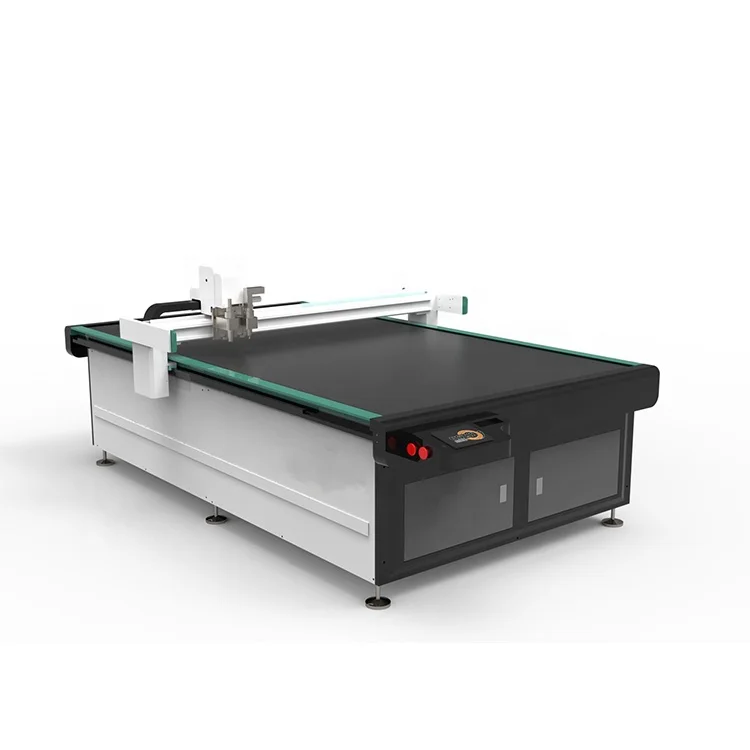
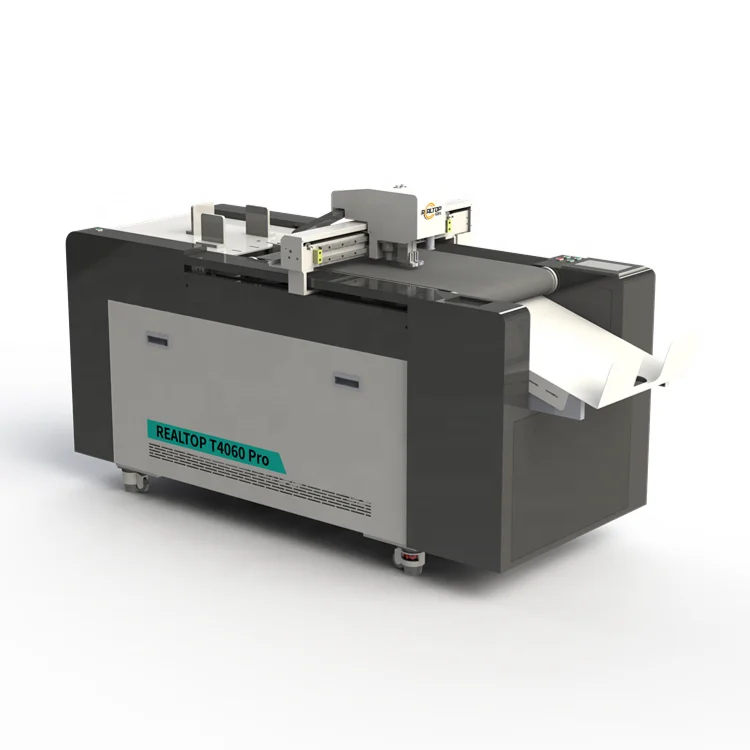
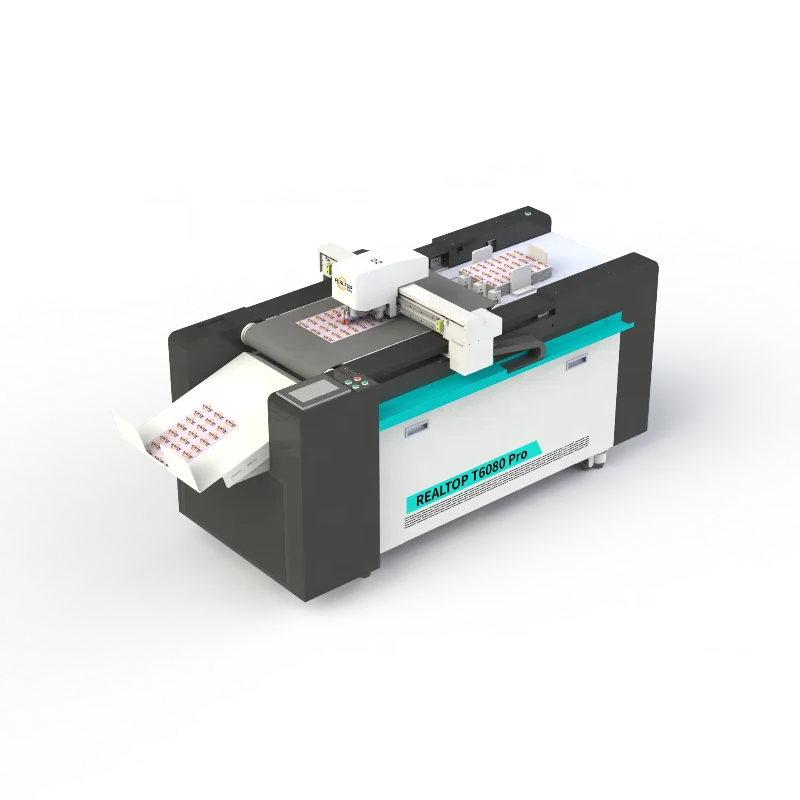
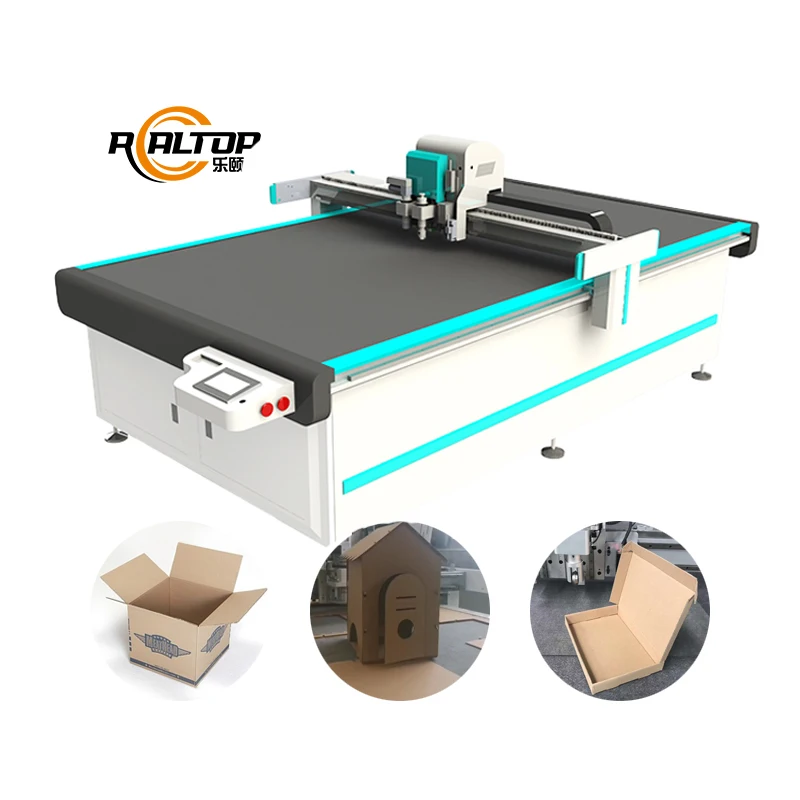
Multiple cutting methods under one roof — matching knife tooling to your leather, cardboard, or sticker stock instead of forcing a single process across incompatible materials.
Technical Specifications
| Parameter | Value |
|---|---|
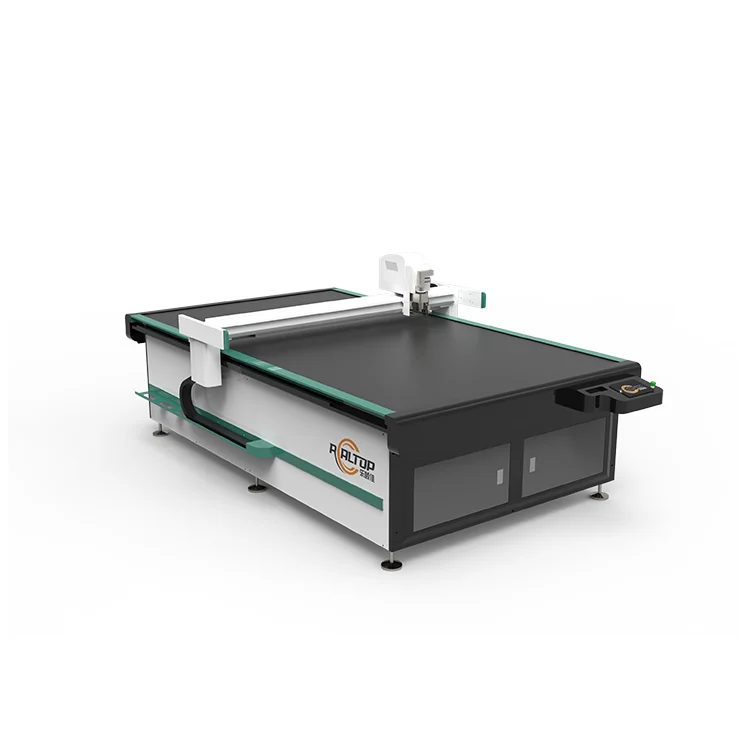
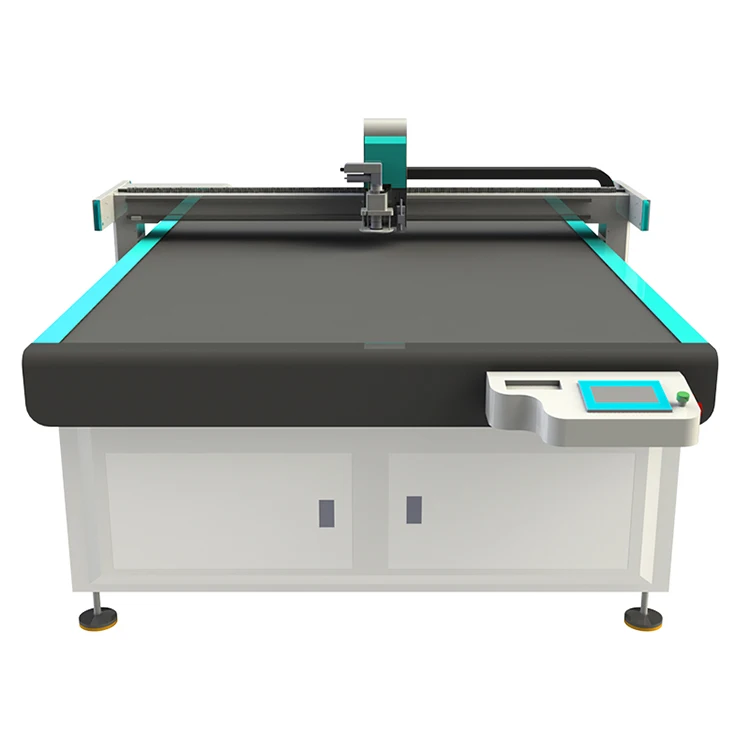
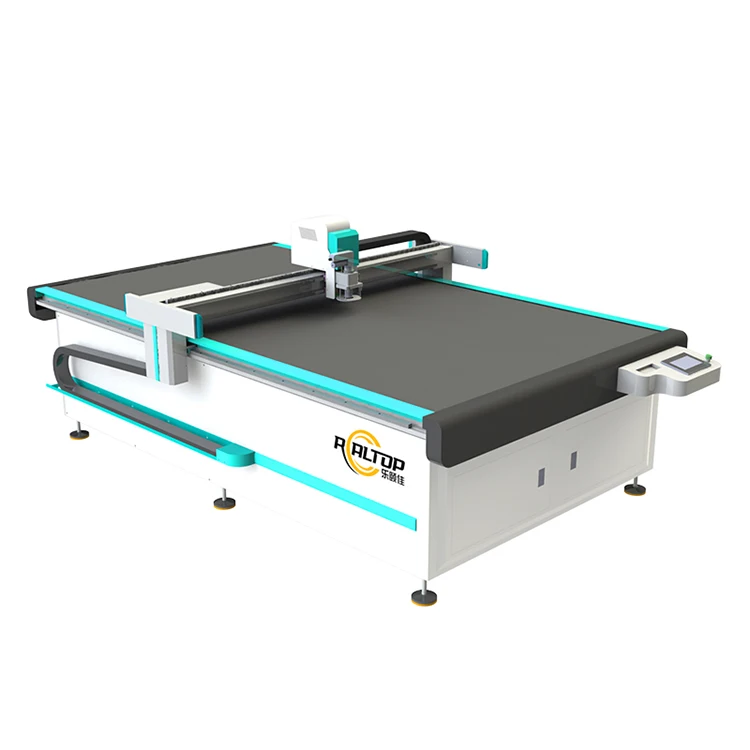
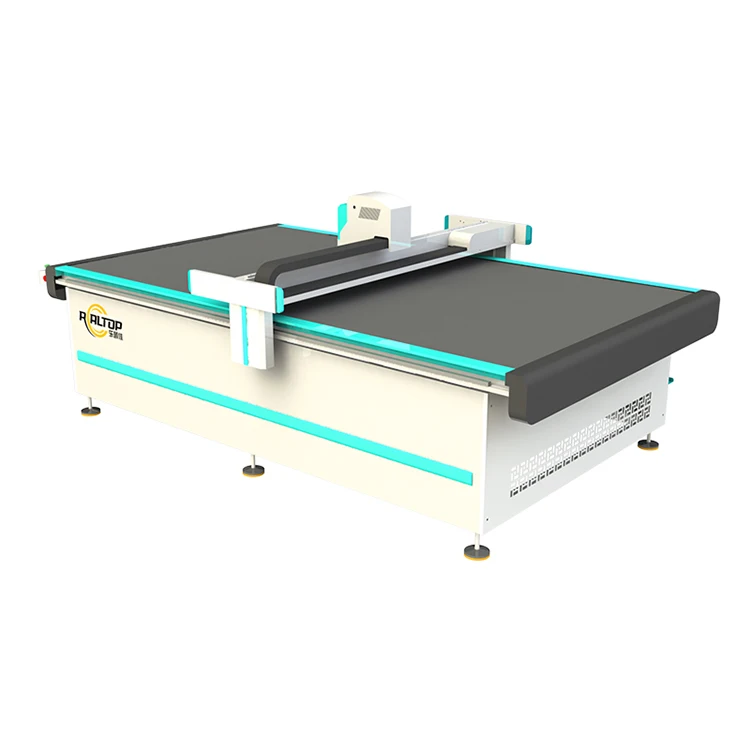
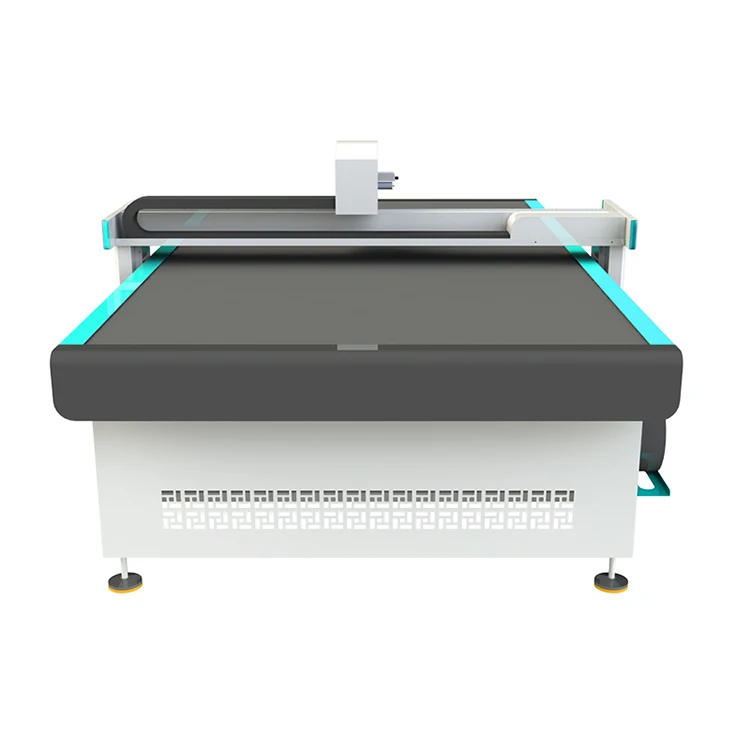
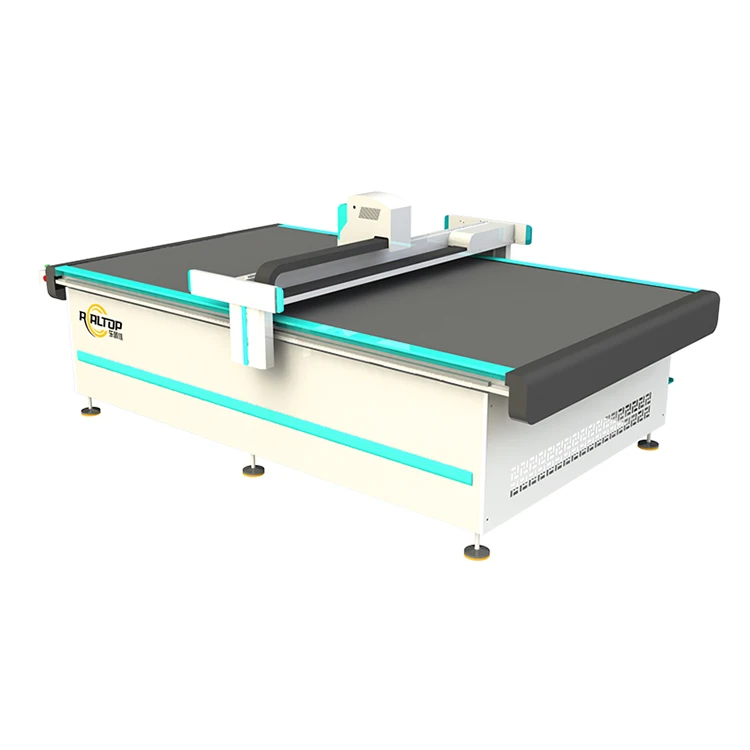
| Product Type | CNC Oscillating Knife Cutting Machine |
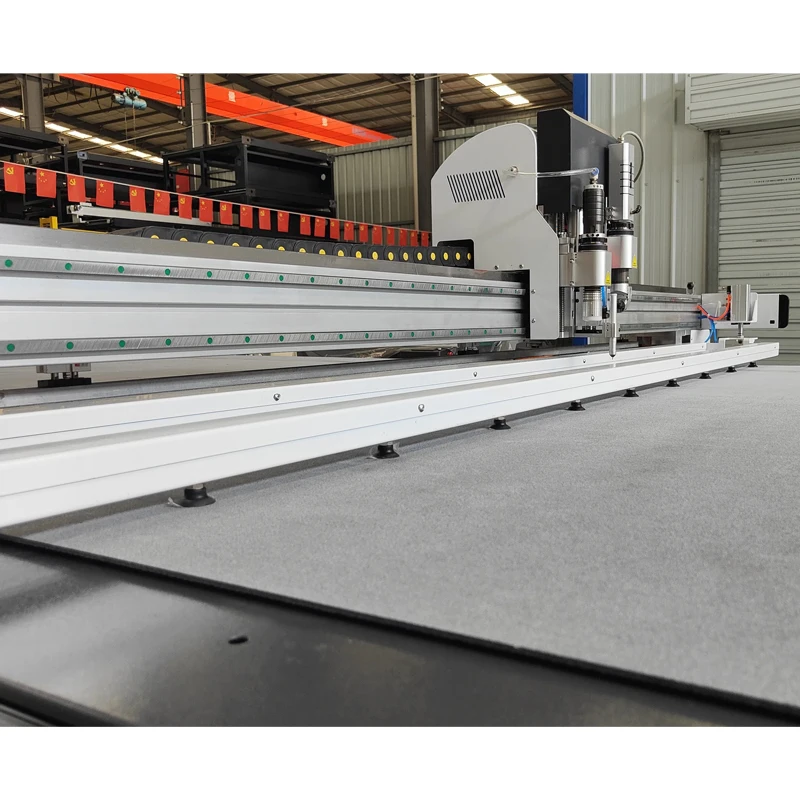
| Model | RT–R2513 / RT-D2516 / RT-S2516 |
| Working Area | 2500×1300 mm (RT–R2513) / 1600×2500 mm (RT-D2516 / RT-S2516) |
| Machine Size | 3550×1910×1400 mm (RT–R2513) / 3450×2300×1250 mm (RT-D2516 / RT-S2516) |
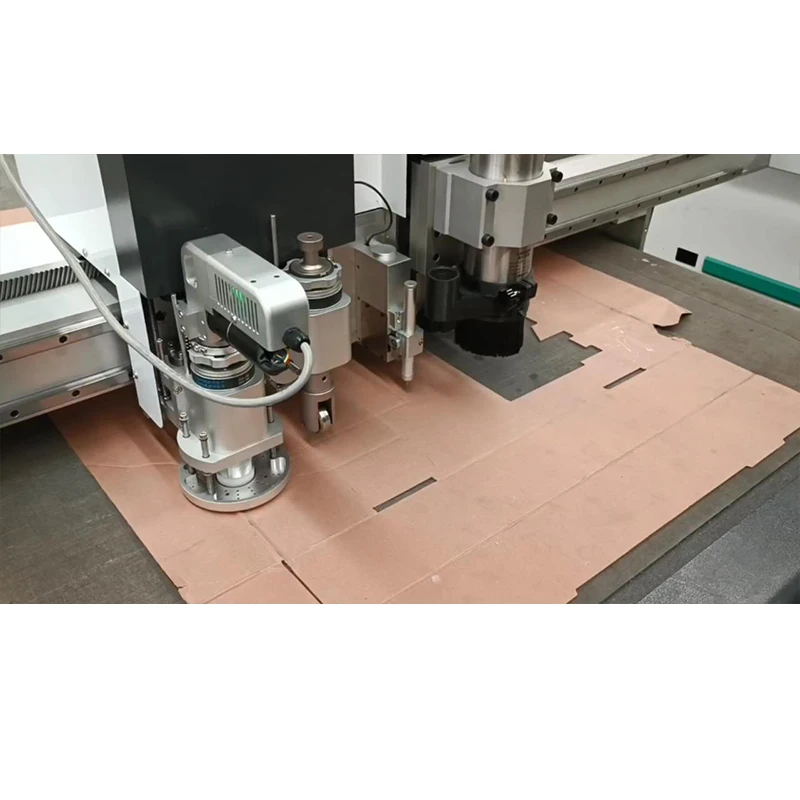
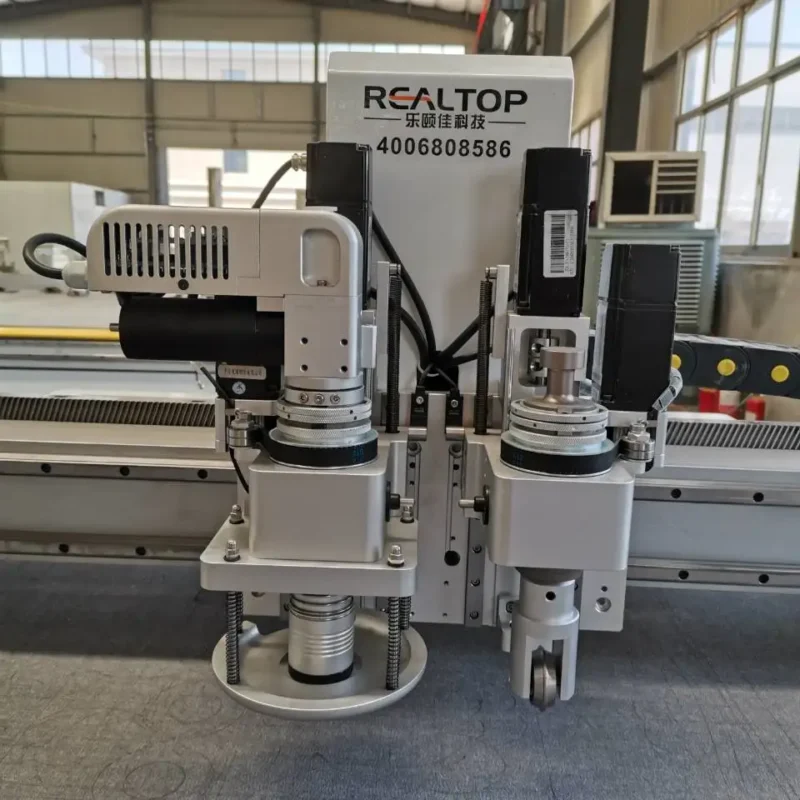
| Cutting Tools | Oscillating knife, creasing tool, kiss-cut knife, round punch |
| Cutting Thickness | Up to 18 mm (material dependent) |
| Fixing Method | Vacuum system with 7.5 kW pump |
| Rated Power | 9 kW |
| Repeated Accuracy | < 0.05 mm |
| Voltage | 380 V (50 Hz / 60 Hz to confirm) |
| Servo Motor | Dongling servo / Delta servo motor (configurable) |
| Guide Rail | Taiwan Hiwin rail (configurable) |
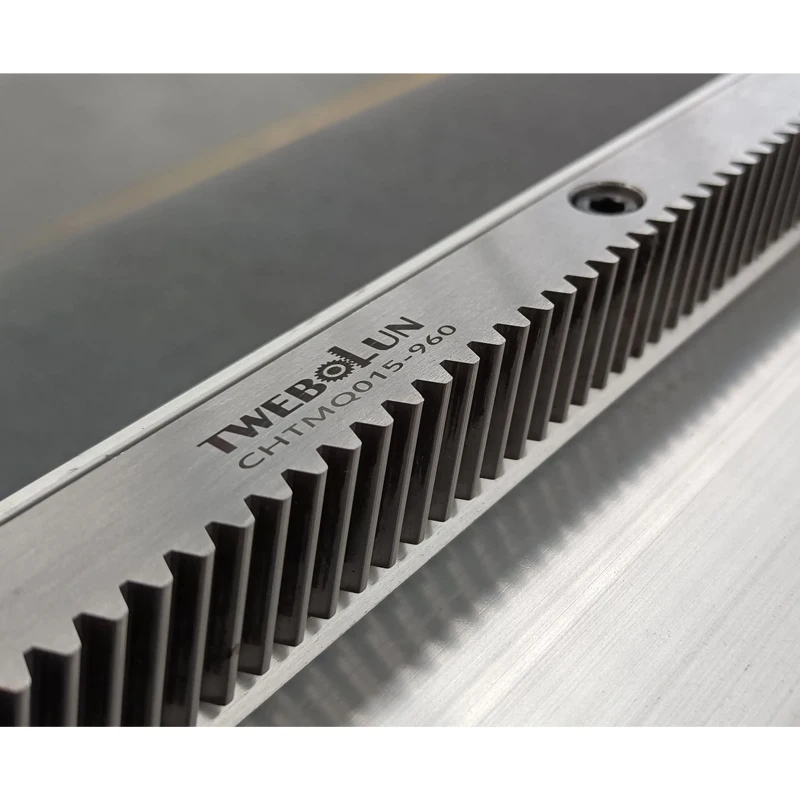
| Frame Structure | Welded thick square seamless steel, high-temperature treated |
| Transmission | Ethernet port |
| Profile Formats | DXF, OLT, PDF, AI |
| Safety Device | Infrared sensors |
| Conveyor Belt | Germany imported (configurable) |
| Auto Feeding | Available (configurable) |
| Language Options | English, Russian, Italian, Chinese (custom languages available) |
| Blade Included | 10 pieces oscillating blades |
| Warranty | 1 year (excluding felt and knife blades) |
| Delivery Time | Under 30 working days |
| Certification | CE |
Application Suitability
| Application | Material or Output |
|---|---|
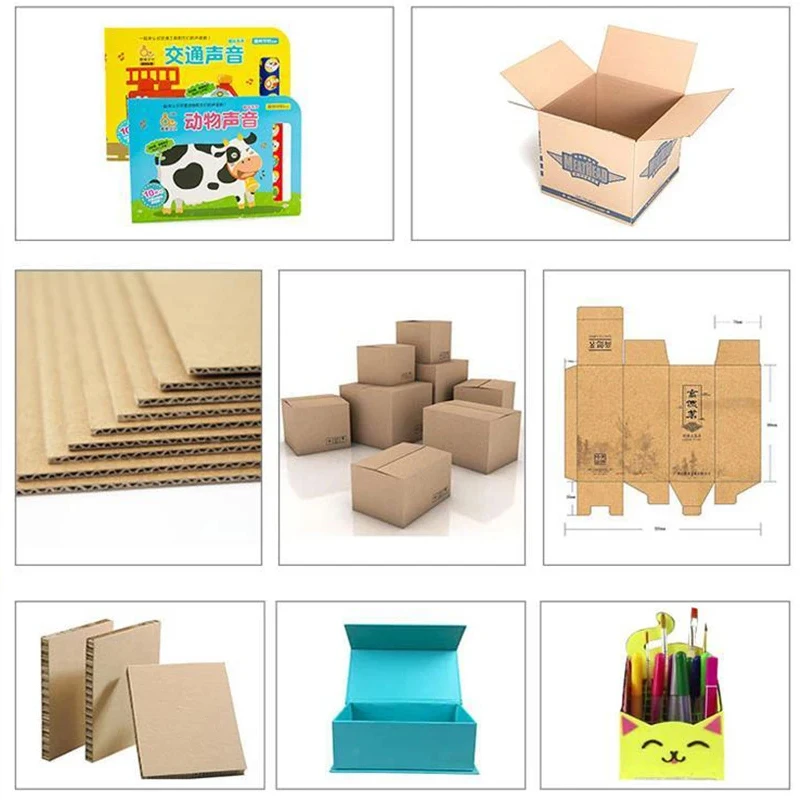
| Packaging and carton sample making | Cardboard boxes, express paper boxes, snack food packaging, high-end gift boxes |
| Sticker and label production | Self-adhesive labels, PP paper stickers, die-cut decals |
| Leather cutting for footwear and bags | Natural leather, synthetic leather, PU uppers and linings |
| Advertising signage and billboard production | PVC foam board, vinyl, corrugated board, lightweight display panels |
| Business card and tag cutting | Coated paper stock, laminated card, plastic tags |
Why a Working-Area-Only Specification Fails the Cutting Test
A cutting table sized by footprint alone will disappoint the moment it meets your actual material stack.
I have seen buyers pick a CNC oscillating knife cutting machine manufacturer based on the bed size that fits their shop floor, only to discover the tool head cannot push through dense EVA at line speed or the vacuum zoning lets small sticker lifts curl off the table mid-cut. The working area tells you where the gantry travels — it says nothing about whether the oscillating blade frequency handles your 12 mm foam gasket or whether the creasing wheel scores your 350 gsm carton board without tearing the top ply. [NEED_CITE: common misconfiguration issues in flatbed digital cutting procurement]
Tool Head Selection Drives Edge Quality More Than Bed Size
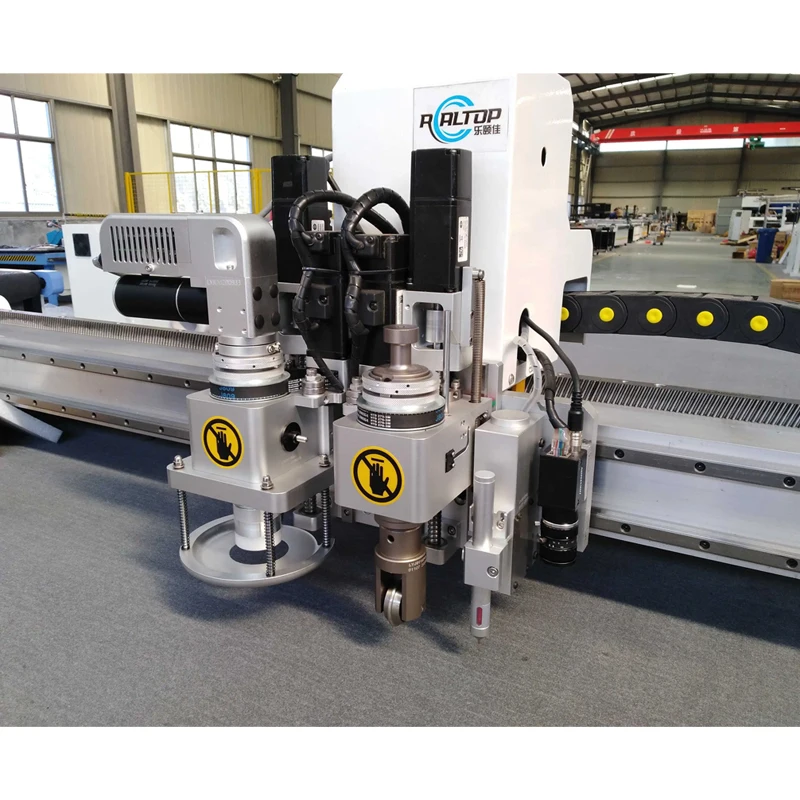
The RT–R2513 platform supports an oscillating knife, creasing tool, kiss-cut knife, and round punch within a single carriage. Each tool addresses a different failure mode: the oscillating blade slices through layered foam and leather without fraying, the creasing wheel compresses carton fibre for clean fold lines, and the kiss-cut knife scores stickers down to the liner without cutting through. Running the wrong tool on a given substrate produces crushed edges or incomplete cuts that operators often blame on the machine itself rather than the tooling choice.
Vacuum Zoning and Small-Part Retention on the Cutting Bed
The 7.5 kW vacuum pump paired with the flatbed table must hold lightweight sticker sheets and thin PP paper flat during high-speed contour cuts. Without adequate zoning, small die-cut shapes lose suction near the table edges and lift into the blade path, producing scrapped parts and blade damage. The vacuum configuration on this CNC oscillating knife cutting machine manufacturer build is selectable so that operators can isolate zones under small nests while keeping full suction for large-format carton sheets. [NEED_CITE: vacuum table zoning practices for digital flatbed cutting]
Reading the Specs That Actually Affect Daily Output
The welded steel frame with high-temperature treatment matters because oscillating knife cutting generates lateral vibration; a frame that has not been stress-relieved will drift out of the <0.05 mm repeated accuracy over weeks of continuous operation.*h the full 2500×1300 mm travel of the RT–R2513 without the play that cheaper rails introduce after several thousand hours. Servo motor selection between Dongling and Delta determines how aggressively the head accelerates between cuts — a factor that compounds across hundreds of carton samples per shift. Ethernet-based transmission avoids the signal lag that older USB-connected controllers exhibit when processing dense vector files from AI or PDF sources.
What Happens When the Configuration Skips the Material Test
Buyers who specify without a sample cut on their own stock end up discovering limits the hard way — a kiss-cut blade that scores too deep on one liner brand but fails to penetrate another, or an oscillating frequency that handles 10 mm cardboard cleanly but leaves ragged fibres on 18 mm foam. I recall a footwear line where the midsole density varied between batches and the machine ran at reduced speed for weeks before the tool head was reconfigured. [NEED_CITE: material variability impact on digital cutting tool life and edge quality] These are not machine defects — they are configuration mismatches that a pre-order sample cut would have surfaced before the crate left the factory.
Why Sourcing from a Single-Method Supplier Limits Your Options
A CNC oscillating knife cutting machine manufacturer that only builds knife tables will always recommend knife cutting, even when your acrylic signage would be cleaner with a CO2 laser edge. REALTOP designs and produces both knife and laser platforms in-house, so the cutting method is matched to the material rather than forced to fit one technology. Tool heads and table zones are specified per your stock list. Software compatibility with DXF, OLT, PDF, and AI is confirmed against your existing nesting workflow before the order is finalized. Voltage, plug type, and control language are locked in during the specification stage — not discovered at uncrating. Every machine ships after a factory test run on your material with a documented cutting report.
Documentation & Verification
- Machine specification sheet listing tool head assignments for each material on your stock list
- Electrical schematic with voltage and frequency confirmed for your local supply
- Sample cutting report produced on your own cardboard, leather, or sticker stock
- Factory test record documenting repeated accuracy across the full travel range
- Software licence and file format compatibility note matching your nesting workflow
- Spare parts list with blade and felt consumption estimates
Installation, Commissioning & Support
- Floor space allocation based on the 3550×1910 mm footprint of the RT–R2513 plus operator clearance
- Dedicated 380 V circuit with confirmed frequency before the servo motors are energized
- Frame arrives assembled; conveyor and auto-feeding modules bolted and aligned on site
- First-run parameter tuning against your specific cardboard and leather thickness range
- Operator training on tool head swaps and vacuum zone selection in English or configured language
- Ten oscillating blades included; reorder schedule based on your daily cut volume
What to Include in Your Inquiry
Send the material types, thicknesses, and sheet sizes you cut most often so the correct tool head and vacuum zone layout can be specified. Confirm your workshop voltage and frequency along with the control language your operators need. If you run existing nesting software, share a sample file so format compatibility is verified before production begins.
Frequently Asked Questions
Q: How do I decide between oscillating knife and laser for my material?
A: Knife cutting suits compressible and fibrous materials like foam, leather, and cardboard where a laser would leave a charred or melted edge. Laser cutting seals edges on synthetics and cuts acrylic cleanly. When both methods apply, a sample cut on your actual stock reveals which produces the edge quality and throughput your product requires.
Q: What tool head do I need for mixed cardboard and sticker production?
A: Cardboard sample making typically uses the oscillating knife for cuts and the creasing wheel for fold lines. Sticker and label work calls for the kiss-cut knife to score through the face stock without damaging the liner. The RT–R2513 carriage accepts multiple tools so you can switch within a single job file.
Q: Which software file formats does the controller accept?
A: The system imports DXF, OLT, PDF, and AI files directly. If your design workflow produces a different format, share a sample file during the inquiry stage so compatibility can be tested and any conversion steps confirmed before the machine ships.
Q: Can the machine handle small sticker parts without them lifting off the bed?
A: Small parts require vacuum zone isolation so suction concentrates under the active cutting area rather than spreading across the entire table. The vacuum pump and zoning layout are configured based on the smallest part size in your typical nest, which is why we ask for your cutting files before quoting.
Q: How are voltage and control language handled for export shipments?
A: Voltage and frequency are confirmed against your local supply during the specification stage — not assumed. Control interface language is selected from available options including English, Russian, Italian, and Chinese, with custom languages configurable for specific markets.
Multiple cutting methods under one roof — matching knife tooling to your leather, cardboard, or sticker stock instead of forcing a single process across incompatible materials.
Technical Specifications
| Parameter | Value |
|---|---|
| Product Type | CNC Oscillating Knife Cutting Machine |
| Model | RT–R2513 / RT-D2516 / RT-S2516 |
| Working Area | 2500×1300 mm (RT–R2513) / 1600×2500 mm (RT-D2516 / RT-S2516) |
| Machine Size | 3550×1910×1400 mm (RT–R2513) / 3450×2300×1250 mm (RT-D2516 / RT-S2516) |
| Cutting Tools | Oscillating knife, creasing tool, kiss-cut knife, round punch |
| Cutting Thickness | Up to 18 mm (material dependent) |
| Fixing Method | Vacuum system with 7.5 kW pump |
| Rated Power | 9 kW |
| Repeated Accuracy | < 0.05 mm |
| Voltage | 380 V (50 Hz / 60 Hz to confirm) |
| Servo Motor | Dongling servo / Delta servo motor (configurable) |
| Guide Rail | Taiwan Hiwin rail (configurable) |
| Frame Structure | Welded thick square seamless steel, high-temperature treated |
| Transmission | Ethernet port |
| Profile Formats | DXF, OLT, PDF, AI |
| Safety Device | Infrared sensors |
| Conveyor Belt | Germany imported (configurable) |
| Auto Feeding | Available (configurable) |
| Language Options | English, Russian, Italian, Chinese (custom languages available) |
| Blade Included | 10 pieces oscillating blades |
| Warranty | 1 year (excluding felt and knife blades) |
| Delivery Time | Under 30 working days |
| Certification | CE |
Application Suitability
| Application | Material or Output |
|---|---|
| Packaging and carton sample making | Cardboard boxes, express paper boxes, snack food packaging, high-end gift boxes |
| Sticker and label production | Self-adhesive labels, PP paper stickers, die-cut decals |
| Leather cutting for footwear and bags | Natural leather, synthetic leather, PU uppers and linings |
| Advertising signage and billboard production | PVC foam board, vinyl, corrugated board, lightweight display panels |
| Business card and tag cutting | Coated paper stock, laminated card, plastic tags |
Why a Working-Area-Only Specification Fails the Cutting Test
A cutting table sized by footprint alone will disappoint the moment it meets your actual material stack.
I have seen buyers pick a CNC oscillating knife cutting machine manufacturer based on the bed size that fits their shop floor, only to discover the tool head cannot push through dense EVA at line speed or the vacuum zoning lets small sticker lifts curl off the table mid-cut. The working area tells you where the gantry travels — it says nothing about whether the oscillating blade frequency handles your 12 mm foam gasket or whether the creasing wheel scores your 350 gsm carton board without tearing the top ply. [NEED_CITE: common misconfiguration issues in flatbed digital cutting procurement]
Tool Head Selection Drives Edge Quality More Than Bed Size
The RT–R2513 platform supports an oscillating knife, creasing tool, kiss-cut knife, and round punch within a single carriage. Each tool addresses a different failure mode: the oscillating blade slices through layered foam and leather without fraying, the creasing wheel compresses carton fibre for clean fold lines, and the kiss-cut knife scores stickers down to the liner without cutting through. Running the wrong tool on a given substrate produces crushed edges or incomplete cuts that operators often blame on the machine itself rather than the tooling choice.
Vacuum Zoning and Small-Part Retention on the Cutting Bed
The 7.5 kW vacuum pump paired with the flatbed table must hold lightweight sticker sheets and thin PP paper flat during high-speed contour cuts. Without adequate zoning, small die-cut shapes lose suction near the table edges and lift into the blade path, producing scrapped parts and blade damage. The vacuum configuration on this CNC oscillating knife cutting machine manufacturer build is selectable so that operators can isolate zones under small nests while keeping full suction for large-format carton sheets. [NEED_CITE: vacuum table zoning practices for digital flatbed cutting]
Reading the Specs That Actually Affect Daily Output
The welded steel frame with high-temperature treatment matters because oscillating knife cutting generates lateral vibration; a frame that has not been stress-relieved will drift out of the <0.05 mm repeated accuracy over weeks of continuous operation.*h the full 2500×1300 mm travel of the RT–R2513 without the play that cheaper rails introduce after several thousand hours. Servo motor selection between Dongling and Delta determines how aggressively the head accelerates between cuts — a factor that compounds across hundreds of carton samples per shift. Ethernet-based transmission avoids the signal lag that older USB-connected controllers exhibit when processing dense vector files from AI or PDF sources.
What Happens When the Configuration Skips the Material Test
Buyers who specify without a sample cut on their own stock end up discovering limits the hard way — a kiss-cut blade that scores too deep on one liner brand but fails to penetrate another, or an oscillating frequency that handles 10 mm cardboard cleanly but leaves ragged fibres on 18 mm foam. I recall a footwear line where the midsole density varied between batches and the machine ran at reduced speed for weeks before the tool head was reconfigured. [NEED_CITE: material variability impact on digital cutting tool life and edge quality] These are not machine defects — they are configuration mismatches that a pre-order sample cut would have surfaced before the crate left the factory.
Why Sourcing from a Single-Method Supplier Limits Your Options
A CNC oscillating knife cutting machine manufacturer that only builds knife tables will always recommend knife cutting, even when your acrylic signage would be cleaner with a CO2 laser edge. REALTOP designs and produces both knife and laser platforms in-house, so the cutting method is matched to the material rather than forced to fit one technology. Tool heads and table zones are specified per your stock list. Software compatibility with DXF, OLT, PDF, and AI is confirmed against your existing nesting workflow before the order is finalized. Voltage, plug type, and control language are locked in during the specification stage — not discovered at uncrating. Every machine ships after a factory test run on your material with a documented cutting report.
Documentation & Verification
- Machine specification sheet listing tool head assignments for each material on your stock list
- Electrical schematic with voltage and frequency confirmed for your local supply
- Sample cutting report produced on your own cardboard, leather, or sticker stock
- Factory test record documenting repeated accuracy across the full travel range
- Software licence and file format compatibility note matching your nesting workflow
- Spare parts list with blade and felt consumption estimates
Installation, Commissioning & Support
- Floor space allocation based on the 3550×1910 mm footprint of the RT–R2513 plus operator clearance
- Dedicated 380 V circuit with confirmed frequency before the servo motors are energized
- Frame arrives assembled; conveyor and auto-feeding modules bolted and aligned on site
- First-run parameter tuning against your specific cardboard and leather thickness range
- Operator training on tool head swaps and vacuum zone selection in English or configured language
- Ten oscillating blades included; reorder schedule based on your daily cut volume
What to Include in Your Inquiry
Send the material types, thicknesses, and sheet sizes you cut most often so the correct tool head and vacuum zone layout can be specified. Confirm your workshop voltage and frequency along with the control language your operators need. If you run existing nesting software, share a sample file so format compatibility is verified before production begins.
Frequently Asked Questions
Q: How do I decide between oscillating knife and laser for my material?
A: Knife cutting suits compressible and fibrous materials like foam, leather, and cardboard where a laser would leave a charred or melted edge. Laser cutting seals edges on synthetics and cuts acrylic cleanly. When both methods apply, a sample cut on your actual stock reveals which produces the edge quality and throughput your product requires.
Q: What tool head do I need for mixed cardboard and sticker production?
A: Cardboard sample making typically uses the oscillating knife for cuts and the creasing wheel for fold lines. Sticker and label work calls for the kiss-cut knife to score through the face stock without damaging the liner. The RT–R2513 carriage accepts multiple tools so you can switch within a single job file.
Q: Which software file formats does the controller accept?
A: The system imports DXF, OLT, PDF, and AI files directly. If your design workflow produces a different format, share a sample file during the inquiry stage so compatibility can be tested and any conversion steps confirmed before the machine ships.
Q: Can the machine handle small sticker parts without them lifting off the bed?
A: Small parts require vacuum zone isolation so suction concentrates under the active cutting area rather than spreading across the entire table. The vacuum pump and zoning layout are configured based on the smallest part size in your typical nest, which is why we ask for your cutting files before quoting.
Q: How are voltage and control language handled for export shipments?
A: Voltage and frequency are confirmed against your local supply during the specification stage — not assumed. Control interface language is selected from available options including English, Russian, Italian, and Chinese, with custom languages configurable for specific markets.
商品评价
There are no reviews yet.