

Fast Delivery
Quick, reliable shipping to any location.

Free & easy returns
Return this item by mail or in store within 90 days for a full refund.
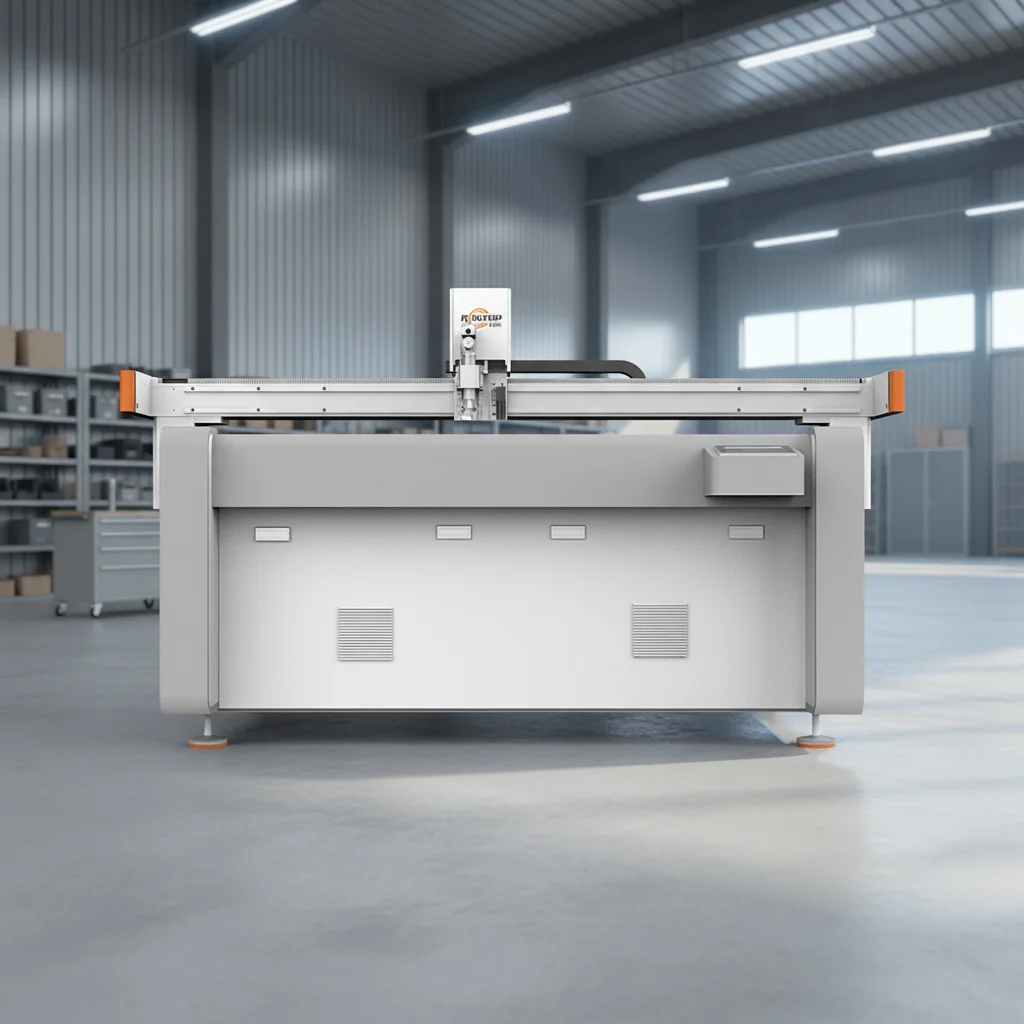
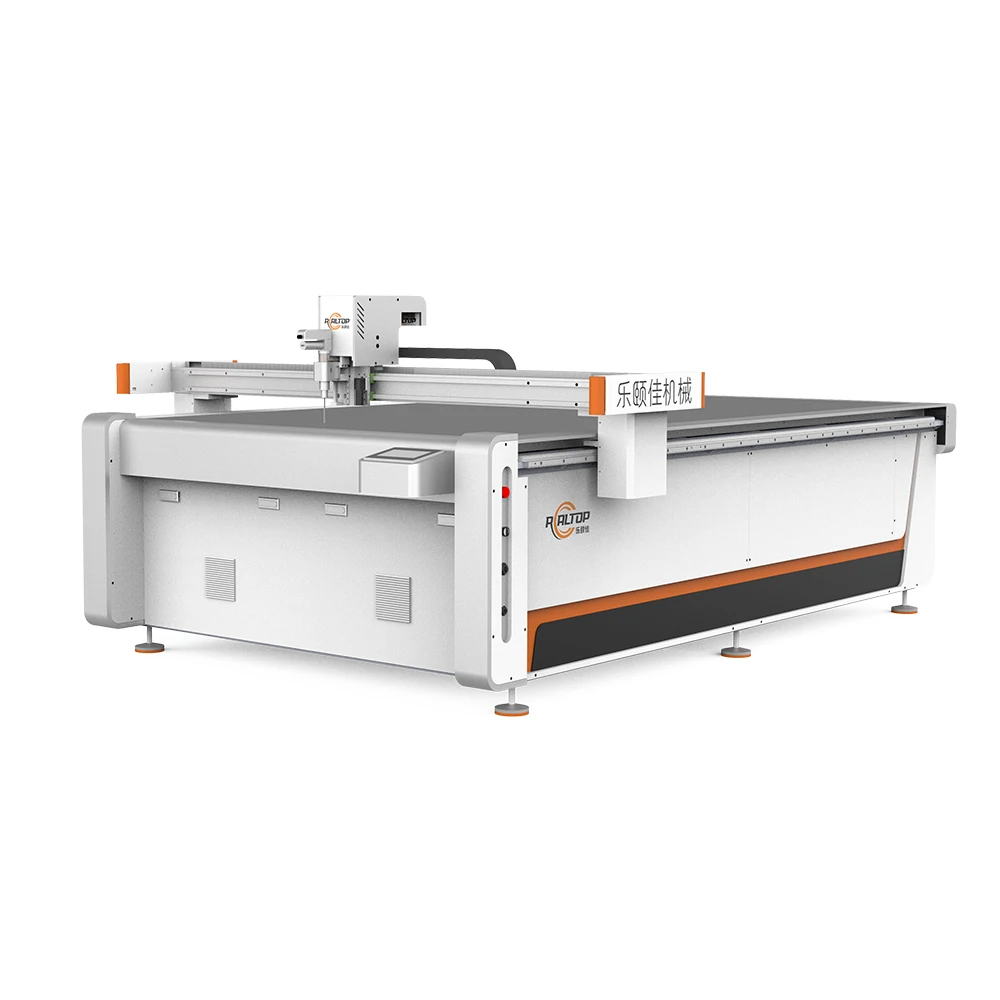
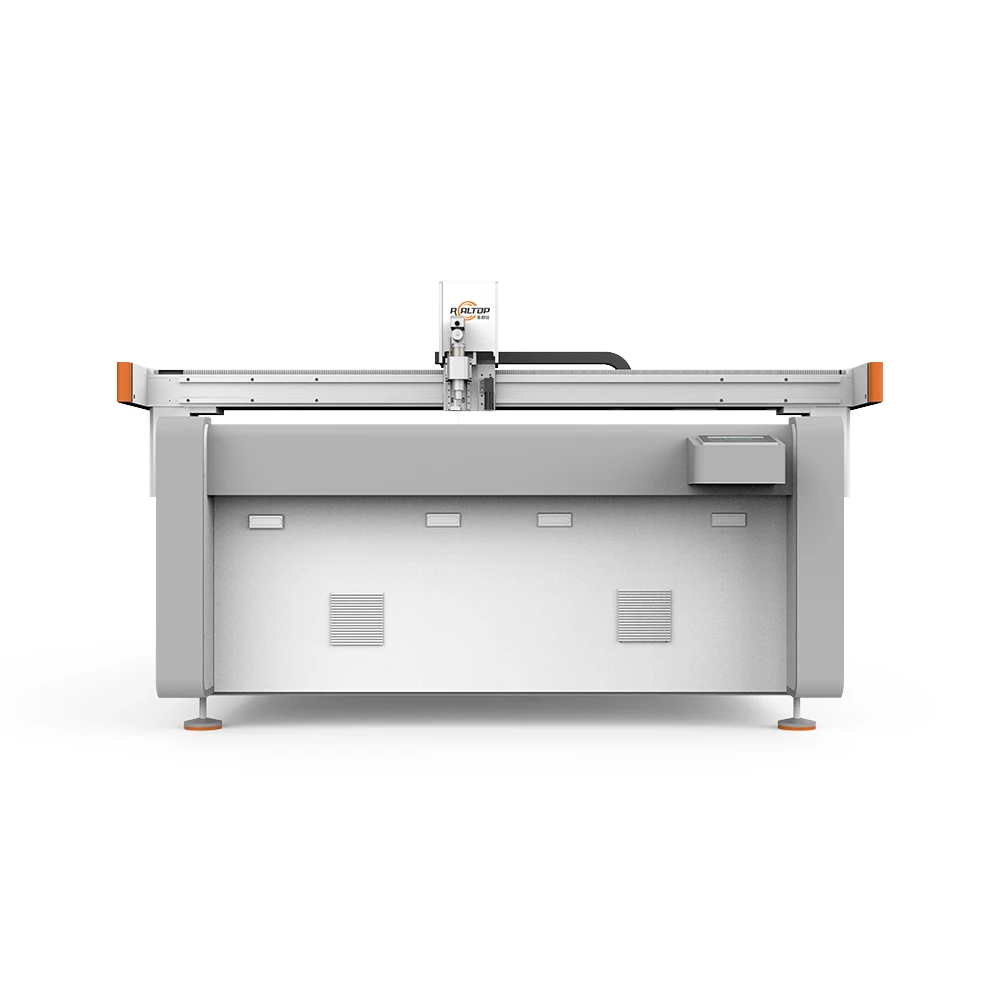
Full-Spectrum Configuration — Matching tool head, vacuum zoning and control language to actual material specs and workshop conditions, not just a working area.
Technical Specifications
| Parameter | Value |
|---|---|
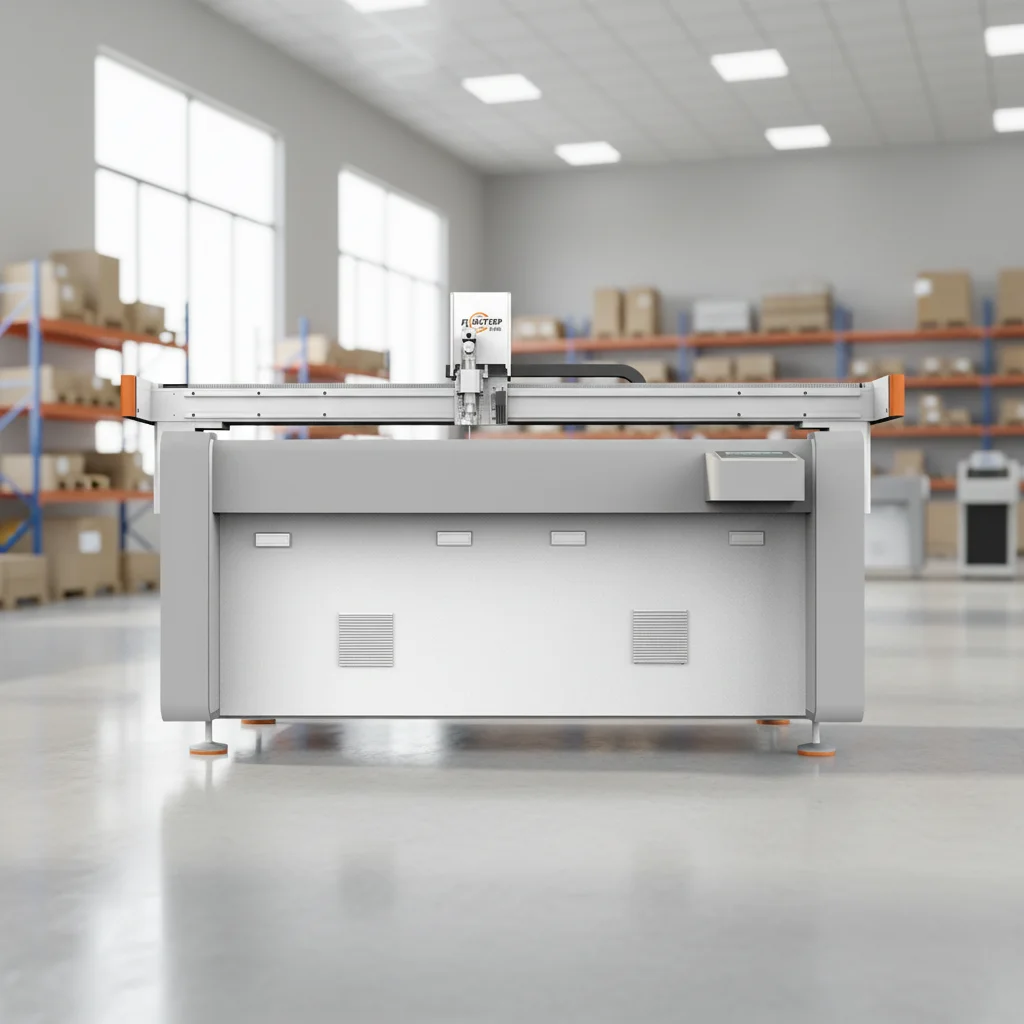
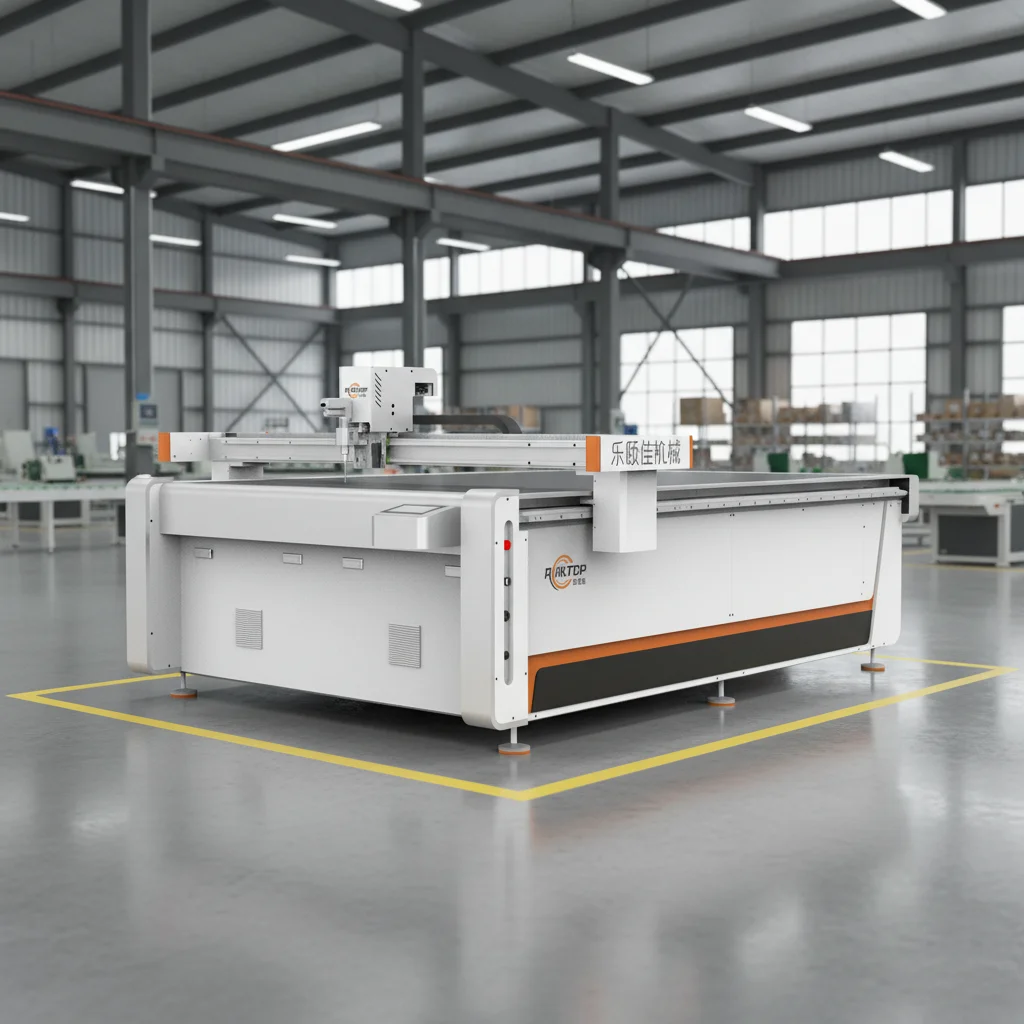
| Product Type | CNC Oscillating Knife Cutting Machine |
| Working Area | 1600*2500mm |
| Tool Head Options | Oscillating knife, Driven rotary knife, Creasing wheel, Kiss cutting tool, Pneumatic knife, Milling tool, V groove knife |
| Cutting Thickness | ≤ 30mm (basis not stated in source) |
| Cutting Accuracy | ±0.1 mm |
| Vacuum Table | Aluminum bellows vacuum table |
| Vacuum Pump Power | 9KW |
| Supported File Formats | PLT, DXF, AI, PDF |
| Servo Motor Options | Panasonic, Delta, Dorna (source value — verify) |
| Voltage Options | 110V, 220V, 380V (basis not stated in source) |
Application Suitability
| Application | Material or Output |
|---|---|
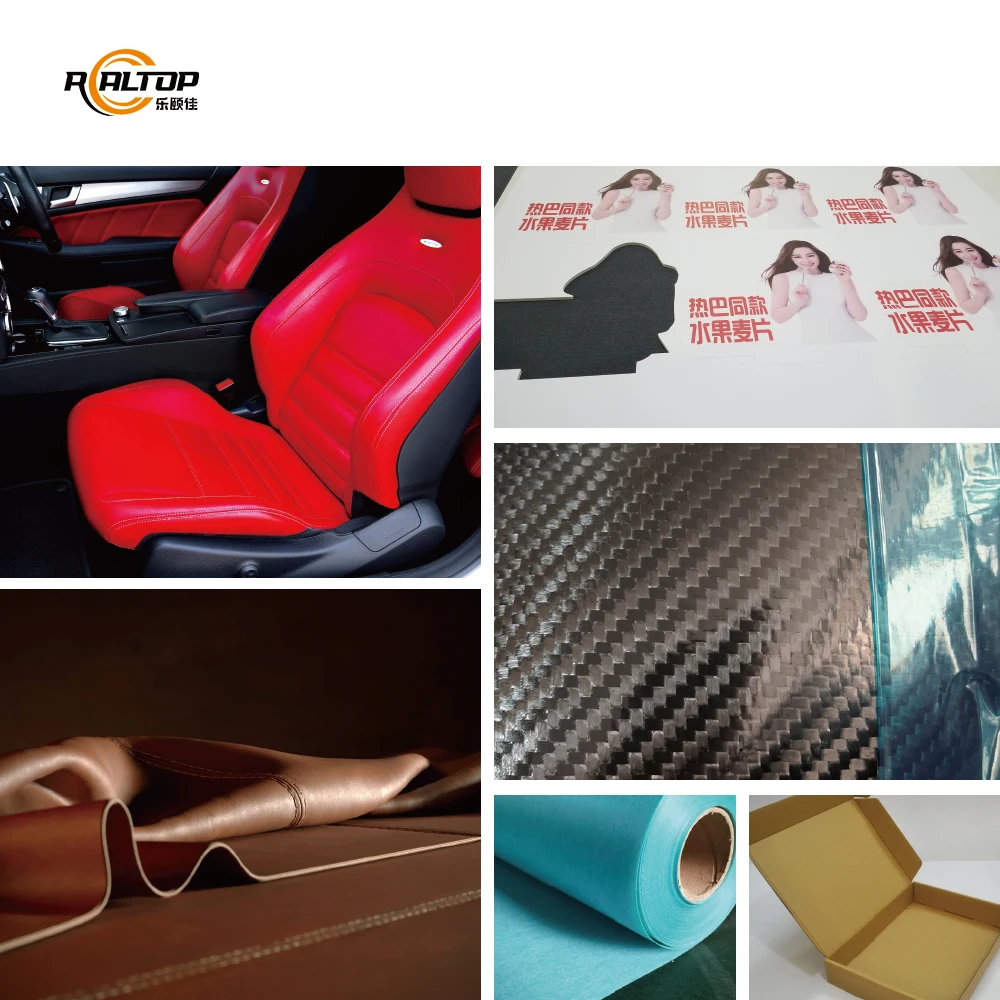
| Footwear and Leather Goods | Shoe uppers, apparel, bags, leather goods |
| Automotive Interiors | Automotive seat covers, sofa fabrics, car mats |
| Advertising and Packaging | Foam boards, PVC sheets, cartons, gift boxes |
| Specialized Materials | Printed fabrics, composite materials, EPE foam |
Why "Working Area" is the Wrong Starting Point for CNC Cutting
A cutting machine must be engineered around the material’s thickness, edge quality requirements, and daily volume rather than just the table dimensions.
I have seen too many procurement decisions fail because the buyer focused on fitting a 4×8 sheet onto the bed, only to find the tool head couldn’t handle the leather density or the vacuum couldn’t hold small offcuts. A proper CNC oscillating knife cutting machine manufacturer builds the configuration from the material up, starting with the tool head selection and vacuum zoning layout before even discussing the frame size [NEED_CITE: industrial cutting configuration best practices].
Matching the Tool Head to the Material Layer
The versatility of a digital cutting table relies on its interchangeable tool heads. An oscillating knife is standard for textiles, but genuine leather often requires a driven rotary knife for cleaner edge penetration. For multi-layer fabric production, a pneumatic knife or a specialized milling tool may be necessary to maintain accuracy through the stack. Choosing the wrong head results in frayed edges or crushed foam cores.
Vacuum Zoning and Small Part Retention
A standard 9KW vacuum pump is only effective if the table zoning matches the cutting layout. When cutting small leather patches or intricate gaskets, the aluminum bellows vacuum table must be segmented to prevent material lift at the edges. Without precise zoning, even the most powerful pump will fail to hold thin materials flat during high-speed traversal, leading to misalignment and scrap [NEED_CITE: vacuum table zoning efficiency].
Inside the Drive and Control Architecture
The precision of ±0.1 mm is achieved through the coordination of the servo motors and the PLC control panel. High-quality servo options like Panasonic or Delta ensure the carriage decelerates accurately at corners, which is vital for footwear uppers. Furthermore, the control system must support the operator’s local language and integrate with nesting software to maximize yield from expensive genuine leather hides.
The Hidden Cost of Overlooked Voltage and Format Issues
Electrical mismatch is a common point of failure for imported machinery. If the 110V, 220V, or 380V options are not confirmed against the local frequency and phase requirements before shipment, the control panel may fail or the vacuum pump may underperform. Additionally, software that cannot import the buyer’s existing AI or DXF files creates an immediate bottleneck on the shop floor [NEED_CITE: international machinery voltage compatibility].
Why Procurement Focuses on Material Testing
- In-house Design Capability: The factory controls both knife and laser technologies, allowing a direct comparison for edge sealing versus raw edges on synthetic textiles.
- Customized Zoning Schemes: Vacuum tables are divided based on the buyer’s specific smallest cutting piece size.
- Sample Verification: Every order is preceded by a sample cutting report on the buyer’s actual material roll.
- Language and Safety: PLC panels and manuals are configured in the local language with CE-compliant safety circuits.
Documentation & Verification
- Machine specification sheet with tool head and table configuration list matched to buyer’s material.
- Sample cutting report on the buyer’s own material showing edge quality and speed.
- Electrical schematic confirming voltage, frequency, and phase for the destination workshop.
- Software licence and file format compatibility note for PLT, DXF, and AI workflows.
Installation, Commissioning & Support
- Foundation preparation for the heavy-duty frame to ensure long-term flatness and vibration dampening.
- Dedicated circuit installation for the 9KW vacuum pump and PLC control system.
- Servo motor calibration and tool head offset configuration for the specific material thickness.
- Operator training on CCD camera contour recognition and nesting software integration.
- Scheduled maintenance plan for the aluminum bellows table and tool blade replacement.
Preparing a Technical Inquiry
To receive a configuration that matches your production goals, please provide the specific material type, maximum thickness, and the dimensions of your smallest cutting piece. We also need to know the local voltage and frequency standards, as well as the primary file format you will be using for nesting.
Frequently Asked Questions
Q: How do you determine the right tool head for my leather cutting needs?
A: We analyze the material thickness and edge requirements. Genuine leather often requires a driven rotary knife or oscillating knife, while synthetic layers might need a pneumatic knife. We provide a sample cutting report on your actual material before finalizing the tool head list.
Q: Can the vacuum table hold very small leather patches during cutting?
A: Yes, provided the table is configured correctly. We divide the aluminum bellows vacuum table into specific zones based on your smallest part dimensions. This ensures suction is concentrated where needed, preventing the "lift and shift" errors common with generic zoning.
Q: Is the software compatible with our existing nesting workflows?
A: The system supports industry-standard formats like PLT, DXF, AI, and PDF. We confirm file format compatibility and nesting workflow integration during the inquiry stage to ensure the machine integrates with your current design software without conversion losses.
Q: What information do you need regarding electrical standards?
A: We require the destination country’s voltage, phase, and frequency (e.g., 220V/60Hz). We then configure the servo motors and the 9KW vacuum pump to match these specs. This prevents overheating and ensures the PLC control system functions reliably in your facility.










商品评价
There are no reviews yet.