

Fast Delivery
Quick, reliable shipping to any location.

Free & easy returns
Return this item by mail or in store within 90 days for a full refund.
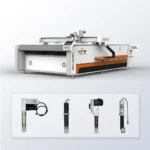
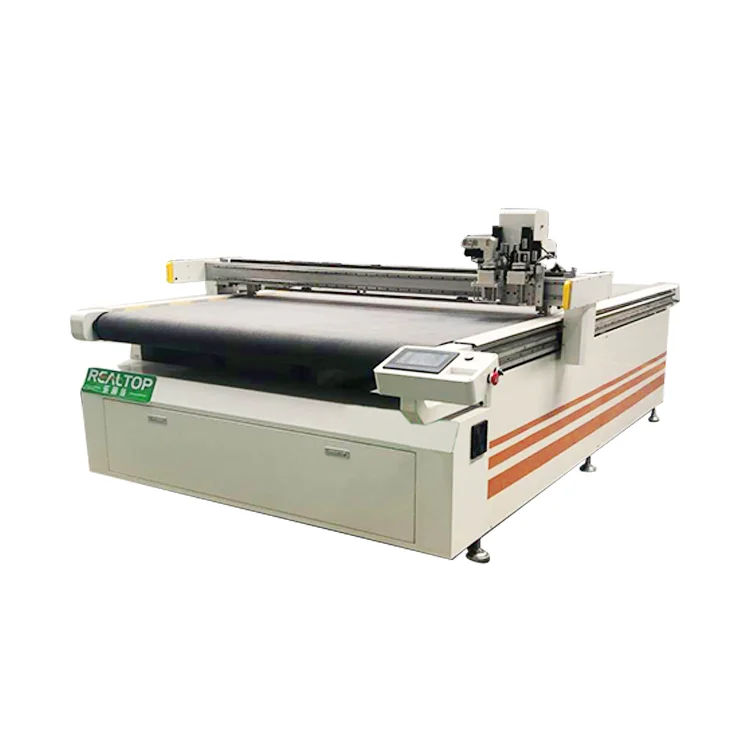
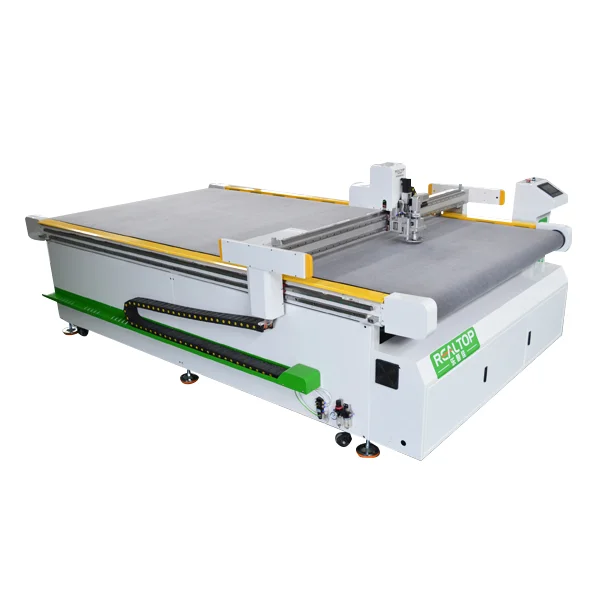
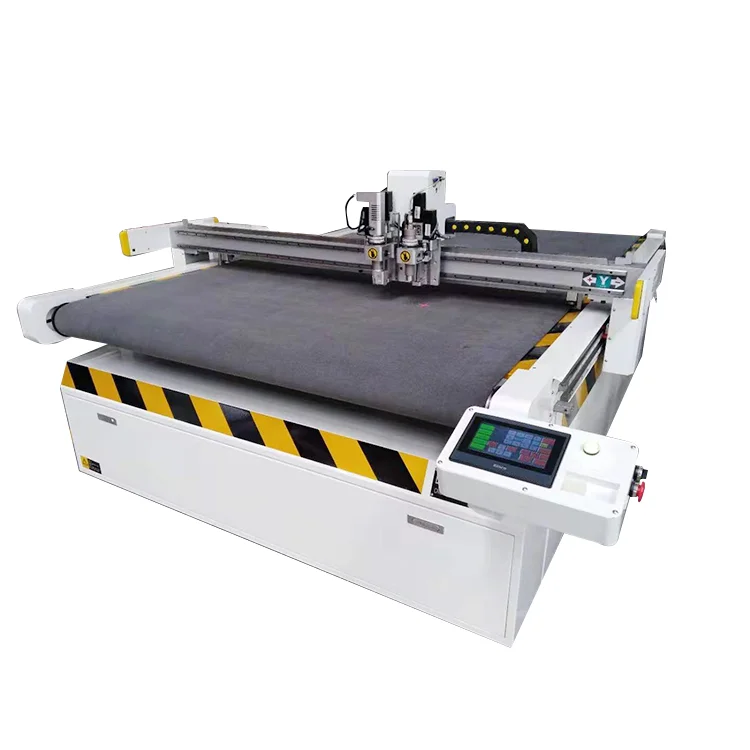
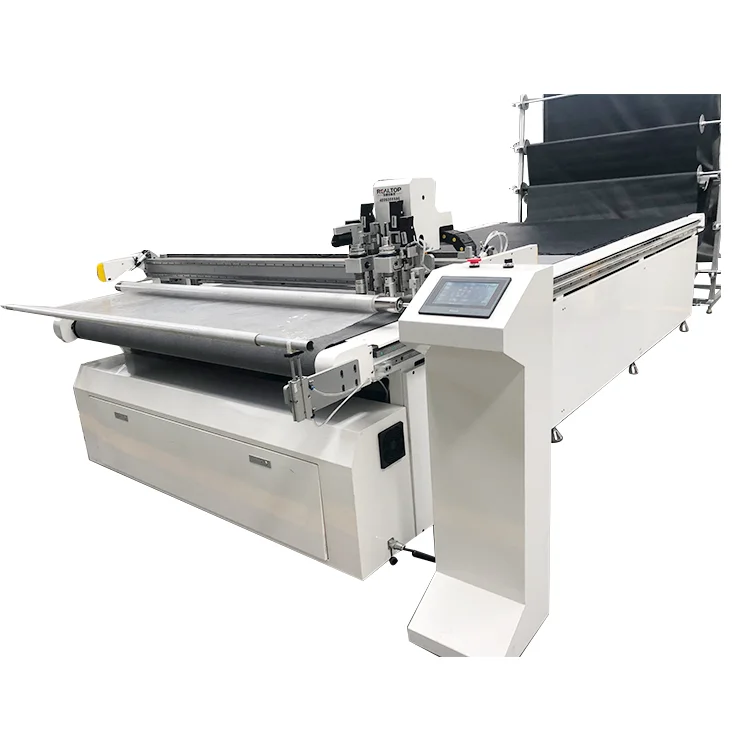
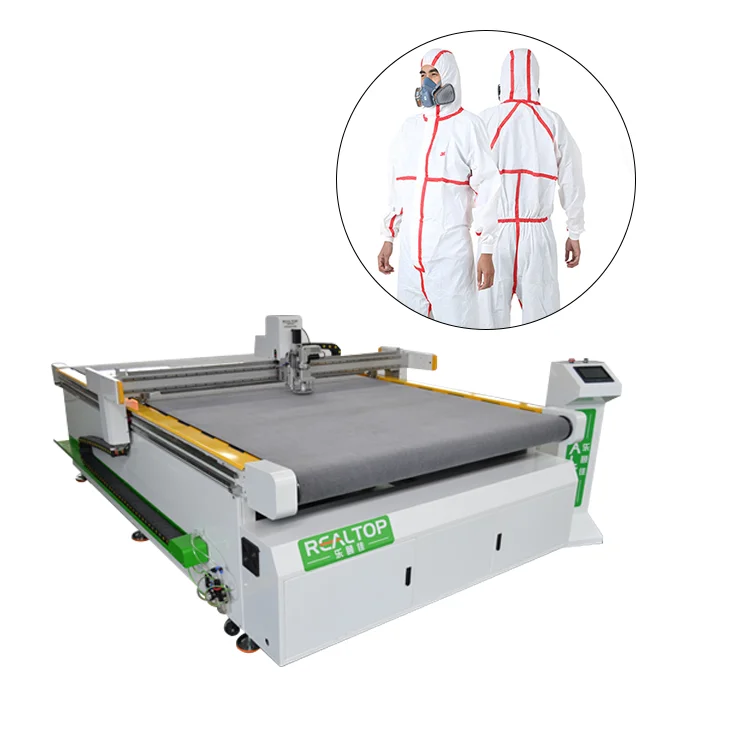
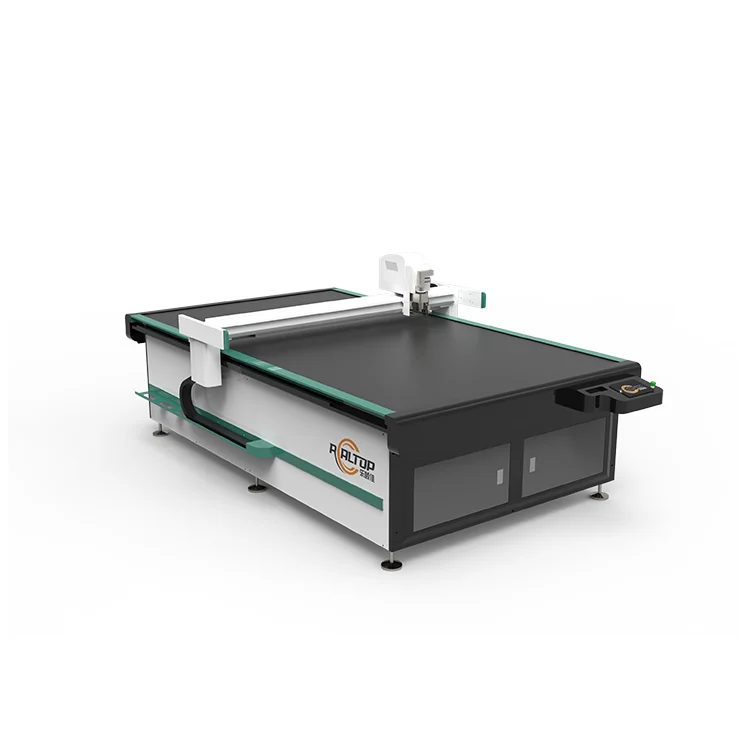
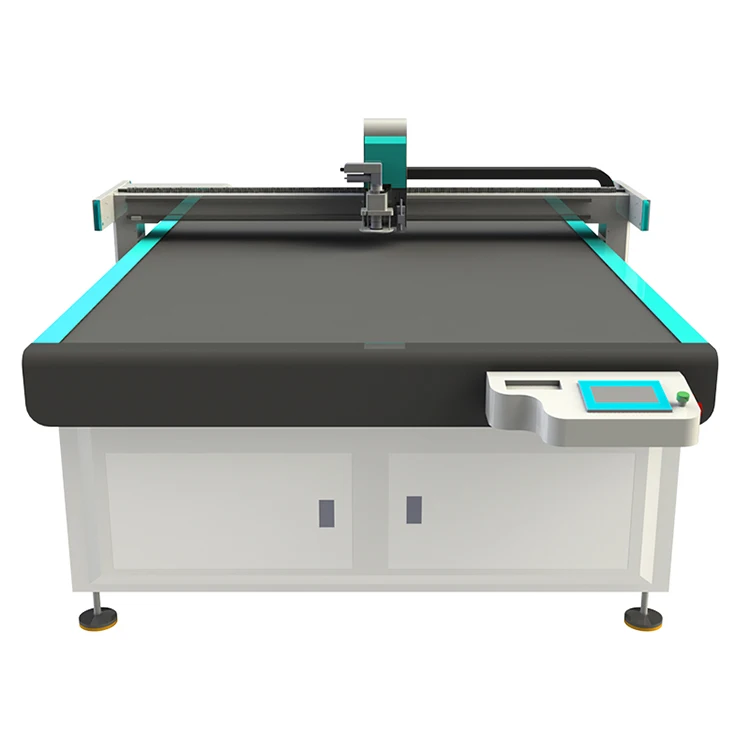
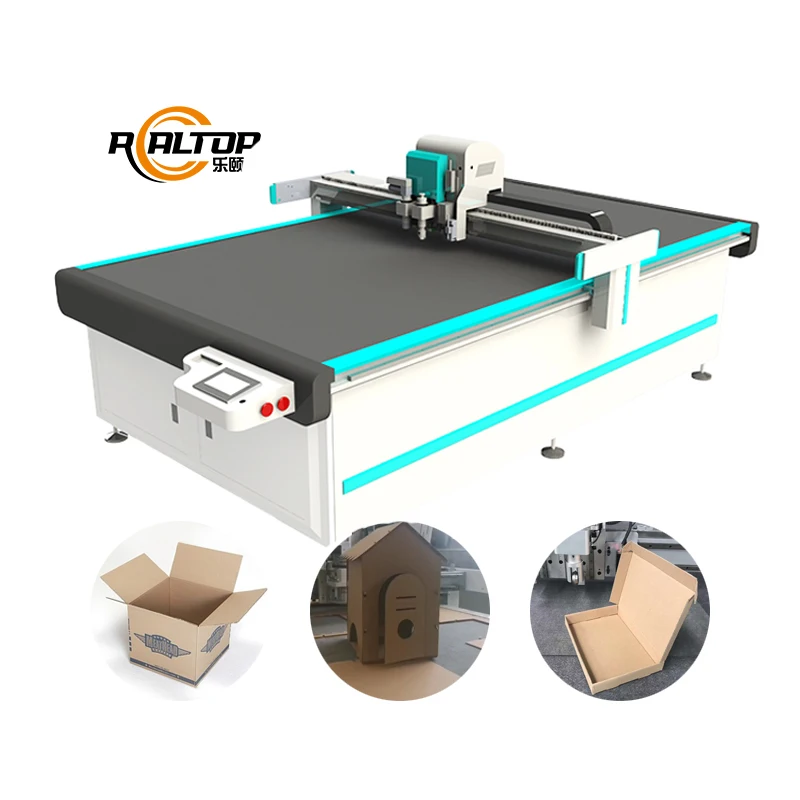
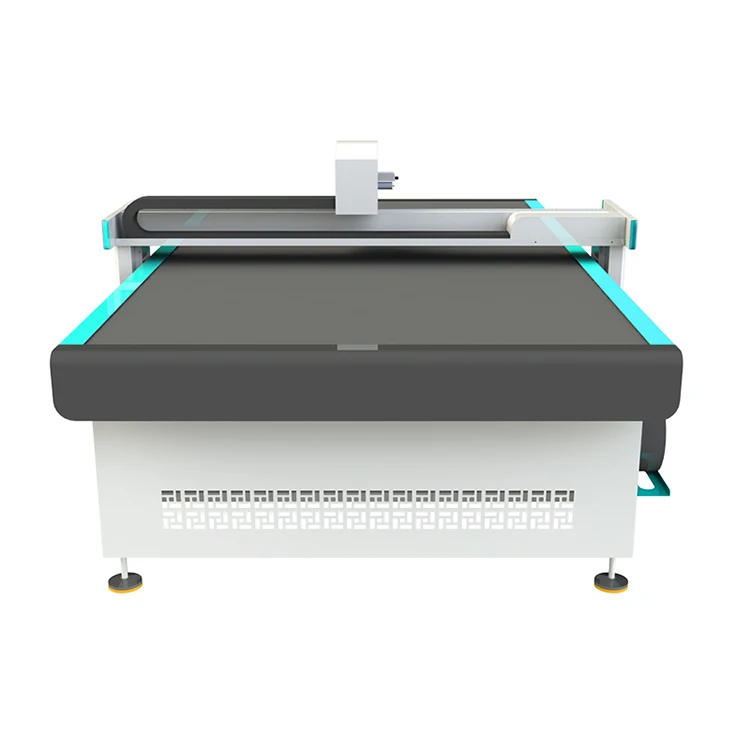
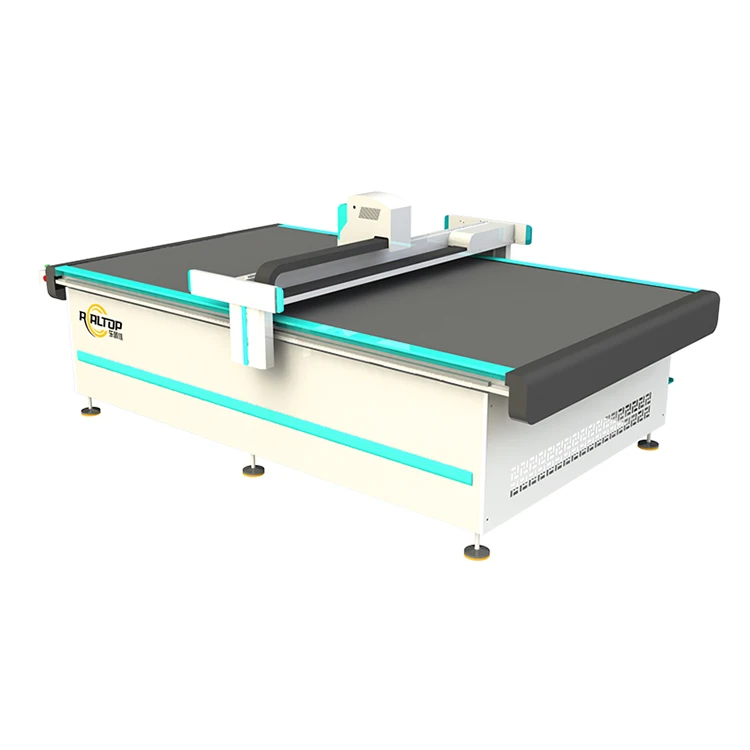
Complete cutting platform — Our in-house engineering team specifies the knife, vacuum, and control system to match the buyer’s actual fabric weight and ply count before order.
Technical Specifications
| Parameter | Value |
|---|---|
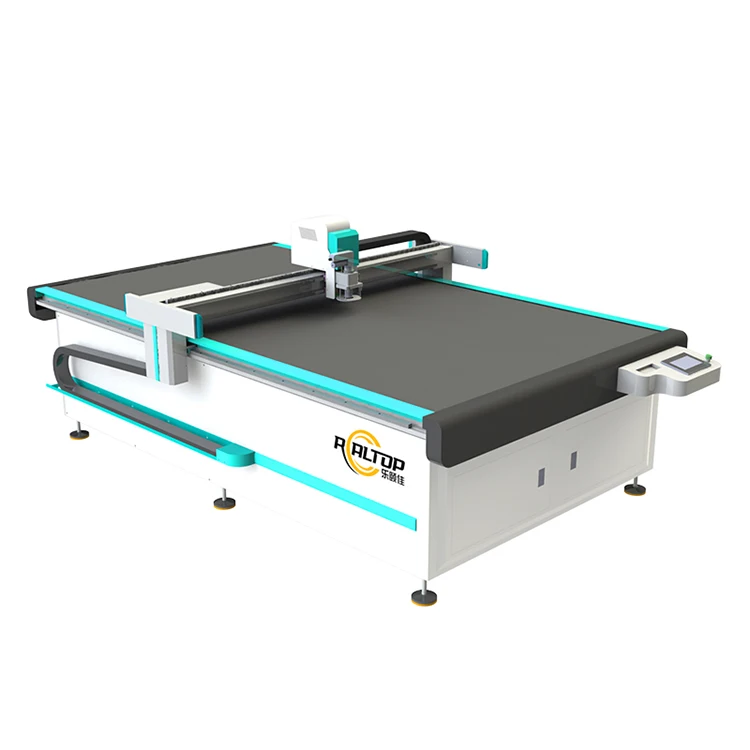
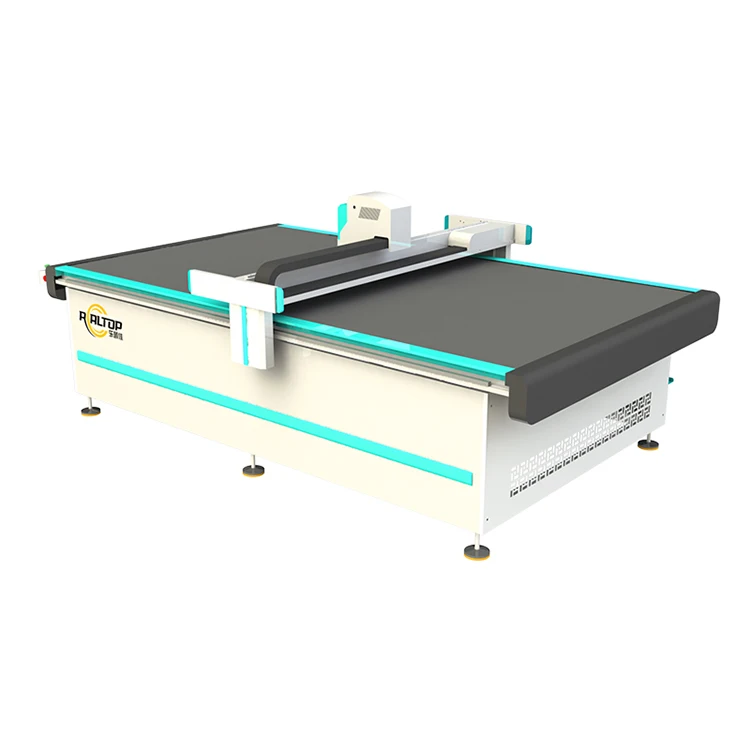
| Product Type | CNC Oscillating Knife Cutting Machine |
| Model | RT-D2516/RT-S2516 |
| Working Area | 1600 × 2500 mm |
| Machine Size | 3450 × 2300 × 1250 mm |
| Rated Power | 9 kW |
| Vacuum Pump | 7.5 kW |
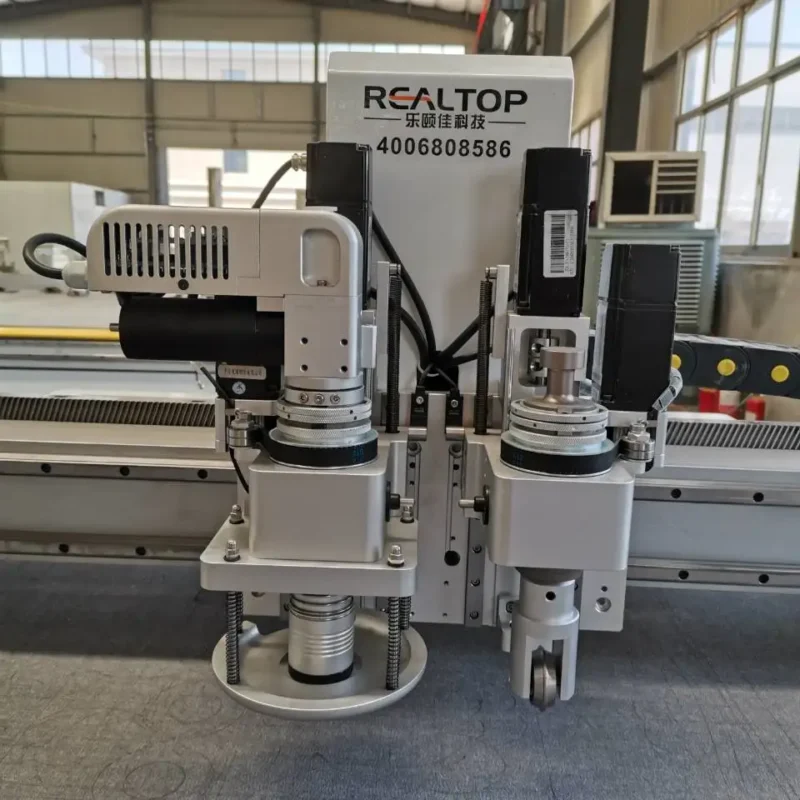
| Tool Head | Swiss imported oscillating knife (full-cut and half-cut vibration modes) |
| Cutting Speed | 200–800 mm/s (dependent on material density and thickness) |
| Translational Velocity | 800–1200 mm/s |
| Repeated Accuracy | ≤0.1 mm |
| Transmission System | Digital servo motor, linear guide, synchronous belt, ball screw |
| Servo Motor | Japanese Yaskawa |
| Linear Guide | Taiwan Hiwin rail |
| Conveyor Belt | Germany imported |
| Table Type | Flat working table with conveyor belt and vacuum |
| Safety Device | Infrared sensors |
| Instruction System | HP-GL compatible format |
| Voltage | 380V ±10% |
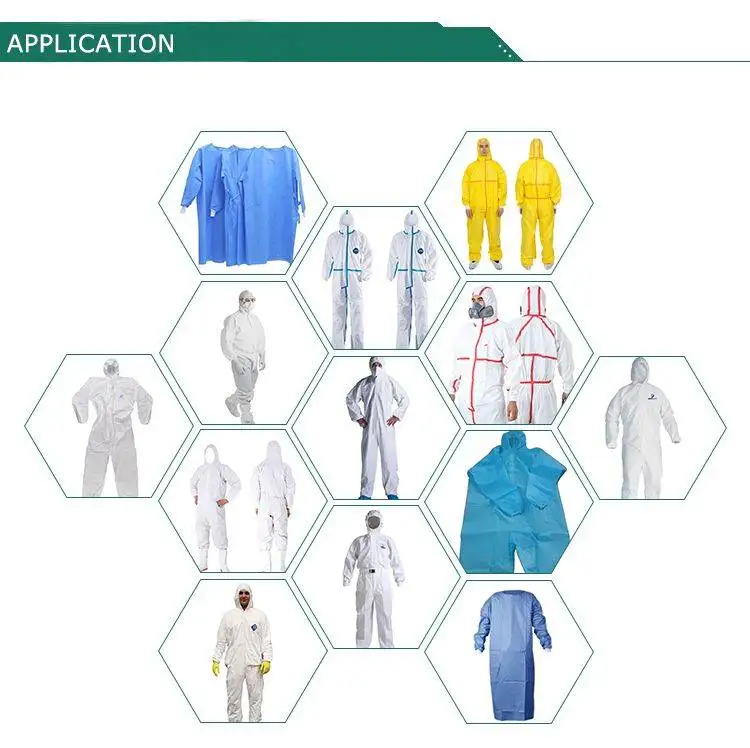
Application Suitability
| Application | Material or Output |
|---|---|
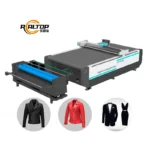
| Garment and apparel fabric cutting | Woven, knit, and technical fabrics at production volume |
| Leather goods production | Natural leather, synthetic leather, and sponge composites |
| Footwear manufacturing | Upper and lining materials including PU and textile layers |
| Flexible material conversion | PVC, soft glass, silicone, and rubber sheets |
When the Machine Specs Do Not Match the Material Reality
Configuration must be validated on the buyer’s actual material before the order is confirmed.
A common trap in this industry is selecting a machine based on its working envelope alone. I recall a garment manufacturer who specified a unit by bed size, only to find that their stretch-heavy blend caused the edges to fray and the output to drop significantly compared to the sample run on standard cotton [NEED_CITE: CNC machine material compatibility verification]. A CNC oscillating knife cutting machine manufacturer must demonstrate how the tool head and vacuum system perform on the specific ply count and fabric composition the buyer intends to process. Without a sample cutting report on the buyer’s own material, the speed ratings remain theoretical.
Swiss Oscillating Knife Technology
The tool head on this platform uses a Swiss imported oscillating knife designed for both full-cut and half-cut vibration modes. This flexibility allows the operator to switch between cutting through multiple layers of heavy fabric and executing precision half-cuts for kiss-cutting applications or marking. The vibration full cutting mode is essential for garment and apparel fabric cutting where edge quality determines the final product’s value.
Precision Motion and Vacuum Hold-Down
Achieving a repeated accuracy of ≤0.1 mm requires a motion system that does not deflect under high-speed traversal. This unit pairs a Japanese Yaskawa digital servo motor with Taiwan Hiwin linear rails and imported ball screws. The 7.5 kW vacuum pump, combined with a Germany-imported conveyor belt, ensures that even lightweight or porous fabrics remain flat during the cutting cycle. This hold-down capacity is what allows the cutting speed to reach the upper end of the 200–800 mm/s range without material lift or shifting.
Interpreting the Speed and Power Data
The rated power of 9 kW covers the servo drives, vacuum, and control systems. The cutting speed of 200–800 mm/s is not a single fixed number; it varies according to the material density and thickness. A CNC oscillating knife cutting machine manufacturer will often quote the maximum translational velocity of 1200 mm/s, but the actual cutting speed is what matters for production planning. The 380V ±10% voltage requirement means the destination market’s power grid must be stable; fluctuations outside this tolerance can damage the Yaskawa drives [NEED_CITE: industrial voltage stability requirements for servo motors].
The Cost of Overlooking Vacuum Zoning
If the vacuum table is not zoned for small garment pattern pieces, the material can lift at the edges during high-speed cutting. This leads to frayed edges, miscuts, and wasted fabric. A buyer processing small, intricate leather goods components needs a table with fine-zone control, otherwise the 7.5 kW vacuum pump is pulling air through unused areas of the bed. I have seen workshops where operators had to tape down material edges manually, defeating the purpose of an automated flatbed cutter [NEED_CITE: vacuum table zoning for small part cutting].
Why Source from This Manufacturer
Our in-house design team builds both knife and laser platforms, so the cutting method is matched to the material rather than forced. We configure the tool head and vacuum zoning per the buyer’s stated material and daily volume. Software compatibility, including HP-GL format and nesting workflows, is verified before the machine ships. Every unit undergoes a factory test record on the buyer’s specific fabric before dispatch. We confirm voltage, plug type, and control language for the destination market.
Documentation & Verification
- Machine specification sheet confirming 1600 × 2500 mm working area and 9 kW rated power.
- Electrical schematic detailing 380V ±10% wiring and Yaskawa servo connections.
- Sample cutting report documenting edge quality on the buyer’s fabric and ply count.
- Tool head and vacuum zone configuration list matched to the material type.
- Factory test record with video of the cutting cycle on the buyer’s specific material.
- Software licence and file format compatibility note for HP-GL and nesting workflows.
Installation, Commissioning & Support
- Floor must support 3450 × 2300 × 1250 mm footprint and dynamic cutting loads.
- Dedicated 380V circuit required for 9 kW rated power plus 7.5 kW vacuum pump.
- Machine arrives partially assembled; final alignment of Hiwin rails performed on-site.
- First-run commissioning includes calibration of Swiss oscillating knife to material thickness.
- Operator training covers HP-GL file import, nesting, and vacuum zone selection.
- Spare parts list includes oscillating knife blades, synchronous belts, and infrared sensors.
Inquiry Preparation
To provide a relevant configuration, we need to know the primary fabric type, maximum thickness or ply count, and typical sheet size. Please also state the destination market’s voltage and frequency, and whether your existing nesting software exports in HP-GL or DXF format. If you can send a sample of the material for a test cut, we can confirm the tool head and speed parameters before quoting.
Frequently Asked Questions
Q: How is cutting capacity verified for my specific fabric type and thickness?
A: We require a physical sample of your material to run a test cut in our factory. We then document the edge quality, ply count, and achievable cutting speed in a sample cutting report. This ensures the Swiss oscillating knife and vacuum hold-down are specified correctly for your production needs before the order is finalized.
Q: Which voltage, plug, and control language options are confirmed before shipment?
A: We confirm the destination market’s 380V ±10% requirement or alternative voltage, the specific plug type, and the control panel language during the specification phase. This is documented in the machine specification sheet and electrical schematic to ensure the Yaskawa drives and control system arrive ready for immediate connection.
Q: How is the vacuum table zoned for small garment pattern pieces to prevent material lift?
A: The 7.5 kW vacuum table can be configured with specific zoning to concentrate suction under the cutting path. This prevents lightweight or small-pattern materials from lifting during high-speed traversal up to 1200 mm/s, ensuring the ≤0.1 mm repeated accuracy is maintained across the entire 1600 × 2500 mm working area.
Q: Can the machine import my existing nesting files and software workflow?
A: The control system is HP-GL compatible and supports standard industry file formats. We verify your specific nesting software’s output format during the pre-order phase and document this in the software licence and file format compatibility note to ensure a smooth transition to this CNC oscillating knife cutting machine.
Q: What does the sample cutting process look like before I commit to the order?
A: You send us your material, and we configure the tool head and vacuum settings. We then run a cutting cycle and provide a video and a written report detailing the edge quality, cutting speed, and any tooling recommendations. This sample cutting report becomes the benchmark for the machine’s factory test record before shipment.
Complete cutting platform — Our in-house engineering team specifies the knife, vacuum, and control system to match the buyer’s actual fabric weight and ply count before order.
Technical Specifications
| Parameter | Value |
|---|---|
| Product Type | CNC Oscillating Knife Cutting Machine |
| Model | RT-D2516/RT-S2516 |
| Working Area | 1600 × 2500 mm |
| Machine Size | 3450 × 2300 × 1250 mm |
| Rated Power | 9 kW |
| Vacuum Pump | 7.5 kW |
| Tool Head | Swiss imported oscillating knife (full-cut and half-cut vibration modes) |
| Cutting Speed | 200–800 mm/s (dependent on material density and thickness) |
| Translational Velocity | 800–1200 mm/s |
| Repeated Accuracy | ≤0.1 mm |
| Transmission System | Digital servo motor, linear guide, synchronous belt, ball screw |
| Servo Motor | Japanese Yaskawa |
| Linear Guide | Taiwan Hiwin rail |
| Conveyor Belt | Germany imported |
| Table Type | Flat working table with conveyor belt and vacuum |
| Safety Device | Infrared sensors |
| Instruction System | HP-GL compatible format |
| Voltage | 380V ±10% |
Application Suitability
| Application | Material or Output |
|---|---|
| Garment and apparel fabric cutting | Woven, knit, and technical fabrics at production volume |
| Leather goods production | Natural leather, synthetic leather, and sponge composites |
| Footwear manufacturing | Upper and lining materials including PU and textile layers |
| Flexible material conversion | PVC, soft glass, silicone, and rubber sheets |
When the Machine Specs Do Not Match the Material Reality
Configuration must be validated on the buyer’s actual material before the order is confirmed.
A common trap in this industry is selecting a machine based on its working envelope alone. I recall a garment manufacturer who specified a unit by bed size, only to find that their stretch-heavy blend caused the edges to fray and the output to drop significantly compared to the sample run on standard cotton [NEED_CITE: CNC machine material compatibility verification]. A CNC oscillating knife cutting machine manufacturer must demonstrate how the tool head and vacuum system perform on the specific ply count and fabric composition the buyer intends to process. Without a sample cutting report on the buyer’s own material, the speed ratings remain theoretical.
Swiss Oscillating Knife Technology
The tool head on this platform uses a Swiss imported oscillating knife designed for both full-cut and half-cut vibration modes. This flexibility allows the operator to switch between cutting through multiple layers of heavy fabric and executing precision half-cuts for kiss-cutting applications or marking. The vibration full cutting mode is essential for garment and apparel fabric cutting where edge quality determines the final product’s value.
Precision Motion and Vacuum Hold-Down
Achieving a repeated accuracy of ≤0.1 mm requires a motion system that does not deflect under high-speed traversal. This unit pairs a Japanese Yaskawa digital servo motor with Taiwan Hiwin linear rails and imported ball screws. The 7.5 kW vacuum pump, combined with a Germany-imported conveyor belt, ensures that even lightweight or porous fabrics remain flat during the cutting cycle. This hold-down capacity is what allows the cutting speed to reach the upper end of the 200–800 mm/s range without material lift or shifting.
Interpreting the Speed and Power Data
The rated power of 9 kW covers the servo drives, vacuum, and control systems. The cutting speed of 200–800 mm/s is not a single fixed number; it varies according to the material density and thickness. A CNC oscillating knife cutting machine manufacturer will often quote the maximum translational velocity of 1200 mm/s, but the actual cutting speed is what matters for production planning. The 380V ±10% voltage requirement means the destination market’s power grid must be stable; fluctuations outside this tolerance can damage the Yaskawa drives [NEED_CITE: industrial voltage stability requirements for servo motors].
The Cost of Overlooking Vacuum Zoning
If the vacuum table is not zoned for small garment pattern pieces, the material can lift at the edges during high-speed cutting. This leads to frayed edges, miscuts, and wasted fabric. A buyer processing small, intricate leather goods components needs a table with fine-zone control, otherwise the 7.5 kW vacuum pump is pulling air through unused areas of the bed. I have seen workshops where operators had to tape down material edges manually, defeating the purpose of an automated flatbed cutter [NEED_CITE: vacuum table zoning for small part cutting].
Why Source from This Manufacturer
Our in-house design team builds both knife and laser platforms, so the cutting method is matched to the material rather than forced. We configure the tool head and vacuum zoning per the buyer’s stated material and daily volume. Software compatibility, including HP-GL format and nesting workflows, is verified before the machine ships. Every unit undergoes a factory test record on the buyer’s specific fabric before dispatch. We confirm voltage, plug type, and control language for the destination market.
Documentation & Verification
- Machine specification sheet confirming 1600 × 2500 mm working area and 9 kW rated power.
- Electrical schematic detailing 380V ±10% wiring and Yaskawa servo connections.
- Sample cutting report documenting edge quality on the buyer’s fabric and ply count.
- Tool head and vacuum zone configuration list matched to the material type.
- Factory test record with video of the cutting cycle on the buyer’s specific material.
- Software licence and file format compatibility note for HP-GL and nesting workflows.
Installation, Commissioning & Support
- Floor must support 3450 × 2300 × 1250 mm footprint and dynamic cutting loads.
- Dedicated 380V circuit required for 9 kW rated power plus 7.5 kW vacuum pump.
- Machine arrives partially assembled; final alignment of Hiwin rails performed on-site.
- First-run commissioning includes calibration of Swiss oscillating knife to material thickness.
- Operator training covers HP-GL file import, nesting, and vacuum zone selection.
- Spare parts list includes oscillating knife blades, synchronous belts, and infrared sensors.
Inquiry Preparation
To provide a relevant configuration, we need to know the primary fabric type, maximum thickness or ply count, and typical sheet size. Please also state the destination market’s voltage and frequency, and whether your existing nesting software exports in HP-GL or DXF format. If you can send a sample of the material for a test cut, we can confirm the tool head and speed parameters before quoting.
Frequently Asked Questions
Q: How is cutting capacity verified for my specific fabric type and thickness?
A: We require a physical sample of your material to run a test cut in our factory. We then document the edge quality, ply count, and achievable cutting speed in a sample cutting report. This ensures the Swiss oscillating knife and vacuum hold-down are specified correctly for your production needs before the order is finalized.
Q: Which voltage, plug, and control language options are confirmed before shipment?
A: We confirm the destination market’s 380V ±10% requirement or alternative voltage, the specific plug type, and the control panel language during the specification phase. This is documented in the machine specification sheet and electrical schematic to ensure the Yaskawa drives and control system arrive ready for immediate connection.
Q: How is the vacuum table zoned for small garment pattern pieces to prevent material lift?
A: The 7.5 kW vacuum table can be configured with specific zoning to concentrate suction under the cutting path. This prevents lightweight or small-pattern materials from lifting during high-speed traversal up to 1200 mm/s, ensuring the ≤0.1 mm repeated accuracy is maintained across the entire 1600 × 2500 mm working area.
Q: Can the machine import my existing nesting files and software workflow?
A: The control system is HP-GL compatible and supports standard industry file formats. We verify your specific nesting software’s output format during the pre-order phase and document this in the software licence and file format compatibility note to ensure a smooth transition to this CNC oscillating knife cutting machine.
Q: What does the sample cutting process look like before I commit to the order?
A: You send us your material, and we configure the tool head and vacuum settings. We then run a cutting cycle and provide a video and a written report detailing the edge quality, cutting speed, and any tooling recommendations. This sample cutting report becomes the benchmark for the machine’s factory test record before shipment.
商品评价
There are no reviews yet.